
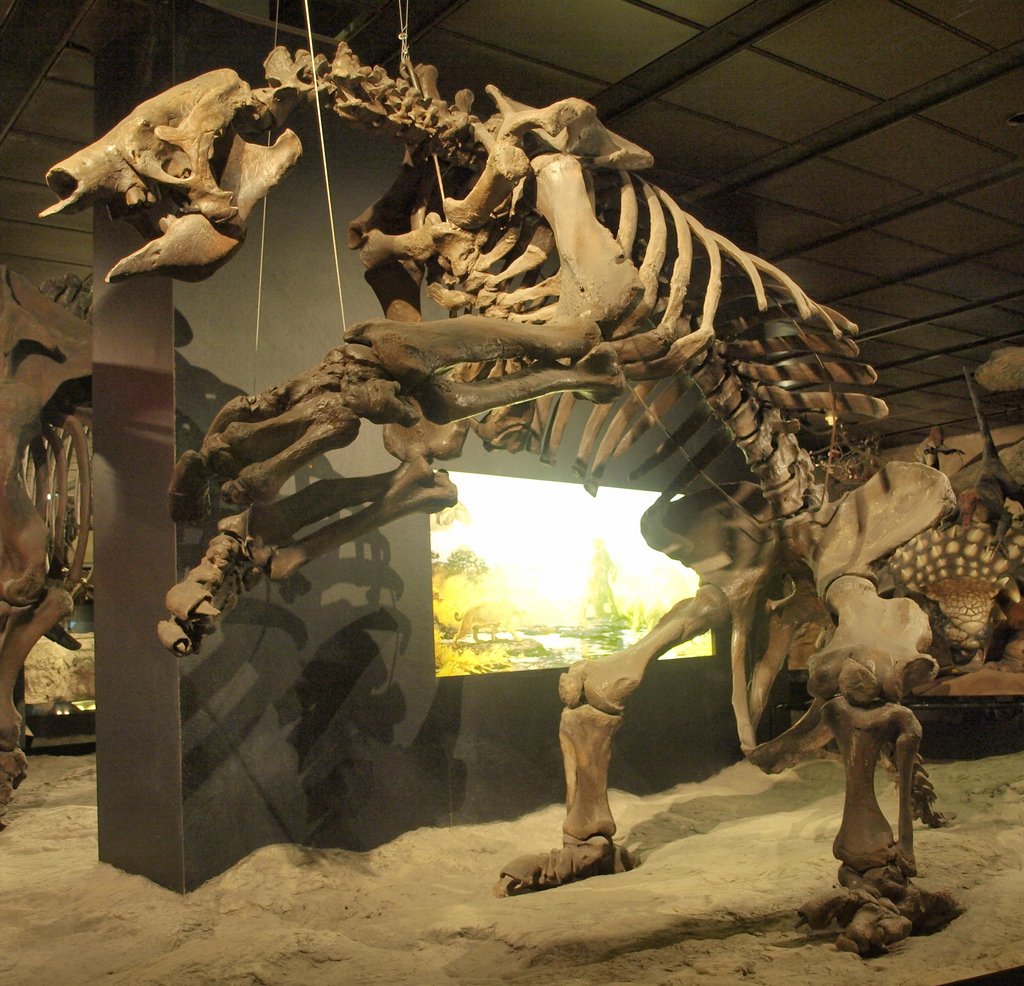
You were taught these animals as settled fact – case closed, textbook printed, museum plaque bolted to the wall. But somewhere between your classroom and the fossil lab, thirteen of history’s most iconic creatures got quietly rewritten, and nobody thought you needed to know.
No retraction articles. No corrected headlines. Just a slow, deliberate softening of language in academic papers while the popular version stayed frozen in amber. Here’s what actually happened to thirteen ancient animals – and why the reversals never made it past the journal footnotes.
#13 – The Woolly Mammoth’s Extinction Timeline Quietly Moved
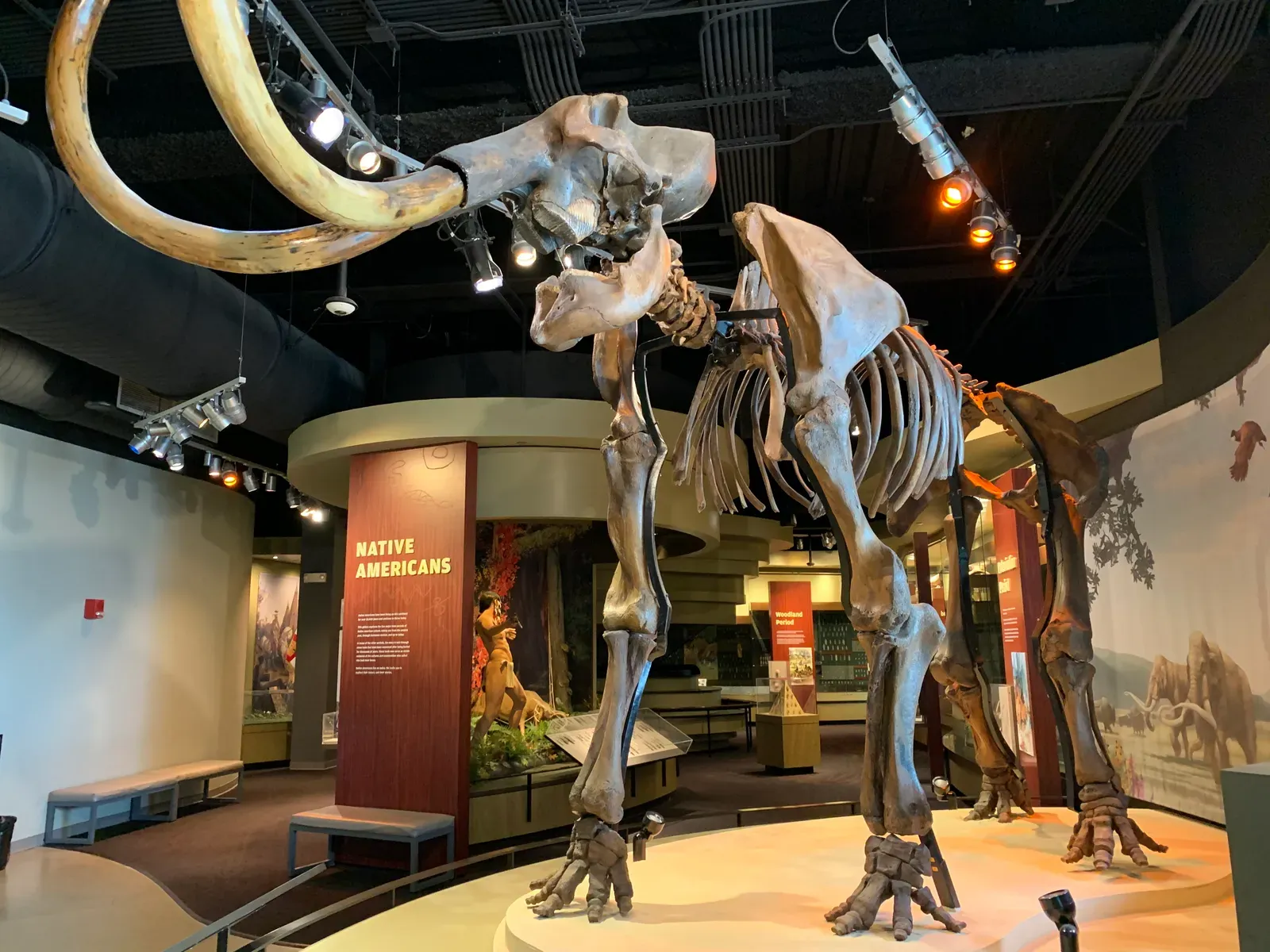
For generations, textbooks taught woolly mammoths as strictly Ice Age animals – gone the instant glaciers retreated roughly 10,000 years ago, right alongside the mastodons and saber-tooths. Clean, tidy, done.
That neat ending fell apart once researchers looked closer at isolated Arctic islands. Small mammoth populations survived thousands of years after mainland herds vanished, overlapping with the construction of the Egyptian pyramids. Textbooks never loudly corrected the record; museum placards just quietly swapped “extinction” for “mainland extinction,” hoping nobody would ask why the timeline moved by six thousand years.
Fast Facts
- Mainland woolly mammoths disappeared roughly 10,000 years ago as glaciers retreated.
- A holdout population on Russia’s remote Wrangel Island survived until about 4,000 years ago.
- That means mammoths were still alive while the Great Pyramid of Giza was under construction.
- Researchers estimate the final surviving population was small and isolated, making it easy for textbooks to ignore.
#12 – Terror Birds Lost Their Speed Crown Overnight
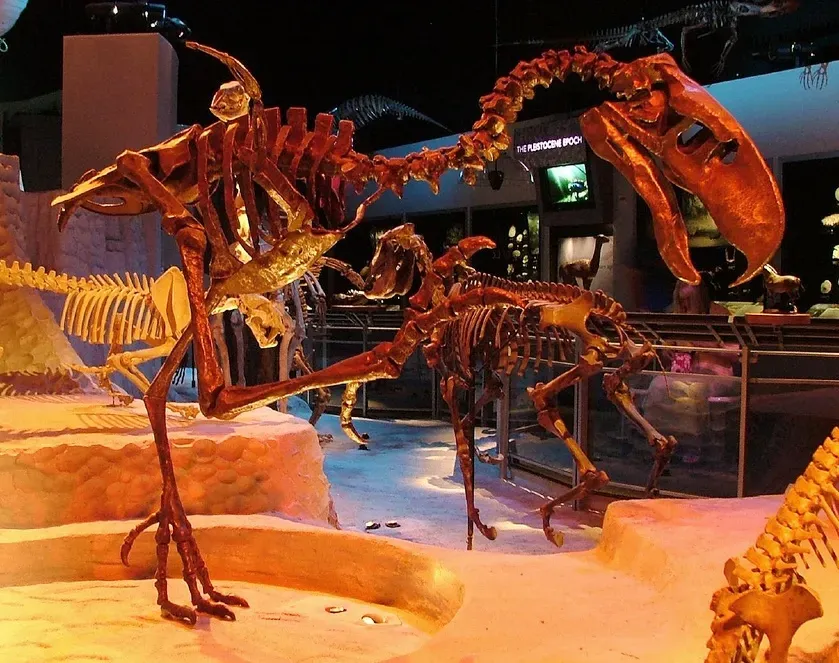
Terror birds were once sold as the fastest land predators of their era – flightless killers supposedly capable of outrunning modern racehorses across ancient South American plains. It made for a great documentary hook.
Then biomechanical leg modeling ruined it. Newer skeletal stress analysis suggests many terror bird species were far more lumbering than advertised, built for powerful, precise strikes rather than blistering sprints. The image of a bird-shaped cheetah chasing panicked mammals across open plains doesn’t survive contact with actual joint-stress math. Nobody issued a correction; the hedge just quietly appeared in newer papers instead.
#11 – The “Hobbit” Species Flip-Flopped on Whether It Was Even a New Species
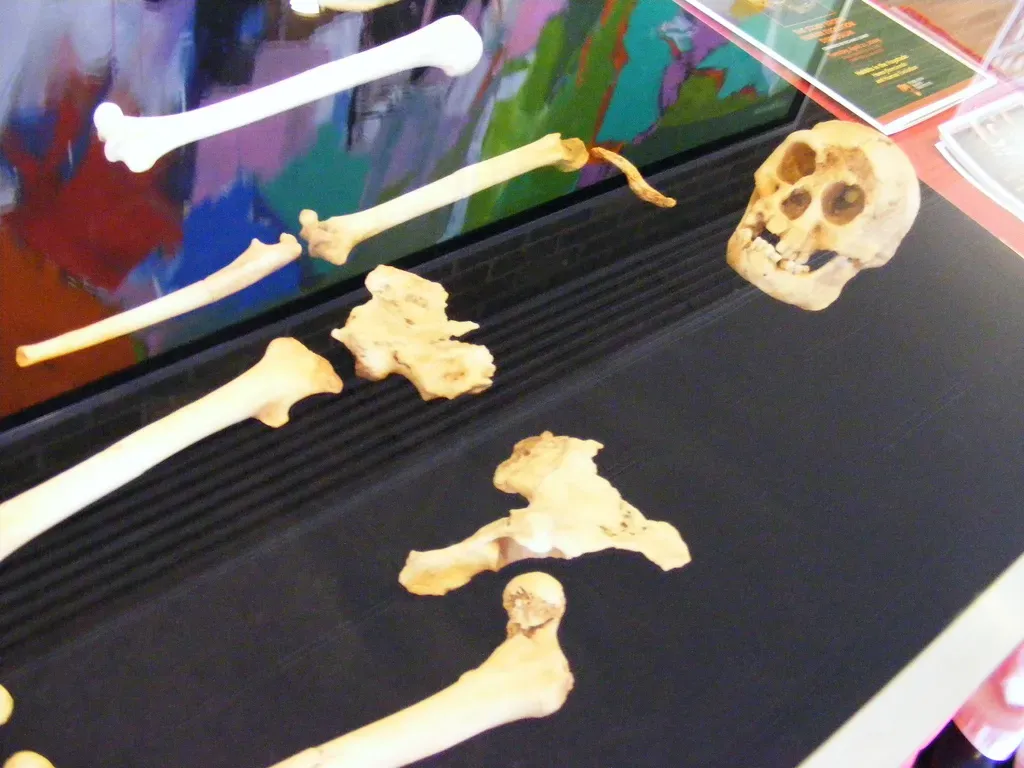
When tiny hominin bones surfaced on the Indonesian island of Flores, scientists announced a brand-new human species – barely three feet tall, nicknamed the “Hobbit.” It was treated as one of the biggest human-origin discoveries in decades.
Then came the reversal nobody advertised. A competing camp argued these weren’t a new species at all, but modern humans suffering from severe developmental disorders like microcephaly. The scientific community spent over a decade publicly split on whether an entire “species” was actually just sick individuals, a fight that directly shaped how we define what counts as human. Consensus has since drifted back toward “genuine distinct species,” but quietly, in journal footnotes, never in headlines.
#10 – Giant Ground Sloths Weren’t the Gentle Herbivores You Learned About
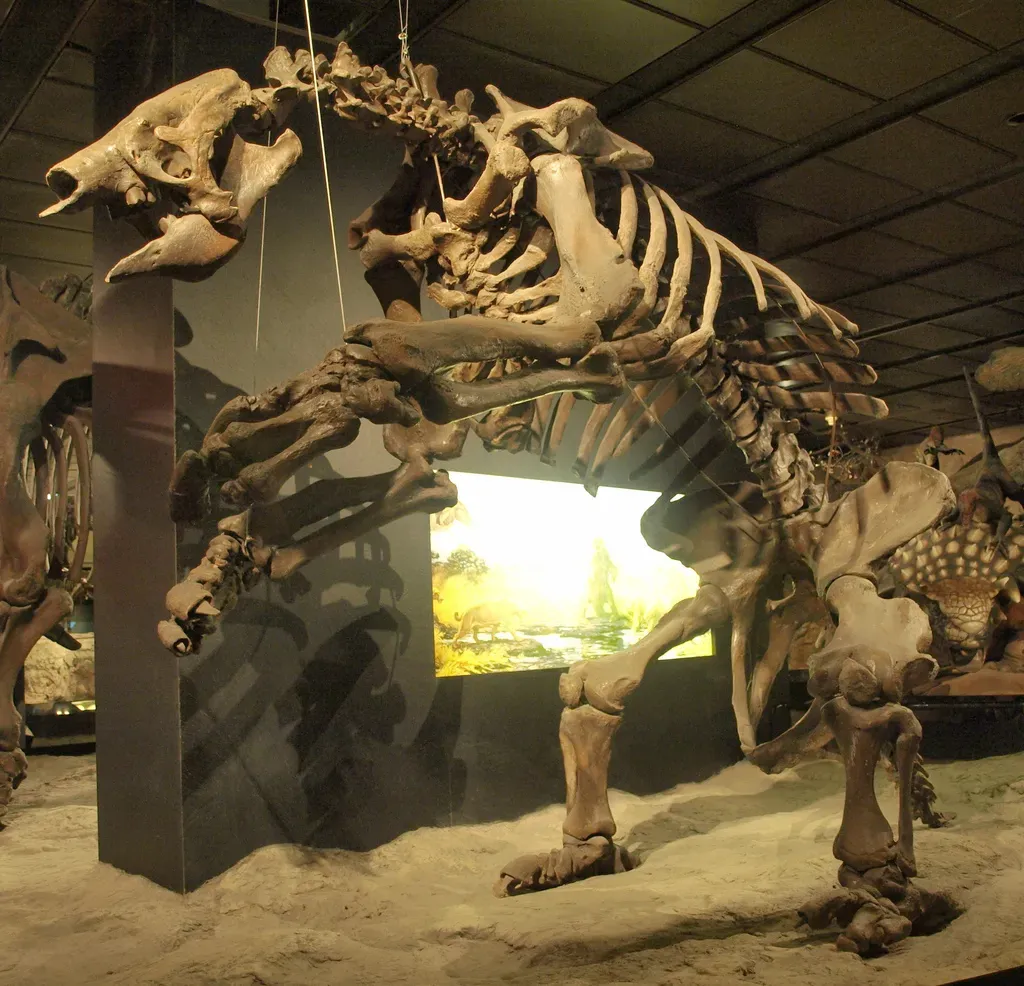
Giant ground sloths spent decades cast as slow, harmless plant-eaters – essentially oversized modern sloths lumbering through prehistoric forests, munching leaves and bothering nobody.
Recent isotopic and dental wear analysis wrecked that image. Evidence now suggests at least some ground sloth species supplemented their diet with meat, possibly scavenging carcasses or actively hunting. That’s not a footnote – it repositions these animals as opportunistic omnivores instead of passive grazers, changing how they fit into the entire ecosystem. Museums built whole dioramas around the peaceful-herbivore version, and none of them have been updated.
#9 – Saber-Tooth Cats Secretly Switched from Loners to Pack Hunters
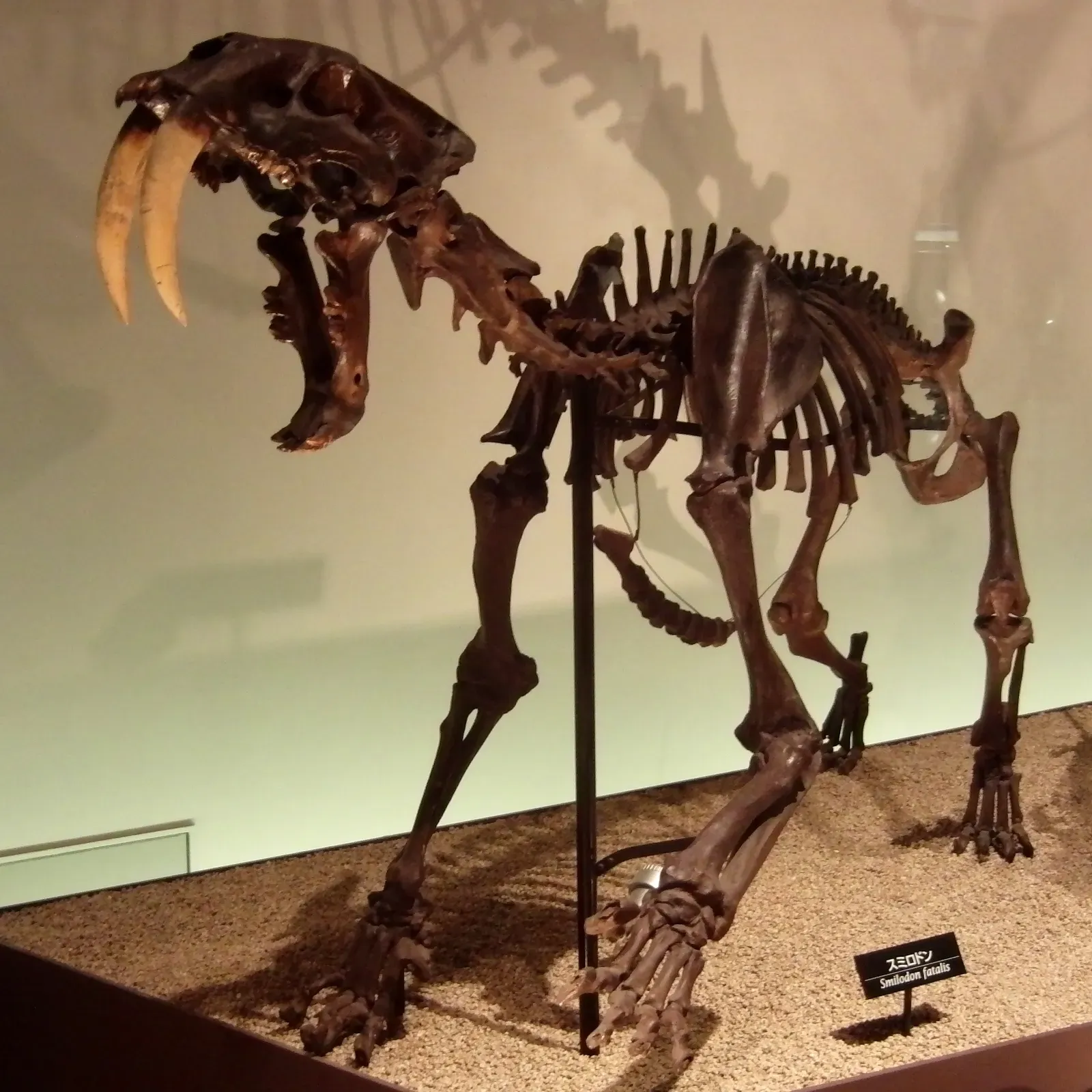
Smilodon, the iconic saber-toothed cat, was long depicted as a solitary ambush predator – stalking alone through the brush like a modern leopard. That’s still the version in most video games.
The solitary image cracked once researchers studied the La Brea Tar Pits more carefully. Multiple individuals were found trapped together, and several skeletons show healed injuries that would have required prolonged care from other cats, pointing toward social, group-living behavior. A badly injured solo predator starves; a badly injured pack member gets fed. It’s a total reversal of the Ice Age predator dynamic, yet pop culture never caught up.
Worth Knowing
- More than 2,000 individual Smilodon fossils have been pulled from the La Brea Tar Pits alone.
- Many recovered skeletons show healed fractures and joint damage severe enough to prevent solo hunting for weeks.
- That healing pattern only makes sense if other cats were sharing food during recovery.
- Modern lions, not leopards, are now considered the closer behavioral comparison.
#8 – Archaeopteryx Quietly Lost Its “First Bird” Title
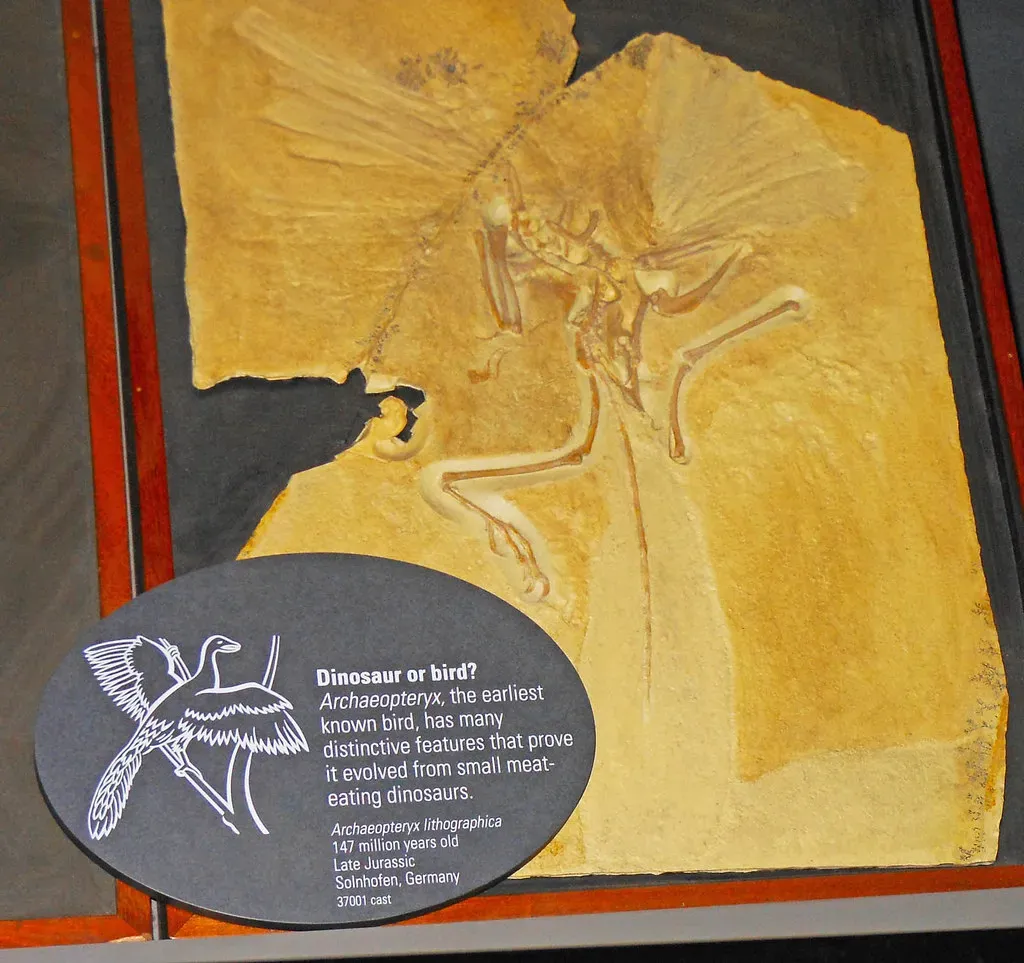
Archaeopteryx was the textbook poster child for decades – the definitive missing link, officially crowned the “first bird” in virtually every biology classroom on Earth.
That crown has been quietly removed. As feathered dinosaur fossils poured out of China, researchers realized Archaeopteryx was simply one of many feathered theropods experimenting with flight-like features, not a unique transitional ancestor. Some newer biomechanical studies even question whether it could achieve powered, sustained flight at all, suggesting short glides or flap-assisted hops instead. The label softened to “an early bird-line dinosaur” in academic papers – a demotion that undid a century of textbook certainty without ever making a headline.
#7 – The Dodo Wasn’t Fat, Slow, or Stupid
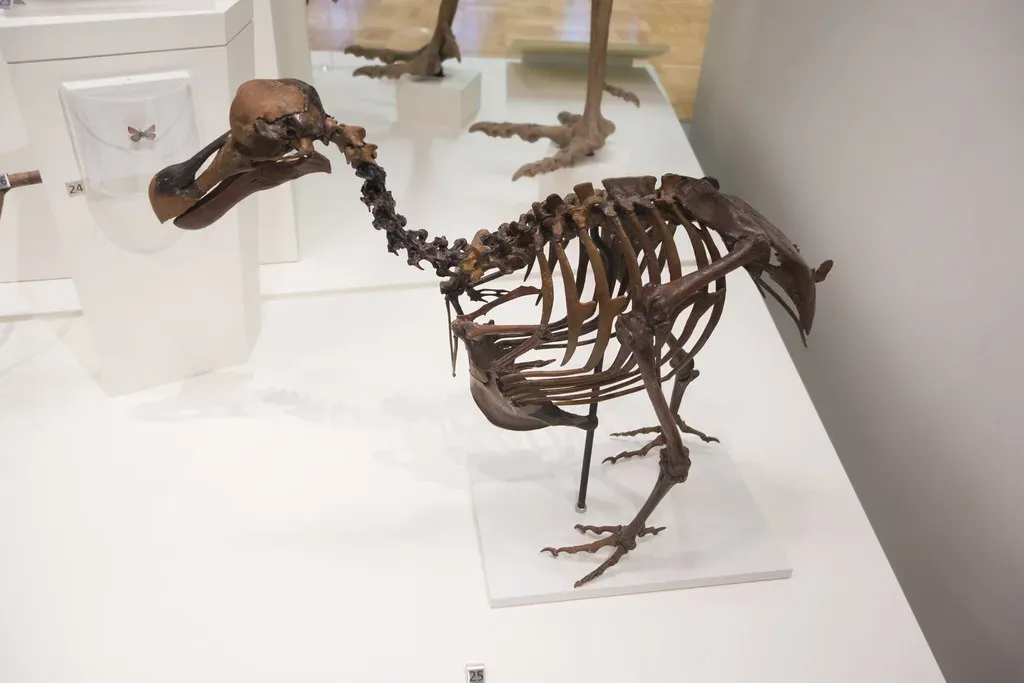
Nearly every cultural reference to the dodo – cartoons, idioms, children’s books – shows a comically obese, waddling bird too dumb to survive. It’s the punchline for extinction itself.
That image came almost entirely from a handful of exaggerated 17th-century paintings of overfed captive specimens kept in European menageries, not healthy wild dodos. Skeletal reconstructions and modern muscle modeling now suggest the dodo was lean and athletic, likely capable of running fast through Mauritius forests to escape danger. The “stupid” label doesn’t hold up either: dodos had no natural predators before humans arrived, so their lack of fear was evolution, not idiocy. Nobody’s updating the plush toys, but paleoart circles quietly dropped the fat-dodo look years ago.
#6 – Neanderthals Went from “Brutish Cavemen” to Our Sophisticated Relatives
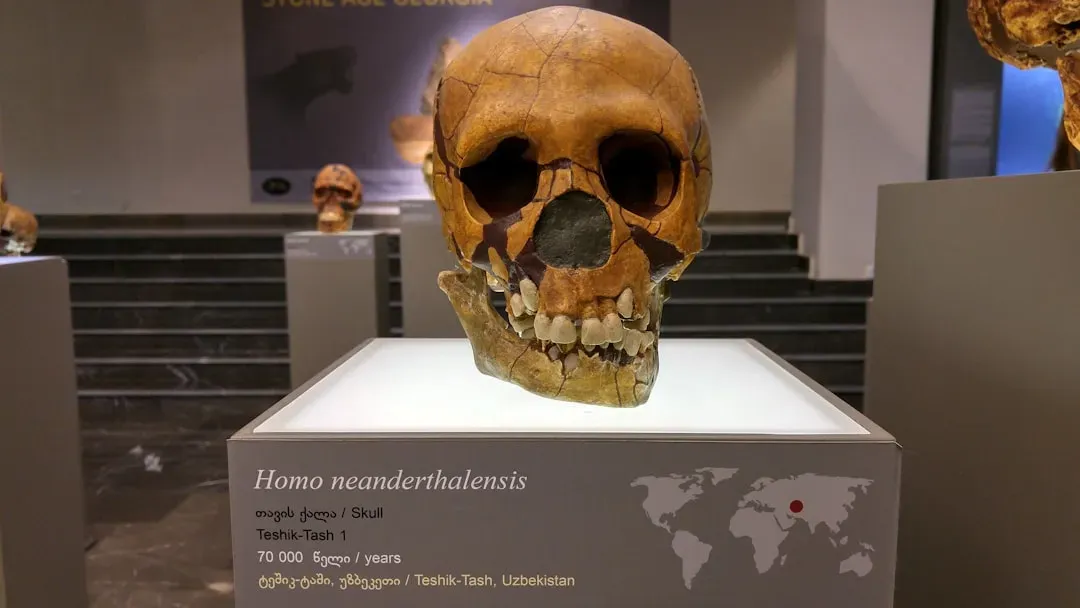
For most of the 20th century, Neanderthals were the go-to symbol of dim-witted, hunched, grunting cavemen – an evolutionary dead end that modern humans simply outsmarted.
That characterization has been almost entirely reversed. Genetic sequencing confirmed Neanderthals interbred with early modern humans, and most people of non-African descent today carry measurable percentages of Neanderthal DNA. They’re not an extinct failure – they’re partially still walking around in your genome. Jewelry, deliberate burials, cave art, and possible symbolic behavior further dismantled the “brutish” stereotype. It’s arguably the biggest silent reversal on this entire list, yet the “dumb caveman” insult hasn’t budged an inch in pop culture.
Fast Facts
- Interbreeding between Neanderthals and modern humans is estimated to have occurred roughly 50,000 to 60,000 years ago.
- Most people of non-African ancestry today carry about 1 to 2 percent Neanderthal DNA.
- Neanderthal sites have produced evidence of intentional burials, pigment use, and personal ornaments.
- Some inherited Neanderthal genes are linked to modern immune response and skin traits.
#5 – Triceratops Might Secretly Be Two “Species” That Never Existed
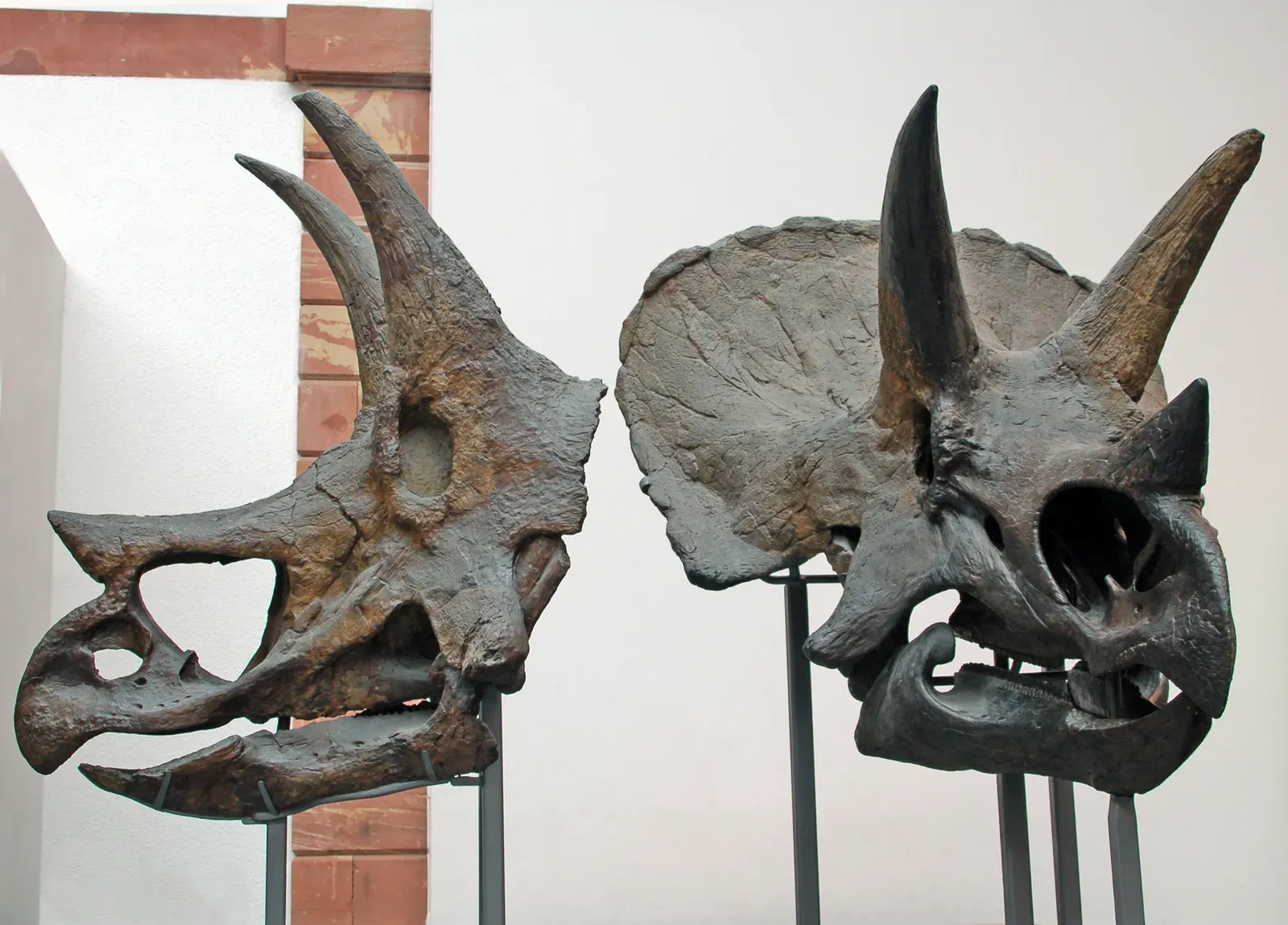
Triceratops, one of the most recognizable dinosaurs ever discovered, faced a strange identity crisis when researchers proposed that Torosaurus – long considered a separate genus – might actually just be a fully grown adult Triceratops.
The theory holds that dinosaur skulls changed dramatically with age, meaning younger Triceratops and older Torosaurus specimens could represent the same species at different life stages, with the frill holes simply appearing later in development. If confirmed, an entire genus taught for over a century never actually existed as its own animal. The debate remains unresolved and genuinely contentious among paleontologists, but the fact that it’s even plausible says a lot about how shaky some long-standing dinosaur classifications really are.
#4 – Brontosaurus Was Declared Fake for Over a Century, Then Quietly Un-Canceled
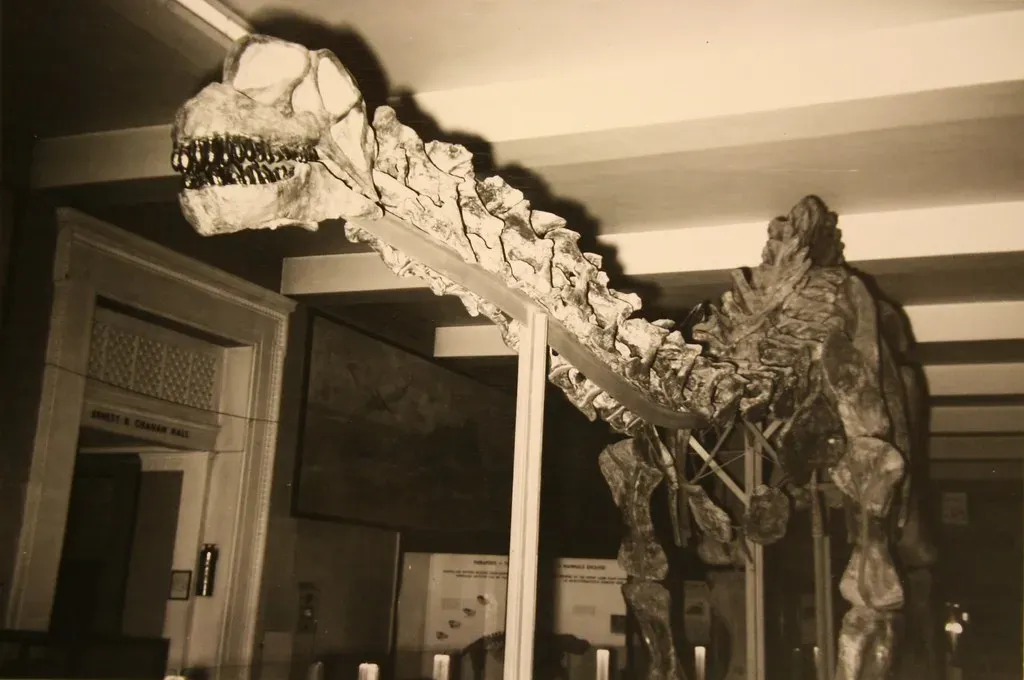
Every kid who grew up loving Brontosaurus eventually got the crushing news: the name was scientifically invalid. The fossils actually belonged to Apatosaurus, and Brontosaurus never technically existed as its own genus.
That “correction,” made back in 1903, stood unchallenged for over a hundred years – until a massive 2015 study blew it back open. Researchers analyzed 477 morphological characteristics across 81 individual sauropods and concluded the differences were significant enough to justify splitting them into two genera again. The “fake dinosaur” millions of children were taught to stop believing in got quietly reinstated as scientifically real, and almost nobody outside paleontology circles ever heard about it. Some researchers still call the split subjective, meaning Brontosaurus could theoretically get un-discovered all over again.
#3 – Megalodon’s Extinction Date Secretly Jumped a Million Years
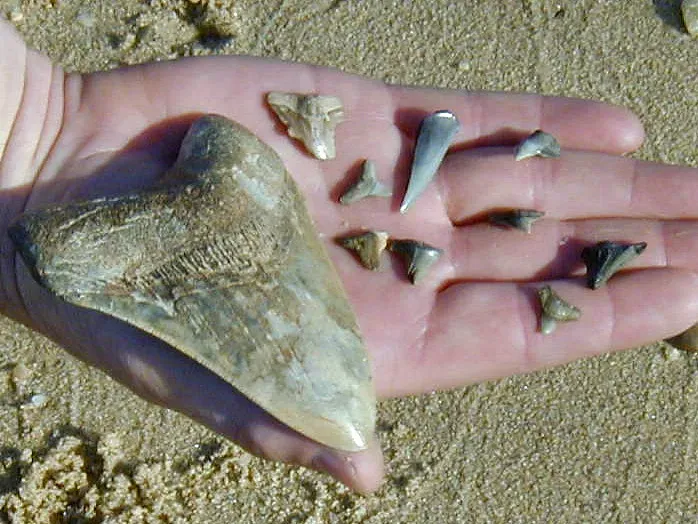
For years, popular science accepted that Megalodon, the largest predatory shark ever to exist, vanished around 2.6 million years ago – conveniently timed with a broader marine mass extinction event. Tidy story, dramatic ending.
Then a 2019 fossil-record audit blew that timeline apart. Researchers found Megalodon present in the fossil record until 3.6 million years ago, meaning it died out a full million years earlier than everyone assumed. That means Megalodon’s disappearance had nothing to do with the extinction event it was blamed for, and points instead to a far less dramatic culprit: getting outcompeted by the newly emerging great white shark. Movie franchises still use the old timeline because “outcompeted by a smaller rival” doesn’t sell tickets.
#2 – T. Rex Secretly Lost Its Feathers
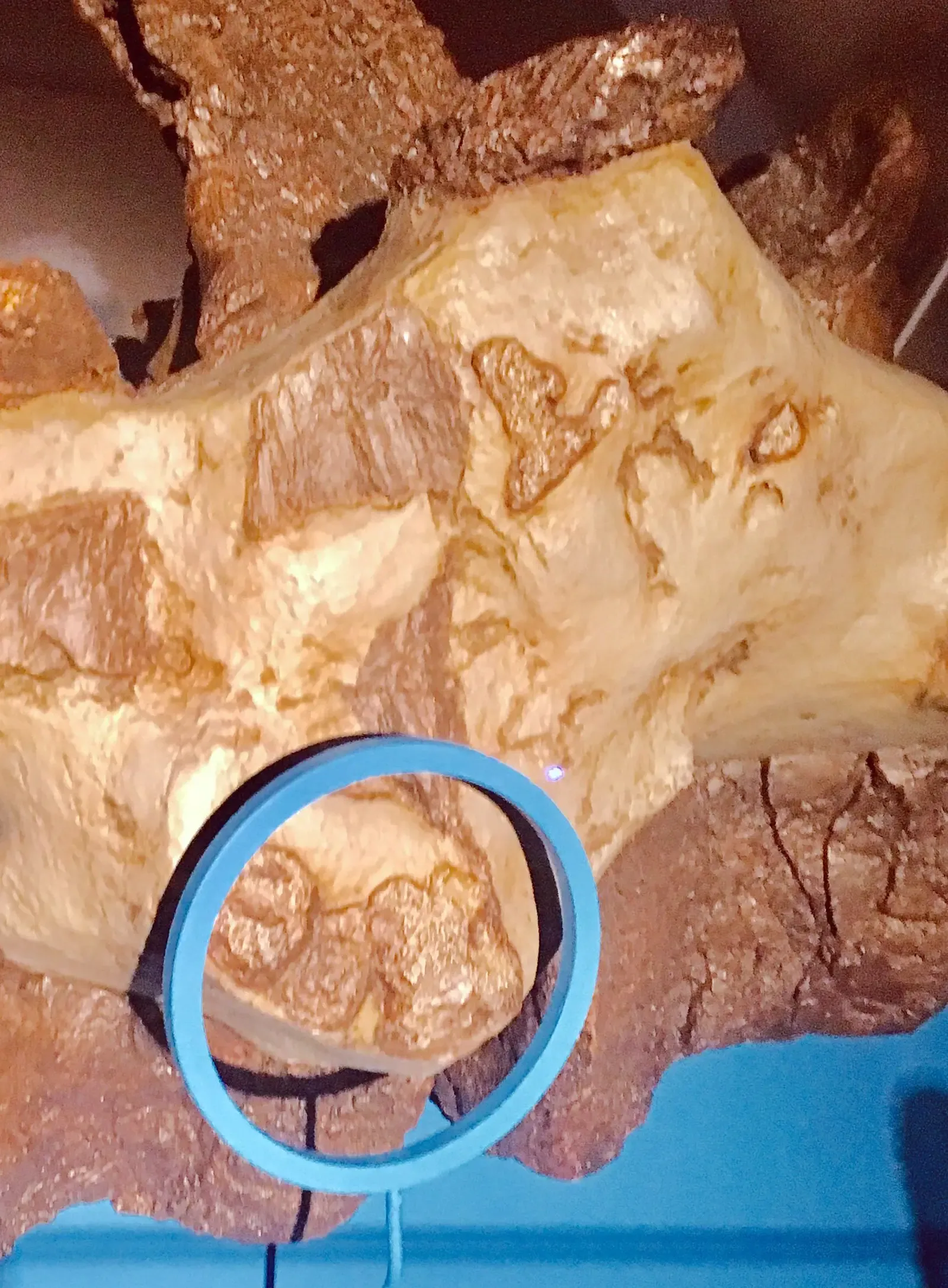
For nearly two decades, T. rex was aggressively rebranded as a feathered animal. Discoveries of fluffy ancestors like Dilong and Yutyrannus convinced much of the paleontology world – and the public – that the king of dinosaurs likely sported a downy coat instead of scaly reptile skin.
Then in 2017, a study analyzing actual fossilized T. rex skin quietly reversed the entire narrative. Scientists examined real skin impressions and found that the creature’s abdomen, chest, pelvis, neck, and tail were covered exclusively in scales.
“…shows without question that T. rex had scaly skin.”
Phil Bell
An entire generation of “fluffy T. rex” toys, documentaries, and museum murals got scientifically undercut, and almost none of them have been updated. Even the compromise version is tamer than advertised – if any feathers existed at all, they were limited to the back, nowhere near the full-body plumage fantasy sold to millions.
#1 – Spinosaurus Went Aquatic, Then Not Aquatic, Then Aquatic Again
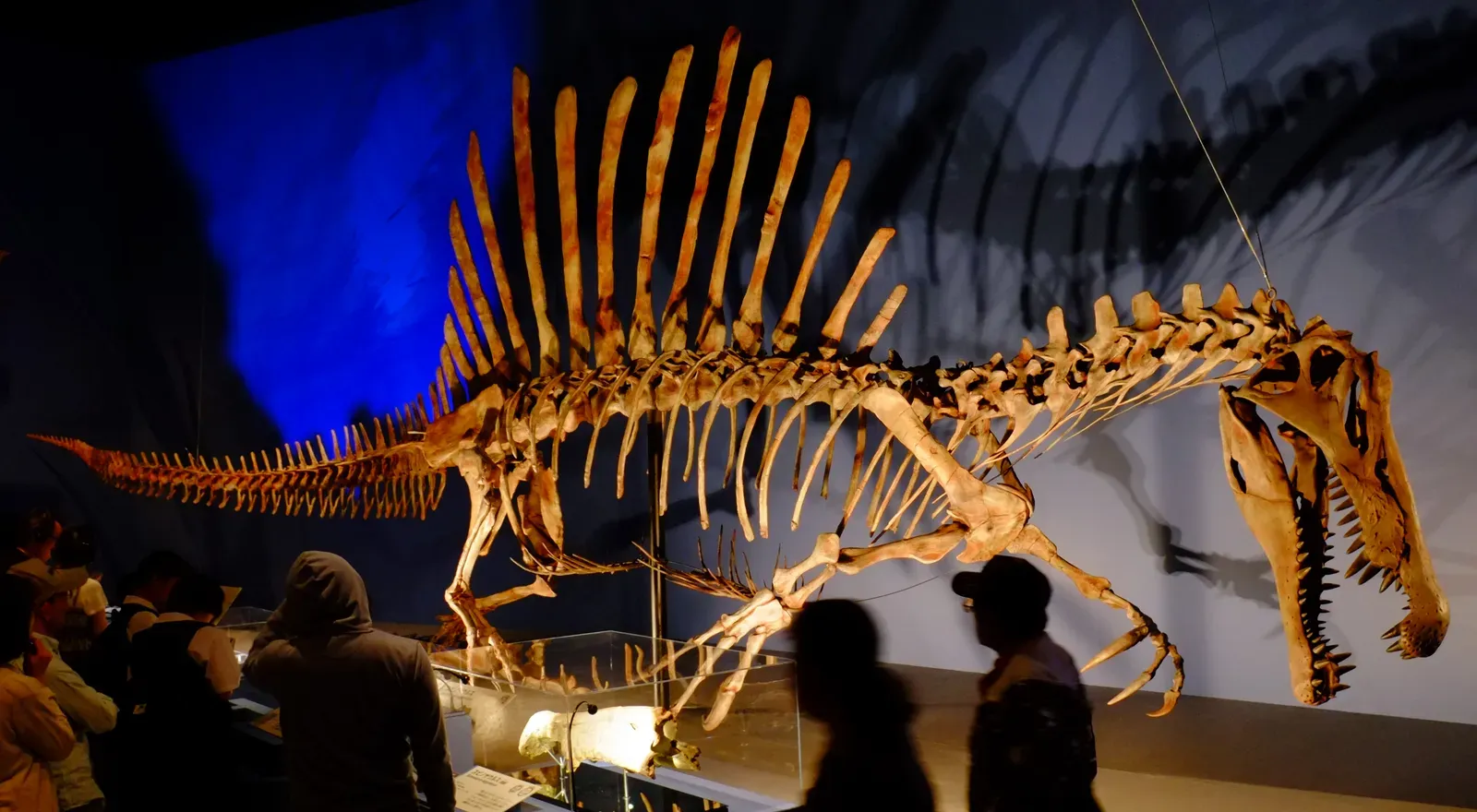
No animal on this list has been publicly whiplashed more than Spinosaurus, and almost nobody outside dinosaur research circles has noticed how many times the story flipped.
It began in 2014, when researchers proposed Spinosaurus was semi-aquatic based on unusual limb proportions. Then in 2020, a dramatic tail discovery seemingly ended the debate for good – scientists reported a giant paddle-like tail fin and a center of gravity built for swimming, with one researcher declaring flatly, “I think we’ve got the evidence now to show that this animal was a highly adapted aquatic predator.” Case closed. Or so it seemed.
Quick Compare
- 2014: Limb proportions suggest a semi-aquatic lifestyle, sparking the first wave of “swimming dinosaur” headlines.
- 2020: A newly described paddle-shaped tail is presented as near-proof of active underwater hunting.
- 2022: Buoyancy and stability modeling flips the conclusion, suggesting Spinosaurus was too unstable to swim well.
Then came the reversal nobody publicized. A 2022 study modeling buoyancy and swimming mechanics found the opposite: Spinosaurus was likely too unstable and too buoyant to actually hunt underwater, walking on two legs on land while being slow and unstable in the water. Other paleontologists went further, proposing it behaved more like a heron than a crocodile – wading instead of swimming. One of the largest predatory dinosaurs ever discovered has now flip-flopped between “swimming predator” and “wading fisherman” multiple times in under a decade, with genuinely no resolution in sight.
The Bottom Line
The pattern across all thirteen cases is identical: confident public claims quietly get undone by inconvenient fossil evidence, and nobody sends out a press release admitting it. Brontosaurus went from fake to real. T. rex lost its feathers. Megalodon’s extinction jumped a million years. Spinosaurus still can’t decide if it swims. Neanderthals went from brutes to blood relatives.
Here’s the uncomfortable part nobody in science communication wants to say out loud: this isn’t a flaw in the process, it’s proof the process is working exactly as intended. Fossils get reinterpreted, models improve, old certainty gets replaced by better evidence – that’s science doing its job. The actual problem is that the public was never invited to watch it happen. Textbooks stayed frozen while the footnotes quietly rewrote history, and that gap between what scientists know now and what got taught in ninth grade is where all thirteen of these reversals live. If science can flip this dramatically on animals we’ve studied for over a century, the real question isn’t which of these surprised you most – it’s what else is being quietly corrected right now, in a journal nobody outside academia will ever read.