

Why did some animals end up with big, expensive brains while others did just fine with something closer to a biological calculator? That question has haunted biologists, psychologists, and philosophers for decades, and one of the boldest ideas on the table is that living together in complex social groups helped push intelligence higher and higher. It is a tempting story: more friends, more drama, more strategy, more brain.
But as with most neat stories in science, the closer you look, the messier it gets. Social life really does seem to matter, yet it is not the only game in town, and it probably does not work the same way across all species. Scientists are still trying to untangle whether social living caused increases in intelligence, simply favored animals that were already smart, or just happened to evolve in parallel. The result is a fascinating, unfinished detective story about our minds, our societies, and the deep past.
The Social Brain Hypothesis: A Bold but Imperfect Idea

One of the most influential ideas in this field is often called the social brain hypothesis. It suggests that as animals began to live in larger and more complex groups, they needed bigger brains to keep track of relationships, alliances, rivalries, and subtle social rules. You can think of it as running a constant mental spreadsheet: who helped you, who slighted you, who is allied with whom, and what might happen if you share food with one individual instead of another.
There is some evidence for this pattern, especially in primates. Species that live in larger, more intricate groups often have relatively larger brain regions involved in cognition and social processing. At first glance, that feels like an open-and-shut case. But as more data came in – from birds, carnivores, dolphins, and even fish – the picture shifted from clean line to tangled web. The correlation between group size and brain size is there in some lineages, weaker in others, and almost absent in a few, which means sociality is part of the story, not the entire plot.
Managing Friends, Foes, and Frenemies Is Cognitively Expensive

Imagine trying to juggle the emotional lives of everyone in your workplace, except you cannot talk, write anything down, or just mute them in a chat app. That is the daily reality for many group-living animals. They have to track dominance hierarchies, remember past interactions, anticipate retaliation, and sometimes carefully time their support for others, like joining a fight or grooming the right individual at the right moment.
These tasks demand flexible learning, long-term memory, and a decent grasp of cause and effect. In primates and some birds, scientists see behavior that looks a lot like social strategy: individuals form coalitions, reconcile after fights, and appear to recognize third-party relationships. Whether this is full-blown mind reading or a more basic but still smart set of pattern rules, it is clearly more cognitively demanding than a solitary lifestyle where you mostly need to remember where food is and where predators lurk. Over evolutionary time, those demands may have favored brains capable of handling more subtle, shifting information.
Cooperation, Competition, and the Arms Race of Minds
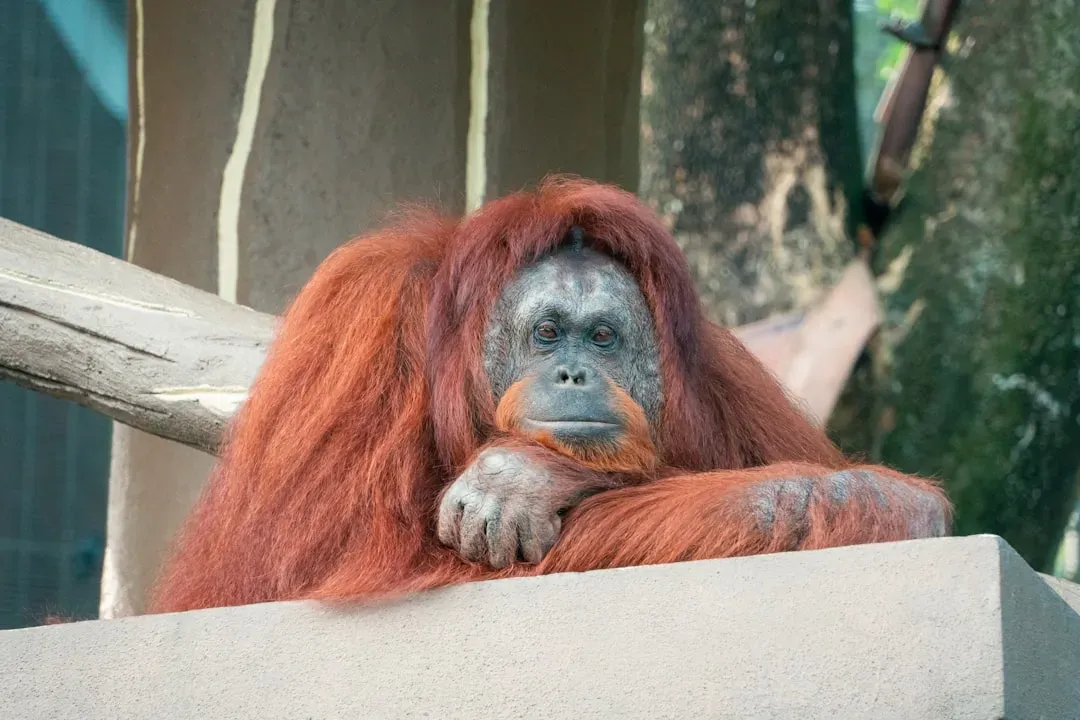
Social life is not just cuddly bonding; it is often a brutal mix of cooperation and competition. Animals may benefit from working together – hunting, raising young, or defending territory – but they also compete over mates, food, and status. This sets up what you could call an arms race of minds. If one individual becomes slightly better at predicting others or manipulating situations, that advantage pushes others to catch up or fall behind.
Some researchers argue that this social arms race is a powerful engine for advanced cognition. Deception, for example, is not simple: to successfully mislead others, an animal needs to read the situation, anticipate how others will respond, and adjust in real time. However, we have to be careful not to project human-style schemes into every interaction we see. A clever behavior does not always mean a clever mind in the human sense. Still, the push-and-pull of cooperation and conflict inside groups is hard to ignore as a likely pressure on evolving intelligence.
When Social Living Is Simple but Brains Are Not
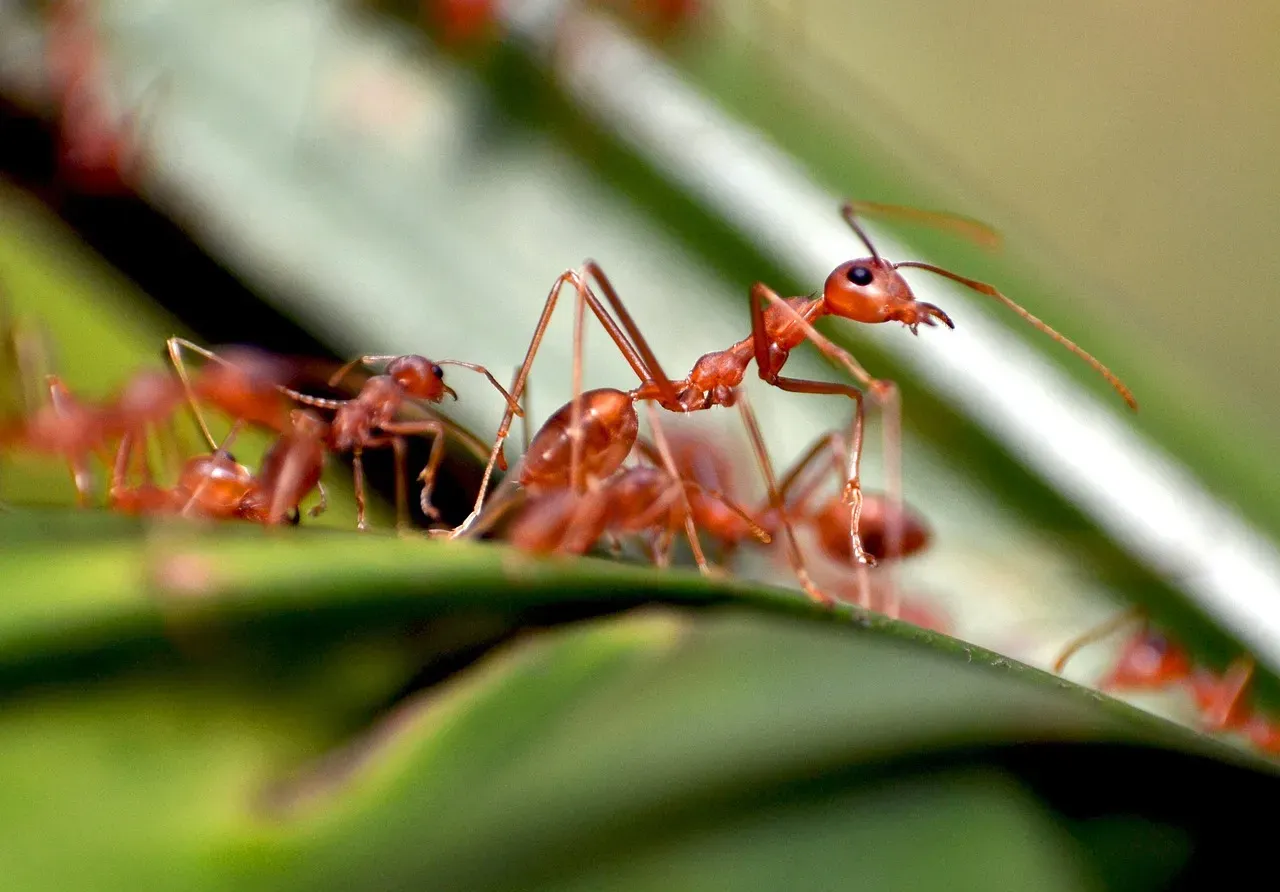
The story gets more complicated when we look at animals that are highly social but do not show the kind of flexible, general intelligence we often associate with big brains. Many insects, like ants and bees, live in enormous colonies with sophisticated division of labor, communication systems, and collective problem-solving. Yet the individual insects themselves often have tiny nervous systems with limited behavioral flexibility, even though the group as a whole can do remarkable things.
This highlights an important twist: a complex society does not always require complex individuals. Sometimes the intelligence is more like a property of the group, emerging from many simple interactions rather than from one powerful brain. That alone warns us not to assume that any kind of sociality will automatically push individual intelligence upwards. The kind of social challenge seems to matter – negotiating individual relationships is a different cognitive problem from following simple rules in a rigid hierarchy or caste system.
Ecology, Diet, and Daily Problem-Solving Also Shape Intelligence

Focusing only on social life risks ignoring other powerful drivers of brain evolution. Finding and processing food, for example, can be a serious cognitive challenge. Animals that exploit hard-to-get resources – like nuts that require tools, prey that need complex hunting strategies, or seasonal foods that demand memory and planning – may evolve more flexible minds simply to survive. In some lineages, ecological complexity tracks brain size just as well as, or even better than, social complexity.
Predation pressure, navigation through difficult habitats, and variable climates can all select for animals that are better at learning, exploring, and adapting. A bird caching hundreds of seeds for winter, remembering where it hid them weeks later, is solving a different kind of hard problem than a primate navigating social alliances. Both can lead to what we casually call intelligence, but through different evolutionary doors. When I first started reading this research, I assumed the social explanation would dominate; over time I have become more convinced that brains are shaped by a messy combination of daily survival puzzles, not one single master factor.
Humans as a Special but Not Magical Case

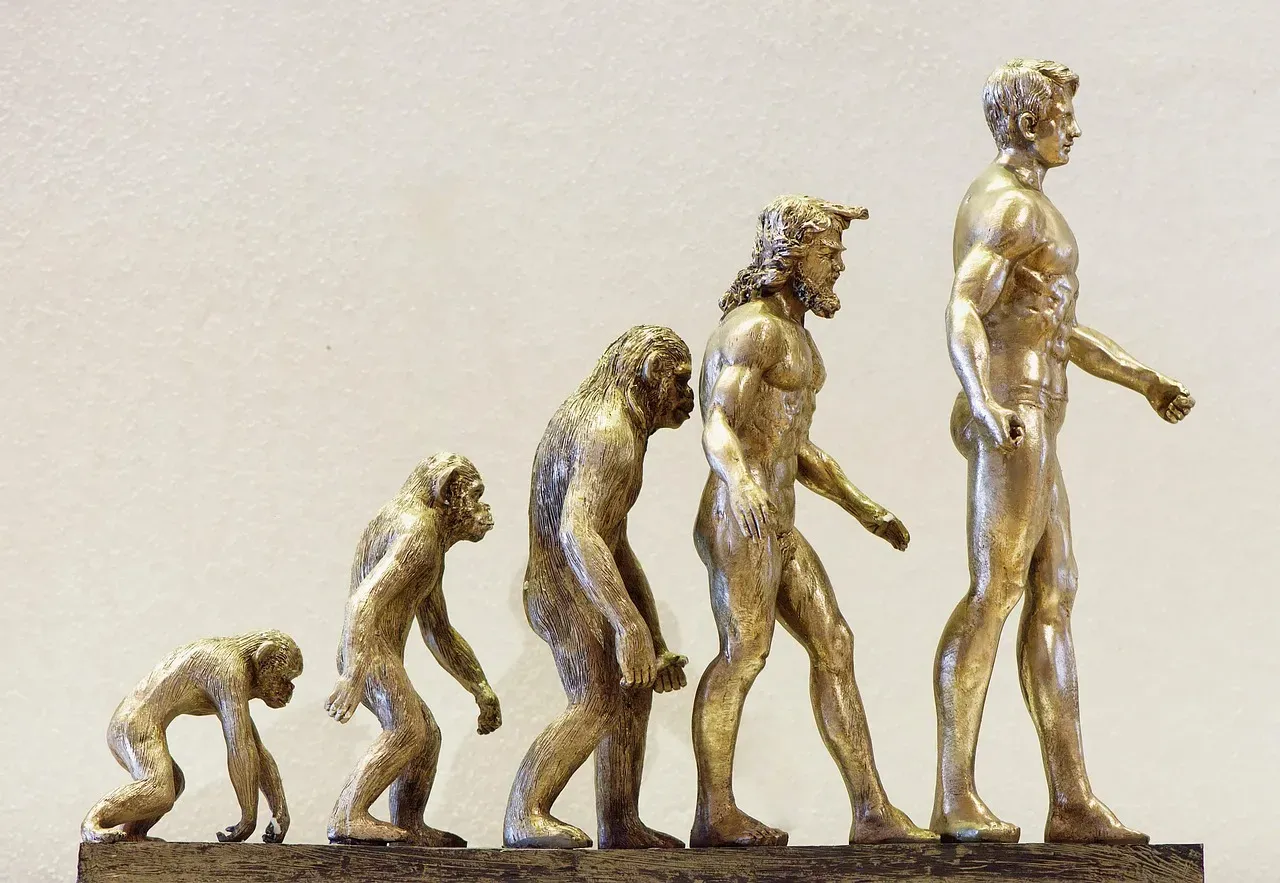
It is tempting to center the entire debate around our own species, because human intelligence is so striking. Social life clearly played an enormous role in human evolution. Our ancestors cooperated in hunting, shared food, raised children collectively, and likely relied on complex communication long before full language evolved. Being able to read intentions, negotiate norms, and coordinate plans would have offered huge payoffs in such communities.
At the same time, humans faced serious ecological challenges: climatic swings, changing landscapes, new tools to invent, and new foods to exploit. Language and culture added their own pressures, allowing knowledge to accumulate and making it worthwhile to have brains that could learn for years. From where I sit, human intelligence looks like a perfect storm: social challenges, ecological problem-solving, and cultural feedback all amplifying one another. Social living was crucial, but it was part of a bigger synergy rather than a solitary driver.
Why the Evidence Is Messy and the Debate Still Active
If social living really helped drive intelligence, why is the evidence still so debated? One reason is that brain size and intelligence are not the same thing. Brains are complex organs with multiple regions that can expand or reorganize in different ways. Two species might have similar overall brain sizes but very different abilities. Another reason is that it is tricky to measure social complexity across species without smuggling in human assumptions about what counts as complicated.
On top of that, evolution does not run controlled experiments. We can compare living species, build statistical models, and even look at fossil skulls to estimate brain size, but we can never replay the tape of life under different social conditions. This means alternative explanations almost always exist. Did bigger brains appear first and then allow more sociality, or did social challenges drive the expansion? The honest answer is that, in many cases, we do not know for sure. What we do have is a growing pile of data suggesting that social variables, ecological pressures, and life history all weave together in ways that resist simple, one-line explanations.
So, Did Social Living Drive Intelligence? A Cautious, Opinionated Answer

My own view is that social living was a powerful accelerator rather than the original spark. It seems unlikely that complex intelligence would have evolved in the total absence of ecological challenges, because even the smartest social skills ride on more basic capacities for learning, memory, and flexible behavior. Once those foundations were in place, though, navigating the rich, sometimes ruthless world of group life probably pushed certain lineages – especially primates and humans – toward ever more sophisticated minds.
At the same time, the evidence warns us not to treat the social brain hypothesis as a universal law. It fits some groups well, fits others loosely, and fails outright in a few cases. The most reasonable story is that intelligence is a many-authored book, with chapters written by predators, climates, food sources, and yes, by friends and enemies. Social living helped write some of the most dramatic passages, especially in our own lineage, but it did not hold the pen alone. The deeper question, perhaps, is not whether social life drove intelligence, but how much of your own daily thinking is still shaped by the ancient need to read, respond to, and survive other minds – more than you expected?