
Most people assume are boring stacks of paperwork gathering dust in a courthouse basement – deeds, permits, tax cards, nothing more. But historians who actually dig through these files keep stumbling onto discoveries that read like detective novels: hidden liquor stashes, racist legal clauses still buried in modern paperwork, mummified cats sealed into walls on purpose, and a time capsule sealed by Paul Revere himself.
These records are secretly some of the richest, weirdest archives in America, and the deeper researchers dig, the stranger things get. Here’s what historians, archivists, and preservationists actually found when they started pulling files nobody else thought to open.
#1 – Racist Legal Language Still Hiding in Modern Deeds
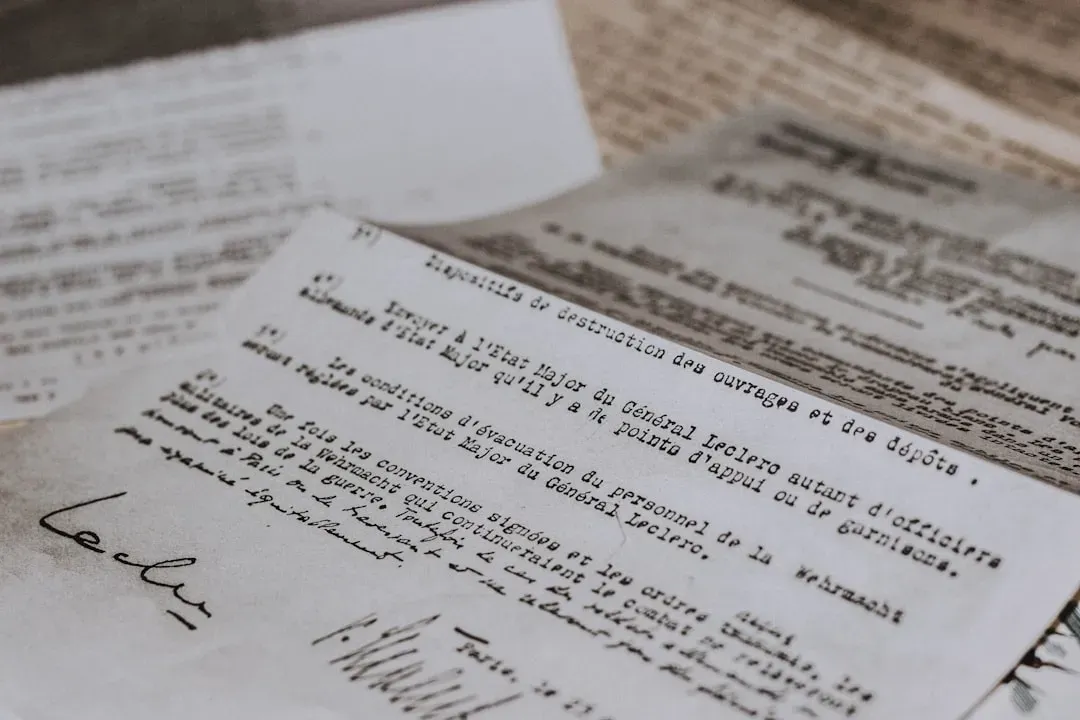
Here’s the part that shocks homeowners the most: many current property deeds still contain the exact discriminatory language written into them nearly a century ago. Racially restrictive covenants were legal clauses embedded directly into property deeds for decades, and they explicitly barred anyone who wasn’t white from buying or living in certain neighborhoods. Researchers are only now mapping how widespread this practice really was.
A 2020 study out of Seattle found covenants covering more than 30,000 properties around that metro area alone. In Philadelphia, researchers uncovered a map showing thousands of properties carrying racial restrictions in their deeds between 1919 and 1932. Neither city was unusual – this was standard practice across most of the country.
Fast Facts
- Seattle’s 2020 study tied covenants to more than 30,000 metro-area properties.
- Philadelphia’s map documented racial restrictions filed between 1919 and 1932.
- Many counties now attach a disavowal notice instead of rewriting the original deed.
- The practice was standard nationwide, not isolated to any one region.
What makes this genuinely unsettling is that the language often can’t simply be deleted. One Minnesota homeowner, a lawyer by trade, said it still took her hours of paperwork just to attempt removing the covenant from her own deed – and in the end, she learned the offensive language couldn’t legally be erased at all. Instead, many counties now attach a disavowal notice rather than rewriting history.
Historians argue this paperwork is some of the most important evidence of systemic housing discrimination that exists, arguably more damning than any newspaper editorial from that era. But some secrets weren’t written into the deed at all – they were bricked in behind it.
#2 – Full Prohibition-Era Bars Sealed Behind False Walls
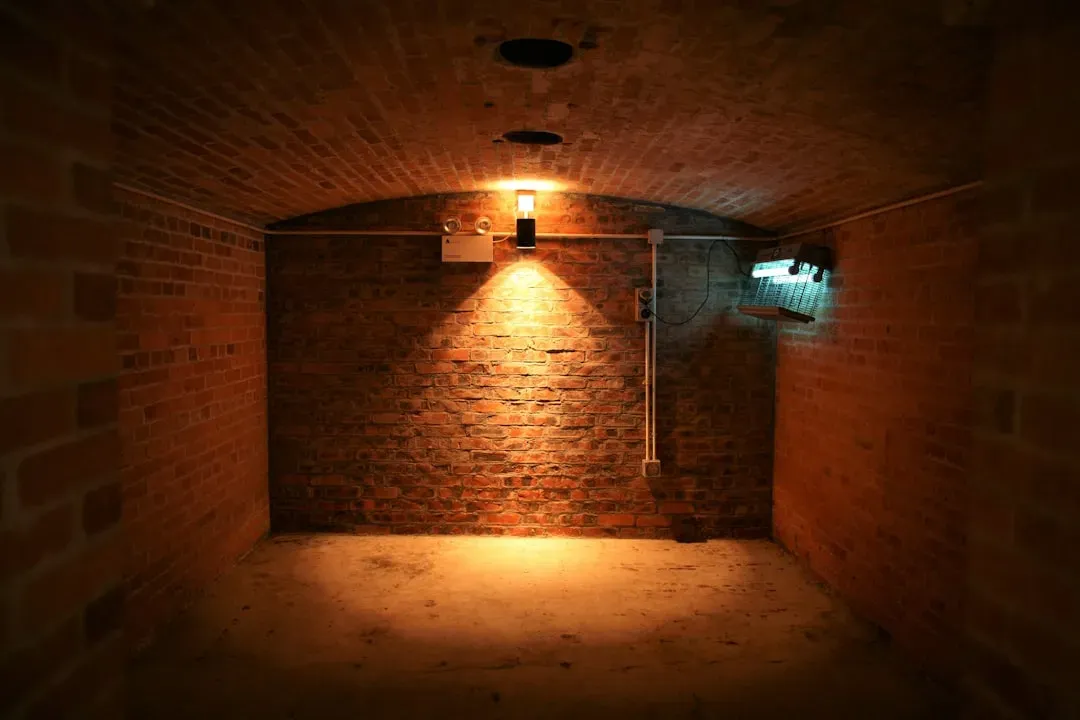
Building records and renovation permits from the 1920s and 1930s keep leading historians straight to forgotten speakeasies. During Prohibition, entire businesses vanished behind legitimate storefronts, and the paper trail – or the total lack of one – is often the biggest clue that something was hidden.
False walls, hidden basement compartments, and secret storage areas have turned up vintage bottles of whiskey and gin, some still sealed and genuinely valuable to collectors today. One Chicago hotel renovation turned up something historians consider a jackpot: a hidden room stocked with over 100 bottles of smuggled Canadian whiskey, along with a ledger recording sales to local speakeasies.
That ledger is the real prize for researchers. It’s a rare surviving business record from an illegal industry that normally left almost nothing behind. Sites like the Sir Francis Drake Hotel in San Francisco reportedly moved their private clubs skyward instead of underground, and in plenty of other buildings, speakeasies hid behind ordinary storefronts where people “in the know” would slide a hidden panel or shift a shelf to reveal a secret door.
Historians now cross-reference old liquor licenses, tax records, and utility permits to hunt down these forgotten rooms before renovation crews accidentally destroy the evidence. But the strangest discoveries in old buildings aren’t hidden behind the walls – sometimes they’re sealed inside them.
#3 – Mummified Cats Deliberately Sealed Into the Walls
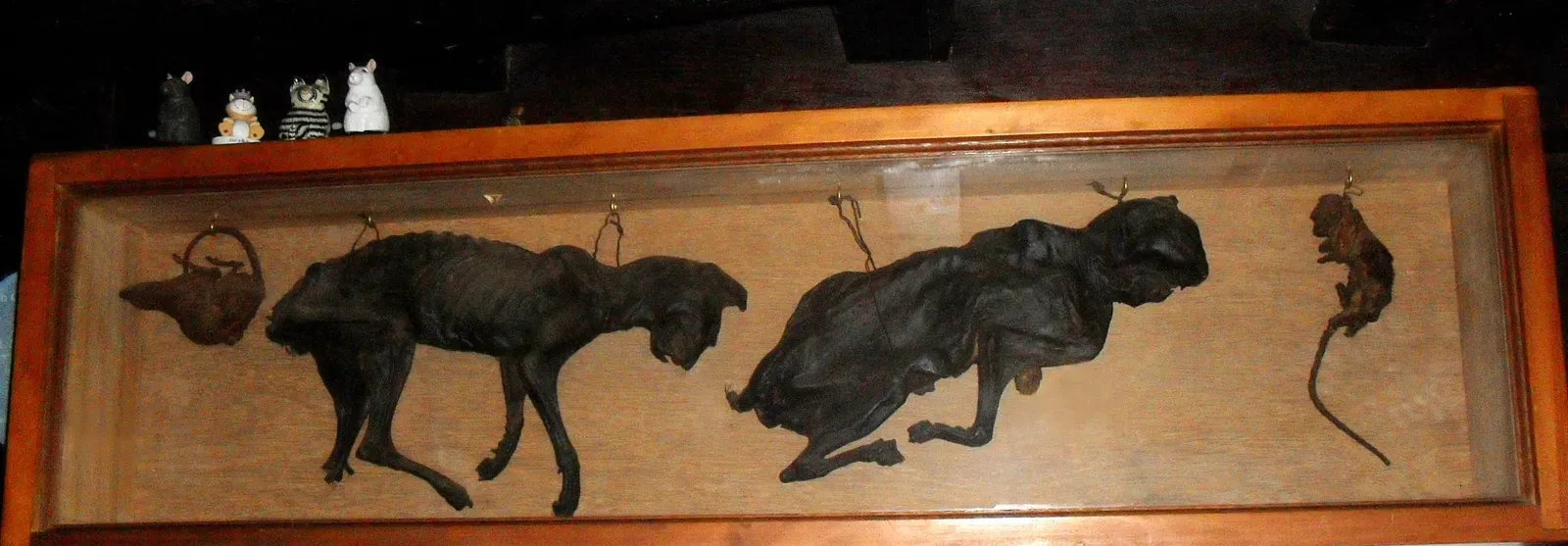
This one sounds like an urban legend until you see the paperwork – and the preservation reports back it up completely. Historians researching old construction practices have confirmed that some of these animals weren’t accidental deaths at all. They were placed there on purpose.
In medieval Europe, cats were sometimes deliberately sealed into walls as a superstitious practice meant to ward off evil spirits, and the tradition apparently crossed the Atlantic with certain building crews. Modern contractors doing demolition work have found these preserved creatures positioned in ways that look intentional rather than accidental – sometimes standing, sometimes frozen mid-pose, as if still guarding the structure centuries later.
Architectural historians take this seriously because it reveals just how much folk belief shaped construction long after formal religion was supposed to have replaced it. Building permits from this era obviously never mention “cat placed for luck,” so historians rely on physical discovery paired with regional folklore records to piece together why builders did it, where the practice was most common, and how long it lingered into the industrial era.
It’s a strange but genuinely documented intersection of superstition and skilled labor. And once you accept that builders hid animals in walls on purpose, a hidden room down the hall starts to look almost ordinary.
#4 – Entire Concealed Rooms That Permits Never Mention
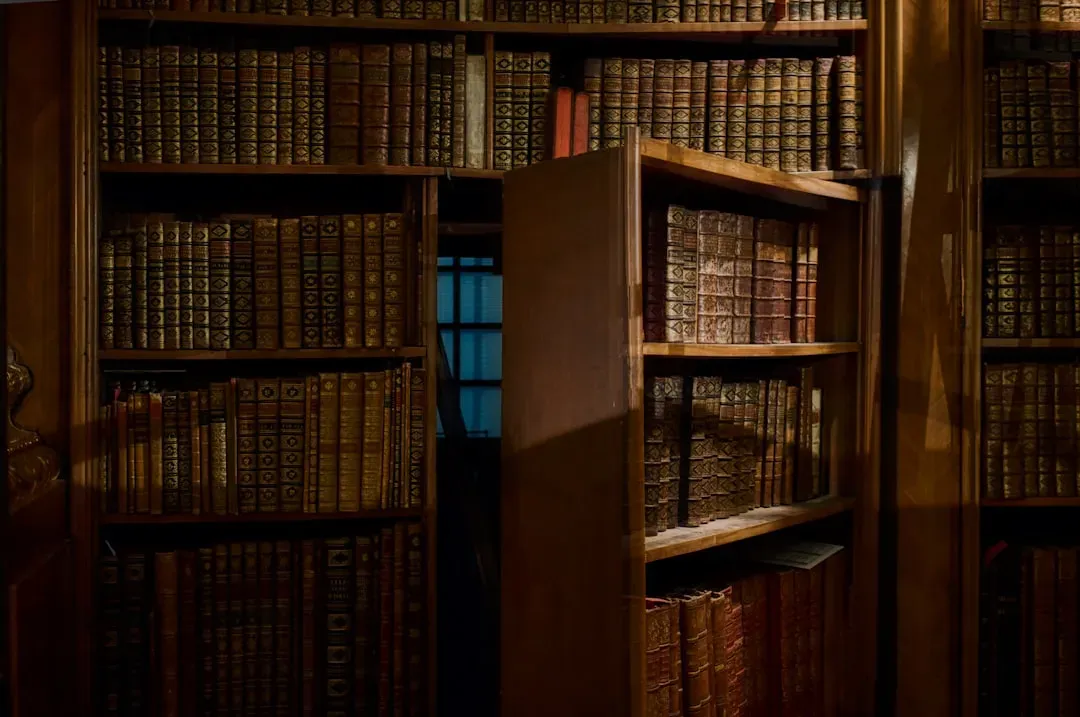
Nothing frustrates a historian more than a floor plan that doesn’t add up mathematically – and that mismatch is exactly how most secret rooms get discovered decades later. Secret rooms have a way of revealing themselves when walls are disproportionately thick or when square footage simply doesn’t line up, and once researchers notice the gap, they head straight to the permit archive.
Some of these spaces served serious purposes. Older houses sometimes contain entire rooms that were deliberately concealed, ranging from Prohibition-era speakeasies to Underground Railroad hiding spots. Others were far more personal.
In 2018, Pennsylvania residents found a hidden chamber behind a secret wall in their home, and it turned out to be a fully appointed room complete with antique furniture and the personal items of an earlier owner who apparently needed a private retreat from the rest of the household.
Historians say the real work happens after the discovery, when they pull original building permits and contractor records to figure out when the space was added and by whom. Most of the time, the permit simply doesn’t exist, which means the work was done off the books – itself a valuable historical clue about privacy, secrecy, or even illegal activity during that period. One hidden room, though, belonged to a name every American would recognize.
#5 – A Founding Father’s Bone Collection Hidden Behind a Bookshelf
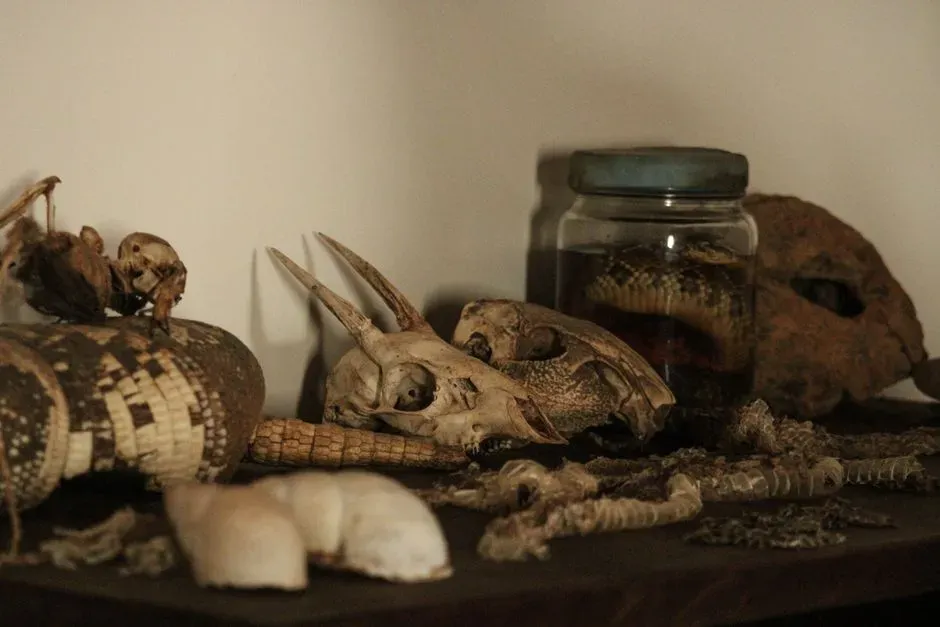
Few discoveries rattle historians quite like this one. Benjamin Franklin’s former London residence held a secret that stayed buried for over two centuries, and it only surfaced because of a modern renovation permit.
Franklin kept a home on Craven Street in London, and unbeknownst to almost everyone, that house concealed an odd sealed room discovered during renovations in 1998. What workers found inside wasn’t treasure or documents – it was something far stranger. Within the walls, they uncovered a trove of unsettling artifacts, including roughly 1,200 pieces of bone, a mysterious human thigh bone, and even a child’s cradle.
Historians still debate what Franklin was actually doing in that room. The leading theory involves his friendship with an anatomist who may have used the space for early medical dissection, which was technically illegal in London at the time. The renovation permit itself said nothing about bones; it simply authorized “structural repair,” proving that permits often describe the least interesting part of what actually happened during a project.
Bones weren’t the only thing sealed away on purpose during this era – some things were buried specifically so they could be found again.
#6 – Time Capsules Laid by Paul Revere Himself
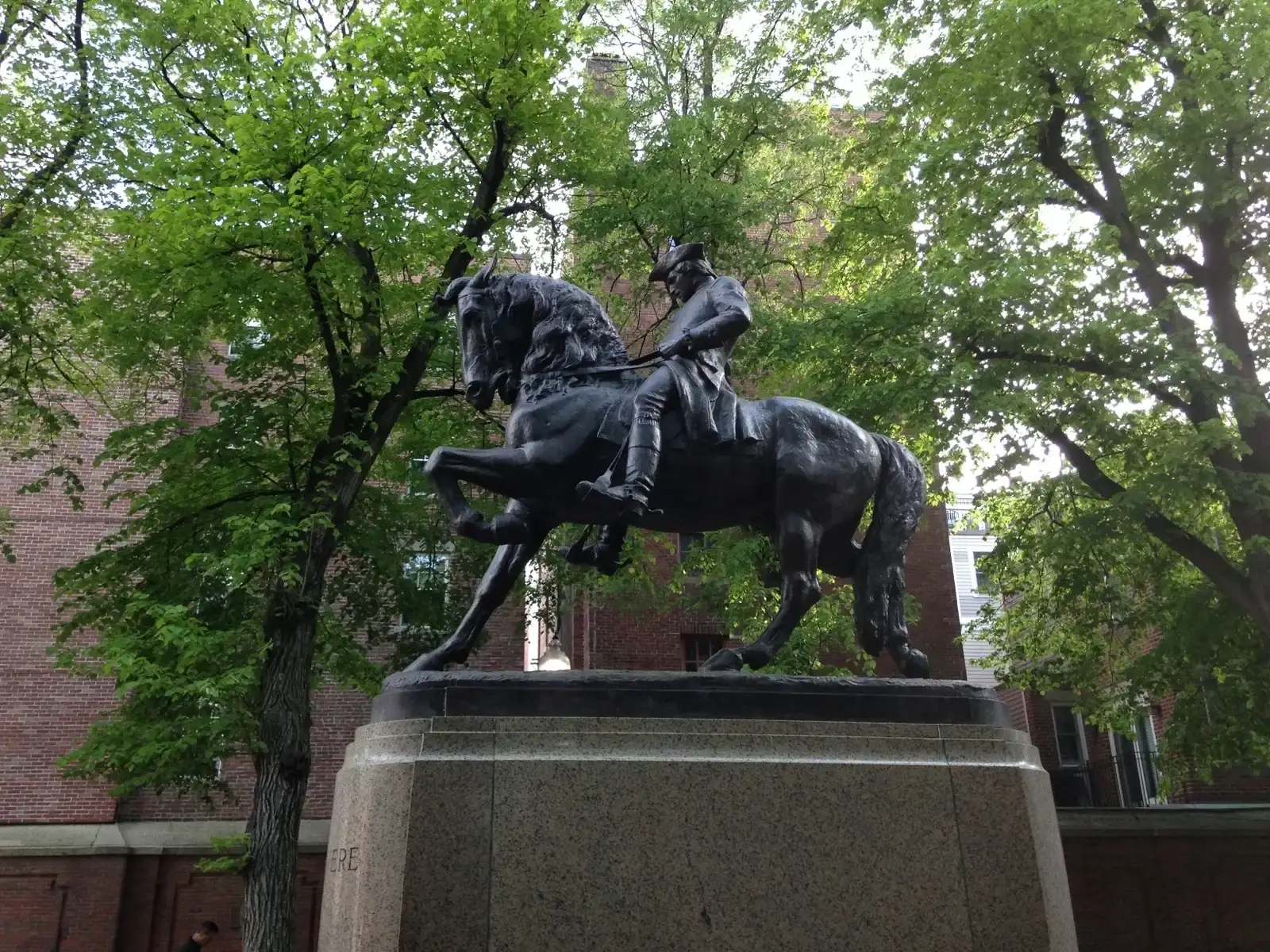
Cornerstone time capsules are one of the most reliable “buried record” discoveries historians encounter, and the oldest known example in America comes with a genuinely famous signature attached. America’s oldest known time capsule was made by Paul Revere and Samuel Adams and uncovered in 2014 by repairmen fixing a water leak at the Massachusetts State House. The two former Sons of Liberty had placed a brass box inside a cornerstone back in 1795 to mark the building’s construction.
It wasn’t even the first time it had been opened. The box had already been unsealed once in 1855 for cleaning and the addition of new artifacts, and when researchers finally reopened it again nearly 160 years later, they found something remarkable.
When it was unsealed for good in 2015, the capsule was found to contain a trove of preserved artifacts, including newspapers, coins dating back to the 1600s, a page from the Massachusetts Colony Records, and a copper medal bearing an image of George Washington.
At a Glance
- Buried in 1795 by Paul Revere and Samuel Adams inside a State House cornerstone
- First reopened in 1855 for cleaning and new additions
- Rediscovered in 2014 by repairmen fixing a water leak
- Final opening in 2015 revealed coins from the 1600s and a George Washington medal
Historians treat these cornerstone capsules as accidental archives. Nobody was trying to preserve a “typical” record of the era – so what survives is often more honest than official documents written for public consumption. Not every time capsule, though, was made on purpose.
#7 – Newspaper Insulation That Doubled as an Accidental Time Capsule
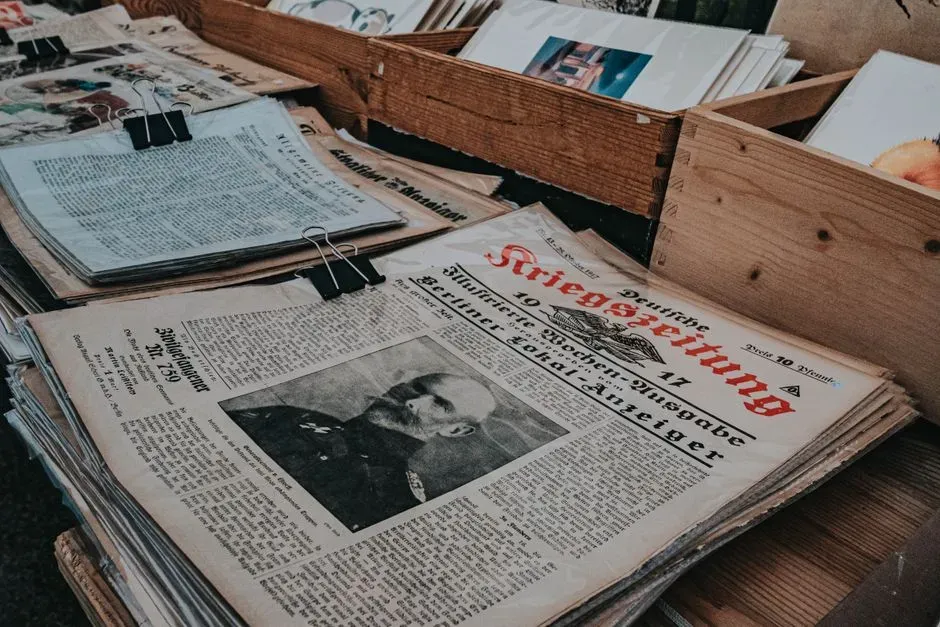
Long before fiberglass insulation existed, builders stuffed wall cavities with whatever paper was lying around, and that habit accidentally created thousands of miniature archives across the country. One of the most common historical discoveries happens during renovations or attic inspections: old newspapers, crumpled and packed tight, stuffed into wall cavities purely for warmth.
Inspectors have pulled papers out of walls dating back to the early 1900s, and the content is often shockingly specific. Historians have found war headlines, advertisements for five-cent coffee, and local gossip columns about people whose names mean nothing today but clearly mattered on that street once.
Historians love these finds precisely because nobody curated them. A homeowner wasn’t choosing which stories to preserve for posterity; a construction worker just grabbed whatever paper was closest and shoved it into the gap. These accidental time capsules give homeowners a direct, unfiltered glimpse into the exact day their house was built.
Cross-referencing the newspaper’s publication date against the building permit filed for that address lets researchers pinpoint construction timelines down to the week, which is far more precise than most official records ever manage on their own. Newspapers reveal a single frozen moment. Old insurance maps reveal something bigger – buildings that don’t even exist anymore.
#8 – Sanborn Maps That Reveal Buildings Nobody Remembers Existed
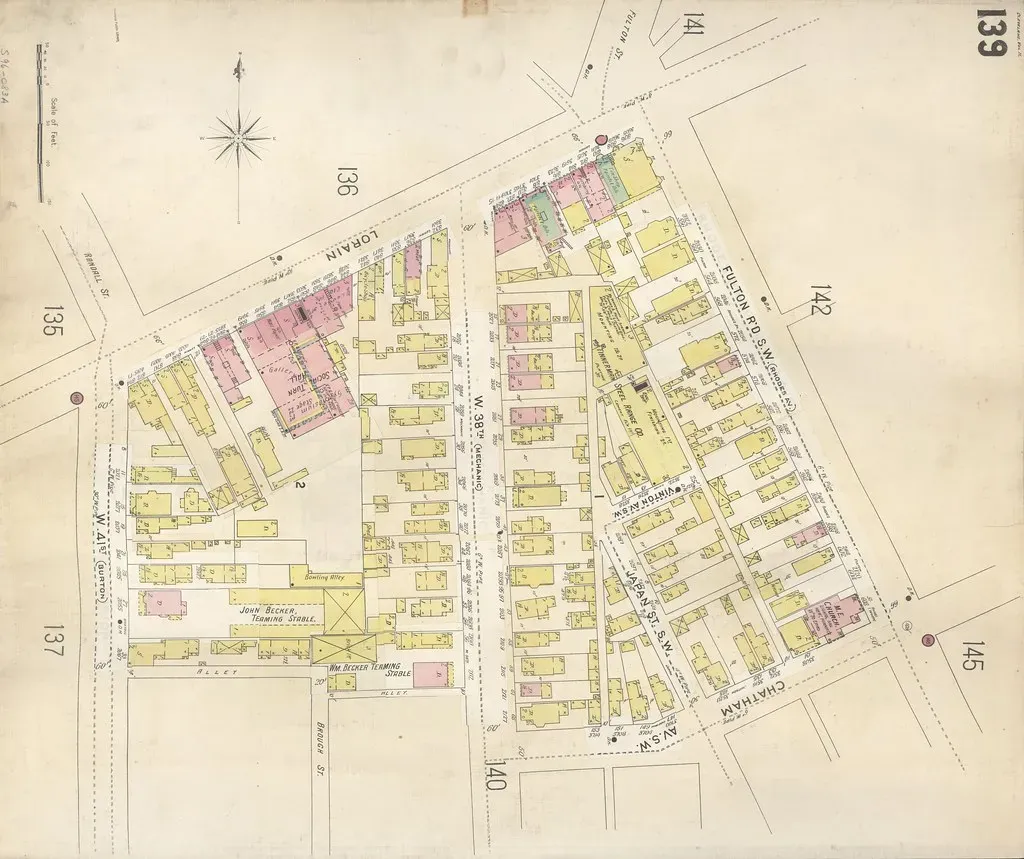
Property researchers rely heavily on one specific type of map that most homeowners have never heard of, and it consistently exposes structures that vanished from living memory decades ago. The Sanborn Fire Insurance Maps are one of the best resources for tracking whether the structure of an older home has changed over time.
These maps were originally drawn for insurance underwriters, not historians, which is exactly why they’re so valuable now – they recorded building materials, footprints, and even outbuildings with zero sentimentality or spin. Historians frequently discover that a modern single-family lot once held a carriage house, a laundry building, or a small workshop that was demolished decades before anyone thought to photograph it.
Most homeowners have no idea their property once held two or three separate structures, and a Sanborn map is often the only surviving proof it ever happened. Paired with panoramic bird’s-eye view lithographs from the late 1800s – some of which actually predate the airplane and show entire towns from an aerial perspective – researchers can reconstruct entire vanished neighborhoods block by block.
Maps show what disappeared. Permits show who built what’s standing now, what it cost, and sometimes, who lied about it.
#9 – Building Permits That Expose the Architect, the Builder, and the True Cost
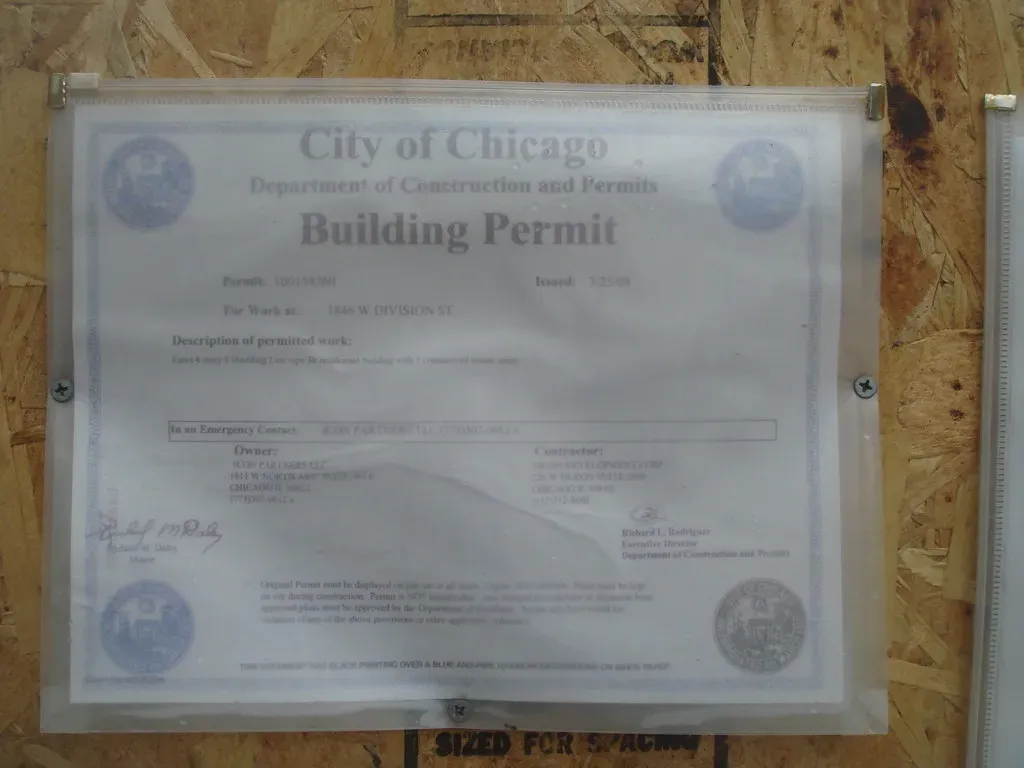
A single building permit can unravel far more of a property’s story than most people expect, listing details that never made it into any other surviving document. Permits typically record the date a building was started and, occasionally, the day it was finished, along with the name of the builder, and commonly the architect, the cost, the address, and the construction materials used.
Worth Knowing
- Start date, and sometimes the finish date, of construction
- Name of the builder and, frequently, the architect
- Listed project cost tied to the property address
- Construction materials used at the time
This is where historians catch discrepancies that rewrite a building’s reputation entirely. A permit might reveal that a “historic 1890s mansion” was actually built decades later by a completely different architect than local legend claims, or that the listed construction cost is wildly inconsistent with the neighborhood’s known economic conditions at the time.
Permits also reveal unpermitted work that owners tried to hide, which matters enormously for safety inspections and legal disputes today. Milwaukee’s preservation office notes that permits typically list the owner, architect, builder or contractor, and project cost – though sometimes owners or contractors skipped the permit entirely when making alterations, which makes it nearly impossible to date a specific change decades later.
That gap in the record is often just as revealing as the permit itself. And when the permit goes missing altogether, historians have a backup plan hiding in the deed book.
#10 – Deed Price Jumps That Pinpoint the Exact Moment a Building Rose
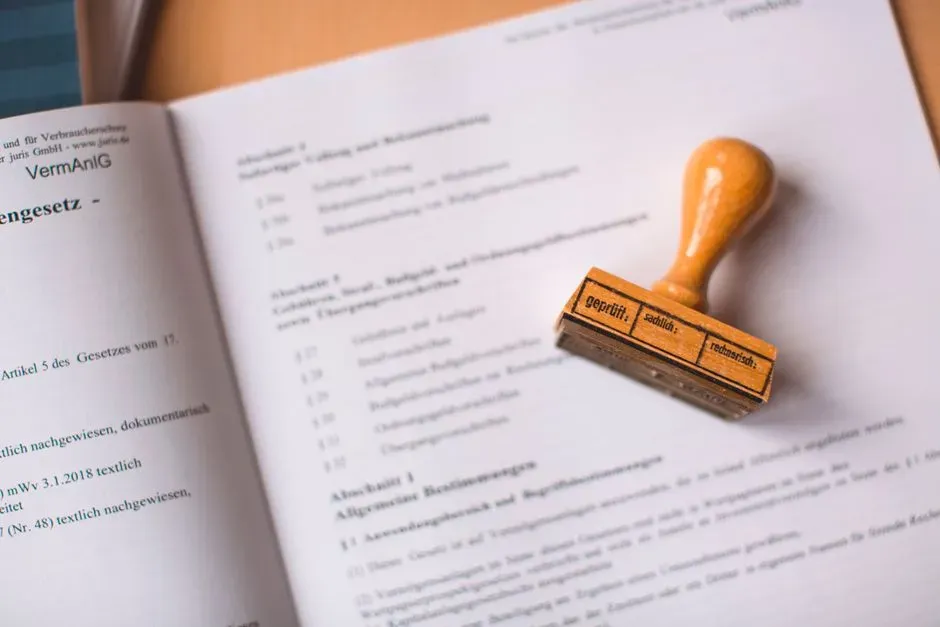
Chain-of-title research sounds tedious, but it’s secretly one of the sharpest tools historians have for dating a structure when no permit survives at all. The county recorder of deeds holds the chain of title – every sale of the property, often traced all the way back to the original land patent – and researchers work backward from the current owner using grantor and grantee indexes.
Here’s the clever part: land itself doesn’t dramatically change value overnight, but a finished building does. Deeds tell you who owned the land and when, and a sharp jump in sale price between two consecutive deeds often marks the exact moment a building went up on what used to be an empty lot.
This price-jump technique lets historians date a building even when every construction record has been lost to fire, flood, or simple neglect. It’s essentially forensic accounting applied to real estate history, and it holds up remarkably well across different states and eras.
Much like census records anchor a family’s genealogical timeline, deeds provide the backbone for a home’s history when every other paper trail has gone cold. Deeds tell you when. Sometimes, a completely different record shows you what it actually looked like.
#11 – Property Record Cards With Photos No One Remembers Taking
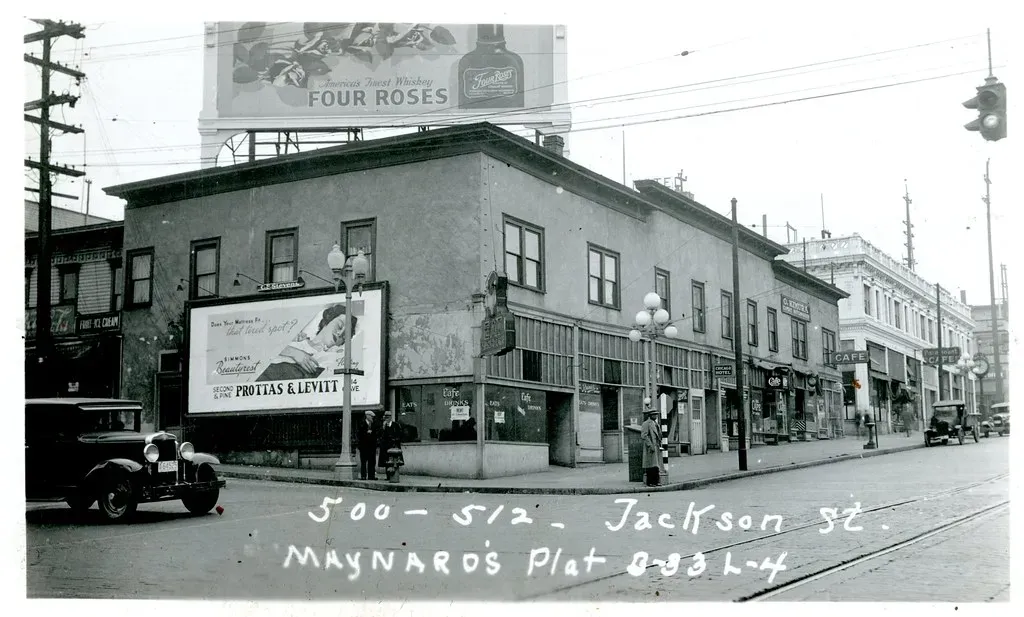
Buried inside county archive departments are index cards that most residents never think to request, and they often contain the only surviving photograph of a building’s original appearance. Property record cards found in archive departments give researchers photos and historical information about a property that exist nowhere else.
These aren’t glamorous documents – they were created for tax assessment purposes, not preservation. But that bureaucratic origin is exactly what makes them so trustworthy. Property record cards may include photographs and exterior sketches, a description and date of construction, ownership history, and permit numbers, all filed away with no intention of ever telling a story.
Many historic preservation battles have hinged entirely on a single tax-assessment photo proving a building’s original facade before decades of renovations altered it beyond recognition. Without that card, there would sometimes be zero visual record that the original structure ever looked different.
Researchers note one frustrating catch, though: with older homes, the parcel number, street name, and street number might have changed over time, which means finding the right card sometimes requires cross-referencing three or four different indexing systems just to locate a single photograph. Houses aren’t the only buildings hiding secrets like this – college campuses and corporate headquarters have been burying their own for over a century.
#12 – University and Corporate Cornerstones Packed With Institutional Secrets
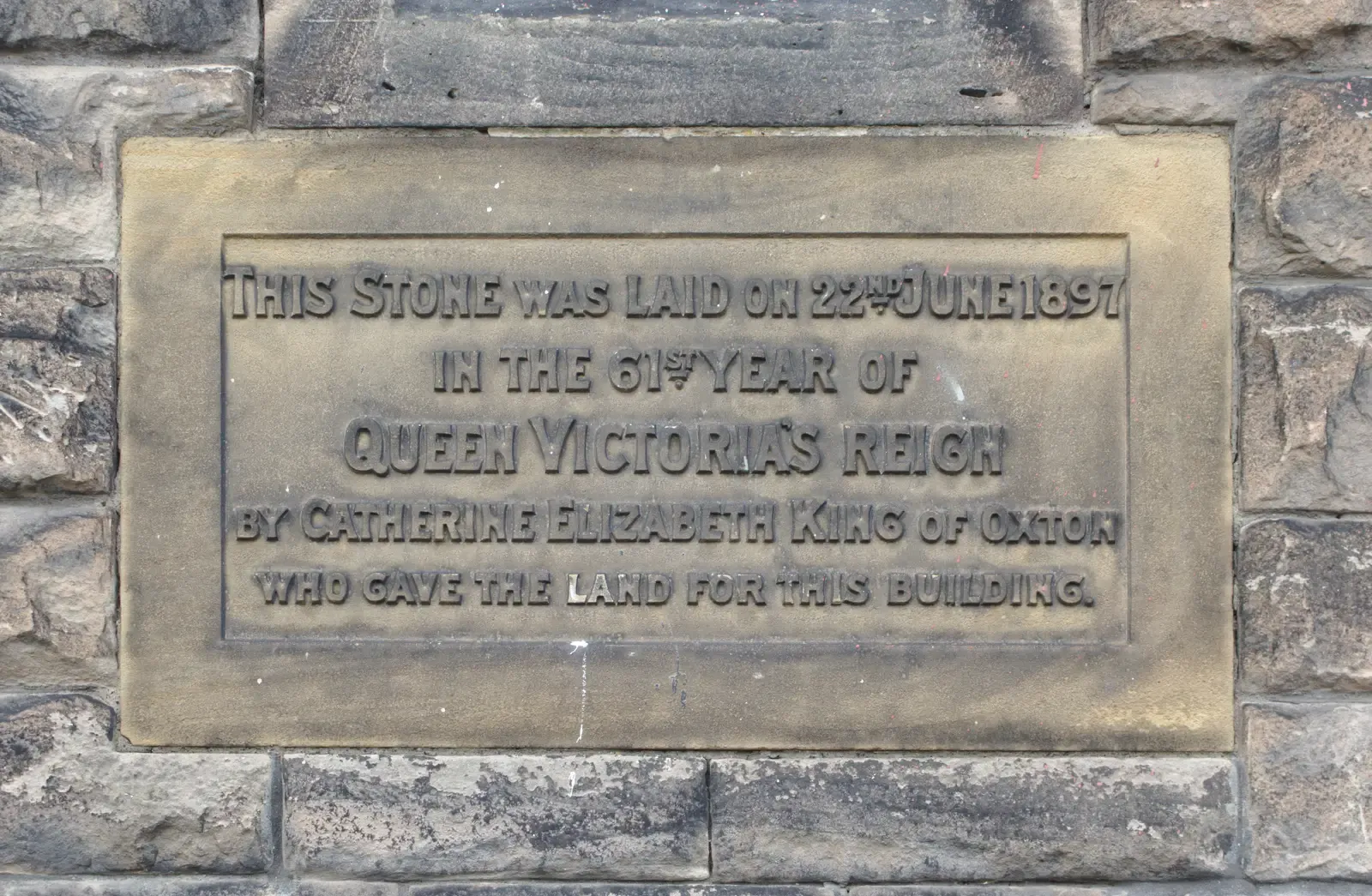
College campuses and corporate headquarters turn out to be some of the richest hunting grounds for buried records, and archivists are still finding capsules nobody knew existed. Researchers have documented a long university tradition of placing meaningful material inside building cornerstones to preserve the past for future generations, with each capsule usually built to represent a specific school or field of study.
Some of these are genuinely time-sensitive in a way nobody could have planned. One capsule sealed under a chemistry building’s cornerstone in 1916 held far more than sentimental keepsakes – it contained a six-piece set of NBS Standard Reference Materials and documents describing the box explicitly as a time capsule, then it was promptly forgotten for decades.
Corporate archives hide similarly specific snapshots of their era. A 3M cornerstone capsule from 1950 contained samples of 3M products, the company’s 1949 annual report, and newspaper accounts of the attempted assassination of President Harry S. Truman just days earlier.
Quick Compare
- 1916 chemistry building capsule: six NBS Standard Reference Materials plus documents identifying it as a time capsule
- 1950 3M capsule: product samples, the 1949 annual report, and news coverage of an attempt on President Truman’s life
Historians treat these institutional capsules as unfiltered snapshots. Nobody was writing for a future audience’s approval – they were simply documenting what mattered that particular week. The last discovery on this list might be the most common one of all, and almost nobody notices it until they start knocking down a wall.
#13 – Prohibition-Sized Wall Compartments Built Into the Studs Themselves
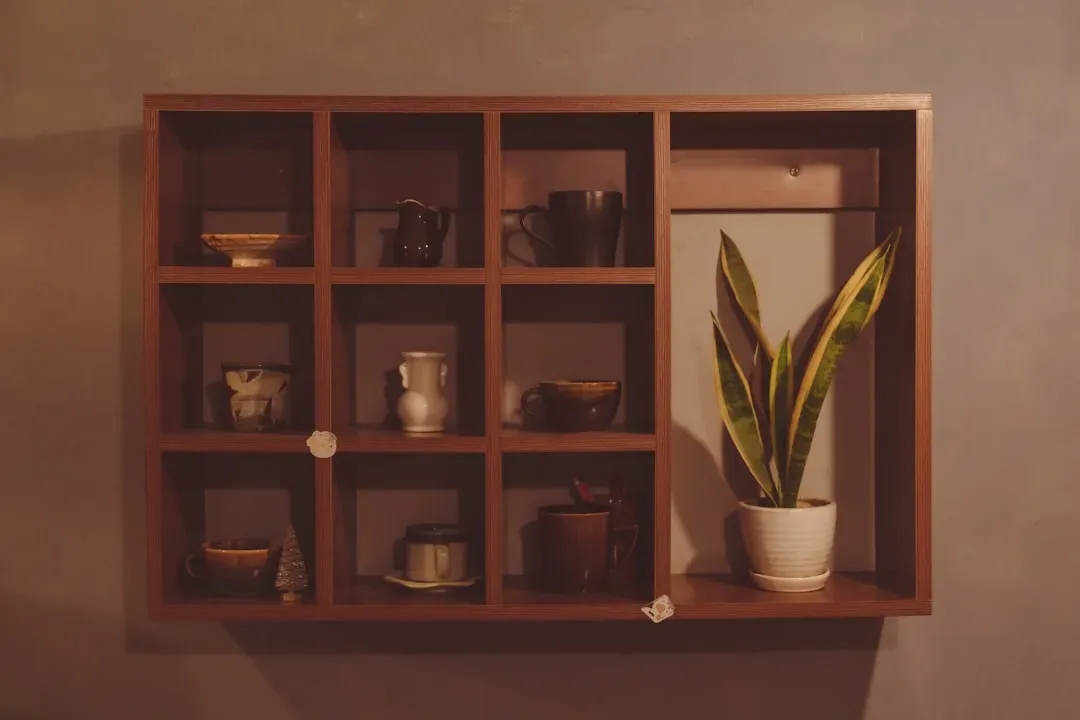
The final discovery on this list is quietly one of the most common, and historians are only now realizing how widespread it actually was. Small recessed compartments – not full rooms, just narrow storage spaces – keep turning up between wall studs across older homes. These weren’t elaborate secret rooms, just small recessed spaces built directly into the framing, accessible only if you already knew exactly where to press.
Researchers initially assumed each discovery was a one-off oddity, until the pattern became impossible to ignore. Similar compartments have shown up in homes throughout the Northeast, suggesting this practice was far more common than anyone had previously documented.
The most likely explanation ties directly back to Prohibition-era paranoia mixed with a genuine shortage of closet space. Research into several homes’ construction history suggests these compartments may have been built specifically to hide alcohol or cash, though other theories point to a much more innocent purpose: simply providing extra storage in an era when closets were scarce and expensive to build.
Architectural historians are now doing something unprecedented – actively researching building permits and contractor records to understand just how common these hidden features really were, turning a quirky home-inspection anecdote into a legitimate area of academic study.
The Bottom Line
aren’t dusty formalities – they’re some of the most honest historical evidence that exists, precisely because nobody filing them ever expected future generations to read them as literature. A permit clerk in 1916 wasn’t trying to make history sound impressive. A tax assessor snapping a photo in 1954 wasn’t curating anyone’s legacy. That’s exactly why these papers tell the truth more often than the plaques and brochures built around them.
From racist covenants still sitting unedited in modern deeds to Paul Revere’s own buried time capsule, these documents prove that buildings remember what people would rather forget. If historians are right, the most important American archive isn’t sitting in a museum at all – it’s sitting in a courthouse basement or a county recorder’s office, waiting for someone to pull the right file.