
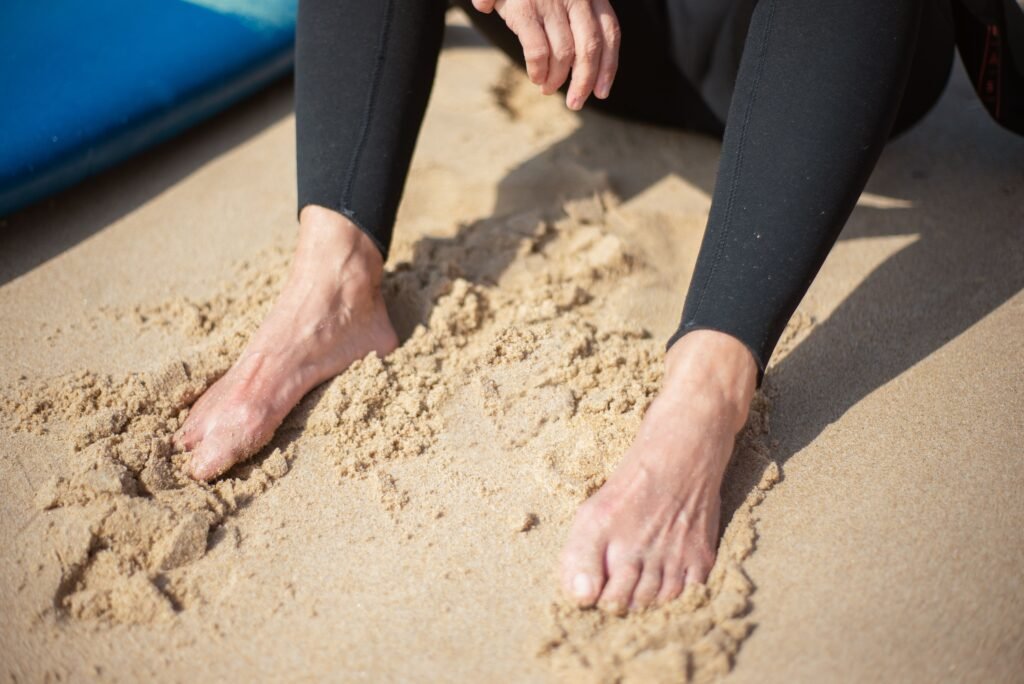
Most people assume modern medicine and technology made the human body stronger, not weaker. Mounting research says otherwise. Before central heating, mattresses, GPS, and processed food, the human body pulled off feats most of us couldn’t manage for five minutes today – resting in a deep squat for hours, seeing clearly in near-total darkness, running down prey on foot, surviving weeks without a steady meal.
Comfort didn’t upgrade us. It quietly switched off abilities we already had, one convenience at a time. Scientists studying hunter-gatherer populations and pre-industrial records keep finding the same pattern, and a few of these lost abilities are strange enough to sound made up. Here’s what the data actually shows – starting with the one hiding in plain sight every time you sit down.
#1 – The Human Body Could Rest in a Deep Squat for Hours
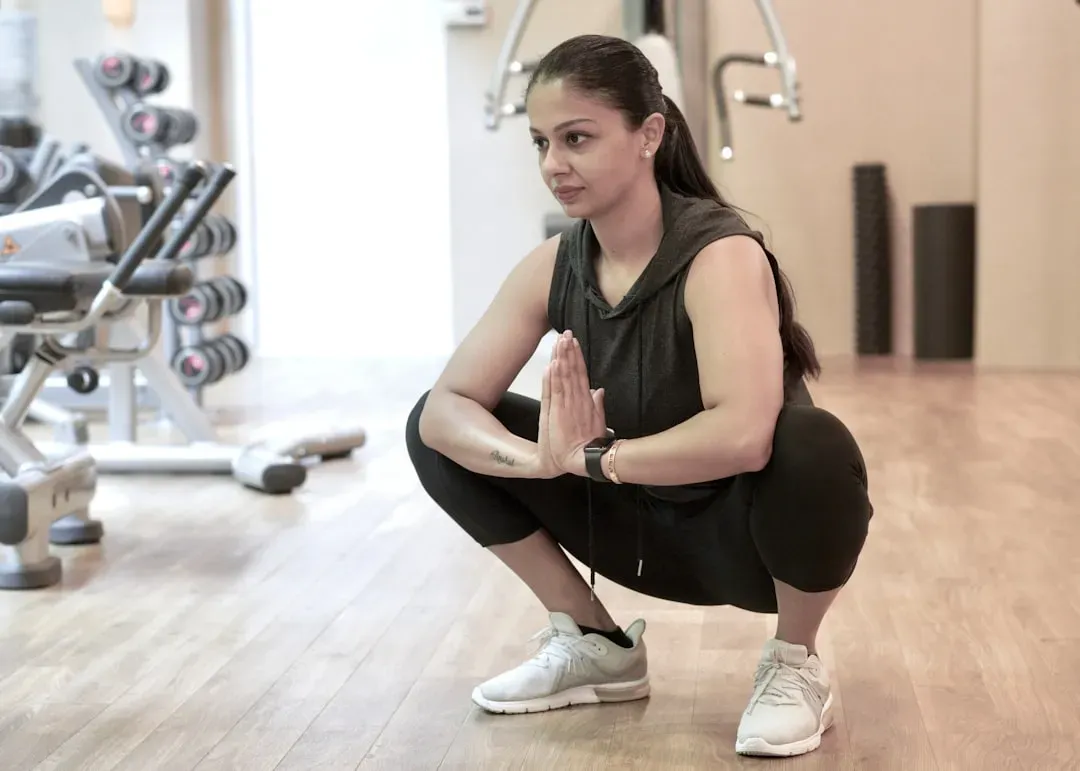
Long before the invention of the chair, squatting was the default human resting position, not a stretch reserved for yoga class. Anthropologists studying hunter-gatherer groups have documented that sedentary time is often spent in postures like squatting that produce noticeably higher muscle activity than chair sitting.
Researchers at USC found that pre-chair resting postures like squatting and kneeling may explain why sitting is so harmful, since sitting for hours a day is linked to cardiovascular disease and other risks that squatting simply doesn’t create. Historical evidence backs this up: squatting remained the default posture across much of the world until the end of the Middle Ages, fading only after chairs spread across Europe. Most people don’t realize their hips and ankles have already lost range of motion their ancestors used every single day – and that’s just the resting position. Wait until you see what happened to sleep itself.
Fast Facts
- Squatting was the default rest position for most of human history, not a special stretch.
- Chairs didn’t spread widely across Europe until near the end of the Middle Ages.
- Prolonged sitting is linked to higher cardiovascular risk that resting squats don’t produce.
- Deep-squat hip and ankle mobility can fade within a single generation of chair use.
#2 – The Human Body Naturally Split Sleep Into Two Shifts
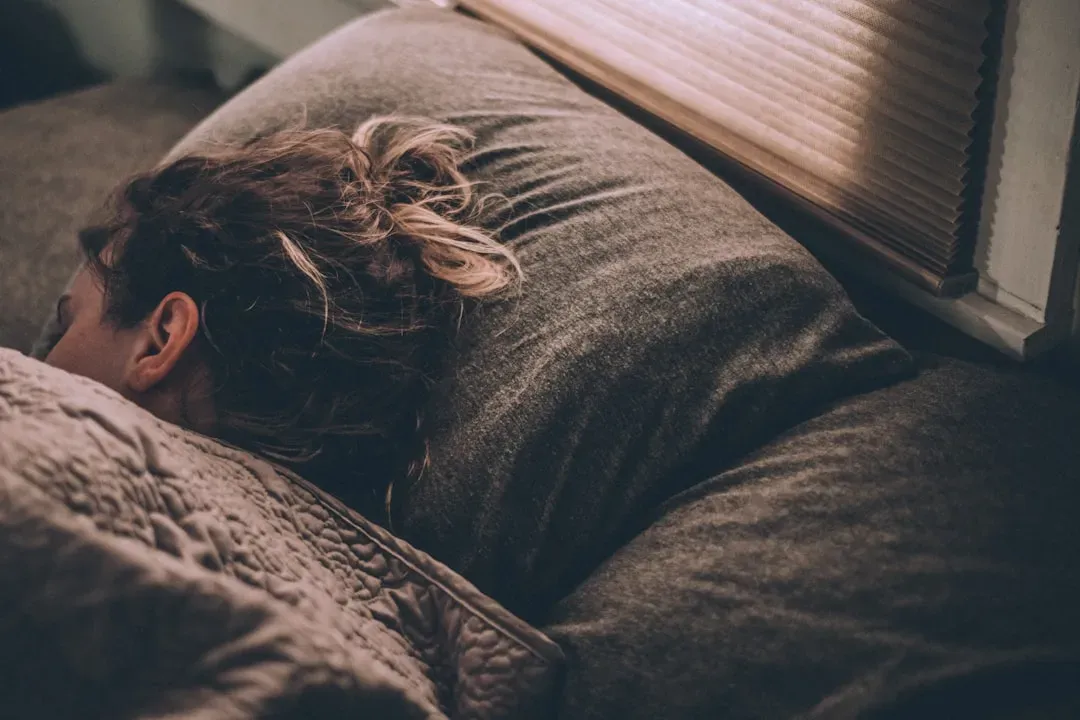
Before electric light, nobody expected to sleep eight straight hours in one block – and that expectation might be the real sleep disorder. Historians and sleep scientists have found extensive evidence that biphasic sleep was the norm before artificial lighting existed: people went to sleep shortly after sunset, slept a few hours, woke around midnight to tend a fire or check on children, then drifted into a second sleep before dawn.
This wasn’t just folklore. In a landmark 1990s experiment, sleep researcher Thomas Wehr recreated pre-industrial lighting conditions by exposing participants to only 10 hours of light a day. Within weeks, their sleep split into two distinct phases with a quiet waking period in between – no genetic change required. Once electricity arrived, that pattern collapsed into one long stretch of nighttime sleep. Turns out that wide-awake stretch at 3 a.m. might not be insomnia at all – it might be your body trying to run software it hasn’t used in two hundred years.
#3 – The Human Body Walked Barefoot for Miles Without Injury
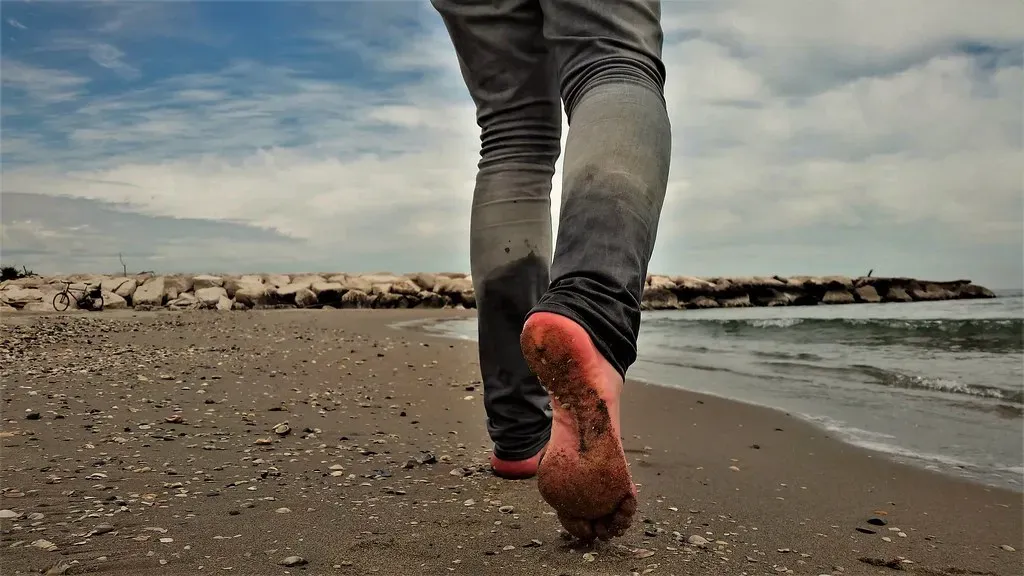
Feet weren’t always fragile. Before rubber soles and cushioned insoles, human feet developed thick, protective calluses and heightened proprioception – the ability to sense ground texture and adjust stride instantly. This wasn’t a special talent; it was baseline infrastructure for a species that walked and ran on natural terrain for hours a day.
Podiatrists and evolutionary biologists have long noted that modern footwear changes how feet strike the ground, weakening the intrinsic muscles that once absorbed shock naturally. Many experts now argue that cushioned shoes didn’t protect our feet – they atrophied them, creating dependency on arch support that ancestral feet never required. Barefoot populations today still show broader forefeet, stronger arches, and fewer structural foot problems than shoe-wearing populations. The tradeoff for comfort was a slow erosion of a built-in shock absorber most people never think about – until the day it’s gone.
#4 – The Human Body Could See Clearly in Near-Total Darkness
Before streetlights, screens, and porch bulbs, human eyes routinely adapted to genuine darkness – not the dim-but-lit “darkness” most people experience today. Full night vision depends on rod cells adapting for 20 to 30 minutes with zero light exposure, a process modern life almost never allows to finish.
Constant exposure to phones, streetlights, and LED bulbs keeps rods perpetually under-adapted, meaning most people today never experience their eyes’ full night-vision capacity – even though the biological machinery is still intact. Pre-industrial humans regularly navigated moonlit fields and forests using this fully engaged system. Give your eyes thirty real minutes of darkness, phone off, and the ancient system still boots right up.
#5 – The Human Body Tolerated Cold Without a Thermostat
Central heating turned cold tolerance into a lost skill instead of an active one. Physiologists studying cold adaptation note that modern life is spent almost entirely indoors, cutting off the cold exposure and physical activity that once kept the body’s temperature defenses sharp.
Pre-industrial populations experienced regular, genuine cold, which triggers real physiological adaptations like increased brown fat activity and more efficient vasoconstriction. Research on cold acclimatization shows the body can shift its baseline defenses, though without ongoing exposure that precision fades and hypothermia risk can actually rise once the threshold drifts too far. The ability is dormant, not gone – but dormant abilities atrophy exactly like muscles do, and most of us haven’t tested ours in years.
#6 – The Human Body Withstood Extreme Heat Without Air Conditioning

Long before air conditioning, humans relied on genuine physiological heat tolerance – not just fans and cold drinks. Researchers studying thermoregulation note that the body can make precise adjustments to heat balance, but only within a fairly narrow range, which is why acclimatization became such a core survival mechanism in hot climates.
Behavior mattered just as much as biology. Scientists point out that behavioral thermoregulation depends on accurately sensing your own internal temperature and acting on it – finding shade, lighting a fire, slowing down – and that these behaviors meaningfully expand human heat tolerance. Modern climate-controlled living has quietly dulled that internal sense, since we rarely need to notice it anymore. Comfort didn’t just cool us down – it disconnected us from a warning system we used to rely on every day of our lives.
#7 – The Human Body Chewed Tough, Fibrous, Unprocessed Food Daily

Modern jaws are noticeably smaller and weaker than those of pre-industrial humans, and dentists increasingly point to one specific cause: we stopped chewing hard. Before blenders and soft bread, daily eating required real mechanical force – tearing fibrous plants, cracking nuts, grinding tough meat, with nothing pre-softened for you.
That constant mechanical stress shaped jaw and skull development from childhood, widening dental arches and reducing the crowding behind so many modern orthodontic problems. Many dental researchers now argue that crooked teeth aren’t genetic destiny – they’re a side effect of soft, processed diets that never force the jaw to fully develop. Archaeological skulls consistently show wider jaws and straighter teeth in pre-industrial populations than in post-industrial groups with identical genetics. The orthodontist’s chair, in a very real sense, is a bill for a lifetime of comfort food.
Why It Stands Out
- Pre-industrial jaws were routinely wider, with straighter teeth and far less crowding.
- Daily chewing of tough, fibrous food is what actually drove that jaw growth in childhood.
- Skulls from the same gene pool show the shift once diets softened after industrialization.
- Modern orthodontics often corrects problems a harder daily diet used to prevent outright.
#8 – The Human Body Could Run for Hours Without Stopping
Humans are built for one of the strangest endurance feats in the animal kingdom: running prey to the point of collapse. Unlike most mammals, humans sweat efficiently across nearly their entire body and carry no heavy fur coat, allowing sustained heat dissipation during long-distance movement that few other species can match.
This ability, known as persistence hunting, let pre-industrial humans chase faster animals for hours in open heat until the prey overheated and dropped – while the hunter kept moving. The human body’s real superpower was never speed; it was simply refusing to overheat and stop. This required no special training beyond an ordinary, physically active pre-industrial life. What used to be baseline human function now requires a training plan, a nutrition app, and sometimes a sponsorship deal.
#9 – The Human Body Handled Days Without Food and Stayed Sharp
Before refrigerators and three guaranteed meals a day, human metabolism regularly shifted between feast and famine – and stayed cognitively sharp the entire time. This metabolic flexibility, the ability to switch smoothly from burning glucose to burning stored fat, was a survival requirement, not a wellness trend.
Pre-industrial populations experienced regular, unplanned stretches without food, forcing the body to run on fat stores without the mental fog many people now report during short fasts. Researchers studying metabolic adaptation note that a body cycling regularly between fed and fasted states manages blood sugar and energy far more efficiently than one that eats constantly. Constant snacking, it turns out, may have quietly disabled a survival mechanism most people never knew they had.
#10 – The Human Body Had Extraordinary Grip Strength for Climbing and Carrying
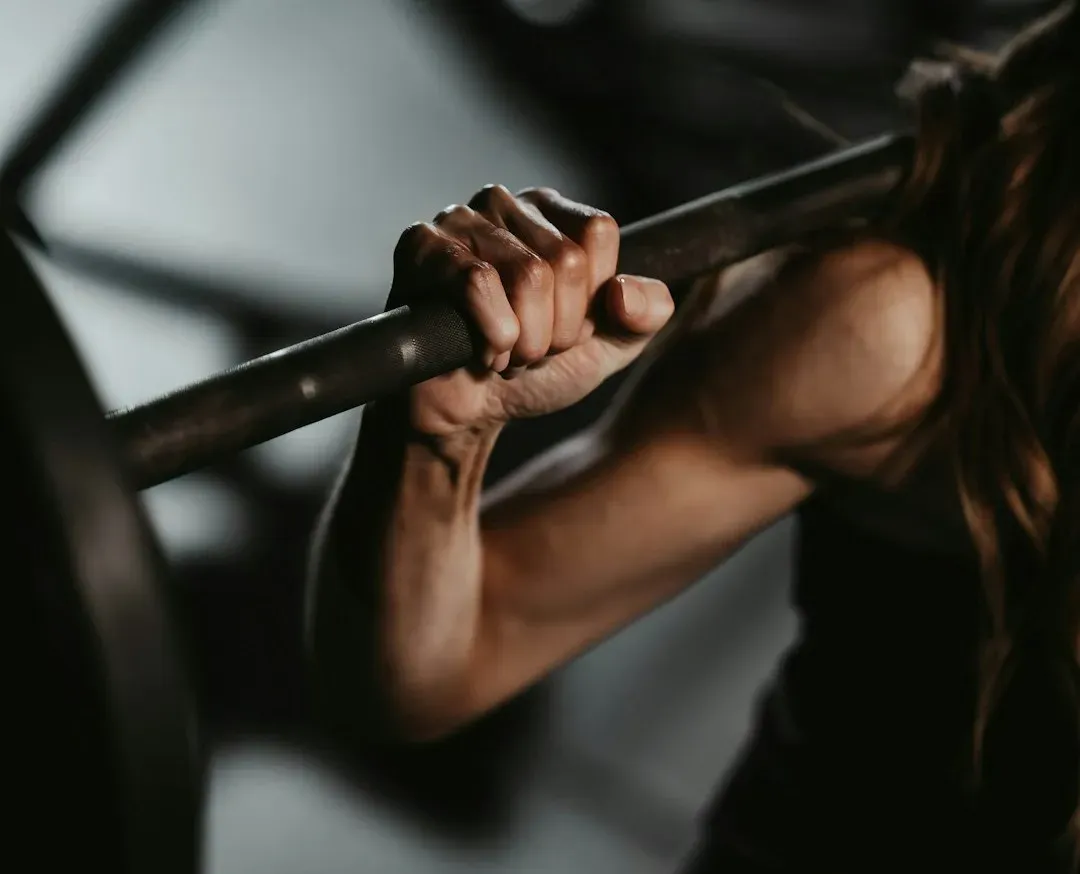
Before power tools and packaged goods, daily survival demanded serious hand strength – climbing trees, hauling water, gathering firewood, manipulating raw materials with nothing mechanical to help. Grip strength wasn’t a gym metric; it was load-bearing infrastructure used dozens of times a day.
Anthropological comparisons consistently show pre-industrial and hunter-gatherer populations with significantly stronger grip strength than modern people of the same age. Grip strength is now considered one of the strongest predictors of longevity in medical research, precisely because it reflects the overall muscular and neurological health modern life no longer demands we maintain. The irony is sharp: an ability that once required zero gym time now needs deliberate training just to hit a baseline our ancestors cleared before lunch.
Worth Knowing
- Grip strength is used in medical research as a quick proxy for overall health and aging.
- Weaker grip strength is consistently linked to higher mortality risk in long-term studies.
- Hunter-gatherer and pre-industrial groups measured noticeably stronger, especially later in life.
- Matching that baseline today usually takes deliberate training, not just daily routine.
#11 – The Human Body Could Navigate Without Instruments
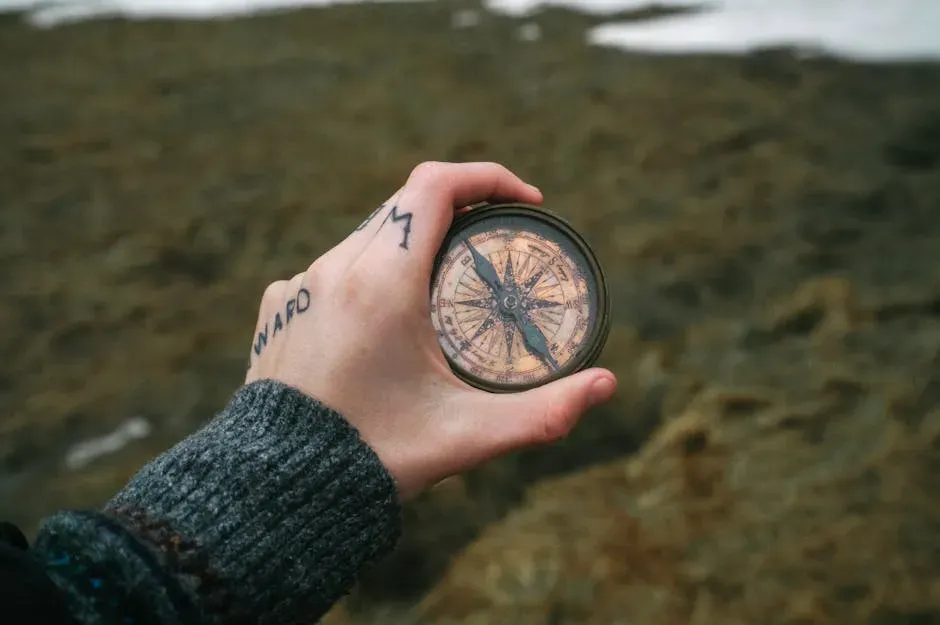
Before GPS, compasses, or paper maps for most of human history, navigation was a fully embodied skill – reading stars, sun position, wind patterns, and terrain cues to travel accurately across enormous distances. This wasn’t rare explorer talent; it was ordinary competence built into daily and seasonal life.
Traditional navigating cultures, from Pacific Islander wayfinders to desert-dwelling populations, built remarkably precise mental mapping systems with zero external devices. Cognitive researchers have found that heavy reliance on GPS measurably weakens spatial memory and hippocampal engagement over time – meaning the ability didn’t vanish from human biology, it atrophied from disuse. Convenience didn’t just replace a skill; it appears to be quietly shrinking the exact brain structures that once carried it.
#12 – The Human Body Delivered Life and Healed Without Hospitals
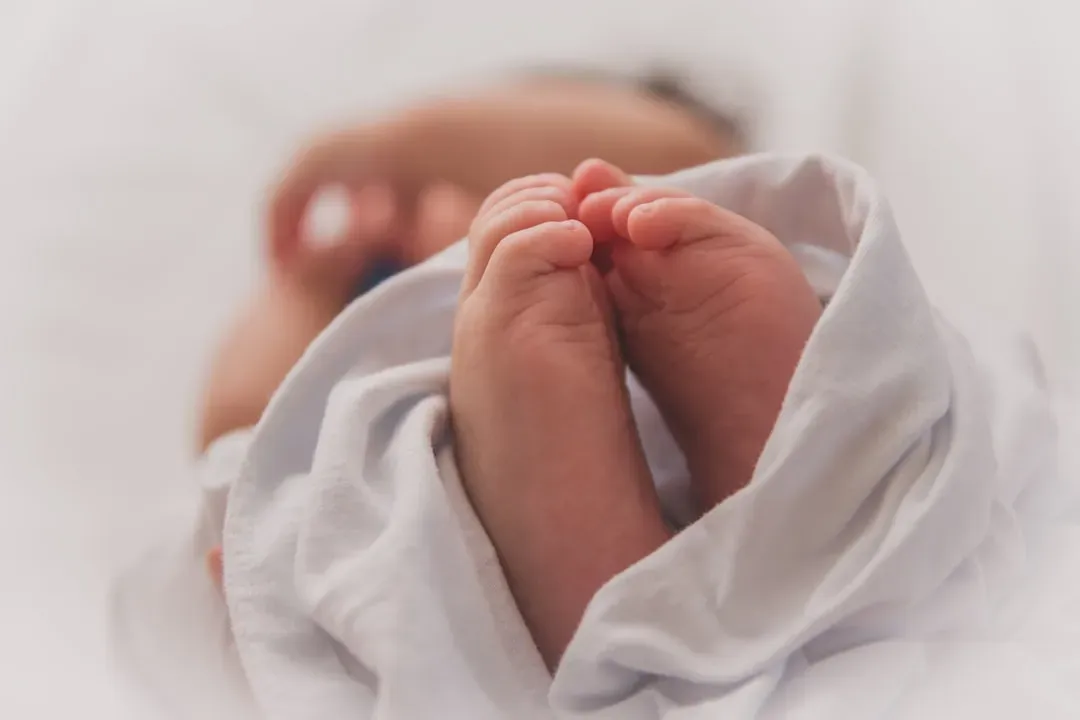
This is the one that stops most conversations cold. For the overwhelming majority of human history, childbirth and wound healing happened entirely without hospitals, anesthesia, or antibiotics – relying instead on the body’s own physiological resilience and knowledge passed down through generations of midwives and healers.
The body’s capacity to labor, deliver, and recover evolved over hundreds of thousands of years, and much of that biological machinery – hormonal timing, natural pain-coping mechanisms, tissue repair – still functions exactly as it always did. But let’s be honest: this ability came at a brutal cost that romanticized “natural living” conveniently skips. Maternal and infant mortality before modern medicine was dramatically higher than it is today, and no ancestral capability changes that math. This is the clearest example on this entire list of a body doing something remarkable that modern comfort didn’t erase – it corrected a genuine, serious weakness.
At a Glance
- Maternal death was a real, common risk of childbirth for most of human history, not a rare tragedy.
- Estimates suggest pre-industrial maternal mortality far exceeded today’s rate of roughly 20 deaths per 100,000 births in the U.S.
- Antibiotics, sterile technique, and safe surgical delivery account for most of that improvement.
- No ancestral toughness offsets those numbers – this is where comfort clearly saved lives.
The Bottom Line
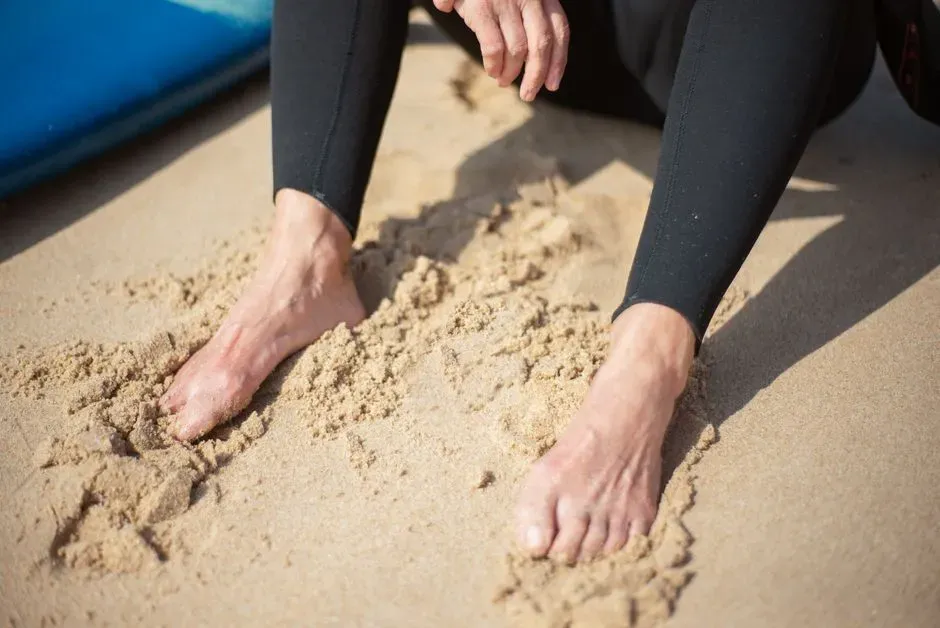
The human body clearly used to do things modern life has quietly switched off – squat instead of sit, sleep in phases, see in real darkness, run for hours, go without food without losing focus. Most of these losses were tradeoffs, not upgrades, and comfort never once told us what it was costing.
But #12 proves comfort isn’t always the villain. Some ancestral toughness existed only because there was no better option, and modern medicine genuinely fixed a brutal problem no amount of nostalgia should paper over.
The honest takeaway isn’t that ancient bodies were superior. It’s that convenience switched off abilities selectively – some worth reclaiming with a barefoot walk, a cold shower, or a phone-free night outside, and some we should be quietly grateful modern life buried for good.