
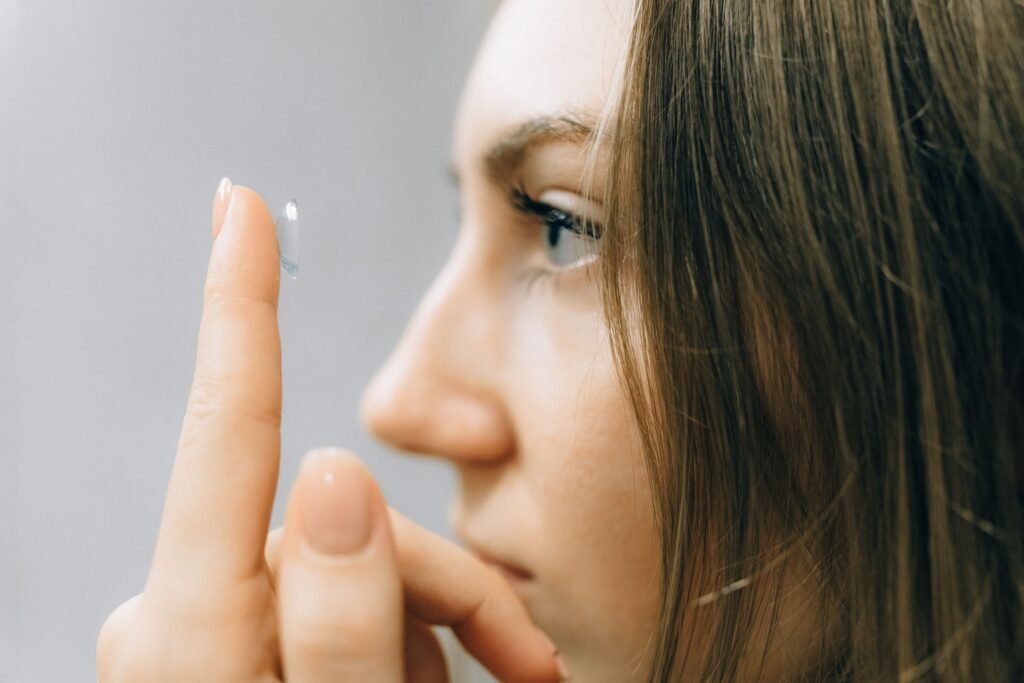
Most of us assume smartphones just tire out our eyes for an hour, then everything resets back to normal. They don’t. Ophthalmologists are now documenting permanent, measurable changes to human eyeballs – physical elongation, chronic dryness, and rewired sleep chemistry – all traced back to habits most people repeat 300+ times a day without a second thought.
What started as a minor discomfort a decade ago has quietly become one of the fastest-growing public health shifts on the planet, and almost nobody has scheduled an eye exam because of it. Here’s what eye doctors and researchers say is actually happening to your vision right now – and the last one on this list is the one that should genuinely unsettle you.
#1 – Your Eyeballs Are Physically Changing Shape
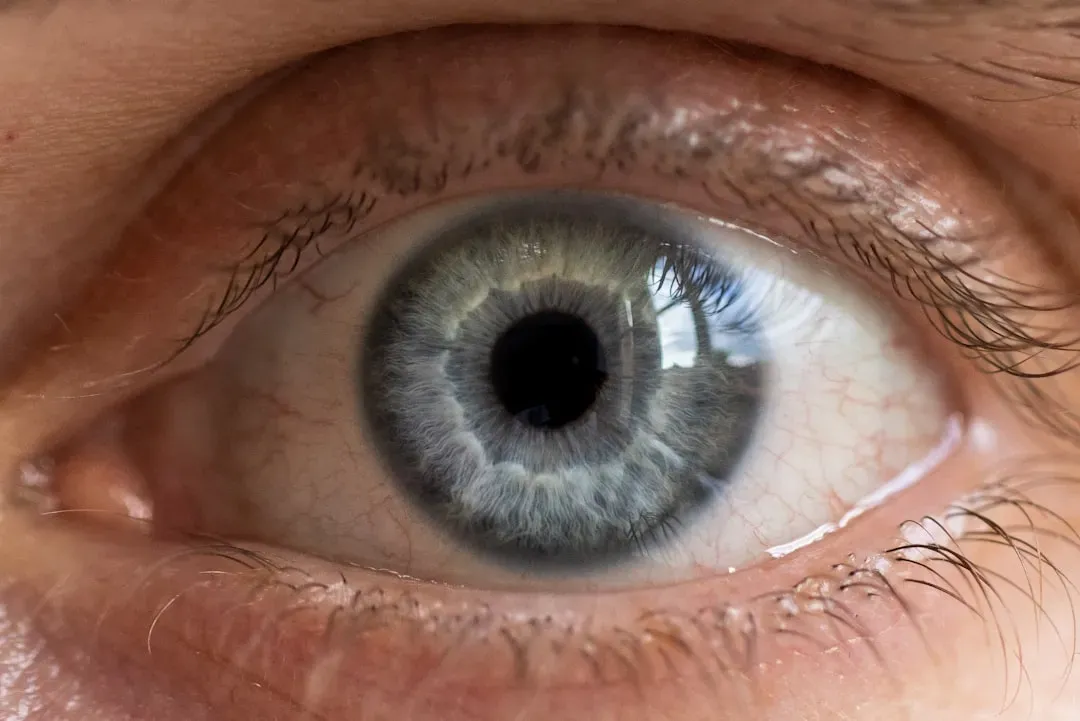
Most people think myopia (nearsightedness) is just something you’re born with. It’s not – it’s increasingly something modern life does to you.
Researchers now describe myopia as reaching “epidemic proportions,” and the numbers back it up. It is projected that by 2050, approximately 52% of the global population will be affected by myopia – an increase from 27% in 2010. In parts of Asia the shift has already happened: in countries such as China, Japan, South Korea, Taiwan, and Singapore, myopia affects 80-90% of school-aged children.
Fast Facts
- Global myopia rate projected to nearly double: 27% in 2010 to 52% by 2050
- 80-90% of school-aged kids in China, Japan, South Korea, Taiwan, and Singapore are already myopic
- Genetics have stayed stable – the shift is being driven by behavior, not biology
This isn’t random genetic drift – it’s mechanical. This increase in myopia relates to lifestyle changes, particularly the use of hand-held devices, while underlying genetic factors remain rather stable, with major behavioral risk factors including continuous near work activities and reduced outdoor exposure. Your eyeball’s axial length is literally stretching to compensate for hours of close-up focus.
#2 – “Digital Eye Strain” Went From Rare to Almost Universal
A condition that barely had a name twenty years ago is now considered a normal part of adult life.
Doctors call it computer vision syndrome, and it’s a direct byproduct of how much screen time the average adult now logs. The average American worker spends seven hours a day on the computer either in the office or working from home. Computer vision syndrome, also referred to as digital eye strain, is a group of eye and vision-related problems that result from prolonged use of digital devices, with discomfort often increasing with the amount of digital screen use.
The symptom list reads like a checklist most people could tick off right now – blurred vision, headaches, heaviness, dryness. In one recent industry survey, nearly seven in ten respondents reported that they experience symptoms associated with digital eye strain. Seven in ten. That’s not a fringe complaint anymore – that’s the majority experience.
#3 – Your Blink Rate Has Been Cut Dramatically
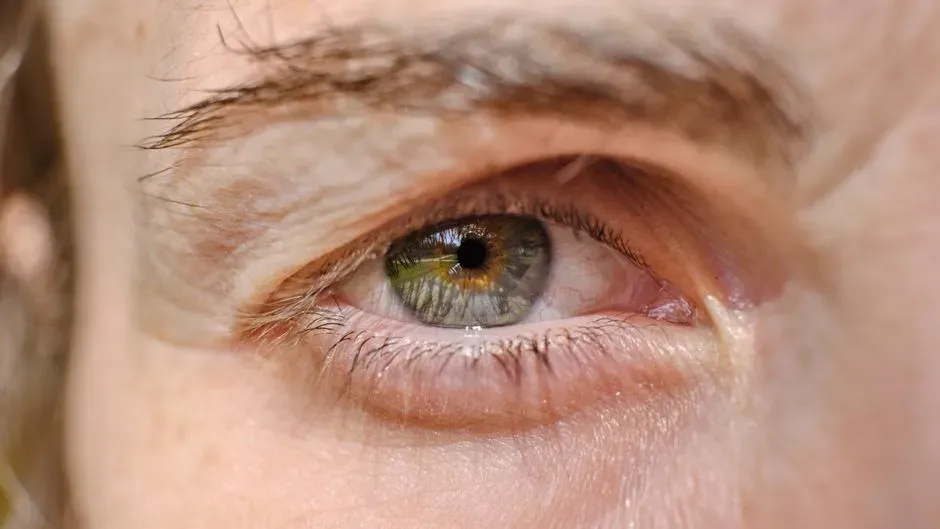
Here’s something most people have never even considered: how often you blink has quietly changed, and it’s wrecking your tear film.
Under normal resting conditions, humans blink far more often than they do while staring at a device. Mean blink rates were 22 per minute while relaxed, but only 10 per minute and 7 per minute when viewing a book or screen, respectively. Other researchers have clocked similarly steep drops, noting that when looking at a digital screen, the human blink rate decreases by approximately 66%, dropping from a normal 15 to 20 times per minute down to just 5 to 7 times per minute.
It’s not only frequency – it’s quality. Researchers also found a significantly higher percentage of incomplete blinks in the computer session (7.02%) as compared to the hard copy session (4.33%). Incomplete blinks mean your eye’s protective tear layer never fully resets, leaving the surface exposed and prone to drying out mid-task.
#4 – We Traded Sunlight for Screen Light

Turns out the fix for myopia was never really about screens directly – it was about what screens replaced: daylight.
Multiple studies now point to outdoor light exposure as a genuine biological brake on myopia progression. Most studies show a significant effect of outdoor exposure against myopia when children are exposed for at least 2 hours a day. This isn’t theoretical – it’s been tested at scale. A population-based Taiwanese program promoting 2 hours of outdoor activities per weekday for kindergarten children led to a decline in myopia prevalence among preschoolers from 15.5% in 2014 to 8.4% in 2016.
Worth Knowing
- 2 hours of daily outdoor time is the threshold researchers repeatedly find effective
- Taiwan’s preschool program cut myopia prevalence from 15.5% to 8.4% in just two years
- No drops, surgery, or gadgets required – the intervention was simply going outside
That’s a near 50% drop from outdoor time alone – no drops, no surgery, no gadgets. It suggests the real modern-life culprit isn’t the screen itself, but the indoor lifestyle screens create. Most parents blame the iPad; the missing ingredient is actually the missing sunshine.
#5 – Screens Are Quietly Hijacking Your Sleep Chemistry Through Your Eyes
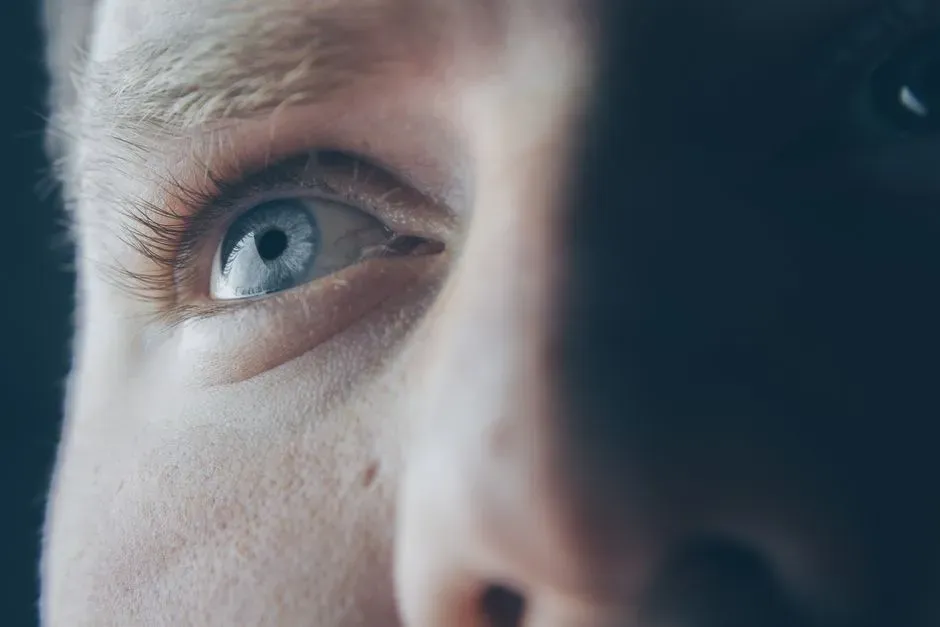
Your eyes don’t just see light – they use it to run your internal clock, and modern screens are scrambling the signal.
The mechanism is surprisingly specific. Blue light, typically in the 460-480 nm range, is the primary stimulus for intrinsically photosensitive retinal ganglion cells containing melanopsin, which signal the suprachiasmatic nucleus – the master circadian clock – to inhibit pineal melatonin secretion. As melatonin normally rises in the evening to facilitate sleep, its suppression by blue light delays circadian phase and increases sleep onset latency.
Even brief exposure matters more than people assume. Experimental studies show that even short periods of evening tablet or smartphone use significantly reduce melatonin and shift its onset, resulting in later bedtimes and shorter sleep duration. Your late-night scrolling isn’t just a habit – it’s biochemically convincing your eyes it’s still daytime.
#6 – Kids’ Eyes Are Especially Vulnerable, and It’s Happening Faster Than Expected
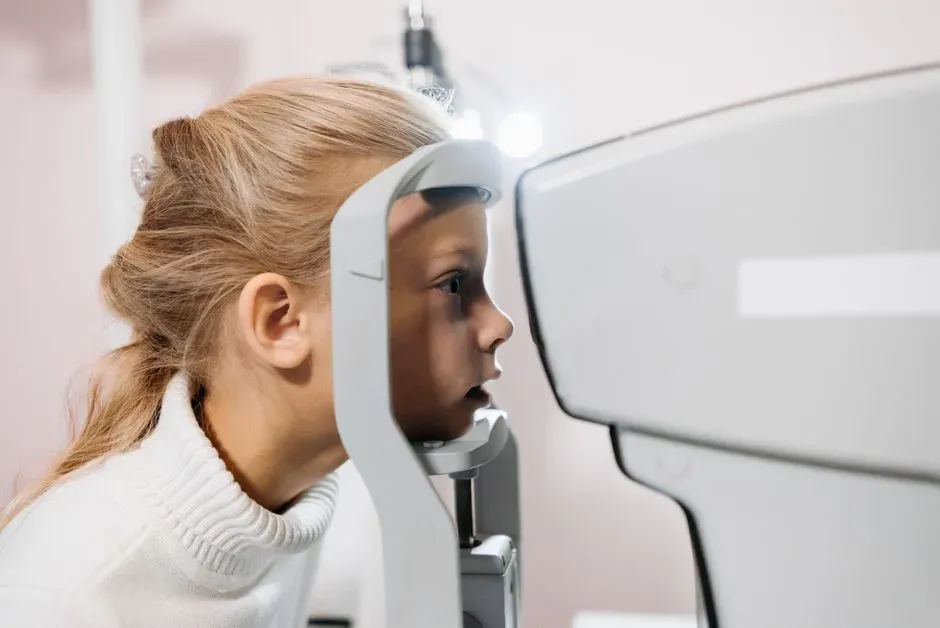
If you think this is mainly an adult problem, think again – children’s eyes are actually more sensitive to the damage.
Eye care specialists have noticed something unsettling about timing. The prevalence of nearsightedness in 2020 increased sharply, ranging from 1.4 to 3 times higher than it had been in the previous five years, with younger children potentially more sensitive to environmental changes given they’re in a critical period for eye growth.
We know that the younger children are, the faster their myopia worsens and ultimately, the greater the risk.
Myopia management specialist
It’s not just about focus, either – it’s about light dosage. Because children’s pupils are bigger and their lenses are clearer than adults’, evening light can lower melatonin levels in kids almost twice as much as it does in adults. Double the melatonin suppression in a growing child is not a small detail – it’s a developmental red flag most parents have never heard about.
#7 – Constant Near-Work Is Overloading the Eye’s Focusing Muscles

Most people assume eye strain is just “tiredness.” Actually, it’s a mechanical overuse injury happening inside your eye socket.
Every time you focus on a phone six inches from your face, tiny ciliary muscles contract to bend your lens for close-up vision. Modern life demands this contraction almost constantly – texting, scrolling, reading, working – with very few moments of true distance viewing. Behavioral researchers note that an increase in screen time and a decrease in physical activity have been observed among children, and given that outdoor activities have a protective effect against myopia progression, the decline in such activities may exacerbate the prevalence of myopia in school-aged children.
The pandemic accelerated this trend in a measurable, almost lab-like way. During lockdowns, sharply increased screen time led to increased accommodative demand and reduced blinking rate – factors implicated in axial elongation and myopia development – with data demonstrating a clear association between increased screen time and accelerated myopia progression in children. That’s not a coincidence – that’s cause and effect, captured in real time.
#8 – Contact Lens Wearers Are Getting Hit With a Double Whammy
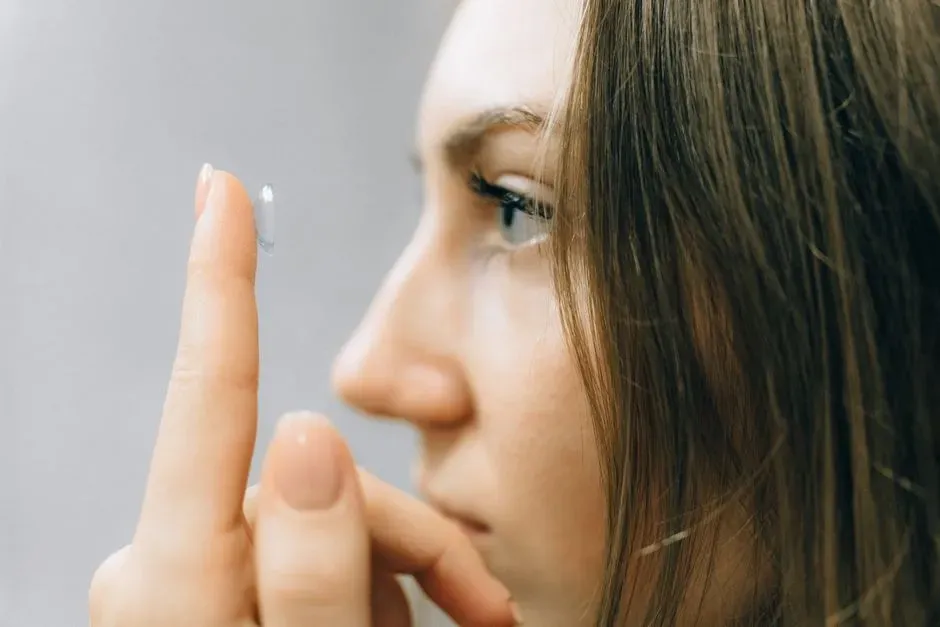
If you wear contacts and work on a screen all day, you’re stacking two dehydrating forces on top of each other.
Contact lenses already reduce the tear film’s stability compared to bare eyes. Add reduced blinking on top of that, and the surface never gets a proper chance to re-lubricate. Clinicians point out that symptoms of digital eye strain may include blurred vision, headaches, eyes feeling heavy, needing to blink a lot, and feelings of eye irritation, grittiness, dryness, burning, or fatigue – and lens wearers frequently report these symptoms hitting harder and faster than people who wear glasses or need no correction at all.
Doctors treating this combination often have to intervene on two fronts. If a patient reports feeling burning sensations, that may indicate they need dry eye or ocular surface treatments, and sometimes a patient may need both interventions during the same exam. Most contact lens wearers have no idea their lenses and their laptop are working against each other all day.
#9 – Your Home Lighting Might Be Making It Worse After Dark
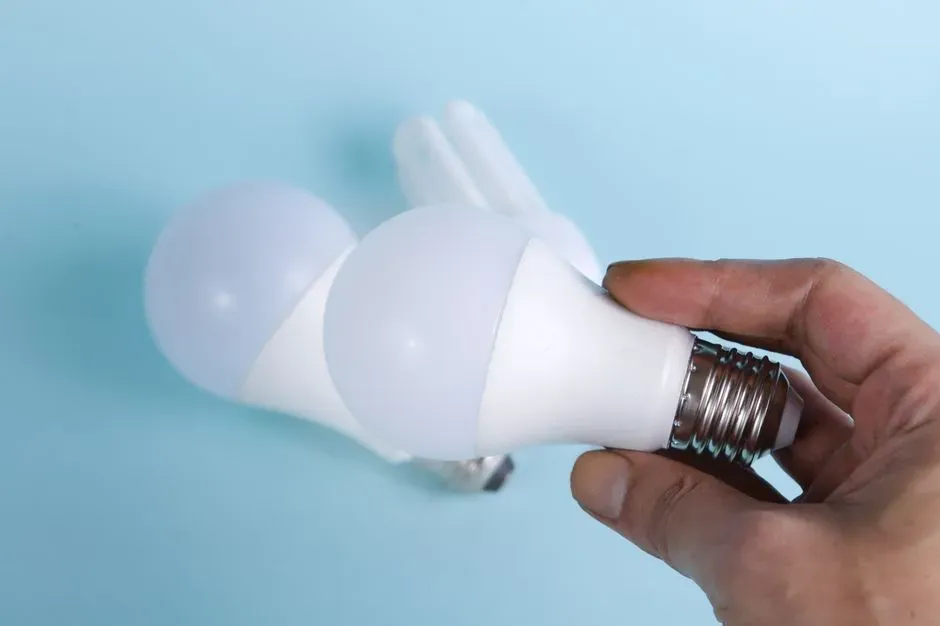
Secretly, it’s not just your phone screen doing the damage – it’s the light bulbs you installed to feel “modern” and energy-efficient.
Researchers recently tested dozens of household lamps and found dramatic differences in how much they suppress melatonin. Their findings revealed that “cool” white LED (median 12.3% melatonin suppression) and “cool” white CFL (12.1%) lamps induce considerably greater melatonin suppression than “warm” white LED (3.6%), “warm” white CFL (2.6%), or traditional incandescent (1.5%) lamps.
Quick Compare
| Bulb Type | Melatonin Suppression |
|---|---|
| Cool white LED | 12.3% |
| Cool white CFL | 12.1% |
| Warm white LED | 3.6% |
| Warm white CFL | 2.6% |
| Incandescent | 1.5% |
That’s roughly an eightfold difference between the crisp, bright-white bulbs many people prefer for kitchens and home offices and the warmer, dimmer bulbs used decades ago. Combine that lighting choice with an evening spent scrolling, and you’ve built a small circadian-disruption machine into your own living room without realizing it.
#10 – Eye Strain Is Now Dragging Your Neck and Shoulders Into the Problem
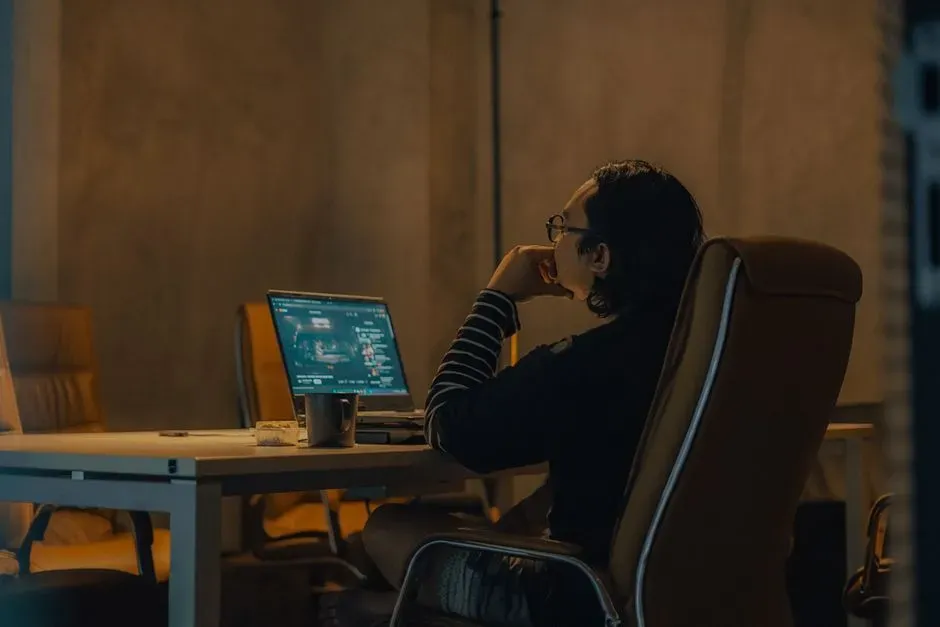
Turns out the damage doesn’t stay contained to your eyes – it spreads down your spine.
Eye doctors have started listing musculoskeletal symptoms right alongside classic vision complaints. Official guidance on computer vision syndrome specifically flags neck and shoulder pain as a recognized symptom cluster, driven largely by poor lighting, improper viewing distances, and poor seating posture that people adopt while chasing a clearer view of a screen.
This is a pattern most workplace wellness programs still ignore. People crane their necks forward, hunch their shoulders, and tilt their heads to reduce glare or bring text into focus – compensations that eye doctors now treat as part of the same syndrome, not a separate issue. A vision problem has quietly become a posture problem, and most physical therapists still aren’t asking patients about their screen habits when the neck pain shows up.
#11 – An Entire Industry Now Exists Just to Undo the Damage
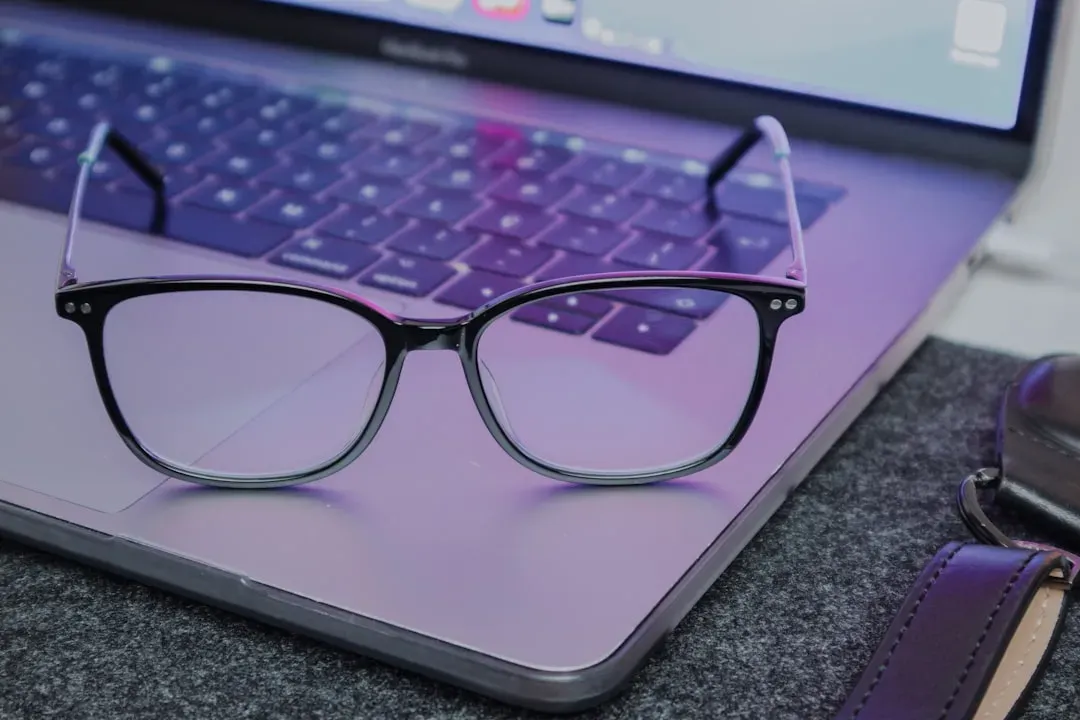
Finally, here’s the tell: when a “fix” industry explodes overnight, it’s proof the underlying problem is real and widespread.
Blue-light-filtering glasses have gone from niche to mainstream in just a few years, and the data on them is more interesting than the marketing suggests. One long-term study found 85.0% of participants reported improvement in at least one symptom, with dryness and eye fatigue being the most frequently improved. Adherence mattered too – significant predictors of symptom relief included adherence to the 20-20-20 rule and daily screen time under six hours.
At a Glance
- 85% of users in one study reported improvement in at least one symptom
- Dryness and eye fatigue improved most frequently
- Relief was linked to habits – the 20-20-20 rule and under 6 hours of daily screen time
- Other researchers still say clear consensus on the lenses’ core benefit is missing
Here’s the controversial part: the glasses may be helping mostly because they come with habit changes, not because of the tint itself. Researchers elsewhere admit there is a lack of clear evidence and consensus on the benefit of using quotidian blue-blocker lenses. Millions of people are buying a product whose core promise is still scientifically unsettled.
#12 – This Is Reshaping Vision on a Species-Wide Scale
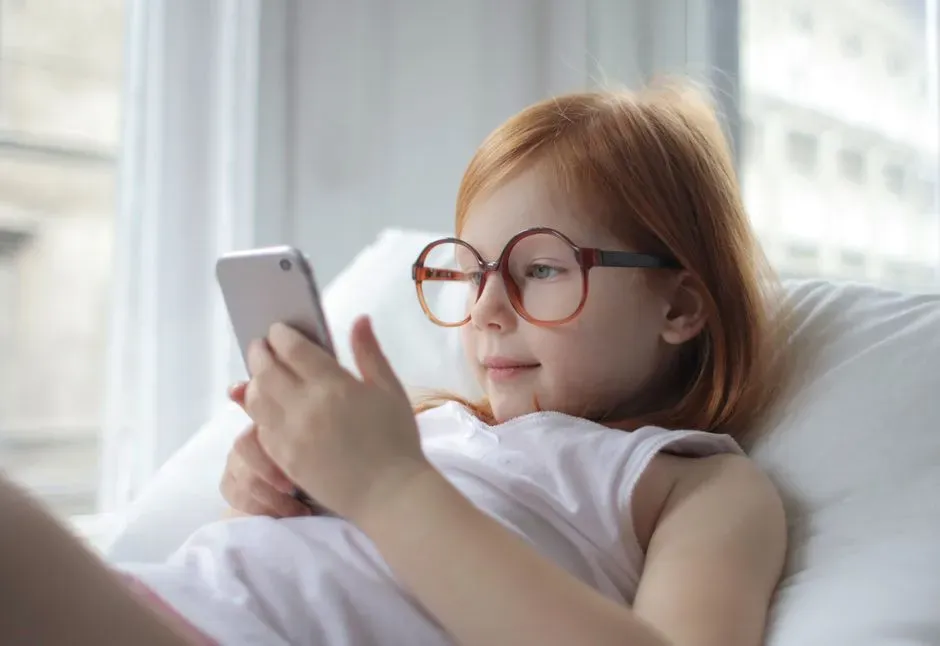
This is the one number that should genuinely worry you: modern life isn’t just tiring out individual eyes – it’s rewriting the baseline for human vision itself.
Zoom out from any single symptom and the trajectory is staggering. Myopia is estimated to currently affect 108 million people worldwide and is identified as the second most common cause of global blindness. And unlike most health epidemics, this one is being driven almost entirely by behavior, not biology – a likely explanation for this worrisome trend is that children may now become myopic early in childhood because their eyes grow too fast as a result of excessive time spent reading close-up on increasingly smaller screens, entailing that children do not get enough outdoor activity and daylight.
We are, in effect, running an uncontrolled global experiment on human eyesight, and the first full generation of results is only now coming in. Every item on this list – the myopia, the dryness, the disrupted sleep, the posture changes – is a symptom of the same root cause: eyes built for horizons, forced to live at arm’s length.
The Bottom Line
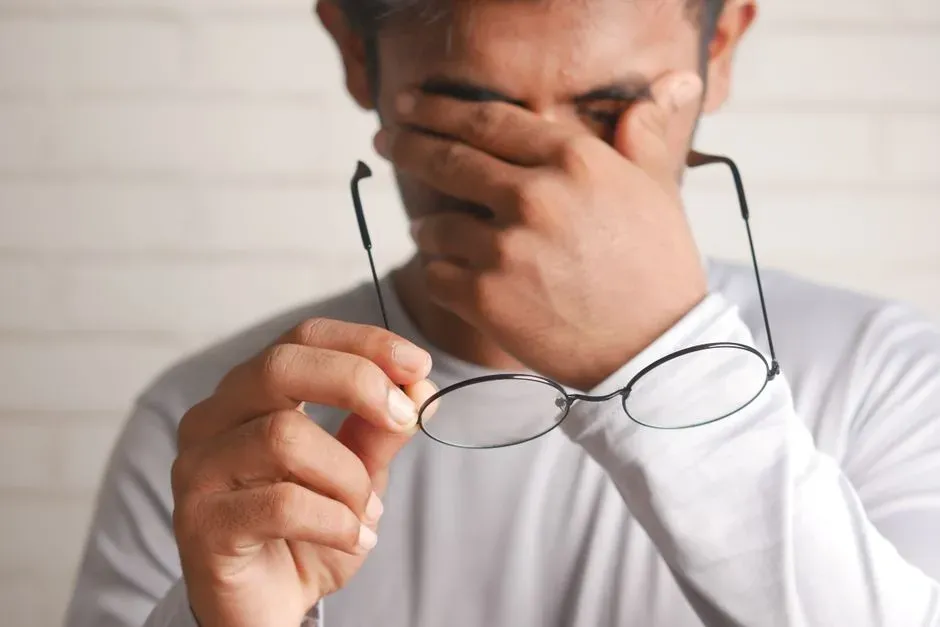
Modern life didn’t just make our eyes tired – it changed how they grow, how often they blink, how they sleep, and how they age. The most shocking part isn’t any single symptom; it’s how invisible the whole shift has been.
Nobody decided to reduce their blink rate by 66%, cut their outdoor time in half, or suppress their own melatonin every night – it happened as a side effect of normal, modern routines. Fixing it isn’t complicated: more daylight, more breaks, less near-work at night. Almost nobody actually does it consistently.
And there’s a good chance you just read every one of those words on the exact device causing the problem.