
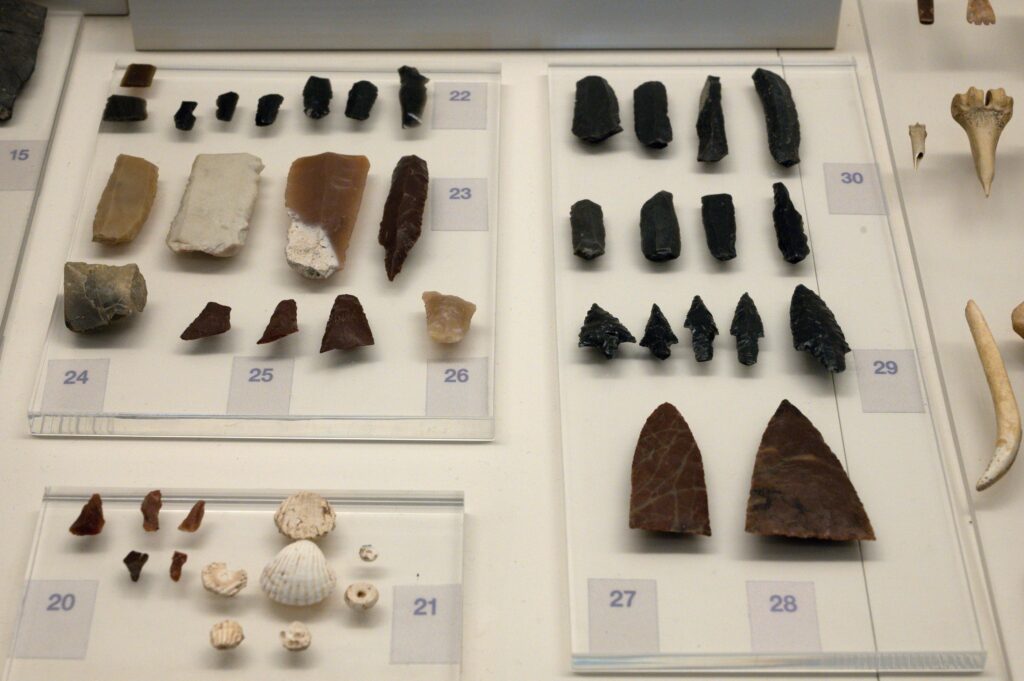
If you could pick up a single stone and, just from its surface, read a story of hundreds of miles of travel, strangers meeting, and ideas crossing mountains and seas, would you look at the ancient world differently? Prehistoric trade is one of those topics that sounds dry in school, but the more you zoom in, the more it feels like a thriller: long-distance deals, risky journeys, secret source locations, and objects that ended up far beyond anything their makers ever imagined.
What shocks many people is how far some of these goods traveled long before roads, wheels in everyday use, or written contracts. Hunters, farmers, and seafarers carried tools, beads, and raw materials across continents and open water, often linking communities that never set eyes on one another. The objects themselves became the messengers, quietly proving that people in the distant past were a lot more connected, curious, and ambitious than we tend to assume today.
1. Baltic amber: golden “plastic” of the Stone Age
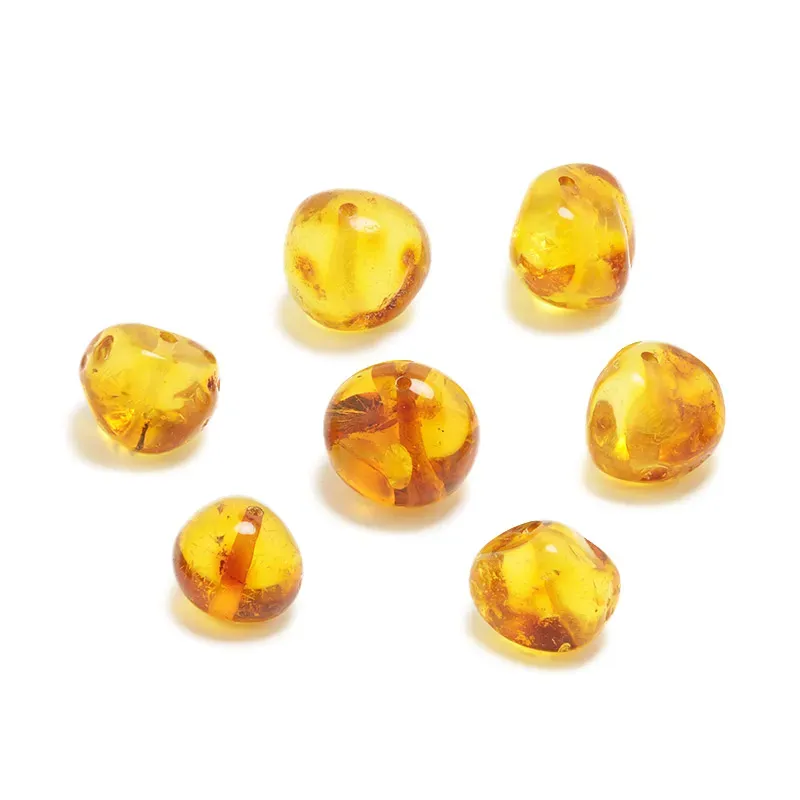
Imagine picking up a warm, honey-colored bead in a Mediterranean grave, only to find out the material began as tree resin on a chilly Baltic shoreline more than a thousand miles away. That is the story of Baltic amber in prehistory: it shows up in burials and hoards all across Europe, often in places where no amber-bearing trees ever grew. For people who had never seen glass or plastic, amber must have felt almost magical: light, warm to the touch, with static electricity when rubbed, and sometimes trapping tiny ancient insects inside like time capsules.
Archaeologists have traced chemical “fingerprints” of amber in Mycenaean Greece, Bronze Age Italy, and central European sites back to deposits around the Baltic Sea. That means the original collectors likely never got anywhere near Greece or Italy, yet their raw materials did, passed hand to hand through chains of traders. I like to picture a small coastal community in what is now Poland or Lithuania watching boats leave with sacks of resin, having no idea that generations later, a warrior king on a sunny island would be buried with jewelry made from their shoreline treasure.
2. Obsidian blades: volcanic glass with a global footprint
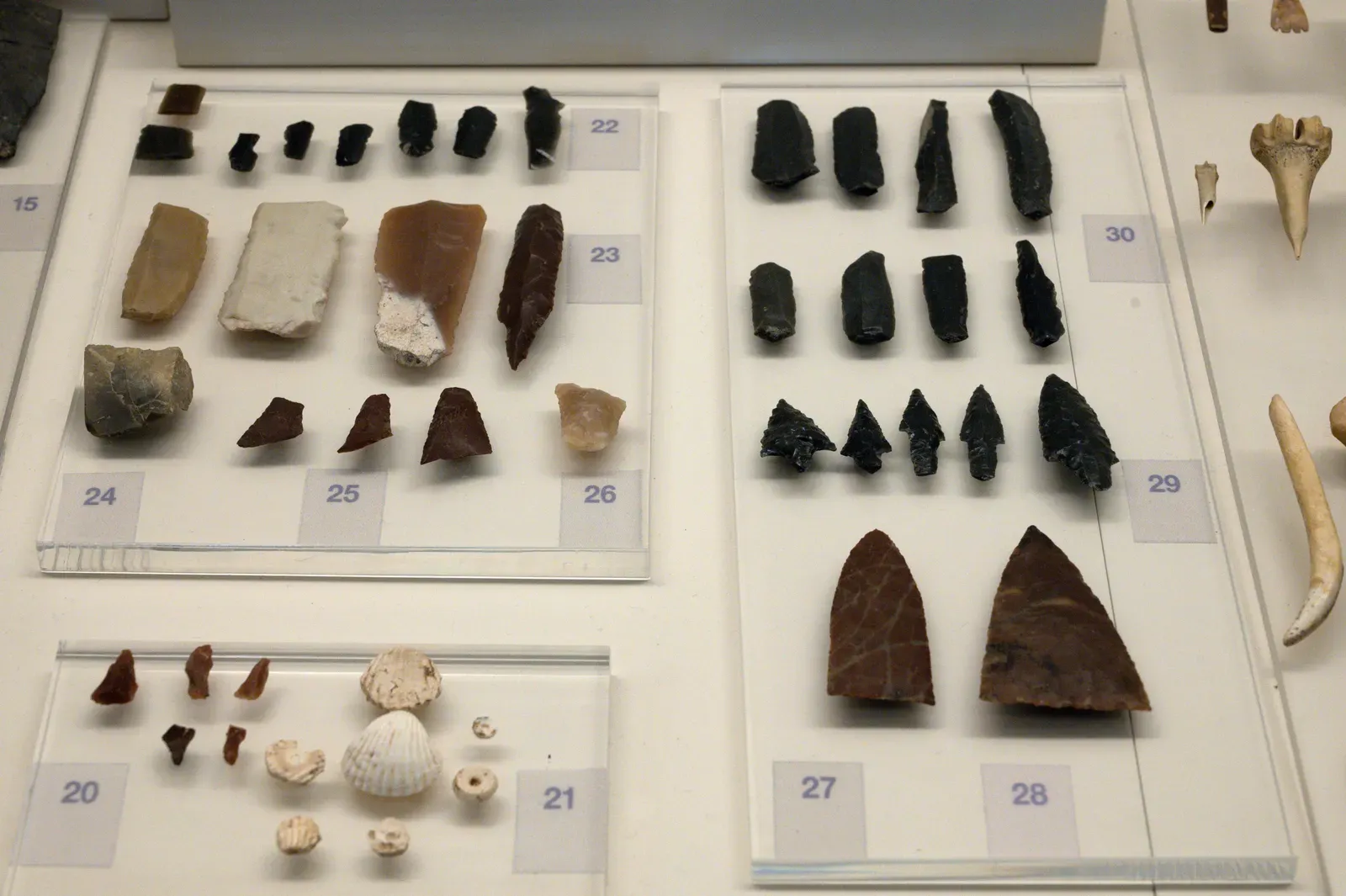
Before metal, if you wanted a razor-sharp edge, obsidian was king. This volcanic glass fractures into edges sharper than a modern surgical scalpel, which made it the high-tech material of the Stone Age. Because each obsidian source has a unique chemical signature, scientists can match a knife or flake to a specific volcano, sometimes hundreds of miles away from where the artifact was found. That kind of sourcing has transformed obsidian into one of the clearest markers of prehistoric trade networks.
In regions like the Near East, the Aegean, and Mesoamerica, obsidian from just a handful of volcanic centers shows up in dozens of distant settlements. Most villagers knapping those blades probably lived their entire lives within a small valley, yet their stone traveled along caravan routes, across straits, and through the hands of traders who specialized in moving valuable, portable goods. When you hold a tiny obsidian arrowhead in a museum, you’re really holding proof that people were plugged into sprawling exchange systems long before coins, banks, or merchant guilds ever existed.
3. Mediterranean shell beads: ocean gifts in inland graves
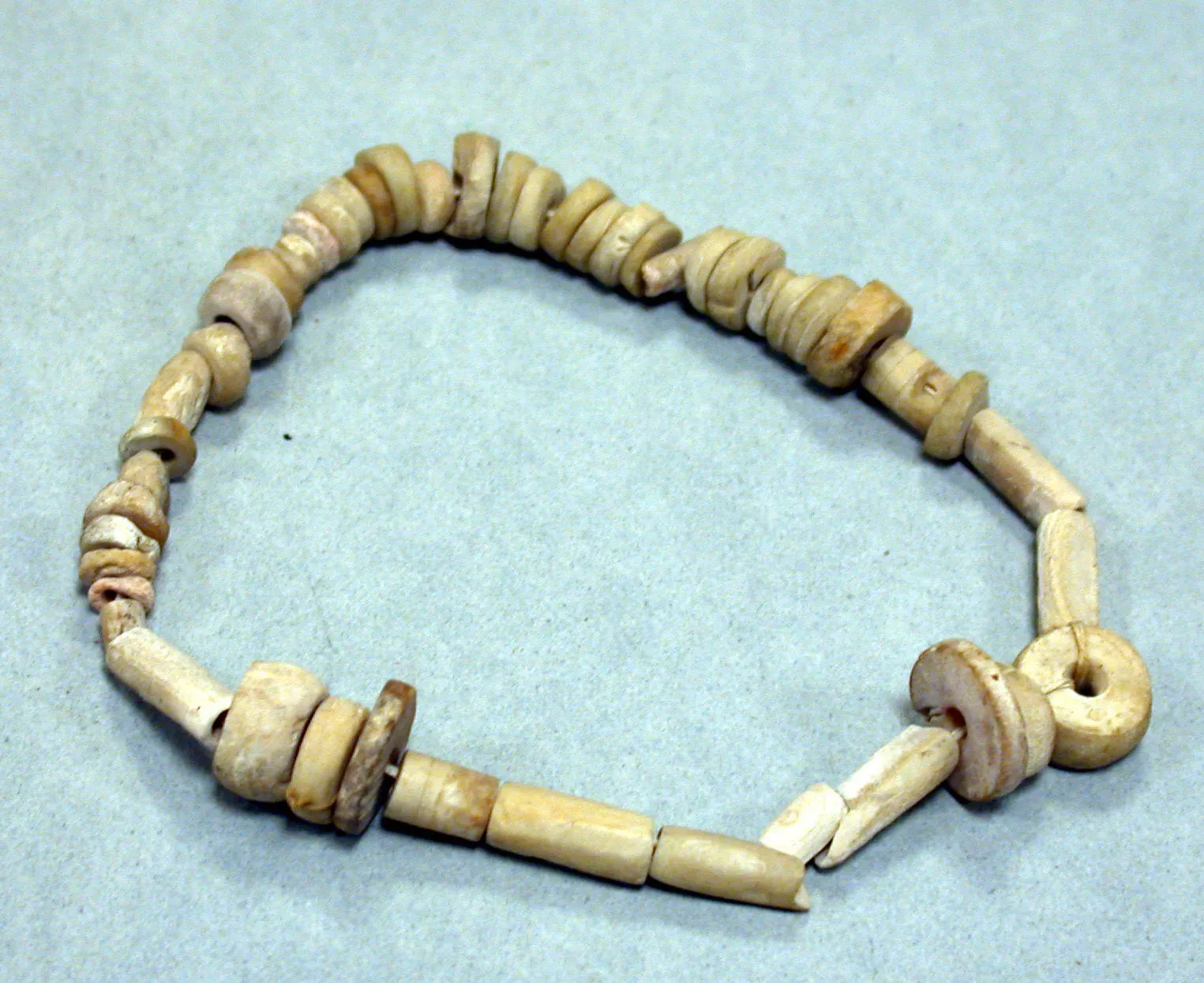
There is something quietly moving about finding a seashell in a burial thousands of years old and hundreds of miles from any coast. In early farming communities of inland Europe and the Near East, archaeologists regularly uncover beads and pendants made from Mediterranean shells. The people buried with them almost certainly never saw the ocean that produced those shells, yet they valued them enough to carry them to the grave. In a world without mass-produced jewelry, every shell bead was a small luxury item that had to be collected, shaped, and transported by human hands.
Shells proved ideal trade goods: they were small, beautiful, and easy to carry in bulk, and the distance from the coast only increased their prestige. Over time, some shell types even became early forms of currency or status markers, worn to signal belonging, wealth, or far-reaching connections. I always think of inland shell finds as social selfies: a subtle way for prehistoric people to say, “I’m part of something bigger than this village; my world stretches all the way to the sea.”
4. Spondylus: the purple shell that behaved like money
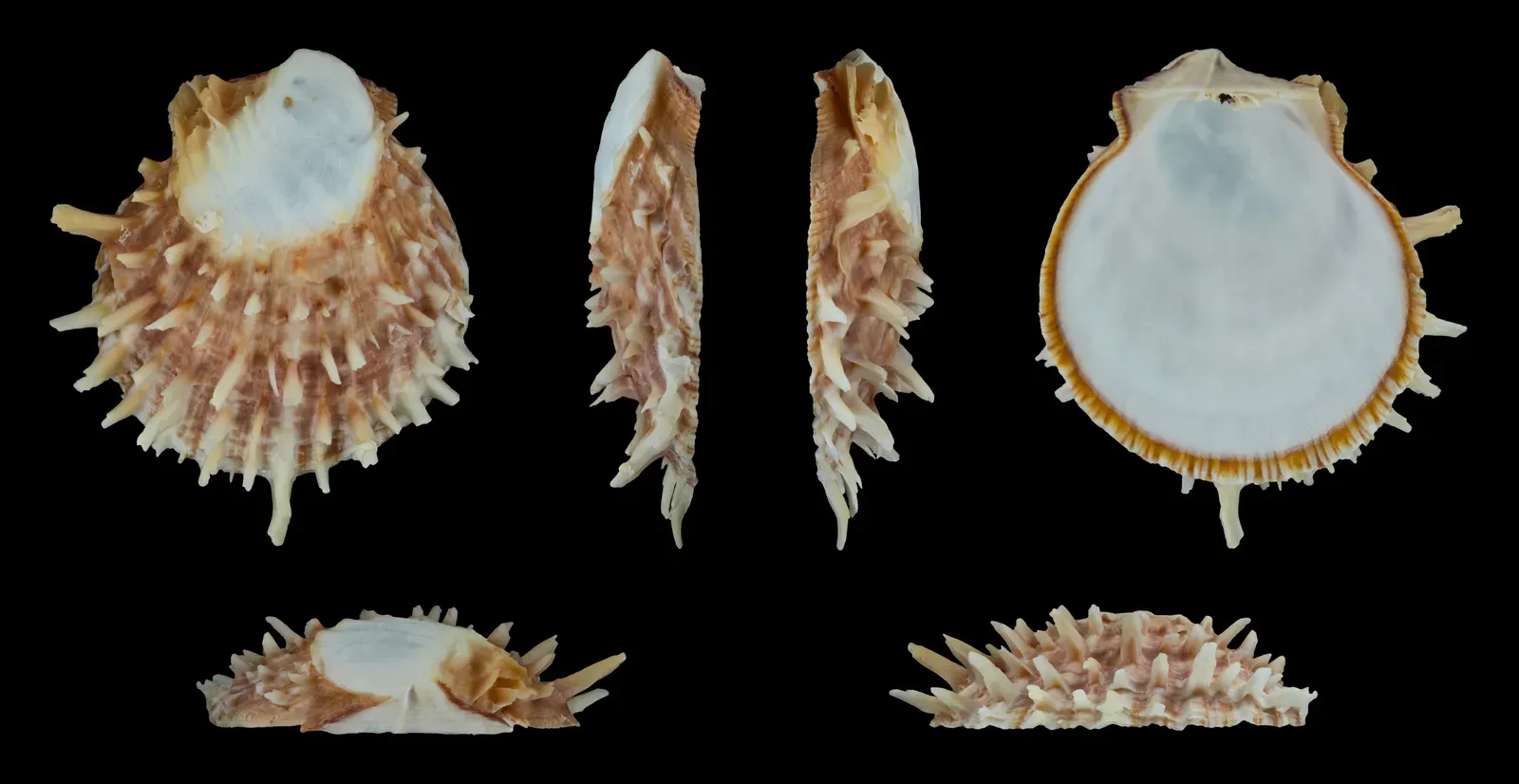
Among prehistoric trade items, Spondylus shells stand out as overachievers. These thick, spiny bivalves with striking purple or red interiors came from specific parts of the Mediterranean and Black Sea. Yet during the Neolithic and Copper Age, finished Spondylus beads and ornaments show up far inland, from central Europe to the Balkans and beyond. They are not randomly scattered; they often cluster in burials of people who clearly had elevated social status, hinting that these shells carried meaning beyond simple decoration.
Some archaeologists argue that Spondylus objects functioned something like high-value tokens or symbolic currency for long-distance exchanges of food, raw materials, or marriage alliances. Whether or not we label them “money,” they clearly moved along predictable routes and were carefully controlled. The original shell divers and shoreline craftspeople probably did not travel with their products into forests and river valleys hundreds of miles away. Instead, middlemen and specialized traders turned a local marine resource into a trans-regional badge of power and connection.
5. Jadeite axes: mountain stones that crossed half of Europe
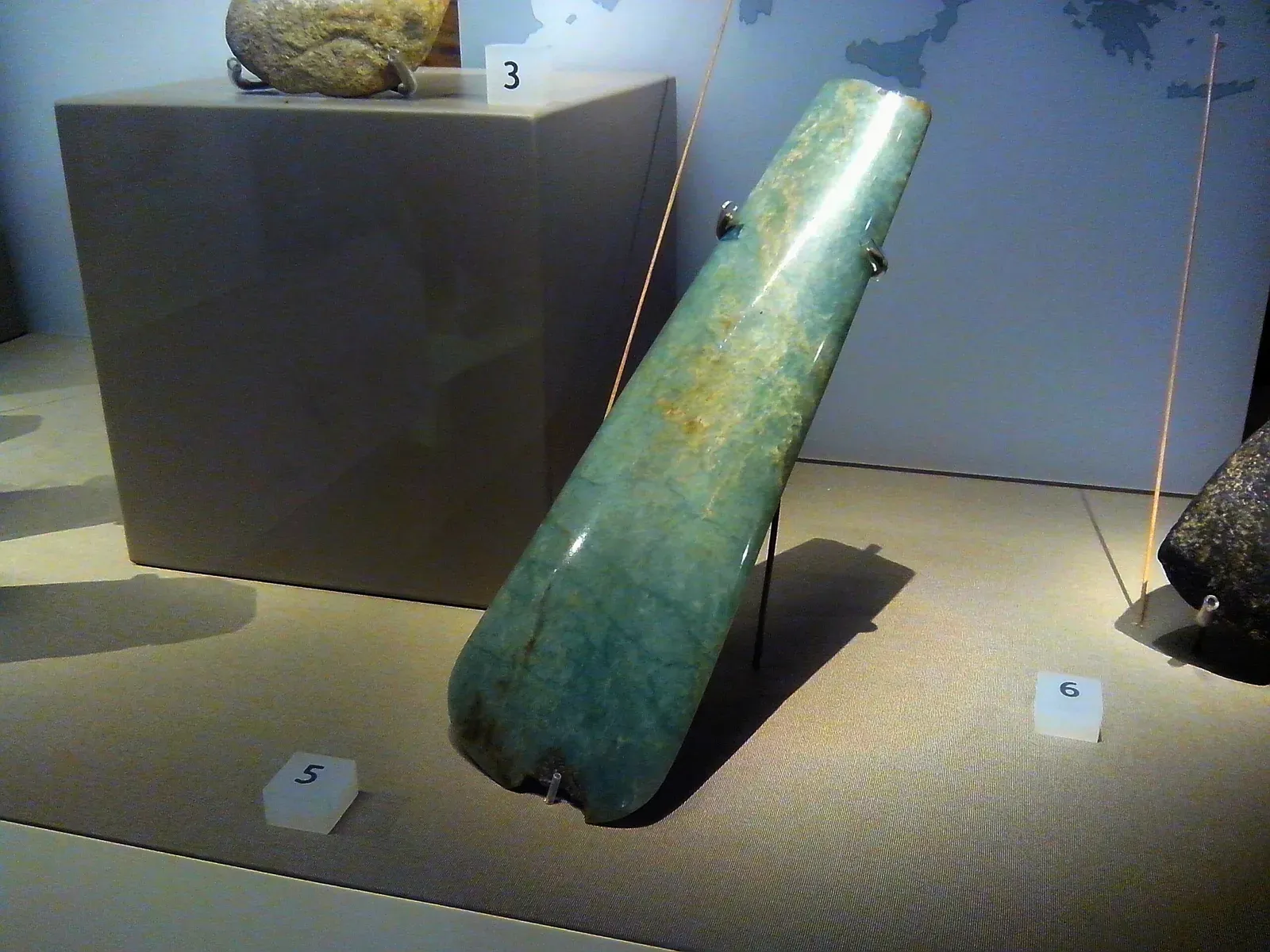
It is hard to overstate how bizarre it is to find a gleaming green stone axe in a Neolithic grave in France and learn that the raw material came from high alpine quarries in what is now northern Italy. Yet that is exactly what happens when scientists analyze jadeite and other exotic greenstones used for prestige axes in early farming Europe. These axes were often polished to a mirror sheen and show almost no signs of practical use, suggesting they were ceremonial objects, heirlooms, or symbols of authority rather than everyday tools.
Geochemical studies have mapped surprisingly wide distribution networks: jadeite axes from a limited set of steep, dangerous mountain quarries ended up across large swaths of western and central Europe. The quarry workers who risked their necks on icy slopes to extract this tough rock were unlikely to wander as far as their creations did. Their axes, however, journeyed along rivers and over passes, probably handed from leader to leader as gifts, tribute, or markers of alliance. To me, they are prehistoric VIP passes in stone, broadcasting power and distant connections in a single gleaming object.
6. African ostrich eggshell beads: tiny circles with huge journeys
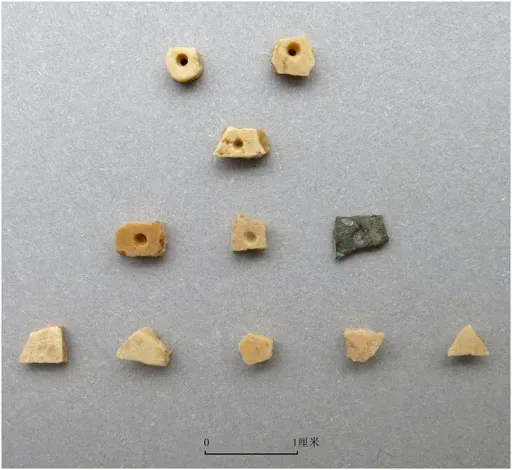
Long before metal coins or written contracts, people in parts of Africa were already crafting delicate beads from ostrich eggshell. These tiny discs, patiently drilled and polished, show up in archaeological sites thousands of years old and in regions where ostriches did not live locally. That alone suggests movement, but the really fascinating part is how consistently similar some bead styles and sizes are across vast distances, hinting at shared aesthetics or social norms spread through trade and interaction.
Because beads are so small and durable, they slip easily through time and space, turning up in graves, campsites, and even as random single finds in places far from their source. The people carefully punching holes in eggshells almost certainly lived fairly local lives, but their handiwork traveled through exchange networks that tied together hunters, herders, and later farmers. In a way, each bead is like a prehistoric social media “like” passed from group to group: simple, repeatable, and quietly powerful in signaling shared identity and ongoing relationships.
7. Copper and tin: the metals behind the Bronze Age revolution
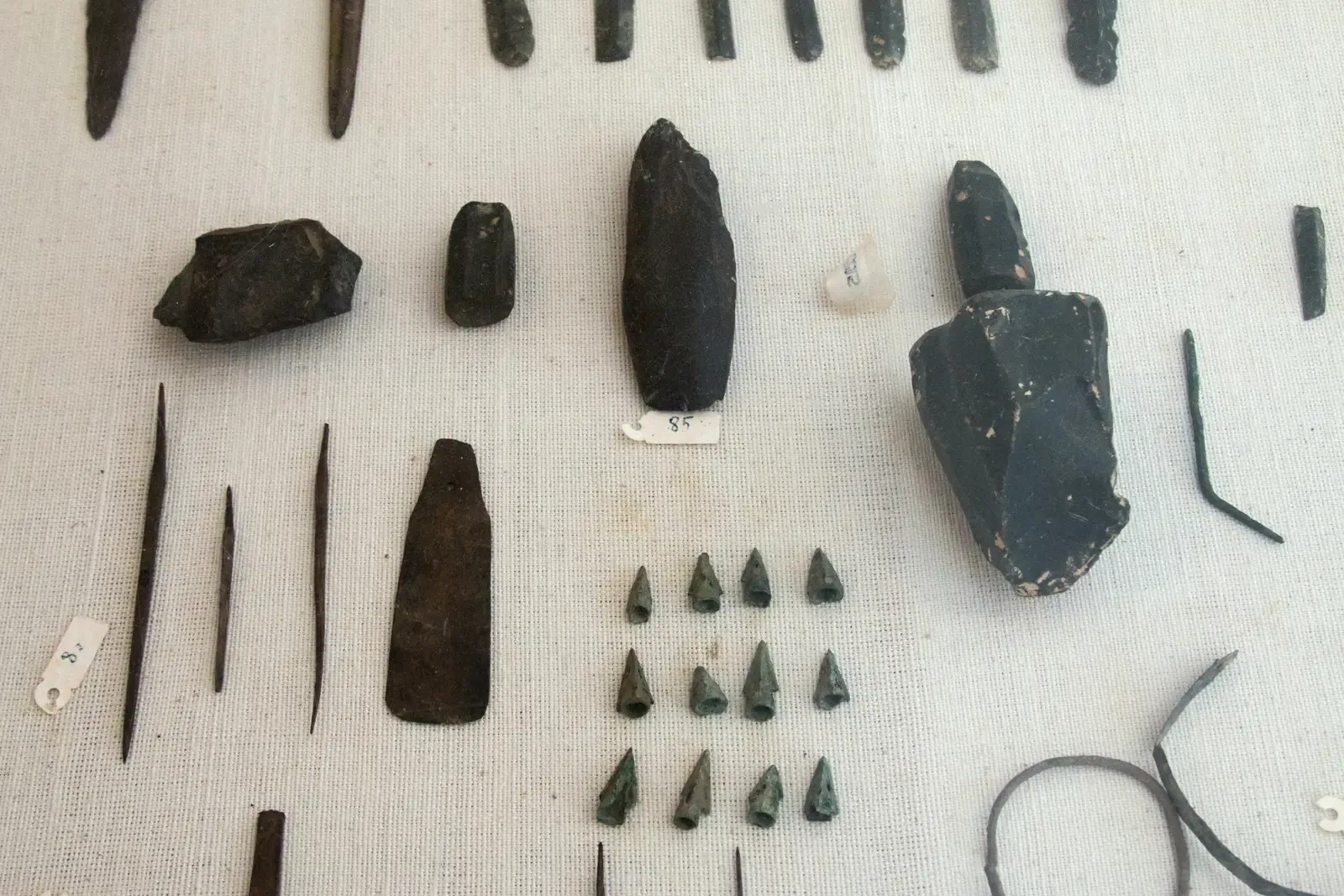
When you hear “prehistoric trade,” you might picture stone and shells, but metals pushed long-distance exchange into a new gear. Copper and tin, the ingredients of bronze, rarely occur in large, conveniently paired deposits. That mismatch forced societies to build wide trading corridors linking copper-rich regions with tin sources, often over astonishing distances. Archaeological finds show metal artifacts and ingots turning up far from any local ore, revealing webs of movement that crossed mountains, deserts, and seas.
The miners smelting copper in their smoky valleys or extracting tin from distant veins probably knew traders came and went, yet the full reach of their metalwork was almost certainly beyond their imagination. Bronze tools, weapons, and ornaments ended up in palaces, warrior graves, and farmsteads as prestige goods and practical game-changers. In my view, the spread of copper and tin is one of the strongest arguments that prehistoric people were not just passively bumping into each other but deliberately engineering long-distance supply chains, even if they lacked our modern logistics jargon.
8. Australian stone and ochre: colors and tools on the move
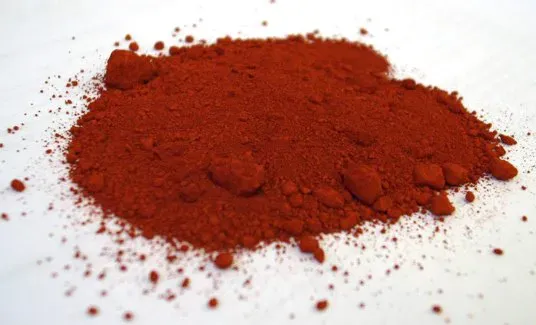
In ancient Australia, long before any outside contact, people were already moving stone and pigments across landscapes on a scale that surprises many archaeologists. Certain high-quality stone types used for tools, along with vivid red ochre for rock art and ceremonies, appear in regions far removed from their natural sources. These materials traveled through networks of exchange that blended trade, kinship ties, and ceremonial gatherings, sometimes linking groups separated by hundreds of miles of challenging terrain.
What strikes me is how central these objects were to identity and meaning. A particular quarry’s stone or a distinctive shade of ochre could be recognized and valued by communities who had never seen the source itself. The original miners and pigment gatherers likely stayed within traditional territories, but their materials became ambassadors, carried along songlines and social routes that stitched the continent together long before roads or written maps. It is a powerful reminder that “global” thinking does not require satellite views or shipping containers; sometimes, all it takes is a prized stone and a shared story about where it came from.
Opinionated conclusion: trade, trust, and the myth of isolated cavemen
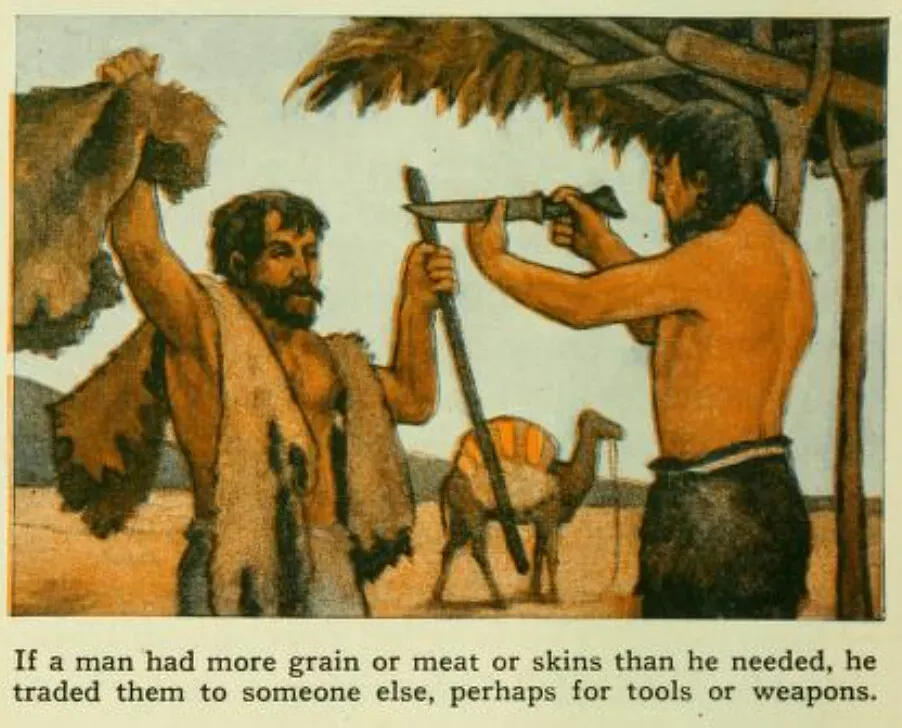
When you follow these prehistoric trade goods along their winding routes, the old cartoon image of isolated “cavemen” falls apart. Instead, you see planners, negotiators, and risk-takers who understood value, distance, and relationships at a level we rarely credit them with. To me, the evidence from amber, obsidian, shells, jadeite, metals, and pigments makes one thing clear: long-distance trade is not a late add-on to civilization; it is baked into what humans are. We have always been willing to walk, paddle, and bargain our way toward things that glow, cut, shine, or carry stories from far away.
I also think we underestimate how much trust and cooperation these networks required. Goods did not move hundreds of miles because everyone was constantly at war; they moved because strangers talked, traded, intermarried, and learned to rely on one another. If anything, the quiet journeys of these objects are a rebuke to the modern myth that the deep past was nothing but brutality and isolation. When you look at a single prehistoric bead or axe that clearly crossed half a continent, it almost feels like it is asking a hard question: if they could connect their world with so little, what excuse do we have with so much?