
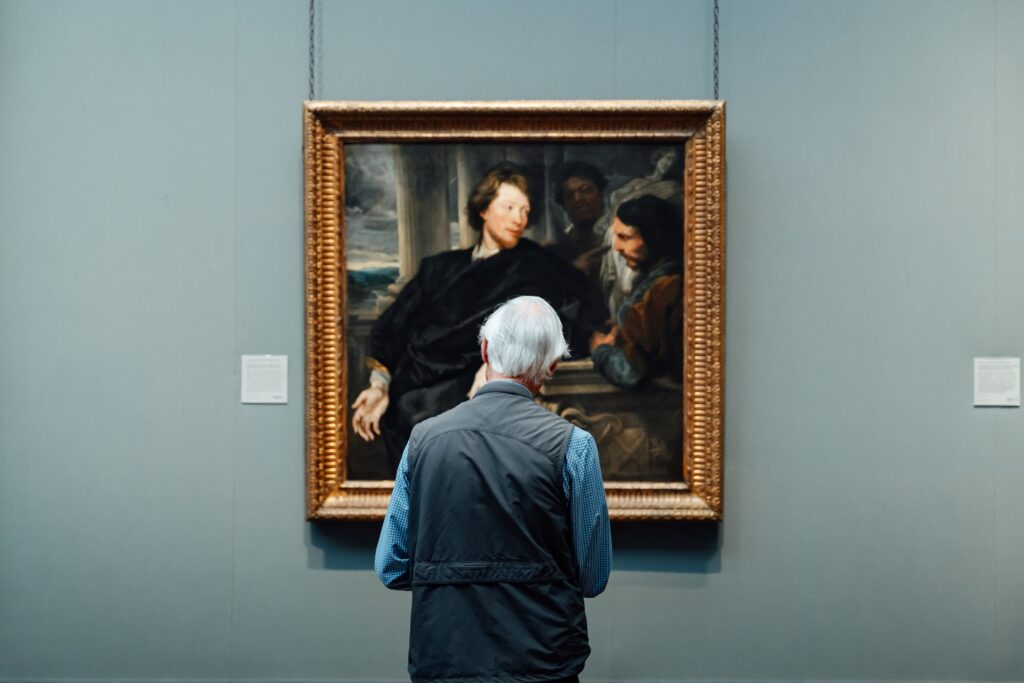
Every big “aha” moment in history has a quieter shadow behind it: the moment someone dared to say, “Are we sure?” That tiny act of doubt has rewritten museum labels, overturned court decisions, and even changed who we think we are. A second opinion sounds so ordinary, but in practice it can be explosive.
In a world that moves as fast as ours, we love clear answers and confident experts. But some of the most famous identifications in art, science, crime, and genealogy were only “true” until a skeptical voice looked again. Sometimes a second opinion just adds nuance. Sometimes it blows the first conclusion to pieces.
This article looks at how second opinions have reshaped famous identifications: a painting that suddenly became a masterpiece, a skeleton that turned into a royal, DNA that challenged family stories, and more. Along the way, you’ll see how fragile certainty can be – and why that’s not a bad thing at all.
#1 How One Question Can Flip a “Fact” on Its Head
Have you ever learned something “everyone knows” and then discovered later it was wrong? That uneasy little jolt is exactly what second opinions do to supposedly settled identifications. The label on the museum wall says one thing, the news headline says another, and then, years later, someone notices a detail that doesn’t quite fit.
In practice, a second opinion is rarely dramatic at first. It might start with a junior researcher asking about a strange brushstroke, or a forensic analyst wondering why a test result seems slightly off. That tiny friction between what is expected and what is observed is often where the real story begins.
What makes this so powerful is that identifications carry weight: they decide who owns a painting, whether someone goes to prison, or which historical figure is buried under a famous monument. When those identifications change, money, status, and even national pride can be on the line. That’s why second opinions are sometimes resisted – until the evidence becomes impossible to ignore.
Underneath it all is a simple truth: identification isn’t magic. It’s a process, one that depends on methods, tools, assumptions, and human judgment. When a second opinion arrives, it doesn’t just check the answer – it often checks the assumptions that led there in the first place.
#2 Art World Shock: From Dusty “Copy” to Multimillion-Dollar Masterpiece
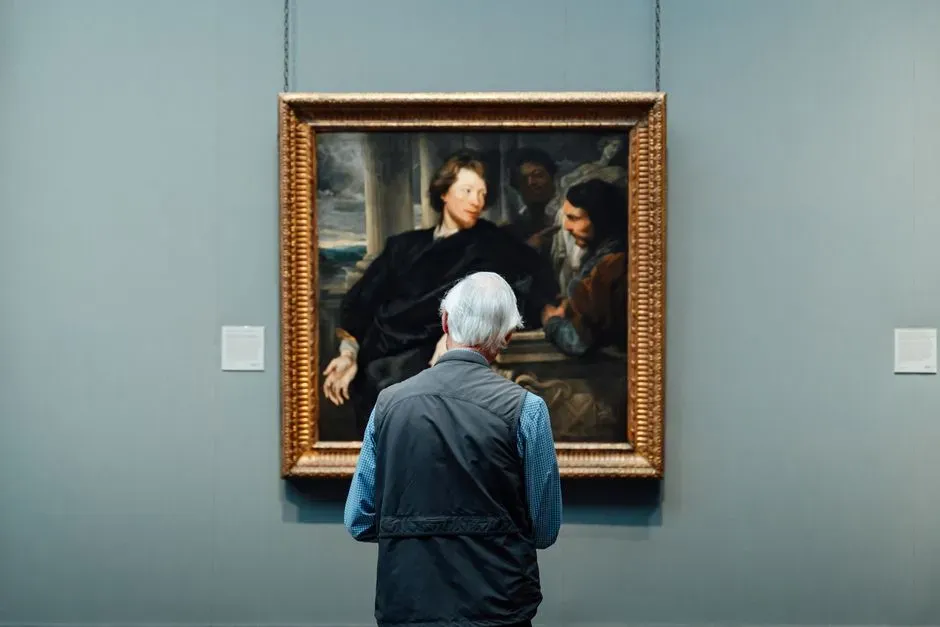
The art world is full of quiet miracles where a second opinion transformed a painting from “probably a copy” into “almost certainly by a master.” These stories usually start with an overlooked canvas hanging in a provincial museum or sitting in a private home, regarded as minor or unimportant. Then someone with a trained eye pauses and thinks: this looks better than it should.
When that happens, the second opinion quickly turns into a full-scale investigation. Conservators examine the layers of paint under infrared light, historians dig into old inventories and letters, and scientists analyze pigments and wood panels to see if they fit the supposed time period. One initial doubt becomes a chain reaction of testing, debate, and re-evaluation.
Summarized, the process often looks like this:
- A fresh expert questions the existing attribution.
- Scientific imaging reveals hidden layers or changes under the paint.
- Materials analysis matches the work to a particular era or workshop.
- Historical documents are re-read with the new hypothesis in mind.
- The painting’s status – and monetary value – can shift dramatically.
When the conclusion changes, the impact is enormous. A painting once used as background décor can suddenly be insured for staggering sums and travel on blockbuster exhibitions. Museums have to rewrite cards, catalogs, and sometimes even their own history of how they acquired the work. And all of it traces back to a second opinion that simply refused to accept the first label as the final word.
#3 When Forensics Say “Not So Fast” in Criminal Cases
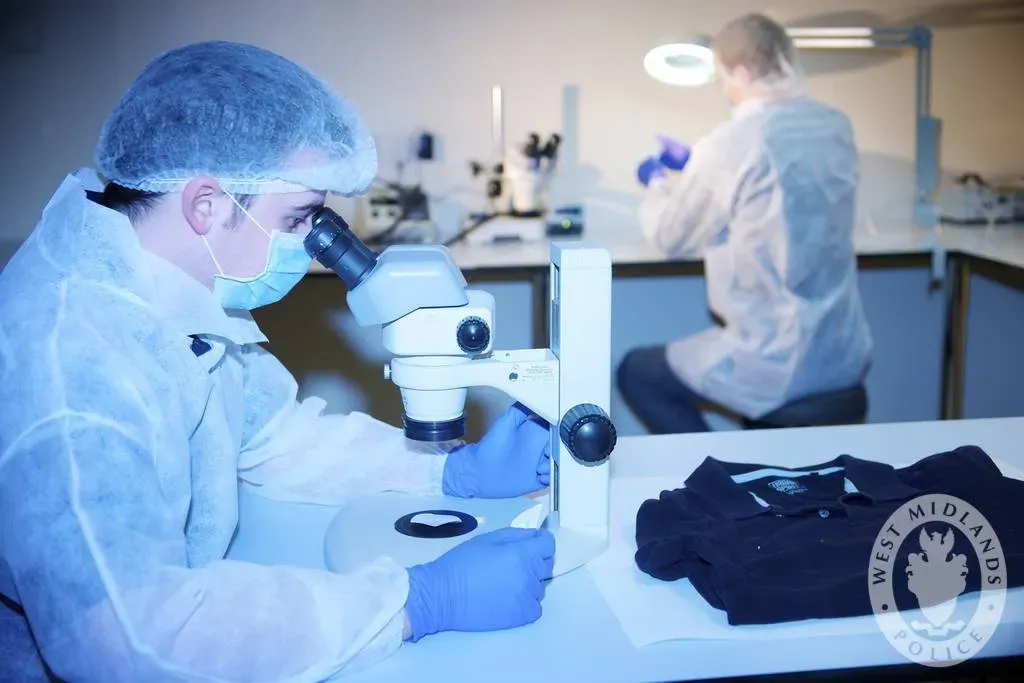
Few identifications feel more final than those made in a courtroom. Fingerprints matched. A voice on a recording identified. DNA supposedly linking a suspect to a crime scene. For the public, that sounds like pure science, almost infallible. But second opinions have repeatedly shown that forensic identifications are only as reliable as the methods and people behind them.
Over the past few decades, independent experts and review commissions have revisited old cases and found that some techniques – like bite-mark analysis or certain hair comparison methods – were far less scientific than originally believed. In some cases, a second opinion on forensic evidence has exposed serious flaws: lab contamination, overstated certainty, or interpretations that went beyond what the data could truly support.
Key ways second opinions have changed criminal identifications include:
- Re-testing biological samples with modern DNA methods.
- Having a separate lab independently review fingerprint or ballistics evidence.
- Re-examining expert testimony to see if conclusions were exaggerated.
- Bringing in statisticians to test whether claimed matches were truly meaningful.
The results have been humbling. People have been exonerated after years behind bars, and some previously “rock solid” techniques have been heavily restricted or reassessed. Far from being a nuisance, second opinions in this realm have become a safeguard against the dangerous illusion that any identification method is perfect. As uncomfortable as it is, they remind us that human freedom should never rest on a single, unchecked conclusion.
#4 DNA, Family Secrets, and the Fragility of Identity
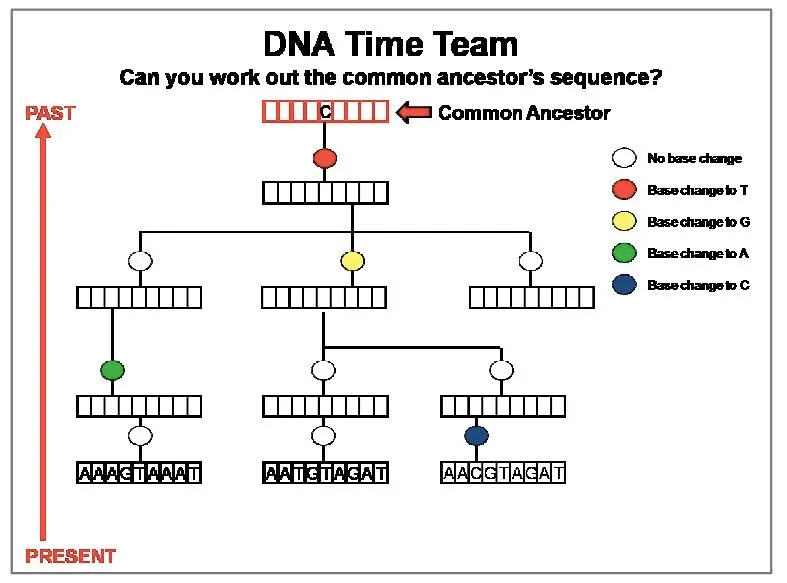
Outside of courts and museums, there’s another arena where second opinions have shaken identifications: personal DNA testing. Millions of people have mailed their saliva to consumer genetics companies, looking for fun ancestry breakdowns or long-lost cousins. What many did not expect was that second-opinion DNA comparisons could expose misattributed parentage, hidden adoptions, or entire branches of family history that were never discussed.
When someone takes a test with one company and then uploads their data elsewhere, they sometimes get matches and ethnicity estimates that don’t align with what they were first told. That second opinion might not just challenge the technical identification of ancestry – it can overturn stories families have passed down for generations. People discover that the father who raised them is not their biological father, or that a cherished origin story was based on incomplete or wishful information.
This can be emotionally explosive. On one hand, there is empowerment: individuals gain direct access to genetic evidence, instead of relying purely on documents or oral history. On the other, there’s real psychological fallout when identity markers like race, nationality, or family ties suddenly feel more complicated than they did the week before.
These cases also force a broader question: what counts more, the identification based on DNA or the lived reality of relationships and upbringing? Second opinions in consumer genetics are not just about scientific correction. They raise uncomfortable but important debates about what identity really means when biology and biography do not fully match.
#5 Historical Mysteries: Bones, Crowns, and the Battle Over the Past
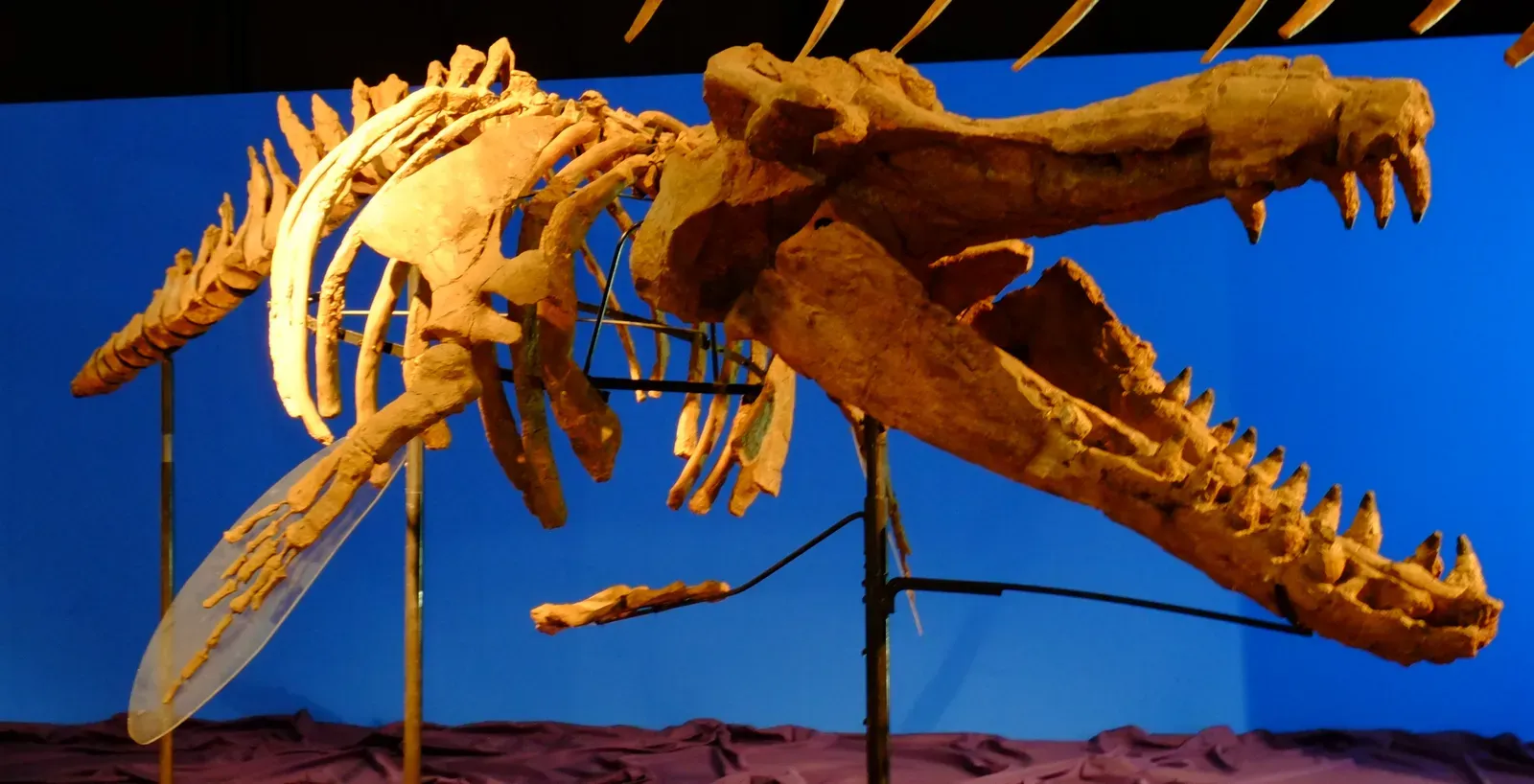
History is full of “famous identifications” where a skeleton, relic, or document has been confidently tied to a powerful name – an ancient king, a saint, a revolutionary hero. These identifications often carry huge symbolic weight. They can become pilgrimage sites, tourist attractions, or sources of national pride. That’s precisely why a second opinion on these claims can be so disruptive.
As techniques like radiocarbon dating, isotopic analysis, and advanced DNA extraction have improved, historians and scientists have been able to revisit old assumptions. Remains once identified centuries ago by tradition alone have been tested anew. Sometimes, the results support the original story. Other times, they hint that the bones likely belong to someone else entirely.
When that happens, the fallout can be intense. Governments, religious groups, and local communities may resist or challenge scientific findings that contradict cherished narratives. In some cases, competing teams of experts publish opposing reports, leaving the public to navigate a tug-of-war between tradition and new evidence.
A pattern tends to appear in these historical second-opinion battles:
- An initial identification is based on tradition, limited records, or early science.
- New methods become available, prompting re-examination.
- Results either reinforce or undermine the original claim, often with nuance.
- Public debate follows, blending science, politics, and emotion.
These disputes remind us that the past is not fixed in stone just because a plaque or guidebook says so. Our picture of history is constantly being revised, and second opinions – especially when backed by better tools – are part of what keeps the story honest.
#6 When Science Itself Needs a Second Opinion
It’s easy to imagine second opinions as something that happens around science, with experts swooping in to review specific claims. But science itself is built on permanent second-guessing. Replication, peer review, and follow-up studies are essentially formalized second opinions on earlier identifications and conclusions.
Consider how often early studies announce that a gene “for” a particular behavior has been discovered, or that a new fossil is identified as a missing link in human evolution. Those headlines travel fast. But over time, other researchers scrutinize the methods, collect more data, and sometimes reinterpret the evidence. The once-famous identification might get downgraded, modified, or occasionally overturned.
Some of the most important course corrections happen quietly. An initial paper might have relied on a small sample, a statistical fluke, or an instrument calibration issue that later teams catch. In medical research, second opinions can refine diagnoses, reclassify diseases, or show that a once-popular treatment does not work as well as believed.
In shorthand, here’s how the scientific second-opinion process typically unfolds:
- An initial study proposes an identification or causal claim.
- Other teams try to replicate the findings with different data or methods.
- Discrepancies appear, prompting debate and re-analysis.
- The scientific community gradually adjusts its consensus.
This can be frustrating for the public, who might prefer stable answers over shifting ones. But the constant willingness to revisit conclusions is what makes science powerful. A field that never changes its mind is not a sign of strength – it’s a sign that no second opinions are allowed.
#7 Money, Ego, and Why Second Opinions Are Sometimes Resisted
If second opinions are so valuable, why are they so often fought? The simple answer is that identifications rarely sit in a vacuum. They come bundled with prestige, profit, and personal identity. When a second opinion threatens to take those away, people naturally push back.
In the art market, for instance, an attribution to a famous name can multiply a painting’s value many times over. If a second expert challenges that identification, they are not just arguing about brushwork – they are effectively erasing a fortune. It’s no surprise that some owners and dealers selectively embrace opinions that raise value and question those that lower it.
It works similarly in academia and science. Being the researcher who “discovered” a new species, solved a mystery, or made a high-profile identification can define a career. Having that identification downgraded or corrected can feel like a personal attack, even when it’s just the normal course of inquiry. Pride and professional reputation can make second opinions feel threatening instead of helpful.
In everyday life, too, there is ego at stake. Doctors may feel undermined when patients seek another view. Parents may feel challenged when family stories are reinterpreted after genetic testing. Underneath the technical arguments, there’s often a more human reaction: nobody likes being told that something they believed, taught, or built a life around might not be entirely true.
Recognizing these pressures is important because it shows why systems need structures that actively invite second opinions rather than leaving them to personal courage alone. When review, replication, and independent analysis are built in from the start, the emotional weight of correction becomes a little easier to carry.
#8 The Psychology of Doubt: Why Second Opinions Feel So Uncomfortable
On paper, asking for a second opinion sounds rational, almost boring. In real life, it can feel like standing on a rug and wondering if it’s about to be yanked out from under you. Our brains like coherent stories. Once we lock onto an explanation – this is the real painting, this is the guilty suspect, this is my ancestry – we tend to defend it fiercely.
Psychologists have long noted that humans are prone to confirmation bias: we prefer information that supports what we already believe. A famous identification, by definition, has a lot of supporting material built up around it. There are news stories, plaque descriptions, school lessons, and expert endorsements, all reinforcing the same narrative. Challenging that with a second opinion can feel like challenging reality itself.
At the same time, we also carry a deep fear of regret. If we change our minds too late – about a medical treatment, a legal strategy, a big purchase – we worry that we should have known sooner. That anxiety can lead people to cling harder to the first expert they consulted, even when the second opinion raises valid concerns.
From a more personal angle, I’ve seen how even small corrections can sting. When a friend once challenged my confident claim about a historical date, I caught myself feeling oddly defensive, even though the stakes were basically zero. Multiply that by the intensity of a high-profile identification, and it’s easy to understand why even professionals sometimes resist revisiting the verdict.
The irony is that real confidence doesn’t come from refusing doubt; it comes from knowing your beliefs have survived honest, rigorous questioning. Second opinions are uncomfortable because they force us to hold certainty more lightly. But that slight discomfort is often the price of getting closer to the truth.
#9 Practical Lessons: When You Should Seek a Second Opinion

All of this might feel big and distant – kings, masterpieces, courtroom dramas. But the logic behind second opinions can apply to normal decisions too. You may never re-identify a royal skeleton, but you will face choices where the first answer you get should not be the last word.
Situations where a second opinion is especially wise include:
- Major medical decisions, especially surgery or life-long treatments.
- High-stakes legal advice, like plea deals or complex contracts.
- Financial moves with long-term impact, such as investments or mortgages.
- Big purchases of art, antiques, or collectibles whose authenticity matters.
When you do seek a second opinion, it helps to be clear and methodical. Bring your existing records, ask the new expert to explain where they agree and where they differ, and pay attention to how each person talks about uncertainty. Someone who admits ambiguity and explains probabilities might actually be more trustworthy than the one who expresses absolute certainty in a messy, complex situation.
Another subtle but important point: you are not looking for someone to flatter your existing beliefs. You are looking for independent reasoning. It’s tempting to “shop around” until someone tells you what you wanted to hear in the first place, but that just turns second opinions into a security blanket instead of a real check. The value lies in the friction, not the comfort.
#10 Opinionated Conclusion: Why the Second Opinion Deserves First-Class Respect

Underneath the famous reversals and headline-making re-identifications, there’s a simple, slightly uncomfortable lesson: almost every “fact” we lean on is sitting on a foundation that could, in theory, be checked again. That doesn’t mean we have to live in permanent doubt. It does mean we should respect the role of the second opinion instead of treating it as an insult or an act of disloyalty.
In my view, we tend to romanticize the first genius who points at a painting and says “masterpiece,” or at a set of bones and says “king.” We shower credit on the detective who makes the initial arrest, the researcher who publishes the first big paper, the doctor who gives us the first clear diagnosis. But if you look closely, the quieter heroes are often the ones who come later and say, “Something doesn’t add up. Let’s look again.”
That doesn’t always lead to dramatic reversals. Sometimes the second opinion confirms the first, which can actually strengthen our confidence. Other times it forces a change of story, a painful admission, or even a public correction. Either way, it pushes us toward a version of truth that’s a little less fragile and a little less dependent on any one person’s authority.
So what did second opinions do to famous identifications? They humanized them. They stripped away the illusion of absolute certainty and replaced it with something messier but ultimately more trustworthy: conclusions that have survived being questioned. In a world that prizes quick answers and strong takes, maybe the most radical move is to leave just enough room for a thoughtful, well-earned “Are we sure?” Would you have guessed that doubt, handled well, could be one of our most reliable paths to clarity?