Berlin, a city steeped in history, offers more than just remnants of human civilization. Beneath its cultural veneer lies a treasure trove of prehistoric wonders that transport visitors millions of years into Earth’s distant past. The German capital houses some of Europe’s most impressive paleontological collections, featuring everything from the tallest mounted dinosaur skeleton in the world to meticulously preserved prehistoric birds. Whether you’re a dedicated paleontology enthusiast or simply curious about Earth’s ancient inhabitants, Berlin’s dinosaur exhibits offer a fascinating journey through time. This guide will walk you through the city’s legendary fossil displays, providing insights into what makes Berlin a must-visit destination for dinosaur lovers.
The Museum für Naturkunde: Berlin’s Paleontological Crown Jewel

Standing as the centerpiece of Berlin’s prehistoric offerings, the Museum für Naturkunde (Museum of Natural History) houses one of the most significant paleontological collections in the world. Founded in 1810, this scientific institution has grown to contain over 30 million specimens, with its dinosaur hall serving as the museum’s most popular attraction. The building itself, with its grand 19th-century architecture, provides a fitting backdrop for the ancient treasures contained within. Visitors consistently rank the museum among Berlin’s top attractions, drawing both tourists and researchers from across the globe. Beyond its public exhibitions, the museum serves as an active research center, where scientists continue to make new discoveries about Earth’s prehistoric past using both traditional methods and cutting-edge technology.
Brachiosaurus brancai: The World’s Tallest Mounted Dinosaur Skeleton
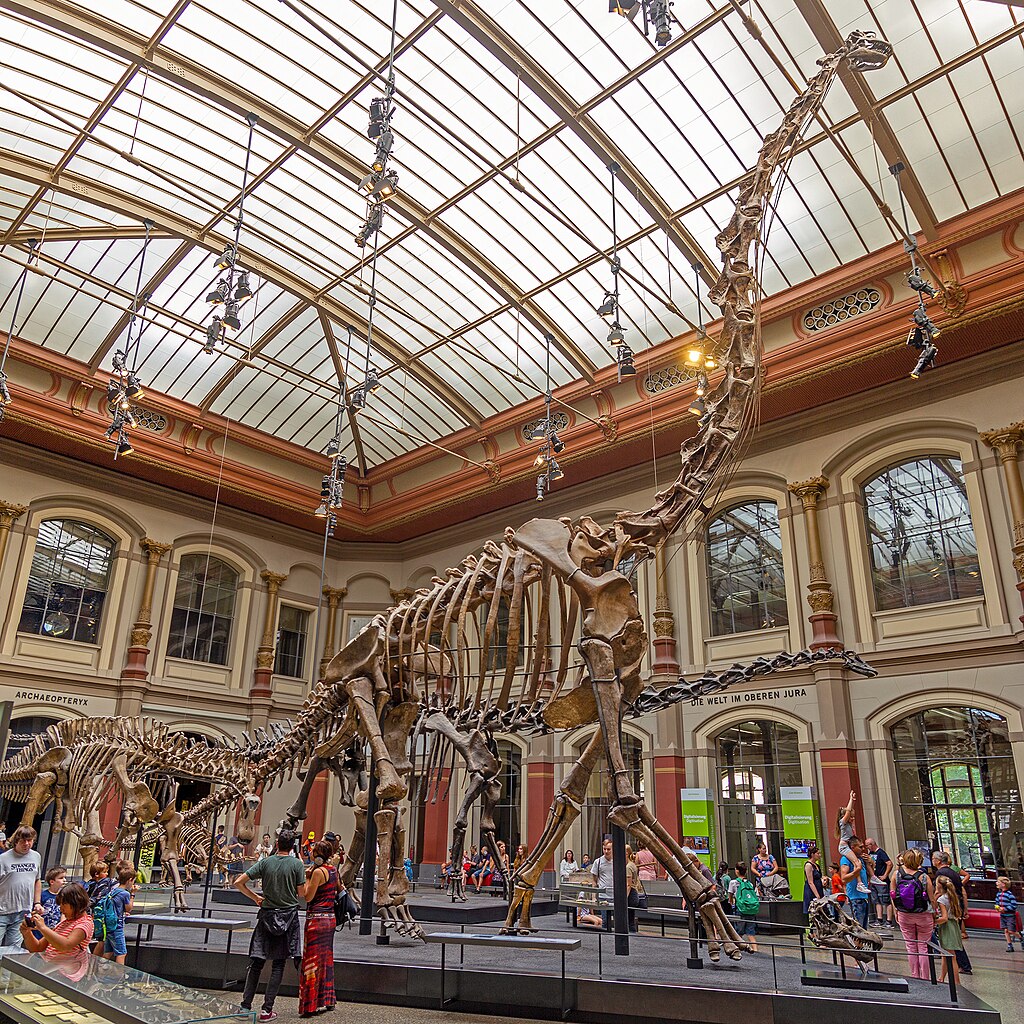
The undisputed star of Berlin’s dinosaur exhibits is the massive Brachiosaurus brancai (now classified as Giraffatitan brancai), which dominates the central hall of the Museum für Naturkunde. Standing at an impressive 13.27 meters (43.5 feet) tall, this specimen holds the Guinness World Record as the tallest mounted dinosaur skeleton on display anywhere in the world. Discovered during the famous Tendaguru Expedition to German East Africa (now Tanzania) between 1909 and 1913, this sauropod lived approximately 150 million years ago during the Late Jurassic period. The skeleton is approximately 70% complete, making it remarkably comprehensive for a specimen of its size and age. Visitors often find themselves awestruck when standing beneath this gentle giant, gaining a visceral understanding of the true scale of these magnificent creatures that once roamed the Earth.
The Tendaguru Expeditions: A Colonial Legacy

The majority of Berlin’s most impressive dinosaur specimens came from the Tendaguru Expeditions, a series of fossil-hunting missions conducted in German East Africa (modern-day Tanzania) during the early 20th century. Led by German paleontologist Werner Janensch, these expeditions employed hundreds of local workers who excavated and transported massive fossils across difficult terrain. Between 1909 and 1913, approximately 225 tons of fossil material was shipped to Berlin, constituting one of the largest dinosaur collections ever assembled from a single location. The expeditions occurred during Germany’s colonial period, raising important questions about scientific ethics and the repatriation of cultural and natural heritage that museums worldwide continue to grapple with today. Despite these complex issues, the scientific importance of the Tendaguru findings cannot be overstated, as they dramatically expanded our understanding of Jurassic ecosystems and dinosaur diversity.
Archaeopteryx: The Berlin Specimen
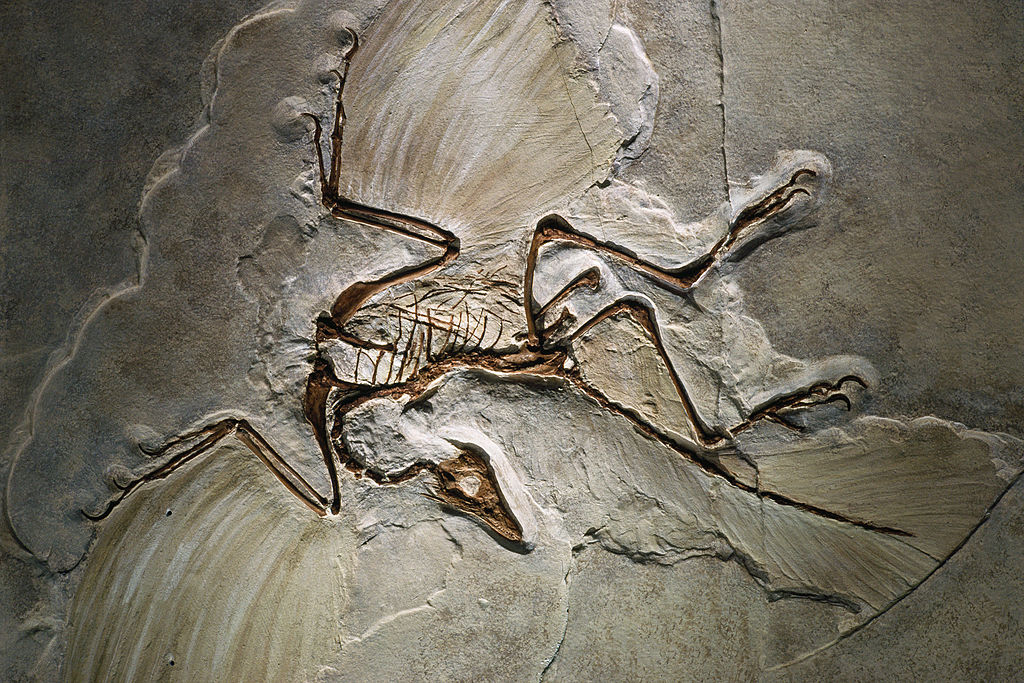
Perhaps no fossil in Berlin’s collection carries more scientific significance than the Berlin specimen of Archaeopteryx lithographica, often referred to as the “missing link” between dinosaurs and birds. Discovered in 1877 near Solnhofen, Germany, this remarkably preserved fossil shows clear evidence of both reptilian and avian features, including teeth, a bony tail, and distinct feather impressions. Dating back approximately 150 million years to the Late Jurassic period, this specimen represents one of the most complete Archaeopteryx fossils ever found. The Berlin specimen is displayed in a specially designed, environmentally controlled case that protects it while allowing visitors to examine its remarkable details. For paleontologists, this fossil remains one of the most convincing pieces of evidence for the evolutionary connection between dinosaurs and modern birds, making it a cornerstone of evolutionary biology.
Kentrosaurus aethiopicus: The African Stegosaur
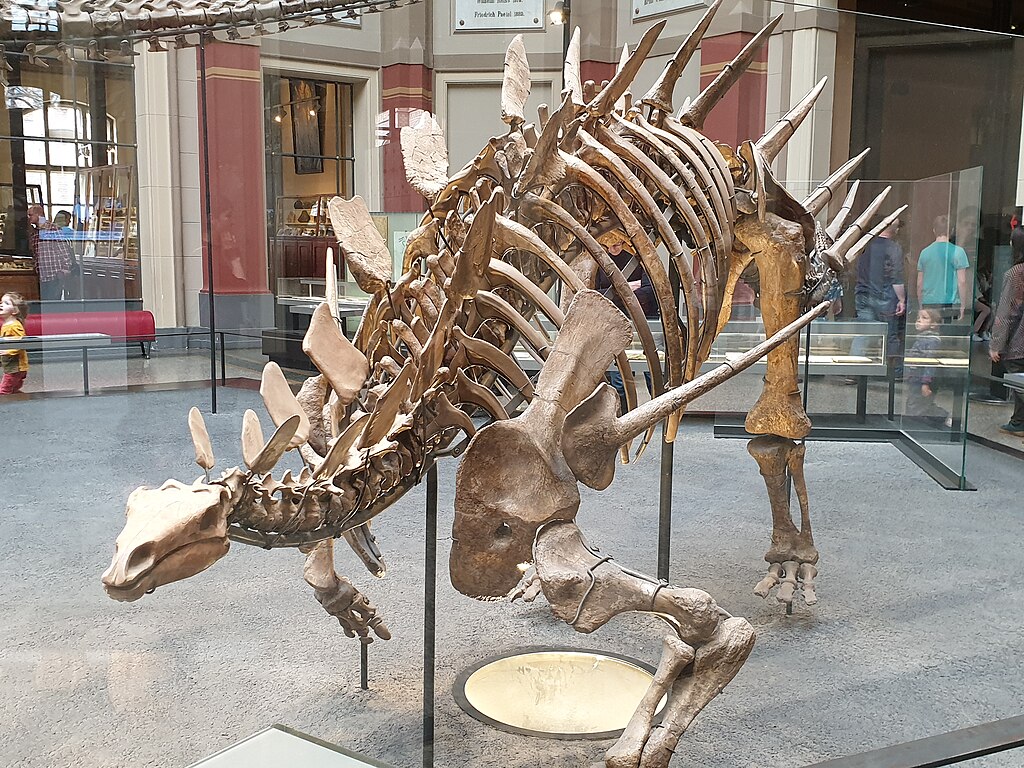
Among the museum’s impressive array of dinosaurs stands Kentrosaurus aethiopicus, a relatively smaller but no less fascinating stegosaur from the Late Jurassic period. Like its more famous cousin Stegosaurus, Kentrosaurus possessed distinctive plates and spikes along its back and tail, though in a different arrangement that gives the genus its unique profile. The Berlin specimen represents one of the most complete Kentrosaurus skeletons ever assembled, reconstructed from multiple individuals discovered during the Tendaguru Expeditions. Scientists believe Kentrosaurus used its formidable tail spikes as defensive weapons against predators like Allosaurus, which also roamed the Tendaguru ecosystem. The museum’s display contextualizes Kentrosaurus within its prehistoric environment, helping visitors understand not just the animal’s anatomy but also its ecological role in the ancient African landscape.
Elaphrosaurus: The “Lightweight Lizard”
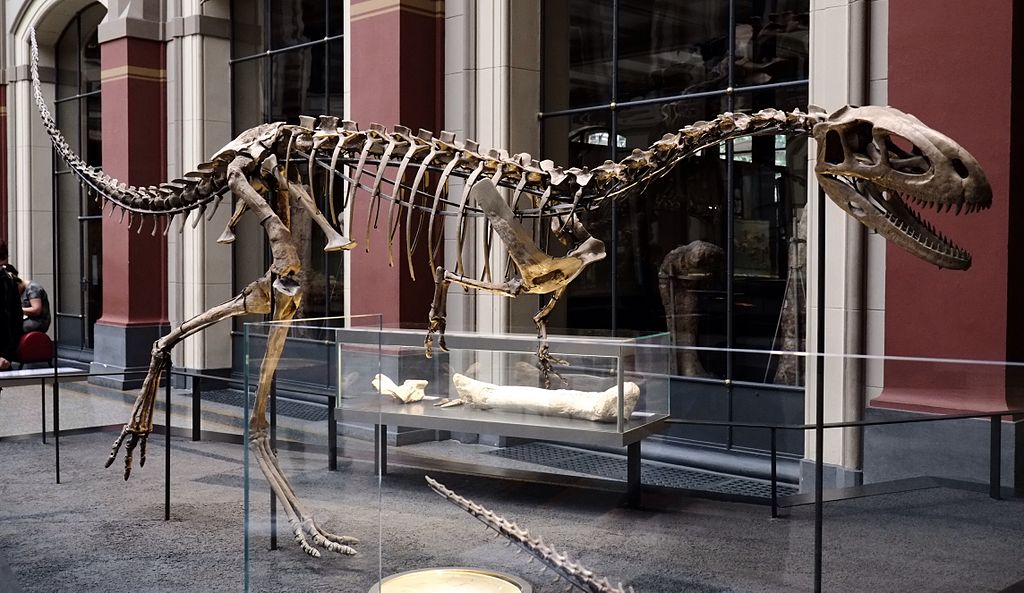
Another fascinating specimen from the Tendaguru formation is Elaphrosaurus bambergi, a relatively slender theropod dinosaur whose name appropriately translates to “lightweight lizard.” Dating to the Late Jurassic period approximately 150 million years ago, this lesser-known dinosaur provides important insights into theropod diversity during this crucial time in dinosaur evolution. The Berlin specimen represents one of the most complete examples of this genus, allowing paleontologists to study its unique anatomical features in detail. Recent research suggests Elaphrosaurus belongs to the ceratosaur group of theropods, making it a distant relative of later predators like Ceratosaurus and Carnotaurus. The museum’s display of Elaphrosaurus highlights its gracile build and likely rapid movement capabilities, offering visitors a glimpse of a predator that used speed rather than brute force as its primary hunting strategy.
The Dinosaur Revolution: Modern Exhibition Techniques
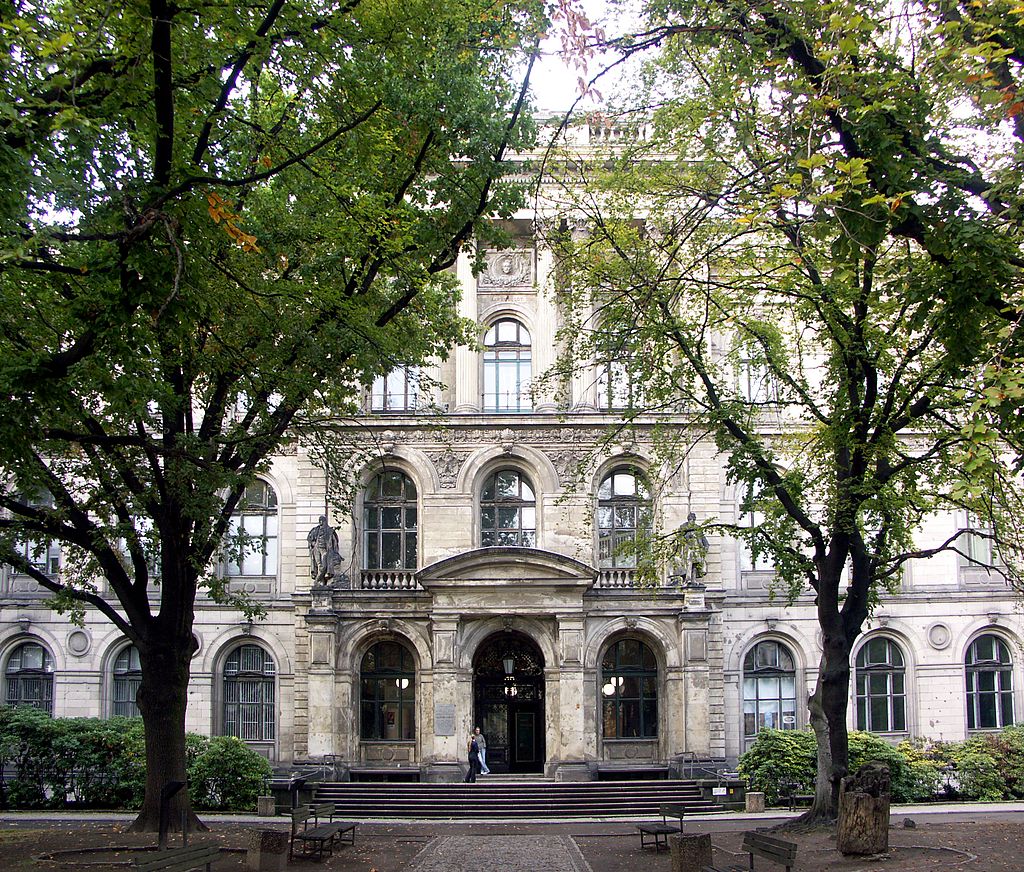
Berlin’s Museum für Naturkunde has undergone significant renovations in recent years to transform how visitors experience its prehistoric treasures. Gone are the days of static displays with minimal context; today’s exhibitions incorporate cutting-edge multimedia presentations, interactive elements, and scientifically accurate reconstructions that bring extinct creatures to life. Motion-activated soundscapes recreate the calls and environmental sounds of the Jurassic period, while carefully designed lighting highlights the most significant features of each fossil. Augmented reality stations allow visitors to view how the animals might have appeared in life, complete with accurate coloration based on the latest scientific evidence. These modern exhibition techniques reflect the museum’s commitment to both scientific accuracy and public engagement, making complex paleontological concepts accessible to visitors of all ages and backgrounds.
Tristan Otto: The T. rex Arrives in Berlin
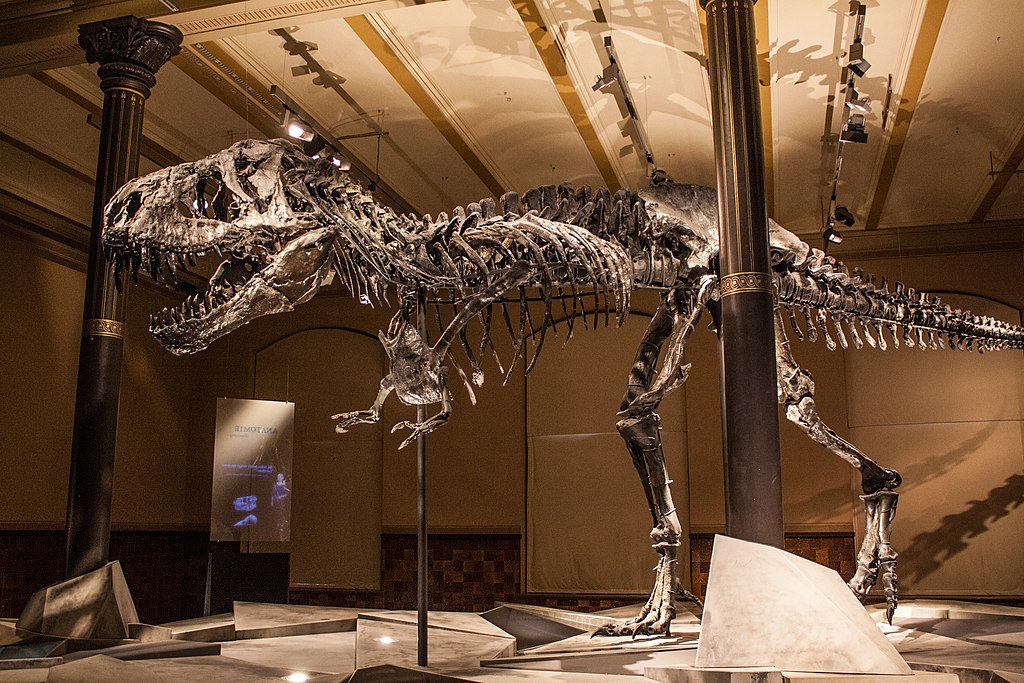
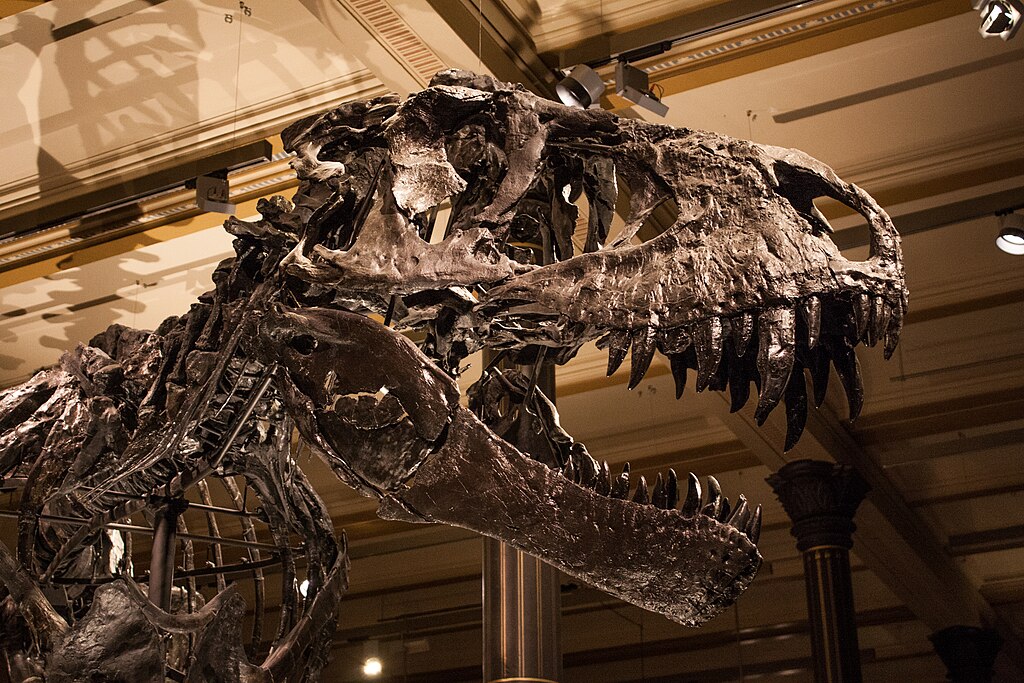
In 2015, Berlin’s dinosaur collection received a spectacular addition with the arrival of “Tristan Otto,” one of the most complete Tyrannosaurus rex skeletons in Europe. Named after the sons of its private owners, this impressive specimen consists of 170 original bones, making it approximately 57% complete. Dating from the Late Cretaceous period around 66 million years ago, Tristan offers European audiences a rare opportunity to stand face-to-face with the iconic “tyrant lizard king” without traveling to North America. The specimen is on long-term loan to the Museum für Naturkunde, where it has become one of the most photographed attractions. Researchers continue to study Tristan’s bones for evidence of pathologies, growth patterns, and other clues about T. rex biology, demonstrating how even well-known dinosaurs can yield new scientific insights when exceptional specimens become available for study.
Behind the Scenes: The Paleontological Laboratories
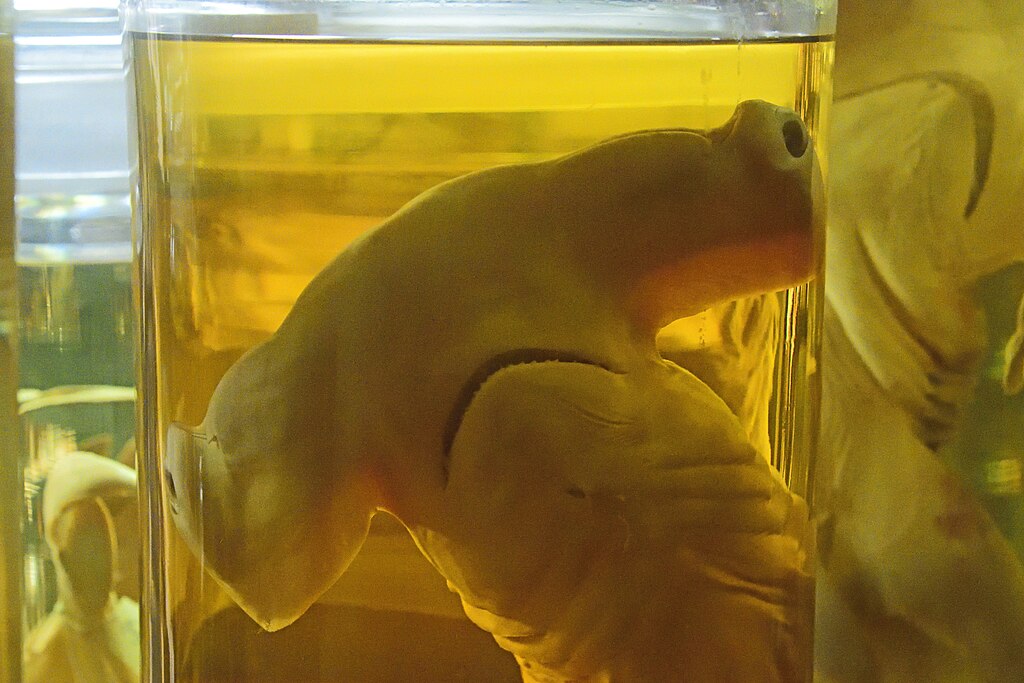
While the public exhibitions showcase Berlin’s most impressive fossils, much of the real scientific work happens behind the scenes in the museum’s specialized laboratories. The Museum für Naturkunde offers occasional guided tours of these restricted areas, where visitors can observe paleontologists and preparators at work on newly discovered specimens. Using tools ranging from traditional dental picks to advanced CT scanners and 3D printing technology, these specialists meticulously clean, preserve, and study fossil material that may have remained untouched for millions of years. The preparation lab features specially designed workstations with powerful microscopes and dust extraction systems to protect both the fossils and the scientists working with them. These behind-the-scenes tours provide rare insight into the painstaking process through which new scientific knowledge is generated, demonstrating that paleontology requires both field exploration and laboratory precision.
Digital Dinosaurs: 3D Modeling and Virtual Collections
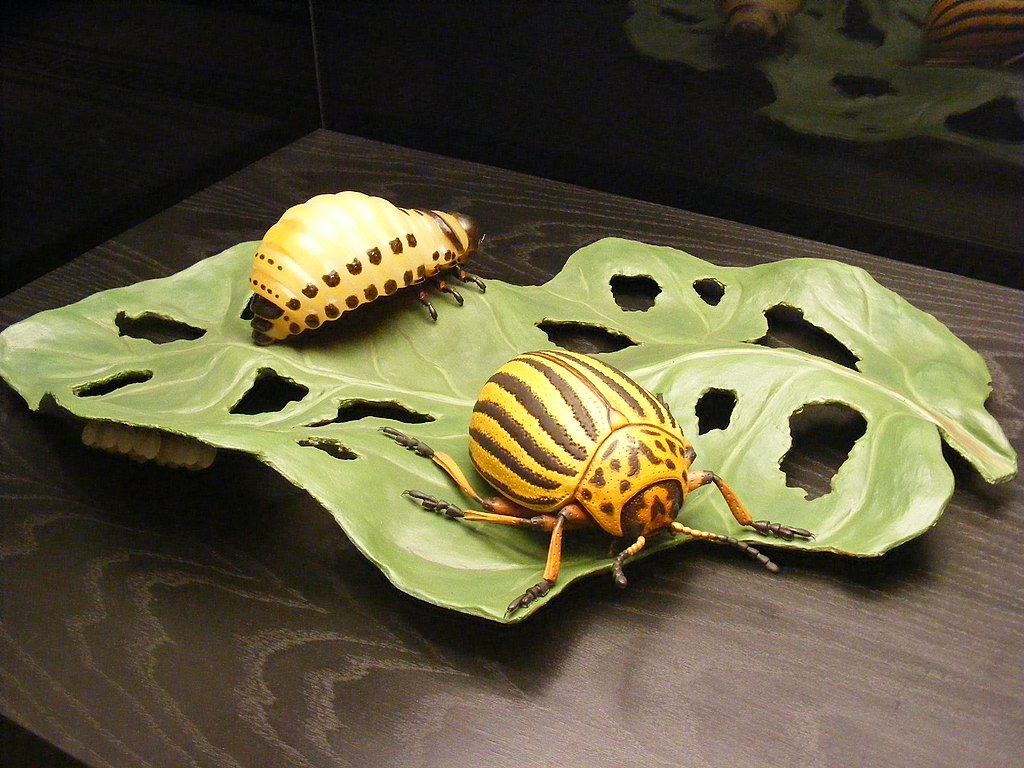
Berlin’s paleontological institutions have embraced digital technology as a means of both preserving and sharing their fossil collections with a global audience. Using advanced 3D scanning techniques, museum scientists have created detailed digital models of many key specimens, allowing researchers worldwide to study Berlin’s dinosaurs without physically handling the fragile originals. These digital models serve multiple purposes, from enabling scientific analysis of internal structures to creating accurate replicas through 3D printing technology. The museum’s virtual collections, accessible through its website and specialized scientific databases, democratize access to these important specimens for researchers in countries without extensive fossil collections of their own. Educational applications of these digital models include virtual reality experiences that allow museum visitors to “handle” dinosaur bones safely or explore prehistoric environments as they might have appeared millions of years ago.
Dinosaur Diplomacy: International Research Collaborations
Berlin’s dinosaur collections have fostered international scientific cooperation that transcends political boundaries. Paleontologists from around the world regularly visit the Museum für Naturkunde to study its specimens, while Berlin-based researchers participate in fossil expeditions on every continent. These collaborative efforts have particular significance with Tanzania, where the famous Tendaguru specimens originated. Modern research partnerships between German and Tanzanian scientists focus not only on new fossil discoveries but also on capacity building, helping to establish paleontological expertise within Tanzania itself. Similar collaborations exist with institutions in China, Argentina, Mongolia, and the United States, creating a global network of dinosaur researchers who share data, techniques, and discoveries. These international relationships highlight how paleontology can serve as a form of scientific diplomacy, bringing together researchers from diverse backgrounds through their shared passion for understanding Earth’s prehistoric past.
Planning Your Visit: Practical Tips for Fossil Enthusiasts
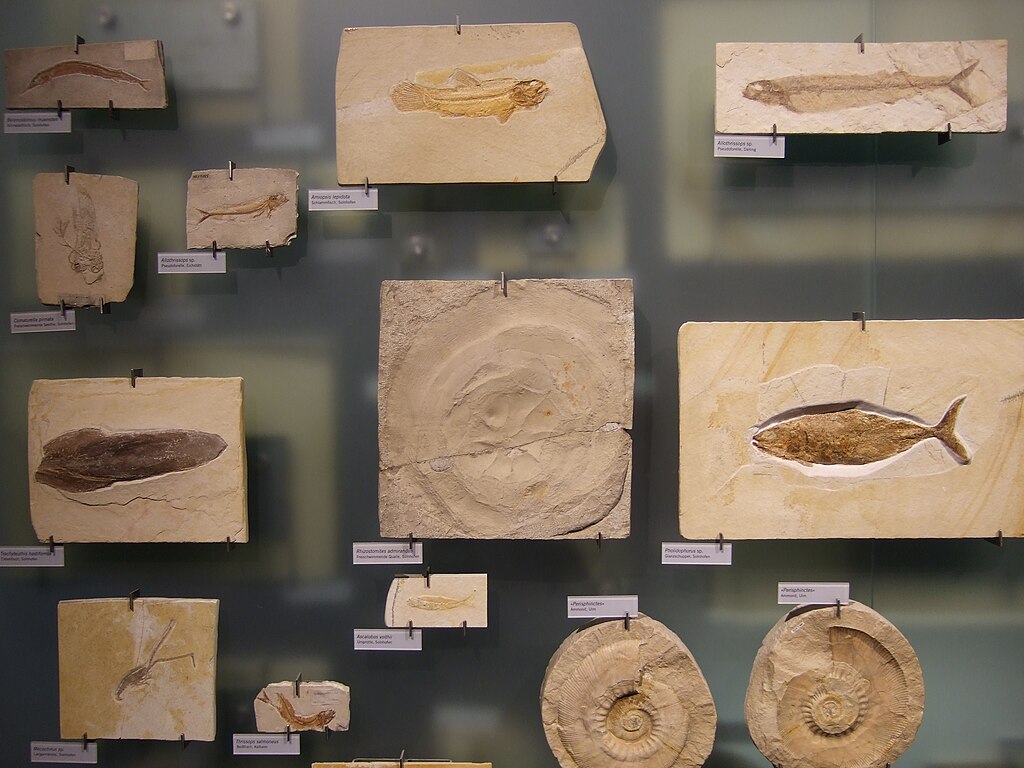
For dinosaur enthusiasts planning a visit to Berlin’s paleontological attractions, several practical considerations can enhance the experience. The Museum für Naturkunde is easily accessible via public transportation, with the Naturkundemuseum U-Bahn station located directly in front of the building. Weekday mornings typically offer the least crowded viewing experience, allowing visitors to spend time with popular specimens like the Brachiosaurus without fighting through crowds. The museum offers guided tours in multiple languages, with specialized paleontological tours available by advance reservation for visitors seeking deeper scientific context. Photography is permitted throughout most exhibitions, though tripods and flash photography are restricted to protect the specimens. Dedicated fossil enthusiasts should consider purchasing an annual museum pass, which provides unlimited visits and access to special events including evening lectures by visiting paleontologists and behind-the-scenes tours that aren’t available to general admission visitors.
Beyond the Museum: Berlin’s Other Paleontological Attractions
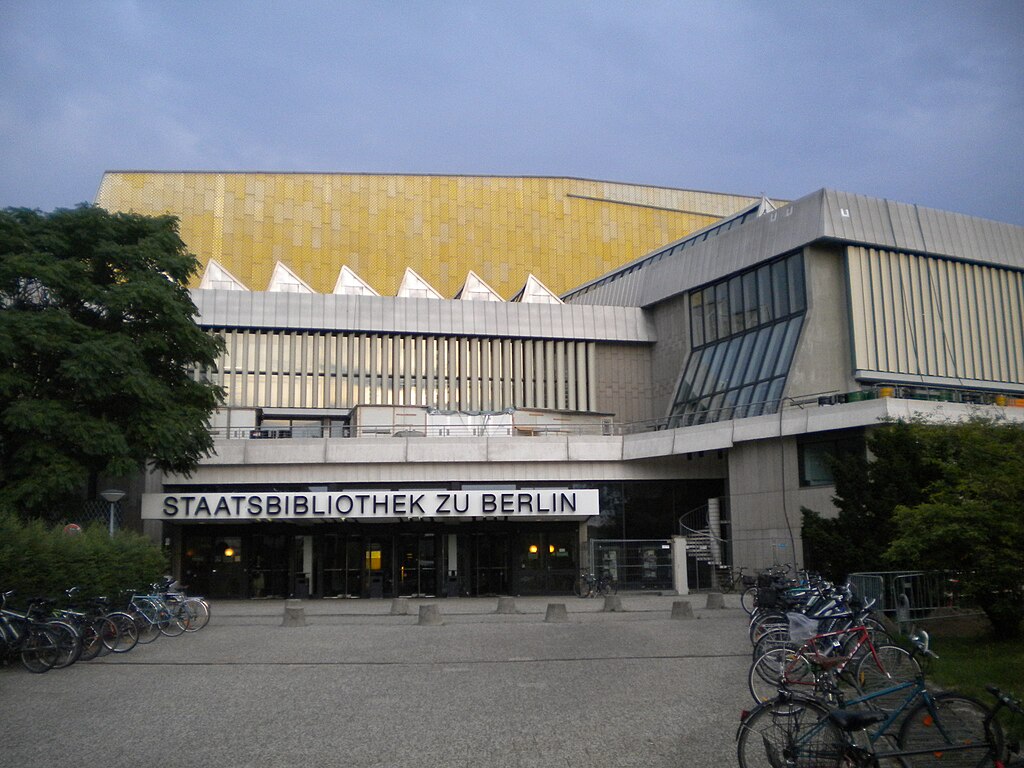
While the Museum für Naturkunde houses Berlin’s primary dinosaur collection, several other locations around the city offer complementary paleontological experiences. The Humboldt University’s Geological Collection contains additional fossil specimens, including some that aren’t on public display at the main museum. At the Museum of Prehistory and Early History (Museum für Vor- und Frühgeschichte), visitors can explore how early humans interacted with and interpreted fossil discoveries, including ancient myths about dragon bones that were likely based on dinosaur remains. For those interested in the history of paleontology itself, the Staatsbibliothek (State Library) occasionally displays rare first editions of pivotal works in paleontological literature, including early illustrations and descriptions of dinosaur discoveries. Adventure-minded visitors might enjoy day trips to nearby fossil sites in Brandenburg, where amateur fossil hunters can sometimes find their own specimens of marine creatures that inhabited the region millions of years before the dinosaurs.
Conclusion
Berlin’s dinosaur exhibits offer an unparalleled window into Earth’s mesozoic past, combining scientific significance with awe-inspiring displays that capture the imagination of visitors from around the world. From the towering Brachiosaurus that dominates the Museum für Naturkunde to the delicate, feathered details of Archaeopteryx, these fossil treasures represent not just Berlin’s natural history heritage but important chapters in our understanding of life’s evolution. As paleontological research continues to advance, incorporating new technologies and methodologies, Berlin’s museums adapt alongside it, ensuring that their prehistoric residents remain relevant for generations of fossil enthusiasts to come. Whether you’re a serious paleontology student or simply someone who marvels at the thought of creatures that walked the Earth millions of years before humans existed, Berlin’s legendary dinosaur exhibits promise an unforgettable journey through deep time.