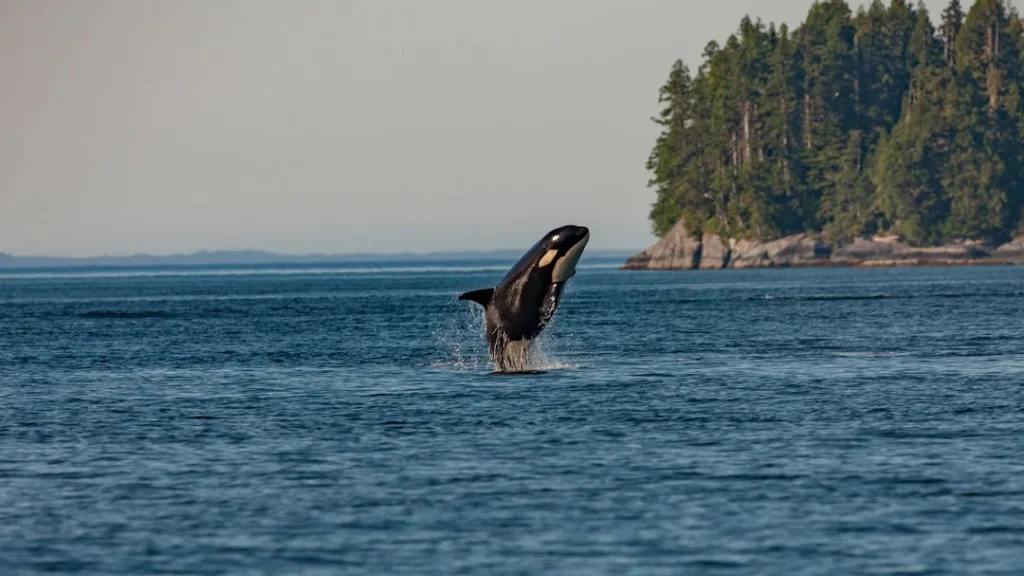
Boat traffic along North America’s northern Pacific coast unknowingly heightens risks for the southern resident orcas, one of the world’s most endangered marine mammal groups. With only 76 individuals left as of late 2025, precise detection of these whales offers a vital buffer against disturbance. A new AI system now scans ocean sounds continuously, alerting managers to orca presence and enabling swift adjustments to human activity.
A Precarious Population on the Brink
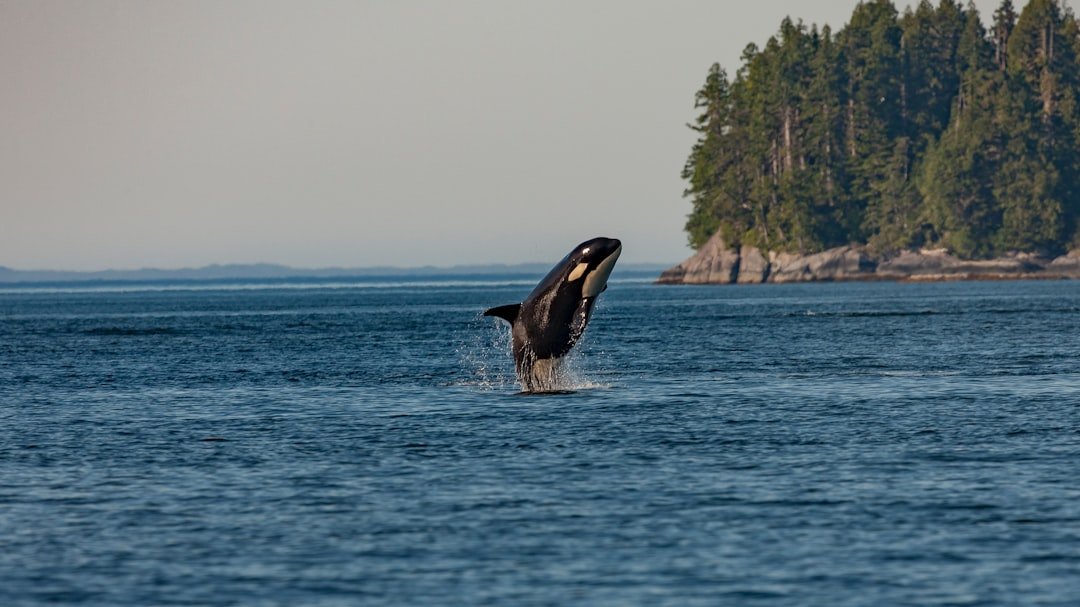
A Precarious Population on the Brink (Image Credits: Unsplash)
The southern resident orcas, classified as an endangered subspecies, consist of three distinct pods navigating waters off Washington state and British Columbia. The Center for Whale Research, which monitors them exclusively, reported 76 survivors in December 2025. Their numbers have dwindled due to multiple pressures, leaving little margin for error in conservation efforts.
Chinook salmon, the orcas’ main prey, have sharply declined, starving the population. Vessel noise and traffic compound the issue by disrupting hunting and communication. Inbreeding emerges as another concern in such a small group, chief scientist David Bain of Orca Conservancy noted in an interview. “Inbreeding is also starting to be a problem, which is what you’d expect for a small population,” he said. “That means the decline is going to resume unless we make conditions better.”
OrcaHello Steps In with Real-Time Alerts
OrcaHello represents a targeted response to noise pollution and boating impacts. This AI-driven platform processes vast underwater audio data to identify orca calls instantly. Co-developer Akash Mahajan described it as “a real-time AI alert system that’s listening 24/7 for orca calls.”
The system notifies scientists, agencies, and even vessel operators when orcas appear nearby. Such timely warnings allow for rerouting traffic or slowdowns, reducing acoustic interference. By focusing on the southern residents specifically, OrcaHello addresses a gap in broader monitoring tools.
From Open-Source Roots to Broader Impact
OrcaHello expands on Orcasound, an established open-source network of hydrophones capturing ocean acoustics. This foundation provides reliable data streams for the AI to analyze. Partnerships with nonprofits like the Center for Whale Research and Orca Conservancy, plus government bodies, ensure the tool integrates into existing protocols.
Early deployment highlights its potential: alerts have prompted temporary vessel slowdowns in key foraging areas. While salmon recovery remains a long-term challenge, noise mitigation offers immediate relief. The technology’s scalability could extend to other whale populations facing similar threats.
Threats and the Road to Recovery
Conservationists outline clear hurdles and steps ahead. Noise from ferries, whale-watching boats, and cargo ships drowns out echolocation and social calls, stressing the orcas further.
- Primary prey scarcity forces longer hunts and nutritional deficits.
- Disturbed foraging zones limit calorie intake for mothers and calves.
- Inbreeding reduces genetic diversity and resilience.
- Persistent vessel presence amplifies cumulative exhaustion.
OrcaHello tackles the traffic element directly, but experts emphasize multifaceted action. Enhanced salmon habitat restoration and stricter boating guidelines complement the AI’s role. Success hinges on sustained collaboration, as even modest gains could stabilize the pods.
As these orcas cling to survival amid mounting human pressures, tools like OrcaHello underscore a hopeful pivot: technology attuned to nature’s whispers. Whether this buys enough time for broader ecosystem fixes remains the open question for coastal communities and wildlife advocates alike.