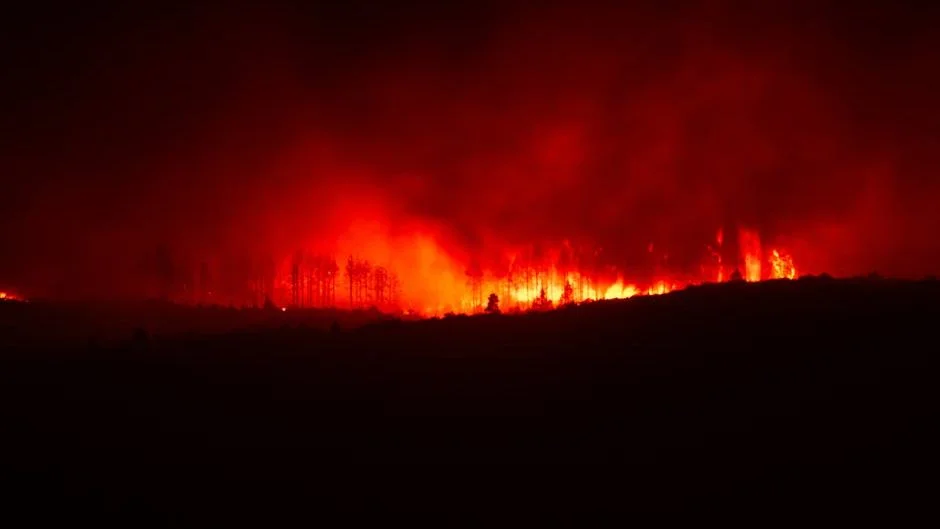
Conservationists face a stark challenge as climate change alters fire patterns worldwide, endangering ecosystems that support human livelihoods from food security to clean water. A recent study examined how expanding burned areas could heighten risks for species already on the brink. Researchers projected shifts in fire seasons and scorched landscapes, revealing vulnerabilities for biodiversity under rising temperatures.
Understanding the Wildfire-Climate Link
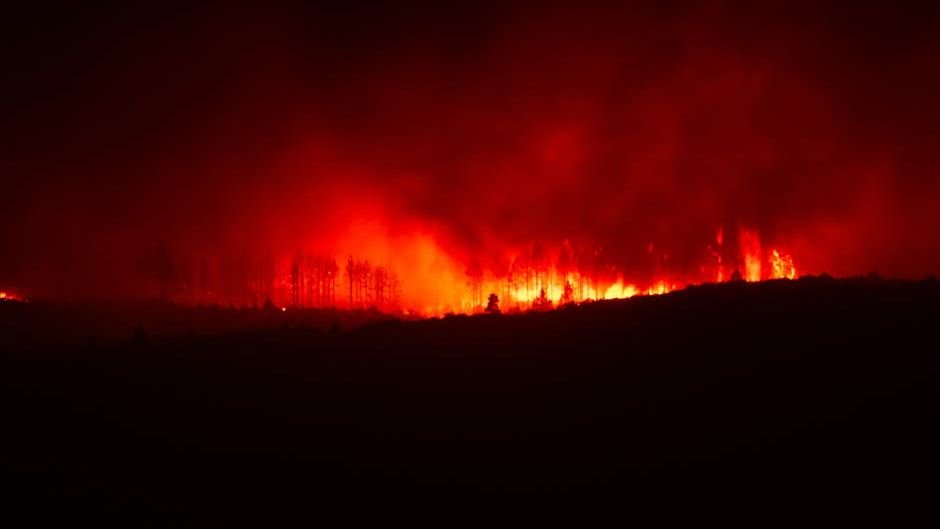
Understanding the Wildfire-Climate Link (Image Credits: Pexels)
Climate change has long been linked to more frequent and intense wildfires through shifting precipitation and drier vegetation. Earlier studies documented these trends in various regions, setting the stage for deeper analysis. The new research built on that foundation by forecasting fire season lengths and burned area extents across four greenhouse gas emissions scenarios.
These projections offered a glimpse into potential futures, emphasizing how human-driven emissions influence fire dynamics. In particular, the moderate-emissions path – aligning with current trends – painted a concerning picture for global ecosystems. Such changes do not occur uniformly, complicating efforts to protect habitats.
Key Projections for Burned Areas and Fire Seasons
By 2100, under the moderate-emissions scenario, global burned areas could expand by 9.3%. This increase stems from prolonged dry periods and warmer conditions that fuel fires. Fire seasons themselves may lengthen in many areas, allowing flames to spread more readily.
The study considered a range of emissions pathways, from low to high, to capture uncertainty in policy and technology adoption. While higher emissions would exacerbate risks, even moderate trajectories signal substantial shifts. These forecasts relied on climate models integrated with fire behavior data, providing a robust basis for assessing biodiversity impacts.
Species Most at Risk from Intensifying Fires
Researchers evaluated 9,592 species listed on the IUCN Red List as threatened by wildfires, including animals, plants, and fungi. Under moderate emissions, nearly 84% of these could encounter elevated fire exposure by 2100. The analysis highlighted how overlapping climate and fire stressors compound dangers for vulnerable populations.
Xiaoye Yang, lead author from the University of Gothenburg in Sweden, noted clear spatial disparities in these risks. South America and Oceania stand out as hotspots for elevated burning potential, while high-latitude Northern Hemisphere regions – historically spared – face rapid increases. The top 1% of most affected species, totaling 96, cluster in South America, South Asia, southern Australia, and New Zealand.
There are clear spatial disparities in future wildfire risk to biodiversity.
Regional Hotspots and Biodiversity Concerns
South American landscapes, rich in unique flora and fauna, emerge as particularly vulnerable. Oceania’s islands and coastal zones also loom large in the projections, where fires could disrupt fragile habitats. Southern Australia and New Zealand host species with limited refuges, amplifying local extinction risks.
High-latitude areas in the Northern Hemisphere represent a newer frontier for fire threats. These boreal forests support cold-adapted species unaccustomed to flames. The study underscored that while global trends point upward, targeted conservation in these hotspots could mitigate some losses.
- South America: High concentration of top-affected species.
- Oceania: Elevated burning risks for island ecosystems.
- Southern Australia and New Zealand: Limited escape options for wildlife.
- Northern high latitudes: Emerging fire zones in rare historical contexts.
- South Asia: Additional pressures on diverse threatened populations.
Pathways Forward for Protection
The findings urge a reevaluation of conservation strategies amid evolving fire regimes. Protected areas may need adaptation, such as controlled burns or habitat corridors to aid species movement. International cooperation becomes essential, given the transboundary nature of climate-driven fires.
While the study focused on moderate emissions, curbing greenhouse gases offers the clearest path to tempering risks. Uncertainties remain around adaptation capacities of species and ecosystems. Ultimately, these projections remind us that biodiversity loss from wildfires reverberates through food chains, pollination services, and natural defenses against disasters – stakes that touch every community reliant on healthy landscapes.