There is something quietly stunning about uncovering a grave thousands of years old and finding, tucked alongside the bones of a human being, the skeleton of a dog, a horse, or a cat. No words were left behind. No diary entry explains the grief. Yet that deliberate, careful placement of an animal next to a person tells you everything you need to know about how deeply our ancestors felt about the creatures in their lives.
As archaeologists dig deeper, quite literally, into the past, they are discovering that the emotional bond between humans and animals is not a modern invention at all. It is ancient, complex, and surprisingly moving. What you are about to explore across some of the most remarkable burial sites ever uncovered is a story that rewrites what we thought we knew about our ancestors. Let’s dive in.
The Oldest Known Grave Shared by Humans and Dogs
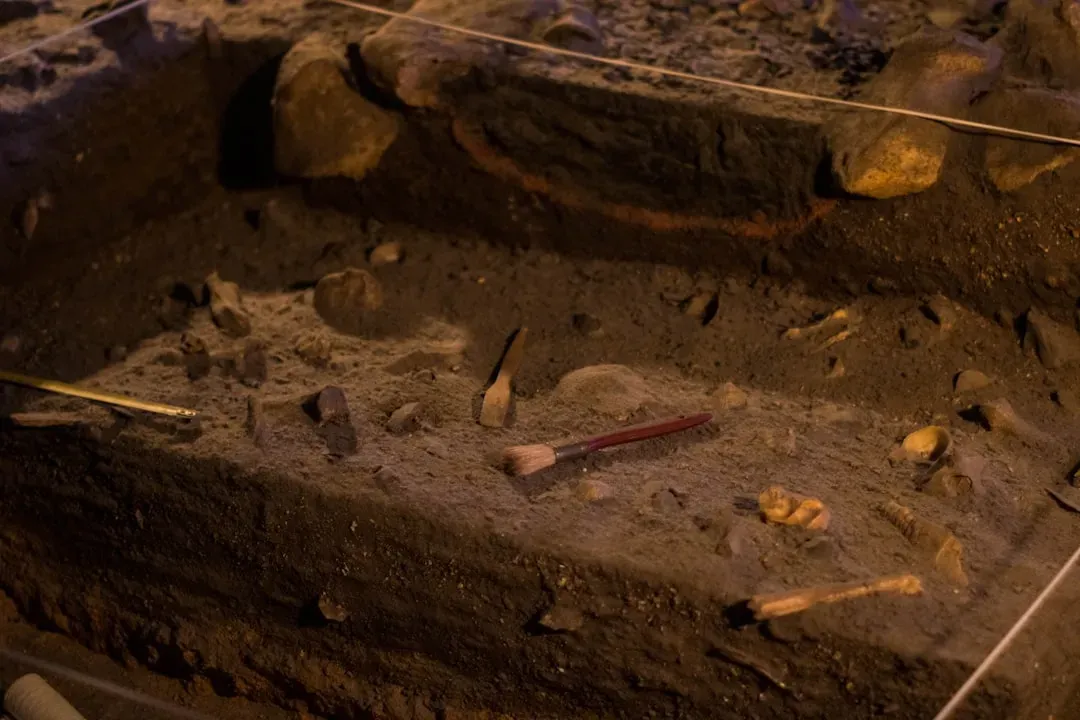
If you thought of pet ownership as something relatively recent, the Bonn-Oberkassel site in Germany would stop you in your tracks. In 1914, workers uncovered a grave at Oberkassel, today a suburb of Bonn, Germany. The remains, consisting of a dog, a man, and a woman, along with several decorated objects made from antler, bone, and teeth, date back to the Paleolithic era, around 14,000 years ago. That is not a typo. Fourteen thousand years ago, a dog and two people were placed in the same grave with care and intention.
What makes this discovery genuinely emotional is the story behind the dog’s short life. According to a study published in the Journal of Archaeological Science, prehistoric people likely cared for a sick puppy for weeks before it died, suggesting an emotional attachment to the animal. The puppy was about 28 weeks old when it died. Telltale signs on the animal’s teeth revealed it probably contracted canine distemper virus at about 19 weeks old, and may have suffered two or three periods of serious illness lasting five to six weeks. These people nursed a dying dog. That is not utility. That is love.
Iron Age Celts in Verona: A Menagerie of the Afterlife
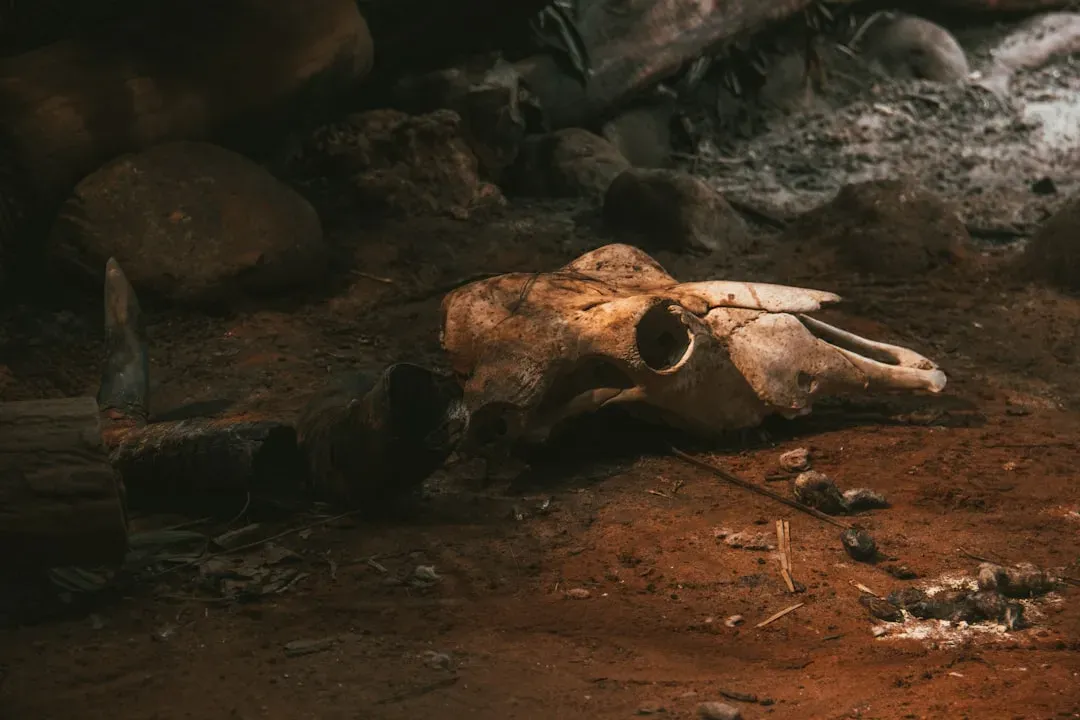
Fast forward several thousand years and the human-animal story gets even richer. A menagerie of Iron Age animals including dogs, horses, and pigs shared the graves with their human contemporaries, who would have lived in the area just before Roman occupation. The burials were uncovered at Verona’s Seminario Vescovile, a site where people of the Celtic Cenomani culture lived and died during the third to first centuries B.C.E. Here, you can see something that archaeologists had long suspected but struggled to prove: that animals were not just food or tools, but companions worthy of being carried into eternity.
Of the 161 people buried at Seminario Vescovile, 16 were buried with some kind of animal remains. Some of the graves contained the remains of animals often eaten by people, including many pigs, a chicken, and part of a cow, which may have represented food offerings to the dead. Yet four of the people buried on the site were buried alongside the remains of dogs and horses, which are not commonly eaten. That distinction matters enormously. When you bury a pig, you might be leaving behind dinner. When you bury a whole, intact dog or horse, you are saying something entirely different.
Egypt’s Ancient Pet Cemetery: Companionship Across Two Thousand Years
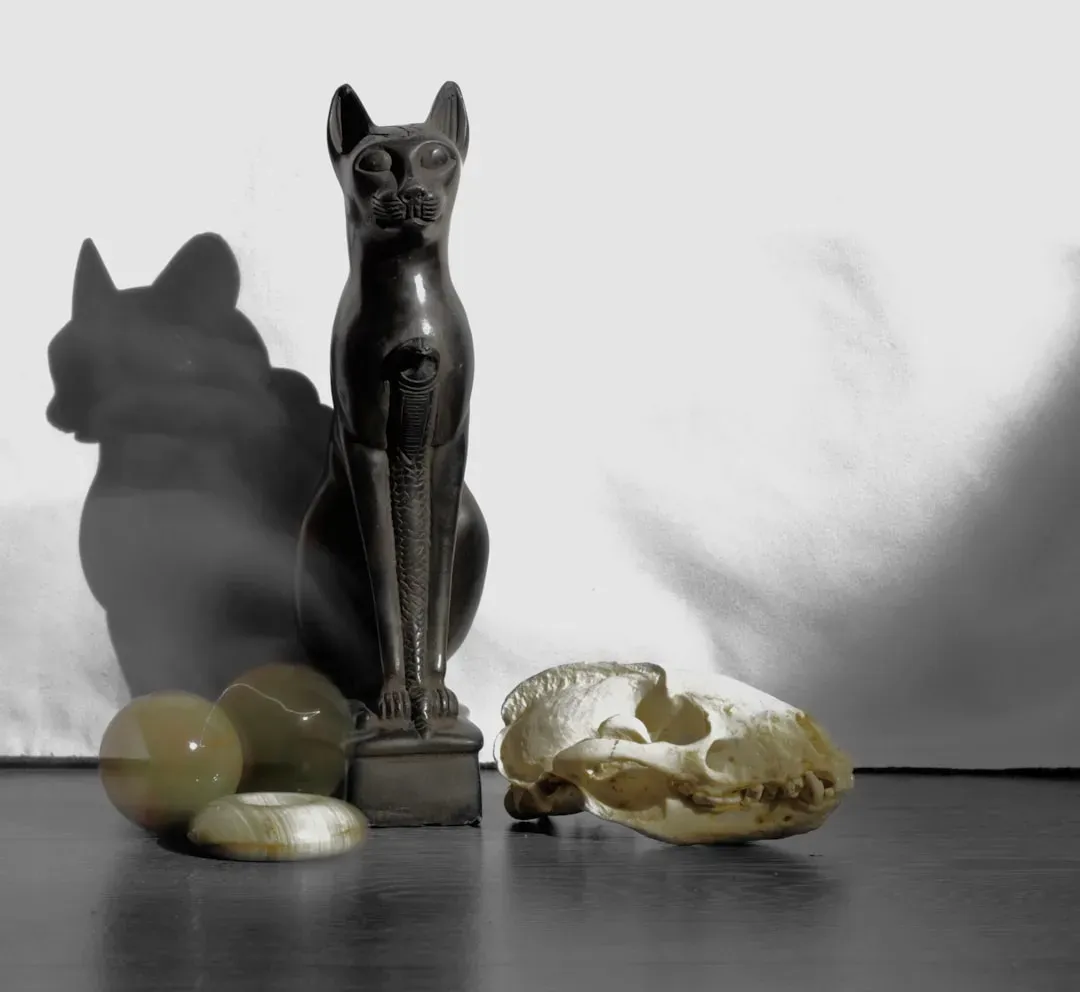
Here is the thing about ancient Egypt that most people get wrong. Yes, the Egyptians mummified animals for religious purposes, offering them to gods like Bastet and Anubis. These animals are unlike the ritual sacrifices which the Ancient Egyptians would mummify and offer to their gods. Thousands of such mummies, from dogs offered to jackal-headed embalming god Anubis, to cats for Bastet, were produced in great numbers. Still, that is not the full picture.
Archaeologists uncovered the remains of nearly 600 animals in a 2,000-year-old pet cemetery on the outskirts of the ancient Egyptian seaport of Berenike. Published in the journal Antiquity, the find challenges traditional views of pet burials, suggesting that humans in ancient Egypt may have had a much deeper emotional connection with their animals than previously thought. Interestingly, the animals show signs of long-term injuries or illnesses, which would have rendered them less useful for traditional work tasks like hunting or guarding. This further supports the idea that the animals were kept for companionship, as their owners would have continued to care for them, even when they could no longer fulfill practical roles. You do not keep a broken-legged cat because it catches rats. You keep it because you love it.
The Deep Symbolism of Horse Burials Across Cultures
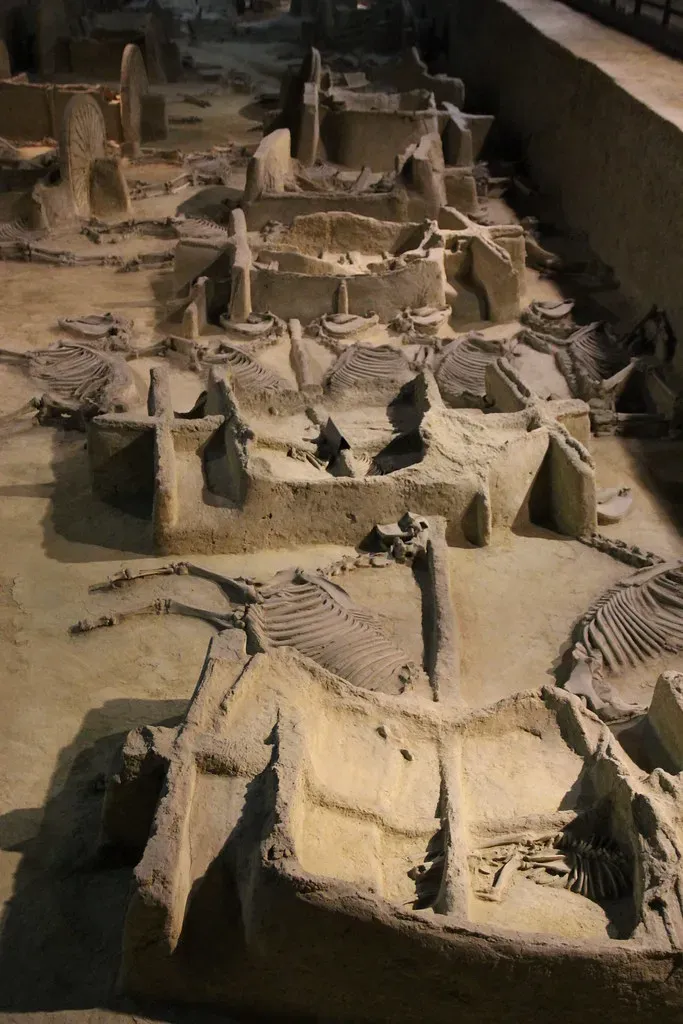
Horses occupy a truly extraordinary place in the history of human-animal burials. Their presence in ancient graves was rarely casual. The practice of horse burial is found among many Indo-European speaking peoples, as well as in other cultures including Chinese and Turkic peoples. The act indicates the high value placed on horses in the particular cultures and provides evidence of the migration of peoples with a horse culture. Think of it as an ancient calling card, left in the dirt, saying: we were here and we honored these animals.
Researchers use both archaeology and texts to show that some horses in communities such as those of Viking-age Scandinavia and Iceland could be seen as “people” themselves, capable of agency and worthy of careful and deliberate treatment. Horses in the Viking age were seen as liminal creatures, meaning they were capable of crossing physical and conceptual boundaries, travelling over different terrains, and even between worlds. At Trekroner-Grydehøj in Sjælland, Denmark, a woman was buried with a horse next to her, one leg partially overlapping with the human body. Something about this human and this horse meant such an intimate arrangement was appropriate. The woman is thought to have been a ritual specialist, possibly a sorceress, buried with an iron-tipped copper rod and a range of other objects. Honestly, the intimacy of that positioning is difficult to dismiss as mere ritual formality.
What Science Now Reads in Ancient Bones: Isotope Analysis and Diet
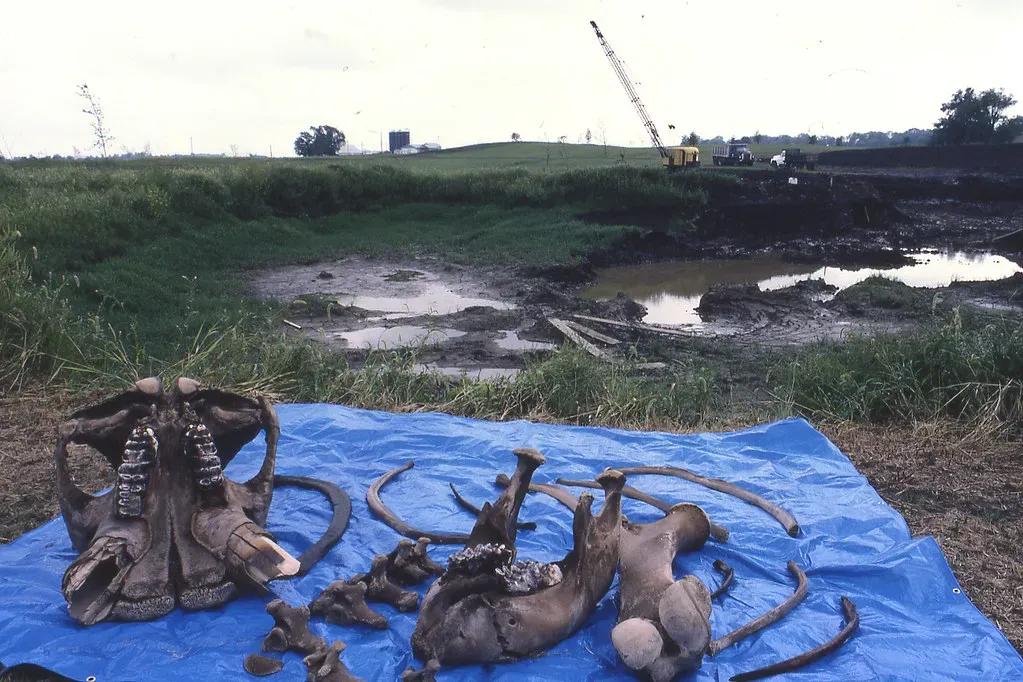
One of the most exciting tools archaeologists now have at their disposal is isotope analysis. Rather than just asking where an animal was buried, you can now ask what it ate, and compare that directly with the diet of the human buried alongside it. Studying the stable isotope ratios measured from bone and teeth has become an important method for deciphering diet in archaeology and palaeontology. In particular, the ratios of carbon-13 to carbon-12 and nitrogen-15 to nitrogen-14 can illuminate what types of plants were part of a food chain and whether an organism was a herbivore or carnivore.
The results from this approach have been nothing short of revealing. Back at the Verona site, the dog buried with the man enjoyed a diet pretty much close to that of humans, isotopic analysis shows. Such a diet is commonly found among prehistoric dogs at archaeological sites. The dog buried with the 38-week-old ate completely different foods: vegetarian fare almost exclusively based on millet-like grains. Stable-isotope analysis is a promising tool in historical archaeology for investigating human and animal interactions and dietary practices. When a dog eats the same food as its human family, you are not looking at a working animal kept in the yard. You are looking at something that sat at the table.
The Hopewell Bobcat, Siberian Dogs, and Evidence Beyond Europe
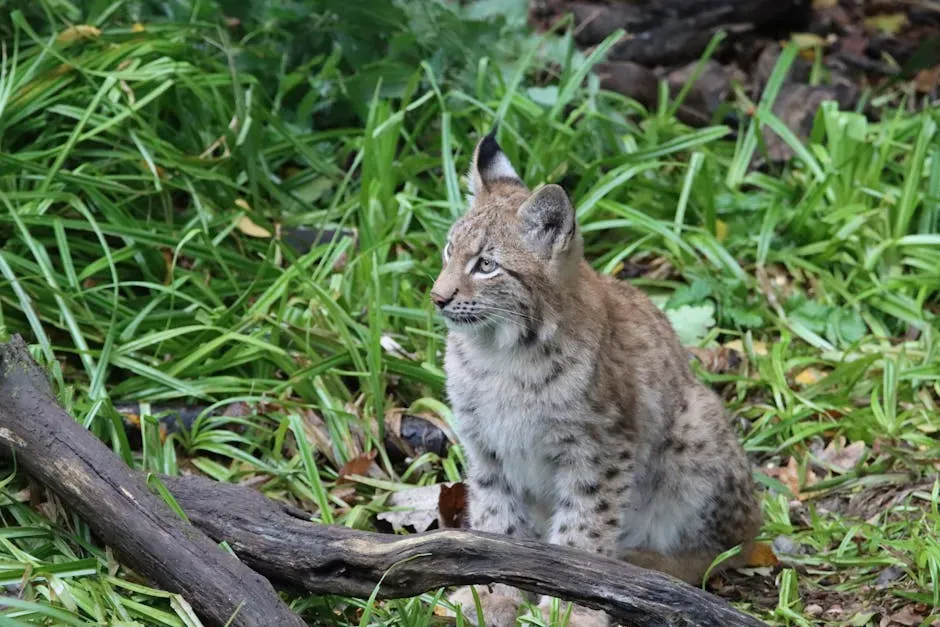
It would be a mistake to think this story is only about European or Mediterranean cultures. The evidence of emotionally significant animal burials stretches across the globe in ways that should genuinely surprise you. In an important mound burial from 2,000 years ago, archaeologists found the remains of a bobcat. The mound was usually reserved for humans, but the feline was important enough to the Hopewell people of western Illinois to be included. The bobcat had been decorated with sea shells and bear-teeth pendants, and found with its paws placed together. That level of careful preparation is not something you do for an animal you merely tolerated.
Studies of ancient dog burials in ancient Siberia from 10,000 years ago demonstrate the bond that humans and animals have shared. Dogs were often buried in sleeping positions, and laid to rest with tools or ornaments, or toys. The dogs were buried with their presumed owners, and still other dogs wore necklaces with deer teeth pendants. The location of prehistoric dog burials reveals that hunter-gatherer societies buried their dogs, but farming societies did not. This suggested to researchers that the farmers may not have seen the dogs as important to life and survival as the hunters did. It is a fascinating idea. The more you depended on an animal to survive, the more you grieved when it was gone.
What Zooarchaeology Teaches Us About Who We Are
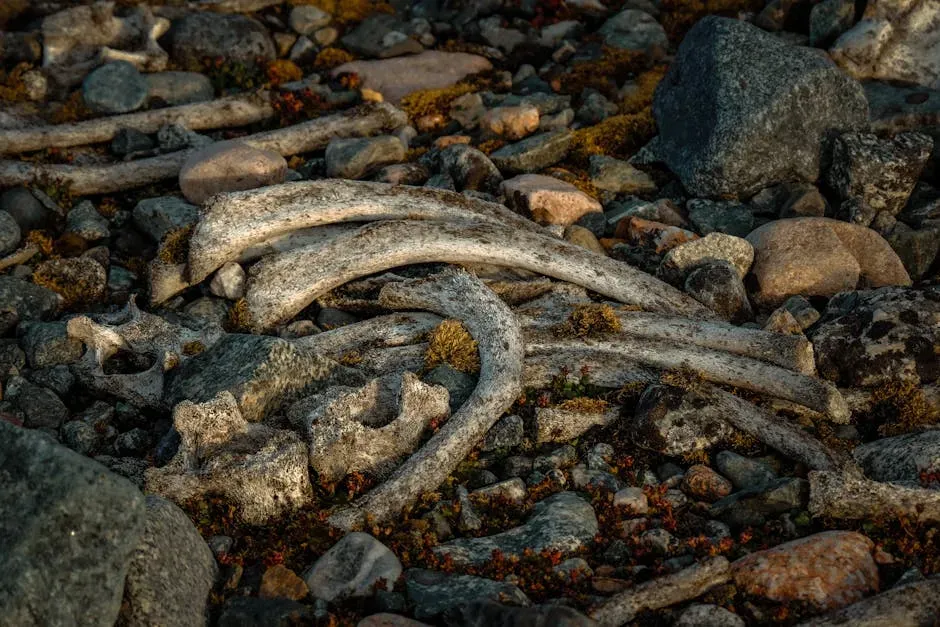
There is a growing field of science dedicated entirely to reading the story of ancient animals recovered from burial sites and excavation grounds. Zooarchaeology is a hybrid discipline that combines zoology, the study of animals, and archaeology, the study of past human culture. Zooarchaeologists study animal remains from archaeological sites. Zooarchaeologists study how people used and interacted with animals in the past. Animal remains provide clues about what the natural environment was like and how it changed through time. They also provide clues to human cultural practices. Zooarchaeologists contribute to studies of human technology, diet, economy, and animal domestication, as well as trade, dress, social status, and religious beliefs.
In the twenty-first century, researchers have begun to interpret animals in prehistory in wider cultural and social patterns, focusing on how the animals affected humans and on possible animal agency. That phrase, “animal agency,” is important. It means that archaeologists are starting to ask whether ancient humans believed their animals had their own intentions, their own power, and their own place in the cosmos. The practice of animal burial dates back to prehistoric epochs. Many cultures around the globe have buried animals for various reasons including sentimentality, religious rituals, and superstition. Archaeological studies of animal burials aren’t just to catalogue what the ancient humans ate or which animals they domesticated, but these finds also shed light on the very lifestyles, beliefs, and spiritual customs of ancient societies. You are not just reading about dead animals. You are reading about how an entire civilization understood life itself.
Conclusion: A Bond Older Than Civilization
What the evidence at burial sites across four continents, from Iron Age Italy to Siberia, from Paleolithic Germany to ancient Egypt, tells you is something that should feel both humbling and warm. The urge to grieve an animal, to lay it down carefully, to place it next to the person who loved it, is not a modern sentiment born in the age of social media pet accounts. It is something woven into the very fabric of what it means to be human.
You did not need written language to express grief. You did not need a religion that formally acknowledged animal souls. You needed only a shovel, a quiet place in the earth, and the certainty that the creature beside you mattered. Whether it was a sick puppy nursed through distemper 14,000 years ago, a bobcat adorned with shells by the Hopewell people, or a horse laid beside a Viking woman on a windswept Danish hillside, the message is the same. We have always needed animals, and we have always known how to love them.
Of all the things ancient burial sites have revealed about human history, perhaps the most surprising is this: you were never really alone. What do you think that says about us as a species? Share your thoughts in the comments below.