Picture an ocean with no humans, no cargo ships, no plastic waste floating at the surface. Just raw, wild, teeming life in every direction. Oceans that covered most of this planet, that hosted creatures so bizarre they barely seem real even today. The ocean may seem like a vast and unchanging landscape, but the reality is that the world beneath the waves has continuously evolved over time. As terrestrial creatures, we are largely unaware that much of life’s history has taken place in the ocean. Life had been evolving and changing for more than 3 billion years before the first creatures even made their way out of the water.
Honestly, when you start digging into the story of prehistoric seas, it reads less like science and more like science fiction. The creatures, the ecosystems, the dramatic collapses and miraculous comebacks – it’s all there, written into stone. Let’s dive in.
The Dawn of Ocean Life: When the Seas First Stirred
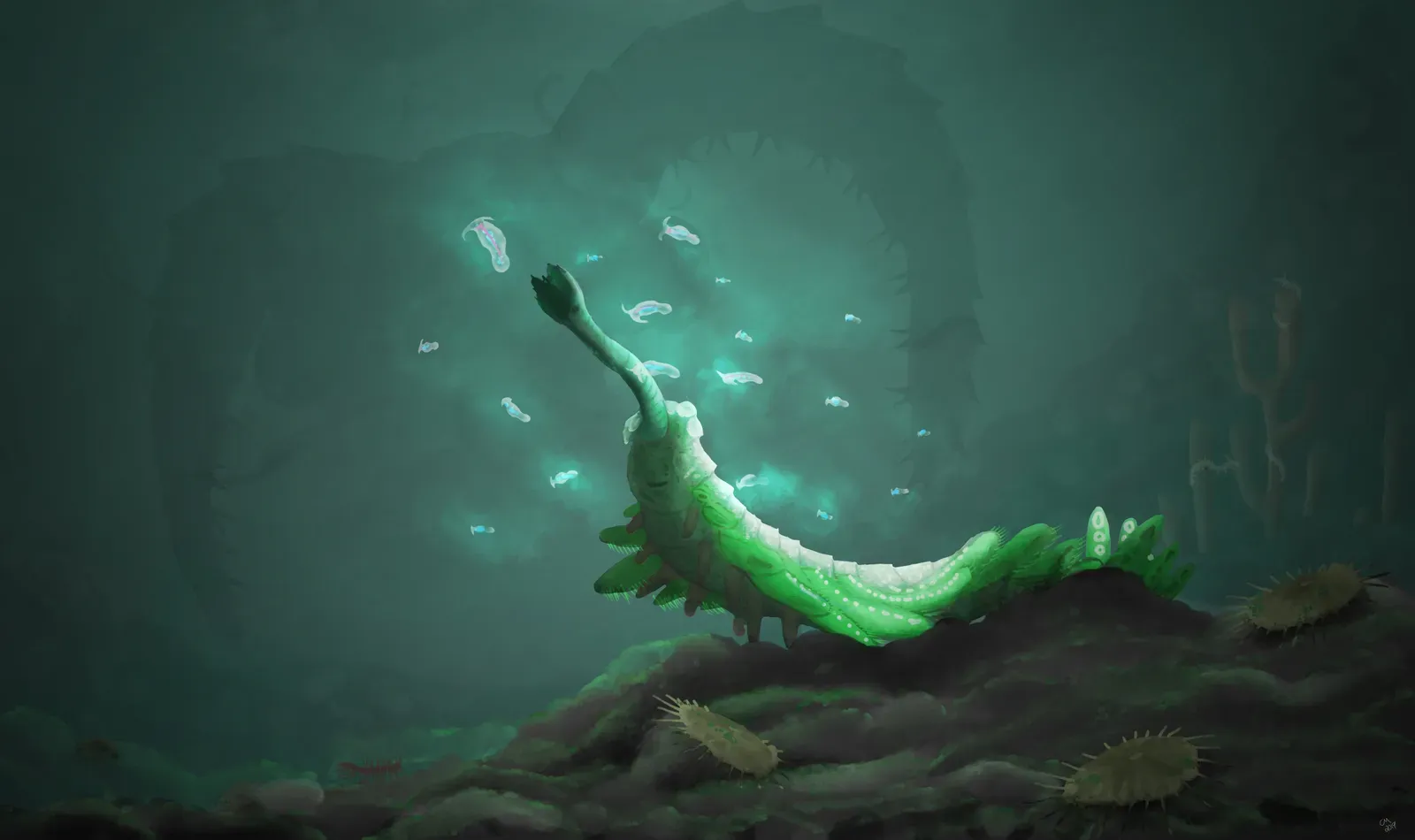
The first ocean lifeforms were microscopic, so small they would be invisible to the naked eye. Later, bizarre and alien-like creatures reigned supreme. Think of the early ocean as the universe’s greatest blank canvas, and evolution as the artist who just couldn’t stop adding to it. It’s hard to wrap your mind around just how long life spent developing in those primordial waters before anything resembling complexity emerged.
The Cambrian marked a profound change in life on Earth. Prior to the period, the majority of living organisms were small, unicellular and poorly preserved. Complex, multicellular organisms gradually became more common, but it was not until the Cambrian that fossil diversity seems to have rapidly increased. You can almost think of it like a city that sat quiet for centuries, then exploded overnight into a buzzing metropolis.
The Cambrian Explosion: Life’s Most Dramatic Debut
The Cambrian Period marks an important point in the history of life on Earth; it is the time when most of the major groups of animals first appear in the fossil record. This event is sometimes called the “Cambrian Explosion,” because of the relatively short time over which this diversity of forms appears. We are talking about nearly all major animal body plans showing up within a geologically tiny window. It’s the kind of event that still baffles scientists today.
It may be that oxygen in the atmosphere, thanks to emissions from photosynthesizing cyanobacteria and algae, was at levels needed to fuel the growth of more complex body structures and ways of living. The environment also became more hospitable, with a warming climate and rising sea levels flooding low-lying landmasses to create shallow, marine habitats ideal for spawning new life-forms. In other words, the right conditions converged at just the right moment, and life took full advantage.
Engineers of the Seafloor: Ancient Creatures That Rebuilt the Ocean
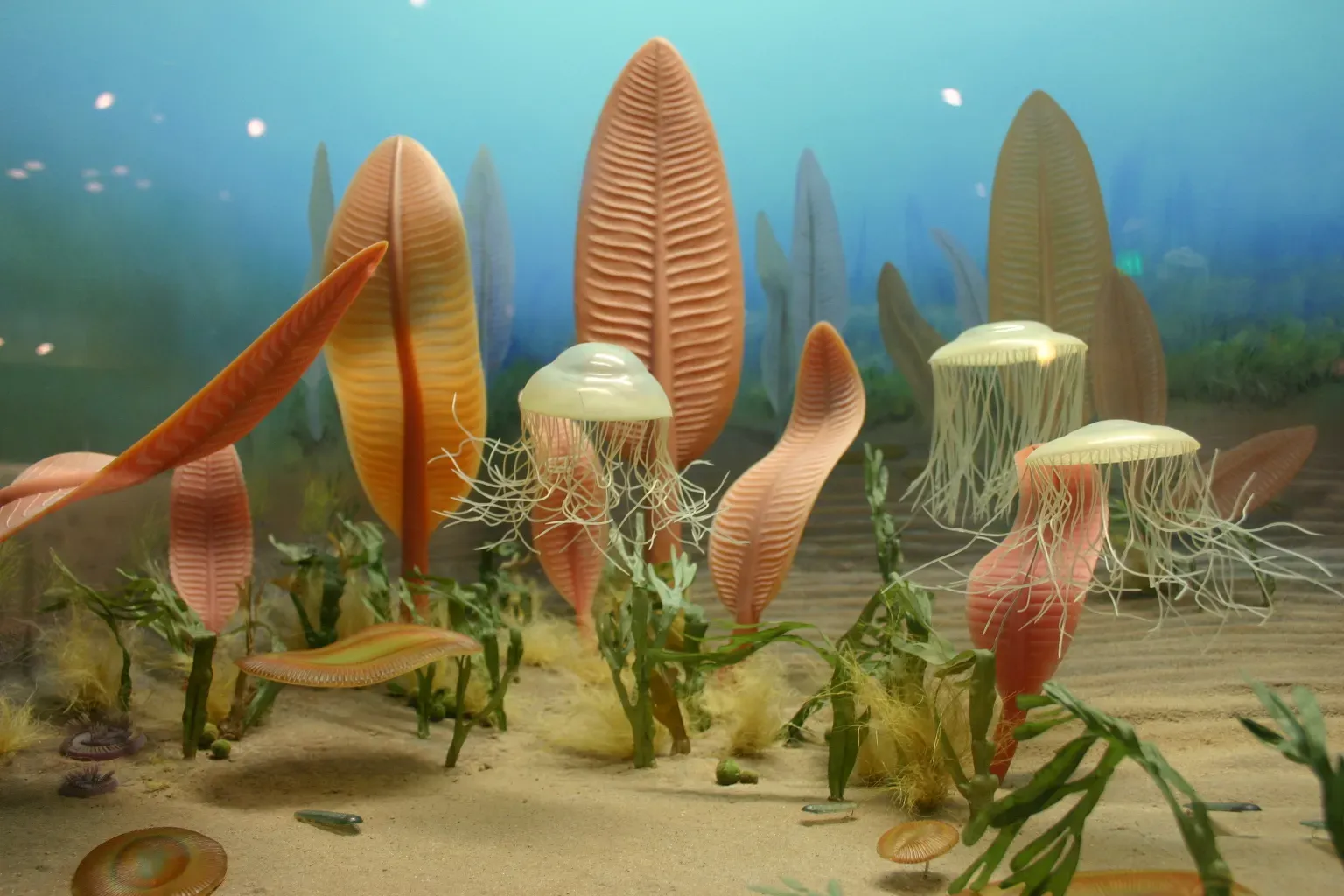
Uploaded by FunkMonk, CC BY-SA 2.0)
If you could dive down to the ocean floor nearly 540 million years ago just past the point where waves begin to break, you would find an explosion of life – scores of worm-like animals and other sea creatures tunneling complex holes and structures in the mud and sand – where before the environment had been mostly barren. This rapid increase in biodiversity was one of two such major events across a 100-million-year timespan, from 560 to 443 million years ago.
For the first time, researchers have shown evidence of animals actively “engineering” their ecosystem – through the construction of abundant and diverse burrows on the sea floor of the world’s oceans in this ancient time. This indicates that engineered changes helped the animals which emerged later to diversify even more. It’s a stunning idea, that ancient worms literally reshaped the conditions of existence for everything that came after them.
Trilobites: The Ancient Ocean’s Most Successful Tenants
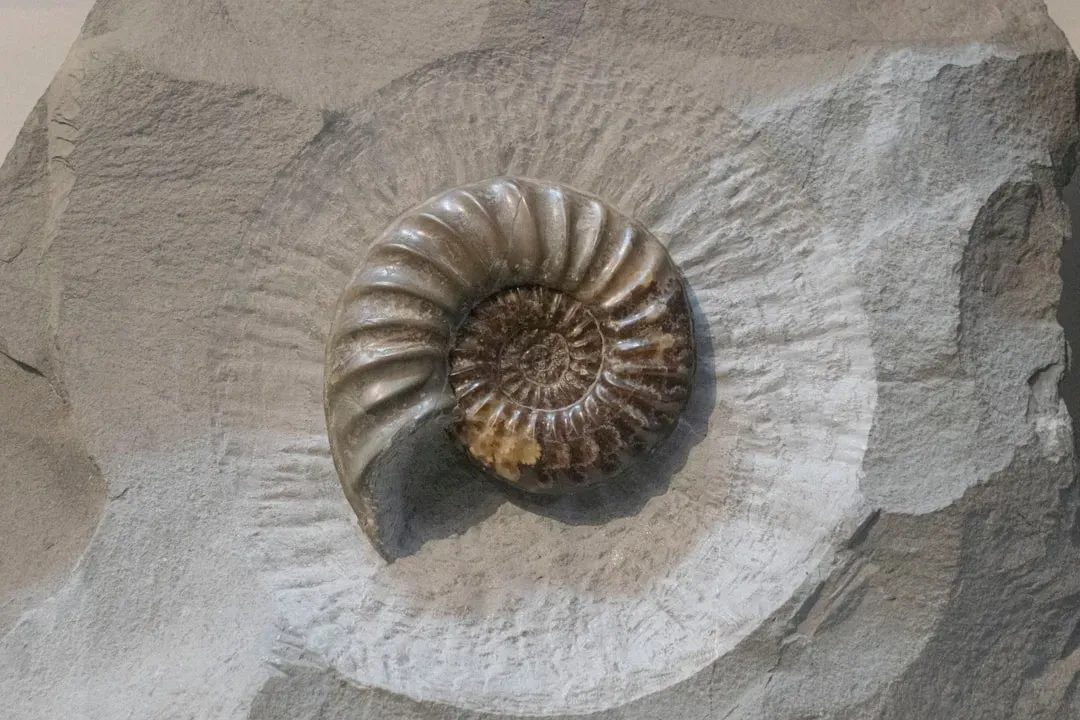
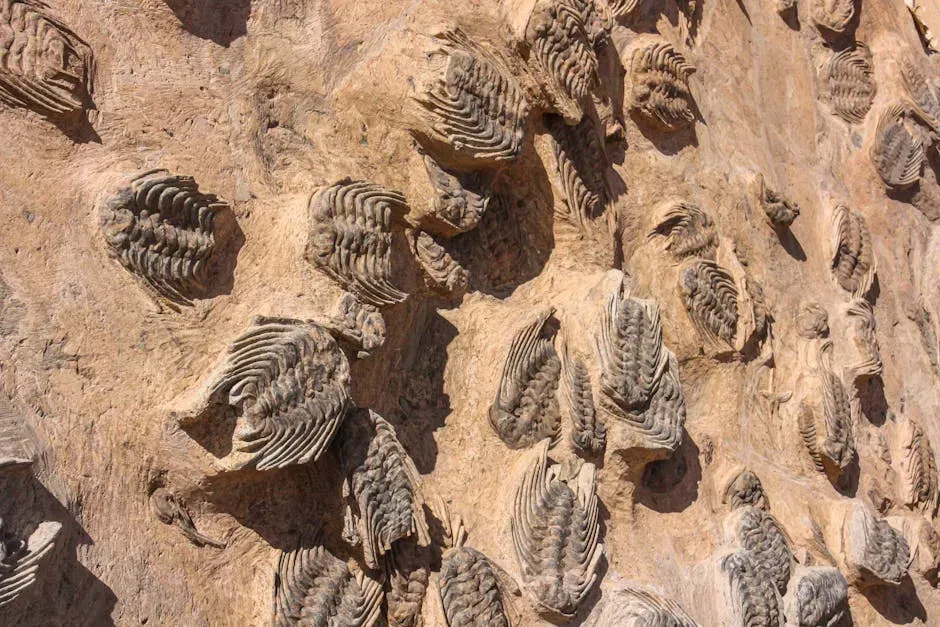
Trilobites withstood events that shaped our world for more than 250 million years, enduring continents shifting, ice ages, mass extinctions and the evolution of fierce predators. After suddenly appearing in the Cambrian Period, trilobites diverged into thousands of species that lived throughout Earth’s oceans during the Palaeozoic Era. Let that sink in. They outlasted things we can barely imagine, for a stretch of time roughly fifty times longer than humans have existed.
The Trilobita, an extinct class of Paleozoic marine arthropods, was made up of 10 orders, over 150 families, about 5,000 genera and over 22,000 described species. They initially emerged in the Lower Cambrian, some 521 million years ago, and survived until the end of the Permian, 270 million years later. Many trilobites had complex eyes made up of numerous small lenses, giving them excellent vision. Certain species had highly specialized eyes that adapted to different lighting conditions and environments. That level of sophistication, in a creature this ancient, is genuinely jaw-dropping.
Bizarre Cambrian Creatures That Seem Too Weird to Be Real
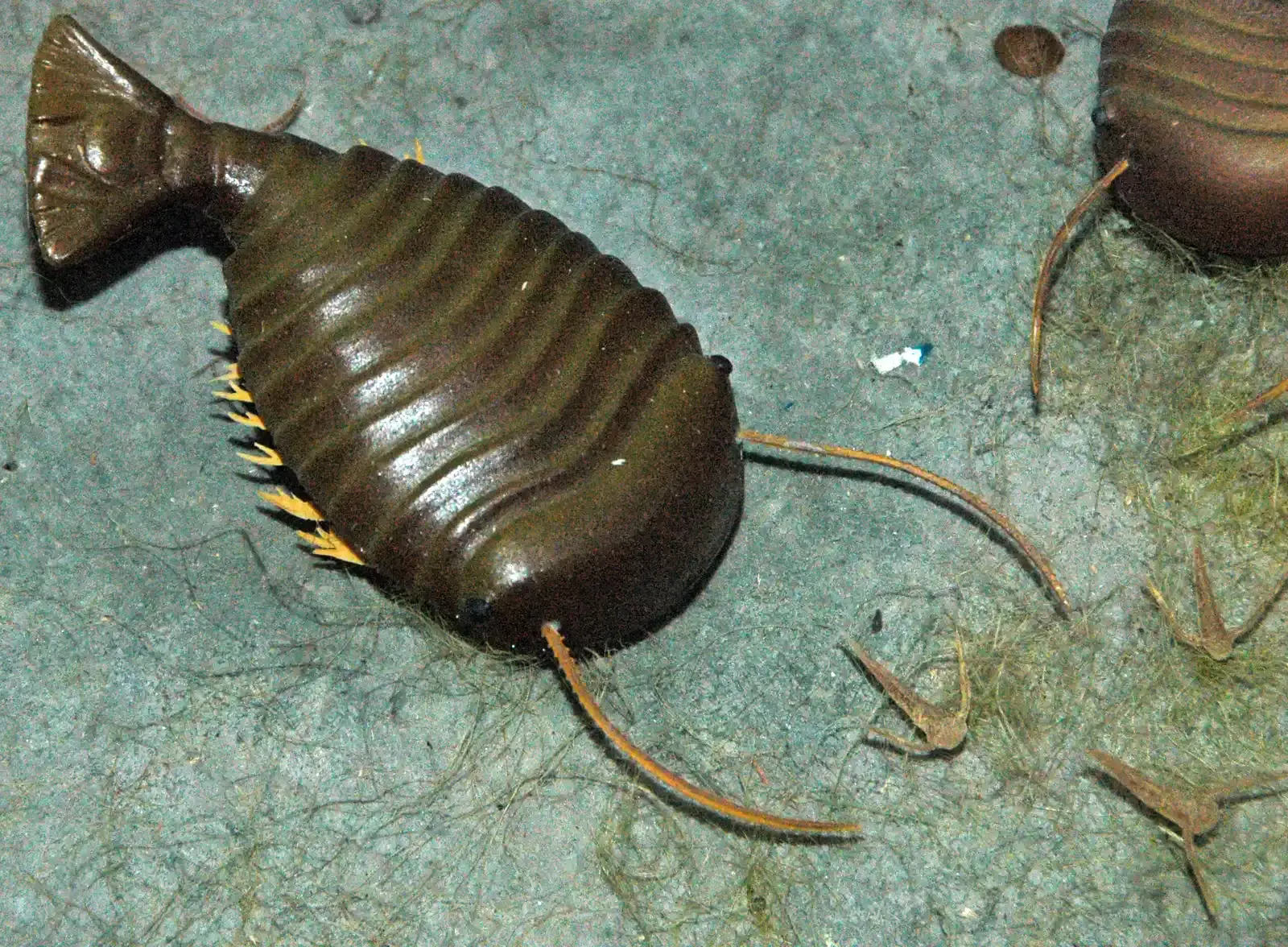
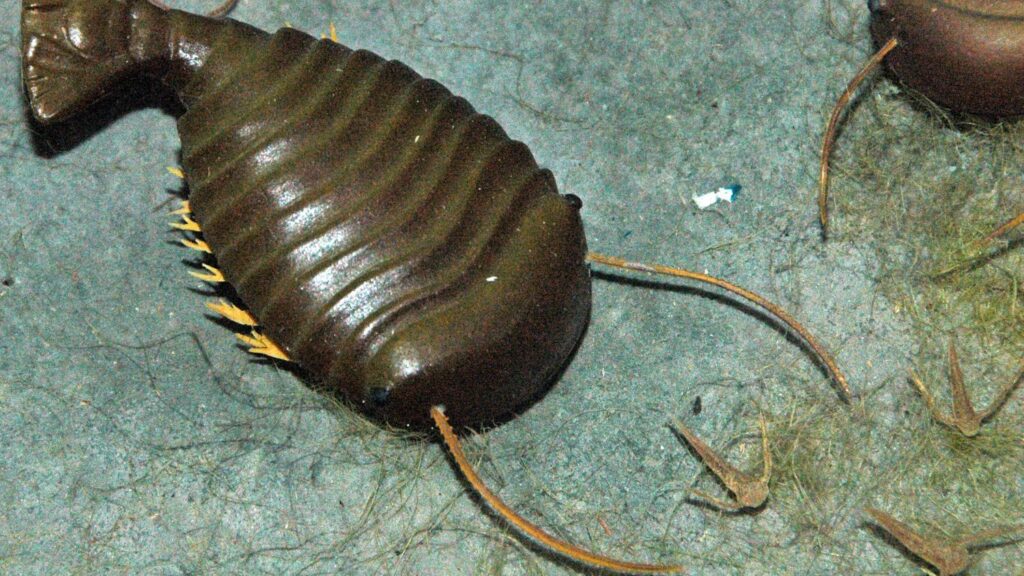
One of the earliest animals, Opabinia, was a marine arthropod that lived over 500 million years ago. This small, soft-bodied marine animal is notable for its unusual appearance, with five eyes on stalks and a long, flexible proboscis with a claw-like structure at the end. This proboscis was likely used to grasp and manipulate food. The body of Opabinia had lobes along its sides and a fan-shaped tail, suggesting it was a swimmer that moved through the water by undulating its body and lobes.
A predator of the Cambrian was the giant, shrimp-like Anomalocaris, which trapped its prey in fearsome mouthparts lined with hooks. Even stranger was the five-eyed Opabinia, which caught its victims using a flexible clawed arm attached to its head. These animals hunted along the seabed, where colonies of archaic sponges grew on organic, mineral structures formed by the activity of cyanobacteria. You could spend a lifetime studying just these two creatures and never fully get over how strange they are.
Rulers of the Mesozoic Deep: Mosasaurs and Plesiosaurs
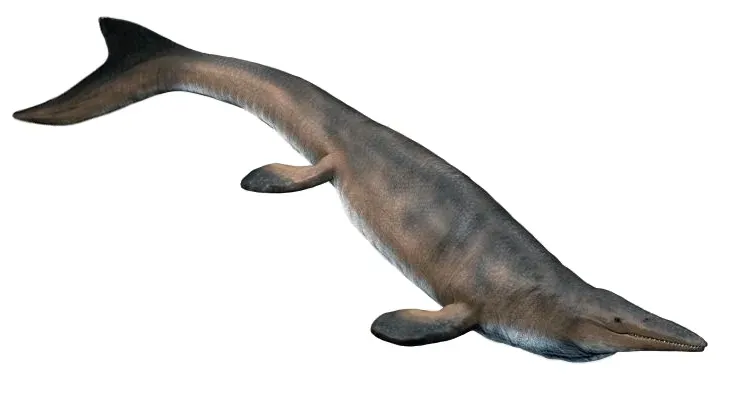
During the Mesozoic, the time period when dinosaurs roamed on land, many of these large creatures were the top predators in the ocean food chain and fed on fish, cephalopods, bivalves, and even one another. The most notable of these reptiles were the ichthyosaurs, plesiosaurs, mosasaurs, and sea turtles. Let’s be real – this was the era when the ocean became truly terrifying. These were not gentle giants.
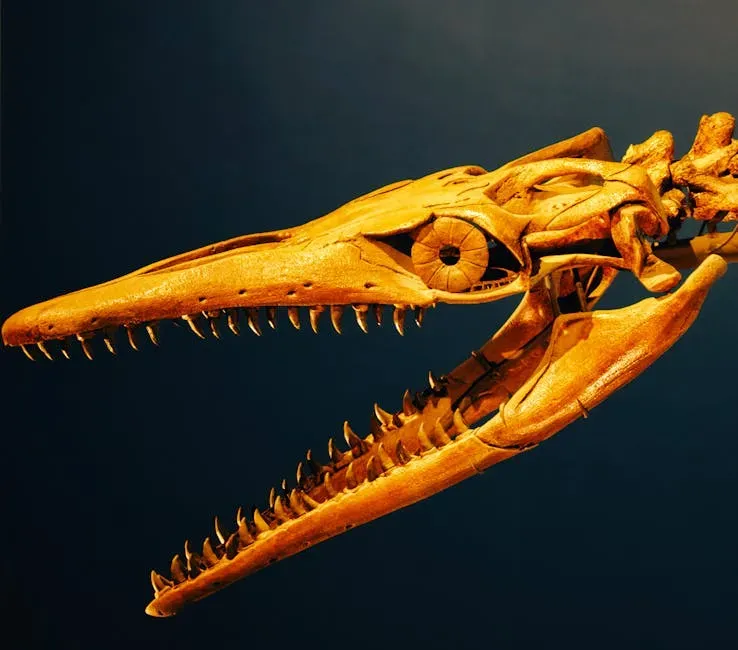
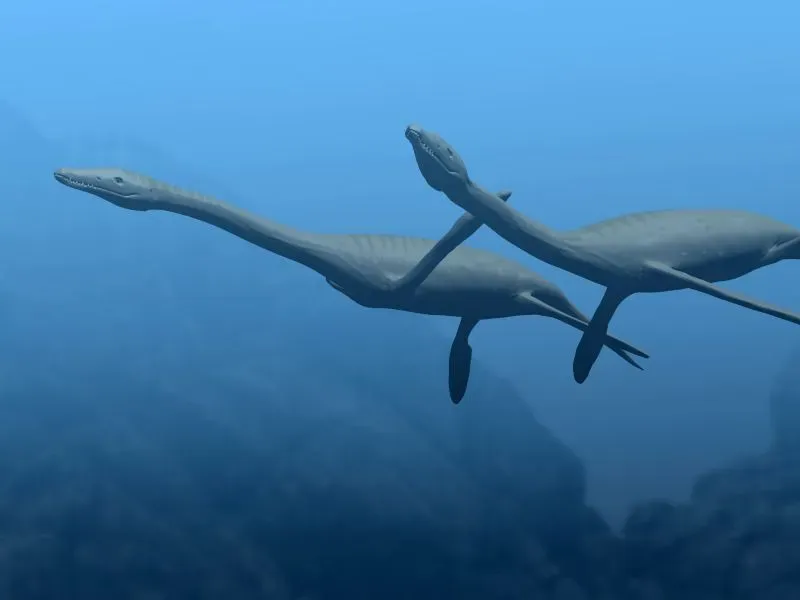
Mosasaurus hoffmannii was the apex predator of the Late Cretaceous oceans, reaching 11 metres (36 ft) in length and 3.8 metric tons in body mass. Plesiosaurs first appeared in the latest Triassic Period, about 203 million years ago. Other species, some of them reaching a length of up to seventeen meters, had the “pliosauromorph” build with a short neck and a large head; these were apex predators, fast hunters of large prey. Picture something the size of a school bus, hunting with intelligence and speed. That was your ancient sea.
Hyper-Apex Predators: When the Food Chain Had an Extra Level
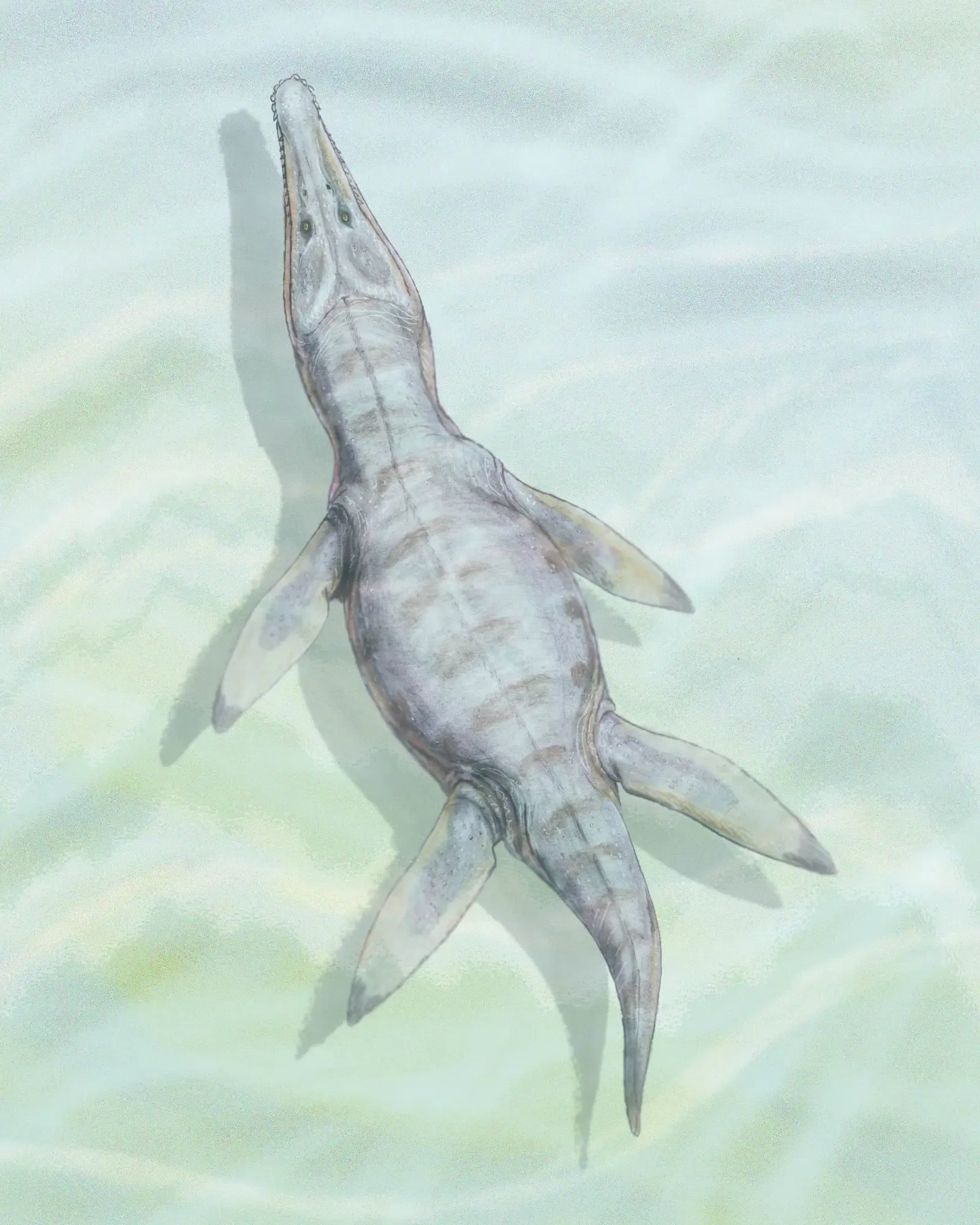
Ancient oceans once hosted super-predators so powerful they occupied a higher food-chain level than any animal alive today. Around 130 million years ago, the ocean’s most dominant hunters held far more power than any marine predator alive today. Recent research from McGill University reveals that during the Cretaceous period, some sea creatures sat at the very top of an extraordinarily complex food chain, surpassing modern standards of ecological dominance.
In today’s oceans, food chains typically reach six levels, with animals such as great white sharks and orcas as apex predators. However, researchers discovered that there was a previously unseen seventh level that was filled with enormous marine reptiles. Some, such as Sachicasaurus and Monquirasaurus, could grow up to and beyond 10 metres long and are known as hyper-apex predators. A seventh trophic level. That’s something no living ecosystem on Earth can match today. I think that fact alone should make you pause for a moment.
Mass Extinctions: When the Ancient Seas Went Silent
The demise of the trilobite came at the end of the Permian Period over 252 million years ago. Nearly 90% of life on Earth was suddenly eradicated in the largest mass die-off in the planet’s history. The end Permian extinction drastically cut the diversity of life on Earth. Some groups went extinct, while a few species in other groups made it through. Sea urchins, once diverse during the Permian, were devastated – only one species survived. Ammonites, too, were hard hit. Yet the few that did survive became some of the most diverse predatory cephalopods.
At the end of the Cretaceous Period, an asteroid triggered mass extinctions on land and sea. As dust and soot lingered in the atmosphere, they blocked the warmth from the sun and Earth’s temperature dropped. Without sunlight, many plants on land and phytoplankton in the sea likely died. Without these sources of food, ecosystems across the globe collapsed. Ammonites, large marine reptiles, rudist clams, and many species of phytoplankton were particularly hard hit in the ocean. Yet, remarkably, life found a way to return, as it always has.
Conclusion: What the Prehistoric Ocean Tells You About Life Itself
You don’t need to be a paleontologist to feel the weight of what the prehistoric seas represent. They are the ultimate story of resilience, creativity, and the relentless push of life to fill every available corner of the world. From microscopic microbes to seven-level food chains packed with sea monsters over ten metres long, these ancient oceans put our modern world into startling perspective.
As the world changes at a rate never before experienced in geologic time, it is important to understand and reflect upon how past times of change affected life. A dramatically changing world often leads to mass extinctions, and in some cases, it takes millions of years for ecosystems to rebound, and they are never the same. The ancient seas are not just history. They are a mirror.
Every time you look at the ocean today, you are seeing the survivor of one of the most epic, turbulent, and breathtaking stories ever told on this planet. What would you have guessed was living down there, hundreds of millions of years before you?