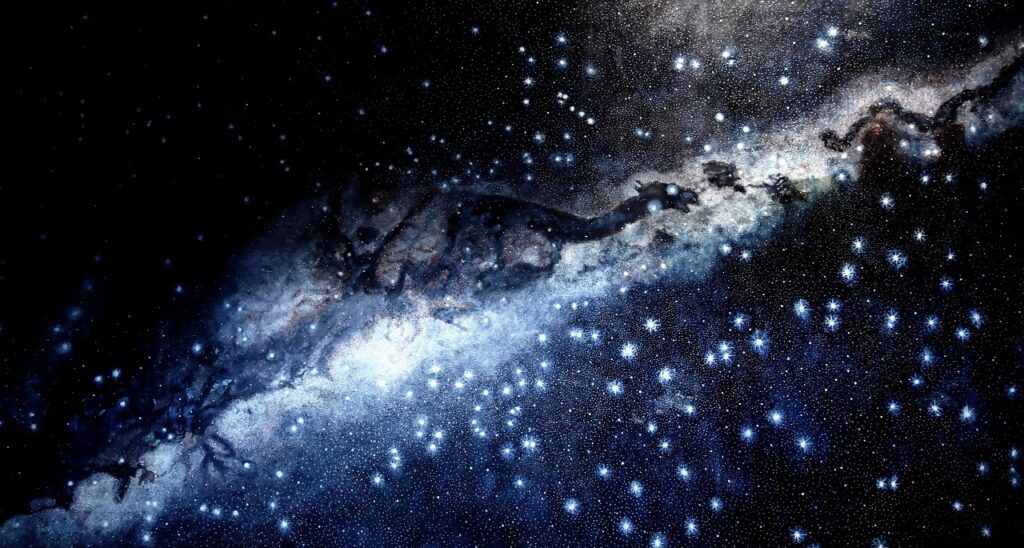
Stand under a dark, silent sky and look up: you’ll see rams, scorpions, lions, and fishes drawn in stars like glowing cave art. For thousands of years, humans have traced familiar animals across the heavens and built entire systems of meaning around them. Yet long before the first shepherd pointed a crooked staff toward Aries or a sailor steered by Pisces, the skies were already part of another story – one written in wingspans longer than buses and eyes adapted to twilight worlds.
The cosmic irony is hard to ignore: ancient astrologers named the heavens after the creatures they knew on Earth, unaware that the very same skies had once been ruled by animals so strange they might have looked like myths made flesh. The constellations they turned into symbols of fate and personality were already fossils of a deeper past. When you realize that some dinosaurs glided through prehistoric twilights under the same patterns of stars we still recognize today, the zodiac suddenly feels less like a human invention and more like a thin, recent layer on a much older cosmic canvas.
The Zodiac: A Human Story Written on an Ancient Canvas
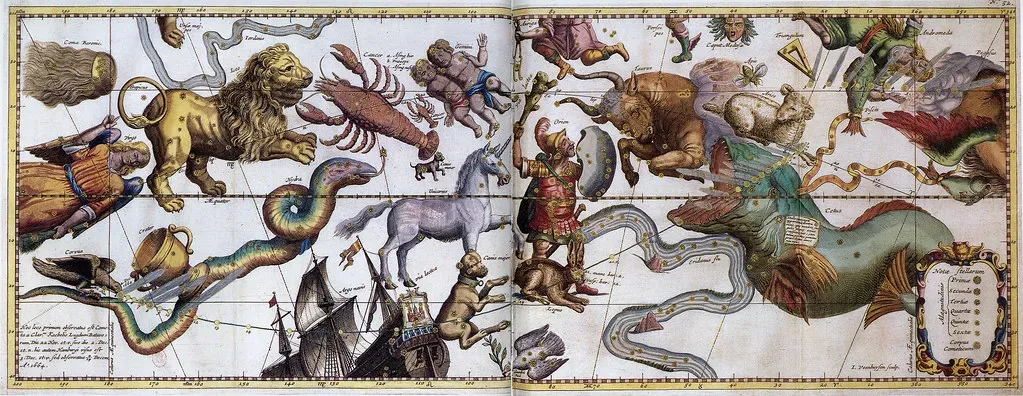
The zodiac feels timeless, but in cosmic terms it is embarrassingly young. The constellations of Aries, Taurus, Leo, and the rest were formalized only a few thousand years ago by cultures in Mesopotamia, Egypt, Greece, and elsewhere, building on older star traditions but still very much a human-era creation. They mapped the band of sky the Sun and planets move through, giving each slice a familiar animal or symbol that echoed life on the ground – rams, crabs, scorpions, and scales, not dragons, feathered giants, or anything that hinted at the true deep past.
These sky-animals became anchors for calendars, agriculture, navigation, and religion, but they are ultimately a projection: we drew our world onto the night. The stars themselves do not form lions or bulls; they are random points, and we connect them in patterns that make emotional and cultural sense to us. What makes this so striking is that the background canvas – the Milky Way, the ecliptic, the slow wheel of the sky – was already there when dinosaurs dominated Earth. The constellations are new labels on an unbelievably ancient backdrop.
Sixty-Five Million Years of Missing Context
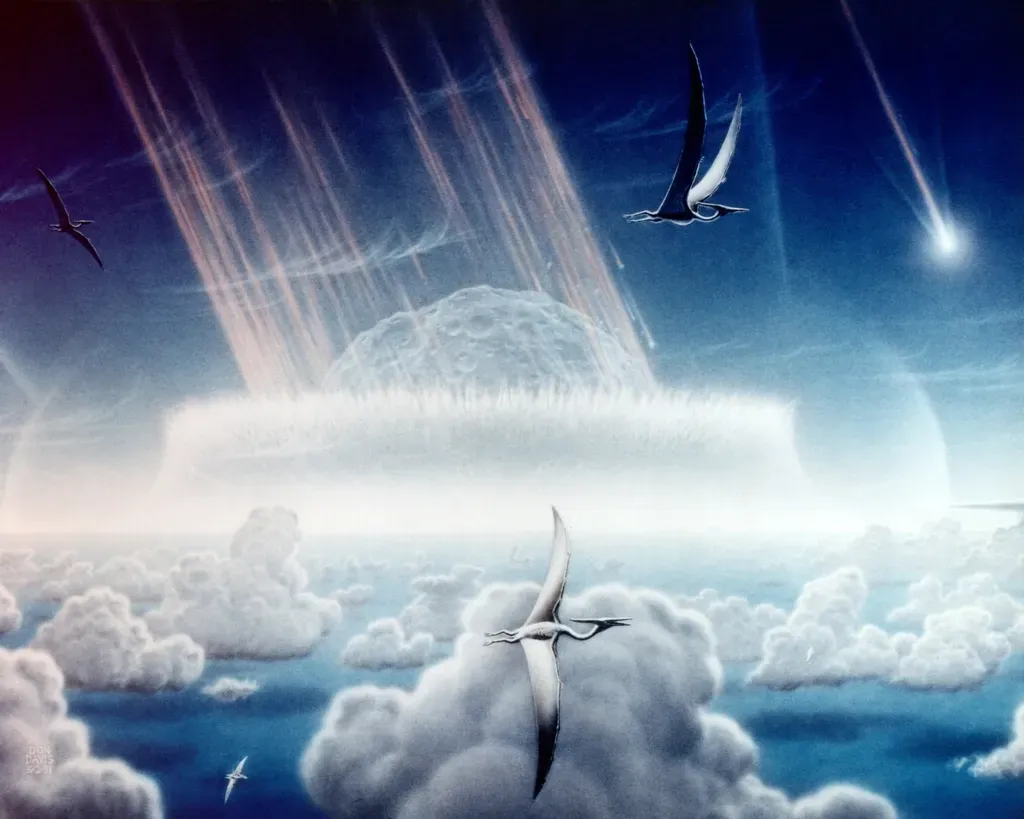
The asteroid impact that ended the age of non-avian dinosaurs about sixty-six million years ago feels almost like a plot twist hidden behind the serene constellations. When Babylonian priests and Greek philosophers watched the sky, they had no concept of deep time, no idea the Earth had seen entire worlds rise and fall before humans existed. For them, the heavens were stable, eternal, and made for human stories; extinction on the scale of the dinosaurs or the reshaping of life over hundreds of millions of years simply did not fit any known framework.
Modern astronomy and paleontology changed that picture completely. We now know that by the time the first human carved a star map, the age of the great reptiles had already been over for tens of millions of years, and countless species had lived and vanished under those same stars. This missing context is what makes the zodiac feel both beautiful and a little provincial. It is like writing chapter one of a book on the last five pages, never realizing there were hundreds of pages before you, filled with flying reptiles, lumbering sauropods, and early birds watching the sky with far older eyes.
Did Dinosaurs See Our Stars? The Deep-Time Sky
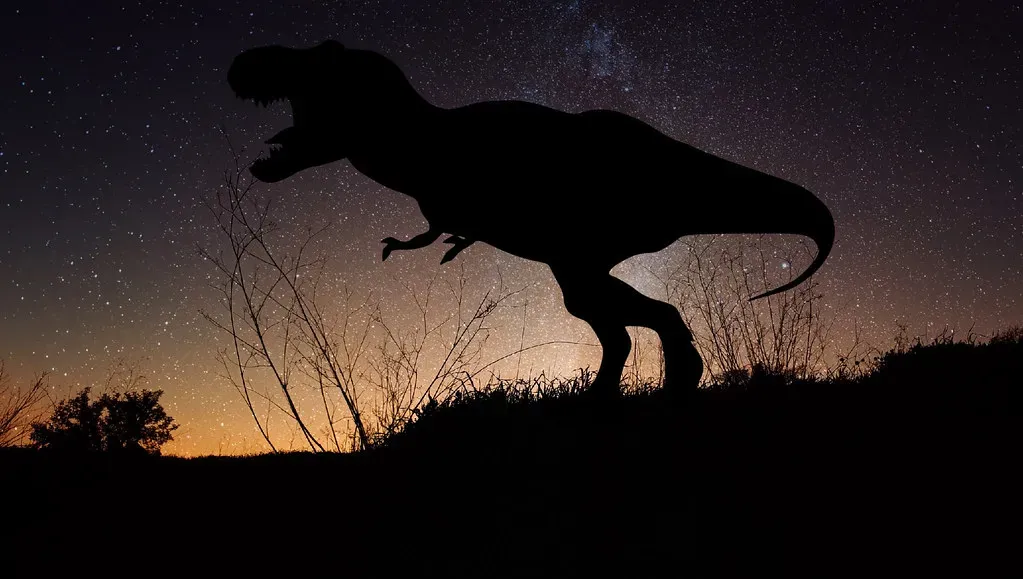
Here’s the mind-bending part: many of the stars that make up today’s constellations were already shining when dinosaurs walked the Earth. The exact patterns would have looked different, because stars move slowly relative to one another and the configuration of constellations drifts over millions of years. Still, the Milky Way would have arced across the sky, bright planets would have wandered, and the night would have been punctured by many of the same stellar beacons that guide us now. The dinosaur sky was not a blank slate; it was a familiar, if subtly rearranged, version of our own.
Nobody traced a lion or a scorpion overhead back then, of course, but the light was there, falling on scales, feathers, and primitive eyes. Imagine ankylosaurs sleeping under a river of starlight or small, owl-like theropods tilting their heads at a bright planet just as a human might today. While the constellations are cultural, the raw astronomy is shared. In a literal sense, the deep-time sky connects us with creatures that have been gone for tens of millions of years, even though they left no stories or names for the points of light they lived beneath.
Feathered Hunters in the Twilight: Nocturnal Dinosaurs and the Night
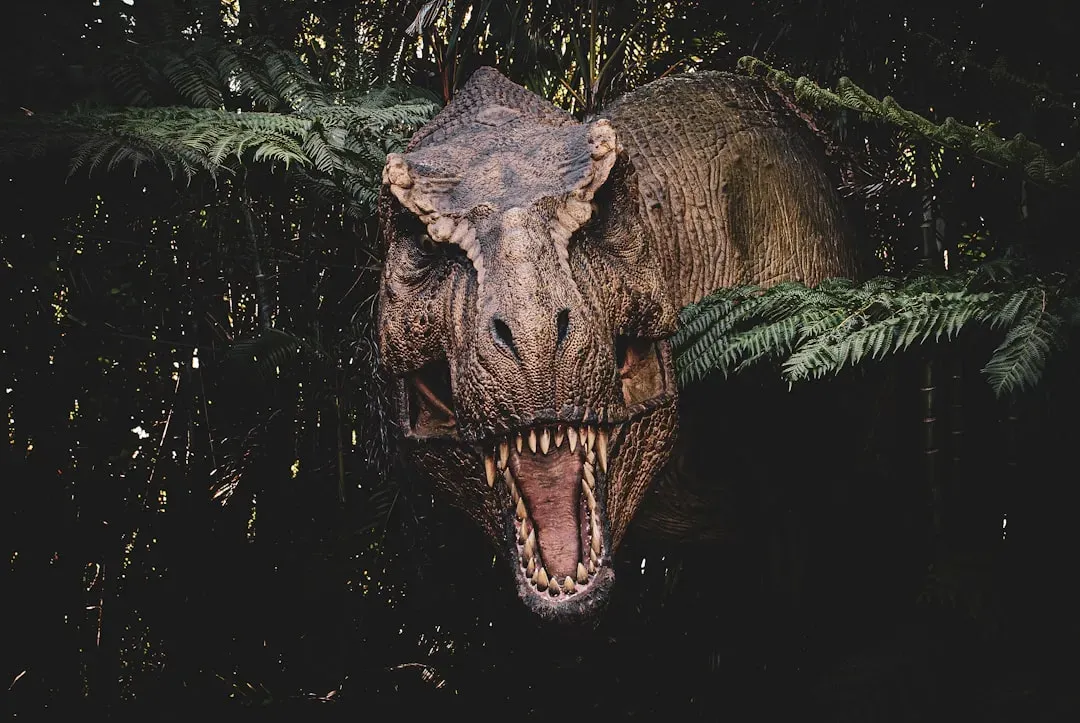
For a long time, dinosaurs were stereotyped as lumbering day creatures, but newer research has painted a richer, stranger picture. By studying the shape of eye sockets and the tiny bones inside fossil eyes, scientists can infer whether an animal was active by day, by night, or at dawn and dusk. Some theropods – the group that includes the ancestors of birds – show features consistent with good low-light vision, suggesting that at least a few species hunted or foraged under dim skies where stars and Moon would have been visible.
If you imagine these feathered hunters moving through prehistoric forests under starlight, the connection to the zodiac suddenly feels less metaphorical. Long before humans attached personality traits to Leo or Scorpio, real predators with keen senses were using the night not for symbolism but for survival. The night sky for them was not a mythic stage, but an environmental fact: a fluctuating light source, a backdrop to sounds, scents, and motion. While we read meaning into star patterns, they read the shadows and silhouettes cast by that same faint glow.
Pterosaurs: The Original Lords of the “Air Signs”
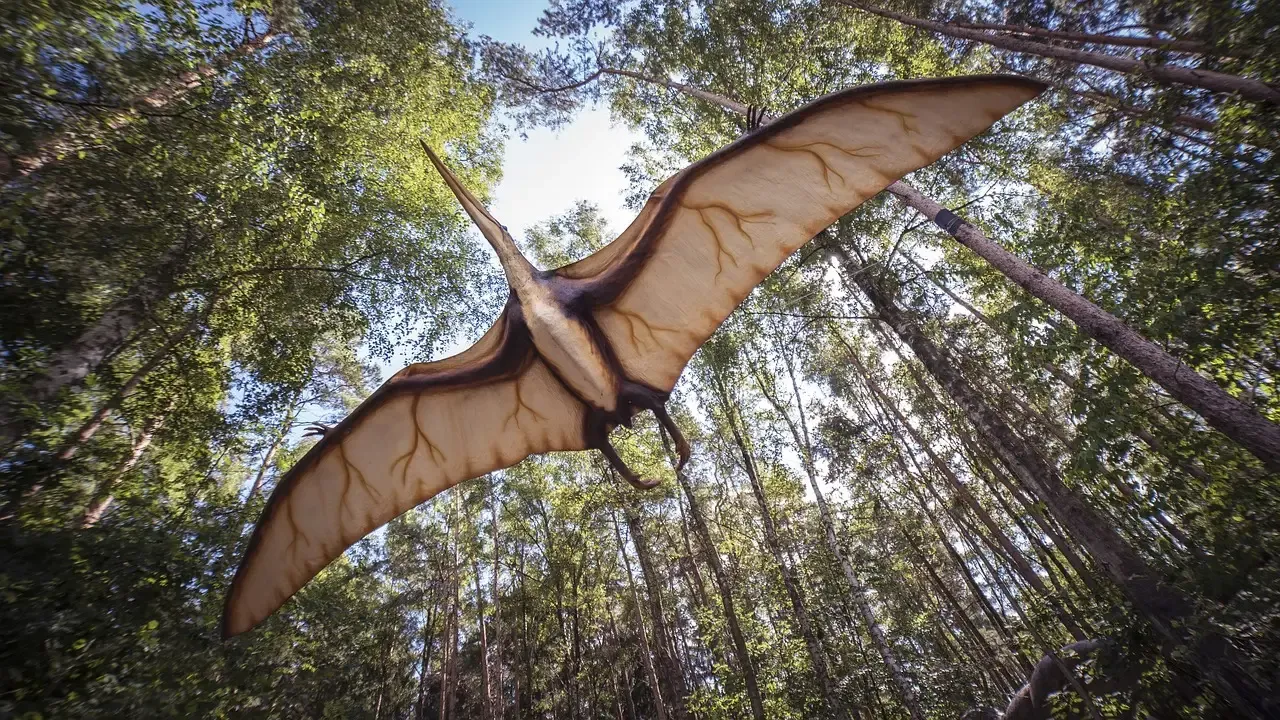
Ancient astrologers gave air signs like Gemini, Libra, and Aquarius to represent intellect, balance, and flowing ideas, but in a far older era the skies themselves were occupied by something far more literal: pterosaurs. These flying reptiles, some with wingspans rivaling small planes, glided and soared through prehistoric atmospheres, sharing the sky with early birds and insect swarms. With hollow bones, membranous wings, and often elaborate crests, they were the true rulers of open air long before humans imagined air as a metaphorical realm.
Picture a giant pterosaur silently gliding across a late Cretaceous evening, silhouetted against the pale band of the Milky Way. That image does more than look dramatic; it underlines how thin our cultural overlay on the sky really is. When we assign certain personalities to air signs, we are unknowingly layering abstractions over a physical history where the air was once dominated by animals whose lives depended on very real wind currents, thermal columns, and celestial cues. The heavens they moved through are the same ones we have since divided into symbolic slices.
Birds: Living Dinosaurs Still Under the Zodiac

The story gets even stranger when you remember that not all dinosaurs died out. Birds are now widely recognized as the living descendants of theropod dinosaurs, meaning that, biologically speaking, we still share the planet with small, feathered dinosaurs. Many of these modern dinosaurs are intimately attuned to the sky. Migratory birds use star patterns, along with Earth’s magnetic field, to navigate astonishingly long journeys; some experiments have shown that when birds can see the night sky, they orient themselves differently than when it is hidden.
So while ancient astrologers were busy reading personal meaning into constellations, actual surviving dinosaurs – the birds – were using those same stars as a literal roadmap. It is hard not to see the poetic overlap here. Under Leo, real lion prides rest; under Aquarius, actual water pours from clouds; and beneath every zodiac sign, tiny descendants of Tyrannosaurus and Velociraptor trace routes written in starlight, caring nothing for horoscopes yet relying on astronomy far more precisely than most humans ever will.
Cosmic Coincidences: Animals on Earth, Animals in the Sky
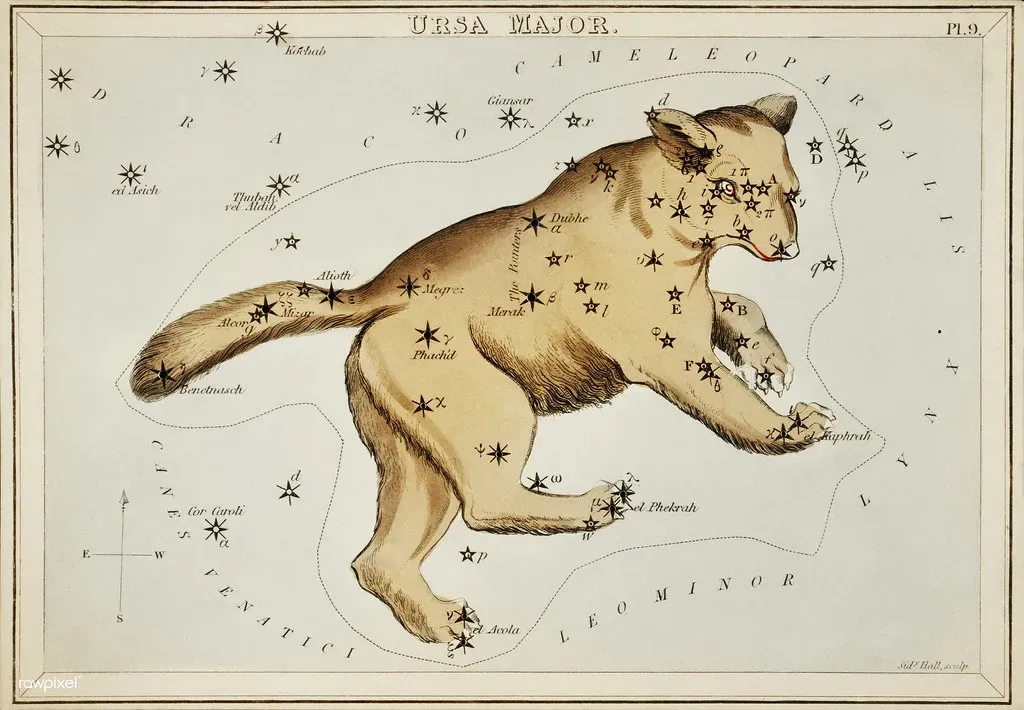
One of the most charming aspects of the zodiac is its menagerie: a crab, a lion, a ram, fishes, a scorpion, a bull. Humans looked around at the animals that shaped their daily lives and projected them upward, turning the sky into a celestial zoo. The coincidence is that the deep past was already filled with bizarre creatures that would have put any zodiac animal to shame – yet those were completely unknown to the people naming the stars. They drew what they knew, oblivious to the many extinct forms that had already walked, swum, or flown under those same constellations.
Imagine if Babylonian stargazers had access to modern fossils: would we have had constellations shaped like long-necked sauropods, horned ceratopsians, or crested pterosaurs instead of rams and crabs? Instead, the zodiac is a snapshot of one narrow slice of Earth’s biology at one moment in time, frozen as if that was all there ever was. In reality, the living cast beneath the sky has changed dramatically many times, like stage actors rotating through a play whose scenery – the stars – barely shifts in comparison.
Astrology vs. Astronomy: Stories and Skeletons
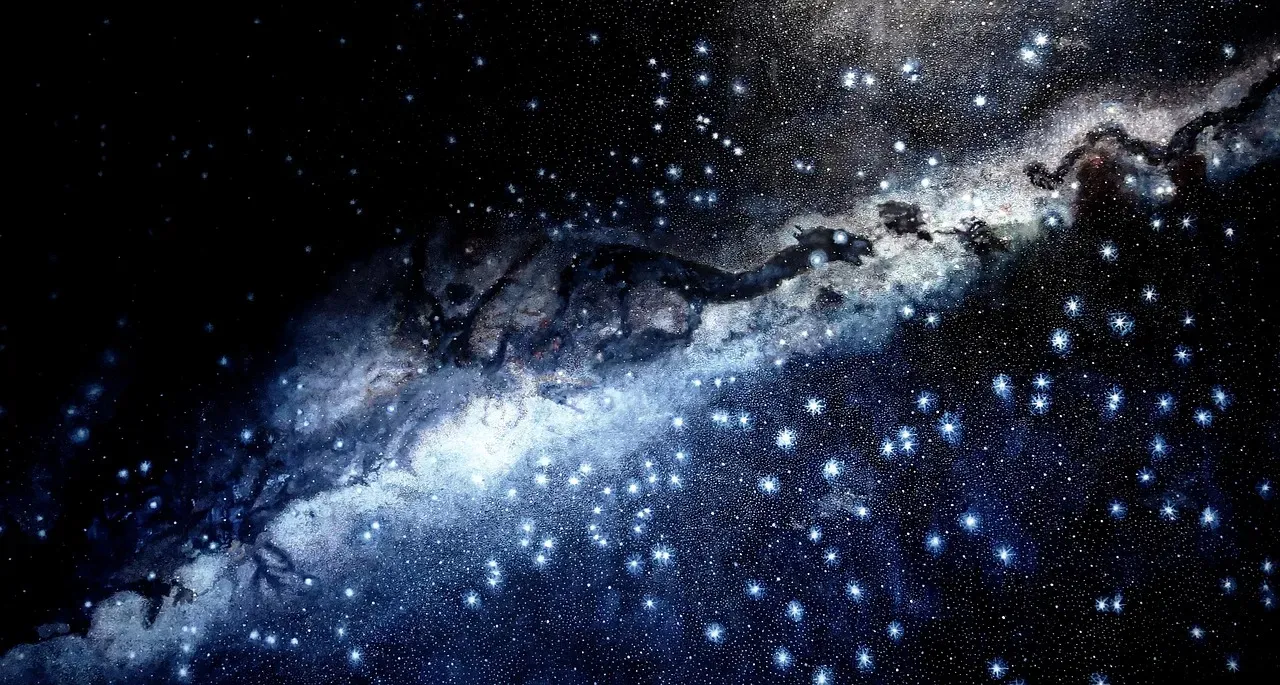
Astrology and astronomy grew up together, but they tell very different kinds of stories about the sky. Astrology treats the zodiac as a symbolic system tied to human personalities, relationships, and fates. It fixes the constellations into a kind of cosmic personality chart. Astronomy and paleontology, on the other hand, drag the conversation into deep time: they show that the Earth and heavens are parts of a dynamic, evolving system, where continents drift, species appear and vanish, and the sky itself slowly reshapes as stars move and die.
When you combine these views, the contrast is stark. The zodiac assumes a sky that exists primarily for human meaning, while the fossil record screams that Earth’s story is not about us alone and certainly did not begin with us. The same Sun that astrologers treat as a symbol of ego once shone down on towering sauropods and the asteroid that changed everything. Personally, I find it hard not to favor the version of the story that pays attention to bones in rock and radiation from stars rather than the one that assigns character types to imaginary sky animals.
Extinction and the Sky: When Worlds End but Stars Remain

The end-Cretaceous impact that wiped out non-avian dinosaurs is a reminder of how fragile life is compared with the relative stability of the night sky. In a geological instant, ecosystems collapsed, food chains snapped, and entire groups of animals vanished forever. Yet from the vantage point of space, very little changed; the Earth kept circling the Sun, and distant stars kept shining. Any hypothetical observer looking at Earth from far away would have seen a nearly identical blue planet before and after the catastrophe, unaware of the drama on its surface.
This mismatch between surface chaos and celestial calm makes our constellations feel almost like comforting illusions. We draw permanence and guidance from fixed star patterns, even though everything on the ground is relentlessly temporary. Dinosaurs ruled for a span of time that makes human history look like a blink, and still their dominance ended in a flash. To me, that makes the zodiac’s promises of steady personality traits and predictable fates feel quaint. The real lesson written across sky and stone is that change is the only constant and that no creature, no matter how mighty, holds onto the stage forever.
Prehistoric Navigation: How Ancient Creatures May Have Used the Heavens
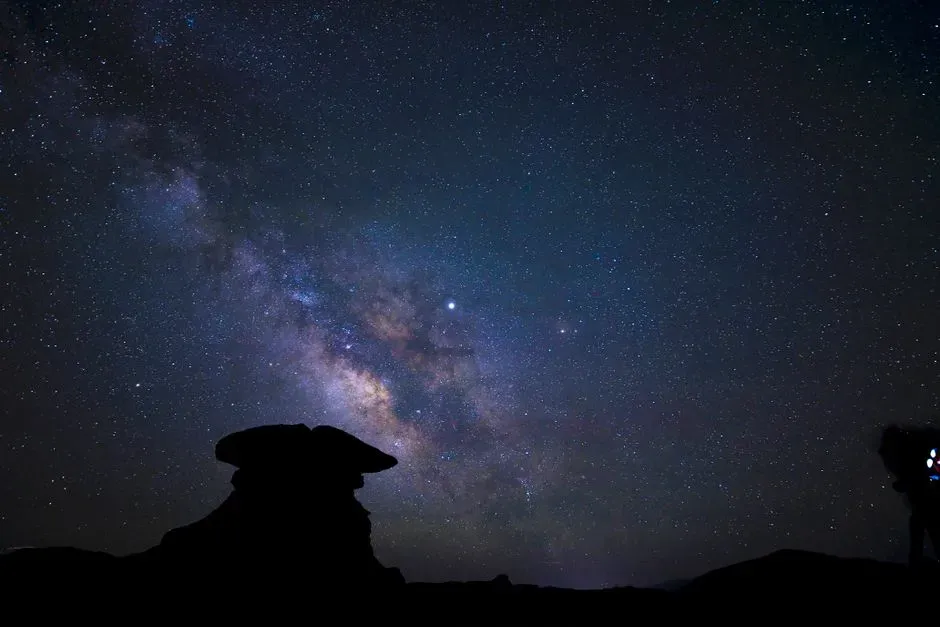
We know many modern animals use the sky to navigate: birds follow stars, seals and dung beetles orient by the Milky Way, and some insects track the position of the Sun. It is reasonable to suspect that at least some prehistoric creatures, including early birds and marine reptiles, also responded to celestial cues. They did not recognize constellations, of course, but patterns of light, dark, and seasonal change would have mattered for migration, hunting, and breeding, just as they do now. The sky was an environmental tool long before it became a mystical diagram.
Think of a gigantic marine reptile surfacing at night to breathe, with the ghostly smear of the Milky Way reflected on the waves. Or picture small, gliding dinosaurs timing their nightly activity to the rising of the Moon. Whether or not specific species relied heavily on starlight, the key point is that the heavens have always interacted with life in practical ways – cycles of light and darkness, tides, and seasons – not just in symbolic ones. Our zodiac compresses all that messy ecological reality into a tidy circle of twelve signs, which is neat but also wildly oversimplified.
The Humbling Perspective: We Are Latecomers Naming an Old Theater
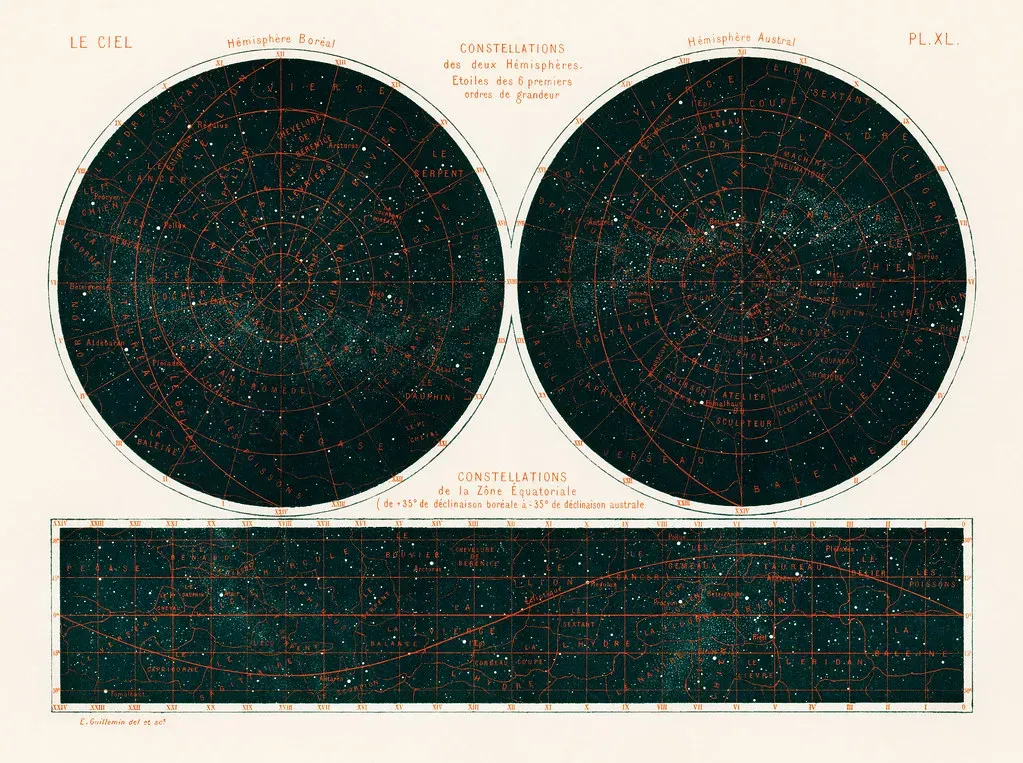
When you put all of this together, a humbling picture emerges. Humans arrived extremely late in Earth’s history, stepped into a cosmic theater that had been running for billions of years, and immediately started naming the seats and rewriting the program as if the play had just begun. The zodiac is a perfect example of this impulse: we took an ancient backdrop of stars, layered it with animals and myths from our narrow slice of time, and declared it a central map of meaning. It is charming, but also a little arrogant.
The truth is, those stars have presided over worlds we can barely imagine. They watched continents tear apart, seas rise and fall, forests of giant ferns spread and vanish, and entire dynasties of creatures rise to dominance and then disappear. Our constellations ignore almost all of that. Once you know about dinosaurs, pterosaurs, and the long, strange history of life, it is hard not to see the zodiac’s menagerie as a local doodle on an ancient wall. We are graffiti artists on a cathedral that was already there long before we could even stand.
Conclusion: The Zodiac Is Beautiful, but the Fossils Tell the Better Story
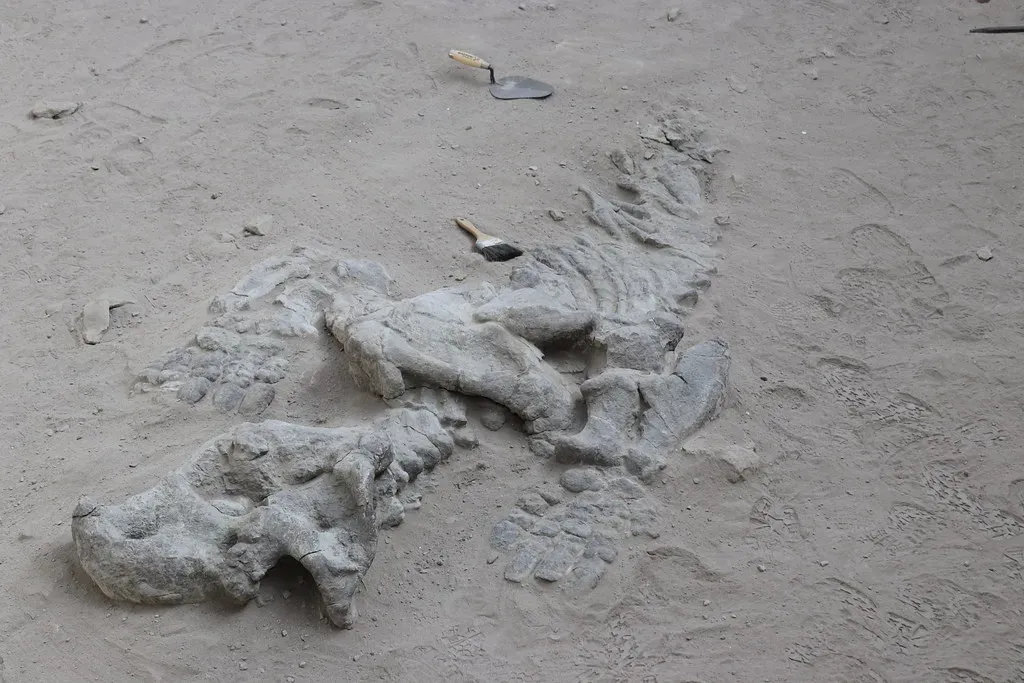
I love that humans took a chaotic sky and turned it into animals, heroes, and symbols; there is something deeply human about trying to find ourselves reflected in the stars. But if we stop there, we miss the most astonishing part of the story. Those same skies once shone on beings so strange and magnificent that our zodiac animals feel almost modest by comparison. To me, that makes astrology look like a pretty sketch in the margins of a truly epic book – charming, personal, but nowhere near the main plot.
In the end, the constellations remind us of our creativity, while the fossils remind us of our insignificance. I think the honest, thrilling perspective is to hold both: appreciate the zodiac as a cultural artifact, but recognize that the real drama is the four-and-a-half-billion-year saga of Earth turning under a mostly unbothered sky. The rams, lions, and scorpions we trace in the stars are ours; the dinosaurs and other vanished creatures that once moved through their light are not, yet they are the ones that truly expand our sense of place. When you look up tonight, will you just see your sign – or will you also picture the ghosts of ancient wings gliding through that same, ancient darkness?