
Walk into a Paleolithic cave, and it almost feels like you’ve interrupted a surgery in progress. Massive bison flanks bulge with muscle, horses twist mid-stride, and wounded deer show arrows and spears placed exactly where vital organs sit. These are not casual doodles. They look more like anatomical diagrams, made by people who clearly knew where a blow could kill, and – just as crucially – where a wound might be survived and treated.
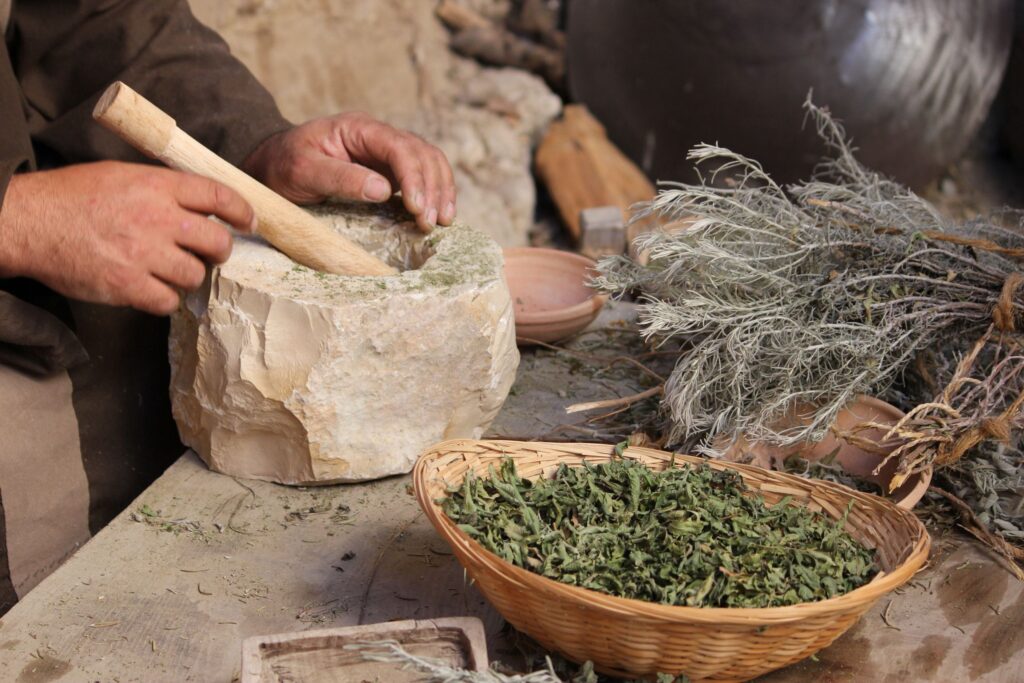
Now add another layer: right outside or near some of those painted caves, archaeologists keep finding traces of medicinal plants. Not just any plants, but species with anti-inflammatory, antiseptic, pain-relieving, or antiparasitic properties. Put those clues together and a compelling picture emerges: the same people who captured animals with uncanny anatomical precision on rock walls were very likely tending to their injuries and illnesses in real life, using botanical knowledge as sophisticated, in its own way, as a modern field medic’s kit.
Why Anatomical Accuracy in Cave Art Is Such a Big Deal
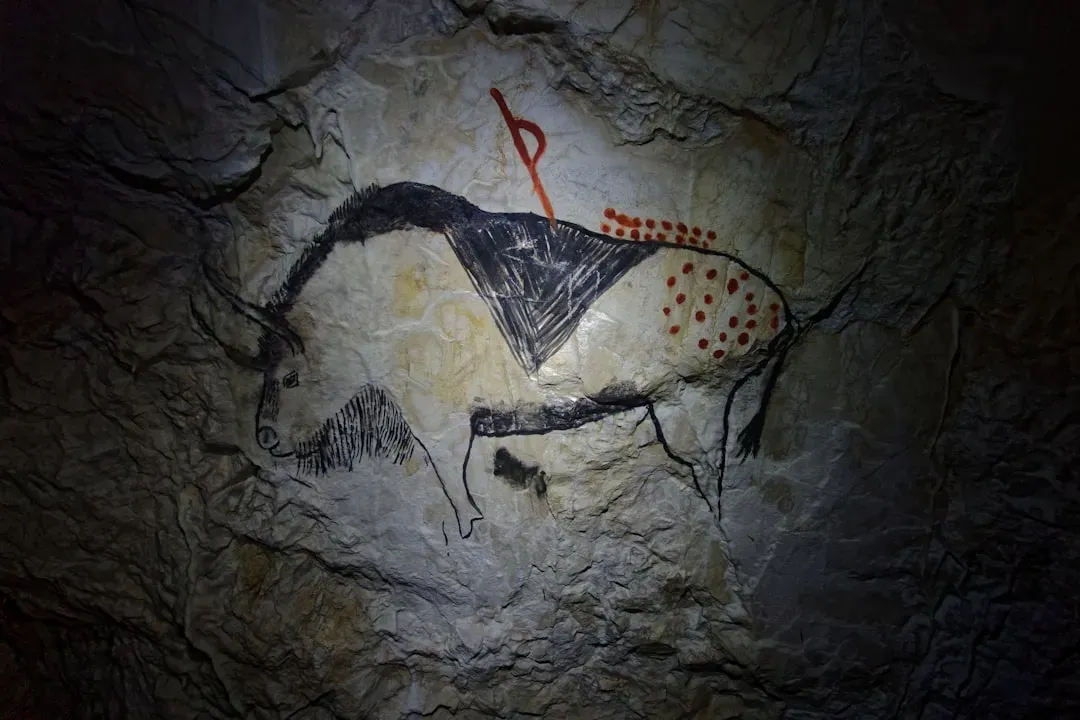
When you look closely at Upper Paleolithic cave art in Europe and beyond, one thing jumps out: the animals are often more detailed than anything else. You might see a bison’s hump modeled correctly, the curve of a horse’s ribcage, a deer’s joints, even subtle muscle groups along a lion’s shoulders. This isn’t just artistic flair; it signals practiced observation. People who butcher, skin, track, or care for animals learn very quickly what lies under the hide, and those details tend to stick.
Anthropologists pay attention to that kind of precision because it tells us where a culture focused its mental energy. To get the shoulders of a horse right on a rock wall, you need to have seen that body in motion, in dissection, and probably up close in various states of injury. That sort of precision looks less like a hobbyist sketching for fun and more like a specialist documenting what they know. It points to something like an informal anatomical education, shared and retained across generations.
From Hunters to Healers: What Care for Animals Likely Looked Like
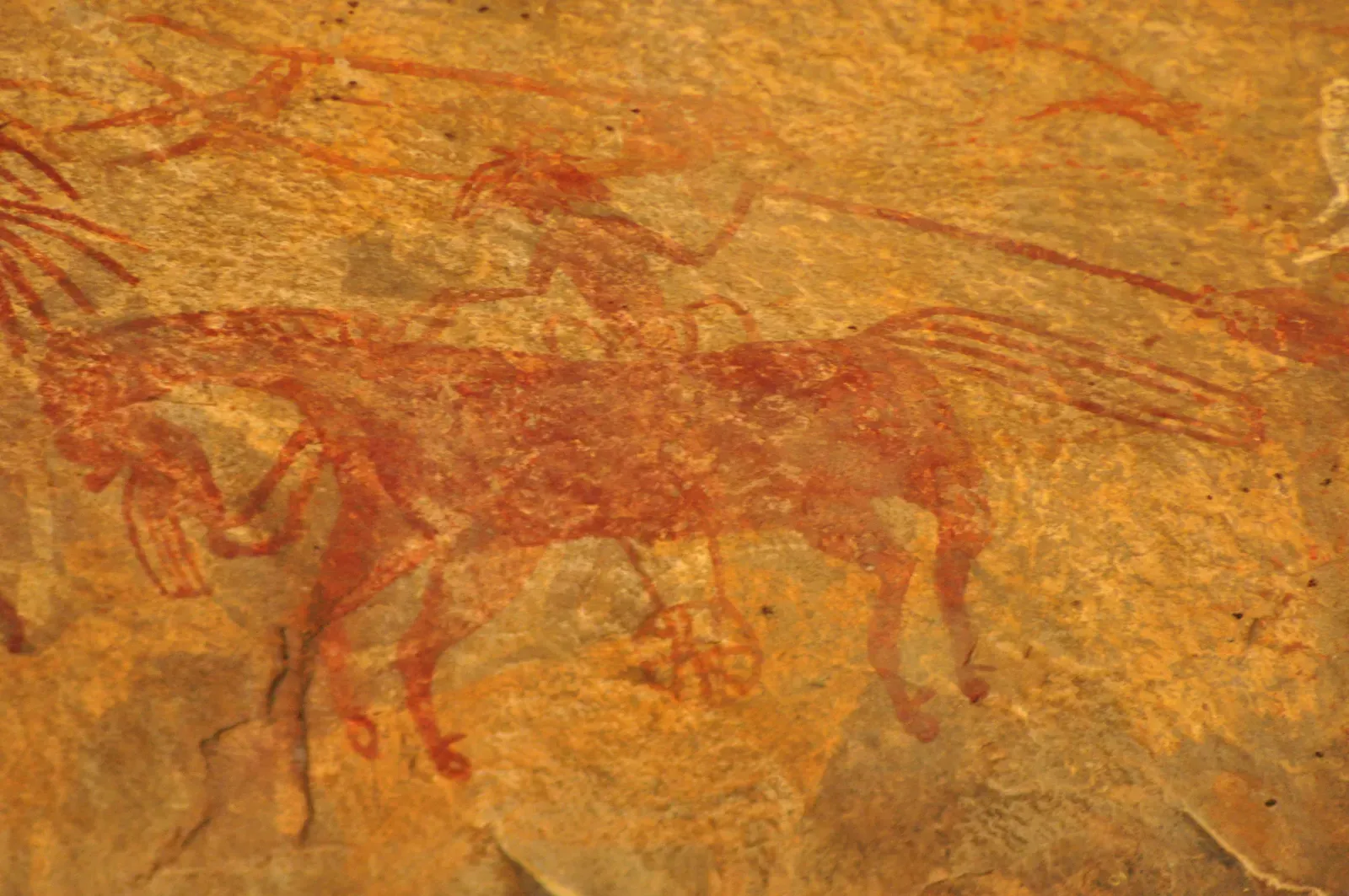
It would be easy to assume that Ice Age hunters only cared about killing animals efficiently, but the evidence already pushes us beyond that view. Many hunter-gatherer societies today care deeply about the animals they depend on, not just as meat on legs, but as beings they have a relationship with. There are taboos about waste, rituals of apology, and beliefs about animals “offering” themselves. That mindset creates space for concern about suffering and recovery, not only slaughter.
If you live shoulder to shoulder with herds, dogs, or semi-tame animals, you inevitably see what happens after a non-fatal injury: broken bones that knit, puncture wounds that fester or heal, infections that spread or resolve. Over time, a group that knows exactly where a spear must land to bring down a bison is also going to notice what kind of wound an animal can live with, and what might help it. That is the soil in which early veterinary medicine grows, long before there is a word for it.
Botanical Evidence at Cave Sites: Plants That Do More Than Feed
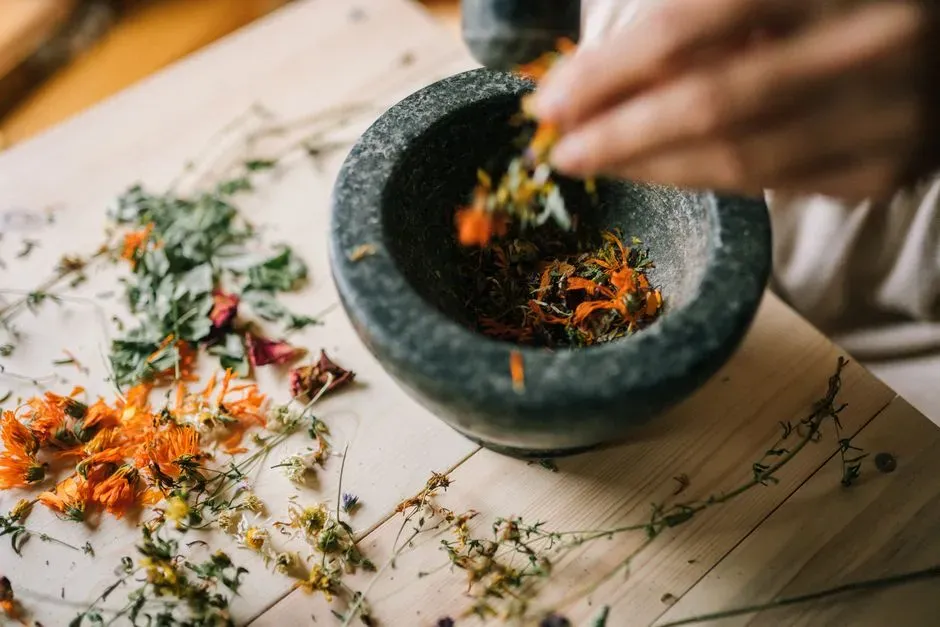
The story gets even more intriguing when we look at what turns up in the sediments and hearths around painted caves. Archaeobotanists sifting through microscopic plant remains have found traces of species that are not great as food, but are famous in traditional medicine for other reasons: bitter plants that reduce fever, resins that disinfect wounds, herbs known to calm gut parasites or soothe pain. These are plants you gather with intent, not ones you stumble over accidentally.
When the same sites with careful animal anatomy on the walls also show repeated traces of medicinal plants in living areas, hearths, or midden dumps, it is hard to shrug that off as coincidence. It looks much more like a pattern: these people not only understood the insides of animals, they also curated a pharmacy of the surrounding landscape. The cave, in that sense, becomes a combined memory palace and clinic – where knowledge of bodies and knowledge of plants exist side by side.
Reading Cave Paintings as Early Anatomical and Healing Diagrams
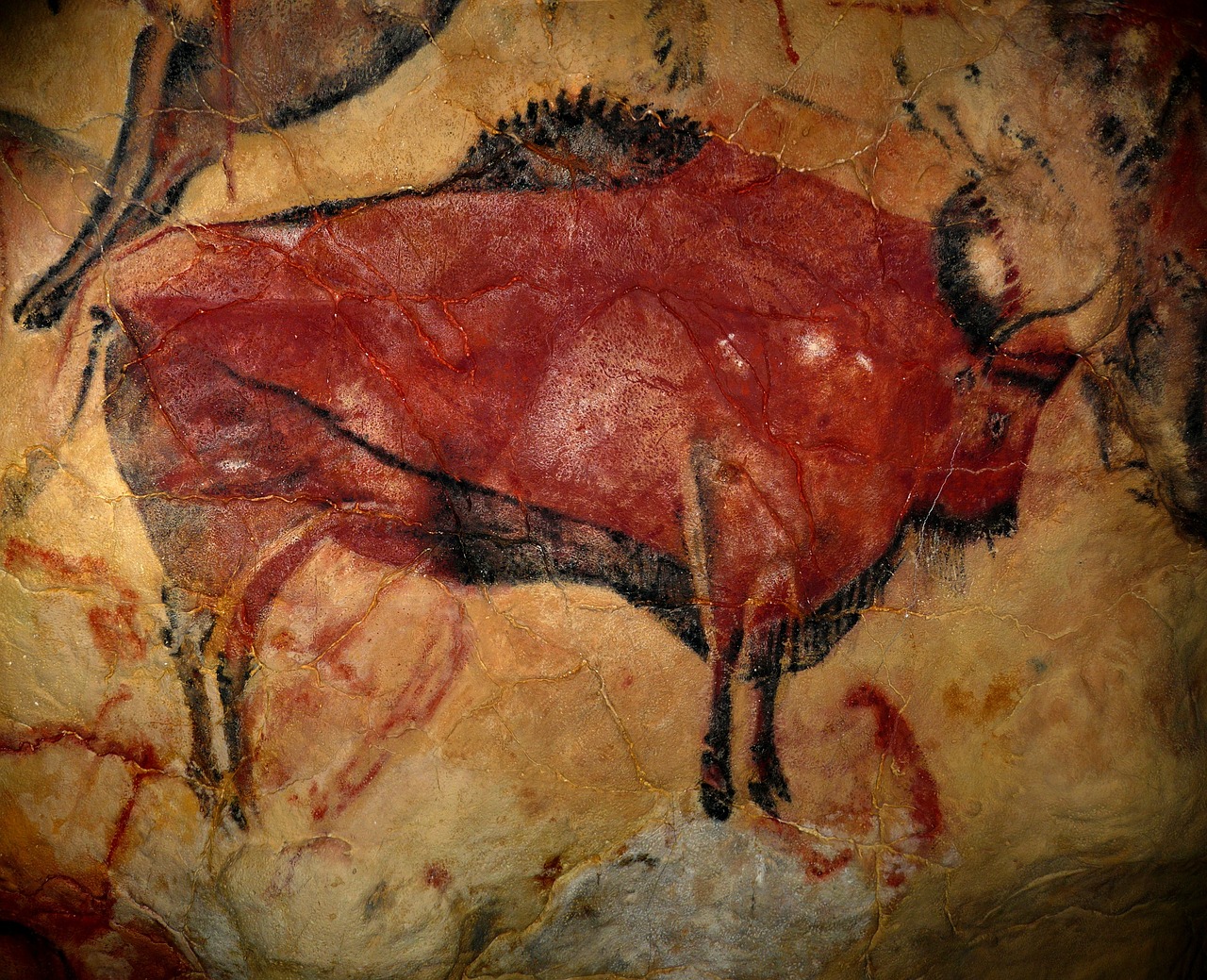
One of the most striking details in some cave scenes is where projectiles are placed on the painted animals. Arrows and spears sometimes appear at joints, lungs, liver area, or near major blood vessels – the same targets a modern hunter or veterinarian would recognize as critical. That can be interpreted purely as hunting strategy, but it also doubles as a map of vulnerability and survival: if a wound lands here, death is quick; if it lands there, the animal might recover if supported.
For a community that knows plants with specific effects, cave walls might have functioned as teaching tools. Imagine an elder gesturing to a painted bison with a spear in its flank, explaining not just where to aim, but also what happens when that wound does not kill outright, and which plants to use to keep infection at bay. The animal becomes both patient and textbook. This is speculation, yes, but it is guided by what we see in many present-day Indigenous traditions, where art, ritual, hunting, and healing are tightly woven together rather than kept in separate boxes like we tend to do now.
Lessons from Living Indigenous Knowledge: Art, Animals, and Medicine Intertwined
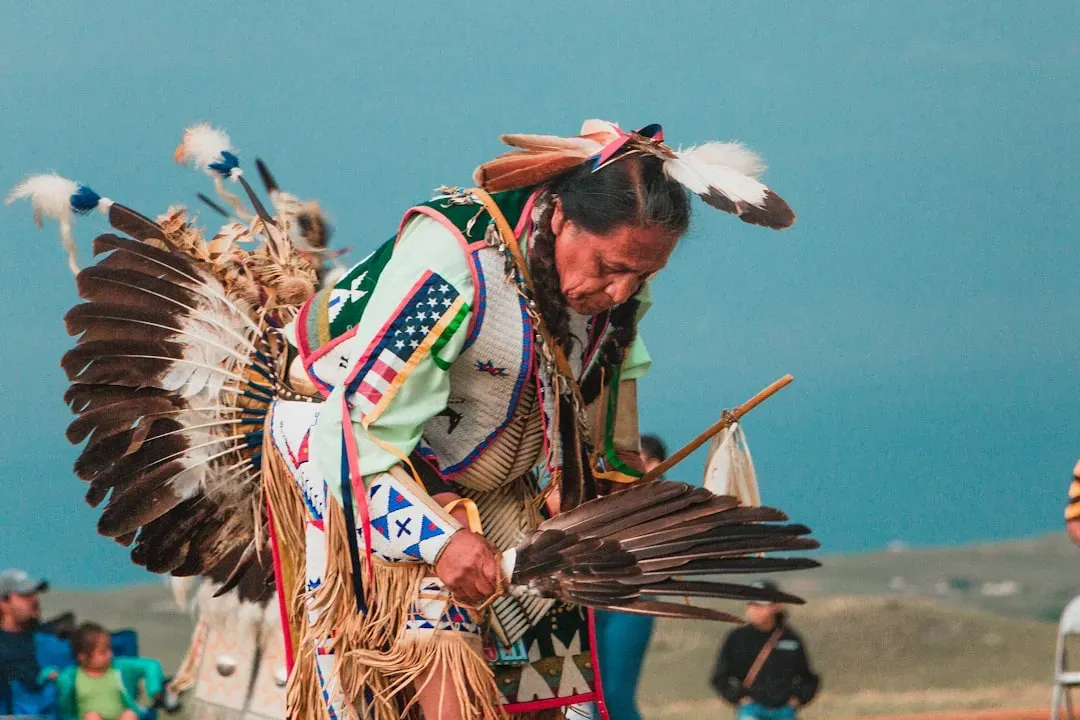
Anthropologists do not have a time machine, so they lean heavily on comparisons with living cultures that still practice hunting, herbal medicine, and sacred art together. In many Indigenous communities, animal images painted on bark, rock, or skin are not just decoration; they tell stories about migrations, mating, birthing, and disease. Healers may rely on plant-based remedies learned from elders and linked to narratives about specific animal spirits or body parts.
In that light, it would actually be surprising if Paleolithic artists who knew animal anatomy so well did not also accumulate and transmit knowledge about how to treat those animals, or at least how to treat the humans who shared their diseases, parasites, and injuries. The idea that someone can both draw an animal in motion and also know which root eases its pain is not romantic fantasy – it is the logical outcome of living in intimate, daily contact with a landscape and its creatures, season after season.
Why This Changes How We See “Primitive” Medicine
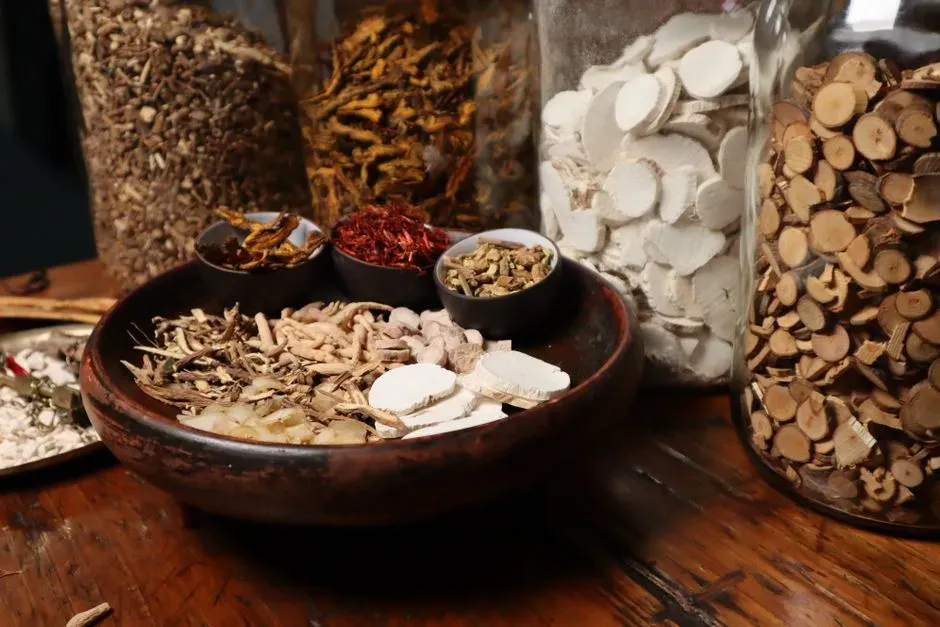
The biggest shift here is not just about caves and plants; it is about respect. For a long time, popular imagination portrayed early humans as barely scraping by, guided more by luck than knowledge. But the emerging picture from anthropology is very different: people who understood the bodies of animals well enough to depict their musculature accurately, and who gathered specific medicinal plants at the same sites, were not dabbling. They were building a body of practical, testable expertise, even if they explained it through myth rather than chemistry.
I think we underestimate how advanced that kind of hands-on knowledge really is. If you can watch a wounded reindeer, remember what plants it browsed before it recovered, and then apply that same plant mix to another struggling animal a year later, you are running a real-world experiment – no lab coat required. Seeing cave art and plant remains together challenges the old story that “real” medicine started with written texts. Instead, it suggests that long before ink met parchment, medicine was already alive on stone walls, in shared memory, and in the careful hands of people who knew exactly what they were drawing.
Conclusion: Ancient Animal Doctors and the Roots of Our Own Medicine
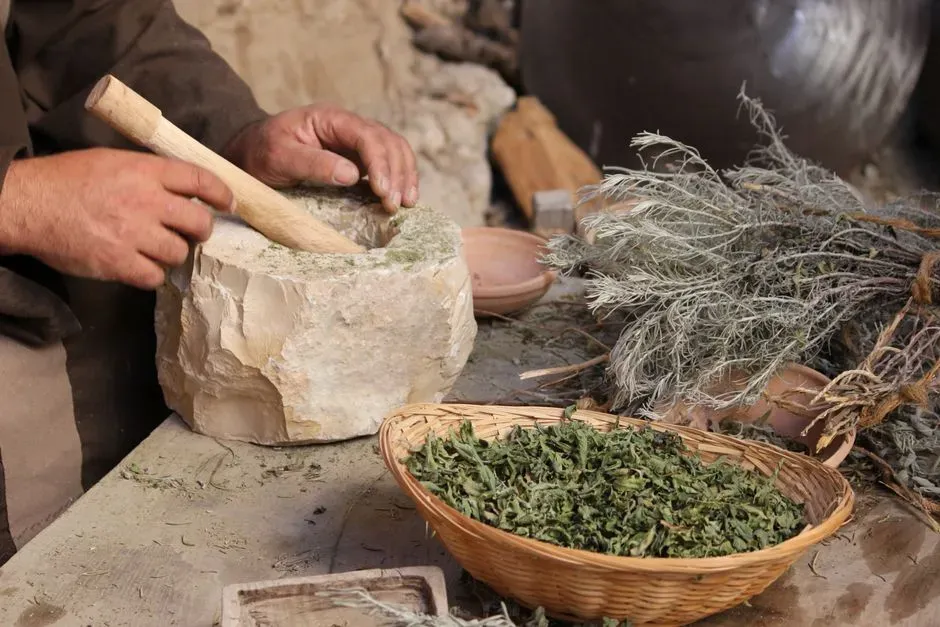
Putting all of this together, I think the most honest reading is this: people who painted animals with such sensitive, anatomical detail were very likely not just hunters and artists, but also, in a real sense, early animal doctors. The plants found at those sites do not prove a full-blown veterinary system in the modern sense, but they strongly hint at communities that noticed which species healed, which herbs helped, and how to apply that wisdom to both animal and human bodies. That is not a stretch – it is the most straightforward explanation that fits the evidence without romanticizing it.
For me, that realization makes those ancient caves feel less like dusty museums and more like the ghost of a field clinic, still echoing with whispered instructions about tendon injuries, infections, and stubborn fevers. It also nudges us to be a bit humbler about our own medical science; we have better tools, but the core attitude – observe carefully, test plants, remember what works – is far older than we admit. When you imagine those flickering torchlit walls, does it really seem so far-fetched that the hands that painted them were also mixing poultices and tending wounds?