
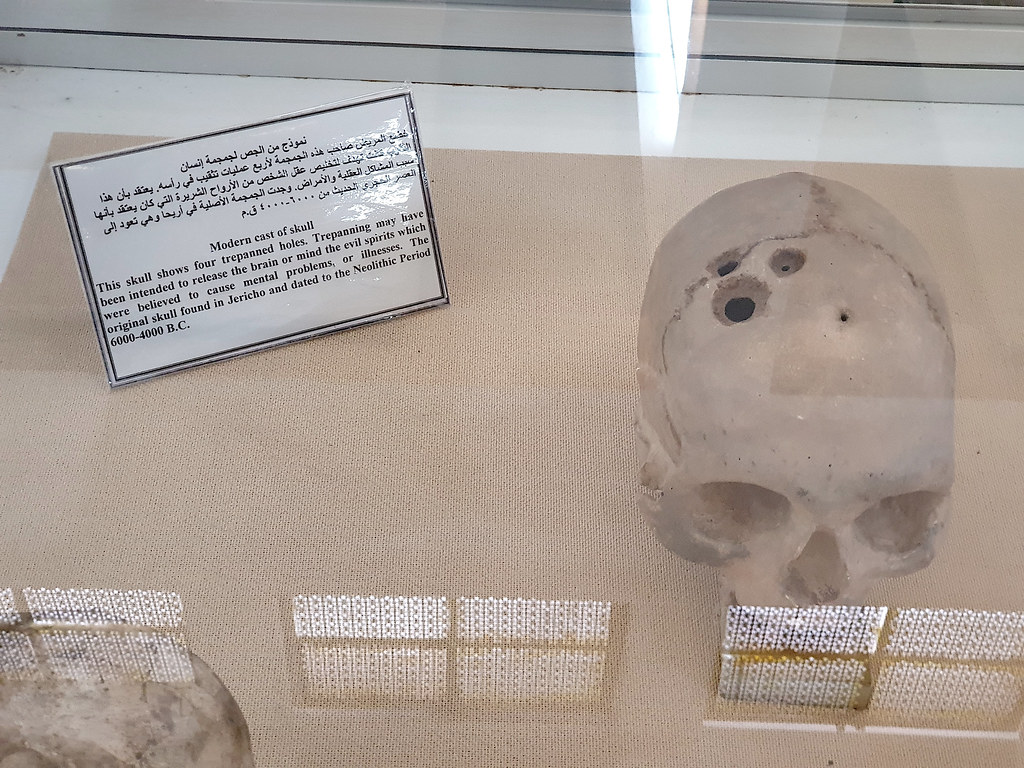
Imagine a surgeon working by firelight, using sharpened stone instead of steel, no antibiotics, no anesthesia, no MRI, not even a written language. Now imagine that surgeon actually saving a life. That sounds like pure fiction, yet human skulls from thousands of years ago quietly tell us it really happened. Some of the oldest bones ever studied show clear signs that people underwent invasive skull surgery and then lived long enough for their bone to heal.
This is where ancient anthropology gets unexpectedly emotional. We are not just staring at dry specimens in a museum; we are looking at the scars of people who were cared for, treated, and somehow pulled through trauma at a time when most of us assume life was brutal and short. The idea that someone in a Neolithic village might have watched a loved one wake up, survive, and slowly recover from a hole cut in their skull is as humbling as it is mind‑blowing.
What It Actually Means When Bone Heals Over a Skull Wound
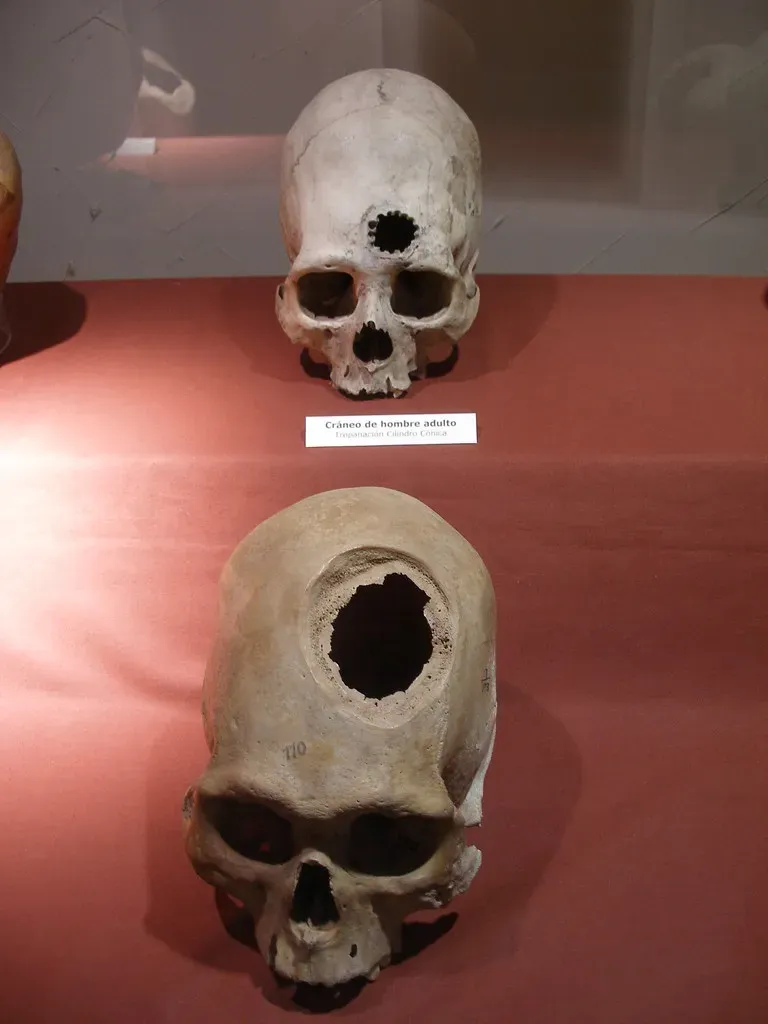
When anthropologists say that bone healed over a surgical opening, they are making a very specific claim: the person did not die on the table. Bone only remodels and fills in over time if the body is still alive and its cells are actively repairing damage. In other words, a perfectly round or oval hole with smooth, remodeled edges is the skeletal equivalent of a medical discharge note that says: this patient survived, at least for a while.
Researchers use microscopes and detailed visual inspection to see whether a skull opening has signs of healing. Fresh trauma that happened at or around death tends to leave sharp, irregular edges and broken bone that never got the chance to knit back together. In contrast, a healed surgical opening has softened margins, sometimes new bone growth creeping in from the edges, and a more organized look. The longer someone lived after the procedure, the more rounded, smoothed and remodeled the edges become, hinting at months or even years of survival.
Trepanation: The Stone Age “Brain Surgery” That Actually Worked
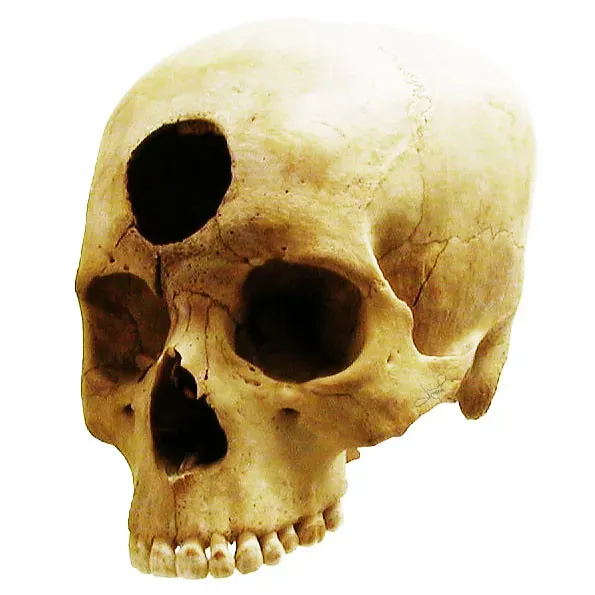
The most famous and widespread ancient skull surgery is called trepanation: literally removing a piece of the skull, often a circular or rectangular window in the bone. This was not a one‑off experiment by a single eccentric healer. Archaeologists have found trepanned skulls across Europe, the Middle East, Africa, Asia, and the Americas, spanning thousands of years. In some cemeteries, many individuals show these openings, and a surprising share of them show unmistakable healing.
Techniques varied. Some skulls reveal carefully scraped bone, where a practitioner patiently wore down the outer layers until a hole appeared, while others show drilled dots that were then connected, or cut lines forming a square. Even with stone tools, these methods could be controlled enough to avoid punching through too fast and damaging the brain beneath. The shocking part is not just that people tried this, but that so many of them survived, suggesting that communities developed practical know‑how and shared it over generations.
Why Ancient People Risked Cutting Holes in Skulls
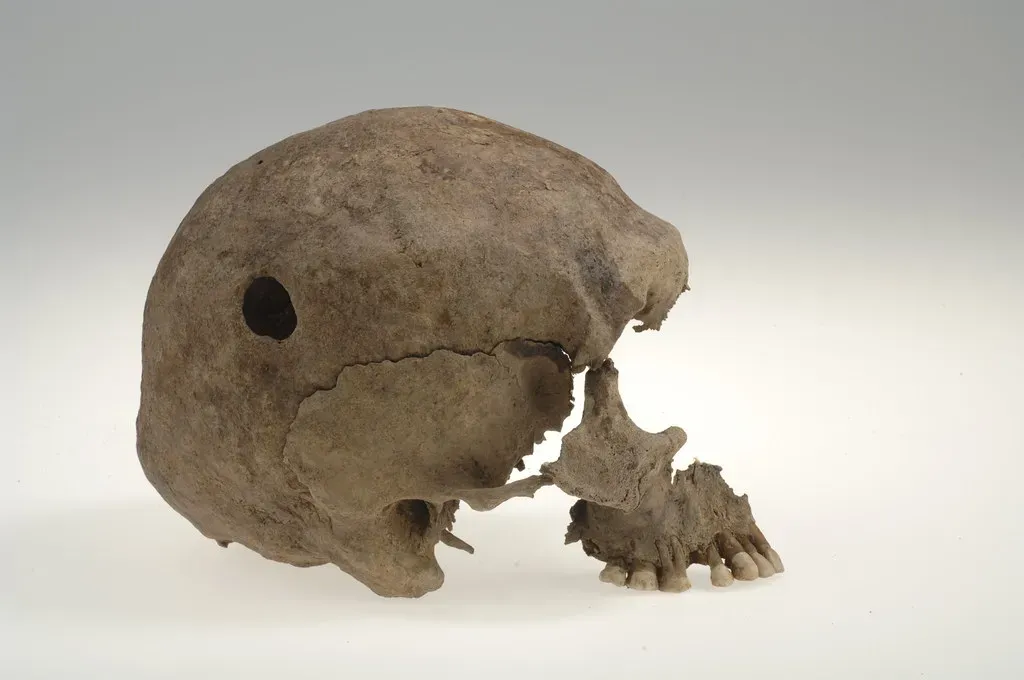
We cannot interview a Neolithic healer, but we can guess why they took such a terrifying step. Many trepanations line up with signs of head trauma: fractures, cracks, or depressed areas in the skull. That suggests a very practical motive: relieve pressure after a blow, treat headaches or seizures, or deal with lingering pain after an injury. In the absence of scans or medication, opening the skull might have been the only visible way to “fix” something clearly wrong in the head.
At the same time, it would be naive to pretend this was only a cold medical decision. For ancient communities, illness and injury often blended with spiritual and social ideas. People might have believed that evil forces, trapped air, or bad spirits needed a way out. Cutting an opening could have been seen as both a physical and spiritual intervention. The impressive survival rates in some collections hint that, whatever reasons they gave it, they gradually discovered that particular techniques worked better than others and stuck with them.
Proof of Care: What Healed Skulls Reveal About Ancient Communities
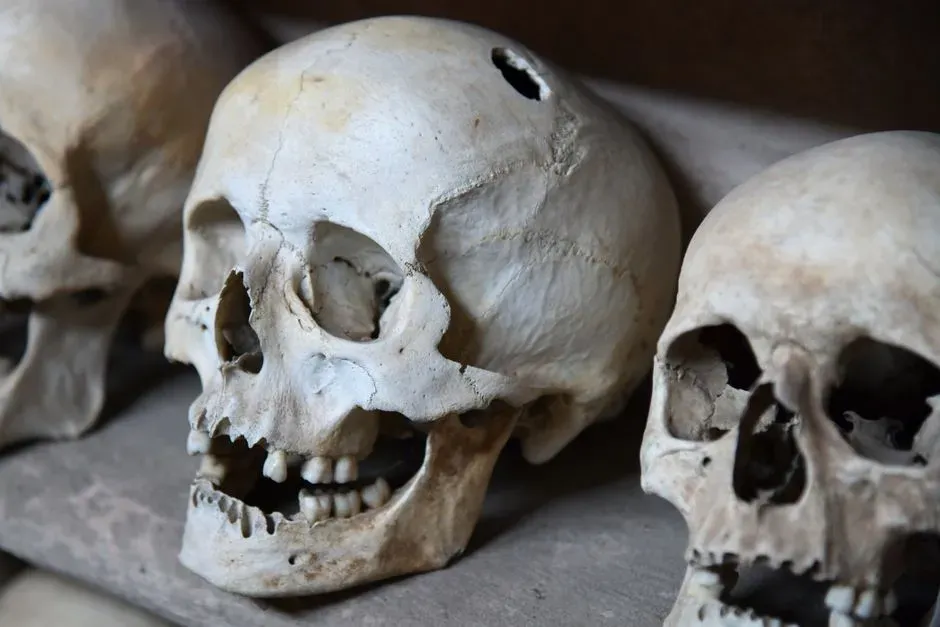
We tend to imagine prehistoric life as every person for themselves, but healed surgical skulls tell a different story. A person who had a large hole cut in their head was not going back to hunting or farming the next day. Recovery would have taken time. Someone had to keep the wound clean, protect the patient from infection as best they could, feed them, and let them rest. The very existence of healed openings means that communities were willing to invest time, resources, and emotional energy in nursing people back to health.
It is easy to obsess over the skill of the person doing the surgery and forget everyone hovering in the background. The patient’s survival hints at a whole support system: the family member who stayed up all night, the neighbor who offered a bit of food, the wider group that did not simply leave a sick or injured person behind. In that sense, these skulls are evidence not just of early medical technique, but of empathy. They show that compassion is not a modern invention; it is one of the oldest human technologies we have.
Ancient Techniques, Modern Parallels
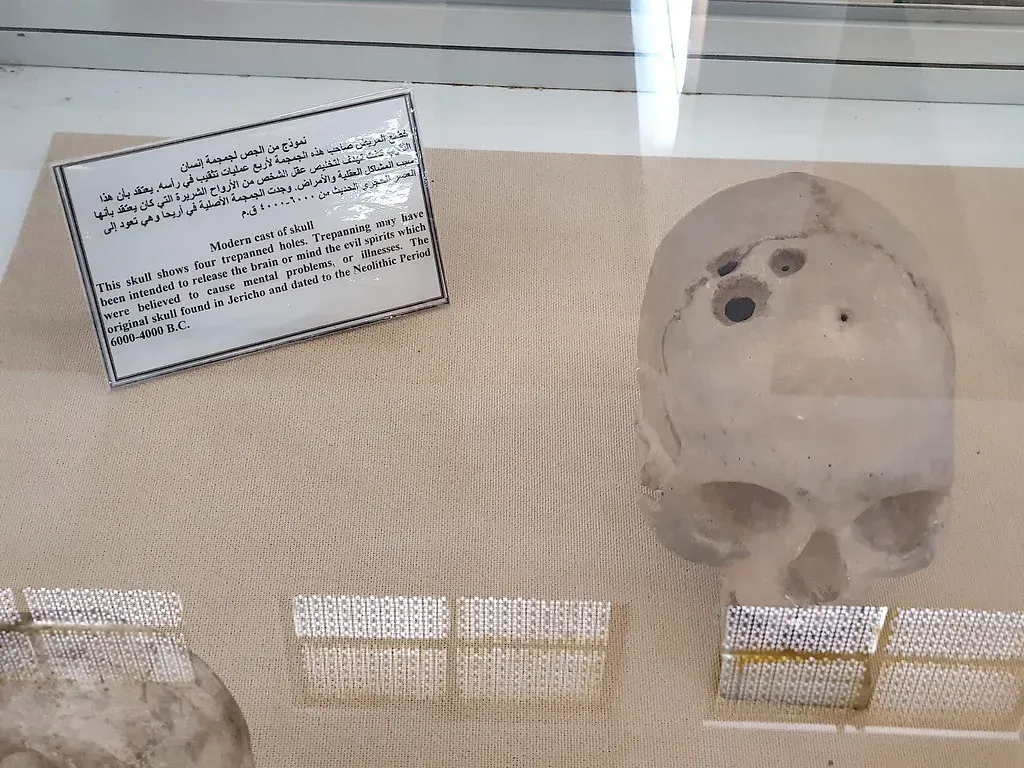
When you look at photos of an ancient trepanation next to images of a modern craniotomy, the visual resemblance is unsettling. Both involve opening a window in the skull to relieve pressure or access damaged tissue. Of course, the differences are enormous: today we have sterile operating rooms, anesthesia, pain relief, imaging, and a deep understanding of brain anatomy. Still, the basic logic – get to the problem inside the head by going through the bone – is the same, and that continuity makes the past feel much closer.
What really changes over time are the tools, the safety margins, and the survival rates, not the basic human impulse to try something rather than do nothing. I find it oddly comforting that some of the bold, almost desperate problem‑solving we celebrate in modern medicine already existed thousands of years ago in simpler form. Those early healers were not ignorant brutes hacking away in the dark; they were careful experimenters working with what they had, building a rough medical tradition long before textbooks and degrees.
Why These 7,000‑Year‑Old Surgeries Change How We See Human History
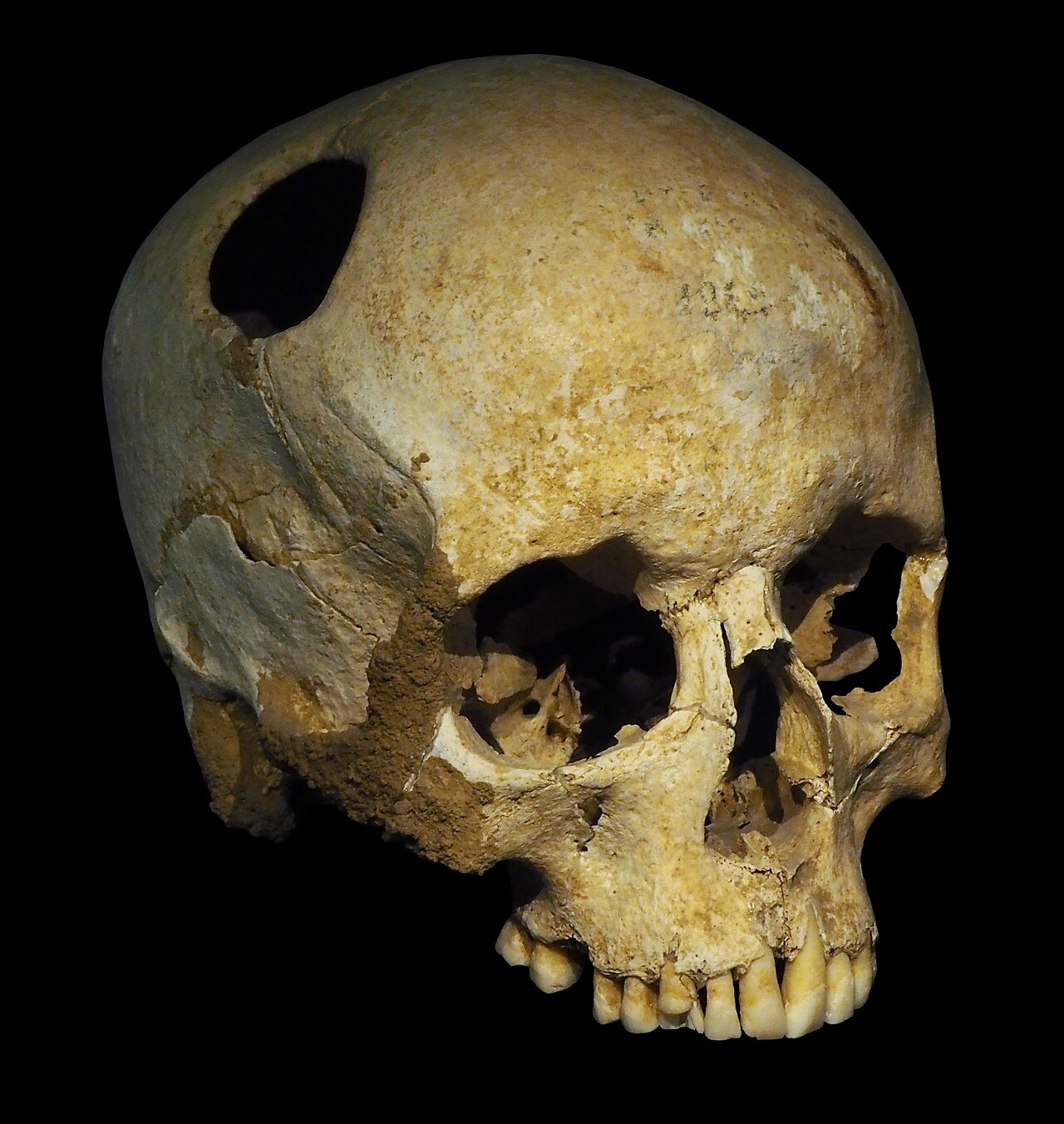
These healed skulls force us to rewrite the story many of us silently carry about early humans: the idea that life back then was only nasty, short, and hopelessly primitive. Yes, it was hard, but people still learned, improved, and took life‑and‑death risks to save each other. The evidence of bone healing over a deliberate opening is like a quiet margin note in history saying: they tried, they cared, and sometimes, they succeeded.
In my view, that is the most radical message hiding in the archaeology. When you strip away the tools and technology, what remains is a familiar pattern: curiosity, courage, and a stubborn refusal to give up on someone in trouble. These 7,000‑year‑old surgeries are not just a quirky fact for trivia night; they are a reminder that the roots of science, medicine, and genuine compassion run far deeper than we usually admit. The next time we brag about modern progress, it is worth asking: would we be where we are if those early surgeons and their patients had not been brave enough to go first?