
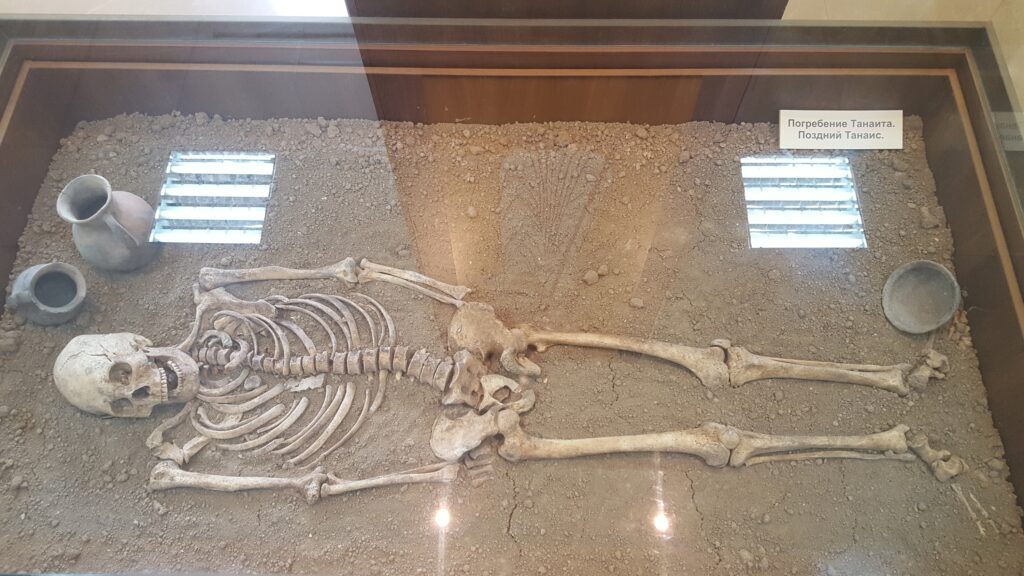
Archaeologists never expected Neanderthals to behave like us in matters of life and death. Yet again and again, their bones keep turning up in places that look suspiciously like planned graves, surrounded by traces of care, ritual, and maybe even grief. It is as if a supposedly “primitive” cousin quietly broke the rules of prehistory and started thinking symbolically long before our own species took center stage.
This clash between expectation and evidence is what makes Neanderthal burials so electrifying. If these ancient humans buried their dead deliberately, sometimes with objects and patterns, then they were not the dull, brutal caricatures once drawn in old textbooks. They were something far more unsettling: minds that, despite everything we thought we knew, wrestled with mortality, meaning, and memory.
Why Neanderthal Burials Shocked Scientists In The First Place
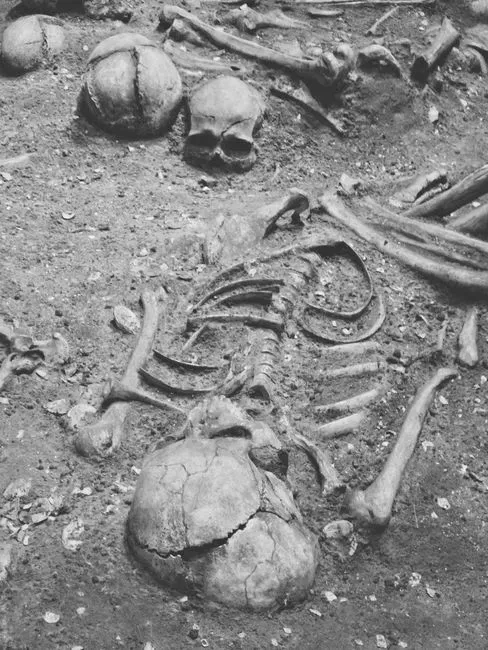
For a long time, the story of human uniqueness rested on a simple assumption: only Homo sapiens performed true ritual burials. Early discoveries of Neanderthal skeletons were often written off as accidents of geology, carnivore dens, or natural processes, because the idea of these “archaic” humans treating their dead with ceremony felt almost offensive to the old scientific imagination. It was convenient to believe that complex symbolic thinking appeared suddenly and exclusively with our own species.
As more carefully excavated Neanderthal sites appeared, that neat story started to unravel. Layer by layer, archaeologists found skeletons that looked intentionally placed, lying in pits with relatively undisturbed bones, sometimes positioned in ways that suggested more than just random decomposition. The real shock was not just the burials themselves, but what they implied: if Neanderthals were engaging in ritualized treatment of the dead, then the roots of symbolic thought might run much deeper than the old timelines allowed.
Evidence From The Ground: Pits, Positions, And Puzzling Patterns
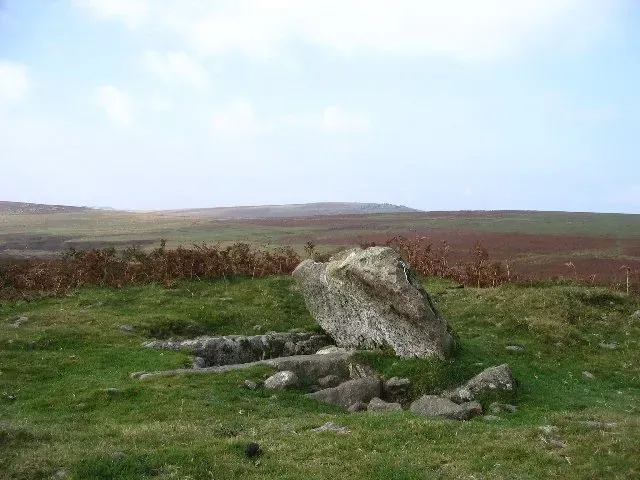
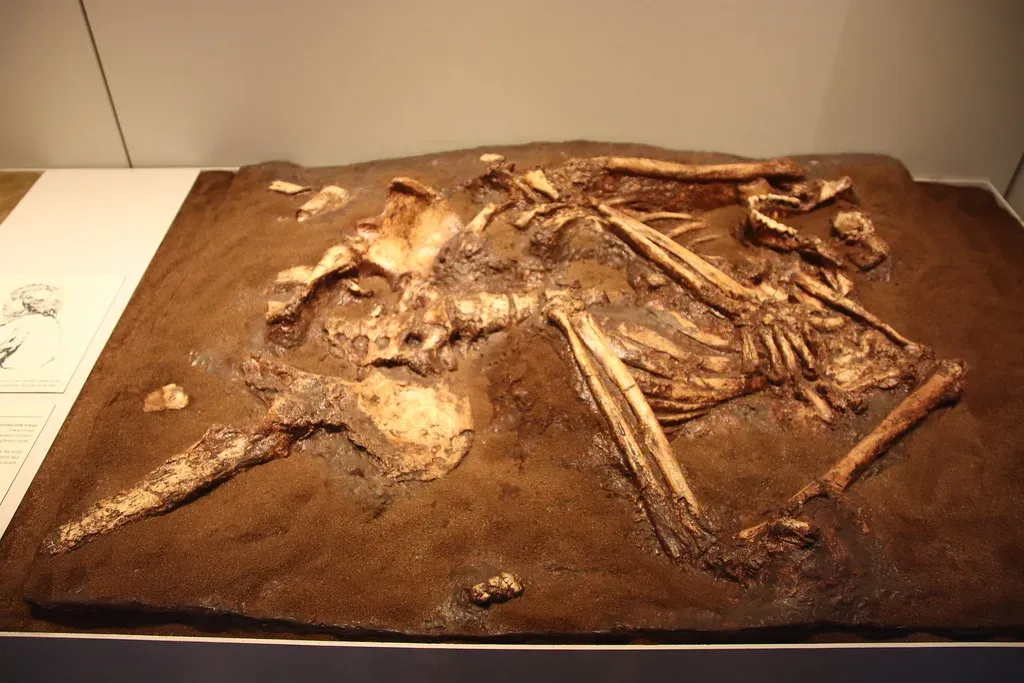
When you strip away the headlines and hype, the core of the argument comes down to dirt, bones, and context. At several Neanderthal sites, archaeologists have found individuals lying in what appear to be intentionally dug pits, with bodies placed in fairly consistent positions and protected from the kind of disturbance you’d expect from scavengers or natural erosion. This kind of pattern is not proof on its own, but it strongly hints at deliberate burial behavior rather than sheer chance.
What makes these finds so compelling is the repetition of similar features across different locations and time periods. You see bodies placed on their sides, limbs arranged in non-random ways, and surrounding sediments that look like they were backfilled after the body was laid down. In a way, it is like walking into an abandoned house and realizing the furniture is not scattered from a storm, but set up as if someone once lived there intentionally. The ground itself starts to feel like a quiet argument that Neanderthals were doing something more than just leaving corpses where they fell.
Grave Goods, Animal Bones, And The Question Of Symbolism
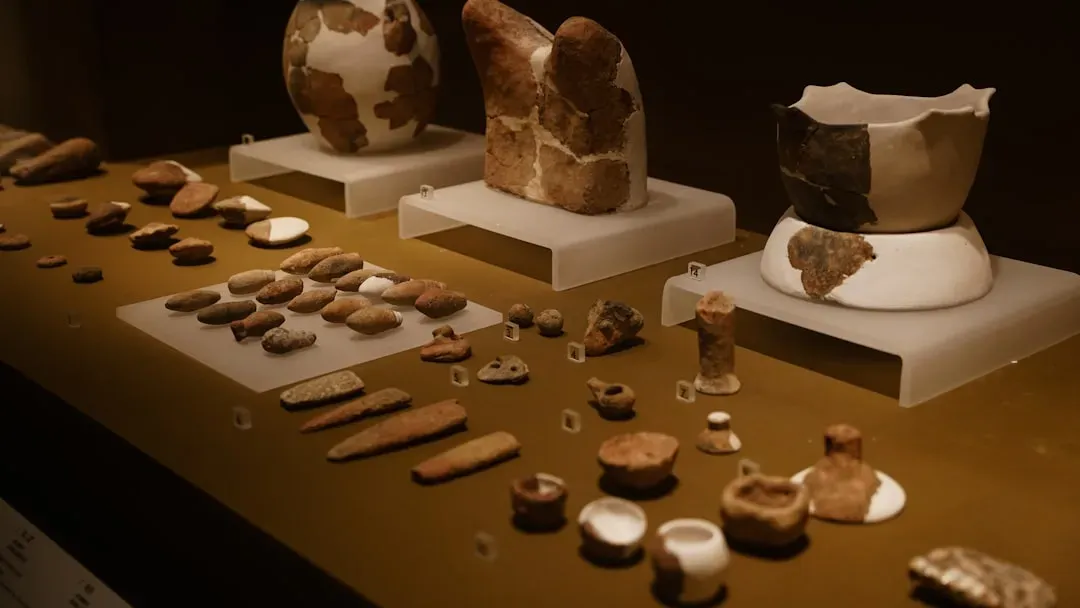
The really thorny issue is whether these burials show symbolic thought, not just practical disposal. In some Neanderthal graves, researchers have reported animal bones, tools, or other objects lying close to the skeletons in suggestive ways. If these items were deliberately placed as offerings or markers, that would push the evidence firmly toward ritual behavior and heavy-duty mental symbolism, the kind we usually associate with religious or spiritual ideas.
But this is where the debate gets heated and subtle. Sediments shift, objects move, and carnivores drag things around, so not every association is meaningful. Some anthropologists argue that what looks like a “grave good” might just be random debris from the surrounding living area. Others counter that the clustering of particular items, especially in seemingly intentional positions, is unlikely to be purely accidental. The tension here is fascinating: we are trying to read the emotional life of an extinct species from a scatter of bones and broken stone.
One especially controversial line of evidence involves claims of flowers or pigments associated with Neanderthal burials. Early interpretations suggested that pollen found near a skeleton meant flowers had been placed with the body, hinting at a symbolic gesture of respect or mourning. Later studies questioned whether burrowing animals might have brought the pollen in, undermining the romantic picture of Neanderthals laying floral tributes. Still, even after the dust settled on those specific cases, the broader pattern of repeated, careful burials refused to disappear.
Neanderthal Brains: Smaller Story, Bigger Capabilities
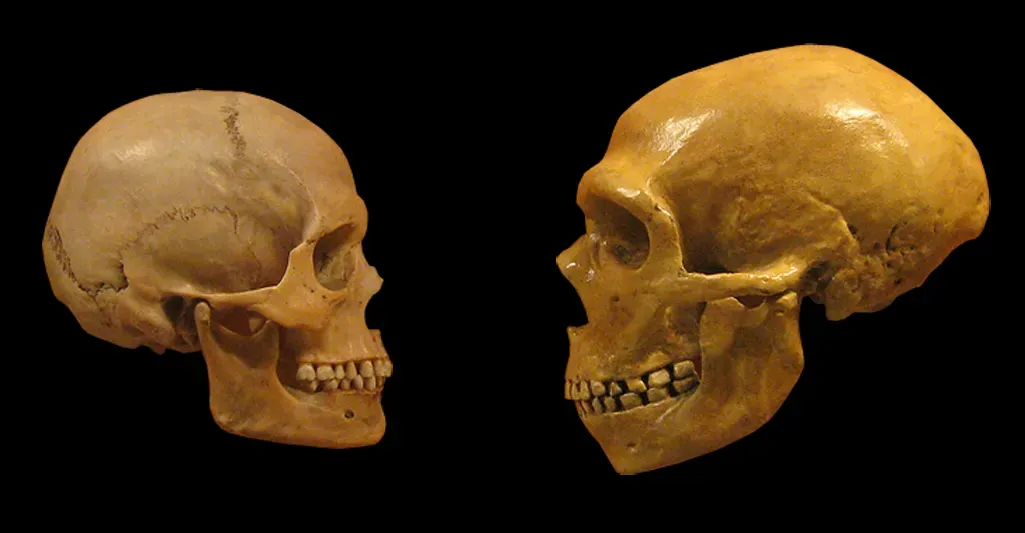
It is tempting to assume that symbolic thinking belongs to big, modern human brains alone, but Neanderthals actually had brain volumes on the same order as ours, sometimes even slightly larger. The real difference may have been in how those brains were wired and what kinds of social and cultural pressures shaped their daily lives. If they did carry out complex burial rituals, it suggests that their cognitive world overlapped with ours far more than earlier theories allowed.
Anthropologists now look beyond brain size and into clues from tool complexity, hunting strategies, and social organization to understand what Neanderthals could think and feel. The picture that emerges is not of a clumsy, half-aware species shambling toward extinction, but of skilled hunters, cooperative groups, and individuals capable of long-term planning. Against that backdrop, the possibility of symbolic burials stops feeling outrageous and starts feeling like a natural extension of an already sophisticated mind.
Emotion, Grief, And The Human Side Of Neanderthal Death
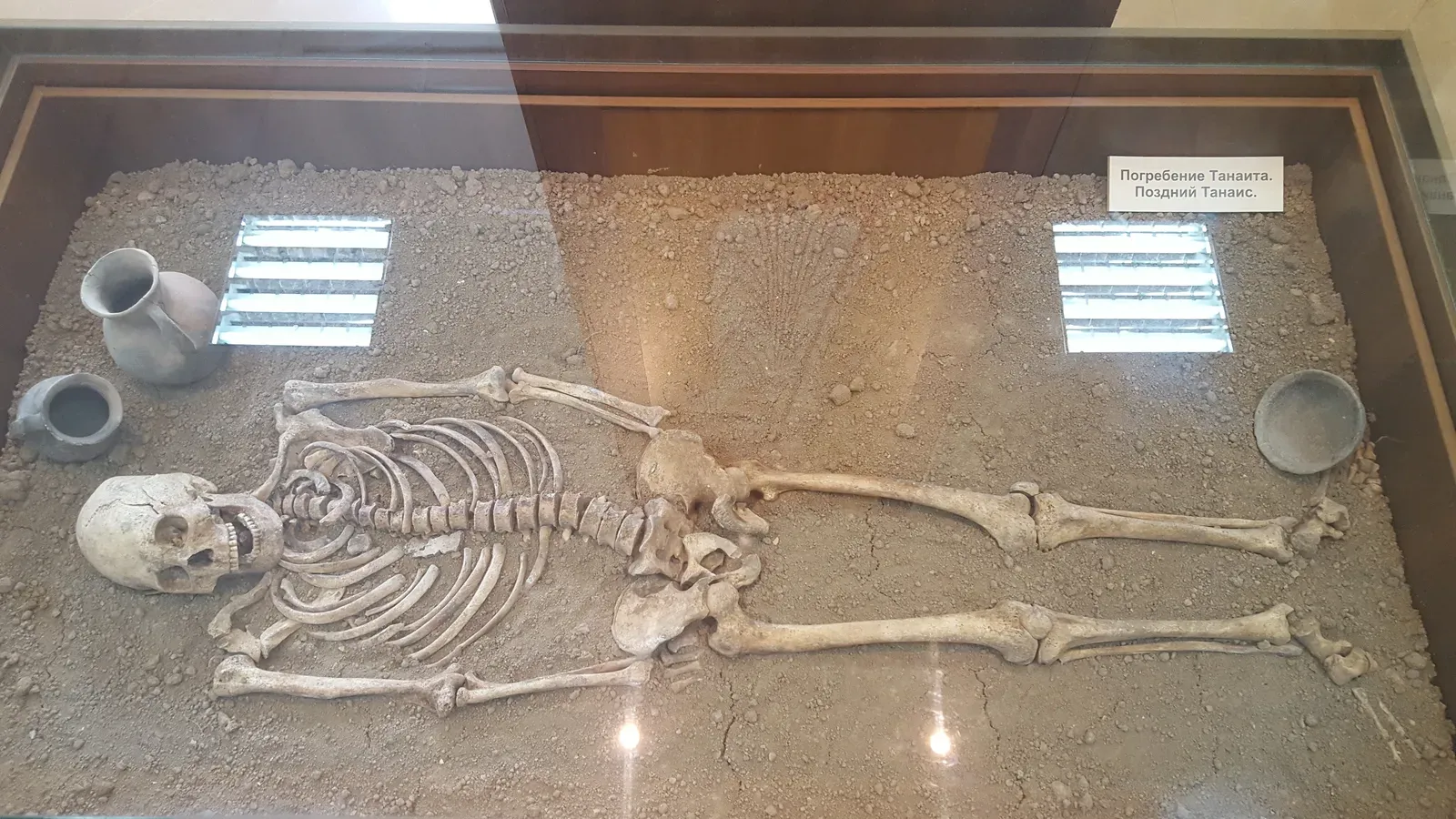
Underneath all the technical arguments about soil layers and stratigraphy lies a quieter question: did Neanderthals grieve? If they repeatedly buried their dead with care, that points toward a capacity for emotional bonds strong enough to linger beyond death. Picture a small group losing a child, an elder, or a crucial hunter, and then coming together to place the body in a safe, protected spot. That scene feels deeply familiar, almost uncomfortably so.
As someone who has stood at modern gravesides, I cannot help seeing a certain emotional continuity here. Even if Neanderthals did not have organized religions or explicit beliefs about an afterlife as we understand them, the very act of treating a body as something more than waste hints at respect, attachment, and perhaps fear of what death means. In this light, their burials are not just archaeological anomalies; they are signals that the emotional core of being human – love, loss, remembrance – may be older and wider than our species alone.
Why Some Researchers Still Push Back Hard
Not everyone in the field is convinced that Neanderthal burials prove symbolic thinking, and that skepticism actually matters. Some argue that burying a body could have started as a purely practical action: keeping camp areas clean, avoiding scavengers, or controlling smells and disease. In that view, you do not need abstract symbols, just basic hygiene and social cohesion, to explain a pit and a corpse.
Others stress how fragile and ambiguous the evidence can be, especially at sites excavated decades ago with less precise methods. If the context is messy, interpretations can easily drift into wishful thinking. I think this pushback is healthy; it forces the field to refine its standards and avoid turning every interesting pattern into proof of religion or complex ideology. At the same time, the burden on skeptics grows as more carefully excavated sites hint at consistent, non-random treatment of the dead.
Rethinking What “Should Not Have Existed” Means
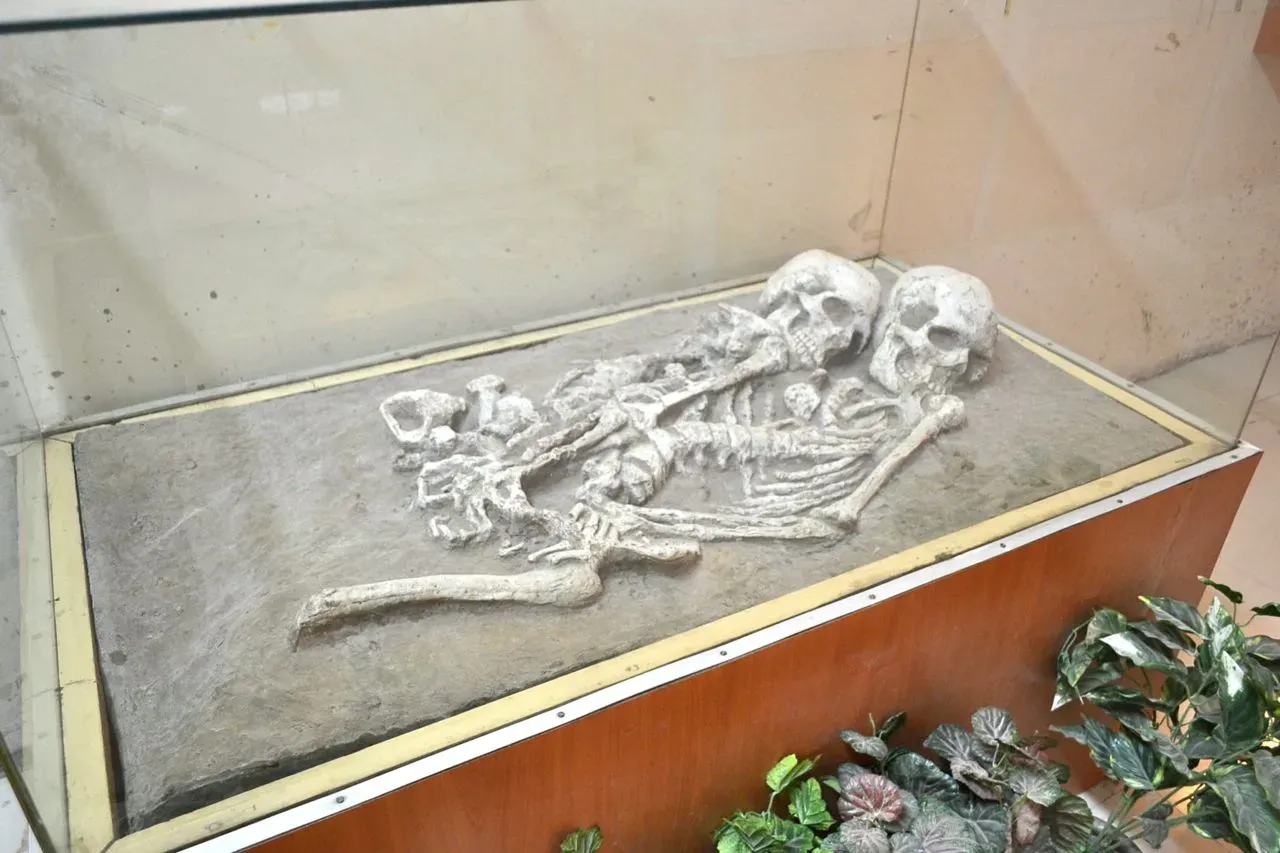
The headline idea that Neanderthal rituals required a kind of symbolic thinking that “should not have existed at the time” really says more about our old biases than about them. For decades, we built a ladder with Homo sapiens at the top and everyone else as a crude step below. When the evidence for Neanderthal burials started piling up, it was like finding a hidden staircase that ran beside our own the whole time, challenging the notion that symbolic thought burst into the world in a single, sudden revolution.
Personally, I think the most reasonable view is that symbolic capacities emerged gradually and in parallel within several human lineages, including Neanderthals. Burials are one piece of that puzzle, sitting alongside evidence of pigments, possible body ornaments, and complex tools. Rather than insisting that such sophistication “should not have existed,” maybe we need to admit that our ancestors – both direct and distant – were simply more inventive and emotionally rich than we were ready to give them credit for.
Conclusion: The Uncomfortable Kinship We Can No Longer Ignore
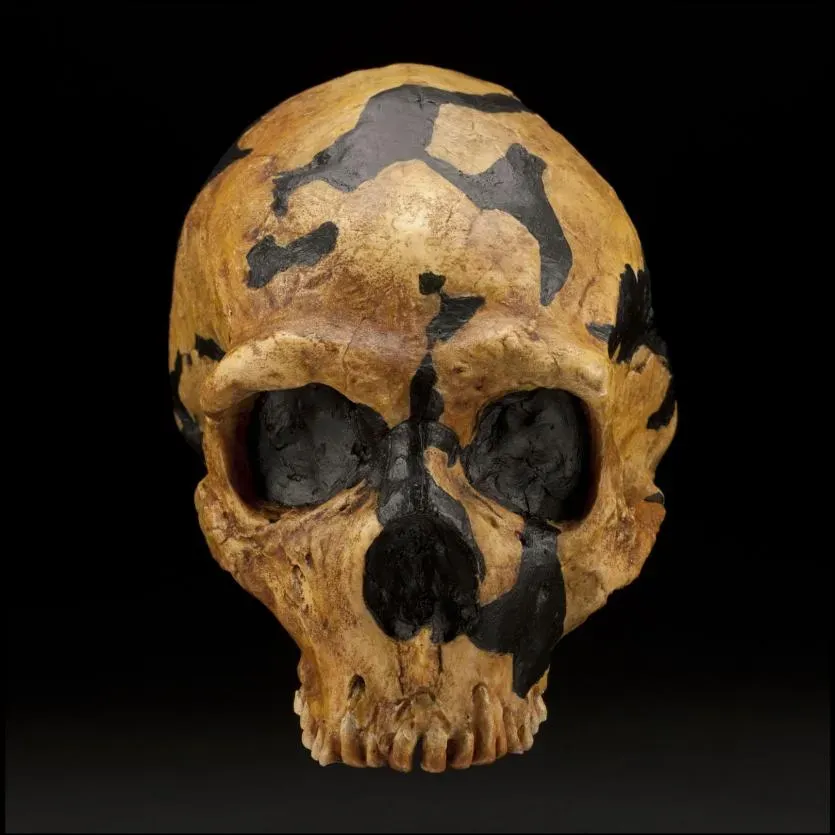
In the end, Neanderthal burials force us to confront an unsettling thought: the line we drew between “us” and “them” was always more emotional than scientific. The weight of evidence suggests that at least some Neanderthals treated their dead in ways that go beyond mere practicality, hinting at symbolic thought, memory, and a sense of social continuity that echoes our own. While the details will always be debated, the old picture of them as dull, unfeeling brutes is, in my view, simply no longer defensible.
My opinion is that we should stop acting surprised every time Neanderthals look more human than expected and instead start from the assumption that complex minds were shared more broadly in our evolutionary family. Their burial rituals do not just rewrite their story; they quietly rewrite ours, too, by showing that meaning, mourning, and maybe even a hint of metaphysics were never exclusively ours to begin with. When you imagine a Neanderthal placing a loved one gently into the earth, does it really feel like a different kind of mind at work – or uncomfortably like our own?