You probably grew up hearing that the dinosaurs vanished overnight in some dramatic apocalypse, like a cosmic off-switch. But when you start digging into the science, you discover the story is messier, stranger, and way more interesting than that simple line. Paleontologists, geologists, and astronomers have spent decades piecing together clues from craters, rocks, and even tiny grains of glass to understand how such dominant creatures could vanish while tiny mammals like your ancestors squeaked through.
As you explore the leading ideas, you’ll see that it is not so much a single smoking gun as a tangled crime scene with several suspects. You’ll meet theories involving giant asteroids, raging volcanoes, wild climate swings, and even sneaky diseases. Some are strongly supported by evidence, others are long shots that most scientists now treat with caution, but together they show you how science actually works: as a constantly updated detective story where new fossils can literally change the ending.
1. The Giant Asteroid Impact: The Leading Suspect
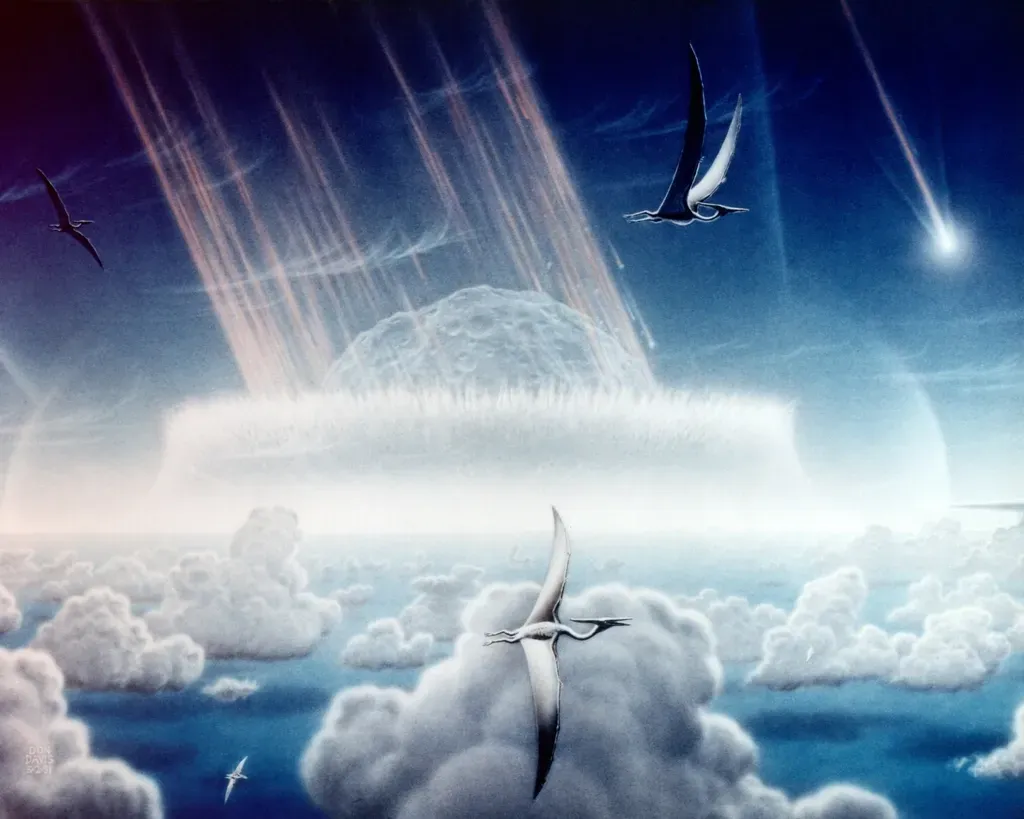
Imagine you are standing on a warm Cretaceous shoreline and you suddenly see a second sun blazing across the sky, getting bigger in seconds. That is essentially what the asteroid impact theory asks you to picture: a space rock roughly several miles wide slamming into what is now the Yucatán Peninsula in Mexico, releasing more energy than billions of nuclear bombs. You see the main clue for this in a buried scar called the Chicxulub crater, matched in age to the moment dinosaurs vanish from the fossil record. Around the world, you can also trace a thin layer of clay rich in iridium, a metal that is common in asteroids but rare in Earth’s crust, marking the same boundary.
If you follow the chain reaction, you start to grasp just how brutal this would have been for anything alive. The impact would have triggered mega-tsunamis, global wildfires, and shock waves ripping through the atmosphere. Dust, soot, and tiny droplets of rock shot into the sky, blocking sunlight for months or even years, causing what you might call an impact winter. Plants struggled, food chains collapsed, and large animals like non-bird dinosaurs that needed plenty of food and stable conditions suddenly faced a world that flipped from lush to lethal in the geological blink of an eye.
2. Nuclear Winter: When the Sky Went Dark
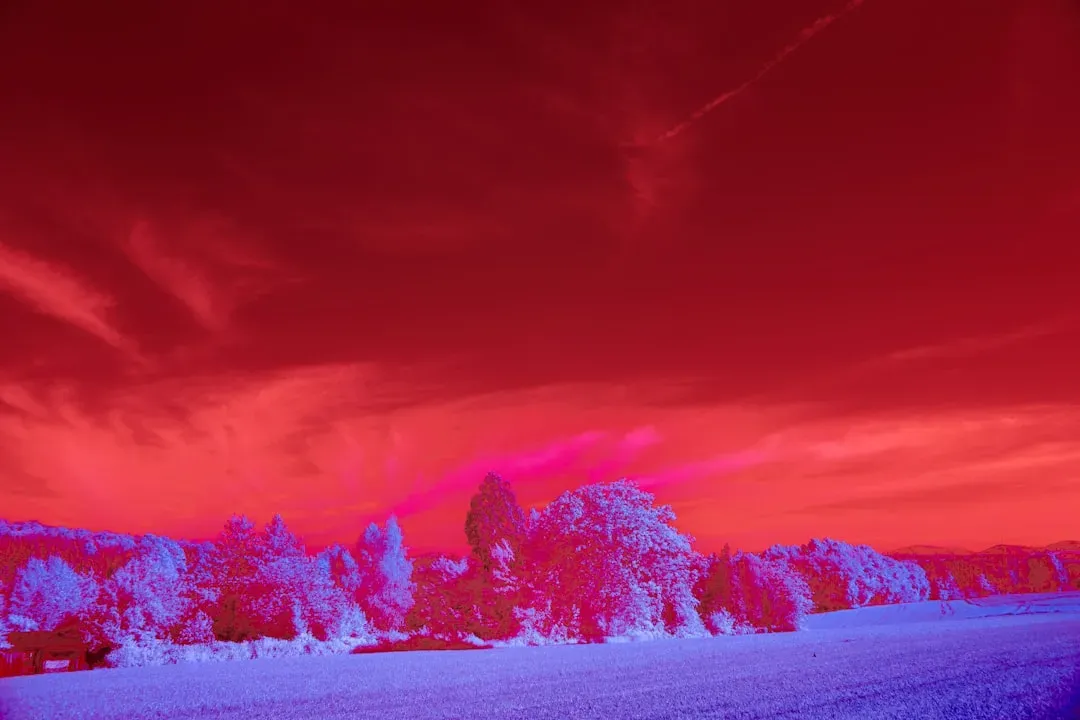
To understand how dinosaurs could disappear so fast, you need to picture not just the impact, but what happened after the fire. The nuclear winter idea borrows from models used to predict the climate effects of large-scale nuclear war: huge fires loft soot and ash into the upper atmosphere, blocking sunlight. You can apply the same logic to global wildfires and vaporized rock from an asteroid strike. With much less sunlight reaching the surface, photosynthesis tanks, plants die back, and the whole food web wobbles. Dinosaurs, especially the large herbivores and the predators that depended on them, suddenly live in a world where the pantry is empty.
For you, nuclear winter helps explain why smaller, flexible creatures had better odds. Animals that needed less food, could burrow underground, live off seeds, or survive on detritus had a built-in survival kit. You can picture some mammals, birds, and maybe certain reptiles sheltering from the bitter cold and darkness, emerging when conditions slowly eased. When you think of the dinosaurs’ end through this lens, it feels less like a single blow and more like a series of brutal seasons where the biggest, most specialized giants simply could not adapt quickly enough.
3. Supervolcanoes and the Reign of Lava
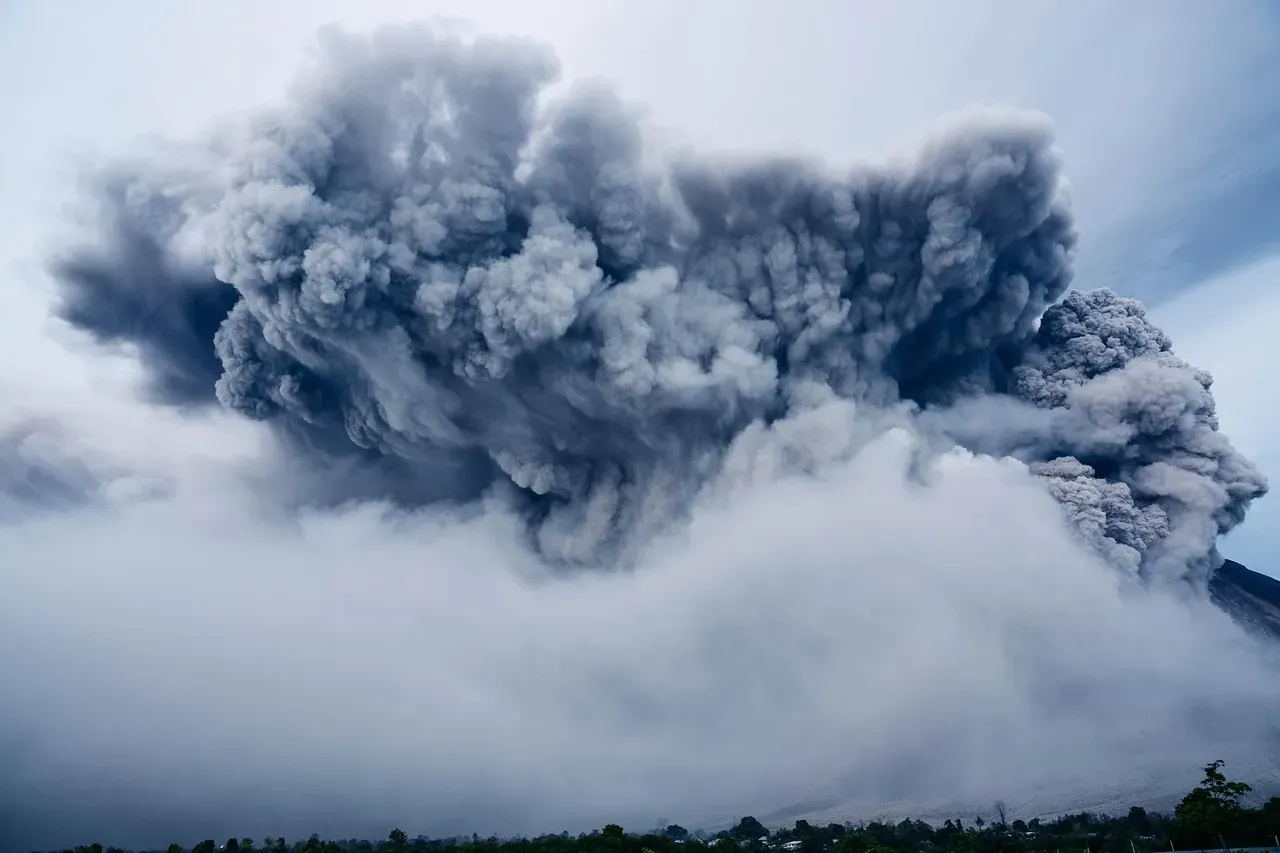
Now shift your gaze from the sky to deep within Earth. Long before the asteroid hit, massive volcanic eruptions were already reshaping the planet, especially in what is now India. You can see the frozen remains of these eruptions in the Deccan Traps, a vast region layered with ancient lava flows stacked like a geological lasagna. Over hundreds of thousands of years, these eruptions released enormous amounts of volcanic gases, including carbon dioxide and sulfur compounds, into the atmosphere. When you imagine that kind of outgassing, you are really picturing a slow-motion climate experiment on a planetary scale.
For dinosaurs, this drawn-out volcanic drama could have meant stressful environmental change even before the final catastrophe. Elevated greenhouse gases warm the planet, while volcanic aerosols can also cool it temporarily, leading to wild climate swings. Acid rain may have damaged forests and freshwater systems. When you place yourself in that world, you see dinosaurs not living in stable paradise, but in a landscape where seasons grew more extreme, habitats shrank or shifted, and some lineages were already in decline. In that view, the asteroid might not have been the sole killer but the coup de grâce that struck an already stressed ecosystem.
4. Runaway Climate Change: From Sauna to Deep Freeze
When you track dinosaur fossils across the final chapters of the Cretaceous, you see hints that climate was already drifting into uncomfortable territory for many species. Volcanic activity, shifting continents, changes in ocean circulation, and sea-level fluctuations all played a role in reshaping climate. You can think of it as the thermostat of the planet constantly being nudged: a bit warmer here, slightly cooler there, with ecosystems trying to keep up. For creatures as large and specialized as many dinosaurs, you can imagine how even gradual shifts in temperature or rainfall could make a difference in food availability, nesting sites, and migration routes.
In your own life, you might shrug at a change of a few degrees from one year to another, but over thousands of years, small changes stack up. For dinosaurs locked into particular habitats, like coastal plains or lush floodplains, climate shifts could have turned once-rich areas into patchy, less reliable homes. Then, when a sudden crisis like an asteroid impact hit, you are looking at species that were already under pressure. In that sense, climate change is less of a standalone explanation and more of a background drumbeat that made dinosaur communities fragile and easier to topple.
5. Collapsing Food Chains and Starving Giants
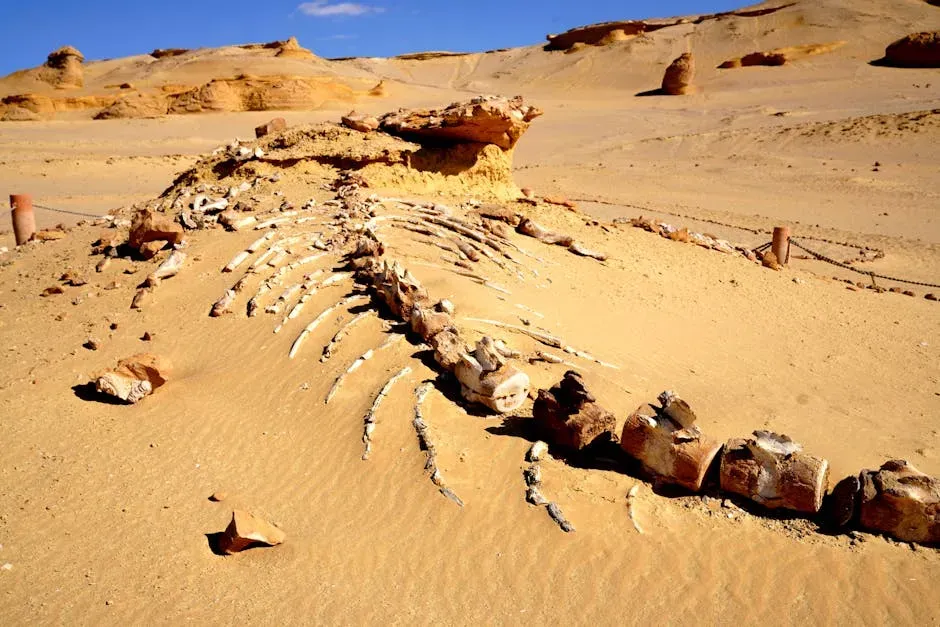
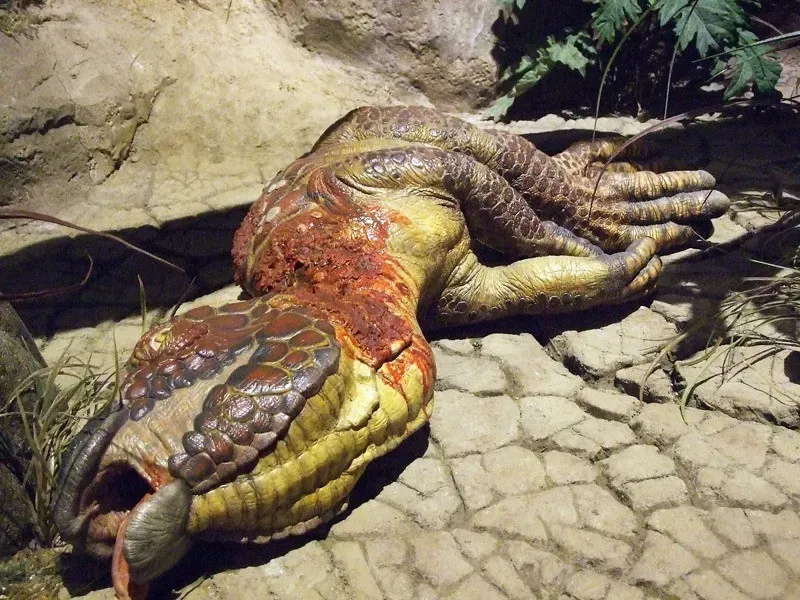
To really grasp why big dinosaurs vanished, you have to follow the food. Picture a tall sauropod that needs mountains of vegetation every day just to stay alive. If a combination of darkened skies, cooler temperatures, acid rain, or habitat loss knocks back plant life, that dinosaur is suddenly in trouble. You can follow this domino effect: fewer plants mean fewer herbivores, and fewer herbivores mean predators cannot find enough to eat. In that cascading failure, large-bodied dinosaurs that rely on abundant, predictable food face the harshest reality.
At the same time, you can imagine certain survivors eating more flexible diets or living in ecological “loopholes.” Early birds that can pick at seeds or insects, small mammals that can snack on roots, carrion, or anything they can find, and reptiles that can go longer between meals all have a secret survival edge. When you frame the extinction as a food crisis rather than just a dramatic event, you see why size and specialization became a deadly disadvantage. The world did not simply become more hostile; it became unreliable, and that is ruinous for enormous creatures perched at the top of complex food webs.
6. Disease Outbreaks and Biological Wildcards
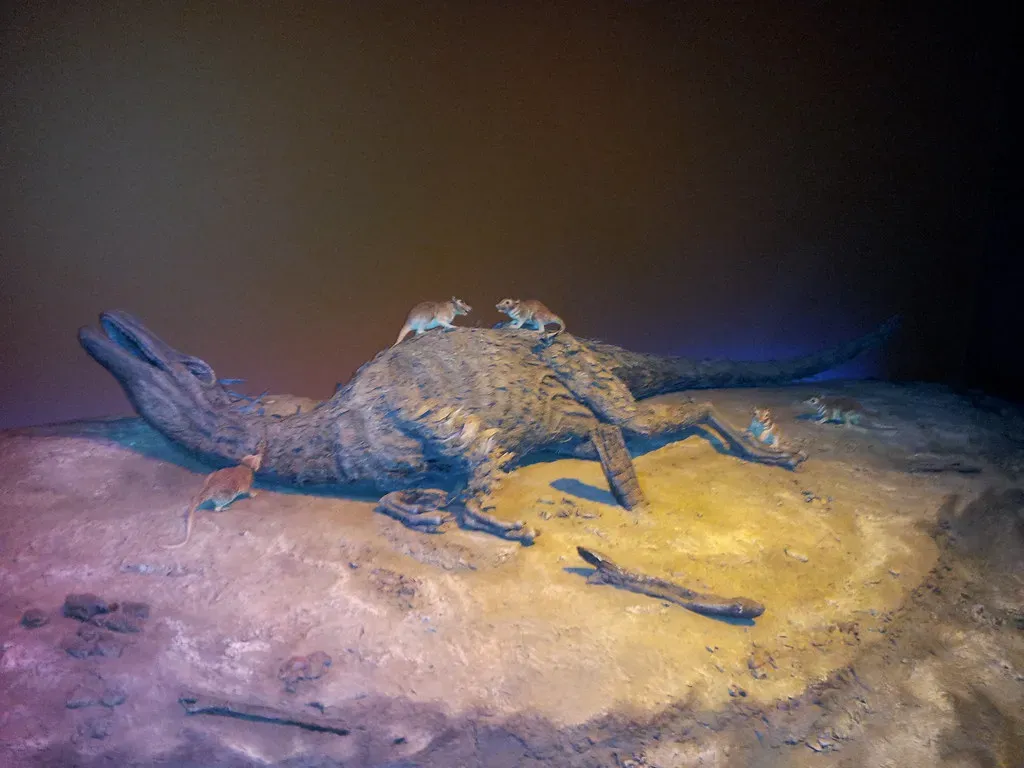
When you think about sudden collapses in modern animal populations, your mind may jump to diseases and pandemics. Some researchers have wondered whether wide-ranging epidemics could have contributed to dinosaur declines, especially in the centuries or millennia before the final impact. You can picture new pathogens spreading as continents drifted, sea levels changed, and species moved into new regions, bringing parasites and microbes along with them. In that scenario, dinosaurs might have faced waves of illness that weakened populations and lowered birth rates, making them more vulnerable to other environmental stresses.
The tricky part for you is that direct evidence for dinosaur pandemics is extremely thin. Fossils rarely preserve clear signs of specific infections, and ancient DNA does not survive from that far back. So when you explore this theory, you are mostly dealing with a plausible but speculative idea, more of a supporting actor than a main villain. You can reasonably imagine disease adding extra strain on already stressed dinosaur communities, but on its own, it does not explain why so many other groups, like marine reptiles and flying reptiles, also collapsed around the same time. It fits better as one piece of a multifactor puzzle rather than the entire picture.
7. Competition from Mammals: The Underdogs Rise
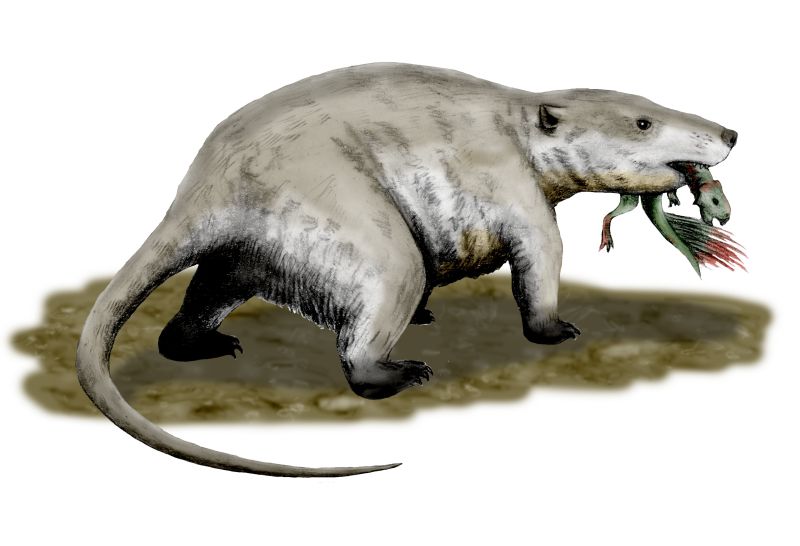
It is tempting for you to picture mammals as sneaky underdogs waiting patiently for dinosaurs to fail so they could take over the world. Some older theories suggested that mammals might have outcompeted dinosaurs by eating their eggs, stealing their food, or adapting faster to changing conditions. You can imagine small, furry creatures raiding nests at night, adding pressure to dinosaur populations already hit by climate or ecological stress. In this framing, mammals slowly chisel away at dinosaur dominance long before the asteroid arrives.
When you look more closely at the fossil record, though, you see that dinosaurs and mammals coexisted for a very long time without mammals driving dinosaurs to extinction. Mammals did diversify in interesting ways during the late Cretaceous, but they stayed relatively small and occupied mostly marginal roles. For you, that means competition from mammals is better seen as a background factor rather than a spearhead. After the extinction, mammals clearly took advantage of the vacant ecological space, but the timing suggests they were more opportunistic survivors than active dinosaur killers.
8. Gradual Decline vs. Sudden Catastrophe
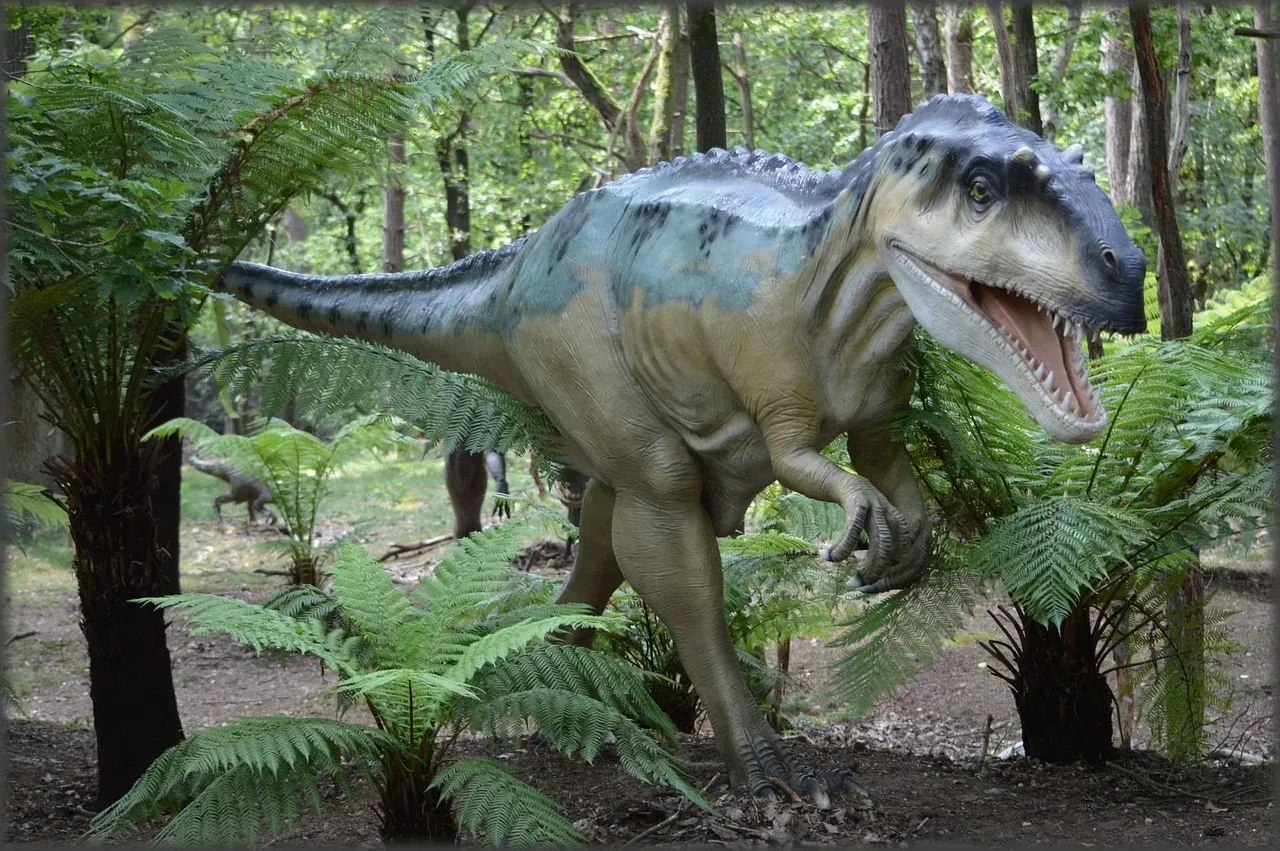
When you hear that dinosaurs disappeared “suddenly,” it is easy to picture them gone in a single bad afternoon. In geological terms, the extinction does look very abrupt, showing up as a sharp cutoff in many rock layers. But some data suggest that certain dinosaur groups were already declining in diversity before the final blow. If you zoom in on the last millions of years of the Cretaceous, you see fewer types of some dinosaurs in certain regions and shifts in which species dominate. For you, this raises an important question: were dinosaurs already fading out, or are you just seeing the imperfect, patchy nature of the fossil record?
This debate matters because it shapes how you weigh different theories. If dinosaurs were thriving right up to the impact, then the asteroid looks like the clear, primary cause. If some lineages were in a long-term decline, then slow pressures like climate change, habitat loss, or volcanic activity might have set the stage for their downfall. Many researchers now lean toward a mixed picture: some groups may have been struggling, while others were still doing fine. For you, the key idea is that the extinction event combined both slow-building stress and a sudden catastrophe, like a boxer already dazed before the knockout punch.
9. Cosmic Coincidences: Multiple Blows from Space
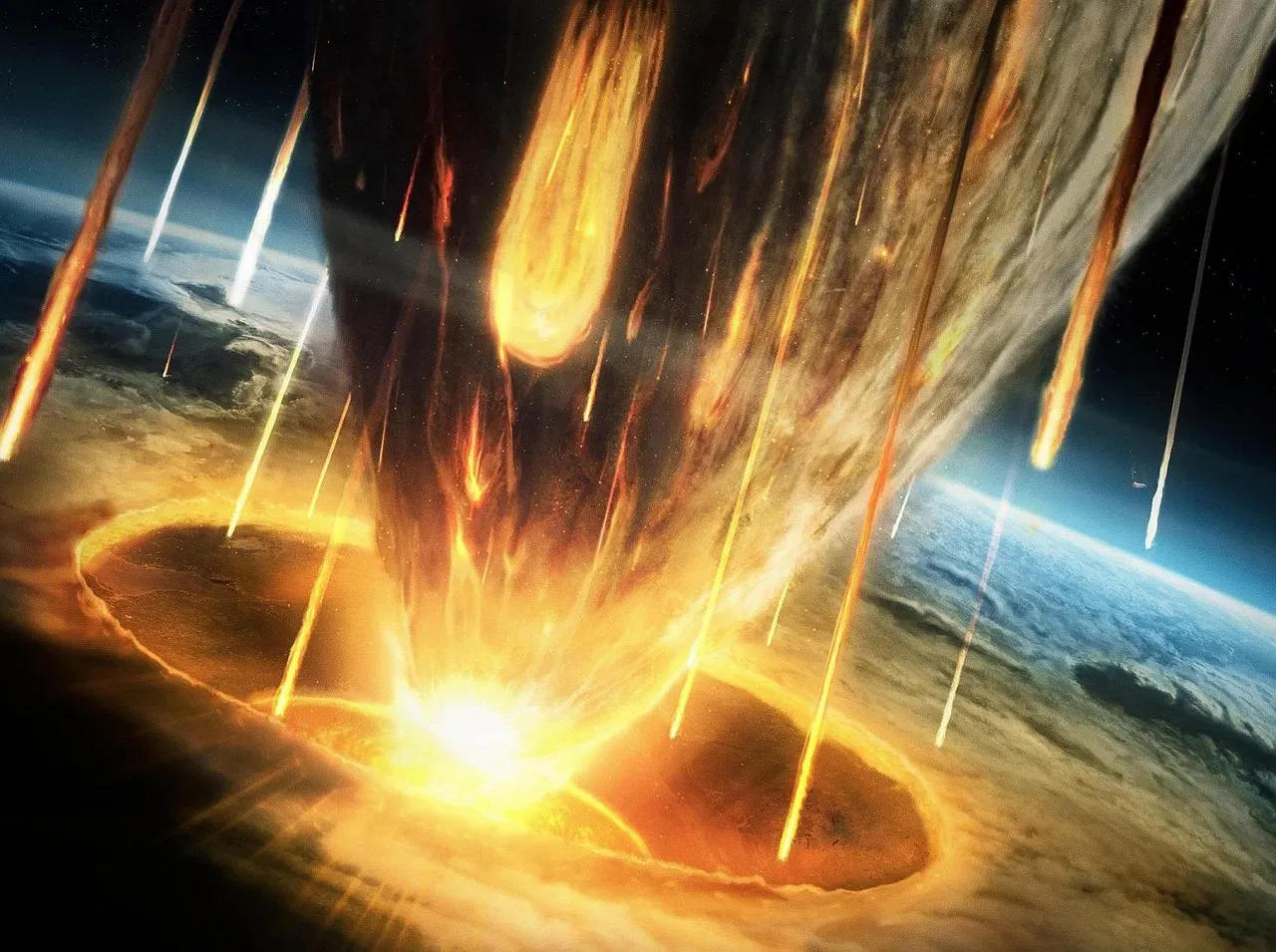
If one asteroid can end an era, you might wonder whether dinosaurs faced more than one cosmic hit. Some studies have hinted that Earth may have been pelted by multiple large impactors around the time of the extinction, possibly from a fragmented asteroid or a disturbed region of the solar system. You can imagine a dangerous spell when Earth’s path carried it through debris that increased the odds of strikes over a relatively short geological window. In that case, dinosaurs would not just have endured a single disaster, but a series of spaced-out blows over hundreds of thousands of years.
For you as a curious observer, the evidence for multiple killer impacts is still being debated and refined. A few other craters appear to be roughly similar in age, but the dates are often not precise enough to prove a tight connection. Even so, the idea of repeated strikes helps you appreciate how vulnerable life is to events far beyond Earth’s control. Whether or not there were several impacts, you can see that a single large collision, combined with the ongoing effects of volcanism and climate shifts, already created a harsh, overlapping set of challenges that few large animals could survive.
10. The Multi-Cause Scenario: A Perfect Storm of Disasters
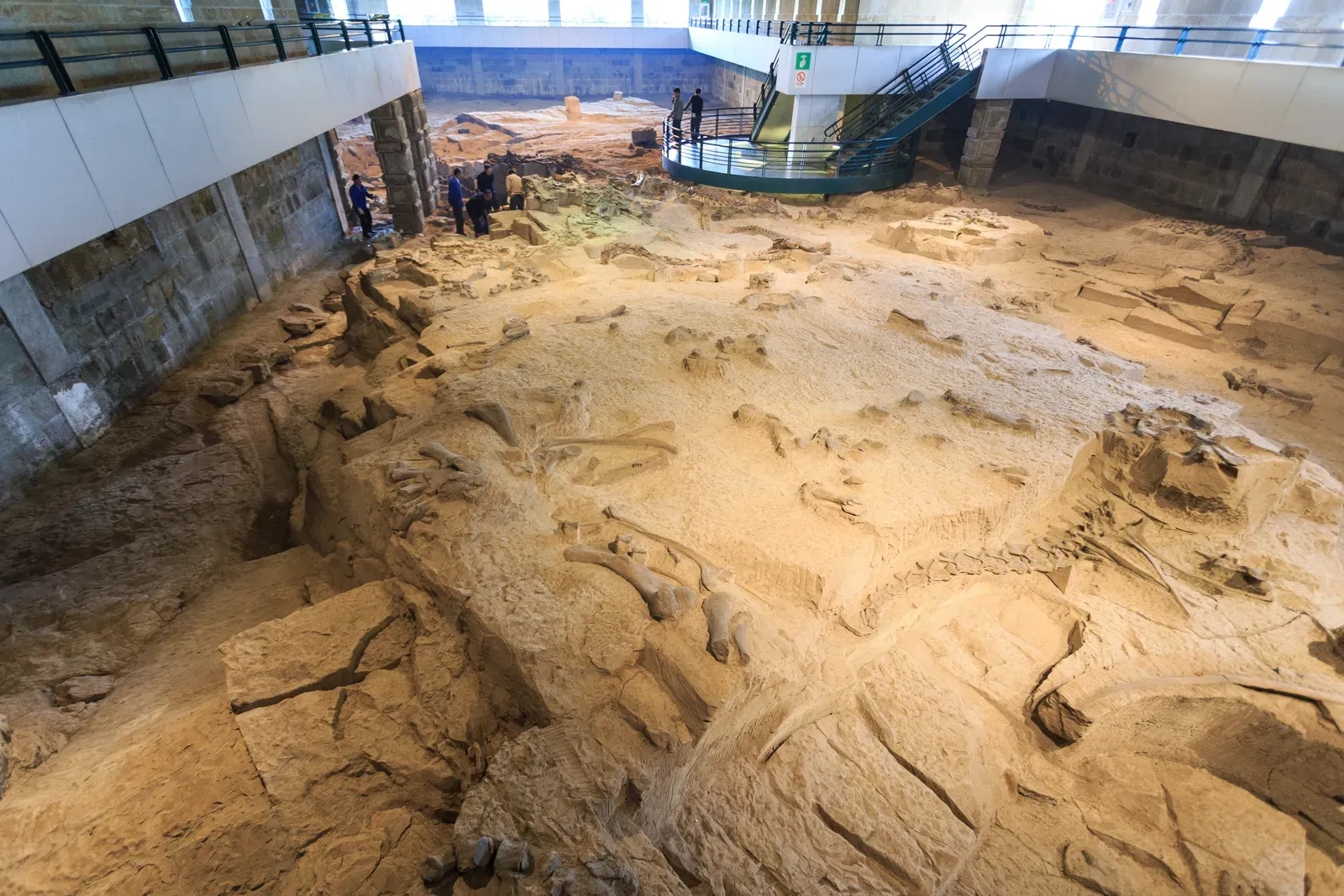
As you weigh all these theories, you may feel pulled in several directions at once. The asteroid impact has strong evidence behind it, volcanic activity clearly reshaped the climate, and long-term environmental changes were already unfolding. Instead of choosing a single culprit, many scientists now favor a multi-cause explanation: dinosaurs were hit by a perfect storm. You can think of it as a bad decade on top of a bad century layered on top of a bad million years, with each stress making recovery from the next one harder.
For you, this multi-cause view feels messier but also more realistic. Ecosystems are complex, and mass extinctions rarely boil down to one neat trigger. Dinosaurs likely faced a combination of long-term climate drift, volcanic pulses, habitat shifts, food-chain instability, and finally a devastating impact that tipped everything over. When you see it that way, their disappearance stops being a simple tale of bad luck from space and becomes a deeper lesson about how tightly life is tied to the planet’s chemistry, climate, and cosmic neighborhood – all things that can change in ways no species can fully control.
In the end, when you look up at the night sky or walk past a rock wall streaked with ancient layers, you are really standing in the aftermath of that old disaster. The world you know – birds in the trees, mammals everywhere, humans asking big questions – grew out of a vacancy that the dinosaurs left behind. You do not yet have every detail of their final days, and you probably never will, but the outlines are clear enough to show you how fragile dominance can be. Next time you watch a bird hop along a branch, will you see it as the small, feathery heir to a vanished dynasty that once ruled the Earth?