
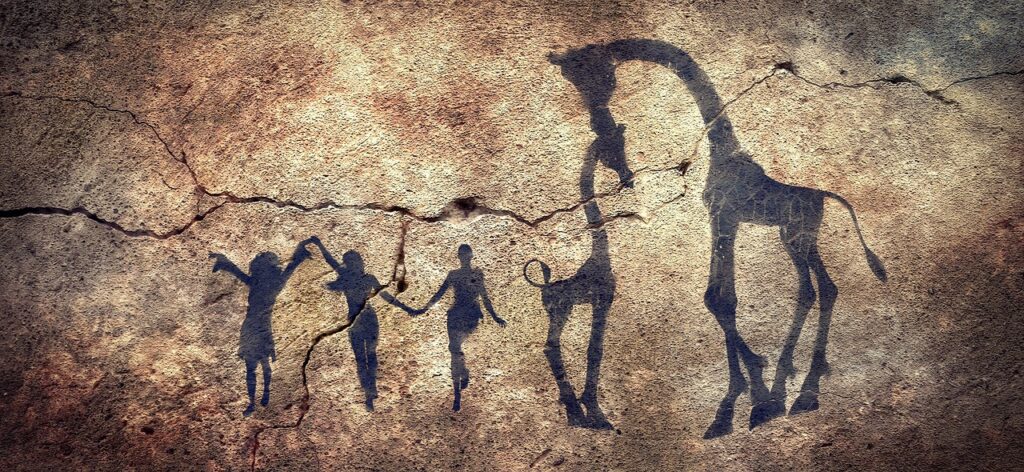
Imagine walking into a dark cave, feeling the cool air on your skin, and suddenly, in the dancing glow of a small fire, a painted bison on the wall seems to shudder, twist, and inhale. For a second, you might think it is alive. Now picture this not as a modern light trick, but as something people were possibly doing forty thousand years ago, on purpose. That idea alone flips the usual story of “primitive cave art” completely on its head.
Over the last couple of decades, archaeologists, physicists, and art historians have started looking again at the oldest cave paintings with fresh eyes and new tools. What they are finding is both humbling and a bit unsettling: it looks more and more likely that some of our earliest known artists knew exactly how to play with flickering firelight to make static images feel animated. They were not just painting animals; they were staging experiences.
Did Ice Age Artists Actually Understand Motion Illusions?
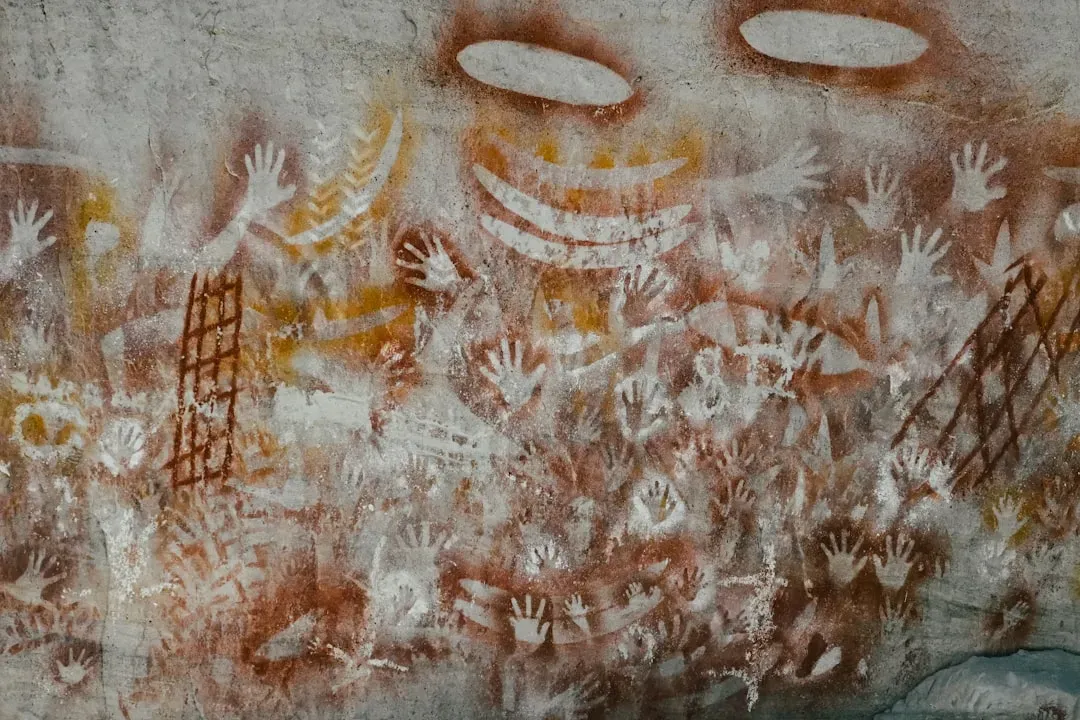
It sounds almost outrageous at first: hunter‑gatherers, tens of thousands of years ago, intentionally designing visual illusions that only work in low, moving light. Yet when researchers map the lines and contours of certain cave animals, especially in famous sites like Chauvet and Lascaux in France or Altamira in Spain, patterns jump out. Extra legs, repeated horns, overlapping outlines, and stretched bodies start to make sense if you imagine them under a shifting, unstable light source instead of in the even brightness of a museum book or website.
Some scholars have tested this directly by recreating torchlight inside caves or in lab simulations. When real flame is used instead of modern lamps, portions of these paintings appear to shimmer and shift, as if an animal is turning its head or kicking a leg. That does not prove intention beyond all doubt, but it nudges things in a clear direction: these people were paying close attention to how moving light changes what you see, and they were sophisticated enough to build that into their art.
Why Flickering Firelight Changes What We See on Cave Walls
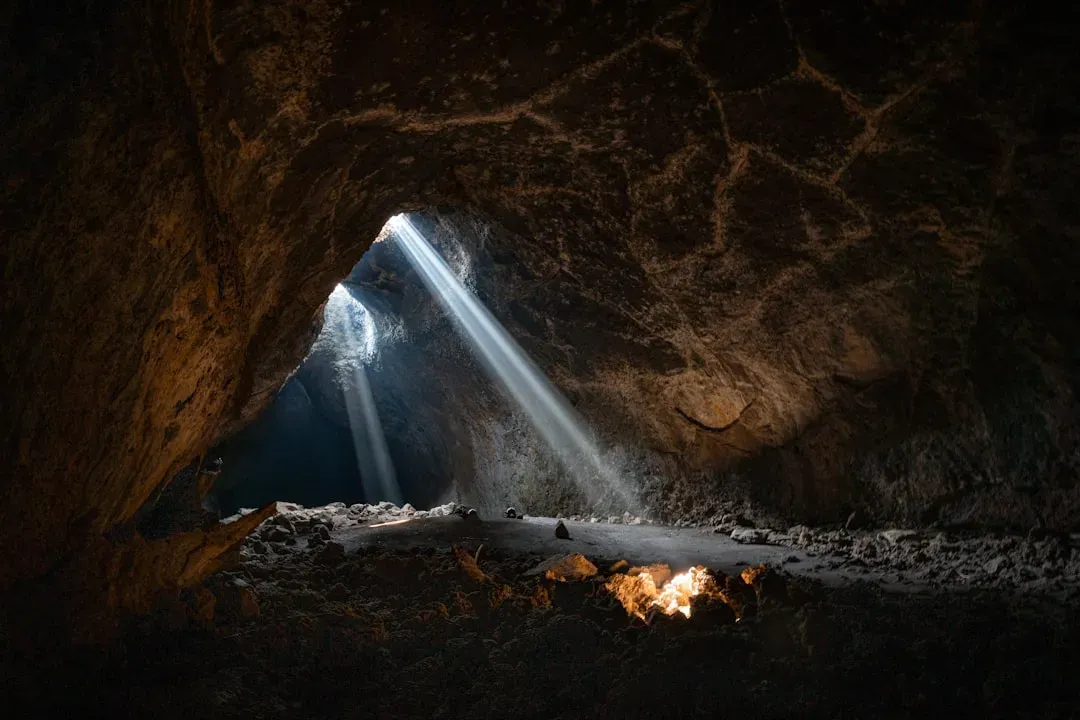
To get why this matters, you have to picture how different cave lighting is from the tidy illumination we are used to today. In a deep cave, there’s no ambient light, no soft glow from the sky, nothing but darkness until you light a fire, a torch, or a fat‑burning lamp. That kind of flame does not stay still; it jumps, sputters, leans, and pulses. Shadows stretch and shrink, edges blur and reappear, and your eyes constantly work to keep up.
Our brains are wired to make sense of motion, especially motion that might signal danger or prey. In the unsteady glow of a torch, slightly curved lines can look like moving limbs, and a series of repeated outlines can resemble a sequence of frames in a short animated clip. When the flame swings, the highlights jump from one part of the painting to another, tricking your brain into stitching those glimpses together as movement. It is the Stone Age version of a strobe effect or a low‑tech GIF.
The Strange “Multiple Limbs” and Overlapping Bodies on the Cave Walls
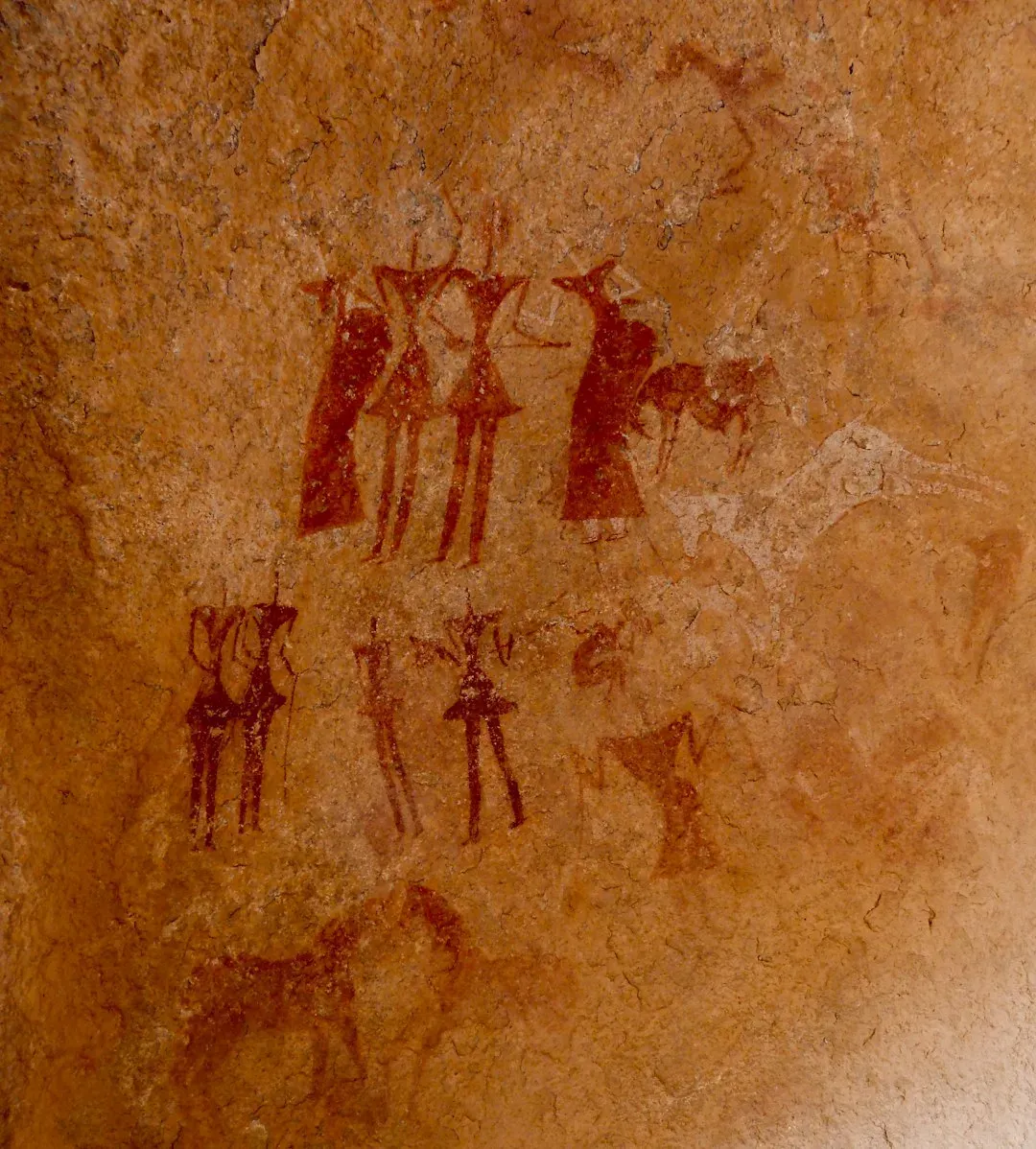
One of the things that puzzled early archaeologists was why so many Palaeolithic animals look “wrong” when copied in flat, even light. Horses with too many legs, bison with doubled horns, mammoths with faint ghost outlines of their heads in different positions; on paper, it sometimes looks like a mess. For a long time, explanations leaned on the ideas of clumsy drawing, symbolic abstraction, or simple mistakes that were never corrected.
As more high‑resolution scans and tracings have been made, though, a different picture emerges. These extra lines often line up like frames in a flipbook, placed so that when one part of the wall is better lit than another, a slightly different version of the animal becomes dominant. Under a shifting flame, your eye can jump between these variants so quickly that it feels like the creature is turning, rearing, or breathing. In that context, what once looked like confusion starts to resemble a very clever kind of proto‑animation.
Natural Rock Shapes as Built‑In Special Effects
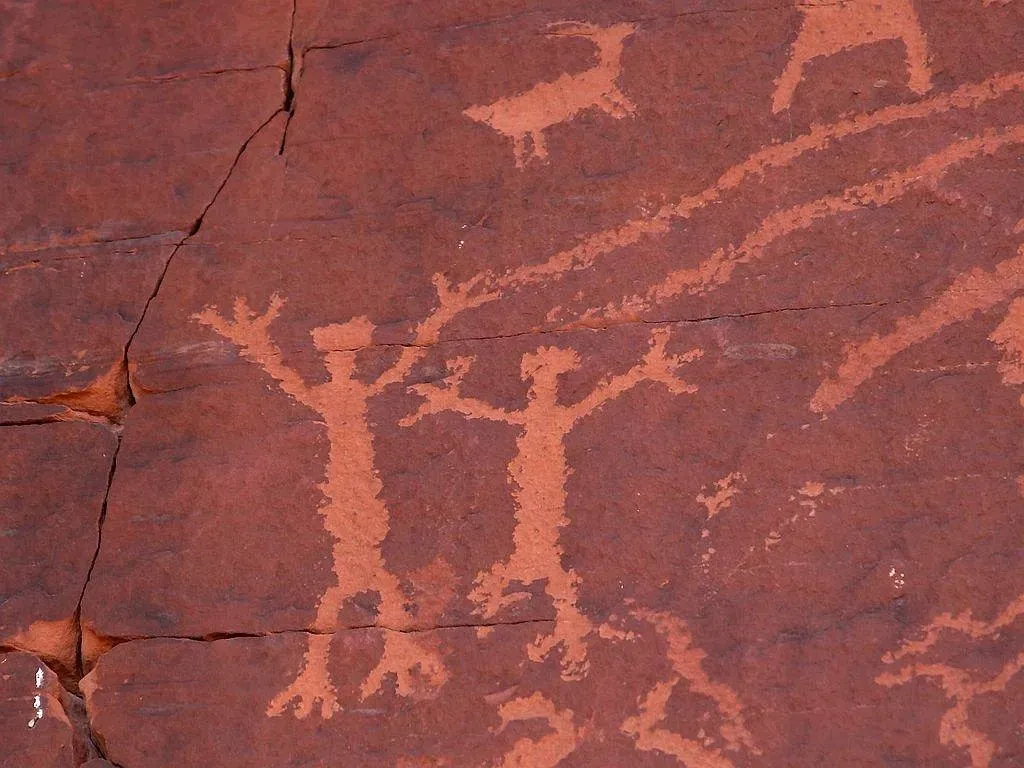
Another clue that this might have been deliberate is where, exactly, the artists chose to paint. They were not putting animals on smooth, blank “canvases” wherever there was room. Instead, they favored bulges, ridges, cracks, and curves in the rock, letting those natural shapes stand in for muscular shoulders, bellies, or heads. A slight protrusion might form the chest of a horse; a depression could mark an eye socket or nostril.
Now add flickering light to that uneven surface. As firelight skims across bumps and hollows, parts of the painting pop in and out, like muscles tensing and relaxing. A ridge that looks flat under a bright electric bulb becomes a rounded flank in moving torchlight. This fusion of natural geology and human drawing is not accidental placement; it suggests a sensitive eye for three‑dimensional form and an intuitive grasp of how light carves up a surface visually.
Experiments in Recreated Torchlight: When Animals Seem to Breathe
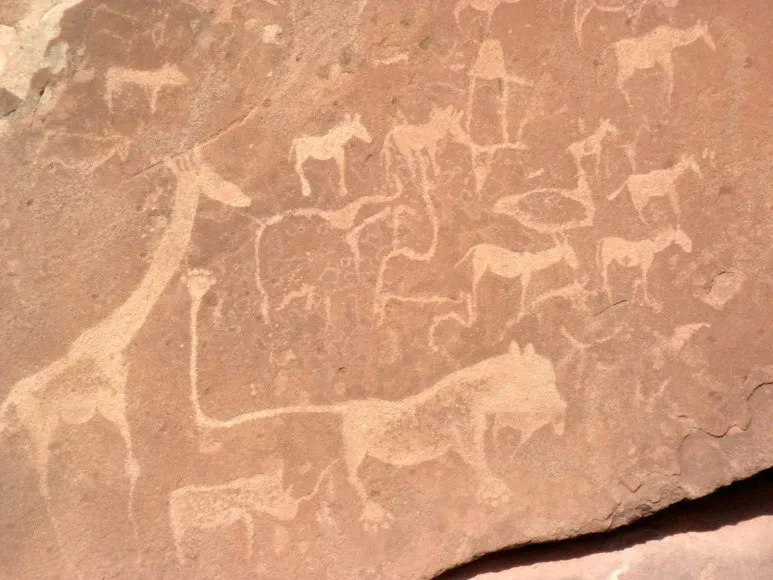
Modern researchers have not been content just to theorize about all this; they have literally gone back into caves with replicas of ancient lamps. When they extinguish electric lighting and rely only on small, open flames, visitor reactions are often strikingly similar: people describe animals suddenly seeming more lifelike, as if a bison is shifting its weight or a deer is lifting its head. The same painting that feels flat and static under a white LED can feel weirdly alive under trembling amber light.
In some reconstructions, scientists and artists have even replicated whole panels in controlled spaces to compare how they look under different light sources. The effect is not like a modern cartoon, of course, but it is strong enough that you can see how someone tens of thousands of years ago might have leaned into it. In my view, once you witness that transformation yourself, it becomes hard to believe that the original painters never noticed or exploited it.
From Hunting Magic to Immersive Storytelling
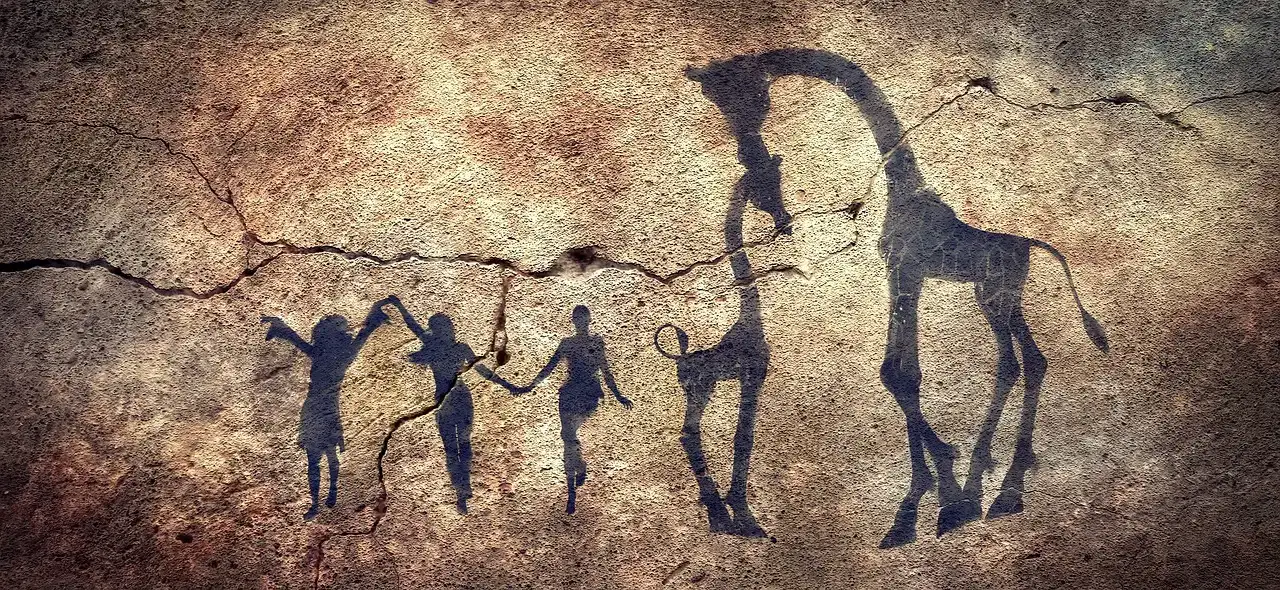
For a long time, cave art was often explained as “hunting magic,” a kind of ritual practice where drawing an animal was thought to help ensure success in the hunt. There may be truth in that, but the firelight theory opens up another layer: what if these paintings were the backdrop for full‑body experiences, with light, sound, and maybe even music or chanting? Imagine a small group stepping into the dark, a storyteller raising a torch, and the walls coming alive around them as the tale unfolds.
In that scenario, the flicker‑driven animation is not just a visual trick; it is part of a shared emotional event. As the flame moves, animals charge, fall, reappear. Shadows of human bodies mix with painted creatures, blending the living and the imagined. That feels less like a simple ritual diagram and more like an early form of immersive theatre or cinema, where you do not just look at the story – your whole body is pulled into it.
What This Suggests About Ice Age Minds and Creativity
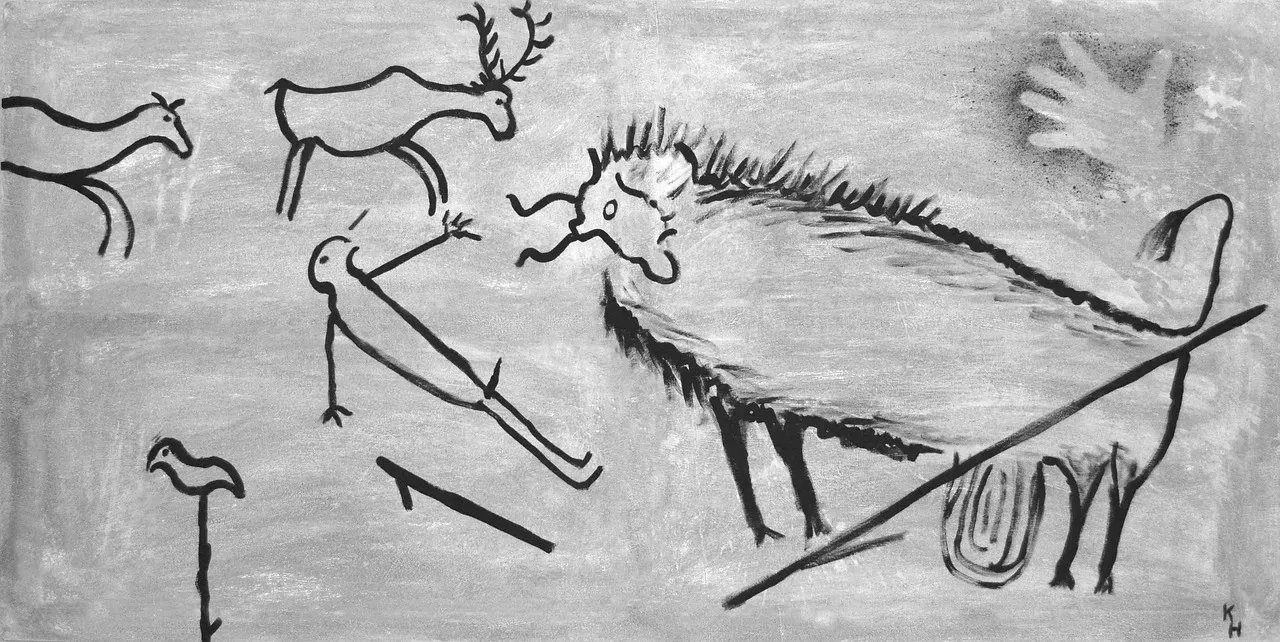
If these interpretations are right, they say something powerful about the people who made these images. These were not naive scribblers just learning to draw; they were observant experimenters, playing with perception and environment. They noticed that a flame does not just reveal an image, it changes it, and they leaned into that tension between light and dark, between stillness and motion.
To me, this challenges the comfortable idea that human creativity slowly climbed a simple ladder from “primitive” to “advanced.” The minds that painted those animals were already capable of abstraction, planning, and a sort of low‑tech visual effects design. The basic human desire to blur the line between real and imagined, to make stories feel physically alive, was clearly there long before writing, cities, or screens.
A Personal Take: Why I Think the Animation Theory Deserves More Credit
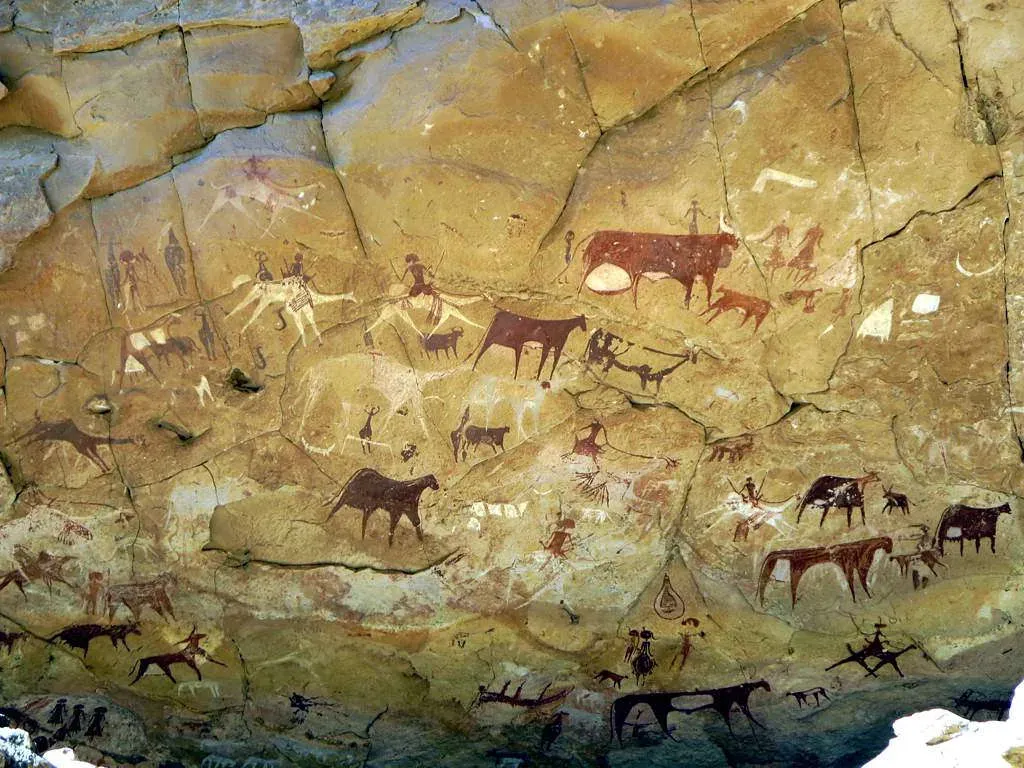
There is still debate, and I think that is healthy. Archaeologists are rightly cautious about claiming to know the inner intentions of people who lived forty millennia ago. But when I look at the combination of multiple outlines, strategic use of rock relief, the documented effects of torchlight, and the consistency of these patterns across different caves, the “animation” interpretation feels less like wishful thinking and more like the best fit that does not require magical thinking or wild speculation.
On a gut level, it also matches what we know about humans today: we love movement, illusion, and spectacle. We project faces onto plug sockets and animals into clouds. If we, with all our screens, still get excited about a clever shadow puppet, why would we assume Ice Age people stuck to flat, lifeless pictures when they had the perfect conditions for something more dynamic? For my money, underestimating them says more about us than about them.
Conclusion: The First Animators in the Dark
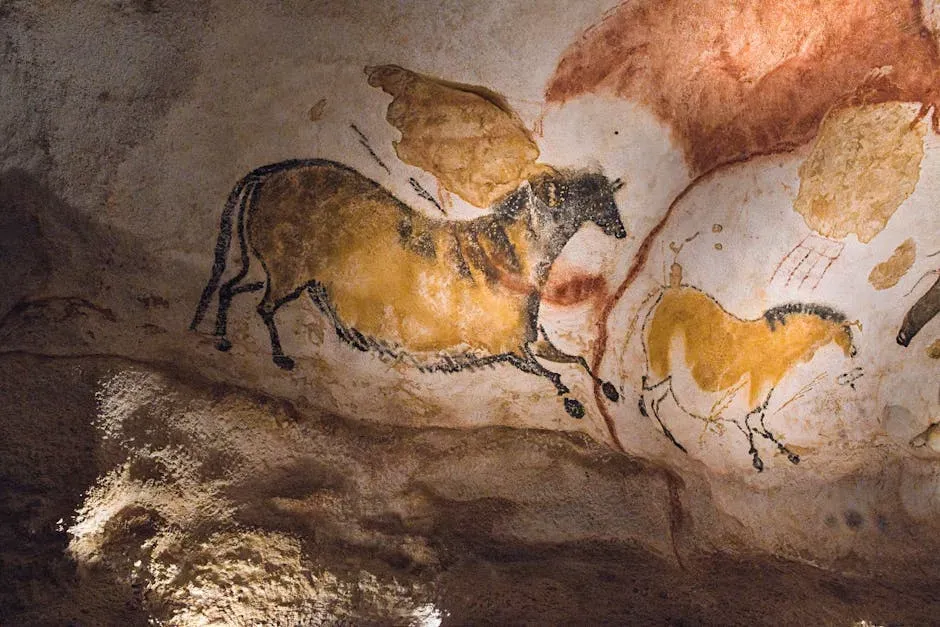
When you put all of this together, a powerful image emerges: the earliest known artists not just as painters, but as choreographers of light and shadow. They chose awkward cave walls on purpose, layered bodies and limbs like frames, and likely understood – at least intuitively – that moving fire would make their creations pulse and breathe. Even if they never would have used words like “illusion” or “animation,” they were clearly playing in that space, bending perception to make animals on stone feel strangely alive.
In my view, that should change how we talk about them. Instead of distant, half‑imagined figures hunched in the dark, we can see them as creative peers: people who loved drama, movement, and awe as much as we do, and who hacked the only projector they had – the unsteady flame – to pull it off. The next time you watch a movie in a dark theatre, with light flickering on a wall as figures come alive, it might be worth remembering that this craving for moving images has roots far older than Hollywood or even history itself. If you could stand in that cave beside them, watching the painted bison shiver in the firelight, would it really feel so different from watching a screen today?