
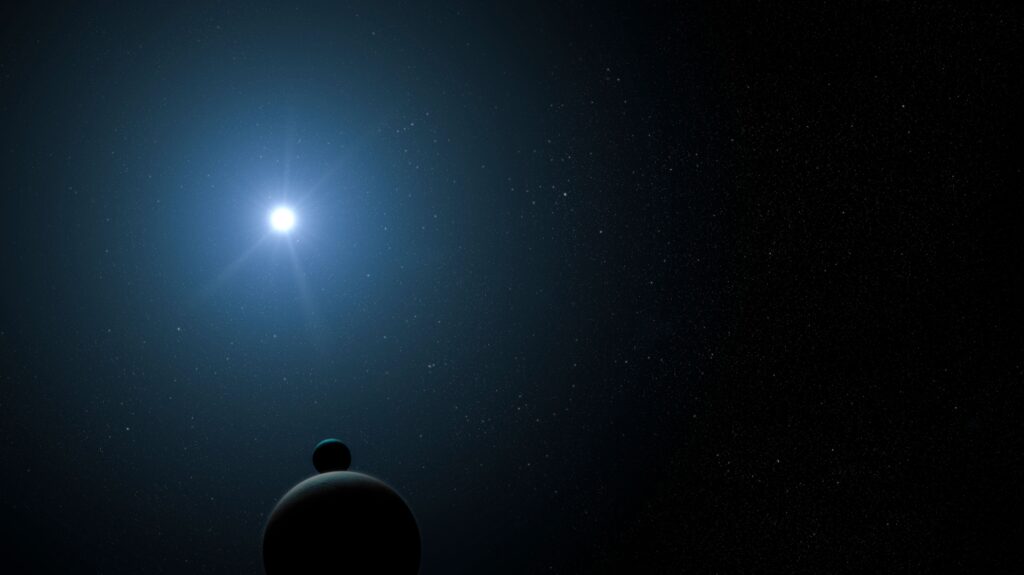
If you grew up singing about twinkling little stars, this might sting a bit: the stars themselves are not actually twinkling. What you’re really seeing is your own atmosphere misbehaving, like a funhouse mirror made of moving air. That tiny flicker in the night sky is basically Earth photobombing the universe.
Once you know that, the night sky feels completely different. You stop seeing delicate, shy little pinpricks, and instead you see brutal, steady nuclear fires shining from light‑years away, distorted by the chaotic ocean of air wrapped around our planet. For me, the first time I learned this, it turned a childhood lullaby into a physics lesson – and honestly, it made the stars feel even more epic.
The Shocking Truth: Stars Are Steady, Your Air Is Not
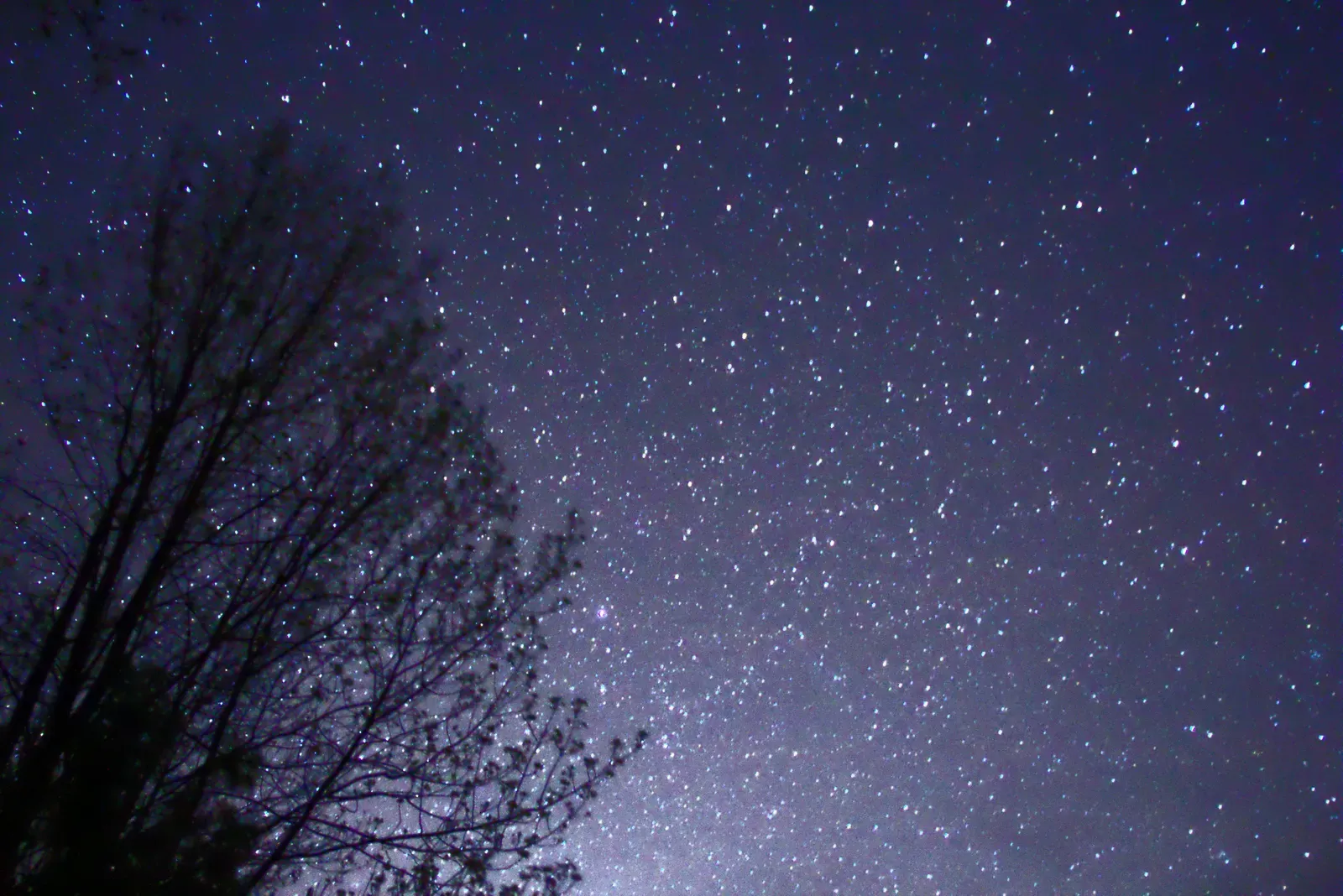
Here’s the surprising part: if you could step outside Earth’s atmosphere and look at the stars directly, they would not twinkle at all. Their light would appear rock steady, like tiny, perfectly constant dots on a pitch‑black canvas. The drama, the flickering, the playful winking you see from your backyard? That is all the atmosphere’s doing.
Our atmosphere is a swirling mix of air layers at different temperatures and densities, constantly in motion. When starlight travels through these layers, it gets bent, shifted, and distorted again and again before it reaches your eyes. Think of it like watching a distant streetlamp through heat waves above a hot road: the lamp isn’t changing, but the air between you and the lamp is making it appear to dance. Stars suffer the same fate, only on a cosmic scale.
How Turbulent Air Bends Starlight Like a Cosmic Funhouse Mirror
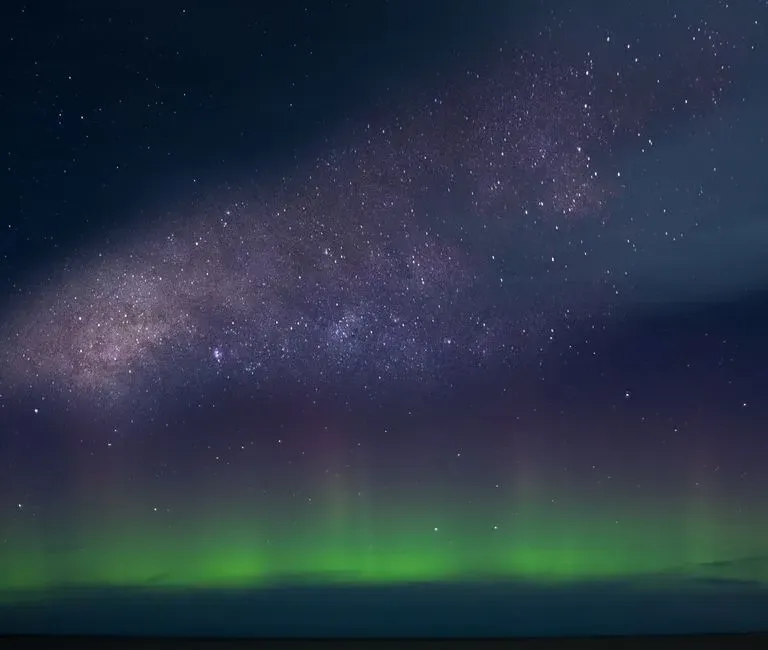
Light travels in straight lines through uniform material, but Earth’s atmosphere is anything but uniform. Pockets of warm and cold air, layers with slightly different compositions, and wind shear all create regions with slightly different refractive indexes, which is a fancy way of saying they bend light by different amounts. As the starlight passes through these turbulent patches, the direction and intensity of the light that finally reaches you keeps changing.
Your eye or camera ends up seeing that as a star that brightens, dims, and shifts its apparent position just a little, dozens of times every second. It is like the light is being passed through a constantly reshaping lens, wobbling just enough that the star seems to shimmer. The star itself is usually burning along calmly, utterly unaware that a restless blanket of air is turning it into an atmospheric light show for anyone watching from the ground.
Why Planets Seem Steady While Stars “Twinkle”
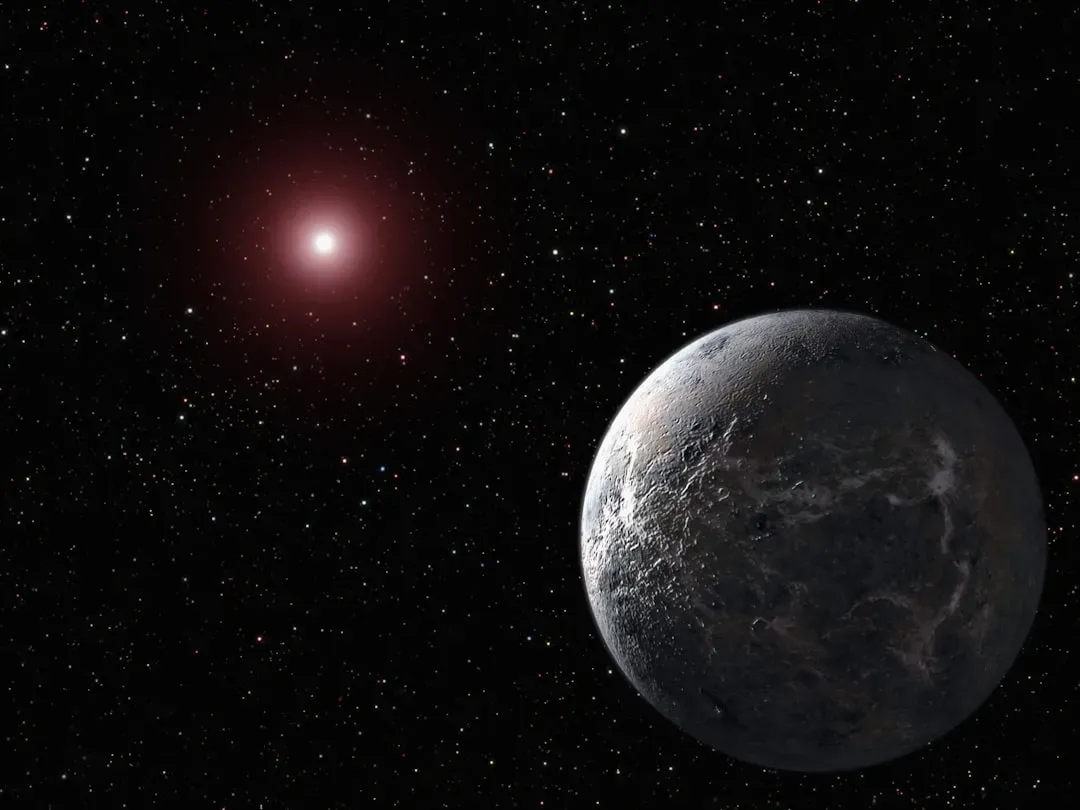
If you pay close attention, you might notice something interesting: planets, especially the bright ones like Venus, Jupiter, and Mars, usually look steadier than nearby stars. It is not because planets are somehow immune to the atmosphere – they are not – but because they are close enough to appear as tiny disks rather than true point sources of light. Even though you cannot resolve those disks with your naked eye, your eye still collects light from a slightly larger apparent area.
That small difference matters a lot. While starlight comes from a single tiny point and is easily scrambled by turbulence, the light from a planet averages out the distortions over its tiny disk. It’s like listening to a choir instead of a soloist: the individual wobbles cancel each other out and the overall signal sounds smoother. So when you see a sky object that flickers wildly, it is probably a star, and when one stays fairly steady, especially low in the sky and bright, chances are good you are looking at a planet pretending to be a star.
From Backyard Twinkle to Professional Nuisance: Astronomers vs. “Seeing”
The poetic twinkling that looks so charming to us is actually a headache for astronomers. They call it “seeing,” and they measure how much the atmosphere blurs and distorts incoming light from space. For ground‑based telescopes, poor seeing can smear fine details into mush, making it harder to study distant galaxies, resolve close double stars, or detect tiny changes in a star’s brightness.
To fight back, observatories build telescopes on mountaintops, islands, and deserts where the air is thinner, steadier, and drier. Then they layer on technology like adaptive optics, which uses deformable mirrors that flex in real time to cancel out atmospheric blur. It is wild to realize that the same twinkling your eyes find romantic is, at scientific scale, a kind of visual pollution that researchers spend enormous effort and money to tame.
What You Are Really Looking At: Ancient Nuclear Fires Across Deep Time
Underneath all that atmospheric chaos lies a deeper awe: every “twinkling” star you see is a colossal ball of plasma powered by nuclear fusion, often burning steadily for millions or even billions of years. The timescale mismatch is breathtaking. Your eye sees a brightness that jumps and jitters in fractions of a second, while the underlying star has probably been shining more or less consistently longer than any mountain on Earth has existed.
When you stand outside at night and look up, you are basically watching turbulence in the air play flicker‑effects over light that left its source long before humanity even existed. For some stars, that light started its journey before our species evolved; for others, before Earth had complex life at all. Personally, I find it almost rude that our messy little atmosphere dares to wobble and smudge something that ancient and patient – it’s like someone scribbling on a Renaissance painting with a dry‑erase marker.
Above the Atmosphere: Why Space Telescopes See a Different Sky
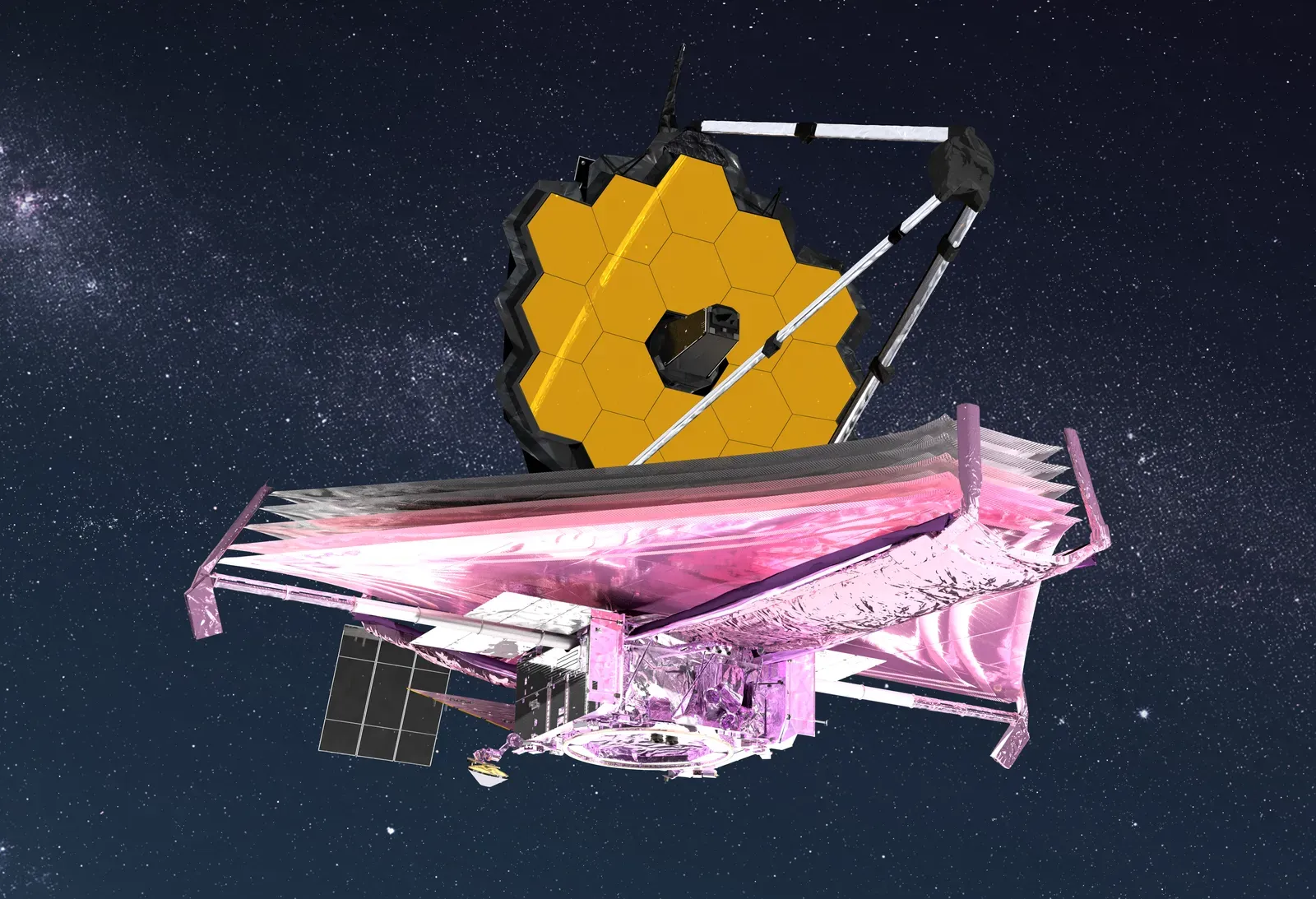
Put a telescope in space, and the twinkle disappears instantly. Observatories like the Hubble and other space telescopes orbit above the atmosphere, so starlight reaches their mirrors just as it travels through the vacuum of space: clean, sharp, and steady. Images taken from space show stars as crisp, well‑defined points, revealing structures and details that ground‑based telescopes can only fully match with advanced correction systems.
This is one big reason why sending telescopes into orbit has been such a revolution for astrophysics. Without atmospheric turbulence, astronomers can resolve subtle features, detect faint distant galaxies, and parse delicate changes in starlight that hint at exoplanets or stellar activity. The stars did not become more stable when we launched those telescopes; we just finally got our messy blanket of air out of the way and let the universe speak more clearly.
How Knowing the Truth Changes the Way You Look Up
Once you understand that stars do not twinkle on their own, the night sky feels less like a gentle storybook and more like an honest physics demonstration. You start to notice patterns: how the flicker is stronger near the horizon, where starlight cuts through more atmosphere, and how on certain calm nights the stars seem steadier because the air is less turbulent. Suddenly, you are not just stargazing – you are doing a low‑key experiment with your naked eyes.
There is a kind of sober beauty in that shift. My personal opinion is that the reality is better than the myth: knowing you’re watching air currents swirl above you while ancient stars burn steadily far away makes the universe feel both intimate and enormous at the same time. The next time you see a star “twinkle,” you’ll know it’s not the star playing with you – it is your own planet, subtly reminding you that you are always looking up through a living, moving sky. And really, isn’t it a little wild that even when we simply look at a star, Earth is still part of the story?
Conclusion: Twinkle as a Beautiful Lie We Choose to Keep
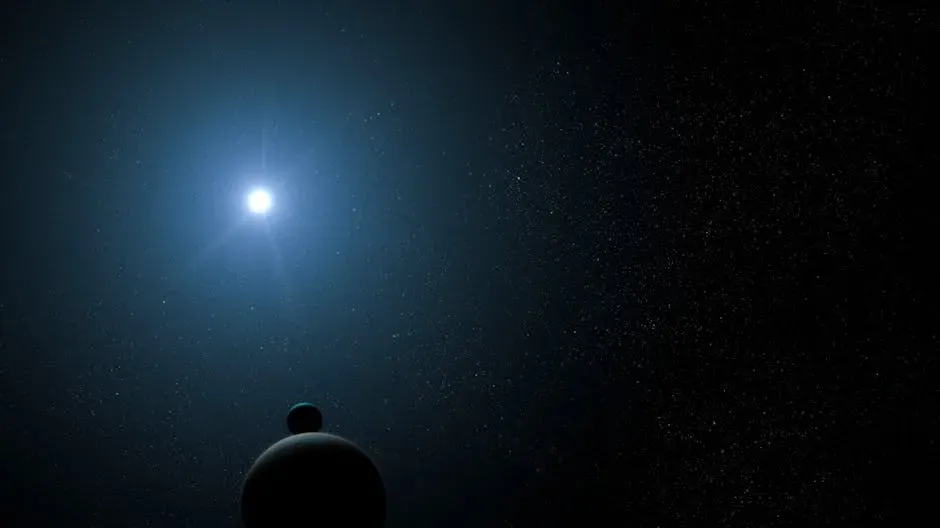
If we are being strict about the science, the phrase “twinkling star” is wrong. The star is steady, and the twinkle is a side effect of an atmosphere that cannot sit still for a single second. But I think tossing out the twinkle entirely would be a mistake. The poetry and the physics can coexist, as long as we remember who is doing what: the star is the ancient, relentless engine, and the atmosphere is the playful trickster flickering the light on its way down.
My take is simple: learn the truth, savor the accuracy, and then go right back to calling them twinkling stars if you want – just with a quietly upgraded sense of what’s really happening. You are not just watching a pretty light in the dark; you are watching your own sky distort the glow of something that has been burning for longer than your mind can truly grasp. Knowing that, will the next star you see look the same to you, or will you catch the atmosphere in the act?