Articles for author: Lovely Aquino

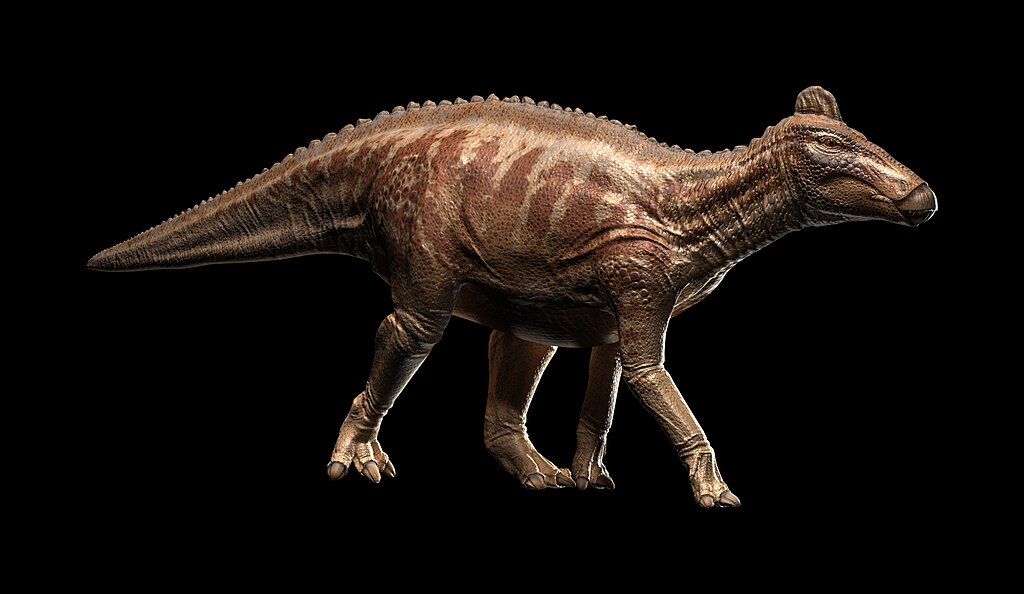
Edmontosaurus reconstruction

Edmontosaurus: The Duck-Billed Dinosaur With Mummified Fossils

Edmontosaurus, one of the most well-documented dinosaurs in paleontological history, has fascinated scientists for generations due to its remarkable preservation in the fossil record. This duck-billed dinosaur, or hadrosaur, roamed North America during the Late Cretaceous period and left behind not just skeletal remains but also extraordinarily rare “mummified” specimens with preserved skin impressions. These ...

Specimen Ridge Petrified Forest Yellowstone

Fossilized Forests: How Lava Preserved Ancient Woodlands

Deep beneath layers of volcanic rock lie remarkable time capsules of Earth’s prehistoric past—ancient forests perfectly preserved by flows of molten lava. These fossilized woodlands provide an extraordinary window into ecosystems that flourished millions of years ago, capturing not just individual trees, but entire forest communities frozen in time. Unlike traditional fossils that preserve only ...

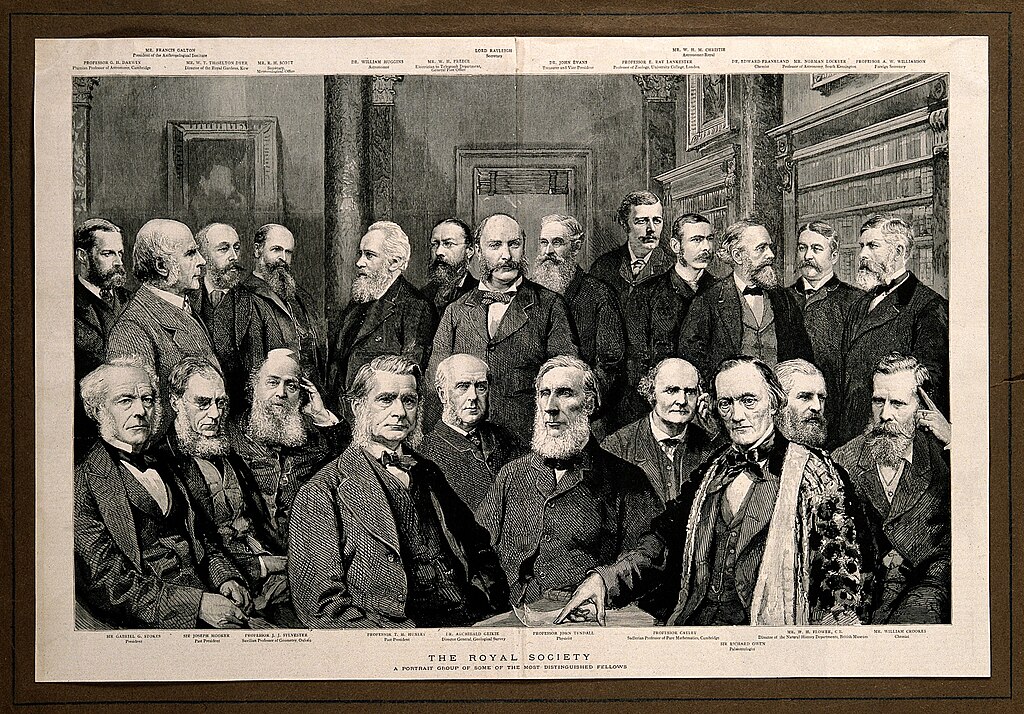
Fellows of the Royal Society

Victorian-Era Fossil Hunters: Science, Scandals, and Social Climbing

In the shadow of Industrial Revolution smokestacks and beneath the weight of rigid social hierarchies, a remarkable scientific revolution was quietly taking place in Victorian Britain. Armed with hammers, chisels, and an insatiable curiosity about Earth’s ancient past, fossil hunters of the 19th century ventured into quarries, along coastal cliffs, and through limestone caves to ...

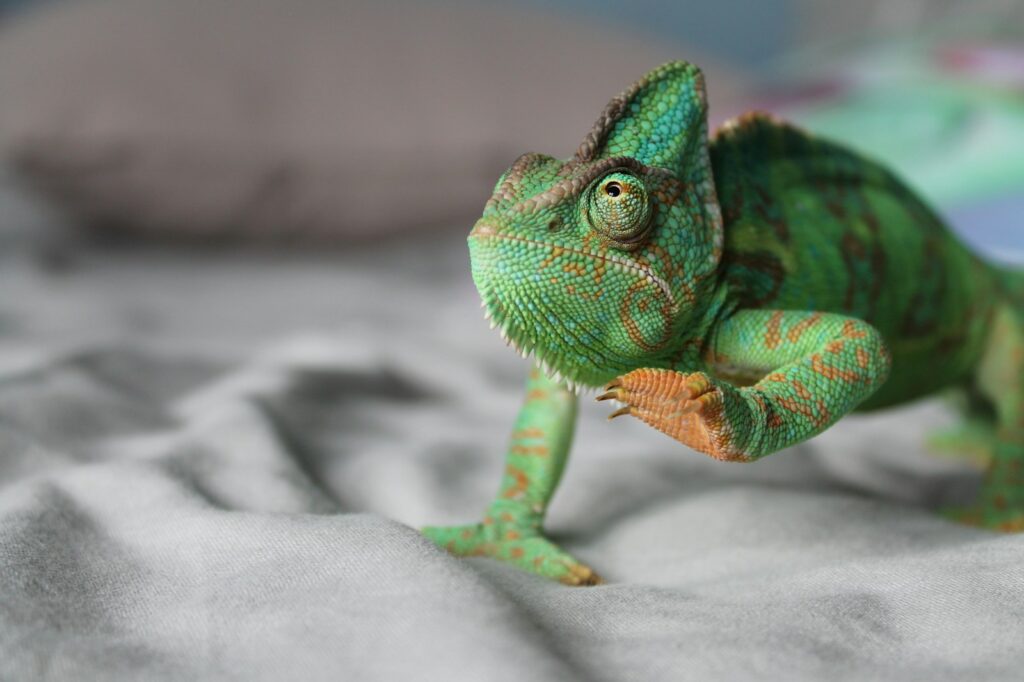
green chameleon lifting left leg

Could Dinosaurs Change Color Like Chameleons?

The ability of chameleons to change their skin color has fascinated humans for centuries. These remarkable reptiles can shift their hues to communicate, regulate body temperature, and camouflage themselves from predators. Given that dinosaurs were also reptiles, albeit often much larger ones, a natural question arises: could dinosaurs change color like chameleons? Recent paleontological discoveries ...

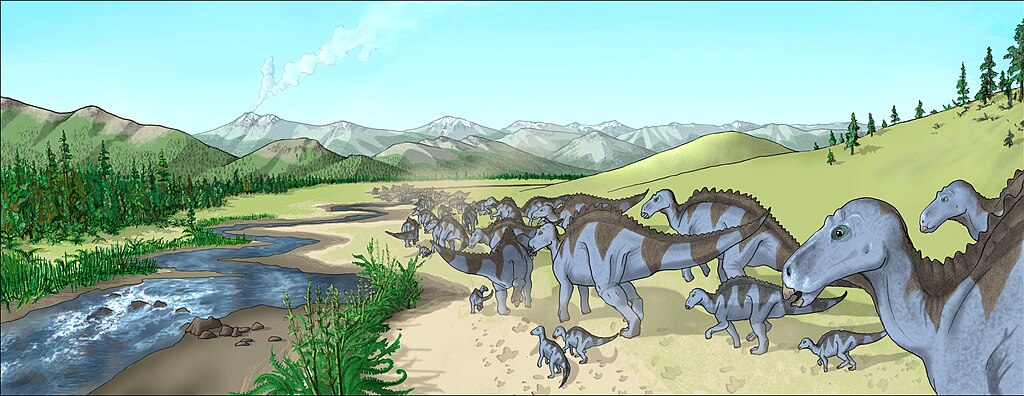
Maiasaura herd

What We Know About Dinosaur Herd Behavior

Dinosaurs, the magnificent creatures that dominated Earth for over 160 million years, have long captured our imagination. While popular media often portrays them as solitary hunters or mindless beasts, paleontological evidence increasingly suggests that many dinosaur species exhibited complex social behaviors, particularly herding. Through careful analysis of fossils, trackways, nesting sites, and comparative studies with ...

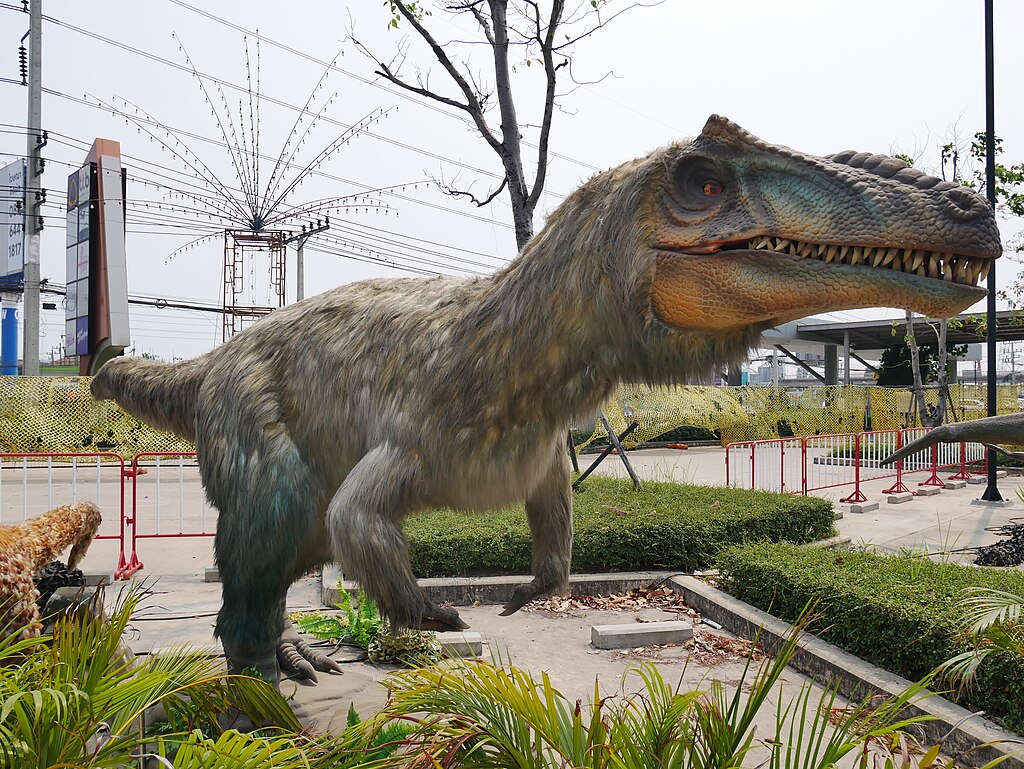
Central Plaza Mahachai,Samutsakorn,Thailand

Yutyrannus: The Feathered Giant That Changed Everything We Knew About T. rex

In the world of paleontology, few discoveries have shattered long-held assumptions quite like Yutyrannus huali. This massive feathered predator from Early Cretaceous China fundamentally altered our understanding of tyrannosaurs and challenged the traditional image of Tyrannosaurus rex and its relatives. Unveiled to the scientific community in 2012, Yutyrannus—whose name translates to “feathered tyrant”—provided conclusive evidence ...

Megalosaurus type dentary

The First Dinosaur Fossil Ever Found: A History That Changed Science

The discovery of the first dinosaur fossil marked a pivotal moment in scientific history, challenging existing beliefs about Earth’s past and opening the door to an entirely new field of study. Long before the term “dinosaur” was coined, puzzling remains were unearthed that would eventually revolutionize our understanding of prehistoric life. These early findings, initially ...

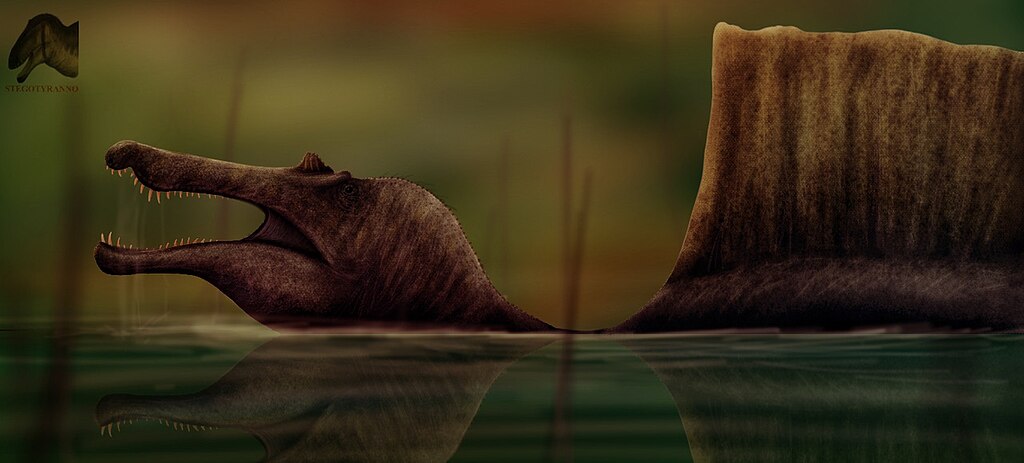
Spinosaurus aegyptiacus reconstructed as an semi-aquatic animal

The Dinosaur That Lived Underwater – A Shocking Discovery

In the realm of paleontology, few discoveries have challenged our understanding of prehistoric life quite like the evidence of aquatic dinosaurs. While we’ve long known about marine reptiles like plesiosaurs and ichthyosaurs, true dinosaurs were traditionally considered terrestrial creatures. However, groundbreaking discoveries have revealed compelling evidence that some dinosaur species may have been adapted for ...

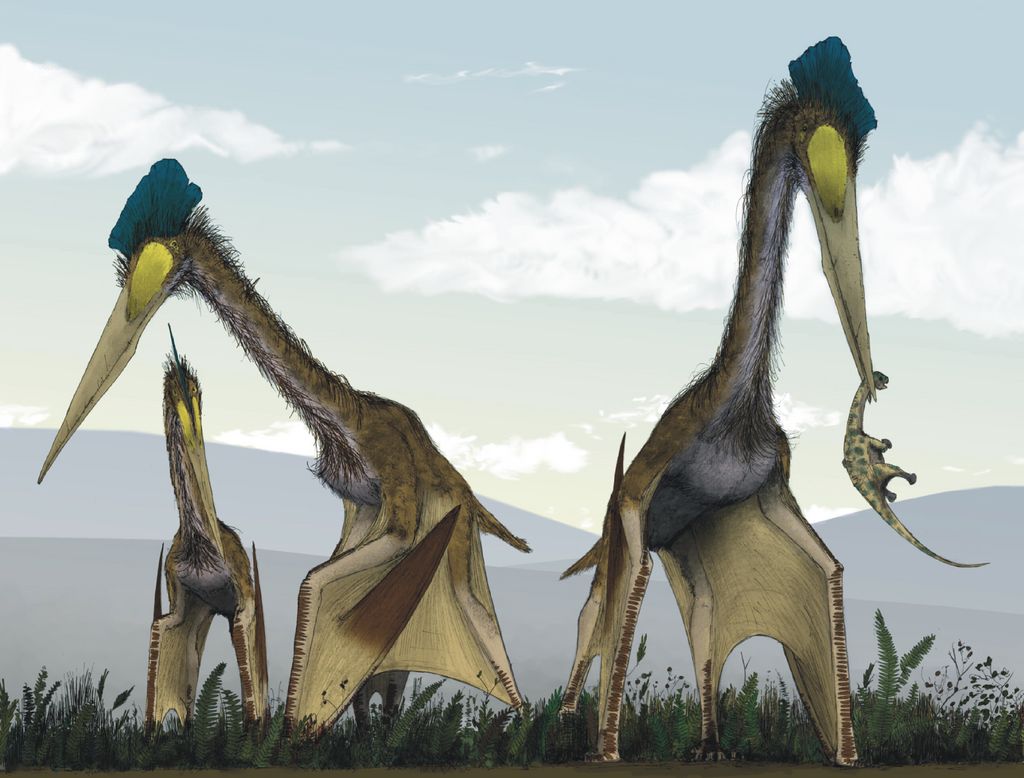
A juvenile titanosaur has been caught by one pterosaur

Pterosaurs: The Flying Reptiles That Ruled the Air

Long before birds dominated the skies and even before bats took their first fluttering flights, another group of animals had already mastered the art of aerial locomotion. Pterosaurs, whose name means “winged lizards,” were the first vertebrates to evolve powered flight. These remarkable reptiles weren’t dinosaurs, though they were close relatives, and they inhabited Earth ...

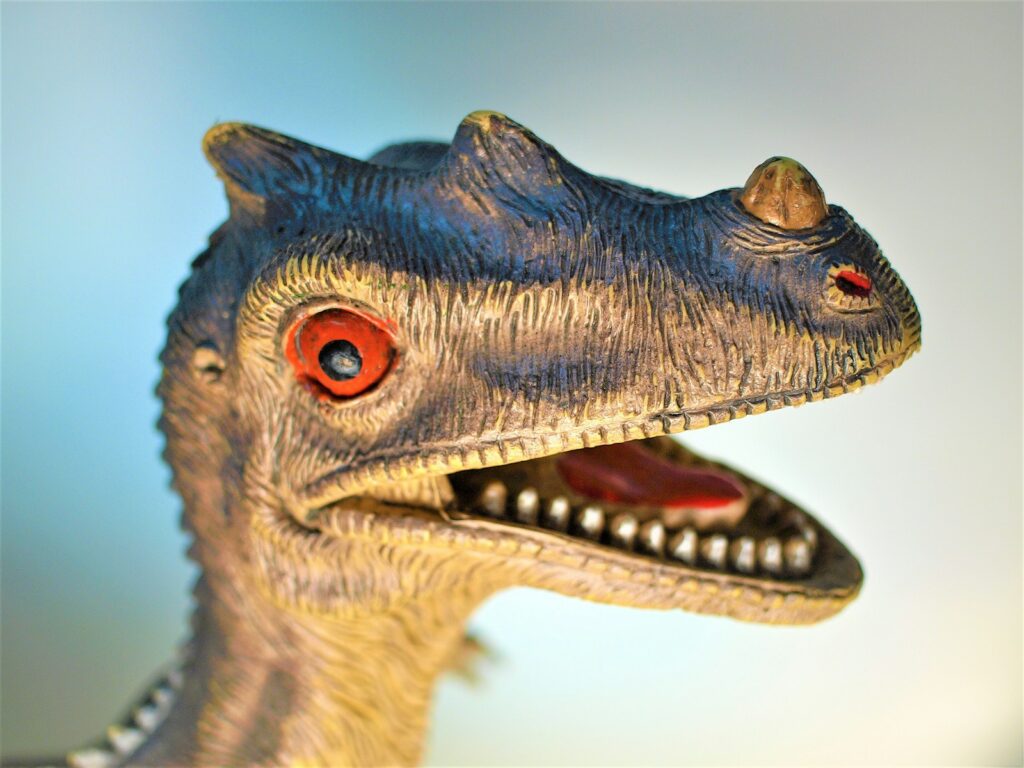
closed-up photo of gray dinosaur figurine

Did Dinosaurs Have Lips? The Debate Continues

Dinosaurs have captivated our imagination for centuries, yet despite extensive fossil evidence, many aspects of their appearance remain shrouded in mystery. Among the most intriguing debates in paleontology is whether dinosaurs had lips similar to modern lizards or exposed teeth like crocodiles. This seemingly simple question has sparked considerable scientific controversy, dividing experts and influencing ...