Articles for author: Lovely Aquino

selective focus photography of bird

How Crocodiles, Birds, and Turtles Survived the Asteroid that Ended the Dinosaurs

When a massive asteroid struck Earth approximately 66 million years ago, it triggered catastrophic global changes that wiped out approximately 75% of all species, including the non-avian dinosaurs that had dominated terrestrial ecosystems for over 160 million years. Yet amid this devastation, certain animal groups managed to endure and eventually thrive in the post-impact world. ...

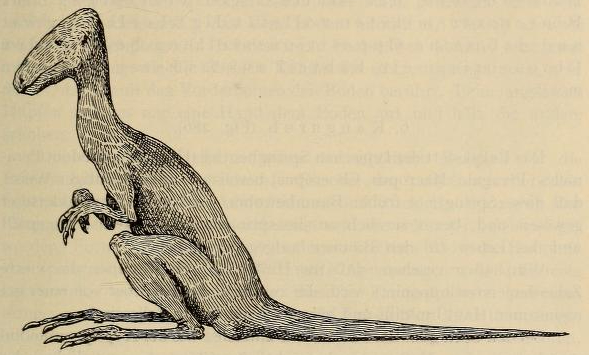
Possible appearance of a Ankylosaurus according to the few bones found

Ankylosaurus: The Armored Tank With a Wrecking Ball Tail

The Late Cretaceous period witnessed some of nature’s most impressive defensive adaptations, and perhaps none were more spectacular than those of Ankylosaurus. This remarkable dinosaur, whose name means “fused lizard,” was essentially a prehistoric tank, covered from head to tail in bone-plate armor and wielding one of paleontology’s most recognizable weapons: a massive clubbed tail ...

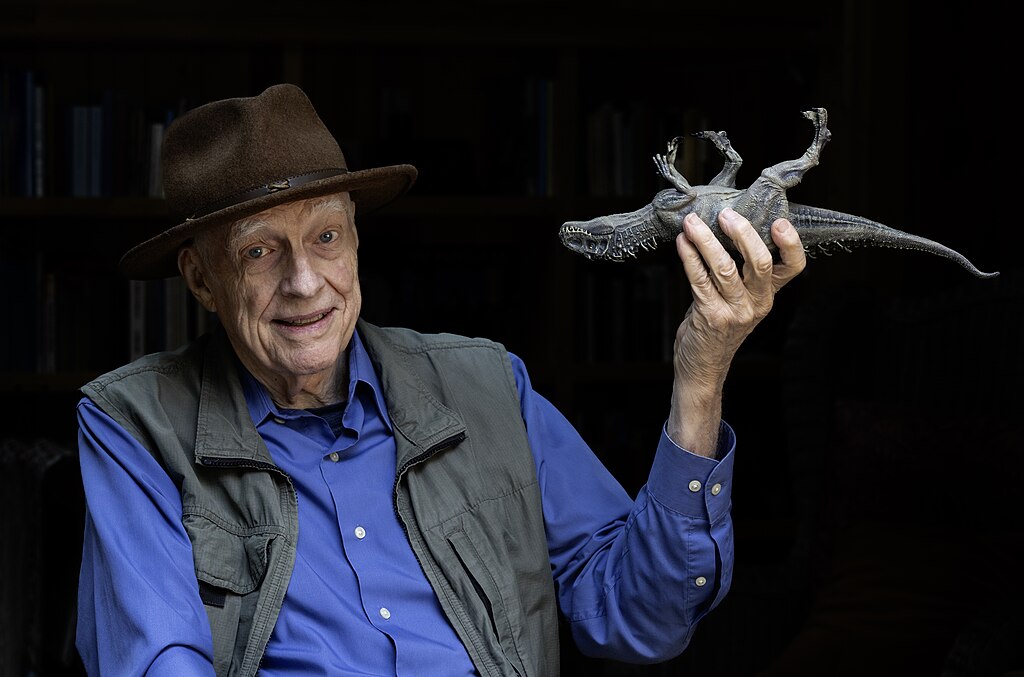
Neil Shubin at the University of Tulsa in 2008, with a cast of a ''Tiktaalik'' skull

Neil Shubin: The Paleontologist Who Bridged the Gap Between Fish and Land Animals

Neil Shubin stands as one of the most influential paleontologists of the modern era, whose groundbreaking discovery of Tiktaalik roseae fundamentally changed our understanding of vertebrate evolution. His work illuminated the critical transition between aquatic and terrestrial life, bridging a gap in evolutionary science that had persisted for decades. Shubin’s interdisciplinary approach, combining paleontology, developmental ...

A small green dinosaur walks along a sandy beach near tide pools and rocky formations under a blue sky with scattered clouds.

How Changing Coastlines Created New Dinosaur Habitats

The dynamic relationship between Earth’s shifting landmasses and the evolution of dinosaur species represents one of paleontology’s most fascinating narratives. For millions of years, as continental plates drifted, coastlines advanced and retreated, dramatically altering environments and creating new ecological niches. These geological processes didn’t merely reshape the physical landscape—they fundamentally transformed the course of dinosaur ...

macro photofraphy of black ant

Tiny Predators: The Invertebrates That Ruled the Undergrowth of the Dinosaur Age

While dinosaurs dominated the Mesozoic Era as the most visible and impressive creatures of their time, a fascinating microscopic world thrived beneath their massive feet. The undergrowth of the dinosaur age teemed with invertebrate life forms that played crucial ecological roles in these ancient ecosystems. These tiny predators—insects, arachnids, and other arthropods—evolved remarkable survival strategies, ...

Kronosaurus hunting on the plesiosaur Woolungasaurus

The Sea Monsters of the Mesozoic: Ichthyosaurs, Pliosaurs & Mosasaurs

The depths of Earth’s primordial oceans once teemed with marine predators so formidable that they would eclipse many of today’s apex ocean hunters. During the Mesozoic Era (252-66 million years ago), while dinosaurs dominated the land, the seas belonged to a spectacular array of reptilian creatures that had returned to aquatic lifestyles. Ichthyosaurs with their ...

Maiasaura herd

Maiasaura: The Dinosaur That Raised Its Young

Approximately 76 million years ago, in what is now Montana, a remarkable dinosaur roamed the prehistoric landscape — one that would eventually revolutionize our understanding of dinosaur behavior. Named Maiasaura (pronounced my-ah-SAWR-ah), meaning “good mother lizard,” this dinosaur species has provided paleontologists with extraordinary evidence of parental care in the dinosaur world. First discovered in ...

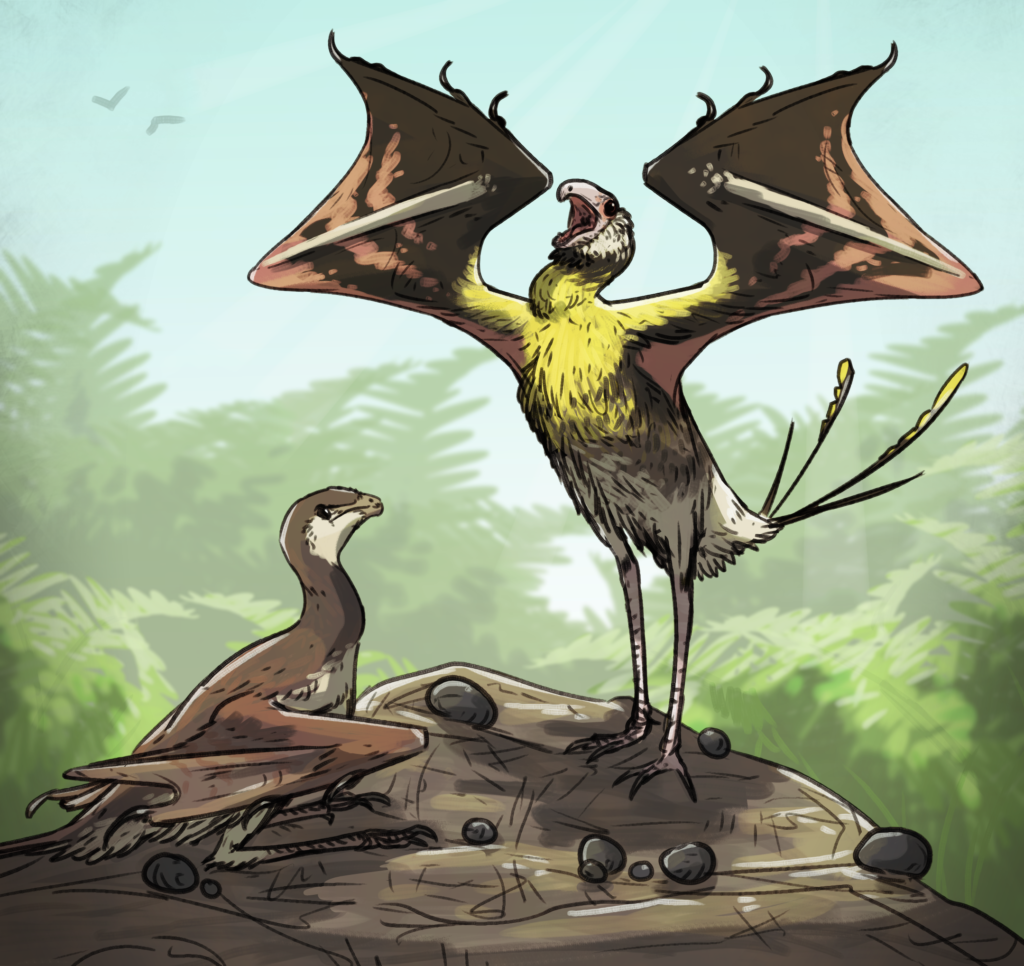
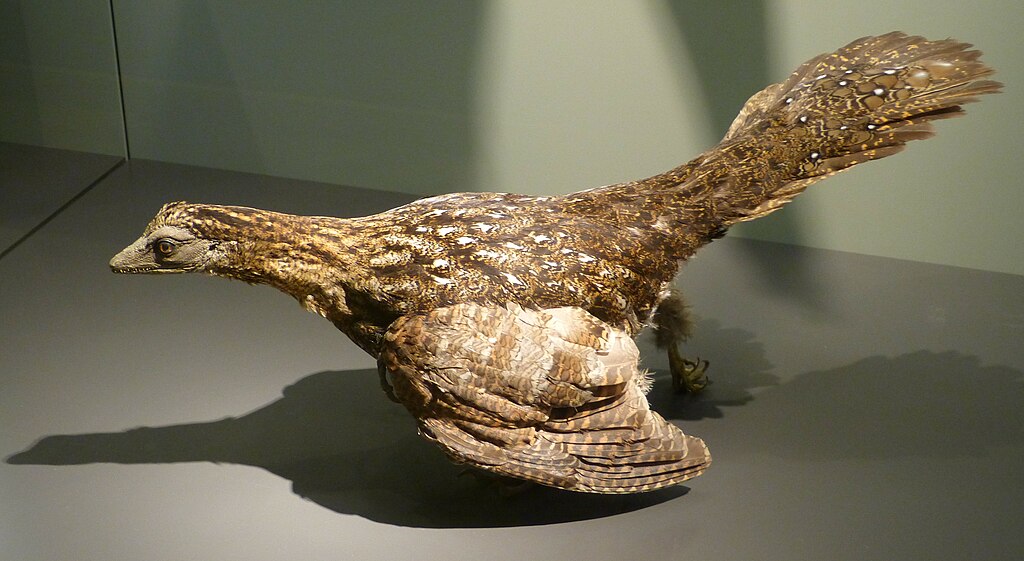
Microraptor's aerodynamic feathers hint at gliding or even early flight, soaring through prehistoric skies.

Were Feathers the Norm or the Exception in Dinosaurs?

The discovery of feathered dinosaur fossils has dramatically transformed our understanding of these prehistoric creatures. Far from the scaly, reptilian beasts that dominated popular imagination throughout the 20th century, evidence now suggests many dinosaurs sported feathers and feather-like structures. This evolutionary connection between dinosaurs and modern birds represents one of paleontology’s most significant paradigm shifts ...

Feathered T. rex

The Most Controversial Dinosaur Theories Ever Proposed

Dinosaur paleontology has always been a field ripe with debate and competing hypotheses. Since the first formal naming of dinosaurs in the 1800s, scientists have proposed numerous theories about these magnificent creatures—some gaining widespread acceptance while others sparking fierce controversy. As our understanding evolves with new discoveries and technologies, once-settled “facts” about dinosaurs are constantly ...

Illustration of a bird-like dinosaur with red and black feathers, perched on a branch in a dense forest. The scene evokes a prehistoric era.

5 Dinosaurs That Had Beaks Instead of Teeth

When imagining dinosaurs, many of us picture fearsome creatures with mouths full of sharp teeth. However, paleontological discoveries have revealed that numerous dinosaur species actually possessed beaks similar to modern birds, rather than teeth. This fascinating evolutionary adaptation allowed these ancient creatures to specialize their feeding strategies and occupy unique ecological niches. Below, we explore ...