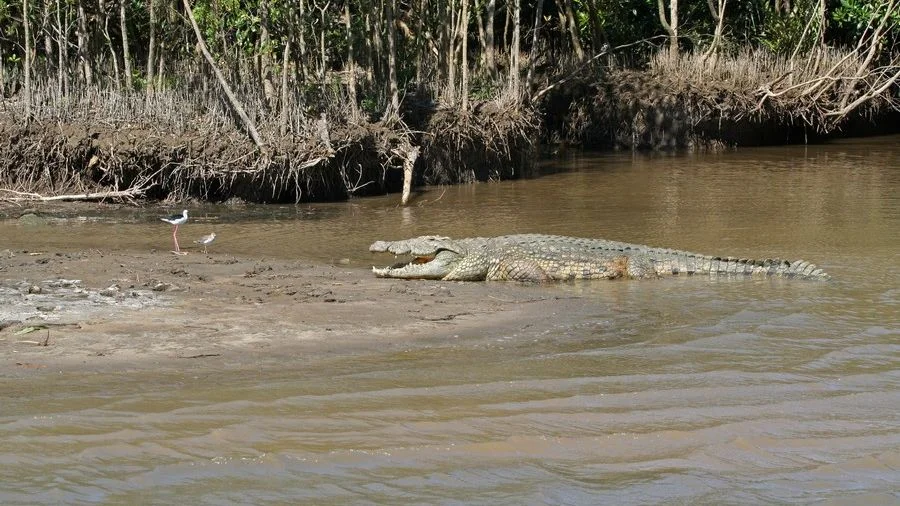
BANGKA, Indonesia – A quiet coastal village on this tin-rich island, settled for centuries, now confronts a grim new reality. Fisherman Jauhari’s death in February marked yet another fatal encounter with an estuarine crocodile along the west coast. Local reports point to at least 21 such victims over the past five years, a sharp increase that residents attribute to profound environmental changes.
A Fisherman’s Fatal Encounter
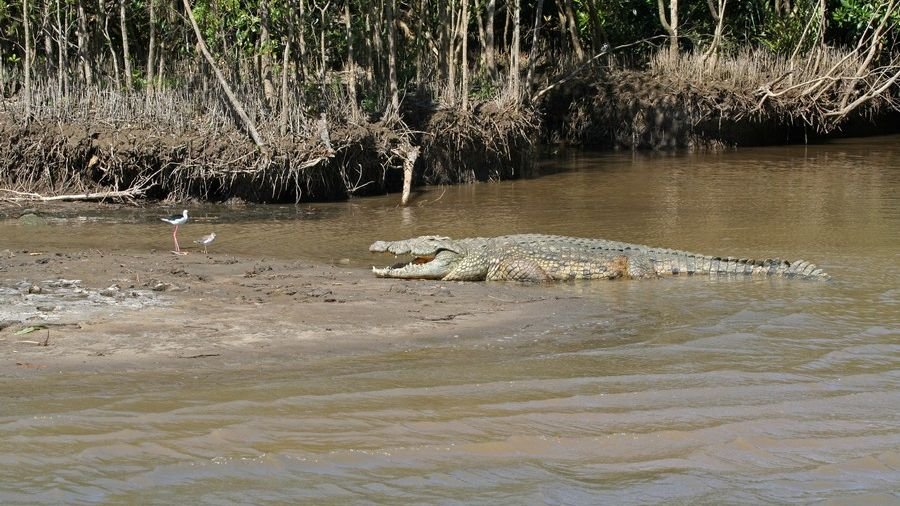
A Fisherman’s Fatal Encounter (Image Credits: Upload.wikimedia.org)
In late February, 40-year-old Jauhari ventured into familiar waters off Bangka’s west coast, only to meet a tragic end. An estuarine crocodile, known locally as the saltwater crocodile, claimed his life in what locals describe as a sudden and brutal attack. This incident stood out not just for its horror but as the latest in a string of deadly clashes between humans and these apex predators.
The Alobi Foundation, a wildlife charity active in the region, tallied 21 fatalities from crocodile attacks on the island over the last five years. Such numbers reflect a troubling escalation in a place where these reptiles once coexisted quietly with communities. Fishermen and villagers now approach estuaries with heightened caution, their traditional livelihoods shadowed by fear.
Habitat Destruction at the Core
Decades of unchecked development have transformed Bangka’s once-vast wetlands into scarred landscapes. Illegal tin mining has scarred swamps and tributaries, key habitats for estuarine crocodiles. In parallel, vast tracts of land in areas like Menduk village have shifted to oil palm plantations, squeezing out the reptiles’ natural refuges.
Suhadi, a resident of Menduk village on western Bangka, linked the attacks directly to these changes. “This has happened because many swamps and tributaries that are the habitat of estuarine crocodiles have been damaged by illegal tin mining, and then turned into oil palm plantations,” he told Mongabay Indonesia in late March. His words capture a widespread sentiment: human expansion has forced crocodiles into closer contact with people. The Menduk wetlands, previously teeming with these creatures, now serve mining operations and palm oil fields.
Profile of a Formidable Predator
Estuarine crocodiles rank as the world’s largest reptiles, capable of growing beyond 6 meters in length and weighing up to 2 tons. These massive animals, which can live more than 70 years, typically remain submerged in estuaries and lagoons, ambushing prey with explosive power. On Bangka, they once thrived in undisturbed coastal ecosystems, emerging rarely into human view.
Habitat pressures have altered this dynamic. Displaced from swamps, the crocodiles venture into fishing grounds and village edges, heightening risks for those who depend on the sea. Their stealth and strength make every encounter potentially lethal, turning routine activities into gambles.
Conservationists note that such shifts disrupt long-established balances. As mining pits fill former waterways and palm rows replace mangroves, crocodiles adapt by roaming farther, often into populated zones. This pattern underscores broader tensions between resource extraction and wildlife preservation in Indonesia’s outer islands.
Indonesia’s Mounting Crocodile Crisis
Bangka’s troubles mirror a national uptick in human-crocodile conflicts. A 2023 study in the journal Biological Conservation analyzed press reports and documented 665 attacks across Indonesia from 2017 to 2019. The archipelago’s expansive coastlines and river systems provide ideal crocodile territory, yet rapid development amplifies clashes.
Climate factors may worsen the strain, pushing animals from shrinking habitats into human paths. On Bangka, the world’s premier tin producer, economic priorities often overshadow ecological safeguards. Local charities like the Alobi Foundation advocate for restoration, but progress remains slow amid ongoing illegal activities.
Key Factors Driving Attacks:
- Illegal tin mining scarring swamps and rivers.
- Conversion of wetlands to oil palm plantations.
- Displacement of crocodiles into fishing and village areas.
- National rise in reported incidents, per 2023 research.
For communities like those on Bangka, Jauhari’s death serves as a stark warning. Restoring wetlands could ease tensions, yet balancing livelihoods with conservation demands urgent action. As pressures mount, the island’s residents weigh survival against the wild forces they helped unleash.