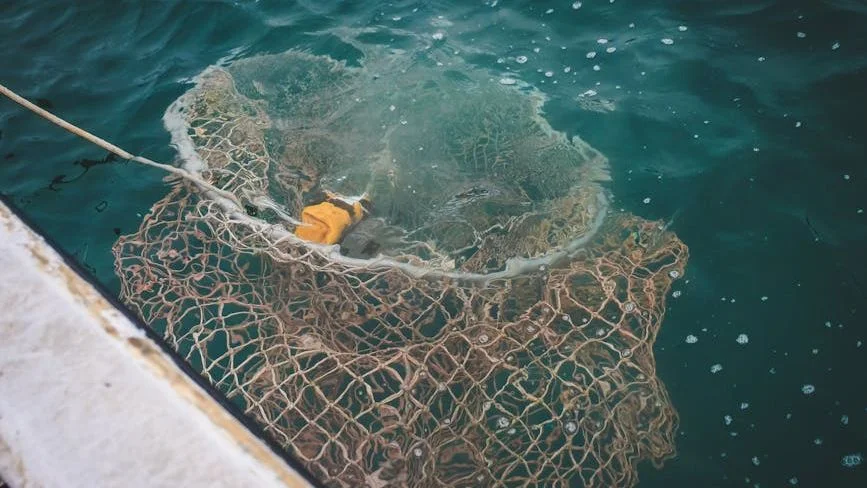
Researchers have documented nearly 3,000 marine fish species caught in bottom trawls, a fishing technique that drags heavy nets across the ocean floor. The method targets commercial staples such as rockfish, cod, and shrimp, yet it ensnares a far broader array of seafloor dwellers, including seahorses and other bottom-associated creatures. A team led by experts from the University of British Columbia sought answers to a fundamental question about these operations, exposing gaps in basic fisheries knowledge.
Understanding Bottom Trawling’s Reach
Understanding Bottom Trawling’s Reach (Image Credits: Pexels)
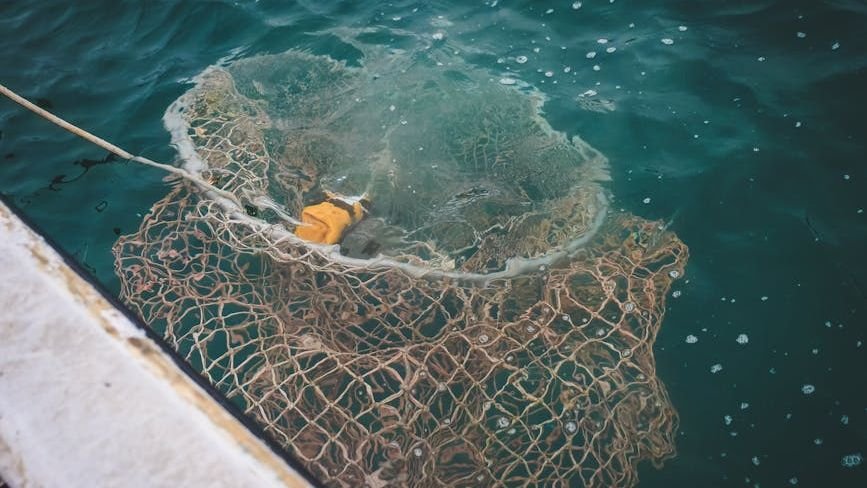
Bottom trawling remains a mainstay in commercial fishing, with vessels deploying weighted nets that scrape along seabeds to harvest valuable invertebrates and fish. Operators focus on species like shrimp and groundfish, but the indiscriminate nature of the gear captures unintended marine life living near or on the bottom. This practice has drawn scrutiny for its environmental impact, prompting scientists to quantify its full scope.
Sarah Foster, co-author of the study and leader of the Project Seahorse initiative at the University of British Columbia in Canada, initiated the work while investigating effects on seahorses. Her team encountered a striking void in the data. “I was surprised to realize there was no clear answer,” Foster explained in an email to Mongabay. The absence of a definitive species list represented a critical oversight in fisheries science.
Compiling the Species List
To address this, the researchers pored over reports and documents detailing bottom trawl catches from around the world. They meticulously recorded nearly 3,000 distinct marine fish species encountered in these operations. The tally included a diverse mix, from well-known commercial targets to lesser-documented bottom-dwellers.
Foster noted that their figure likely underrepresents reality. “Our estimates suggest the true number could be double that,” she said. The compilation process revealed patterns in reporting, with certain species receiving more attention than others. This effort marked the first comprehensive attempt to catalog the breadth of fish affected by bottom trawling.
Biases in Catch Reporting
A key finding centered on documentation disparities tied to fish size. Larger species appeared more frequently in records, often identified individually due to their commercial value. Smaller fish, however, frequently fell into vague groupings like “mixed fish” or “trash fish,” obscuring their presence.
This size bias complicates efforts to grasp the full impact of trawling. Many diminutive species evade precise tracking, leaving fisheries managers without a complete picture. The study’s authors emphasized that such omissions hinder accurate assessments of ecosystem effects and population statuses.
Key Study Insights:
- Nearly 3,000 marine fish species documented in bottom trawl catches.
- True total potentially twice as high due to underreporting.
- Larger fish tracked individually; smaller ones lumped as “trash fish.”
- Baseline data missing for one of fishing’s most common methods.
Implications for Fisheries Management
The revelations underscore a foundational problem: fisheries cannot manage catches they fail to measure fully. Without knowing the exact species involved, regulators struggle to protect vulnerable populations or mitigate bycatch. Threatened species may slip through unmonitored, exacerbating conservation risks.
“One of the most basic questions in fisheries is what is actually being caught, and yet, for bottom trawling, that baseline understanding was missing,” Foster stated. “First, it means we don’t actually know what fisheries are catching – and we cannot manage what we do not measure.” Her team called for improved monitoring to fill these voids and support sustainable practices.
These findings arrive amid ongoing debates over bottom trawling’s role in global seafood supply. Enhanced data collection could guide reforms, balancing economic needs with marine biodiversity protection. The study provides a starting point for deeper scrutiny of this pervasive method.