Ilhéus, Bahia – Brazil recently inaugurated its first dedicated rehabilitation center for golden-headed lion tamarins, small primates now venturing into urban zones as their forest homes dwindle. These endangered monkeys, known scientifically as Leontopithecus chrysomelas, face mounting pressures from expanding cities and shifting agricultural practices. The new facility marks a critical step in efforts to rescue, treat, and relocate animals displaced by human activity.
Monkeys in the Marketplace: A Desperate Dash for Survival
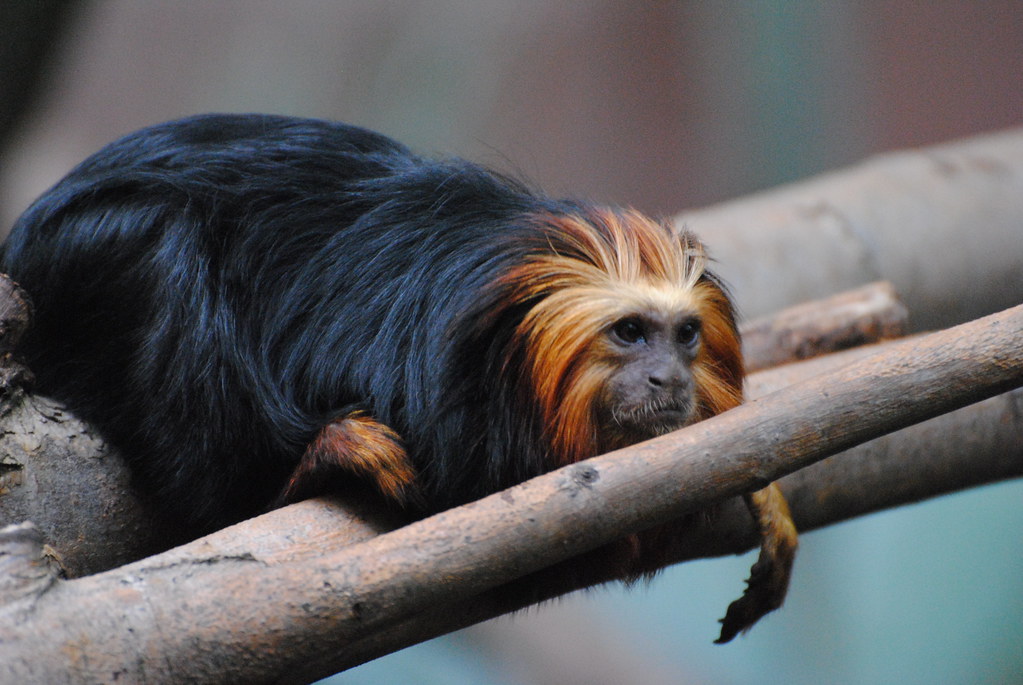
Monkeys in the Marketplace: A Desperate Dash for Survival (Image Credits: Flickr)
Videos captured golden-headed lion tamarins raiding fruit displays in Ilhéus supermarkets or scampering across high-voltage power lines, behaviors that highlight their plight rather than abundance. Biologist Leonardo Oliveira, who has studied the species for over two decades, noted that such sightings mislead the public. “Often, for the general public seeing these monkeys in their backyard or at the market gives them the false impression that everything is fine: ‘Wow, there are so many of them, they’re even coming into the city.’ No. The city is the one moving into their space,” he explained.
Electrocutions, vehicle collisions, and attacks from domestic dogs claim numerous lives annually. Previously, no specialized facility existed to care for these injured primates and prepare them for wild release. The center now fills that void, offering veterinary treatment tailored to their needs.
Habitat Loss Accelerates Population Decline
The golden-headed lion tamarin’s range contracted by 42 percent between 1992 and 2024, shrinking from roughly 22,500 square kilometers to 13,000 square kilometers. Their numbers fell nearly 60 percent over three decades, from an estimated 50,000 individuals to fewer than 24,401 today, per a recent reassessment. Much of their remaining habitat consists of cacao agroforestry systems, where shade-grown crops thrive under native tree canopies that provide essential food and shelter.
Conversion of these diverse farms to monoculture soy, coffee, or livestock pastures fragments the landscape further. Forested corridors vanish, stranding family groups and forcing risky forays into developed areas. Conservationists emphasize preserving these agroforestry zones as vital buffers.
The Center: A Blueprint for Rescue and Recovery
Opened on March 26, 2026, at the State University of Santa Cruz in Ilhéus, the center can initially house three family groups of tamarins. Expansion plans aim to accommodate up to eight groups, enhancing capacity for rescues. Staff, including Oliveira and coordinator Danilo Simonini, focus on triage, medical care, behavioral conditioning, and translocation to safer rural sites.
Funded by the U.K.-based Tamarin Trust, the facility partners with local institutions to streamline operations. This date coincides with Ilhéus’s municipal tamarin day, established in 2024 when the city named the species its official mascot – aligning with national cacao day to underscore their intertwined fates.
Key Threats Facing Golden-Headed Lion Tamarins
- Urban expansion encroaching on coastal Atlantic Forest remnants.
- Loss of cacao shade farms to intensive monocrops and pastures.
- Electrocution on power lines during crossings.
- Road strikes in fragmented habitats.
- Predation by free-roaming domestic dogs.
These pressures compound for the species, endemic to southern Bahia. Targeted interventions like the rehab center aim to reverse trends through proactive relocation.
Key Takeaways
- The center addresses a long-standing gap in specialized primate care.
- Population recovery hinges on protecting agroforestry landscapes.
- Local initiatives, like Ilhéus’s mascot status, boost community involvement.
This pioneering effort signals broader commitment to the Atlantic Forest’s biodiversity. As tamarins reclaim safer territories, sustained habitat protection remains essential. What steps can communities take to support such conservation wins? Share your thoughts in the comments.