Indianapolis – Butler University has earned Bronze-level certification from the National Wildlife Federation as a Plastics Reduction Partner. This recognition celebrates the private institution’s targeted initiatives to minimize single-use plastic waste on campus. The achievement aligns with broader efforts in higher education to combat plastic pollution, a persistent danger to wildlife and natural habitats.
Campus Initiatives Spark Real Change
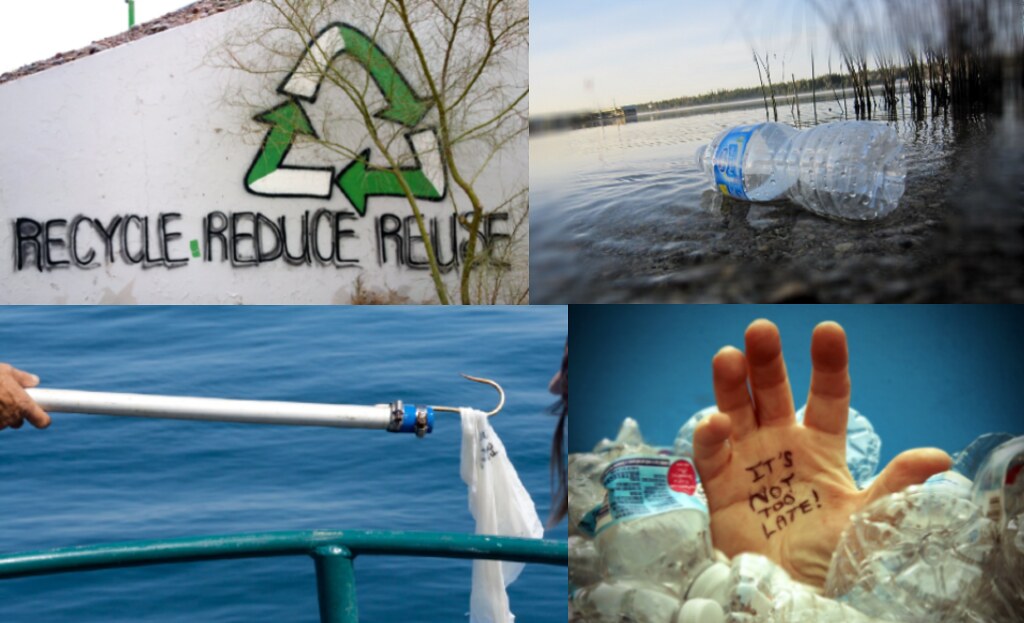
Campus Initiatives Spark Real Change (Image Credits: Flickr)
Butler University demonstrated commitment through practical measures that earned points across key action areas. The university integrated education into its online orientation guide, where students learn to distinguish recycling symbols from plastic resin codes numbered one through seven. This resource also clarifies which materials qualify for campus recycling collection.
Dining halls introduced Bluego containers, fully reusable and recyclable options designed for takeout meals. These replace disposable ware and cut down on generated waste. The institution further prohibited purchases of extruded polystyrene foam, commonly called Styrofoam. Recycling programs extended to plastic film, a challenging material often overlooked by standard waste services.
“Butler University believes that as an institution, we have a responsibility to advance environmental stewardship within our community and support our local ecosystems,” stated Julie Lindeman, Assistant Director of Operational Sustainability at Butler. “From the rise of single-use plastic products and the energy-intensive, fossil-fuel-based production behind them, to the increasing challenges of limited recycling and resale options, we recognize the significant impact of plastic pollution.”
Unpacking the National Wildlife Federation Program
The Plastics Reduction Partner program, launched in 2022, stands as the sole U.S. certification tailored for colleges and universities tackling single-use plastics. Institutions begin with a commitment letter and accumulate points via actions in four pillars: raising awareness of plastics’ harms, promoting reusable alternatives, enacting operational shifts, and fostering leadership through education.
Certification progresses from Bronze for introductory efforts, to Silver, and ultimately Green for advanced strategies. Butler joins a select group of participants, including Bard College, California State Polytechnic University Humboldt, and University at Albany, all at Bronze level. Others, such as Amherst College and Carnegie Mellon University, hold commitment status.
- Amherst College (Commitment Letter)
- Bard College (Bronze Certified)
- California State Polytechnic University, Humboldt (Bronze Certified)
- Salisbury University (Bronze Certified)
- University of California, Berkeley (Commitment Letter)
The framework qualifies for AASHE STARS credits in materials management. Amber Saxton from George Mason University designed it, with support from NWF’s Kristy Jones and an advisory committee featuring representatives from Knox College and others.
Plastic Pollution’s Toll on Wildlife
Plastic waste poses severe risks to marine life and birds. An estimated eight million metric tons entered oceans in 2010, with volumes rising yearly. Sea turtles now ingest plastic at twice the rate recorded in the 1980s, sustaining high levels today. Entanglement and consumption injure or kill countless animals annually.
Higher education campuses contribute through dining, labs, and buildings. Programs like NWF’s target these sources. The federation, established in 1936, operates as America’s largest conservation group, with over six million supporters across 52 affiliates. It belongs to the #BreakFreeFromPlastic movement and Plastic Pollution Coalition.
| Certification Level | Description |
|---|---|
| Bronze | Introductory actions building foundations |
| Silver | Expanded implementation |
| Green | Advanced, comprehensive strategies |
Momentum Builds in Higher Education
Butler University’s certification, announced on April 13, 2026, via the National Wildlife Federation Blog, signals rising participation. Campuses influence thousands of students poised to carry sustainable habits forward. Such efforts amplify impact beyond borders.
Operational bans and reusable systems prove scalable. Education empowers informed choices. Collective action from institutions accelerates progress against entrenched pollution.
Key Takeaways
- Butler University reduced plastics via education, reusables, bans, and expanded recycling.
- NWF’s program offers a structured path with Bronze, Silver, and Green levels across four action areas.
- Plastic pollution harms wildlife; campus initiatives provide scalable solutions.
As more universities commit, plastic waste declines and ecosystems benefit. This Bronze milestone positions Butler as a model for peers. What steps is your campus taking? Share your thoughts in the comments.