Imagine walking through a museum and staring at the massive skeleton of a Tyrannosaurus rex. You’re looking at bones that are supposedly 68 million years old, but here’s something that might shock you: those aren’t really bones at all. What you’re seeing is essentially rock that has taken the shape of bones, and bacteria played a starring role in this incredible transformation. The microscopic world of bacteria doesn’t just break things down – it can actually help preserve them for millions of years through one of nature’s most fascinating processes.
The Bacterial Bone Buffet: How Microbes Actually Consume Bone

Yes, bacteria can indeed eat bones, and they do it with remarkable efficiency. When an animal dies, certain types of bacteria immediately begin their work, producing enzymes that can break down the organic components of bone tissue. These microscopic decomposers target the collagen proteins that make up about 30% of bone structure, essentially turning solid bone into a bacterial feast.
The process isn’t as simple as bacteria taking tiny bites out of bones. Instead, they release powerful acids and enzymes that dissolve the calcium phosphate minerals and digest the organic matrix. Some bacteria, like those in the genus Clostridium, are particularly skilled at this bone-dissolving business. They can completely consume smaller bones within months under the right conditions.
The Race Against Time: Decomposition vs. Fossilization

Here’s where things get really interesting – fossilization is essentially a race between bacterial decomposition and mineral replacement. For a bone to become a fossil, it needs to be buried quickly enough that bacteria don’t have time to completely destroy it. Think of it like a game of musical chairs, except instead of music stopping, it’s the oxygen supply getting cut off.
When bones are rapidly buried by sediment, the lack of oxygen creates an anaerobic environment that slows down many types of bacterial activity. However, some bacteria thrive in these oxygen-free conditions and continue their work, albeit at a much slower pace. This creates the perfect window for fossilization to begin.
The timing has to be just right – too much bacterial activity and the bone disappears entirely, too little and the fossilization process doesn’t work properly. It’s a delicate balance that has preserved countless specimens for us to study today.
Bacterial Architects: How Microbes Help Build Fossils

Surprisingly, some bacteria actually help create fossils rather than destroy them. Certain types of bacteria can facilitate the precipitation of minerals like calcium carbonate and silica, which then fill in the spaces left behind as organic material decomposes. These bacterial “architects” essentially help build the rock framework that will become the fossil.
Biofilms – those slimy bacterial communities you might find in your shower – play a crucial role in this process. When bones are covered in these bacterial mats, they create a protective barrier that can slow decomposition while simultaneously promoting mineral deposition. It’s like having microscopic construction workers building a stone replica while the original slowly dissolves away.
The Chemistry Behind Bacterial Bone Breakdown

The science behind how bacteria consume bones is both elegant and brutal. Bacteria produce organic acids like lactic acid and acetic acid that lower the pH around the bone, making the calcium phosphate minerals more soluble. At the same time, they release enzymes called collagenases that specifically target and break down collagen proteins.
This chemical assault happens on multiple fronts simultaneously. While acids dissolve the mineral component, enzymes digest the organic matrix, and other bacterial products can chelate (bind to) metal ions, making them easier to transport away from the bone. It’s like having a perfectly coordinated demolition team working at the molecular level.
Different bacterial species contribute different tools to this process, which is why diverse microbial communities are often more effective at bone decomposition than single species populations.
Environmental Factors That Control Bacterial Bone Consumption

Not all environments are created equal when it comes to bacterial bone consumption. Temperature, pH, oxygen levels, and moisture all play critical roles in determining how quickly bacteria can break down bone tissue. Cold, dry environments can preserve bones for thousands of years, while warm, humid conditions might see complete decomposition in just a few years.
Acidic soils, common in forests with lots of decomposing leaves, create perfect conditions for bone-eating bacteria to thrive. The low pH helps dissolve minerals while providing the acidic environment many decomposer bacteria prefer. In contrast, alkaline soils can actually help preserve bones by making mineral dissolution more difficult.
Water availability is perhaps the most important factor – bacteria need moisture to survive and reproduce, so dry conditions can effectively halt the bone consumption process entirely.
Permineralization: When Bacteria Help Preserve Instead of Destroy

One of the most fascinating aspects of fossil formation is permineralization, where minerals gradually replace the organic components of bone while maintaining the original structure. Bacteria play a surprising role in this process by creating the perfect microenvironment for mineral precipitation.
As bacteria slowly consume the organic components of bone, they leave behind tiny spaces that can be filled with minerals like silica, calcite, or pyrite. The bacterial activity itself can change the local chemistry in ways that promote mineral formation. Some bacteria even act as nucleation sites where mineral crystals can begin to form.
This process can take thousands to millions of years, but the result is a perfect stone replica of the original bone, complete with microscopic details that can reveal information about the animal’s life, health, and environment.
The Goldilocks Zone: Perfect Conditions for Fossil Formation

Creating fossils requires conditions that are “just right” – not too much bacterial activity, not too little. Scientists have identified several key factors that create this Goldilocks zone for fossilization. Rapid burial is essential, as it cuts off oxygen supply and reduces bacterial decomposition rates while providing the sediment needed for mineral replacement.
The chemistry of the surrounding water is equally important. Water rich in dissolved minerals provides the raw materials for fossilization, while the right pH levels ensure that minerals can precipitate effectively. Temperature also matters – cooler conditions slow bacterial activity while still allowing mineral processes to continue.
Interestingly, some of the best fossil preservation occurs in environments that seem hostile to life, like highly alkaline lake beds or iron-rich waters that would be toxic to most organisms.
Modern Examples: Bacterial Bone Consumption in Action

You don’t need to travel back millions of years to see bacterial bone consumption in action. Forensic scientists regularly study how bacteria decompose human remains in different environments, providing valuable insights into the fossilization process. Bodies buried in clay soils might preserve bone for decades, while those in sandy, well-drained soils might lose all bone material within years.
Cave environments provide some of the most interesting modern examples. The famous caves of Lascaux in France contain not just prehistoric paintings but also well-preserved animal bones that show various stages of bacterial decomposition and mineral replacement. These sites are essentially natural laboratories for studying how bacteria interact with bone over time.
Even in your own backyard, buried pet remains undergo the same bacterial processes that affected dinosaur bones millions of years ago, just on a much smaller timescale.
The Microscopic Fossil Hunters: Bacteria That Preserve Evidence

Some bacteria are like microscopic fossil hunters, actually helping to preserve evidence of ancient life. Certain species create mineral deposits that can preserve soft tissues, bacteria themselves, and even DNA fragments for extended periods. These bacterial processes have given us some of our most spectacular fossil discoveries.
Stromatolites, those layered rock structures created by ancient bacterial mats, represent some of Earth’s earliest fossil evidence of life. The bacteria that created these structures essentially fossilized themselves, layer by layer, creating a record that spans billions of years. These formations show us that bacteria have been master fossilizers since the dawn of life.
More recently, scientists have discovered that some bacteria can even help preserve soft tissues like skin, muscle, and internal organs under the right conditions, giving us unprecedented glimpses into ancient anatomy.
Bacterial Signatures: Reading the Microbial Story in Fossils

Fossils often contain microscopic evidence of the bacterial processes that created them. Tiny mineral formations, chemical signatures, and even preserved bacterial cells can tell us about the conditions that existed during fossilization. These bacterial fingerprints are like reading the fine print in the story of how a fossil formed.
Scientists can analyze the isotopic composition of fossils to determine what types of bacteria were involved in their formation. Different bacterial species leave different chemical signatures, allowing researchers to reconstruct ancient microbial ecosystems. This information helps us understand not just how individual fossils formed, but what entire ancient environments were like.
Some fossils even contain preserved biofilms – the original bacterial communities that helped create the fossil in the first place.
The Dark Side: When Bacteria Erase History
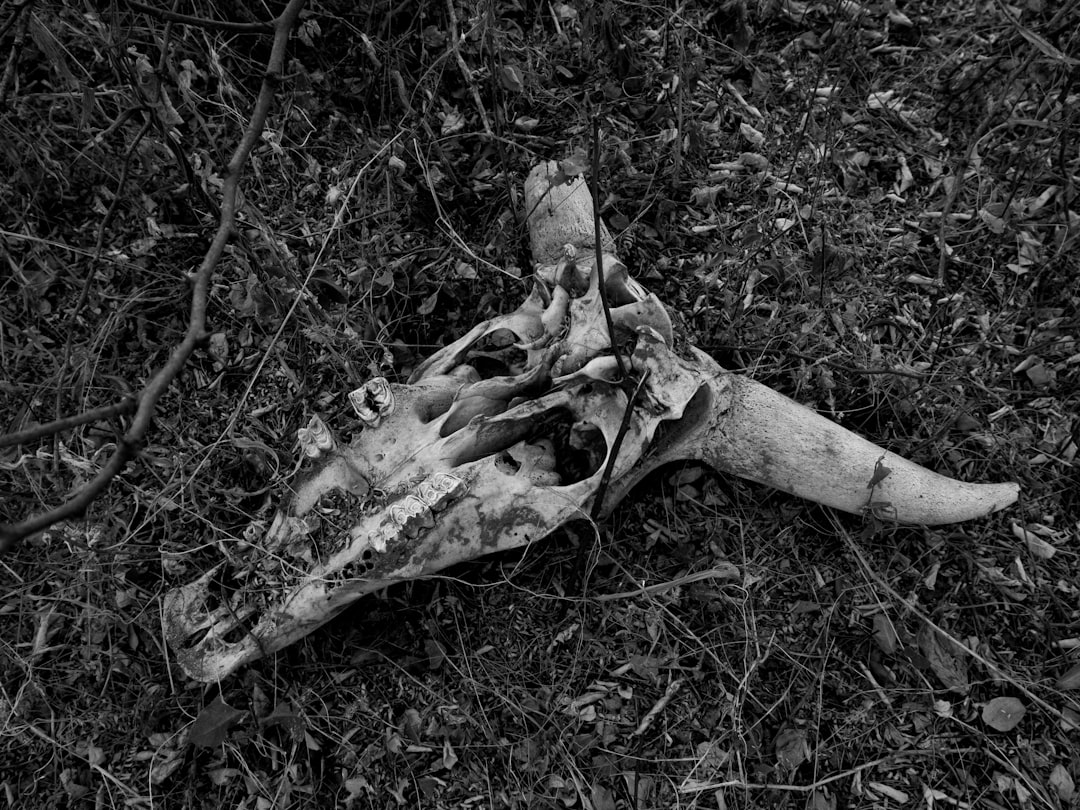
For every fossil that forms, countless others are completely destroyed by bacterial action. This represents one of the greatest losses in paleontological history – entire species and ecosystems that have been erased by microscopic decomposers before fossilization could occur. The fossil record is therefore heavily biased toward organisms that died in bacteria-unfriendly environments.
Some estimates suggest that less than 1% of all organisms that ever lived became fossils, and bacterial decomposition is the primary reason for this low preservation rate. Soft-bodied organisms like jellyfish, worms, and early life forms are particularly vulnerable to bacterial destruction, which is why their fossil record is so sparse.
This bacterial “editing” of the fossil record means that our understanding of ancient life is skewed toward organisms with hard parts that could resist decomposition long enough to fossilize.
Extreme Environments: Where Bacteria Can’t Touch Bones
Some environments are so extreme that even hardy bacteria struggle to survive, creating natural fossil preservation zones. Highly acidic hot springs, extremely salty lakes, and frozen permafrost all create conditions where bacterial bone consumption is severely limited. These environments have given us some of our most spectacular fossil discoveries.
The La Brea Tar Pits in Los Angeles represent one extreme where the toxic environment actually preserved bones by preventing bacterial decomposition. The natural asphalt seeping from the ground created an antimicrobial environment that has preserved bones for tens of thousands of years. Similarly, the frozen mammoths of Siberia were preserved because bacterial activity essentially stopped in the permanently frozen ground.
Deep ocean environments, with their high pressure, low oxygen, and often toxic chemistry, also create conditions where bones can be preserved for extended periods without significant bacterial interference.
Future Implications: What This Means for Paleontology

Understanding the role of bacteria in fossil formation is revolutionizing paleontology and our search for ancient life. Scientists are now using knowledge of bacterial processes to predict where the best fossils might be found and to better interpret the fossils we already have. This bacterial perspective is also crucial in the search for life on other planets.
Mars researchers are particularly interested in bacterial fossilization processes because similar conditions might have existed on early Mars. If life ever existed on the Red Planet, bacterial processes might have preserved evidence of it in ways we’re only beginning to understand. The study of bacterial fossil formation on Earth is therefore directly relevant to astrobiology.
Climate change is also affecting bacterial communities and decomposition rates, which could impact fossil formation in modern environments and help us understand how past climate changes affected the fossil record.
The Continuing Dance: Bacteria and Bones Through Time

The relationship between bacteria and bones represents one of nature’s most enduring partnerships – a microscopic dance that has been playing out for billions of years. From the earliest bacterial mats that created the first fossils to the modern soil bacteria that are breaking down bones right now, this process continues to shape our understanding of life on Earth.
This bacterial-bone interaction reminds us that even in death, life continues in new forms. The bacteria that consume bones are themselves living organisms, part of the great recycling system that makes new life possible. Every fossil represents a moment when this recycling process was interrupted, creating a permanent record of ancient life.
As we continue to discover new bacterial species and understand their roles in decomposition and fossilization, we’re constantly refining our picture of how life and death interact on our planet. The microscopic world of bacteria continues to reveal secrets about the macroscopic world of fossils, showing us that the smallest life forms play the biggest roles in preserving Earth’s history.