You probably picture towering peaks spewing lava and ash when you think of volcanic eruptions. Maybe you imagine Mount Vesuvius or Mount St. Helens making headlines with their explosive displays. However, what if I told you that the next catastrophic volcanic event might happen where you’d never think to look: beneath the waves of our vast oceans?
The underwater world holds secrets that could reshape our understanding of volcanic hazards. An estimated 30,000 seamounts occur across the globe, with only a few having been studied. These hidden giants represent a massive blind spot in our volcanic monitoring systems, and frankly, it’s a bit unsettling when you realize how little we actually know about what’s brewing beneath our feet.
The Hidden Giants of the Ocean Floor
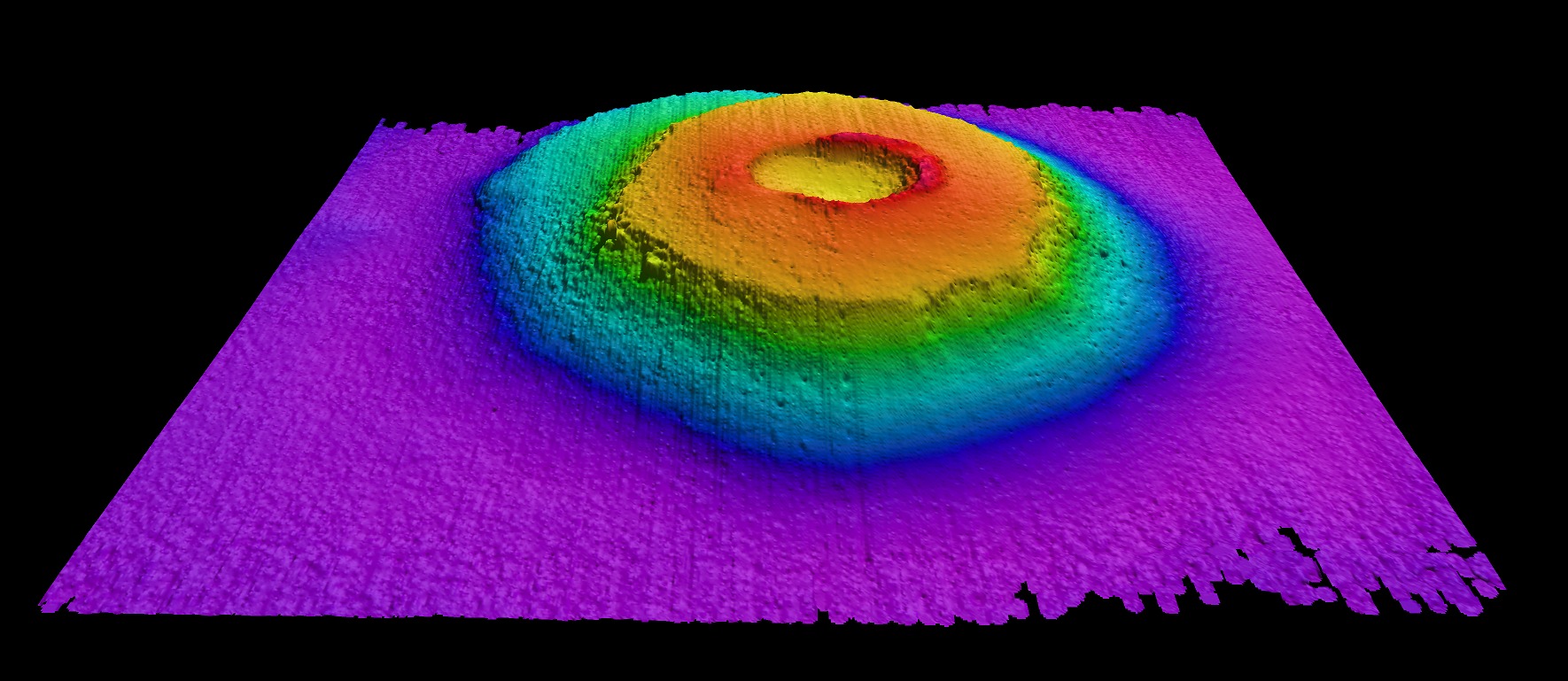
Picture this: approximately 80% of all volcanic activity on Earth occurs as deep, underwater eruptions. That’s right, most of our planet’s volcanic fury happens where we can’t see it. Several thousand active submarine volcanoes have been discovered, and some scientists estimate that there may be more than a million active volcanoes hidden beneath the waves.
These underwater behemoths aren’t just small bumps on the seafloor either. Many submarine volcanoes are seamounts, typically extinct volcanoes that rise abruptly from a seafloor of 1,000 metres (3,300 ft) – 4,000 metres (13,000 ft) depth. They are defined by oceanographers as independent features that rise to at least 1,000 metres (3,300 ft) above the seafloor.
Think about that for a moment. We’re talking about volcanic mountains hidden beneath thousands of meters of water, some rivaling the height of terrestrial peaks. Yet scientists still have much to learn about the location and activity of underwater volcanoes.
When Water Meets Fire: The Unique Nature of Submarine Eruptions
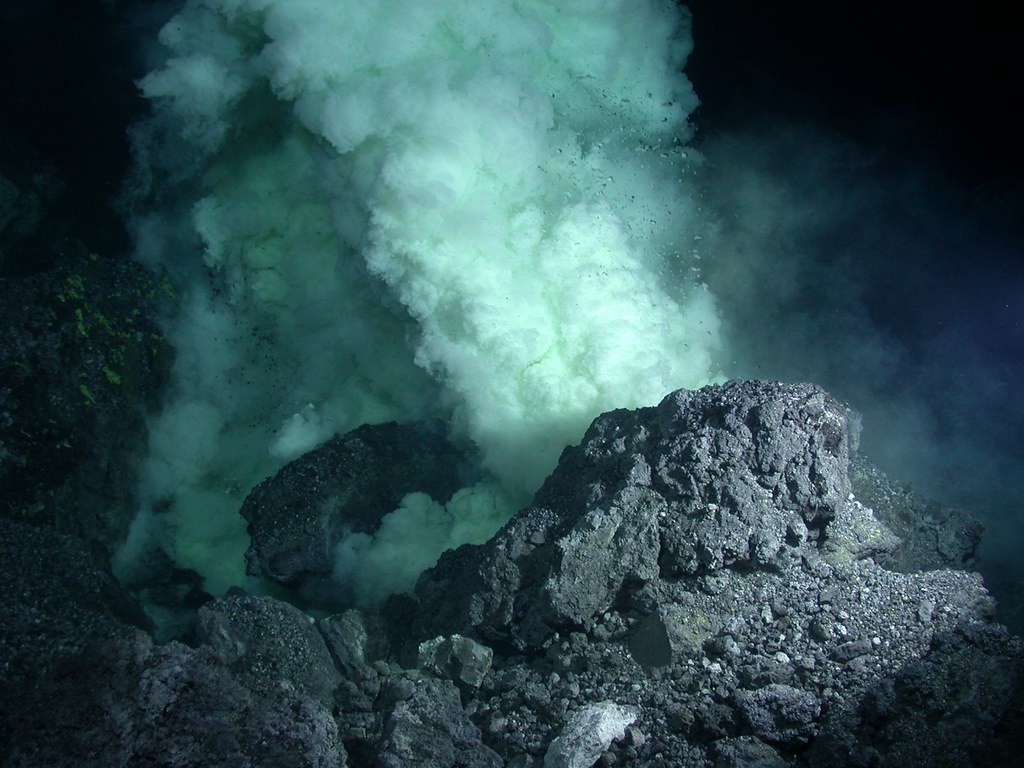
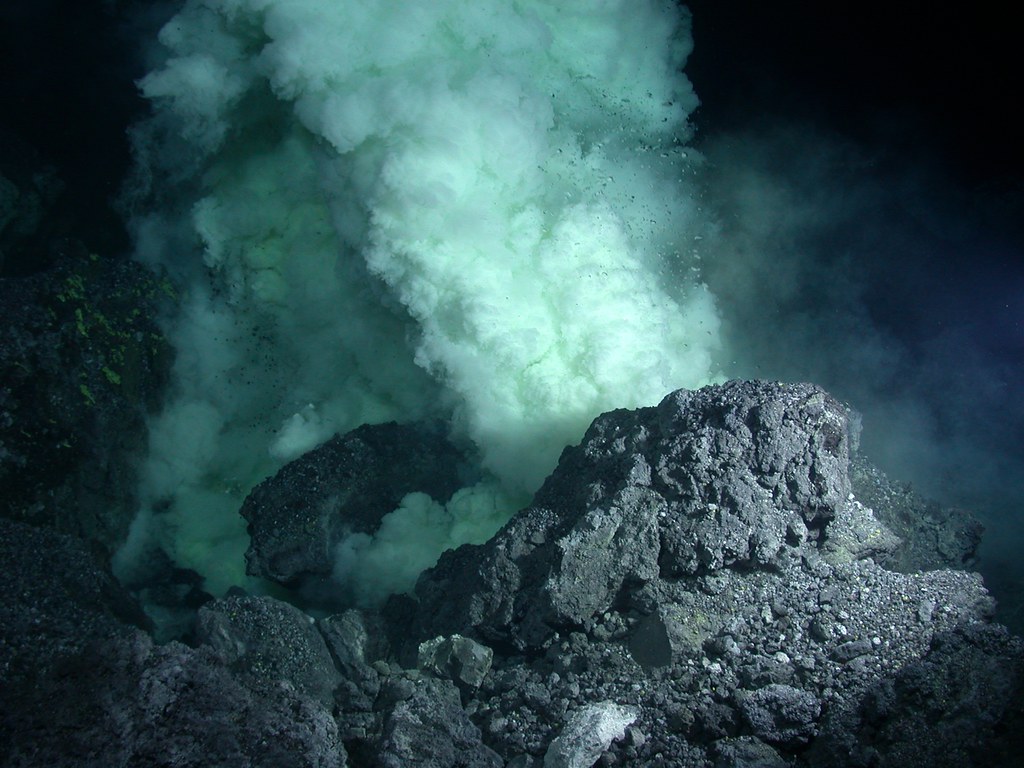
Underwater volcanic eruptions operate by completely different rules than their land-based cousins. The presence of water can greatly alter the characteristics of a volcanic eruption and the explosions of underwater volcanoes in comparison to those on land. For instance, water causes magma to cool and solidify much more quickly than in a terrestrial eruption, often turning it into volcanic glass.
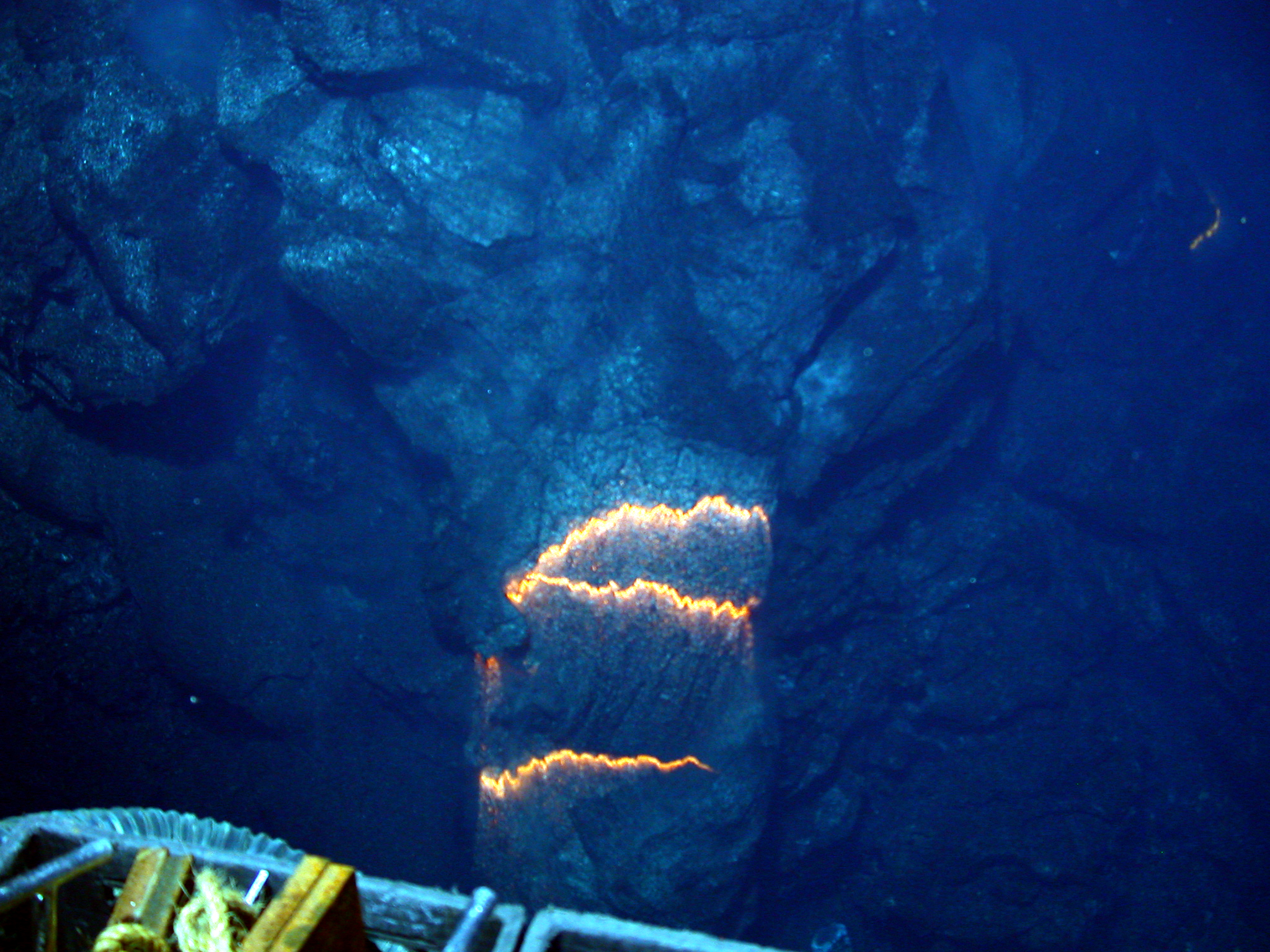
The results create fascinating geological formations. Upon contact with water, a solid crust forms around the lava. Advancing lava flows into this crust, forming what is known as pillow lava. These distinctive bulbous structures become the building blocks of underwater volcanic landscapes.
What makes deep-sea eruptions particularly concerning for monitoring efforts is their stealth nature. Below ocean depths of about 2,200 metres (7,200 ft) where the pressure exceeds the critical pressure of water (22.06 MPa or about 218 atmospheres for pure water), it can no longer boil; it becomes a supercritical fluid. Without boiling sounds, deep-sea volcanoes can be difficult to detect at great distances using hydrophones.
The Hunga Tonga Wake-Up Call
The January 2022 eruption of Hunga Tonga-Hunga Ha’apai served as a stark reminder of what underwater volcanoes can accomplish. The January 2022 Hunga Tonga–Hunga Ha’apai eruption was the largest underwater explosion ever recorded by modern scientific instruments. This wasn’t just another volcanic event; it was a game-changer that forced scientists to reconsider their assumptions.
A cloud of ash, gas and water was ejected some 57km into the atmosphere – the highest plume ever recorded from a volcano. The explosion was so powerful that the blast was heard across the ocean in Alaska, around 6,000 miles away, and triggered tsunami waves that reached as far as Russia, the US and Chile.
What made Hunga Tonga particularly unusual was its unprecedented water injection into the atmosphere. As a submarine volcano, it introduced an unprecedented amount of water vapor into the stratosphere, increasing total stratospheric water content by about 10%. Scientists are still studying the long-term atmospheric effects of this massive water injection.
Climate Disruption From Beneath the Waves
Submarine volcanoes don’t just create local disturbances; they can influence global climate patterns in ways we’re only beginning to understand. Her quest was driven by an attempt to measure the contribution such underwater volcanoes make to the global climate over thousands of years. They spew lava, carbon dioxide and other elements into the deep oceans.
The climate impact operates on remarkably long timescales. The carbon gets trapped in circulating water, cycled to different regions of the ocean, where it gets caught up in upwelling currents and emitted to the atmosphere. The process can take up to 2,000 years and adds a fraction of the 88 million metric tons of carbon belched out by the volcanoes to the atmosphere.
Research has revealed surprising connections between volcanic activity and astronomical cycles. Until now, scientists presumed that seafloor volcanoes exuded lava at a slow and steady pace, but Tolstoy thinks that not only do the volcanoes erupt in bursts, they follow remarkably consistent patterns that range anywhere from two weeks to 100,000 years.
Tsunami Threats From Underwater Eruptions
The combination of underwater eruptions and tsunami generation creates one of the most terrifying natural disaster scenarios imaginable. They can erupt, produce eruption columns that rise high into the atmosphere, launch large rocks over broad areas, emit deadly gases, and produce submarine landslides that can trigger tsunamis.
Historical events demonstrate the devastating potential. On 23–24 July 1939 an eruption broke the sea surface, sending a cloud of steam and debris 275 m (902 ft) into the air and generating a series of tsunamis around two metres (6.6 ft) high when they reached the coastlines of northern Grenada and the southern Grenadines.
The Mediterranean provides another sobering example. The resultant tsunami waves were up to 20 m high, striking islands across the southern part of the Aegean Sea, as well as the north coast of Crete from the 1650 Kolumbo eruption near Santorini. Recent research suggests the flanks of the volcano destabilised and slipped in a very large landslide – the estimated volume is 1.2 cubic kilometres. This then removed the cap from the magma chamber, which contained a large volume of gas under pressure.
The Kick ’em Jenny Time Bomb
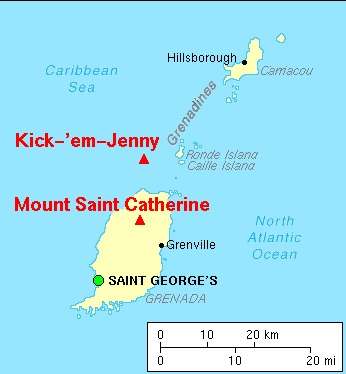
Some submarine volcanoes present more immediate concerns than others. Kick ’em Jenny, located in the Caribbean, represents one of the most closely monitored underwater volcanic threats. A slightly more dangerous example of an active, near-surface submarine volcano is Kick `em Jenny, about 8 kilometers (5 miles) off the north shore of Grenada, in the Caribbean. Though its historical eruptions have been rather small, the eruptions can be expected to be more violent as the volcano grows toward the ocean’s surface.
The geological setting makes this volcano particularly concerning. The modern cone of Kick `em Jenny is also built within a horseshoe-shaped depression left by a giant underwater landslide. Therefore, both tsunamis and explosive eruptions threaten neighboring islands.
While current tsunami risks remain relatively low, the potential for future escalation exists. A preliminary study suggests that Kick ’em Jenny is a prime candidate for tsunamigenic events on a potentially hazardous scale, possibly affecting the whole of the eastern Caribbean region.
Monitoring the Invisible Threat
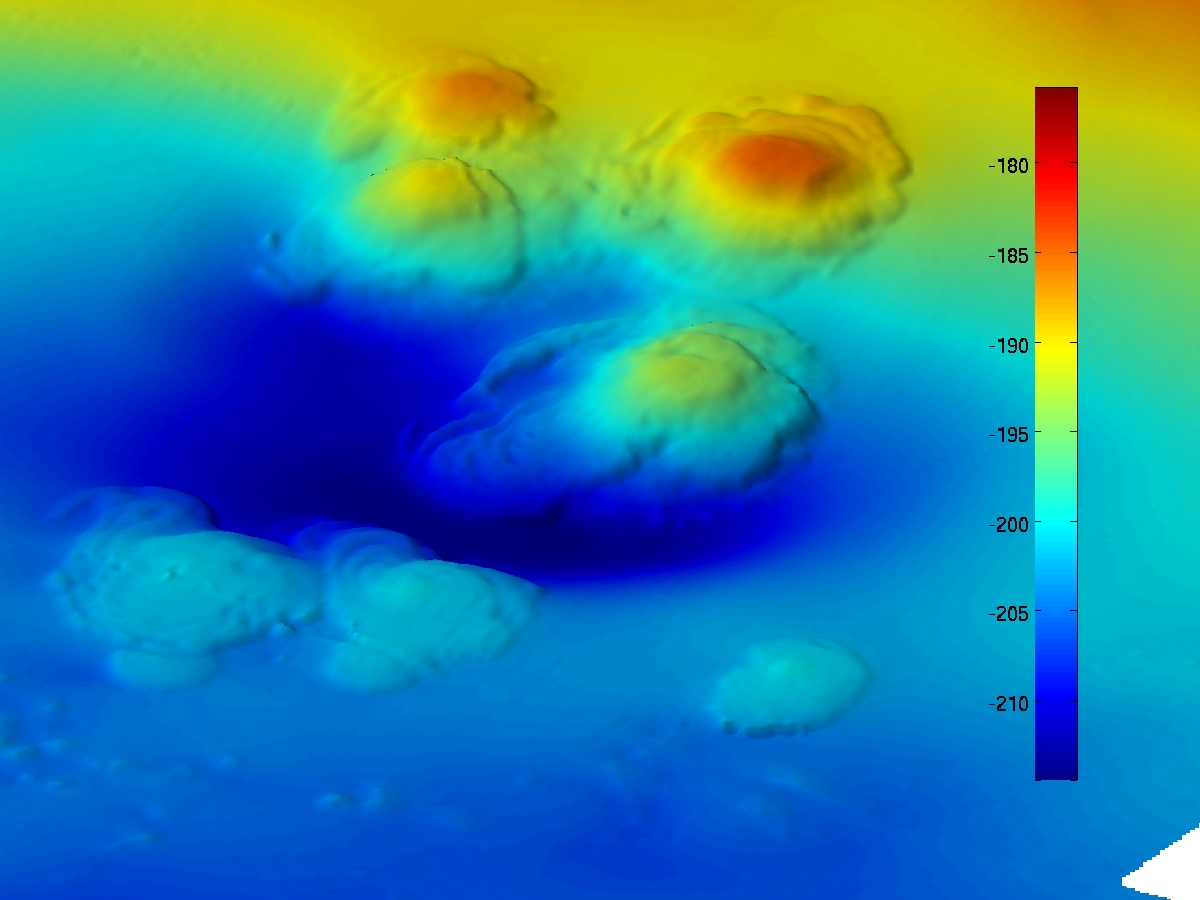
The challenge of monitoring underwater volcanoes represents one of modern volcanology’s greatest obstacles. Submarine volcanoes are difficult and costly to monitor, and for that reason they are not as well understood as similar volcanoes that exist on land. This knowledge gap leaves us vulnerable to surprise eruptions that could have global consequences.
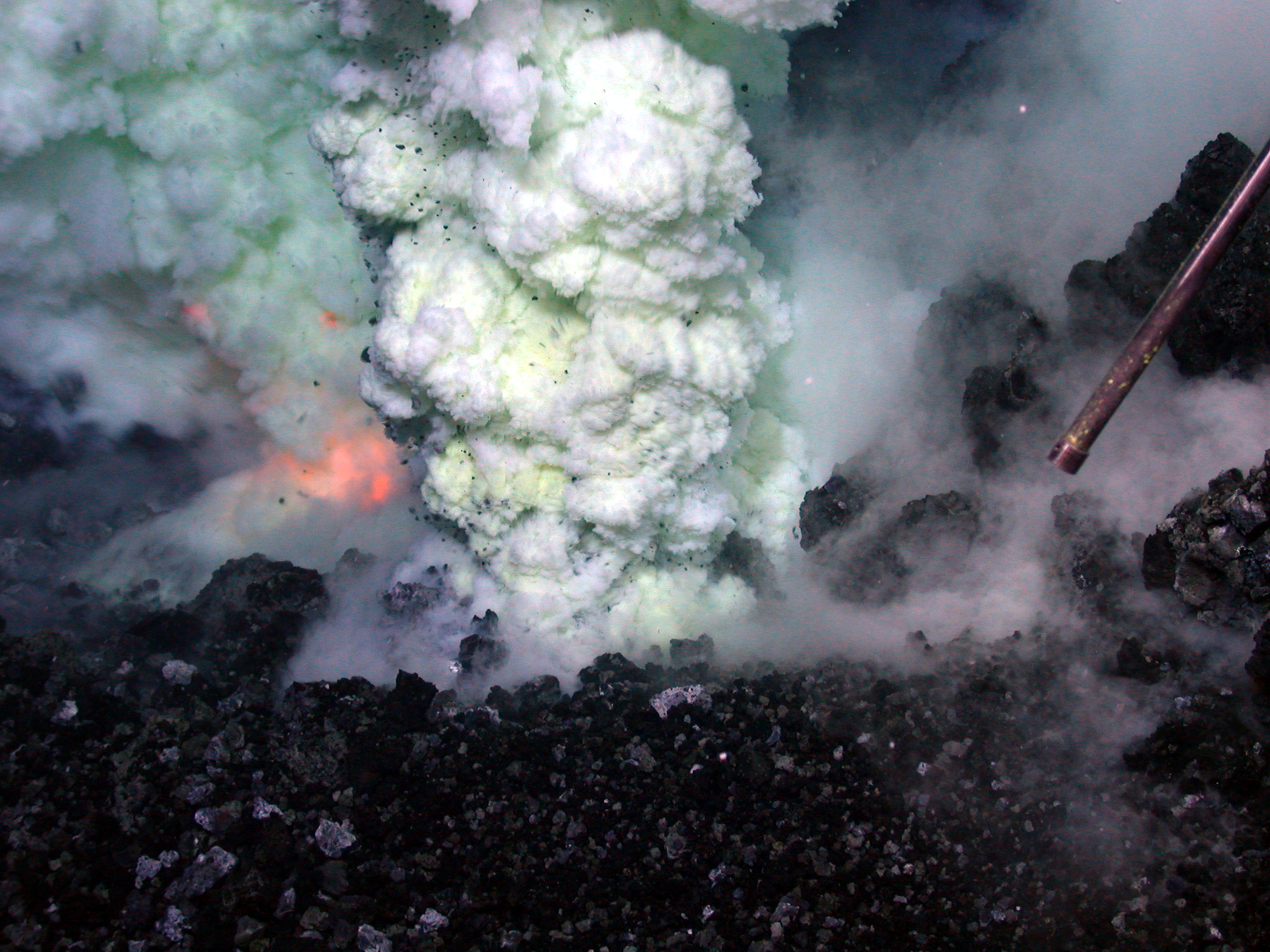
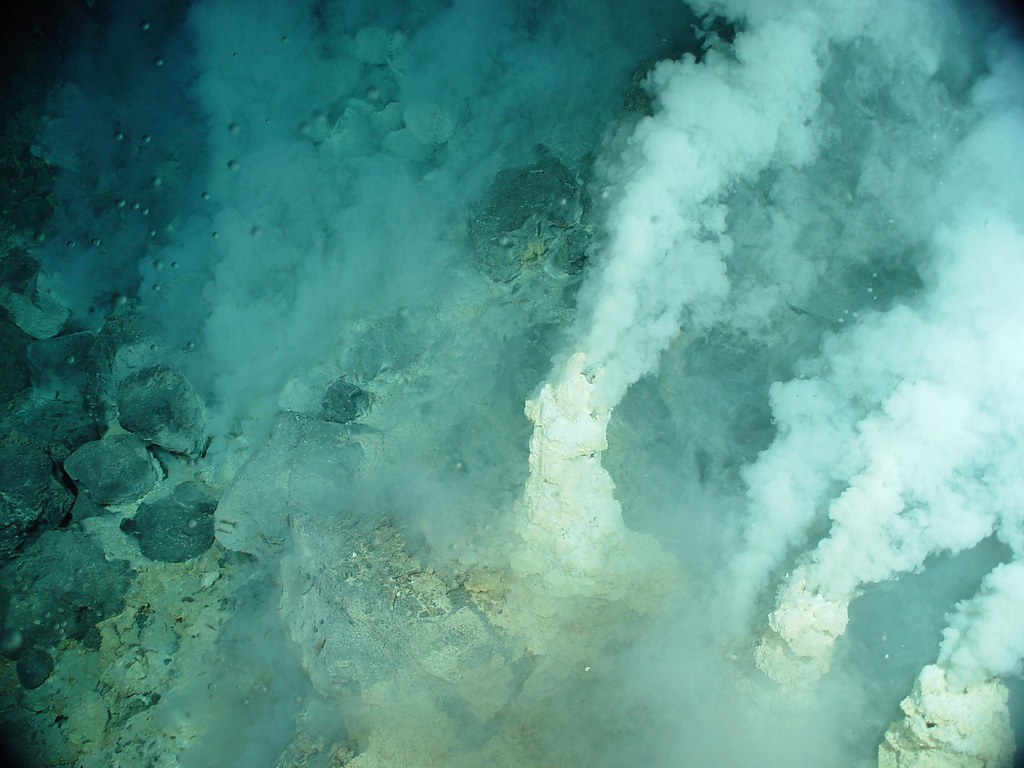
Recent technological advances are helping bridge this gap. In the first two decades of this century, NOAA’s Office of Ocean Exploration has funded exploration of submarine volcanoes, with the Ring of Fire missions to the Mariana Arc in the Pacific Ocean being particularly noteworthy. Using Remote Operated Vehicles (ROV), scientists studied underwater eruptions, ponds of molten sulfur, black smoker chimneys and even marine life adapted to this deep, hot environment.
However, our monitoring capabilities remain woefully inadequate given the scale of the threat. Kick ’em Jenny has only been known since 1939, so it does not have a long period of observation that would allow its eruption frequency and behavior to be understood. The primary danger of Kick ’em Jenny is its unknown capabilities.
The Unexpected Environmental Consequences

Submarine volcanic eruptions create unique ecosystems that challenge our understanding of life on Earth. Submarine volcanoes are also interesting because of the unique habitats they create. Seamounts are often areas of high biological diversity; their shape acts to deflect food-carrying currents upward, attracting a variety of sessile fauna and the crustaceans and fish that feed upon them.
The discovery of chemosynthetic life around underwater volcanic vents revolutionized biology. In the late 1970s, scientists were shocked to discover that some animals can even metabolize inorganic compounds emitted during volcanic activity, forming unique communities around areas of hydrothermal venting (similar to geyser activity on land).
These ecosystems represent both scientific treasures and indicators of volcanic activity. These vents release superheated, mineral-rich water into the cold ocean depths, creating a unique environment teeming with life. Chemosynthetic bacteria form the base of these ecosystems, using the chemicals released by the vents as their energy source. These unique habitats support a variety of bizarre creatures, including giant tube worms, ghostly fish, and strange shrimp, making submarine volcanoes biodiversity hotspots.
The reality is both sobering and fascinating. We live on a planet where the majority of volcanic activity happens in places we rarely think about, beneath miles of ocean water. These hidden fire mountains operate on timescales and with impacts that dwarf most terrestrial volcanic events. Yet they remain largely invisible to our monitoring systems and public consciousness.
As climate change continues to alter global systems and our technological capabilities expand, we’re likely to discover that the ocean floor holds far more surprises than we ever imagined. The next time you look out at a calm ocean surface, remember that beneath those waves, an entire volcanic world continues its ancient dance of creation and destruction.
What’s perhaps most remarkable is that we’re still uncovering the basic facts about these underwater giants in 2025. Makes you wonder what other secrets are waiting to be discovered in the depths, doesn’t it?