Ever look up at the night sky and wonder what’s really out there? You’re not alone. For centuries we’ve been staring into the dark, trying to piece together the puzzle of our universe. Here’s the thing though. Every time we think we’ve got it figured out, the cosmos throws us a curveball that makes us question everything we thought we knew.
Right now, in 2026, we’re living through one of the most exciting periods in astronomical history. Telescopes that can peer deeper into space than ever before are revealing secrets that challenge our most fundamental assumptions. The discoveries coming in aren’t just filling in blanks. They’re forcing us to redraw the entire picture.
The James Webb Telescope Catches a Star’s Final Breath From the Dawn of Time
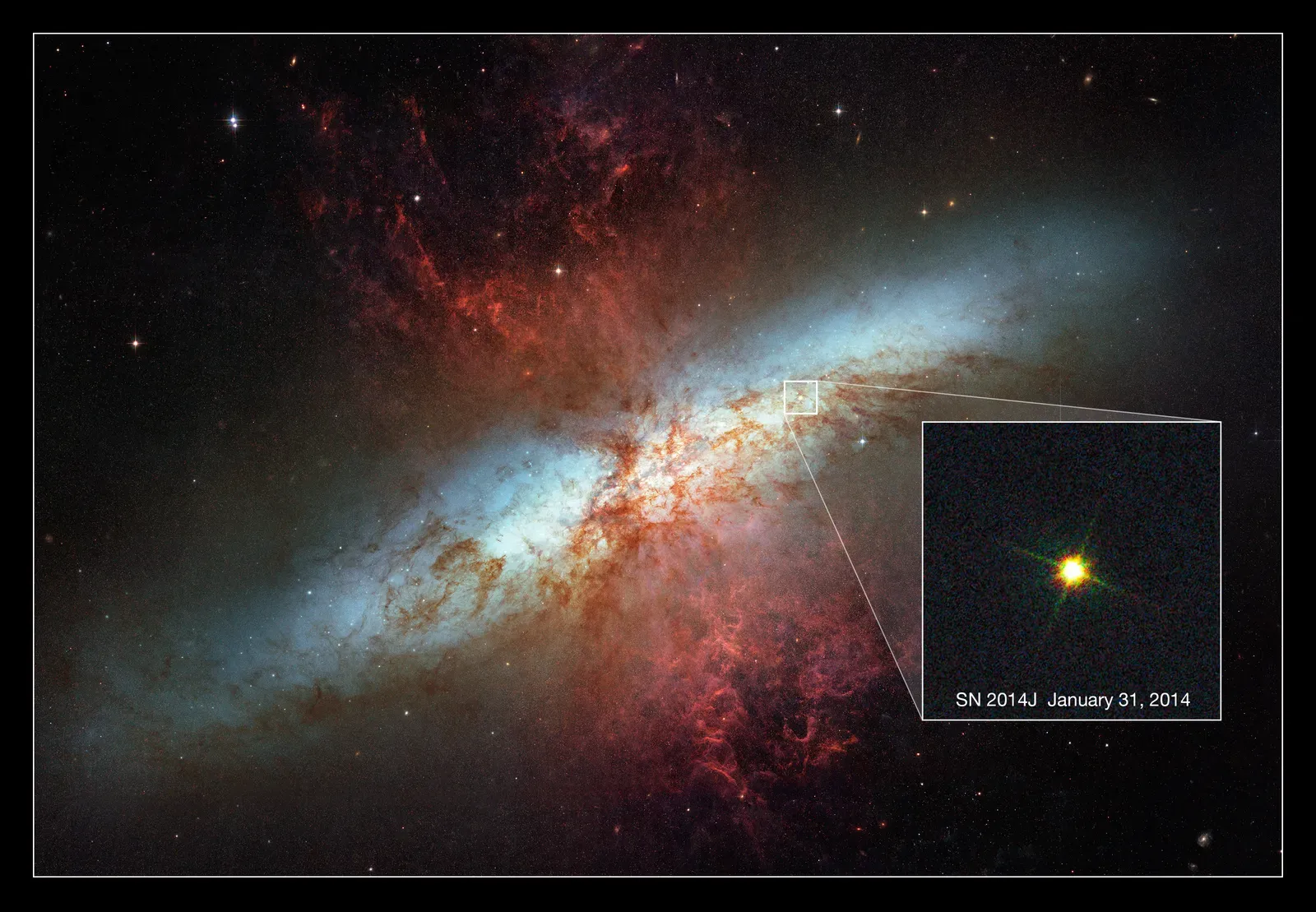
Astronomers using the James Webb Space Telescope have identified a supernova at a distance never observed before, occurring when the universe was only about 730 million years old. Think about that for a second. We’re watching a massive star explode from a time when the universe was just learning how to make galaxies.
The blast, known as SN in GRB 250314A, occurred during the era of reionization, a period when the first stars and galaxies were beginning to emerge. What makes this discovery even more fascinating is how similar this ancient supernova appears to modern ones. Despite forming in vastly different cosmic conditions, it seems the universe has been killing off its stars in remarkably consistent ways for nearly fourteen billion years.
Dark Energy Might Not Be What We Thought It Was
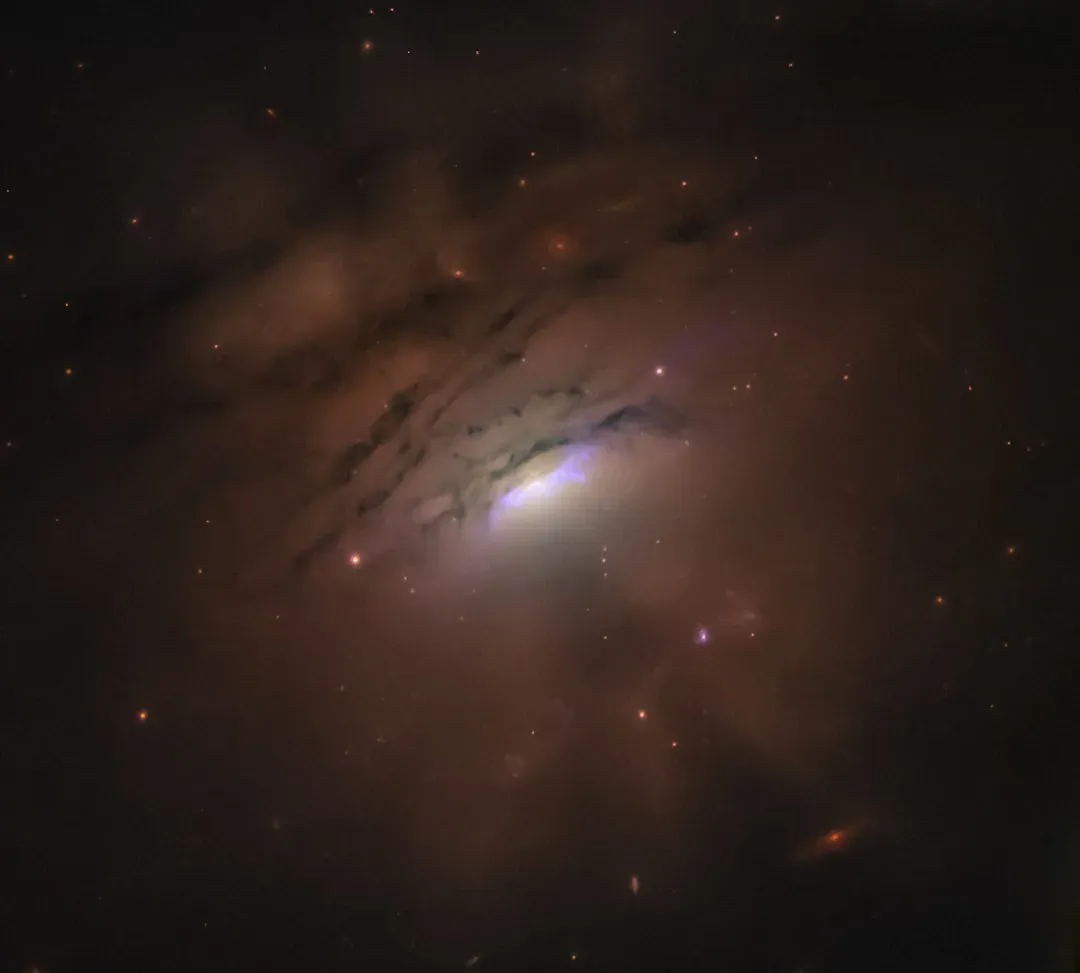
Let’s be real here. Dark energy has always been one of cosmology’s most perplexing mysteries. Scientists gave it a name, but nobody really knows what it is. Data from the Dark Energy Spectroscopic Instrument spanning 13.1 million galaxies showed that about 4.5 billion years ago, dark energy seemed to begin weakening, and during the previous 9 billion years, it was stronger than anyone expected.
New supercomputer simulations hint that dark energy might be dynamic, not constant, subtly reshaping the Universe’s structure, with findings aligning with recent DESI observations. If dark energy really is changing over time, that’s honestly huge. It would fundamentally alter our understanding of cosmic acceleration and the universe’s ultimate fate. Some researchers are even suggesting this could explain why massive galaxy clusters formed differently in the early universe than our current models predict.
Mysterious Little Red Dots That Break All the Rules
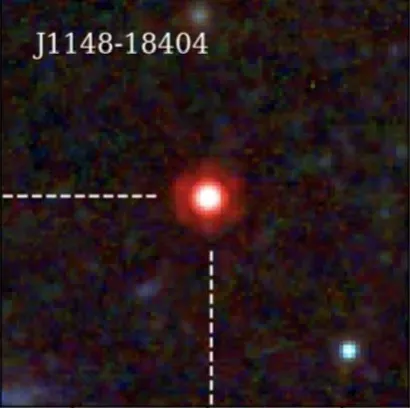
When the James Webb Space Telescope began taking deep images of the cosmos, it quickly started finding “little red dots” in the background that were so luminous the standard model of cosmology couldn’t explain how they could have formed. Astronomers initially thought these might be dwarf galaxies or dense star clusters. Turns out they were wrong.
These burgeoning supermassive black holes could have formed either by the direct gravitational collapse of a humongous gas cloud or from the merger of myriad stellar-mass black holes, and it’s a crucial development in our understanding of black holes, the galaxies that eventually formed around them, and the early universe in general. Nobody expected that these black holes would be produced by a whole new breed of object. It’s forcing scientists to completely rethink how the earliest structures in the universe came together.
Early Galaxies Look Nothing Like What We Expected
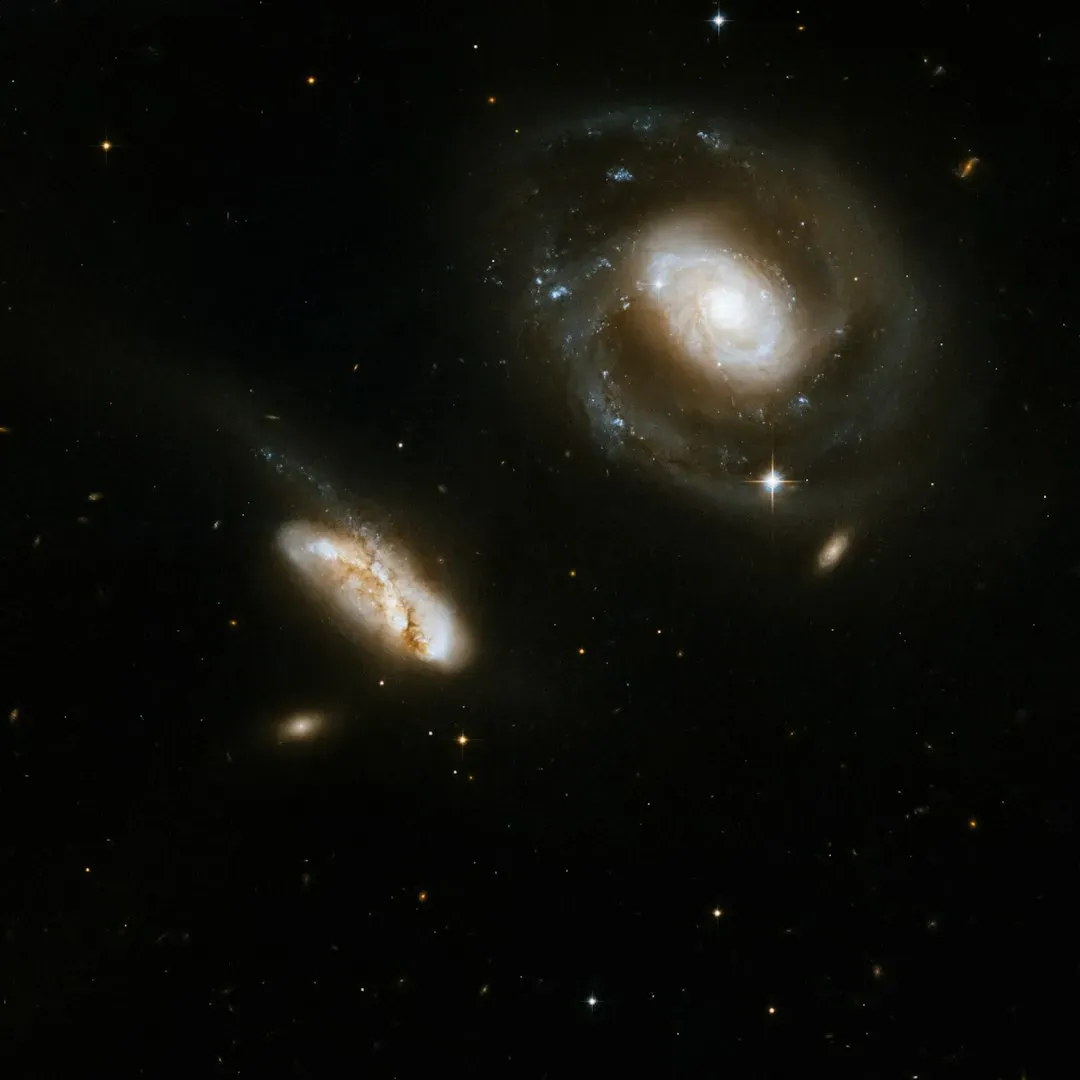
The first galaxies in the universe apparently didn’t read the textbook on how they were supposed to form. Recent observations revealed many never-before-seen young galaxies that formed less than a billion years after the big bang, appearing strikingly elongated, unlike the familiar disk and spheroidal galaxies seen nearby today.
Research concluded that elongated young galaxies are abundantly produced in both warm and wave dark matter scenarios, due to the smoother structure of cosmic filaments in these cases, with gas and stars flowing steadily along such filaments, giving rise to prolate, elongated galaxy shapes. This discovery is shaking up theories about dark matter itself. Maybe it’s not the cold, clumpy stuff we’ve been assuming, but something that behaves more like a wave, smoothly connecting star-forming regions across vast distances.
We’ve Mapped Dark Matter Across a Quarter of the Sky
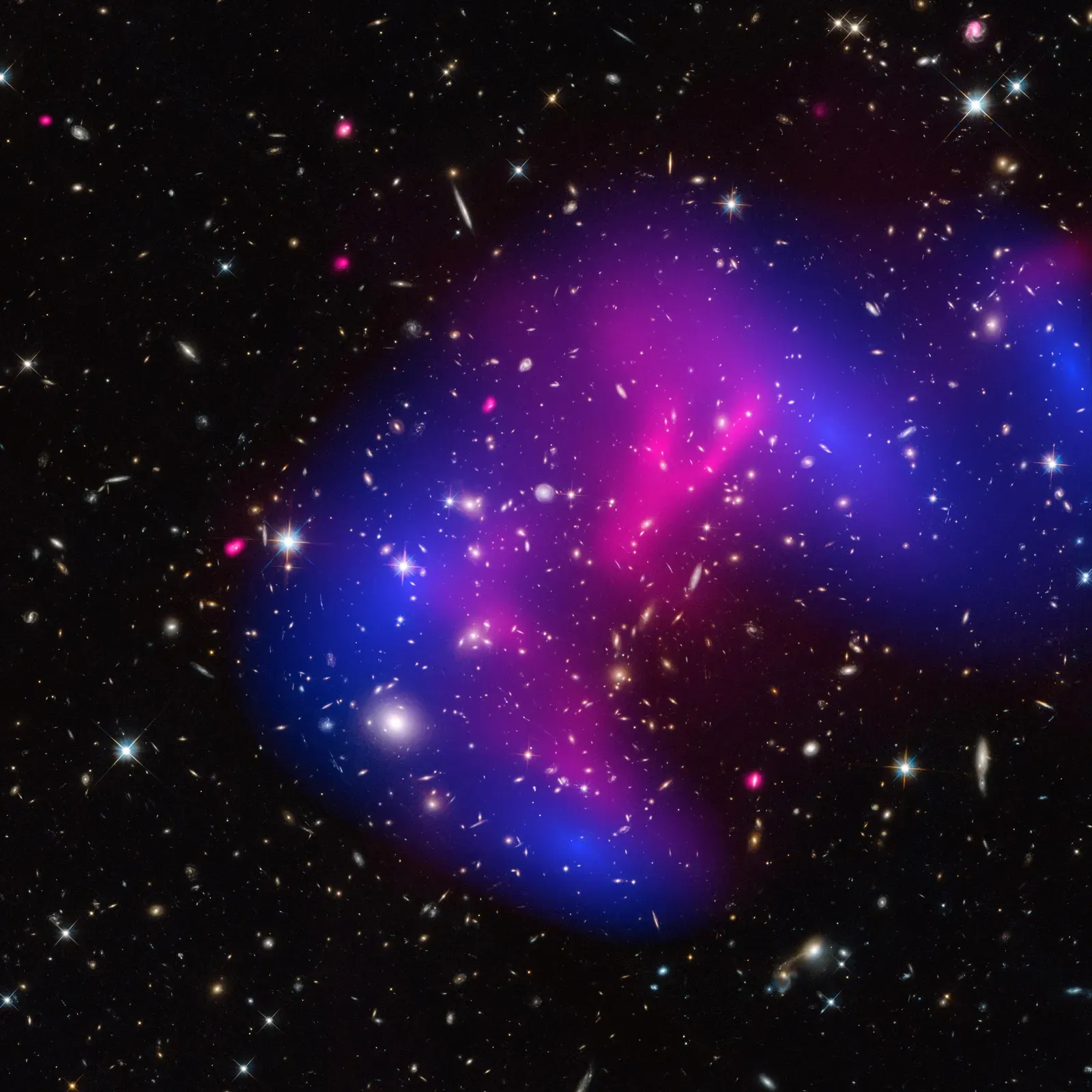
Dark matter makes up the vast majority of the universe’s mass, yet we can’t see it directly. Researchers from the Atacama Cosmology Telescope collaboration have created a groundbreaking new image that reveals the most detailed map of dark matter distributed across a quarter of the entire sky, and it confirms Einstein’s theory of how massive structures grow and bend light.
The map uses light from the cosmic microwave background essentially as a backlight to silhouette all the matter between us and the Big Bang. The measurements show that both the “lumpiness” of the universe and the rate at which it is growing after 14 billion years of evolution are just what you’d expect from the standard model of cosmology based on Einstein’s theory of gravity. It’s reassuring when experiments confirm predictions, especially when some measurements have been hinting at cracks in our cosmological models.
Habitable Zone Exoplanets Keep Popping Up in Our Cosmic Backyard
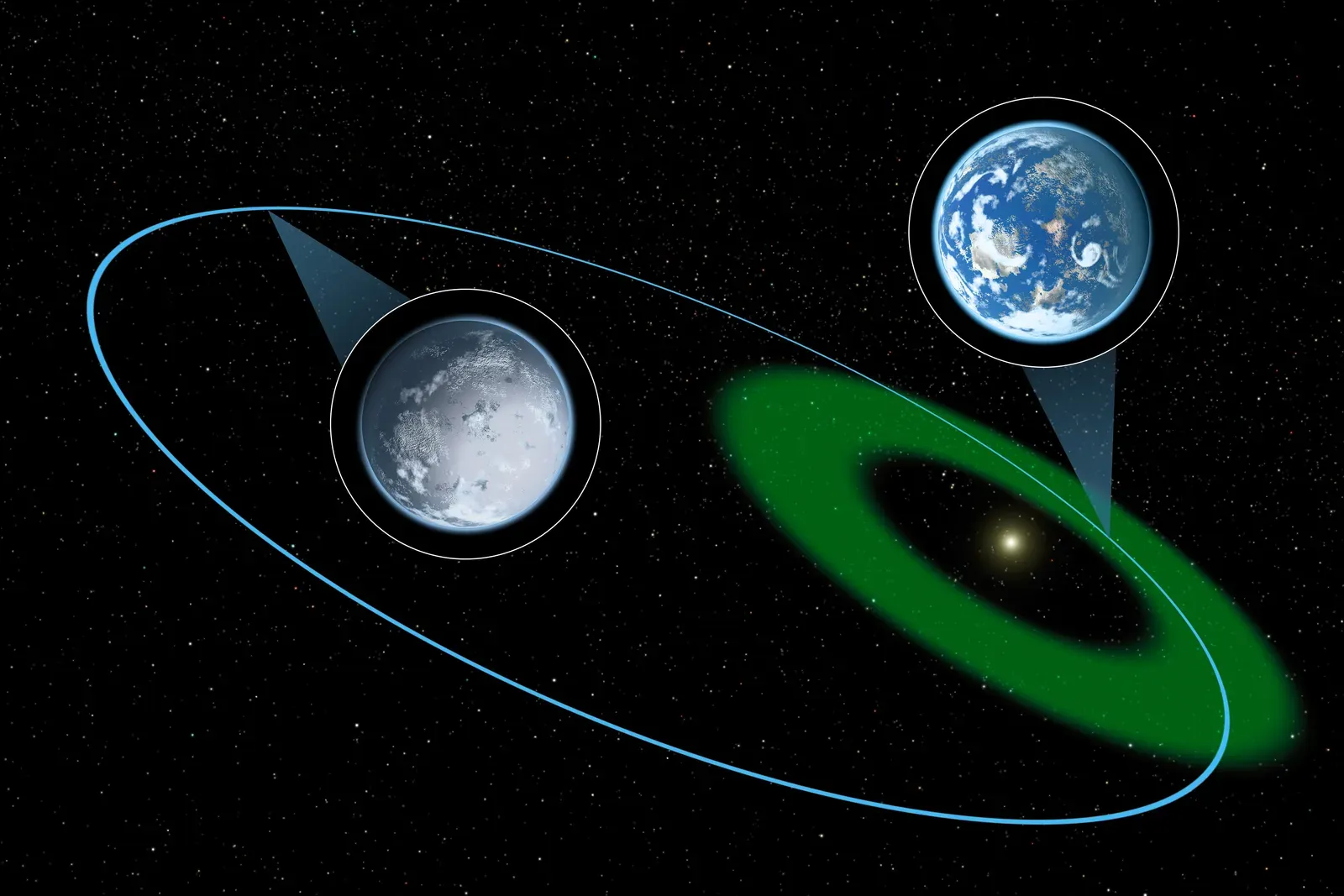
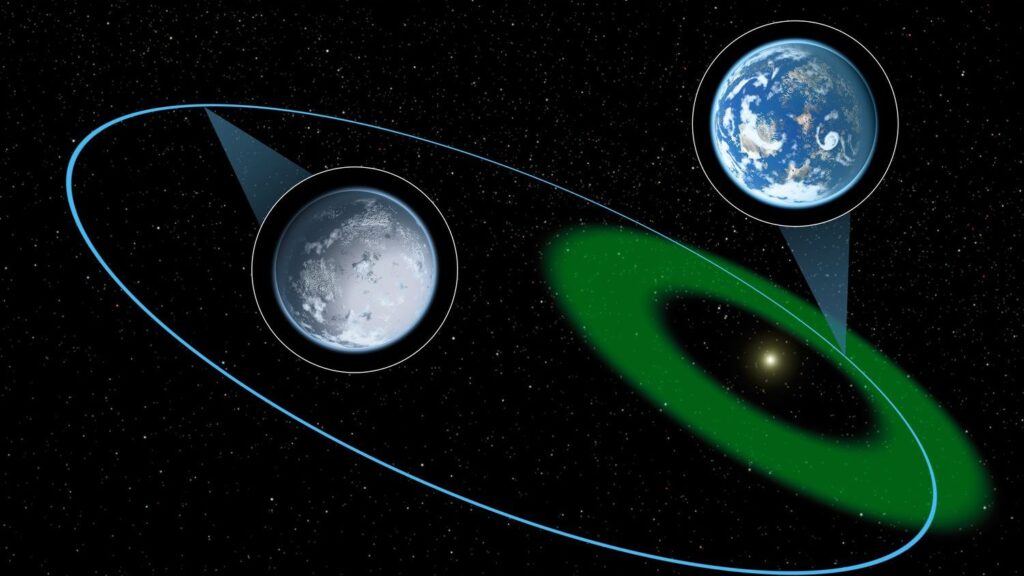
Here’s where things get particularly exciting for those of us who wonder about life beyond Earth. An international team has confirmed the discovery of a super-Earth named HD 20794 d orbiting in the habitable zone of a nearby Sun-like star, with a mass six times that of Earth and located just 20 light years away.
The exoplanet K2-18b became one of 2025’s loudest exoplanet flash points after renewed claims of possible life, with a University of Cambridge-led team announcing strongest evidence yet for potential biosignature gases including dimethyl sulfide in the planet’s atmosphere using James Webb Space Telescope data. The scientific debate that followed highlights both our improving ability to detect potential signs of life and the extreme difficulty of being certain about what we’re seeing. These worlds are so far away that every observation pushes our instruments to their absolute limits.
Runaway Black Holes Are Tearing Through Galaxies
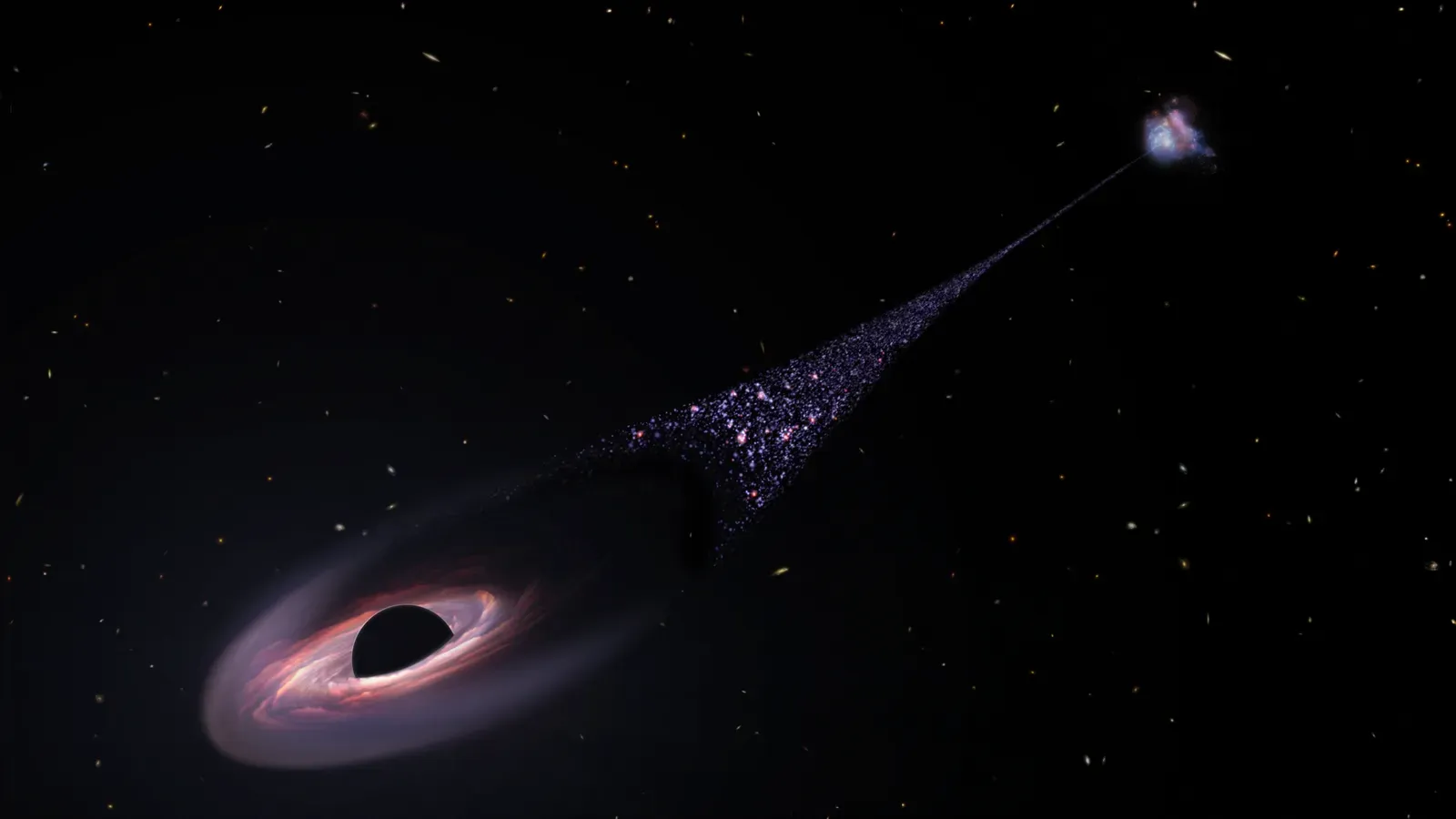
James Webb Space Telescope confirms the first “runaway” supermassive black hole rocketing through its home galaxy at 2.2 million mph. Let that sink in for a moment. A supermassive black hole, containing millions of times the mass of our sun, got kicked out of its galaxy and is now blazing through space like a cosmic bullet.
Scientists think these runaway black holes might form when two galaxies merge and their central black holes interact in chaotic ways, flinging one of them out at incredible speeds. The existence of these rogue objects raises fascinating questions about what happens when they plow through interstellar gas and dust. Could they be triggering star formation as they go? Could there be entire populations of wandering black holes we haven’t detected yet?
The Universe Is Creating 3D Movies of Black Holes
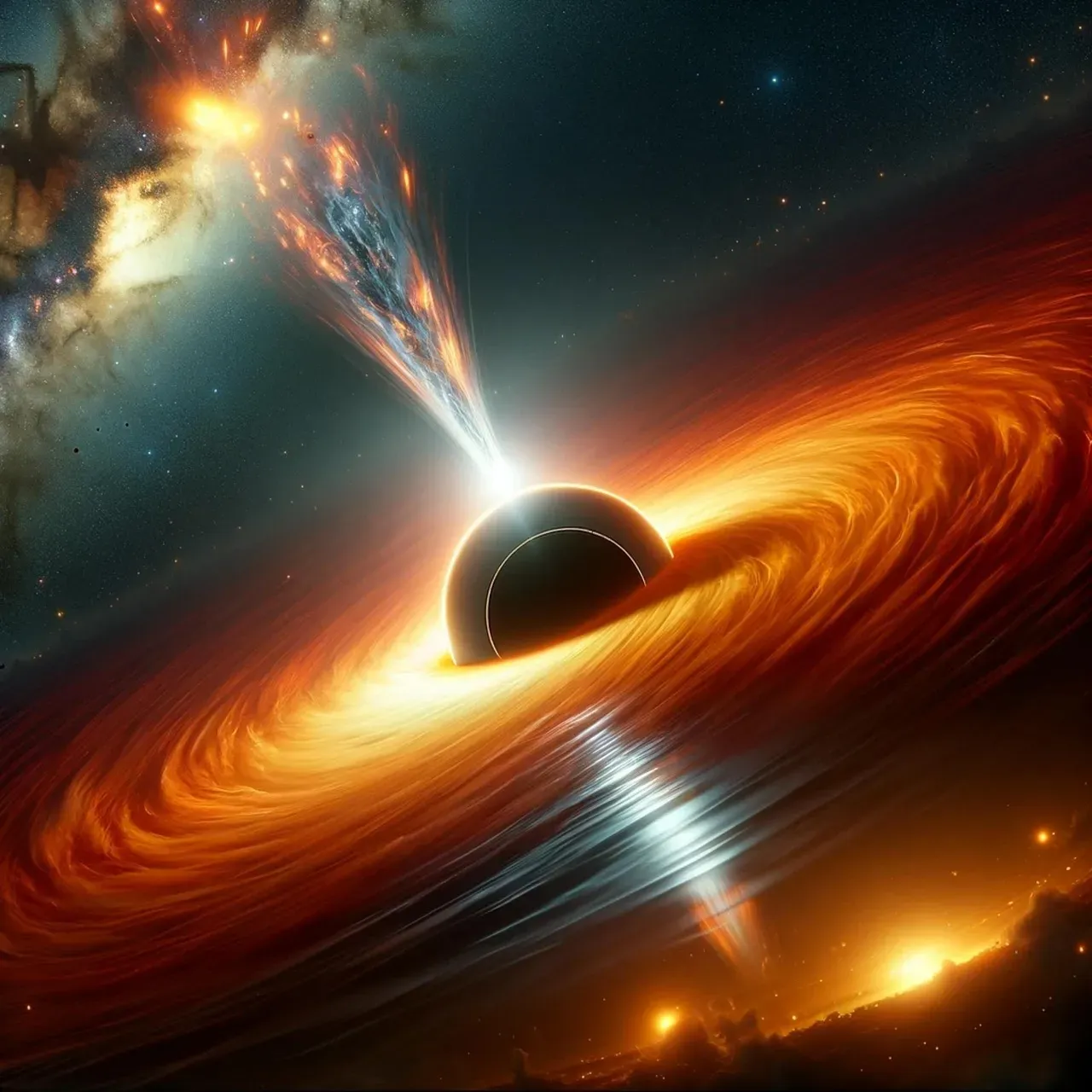
Scientists are preparing to take the next giant leap by creating the first ever 3D movies of black holes that could fundamentally reshape our understanding of gravity and the universe’s most violent phenomena. The iconic photographs of black holes from 2019 and 2022 captivated the world with their fuzzy orange doughnut shapes, but they were just static snapshots.
Imagine watching a black hole in motion, seeing how matter spirals into its event horizon, observing the twisting of spacetime in real time. These movies could reveal whether Einstein’s equations hold up in the most extreme gravitational environments in the universe or whether we need new physics to explain what’s happening at the edge of oblivion. It’s honestly one of the most ambitious observational projects ever attempted.
Interstellar Comet Visitors Reveal Secrets About Other Solar Systems
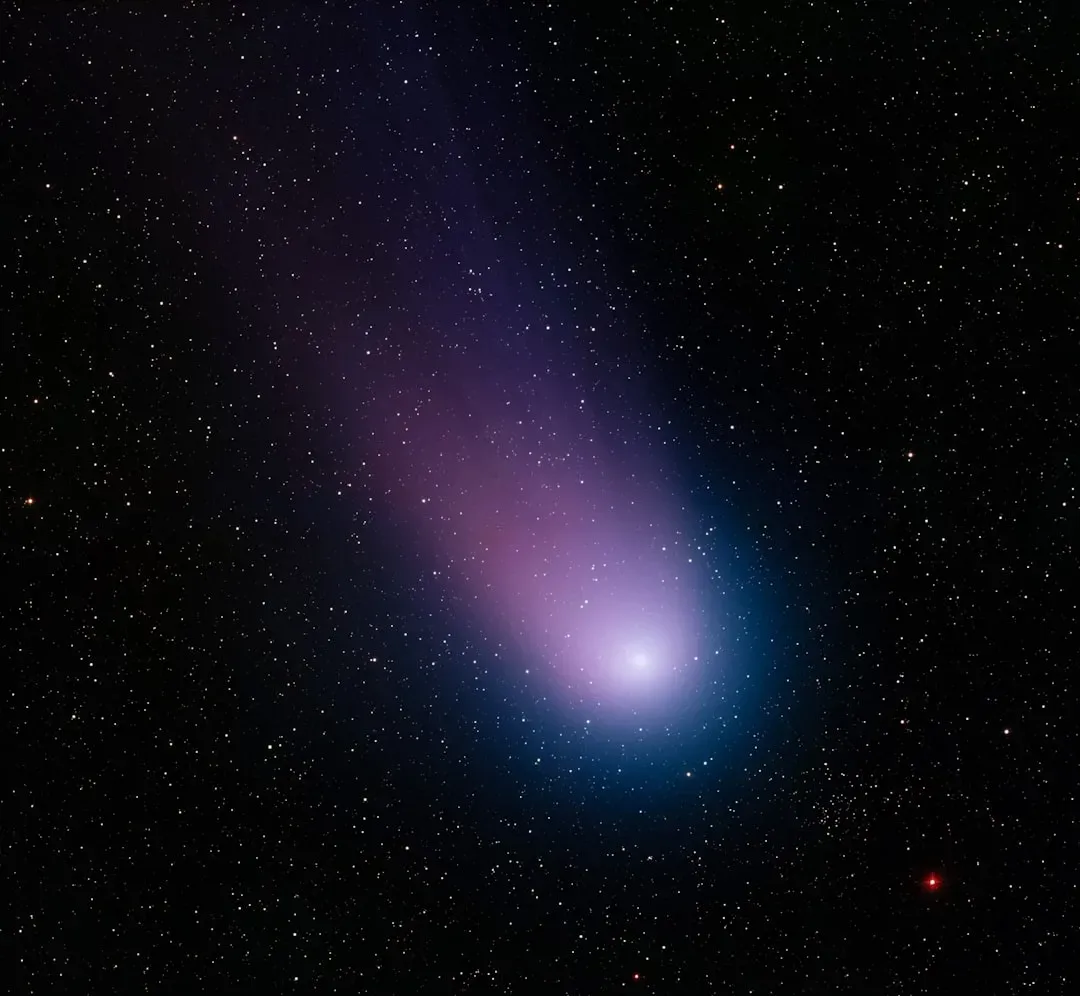
From new exoplanetary neighbors and a weakening dark energy to the best evidence for life on Mars and an interstellar comet that’s got everyone talking, 2025 has been jam-packed with astronomical excitement. The interstellar comet 3I/ATLAS has become something of a celebrity in astronomical circles, offering a rare glimpse at an object that formed around another star.
Measurements not only confirm that interstellar comets behave remarkably like our own Solar System’s icy wanderers, but also provide crucial clues about what comets looked like in the early universe. The fact that comets from completely different stellar systems share so many similarities suggests that the basic processes of planet formation might be more universal than we realized. We’re essentially getting a free sample of material from another solar system delivered right to our doorstep.
What This All Means for the Future of Cosmology
Standing back and looking at all these discoveries together, a pattern emerges. The universe is far stranger, more dynamic, and more interconnected than we imagined even a few years ago. Dark energy apparently evolves over time. Early galaxies formed in ways our models didn’t predict. Black holes are more diverse and active than we thought possible.
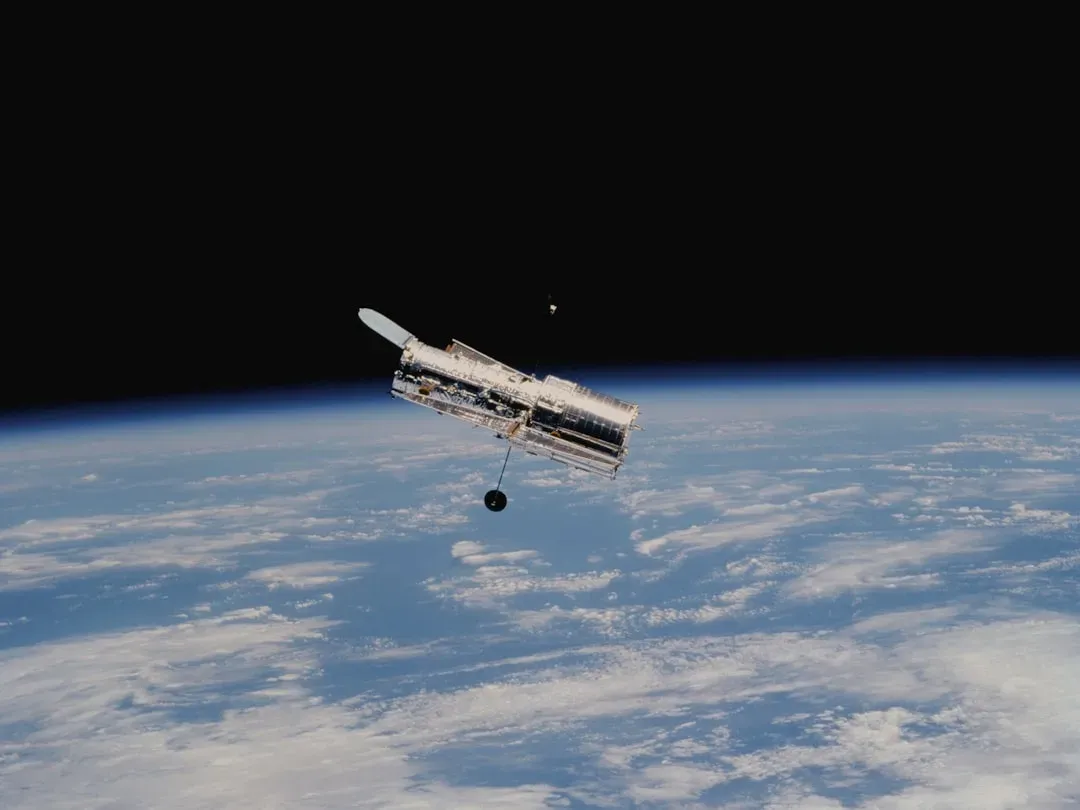
Every answer we get seems to spawn three new questions. That’s the nature of discovery though. We’re in what some scientists are calling a golden age of cosmology, with instruments capable of testing ideas that were purely theoretical just a decade ago. The James Webb Space Telescope, the Dark Energy Spectroscopic Instrument, and a host of other cutting-edge observatories are rewriting textbooks in real time. What will we discover next year, or in five years, as these instruments continue their observations?
The cosmos isn’t done surprising us yet. Not by a long shot. What do you think about these discoveries? Does it change how you see our place in the universe? The comments are yours.