The iconic image of a Tyrannosaurus rex throwing back its massive head to unleash a window-rattling roar has been emblazoned in our collective imagination. From Jurassic Park to countless museum exhibits, the terrifying roars of dinosaurs have become an accepted part of how we envision these prehistoric creatures. But recent scientific discoveries are challenging this long-held assumption about dinosaur vocalizations. Paleontologists and biologists studying the anatomical structures and evolutionary relationships of dinosaurs have uncovered compelling evidence suggesting that many dinosaurs may have sounded more like today’s birds—cooing, chirping, and making other sounds quite different from the mammalian roars we typically associate with them. This fascinating area of research opens up new questions about dinosaur behavior, communication, and their connection to modern birds.
The Evolution of Our Understanding of Dinosaur Sounds

For decades, popular culture has depicted dinosaurs as roaring beasts, largely influenced by how we imagine fearsome predators should sound. Early paleontologists had little scientific basis for determining dinosaur vocalizations, so these representations were primarily artistic license rather than scientific accuracy. The roaring dinosaur became firmly established in public consciousness through films, particularly the groundbreaking “Jurassic Park” franchise, where sound designers created memorable vocalizations by blending sounds from modern animals like elephants, alligators, and tigers. This creative interpretation, while dramatically effective, lacked a foundation in paleontological evidence. Only in recent decades have scientists developed more sophisticated methods for investigating how dinosaurs might have communicated, leading to significant revisions in our understanding of prehistoric soundscapes. Today’s paleontologists approach the question with more nuanced anatomical and evolutionary perspectives, resulting in very different conclusions.
The Bird-Dinosaur Connection: An Evolutionary Perspective
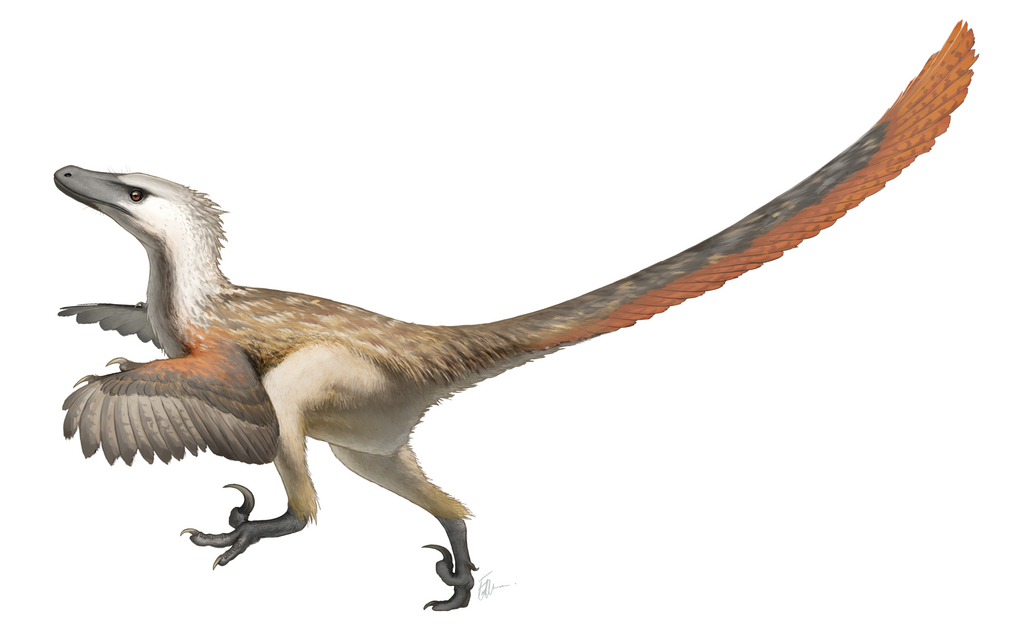
One of the most revolutionary discoveries in paleontology has been the confirmation that modern birds are direct descendants of theropod dinosaurs, the group that includes Velociraptor and Tyrannosaurus. This evolutionary relationship provides a crucial starting point for understanding dinosaur vocalizations. Modern birds produce sounds using the syrinx, a specialized vocal organ located at the base of the trachea that enables the diverse range of calls and songs in the avian world. While the delicate syrinx rarely fossilizes, the evolutionary connection suggests that many dinosaurs, particularly those most closely related to birds, might have produced sounds more similar to avian calls than mammalian roars. This evolutionary perspective encourages scientists to look to modern birds for clues about dinosaur vocalizations, rather than to unrelated mammals like lions or bears. The deeper we understand the bird-dinosaur connection, the more we must reconsider our assumptions about how dinosaurs communicated.
Anatomical Evidence: The Missing Larynx

A critical anatomical discovery has revolutionized how scientists think about dinosaur sounds: dinosaurs and their bird descendants lack a larynx, the voice box that mammals use to produce sound, including roars. This fundamental anatomical difference makes mammal-like roaring physically impossible for dinosaurs. While mammals generate vocalizations by passing air through vocal cords in the larynx, birds use an entirely different syrinx system. Examinations of dinosaur fossils have never revealed evidence of laryngeal structures similar to those in roaring mammals. Instead, dinosaur throat anatomy appears to be more consistent with that of modern reptiles and birds. This absence of mammalian vocal equipment provides compelling evidence against the roaring dinosaur hypothesis and requires scientists to look at alternative sound-producing mechanisms that would align with dinosaur anatomy. The lack of a larynx represents one of the strongest arguments against the traditional portrayal of roaring dinosaurs.
The Crocodilian Connection: Closed-Mouth Vocalizations
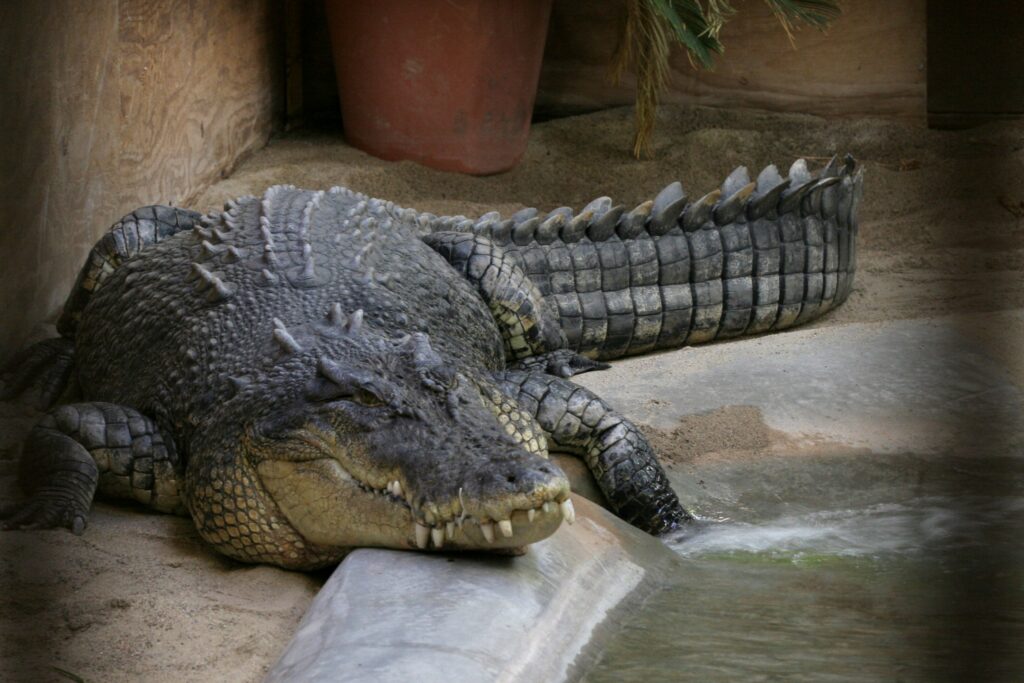
Crocodilians (crocodiles and alligators) provide another important reference point for understanding potential dinosaur sounds, as they share a common ancestor with dinosaurs as part of the archosaur group. Unlike mammals, crocodilians don’t roar but instead produce deep, resonant bellows and growls through closed-mouth vocalization. This technique involves vibrating air in the throat without opening the mouth wide, producing sounds that can travel considerable distances. A 2016 study published in the journal “Evolution” suggested that many dinosaurs may have used similar closed-mouth vocalizations, particularly among larger species. This method of sound production would have been anatomically feasible for dinosaurs and represents a significant departure from the wide-mouthed roars typically depicted in media. The low-frequency rumbles produced through this mechanism might have been used for territorial displays or mating calls, similar to how crocodilians use them today.
The Discovery of Parasaurolophus’s Resonating Chamber
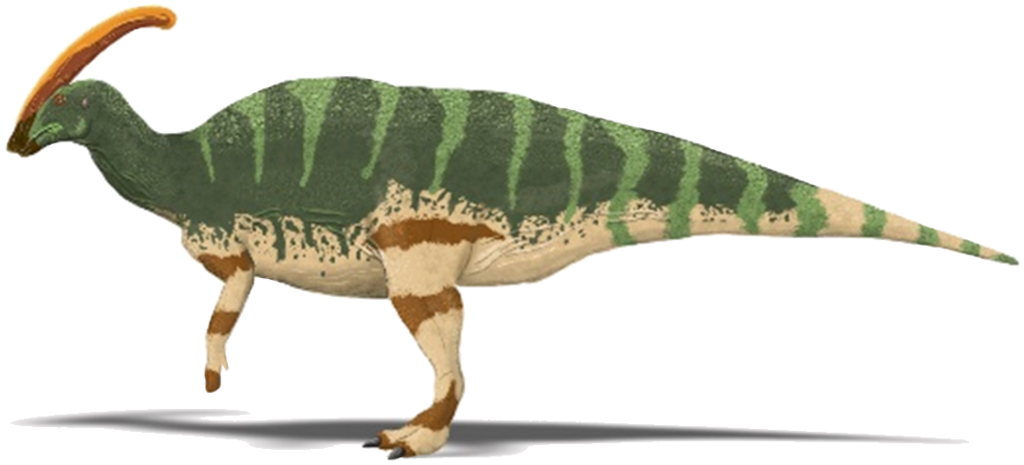
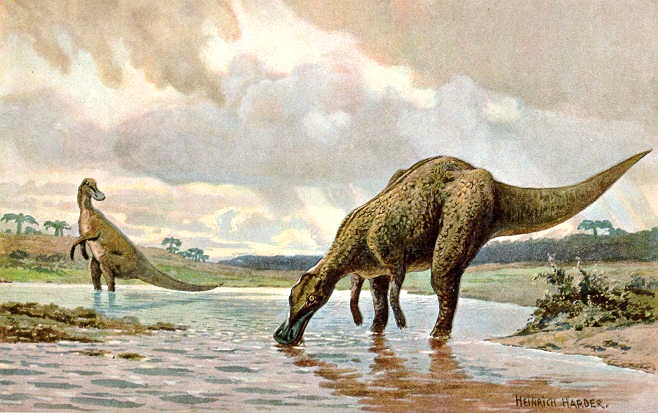
The duck-billed hadrosaur Parasaurolophus offers one of the most concrete examples of a dinosaur with specialized sound-producing anatomy. This distinctive dinosaur possessed an elaborate hollow crest extending from the back of its skull, which connected to the nasal passages. Computer modeling and acoustic analysis have demonstrated that this crest functioned as a resonating chamber, allowing Parasaurolophus to produce specific low-frequency sounds. When air passed through this chamber, the dinosaur could have generated deep, trumpet-like calls that would travel long distances across prehistoric landscapes. These calls likely served important social functions, perhaps allowing individuals to recognize members of their species or communicate within herds. The Parasaurolophus example demonstrates that while some dinosaurs may not have roared, they evolved specialized adaptations for creating distinctive vocalizations suited to their ecological needs and social behaviors.
The Importance of Infrasound in Dinosaur Communication
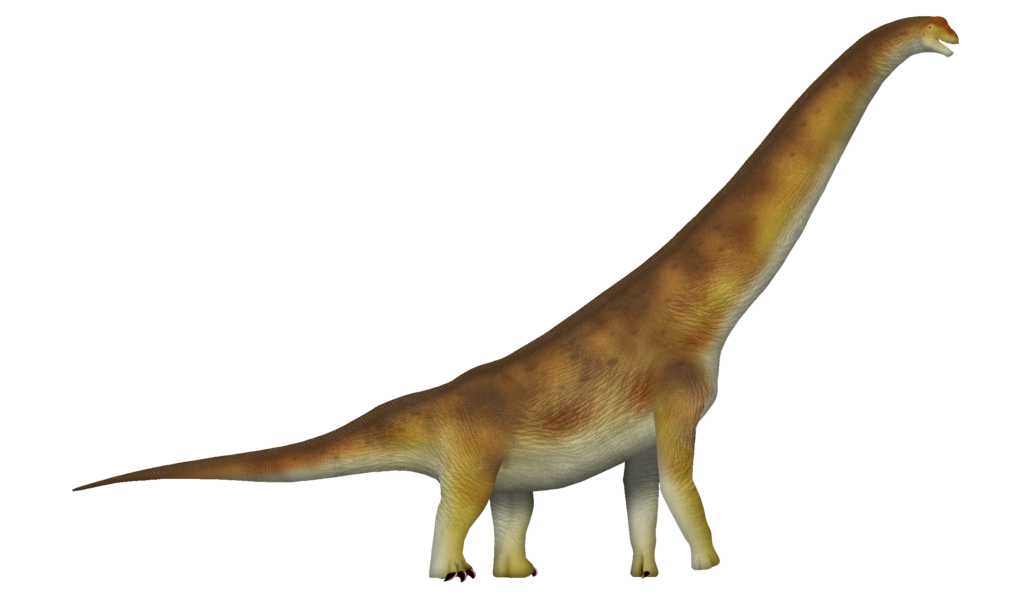
Recent research suggests that many dinosaurs may have communicated using infrasound—extremely low-frequency sounds below the range of human hearing. This form of communication would have provided several advantages for large dinosaurs. Infrasonic calls can travel over long distances without significant degradation, making them ideal for communication across the vast territories that large dinosaurs might have occupied. Modern elephants use infrasound to communicate over distances up to several kilometers, and scientists have proposed that sauropods and other large dinosaurs may have employed similar strategies. The long necks of sauropods might have even helped generate these low-frequency vibrations. Evidence for infrasonic communication comes partly from studying the inner ear anatomy of various dinosaur species, which suggests sensitivity to low-frequency sounds. If dinosaurs did rely on infrasound, humans would have been unable to hear much of their vocal communication, even if standing next to them.
The Vocal Repertoire of Small Theropods
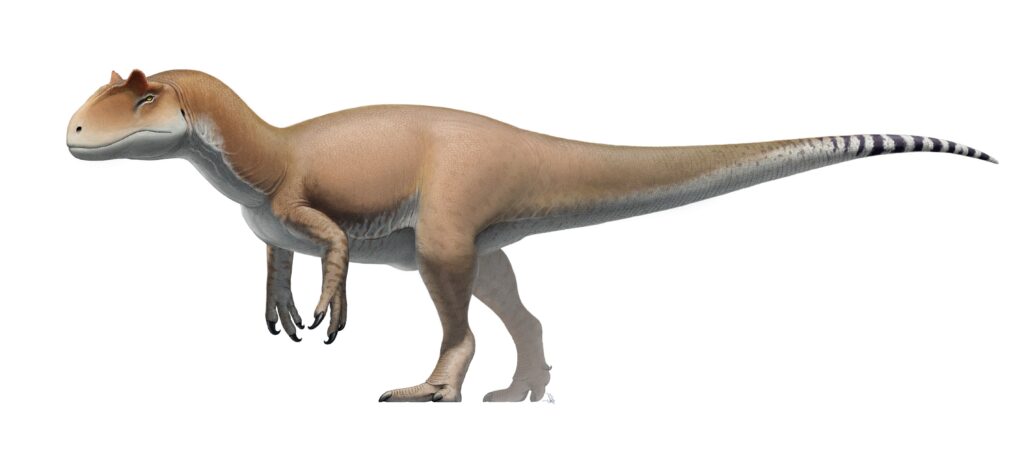
Small theropod dinosaurs—the group most closely related to modern birds—likely possessed the most bird-like vocalizations among dinosaurs. Species like Velociraptor and other dromaeosaurs may have produced a range of chirps, hisses, and other sounds similar to modern birds of prey rather than roars. Recent research into the brain structure of these dinosaurs reveals enlarged regions associated with complex behaviors and sensory processing, suggesting sophisticated communication abilities. Fossilized throat bones (hyoid apparatus) from some small theropods also show similarities to those of modern birds, further supporting the bird-like vocalization hypothesis. These smaller dinosaurs, with their rapid metabolism and complex social behaviors, would have benefited from varied vocal communication for coordinating hunting, defending territory, and attracting mates. The emerging picture suggests that if we could travel back in time, a forest full of small theropods might have sounded more like an aviary than a lion’s den.
Could T. rex Roar? The Case of Large Theropods

The question of whether Tyrannosaurus rex and other large theropods roared stands at the center of this scientific debate, as these iconic predators feature prominently in popular depictions. Anatomical evidence strongly suggests that T. rex could not produce mammal-like roars due to the absence of a larynx. Instead, research into the skull structure and respiratory system of T. rex indicates that it may have produced deep, resonant sounds more similar to those of modern cassowaries or emus—large, flightless birds known for their booming calls. Computer models examining the resonance chambers in T. rex skulls suggest they could amplify low-frequency sounds to impressive volumes. Other possibilities include closed-mouth vocalizations similar to crocodilian bellows or infrasonic rumbles that humans couldn’t hear. While T. rex vocalizations were likely intimidating and powerful, the scientific consensus increasingly favors sounds that would be recognizably different from the famous roars portrayed in films and documentaries.
Reconstructing Dinosaur Sounds: Scientific Methods
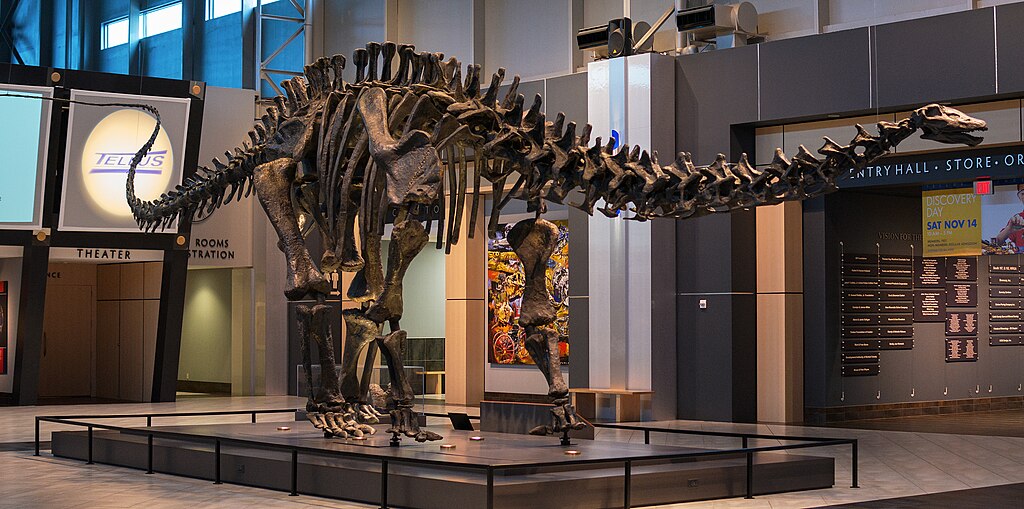
Scientists employ several sophisticated techniques to reconstruct potential dinosaur vocalizations despite the absence of direct sound recordings. Computer tomography (CT) scanning allows researchers to create detailed 3D models of dinosaur skulls and air passages, which can then be used in acoustic modeling software to simulate sound production. By analyzing the resonant properties of these structures, scientists can generate approximations of possible dinosaur calls. Comparative studies of the vocal anatomy of modern birds and reptiles provide crucial reference points for understanding the sound-producing capabilities of their dinosaur relatives. Biomechanical analysis of dinosaur throat and chest structures offers insights into the volume and range of sounds they could physically produce. Additionally, paleontologists study the inner ear anatomy of dinosaur fossils to determine what frequencies they could hear, operating under the principle that animals typically produce sounds within the range they can perceive. These multidisciplinary approaches are gradually building a more scientifically grounded understanding of dinosaur vocalizations.
Social Implications of Dinosaur Vocalizations

Understanding how dinosaurs communicated vocally provides important insights into their social behaviors and ecological roles. Species with complex vocal repertoires likely engaged in more sophisticated social interactions, potentially including herd coordination, mating displays, or parent-offspring communication. Hadrosaurs like Parasaurolophus, with their elaborate sound-producing crests, may have relied heavily on acoustic signals for social cohesion within their herds. Similarly, evidence suggests some theropods may have hunted in coordinated packs, which would have required effective communication systems. The diversity of vocal adaptations across different dinosaur groups reflects their varied social structures and ecological niches. Territorial species likely used distinct vocalizations to establish and defend their ranges, while those living in social groups would have needed calls for maintaining contact and signaling danger. By reconstructing dinosaur vocalizations, scientists gain valuable perspectives on the complex social dynamics that shaped dinosaur evolution and behavior throughout the Mesozoic era.
How Film and Media Have Shaped Our Perception

The dramatic roars of dinosaurs in popular media have profoundly influenced public perception of these ancient creatures, creating a significant gap between scientific understanding and popular imagination. The 1993 film “Jurassic Park” marked a watershed moment in establishing the concept of roaring dinosaurs, with sound designer Gary Rydstrom famously blending tortoise mating sounds, dolphin cries, and tiger roars to create the T. rex vocalization that became deeply embedded in cultural consciousness. Subsequent films, documentaries, and museum exhibits often perpetuated these dramatic but scientifically questionable representations for their emotional impact. This discrepancy highlights the tension between entertainment value and scientific accuracy in paleontological portrayals. Some more recent productions have begun incorporating updated scientific perspectives, depicting theropods with bird-like calls or using infrasonic rumbles to represent sauropod communication. The challenge for science communicators and media creators moving forward is to develop portrayals of dinosaur sounds that maintain dramatic impact while better reflecting current scientific understanding of these fascinating creatures.
Modern Birds: Living Dinosaur Vocals We Can Hear Today
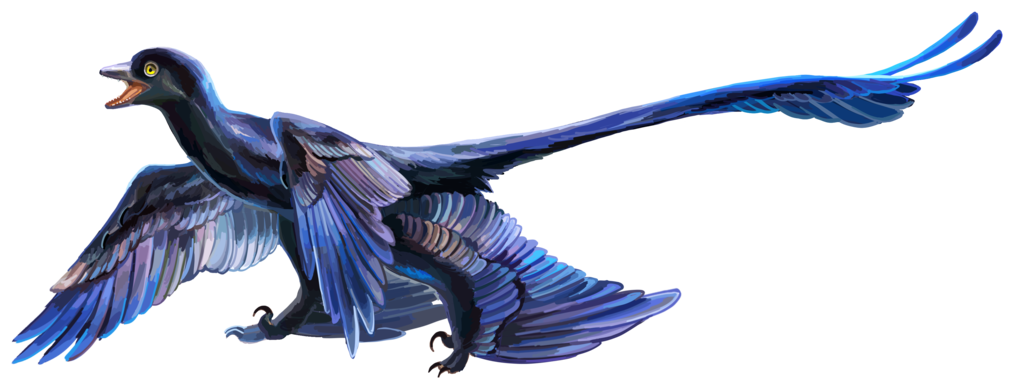
Perhaps the most compelling evidence for bird-like dinosaur vocalizations comes from the diverse sounds produced by modern birds—the living descendants of theropod dinosaurs. The extraordinary vocal range of today’s birds, from the deep booming of cassowaries to the complex songs of songbirds and the screeches of raptors, offers a window into the potential diversity of dinosaur vocalizations. Particularly relevant are the sounds produced by primitive birds and large flightless species like ostriches and emus, which may be closer to ancestral dinosaur conditions. The cassowary, with its deep, resonant boom created by an elongated neck and specialized air sacs, provides an especially intriguing model for how large theropod dinosaurs might have sounded. The remarkable vocal abilities of modern birds, achieved through their syrinx-based sound production, suggest that their dinosaur ancestors may have had more varied and sophisticated vocalization capabilities than previously recognized. When we hear a crow’s call or an ostrich’s boom today, we may be experiencing sounds not entirely unlike those made by dinosaurs millions of years ago.
Future Directions in Dinosaur Vocalization Research

The study of dinosaur vocalizations continues to evolve as new technologies and approaches emerge in paleontological research. Advanced CT scanning with increasingly higher resolution allows for more detailed examinations of the internal structures of fossilized skulls and potential sound-producing organs. Improved computational models can now simulate sound production with greater accuracy, accounting for soft tissues that rarely fossilize. Comparative studies with an expanding range of modern birds and reptiles provide richer contextual data for interpreting dinosaur anatomy. Emerging fields like paleoacoustics, which studies how sound would have propagated through ancient environments, offer new perspectives on dinosaur communication strategies. Some researchers are exploring the possibility of identifying preserved throat structures in exceptionally well-preserved fossils that might contain evidence of sound-producing capabilities. As these methods continue to develop, our understanding of dinosaur vocalizations will become increasingly sophisticated, potentially revealing a prehistoric soundscape quite different from the one popularized in entertainment but no less fascinating.
How Scientific Discoveries Are Changing Our Understanding of Dinosaur Sounds
Our understanding of dinosaur vocalizations has undergone a remarkable transformation in recent decades. While the roaring dinosaurs of popular culture have become deeply ingrained in our collective imagination, scientific evidence increasingly points toward a different reality—one where dinosaurs produced a diverse range of sounds more reminiscent of today’s birds and reptiles than roaring mammals. From the bird-like chirps of small theropods to the resonant calls of crested hadrosaurs and the possible infrasonic communications of massive sauropods, the prehistoric world likely featured a rich acoustic landscape unlike anything depicted in films. This evolution in our understanding highlights how scientific knowledge continues to refine and sometimes revolutionize our perception of ancient life. Rather than diminishing the wonder of dinosaurs, these discoveries enhance our appreciation of their complexity and diversity, while strengthening our understanding of the evolutionary connections between these magnificent prehistoric creatures and the birds that still surround us today.