If you grew up with images of Spanish explorers dramatically riding into the New World on horseback, you might assume that horses were a European import, totally unknown in ancient America. The surprising truth is almost the opposite: horses are actually a North American story from the very beginning. For most of their deep history, they were not exotic visitors but homegrown natives that evolved, diversified, and disappeared here long before anyone wrote a word about them.
Once you trace their story back millions of years, the timeline turns into a kind of scientific detective thriller: tiny dog‑sized ancestors in prehistoric forests, powerful Ice Age grazers on windswept plains, sudden extinction, and then a dramatic return with humans thousands of years later. The real question stops being only whether horses existed in prehistoric America, and becomes something richer: how did they shape this continent, and how did this continent shape them? Let’s walk through that story step by step.
The North American Origin Story of Horses
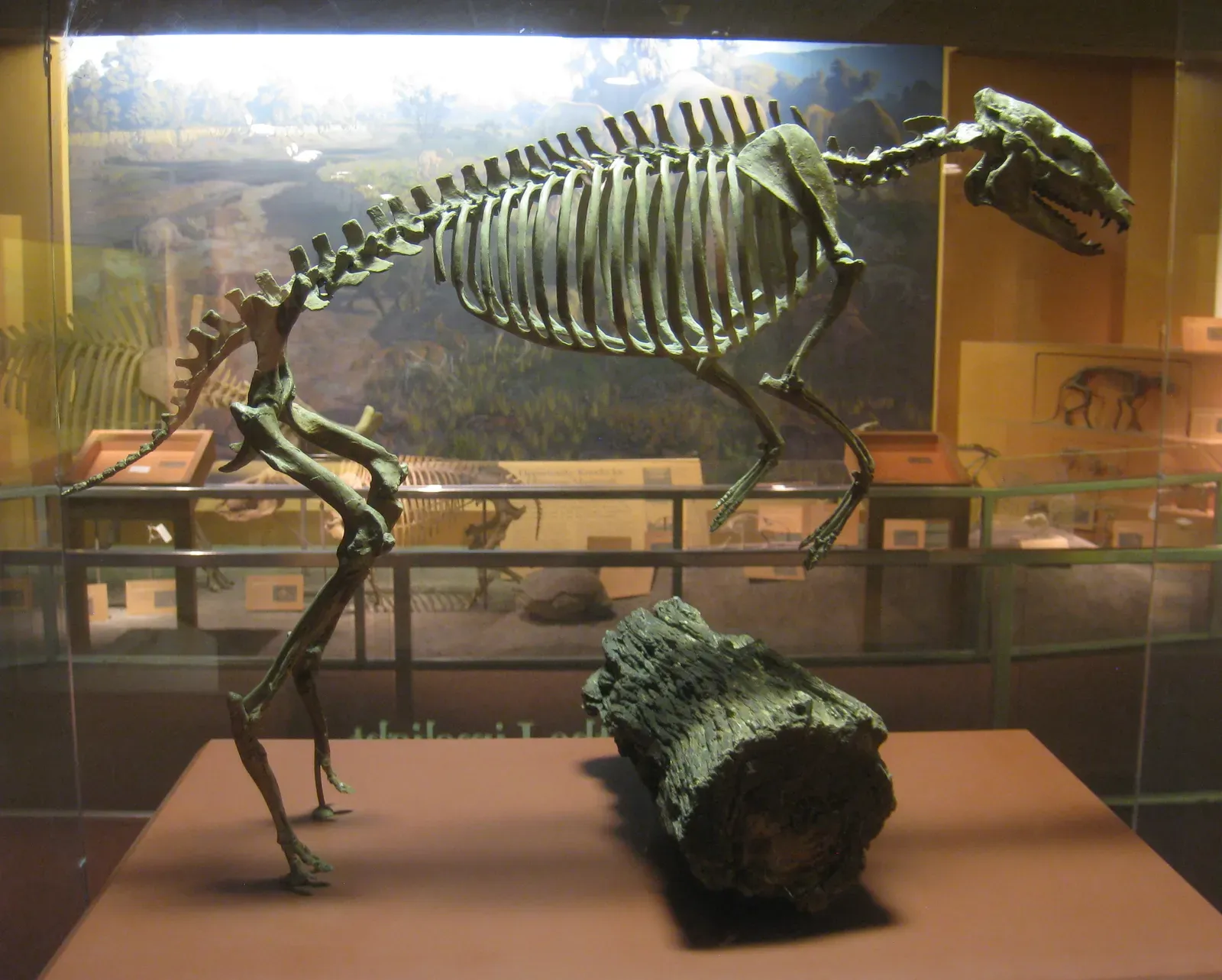
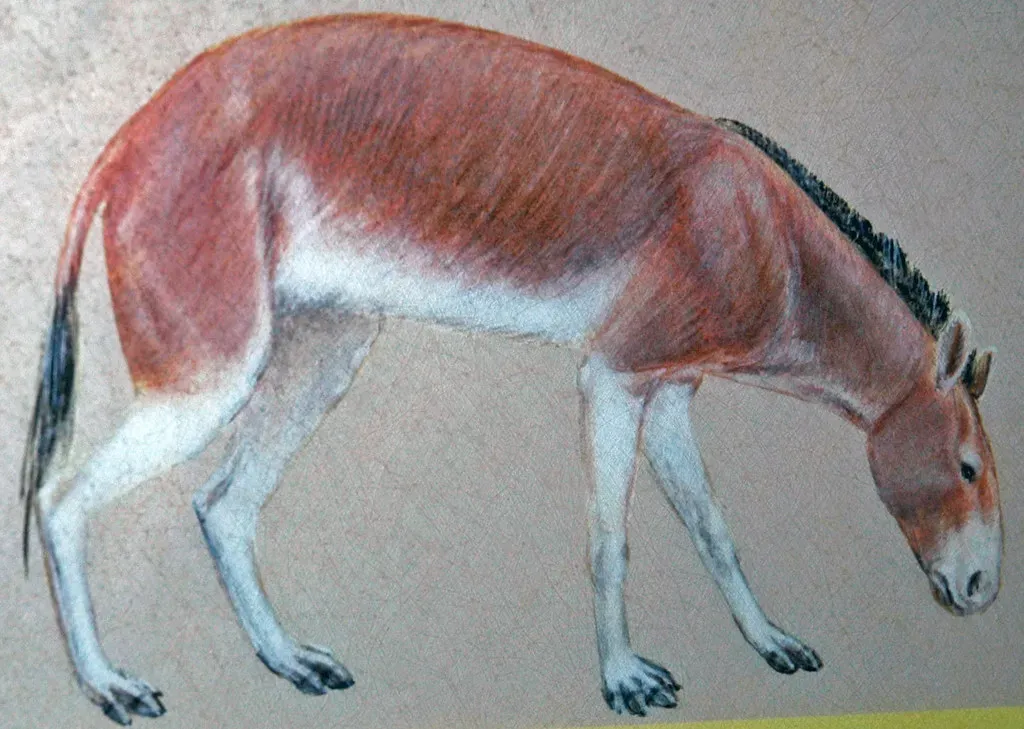
It is hard to overstate how deeply North America is woven into the origin story of horses. The earliest known horse relatives appear here more than fifty million years ago, long before humans showed up anywhere. These animals, often called by names like Eohippus or Hyracotherium in older textbooks, were small, forest‑dwelling creatures, closer in size to a medium dog than to a modern stallion. They walked on several toes instead of a single solid hoof, and their teeth were adapted more to browsing soft leaves than grinding tough grass.
Over tens of millions of years, these early horse relatives evolved through a whole parade of forms as climates shifted and landscapes opened up. Forests gave way to grasslands, and horses slowly transformed to match: legs lengthened for speed over open ground, side toes shrank, and that iconic single hoof emerged like a built‑in running shoe. Their teeth changed too, becoming higher crowned and tougher, the biological equivalent of upgrading from a soft-food diet to permanent trail rations. So if we ask whether horses existed in prehistoric America, the answer is not just yes; they were born here, adapted here, and spread out from here to the rest of the world.
From Tiny Forest Dwellers to Ice Age Powerhouses
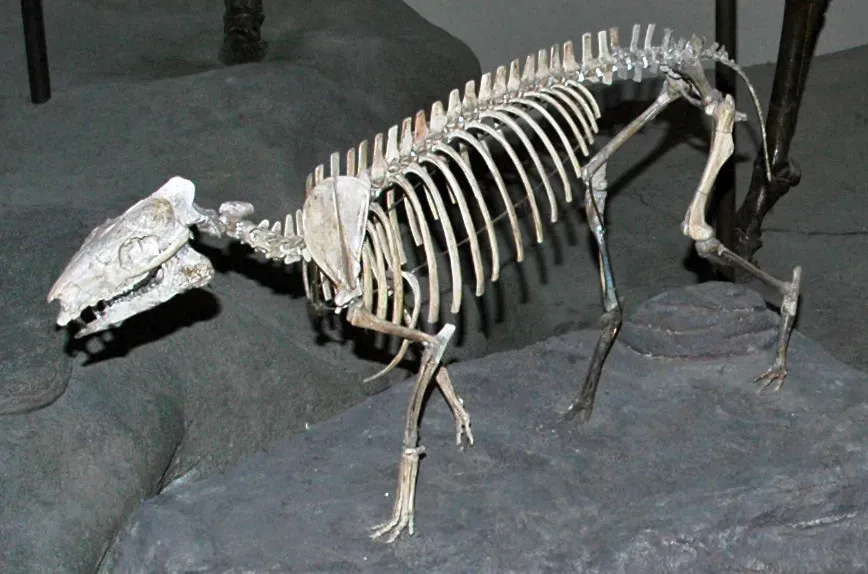
One of the most shocking parts of the horse story is just how different those early ancestors looked from the animals we picture today. Imagine something only about as tall as a fox terrier, moving quietly through a warm, wooded environment, hiding from predators instead of outrunning them across open plains. That is a realistic mental image of some of the earliest American horses, living in a world where giant ancient relatives of crocodiles and early primates shared the scene. They were nimble browsers, not the large grazing specialists that would one day thunder across steppe and prairie.
As North America cooled and dried over geological time, those little forest runners faced relentless pressure to adapt or disappear. Grasslands favor speed, endurance, and the ability to process tough, gritty plants; horses that could run faster and chew harder had a huge advantage. By the time the last Ice Age rolled around, prehistoric America was home to true horses of the genus Equus, clearly recognizable as horses by any modern eye. They had long legs, single hooves, and large, durable teeth, and they lived on open plains alongside mammoths, mastodons, camels, and giant bison. In that sense, when humans finally did arrive on the continent, they were walking into a world where horses were already a major part of the ecosystem.
Ice Age America: Horses on the Mammoth Steppe
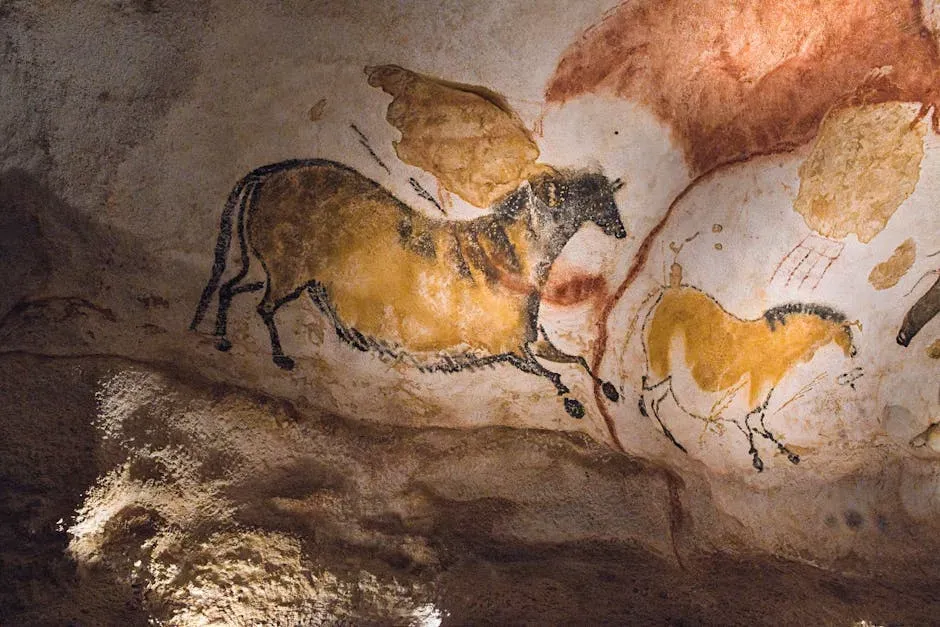
During the late Pleistocene, roughly the last couple of million years up to about twelve thousand years ago, huge stretches of North America were dominated by cold, open environments sometimes described as mammoth steppe. It was a harsh but productive world, with sweeping grasslands and shrublands stretching for vast distances. Horses were incredibly successful in this setting, grazing in large herds, using their speed and endurance to evade big predators like dire wolves, saber-toothed cats, and American lions. Scientifically, we know this not just from bones, but from fossilized teeth and even ancient DNA preserved in permafrost and sediments.
These prehistoric American horses were not some marginal side branch of evolution; they were a key herbivore in the Ice Age food web. Their bones and teeth show up in fossil deposits across the continent, from Alaska and the Yukon down into the United States and Mexico. When you picture that landscape, think less of a lonely, empty ice field and more of a bustling, wild grassland full of movement: herds of horses, bison, and camels, mixed with giant ground sloths and towering mammoths. If you dropped a modern horse into that world, it would have recognized its distant cousins at a glance.
The Great Disappearance: Why Horses Went Extinct in Ancient America
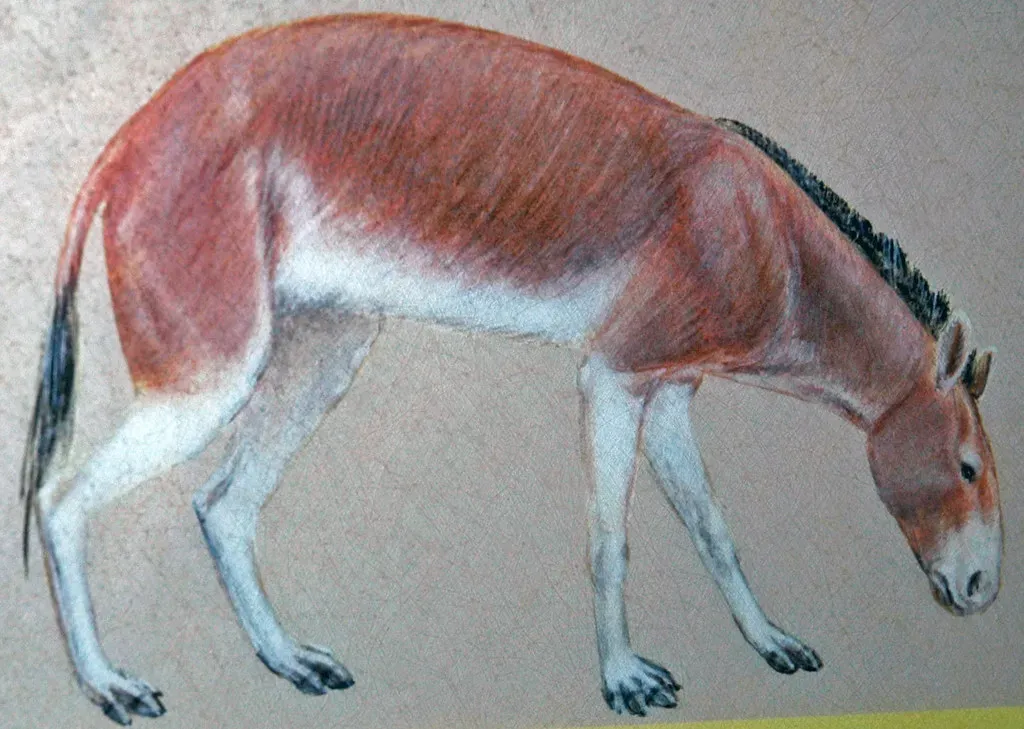
![The Great Disappearance: Why Horses Went Extinct in Ancient America (Turtle Cove mural - Roger Witter Larger version from:[1], Public domain)](https://nvmwebsites-budwg5g9avh3epea.z03.azurefd.net/dinoworld/fbeb21c60b36e4fb6407ed53e9b9f92f.webp)
Here’s the twist that makes the story so compelling: despite being so successful for so long, prehistoric horses in North America vanished around the end of the last Ice Age, roughly ten to twelve thousand years ago. They did not simply move away; they went biologically extinct on this continent. That is why no Indigenous cultures in the Americas had living horses when Europeans first arrived, even though horses had once evolved here. The fossil record in many places just stops showing horse bones after that time, and that absence is as telling as their earlier abundance.
Why it happened is still debated, and this is where scientists tread carefully instead of pretending to know more than they do. Two main factors show up again and again in the research: rapid climate change at the end of the Ice Age and the spread of humans across the continent. The climate was warming, habitats were shifting, and many large animals were stressed. At the same time, humans were hunting and altering landscapes, even if only in relatively small numbers compared to today. Most researchers now lean toward a combination of both forces rather than a single simple cause. The bottom line is sobering: yes, horses absolutely existed in prehistoric America – and then, relatively quickly in geological terms, they were gone.
The Big Return: European Horses and a Native Comeback
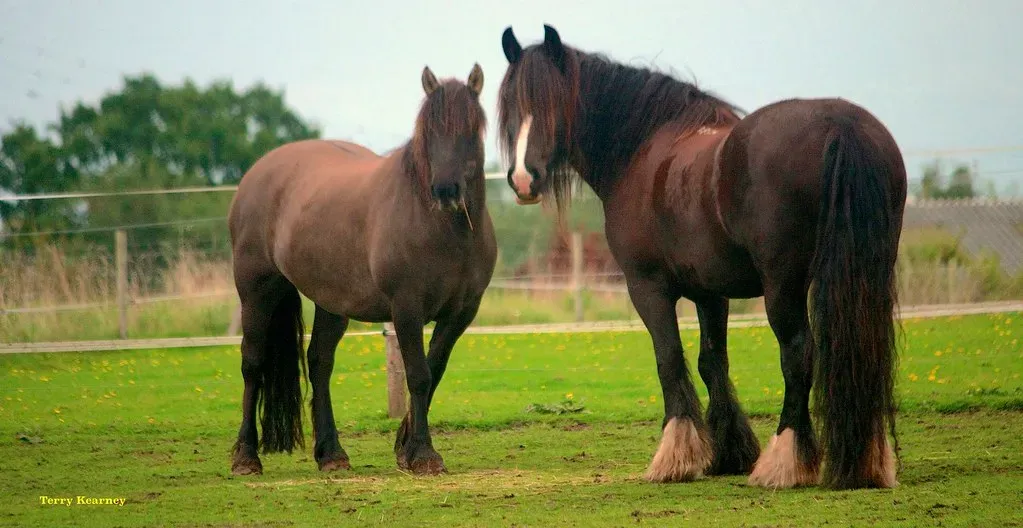
When Spanish expeditions reached the Americas in the late fifteenth and early sixteenth centuries, they brought horses that had been domesticated in Eurasia thousands of years earlier. From a human cultural perspective, these animals were new to the continent, and they transformed warfare, trade, travel, and daily life. For many Native nations, horses became central within only a few generations, reshaping hunting strategies and long‑distance movement. From a strictly biological point of view, though, something fascinating was happening: a lineage that had originated in North America, left, and evolved abroad was now returning home as a domesticated form.
Some people argue passionately that these reintroduced horses should be seen as native rather than invasive, because their deep evolutionary roots are here and they are essentially the same genus that vanished only a geological moment ago. Others push back, pointing out that ecosystems had changed during those thousands of horse‑free years and that modern horse populations can cause real damage to fragile habitats and compete with other wildlife. Personally, I find it powerful to hold both truths at once: horses are both a returned native in a deep-time sense and a new force in modern landscapes that needs to be managed carefully. Either way, their reappearance turned a long‑ended prehistoric story back into a living one.
What Fossils, DNA, and Indigenous Knowledge Tell Us
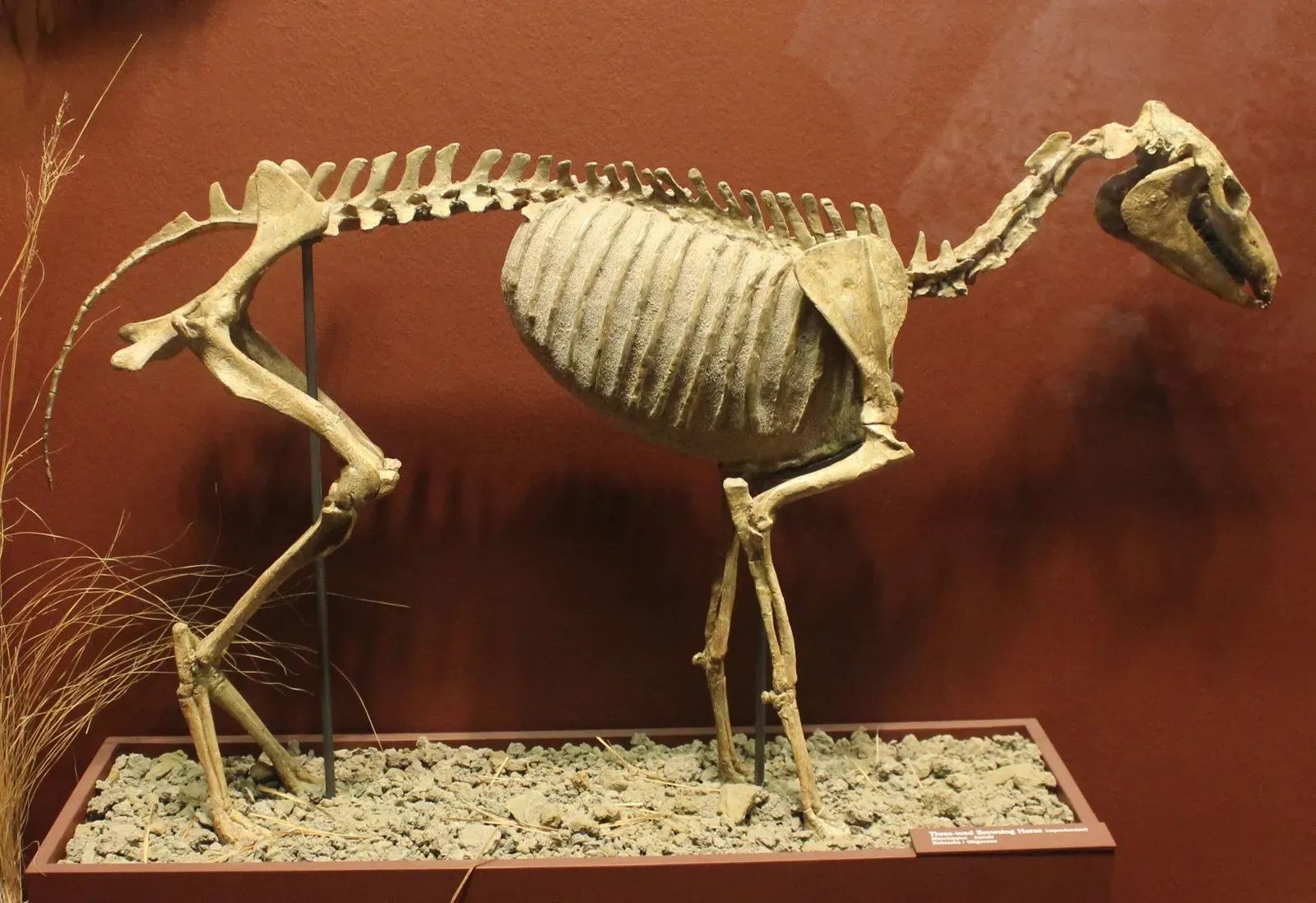
Our understanding of prehistoric American horses does not come from a single silver-bullet discovery; it is stitched together from many different lines of evidence. Fossil bones and teeth show where and when horses lived and how their bodies changed over time. Measurements of tooth wear and structure can even tell us what kinds of plants they were eating, giving a snapshot of ancient ecosystems. Ancient DNA from bones and sediments adds another layer, showing how different horse populations were related and how they migrated between continents over hundreds of thousands of years.
At the same time, there is growing recognition that Indigenous knowledge and oral histories also have a place in this conversation, especially when it comes to more recent centuries. Many Native communities have complex relationships with horses, seeing them not as a foreign addition but as beings with deep spiritual and cultural significance. While oral traditions do not rewrite the basic fossil timeline of Ice Age extinction and later reintroduction, they do remind us that how we interpret animals is never just a scientific puzzle. Horses are bones and genomes, but they are also partners, symbols, and, for many people, members of the family. That mix of hard evidence and human meaning makes their American story feel alive rather than dusty.
Conclusion: A Native Legend with a Complicated Ending
So, ? Absolutely, and not just in a minor way. They were born here, evolved here, roamed Ice Age grasslands here, and then disappeared in a wave of extinction that still raises hard questions about climate, humans, and vulnerability. When European settlers arrived with domesticated horses, they were not introducing some completely alien creature so much as bringing back a long‑lost native in a transformed form. To me, that makes the usual schoolbook story of horses in the Americas feel far too shallow and neat.
My own opinion is that we should stop thinking in simple terms of native versus non‑native and start appreciating the full, messy arc of this relationship. Horses are both an ancient American success story and a modern management challenge, both fossils in museum drawers and living companions on ranches and reservations. Their history on this continent is not a straight line but a loop: origin, expansion, extinction, and return. Maybe the real lesson is that deep time never truly lets go of us; it just waits beneath the surface of what we think we know. Knowing that, does the sound of hooves on American soil feel a little different to you now?