
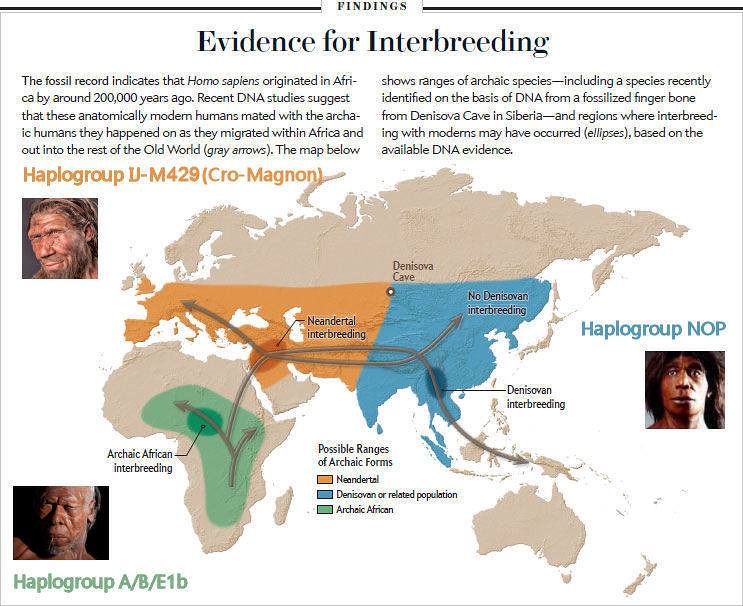
Picture Europe during the Ice Age, and you probably imagine mammoths, saber-toothed cats, and small groups of fur-wrapped people trudging through the snow. What almost no one pictures is this: not one human species, but several, crisscrossing the same landscapes, sometimes competing, sometimes interbreeding, and always struggling to survive. For a long time, we treated that as science fiction. Now, fossils and ancient DNA are quietly telling us a far stranger story.
The more we dig into caves, riverbanks, and old bones, the more it looks like Europe was never a one-species stage. It was more like a crowded shared apartment, with Neanderthals, modern humans, Denisovans, and even other mysterious cousins overlapping in place and time. That idea is still sinking in, even for researchers. And once you see how tangled our family tree really is, it completely changes how you think about what it means to be human at all.
Europe Was Once a Neanderthal Stronghold, Not Just a Side Note
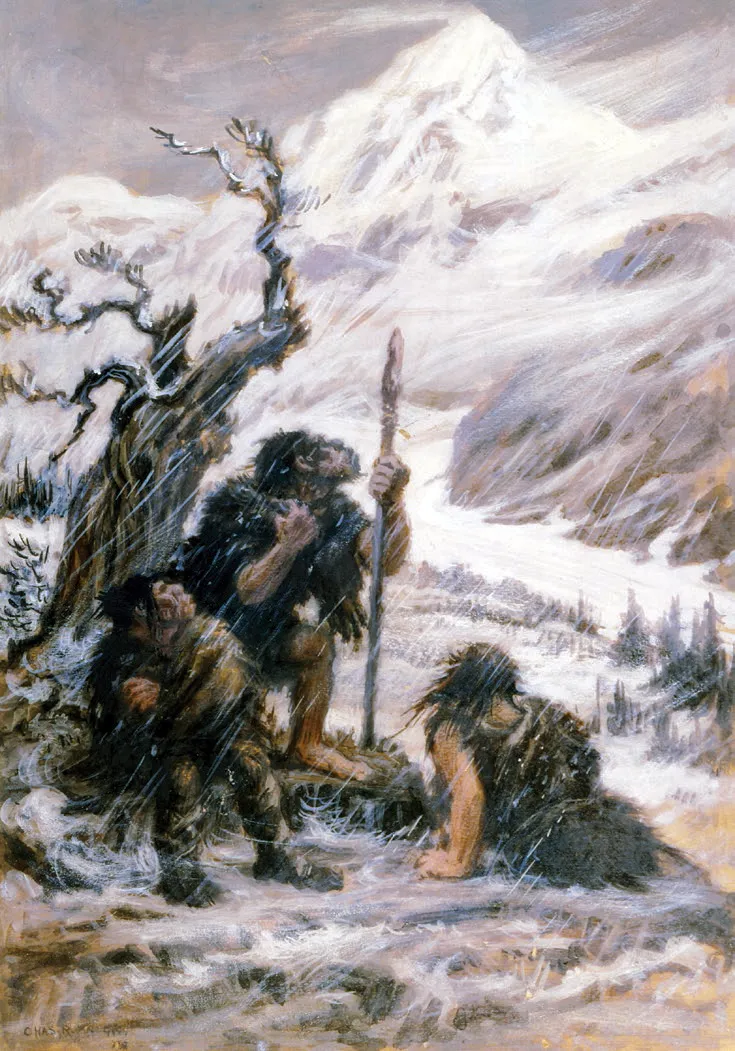
For decades, Neanderthals were treated as a kind of evolutionary subplot, the backup band that played before our species took the stage. But the evidence says something very different: for hundreds of thousands of years, Neanderthals were the dominant human presence across much of Europe and western Asia. They adapted to cold climates, carved out territories, and left behind a trail of tools, bones, and shelters stretching from Spain to Siberia.
They were not rare oddities. In many regions, if you had walked across Europe around 100,000 years ago, the only humans you would have met were Neanderthals. They hunted large animals, controlled fire, and modified landscapes in ways that remind us uncomfortably of ourselves. When our species, Homo sapiens, finally arrived in Europe tens of thousands of years later, we were entering their home turf, not a blank map.
Homo Sapiens Arrived Late to the European Party
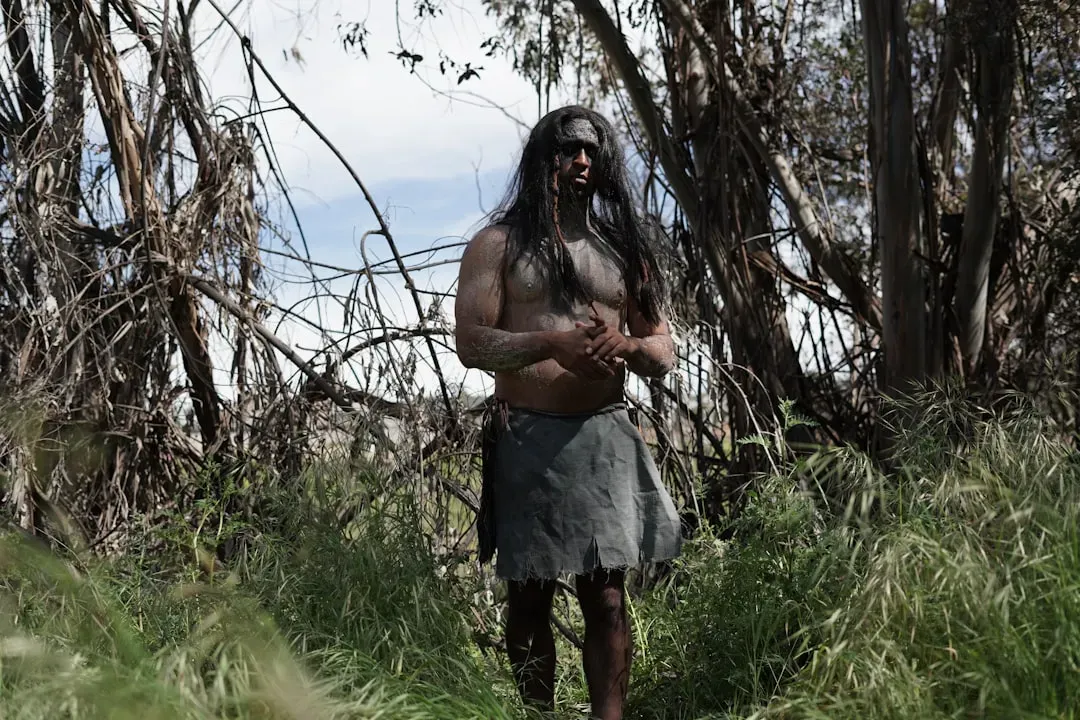
Modern humans like you and me evolved in Africa and stayed there for a very long time before spreading out more widely. By the time small groups of Homo sapiens began pushing into Europe, Neanderthals had already been thriving there through multiple ice ages. We were, in evolutionary terms, the newcomers crashing a long-running neighborhood.
That late arrival matters, because it means Europe spent most of its recent prehistory with a completely different kind of human at the center. Our expansion into Europe did not erase that overnight. For thousands of years, Neanderthals and modern humans overlapped, sometimes just valleys or rivers apart. The picture that emerges is not of a neat handover, but of a long, messy coexistence where two closely related human species tested each other’s limits.
Neanderthals Were Closer to Us Than the Old Stereotypes Admit
For a long time, popular culture painted Neanderthals as clumsy, dim-witted brutes, more beast than human. That image is aging about as well as a bad movie sequel. Archaeological finds suggest they made complex tools, used fire skillfully, and adapted their technology to different environments. There are hints that they wore personal ornaments, used pigments, and possibly created simple symbolic markings.
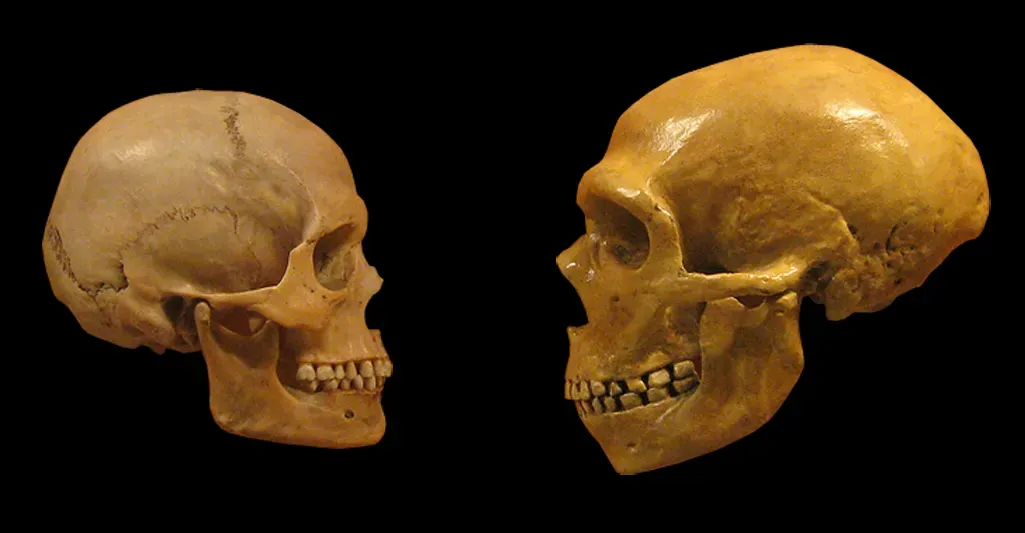
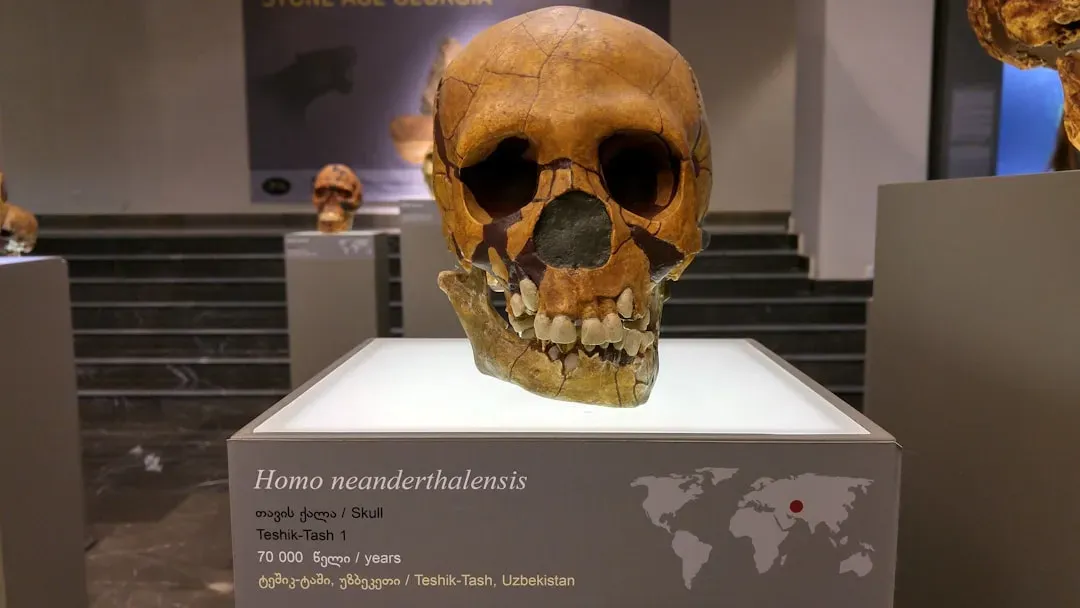
They also cared for injured group members and buried at least some of their dead, which speaks to social bonds and emotional depth. When you stand in front of a well-preserved Neanderthal skull, the differences are obvious, but so are the similarities: a big brain, forward-looking eyes, and the same basic face that stares back at you from the mirror. The truth is, they were not failed versions of us – they were a different answer to the same survival problems.
Ancient DNA Reveals We Literally Carry Neanderthals With Us
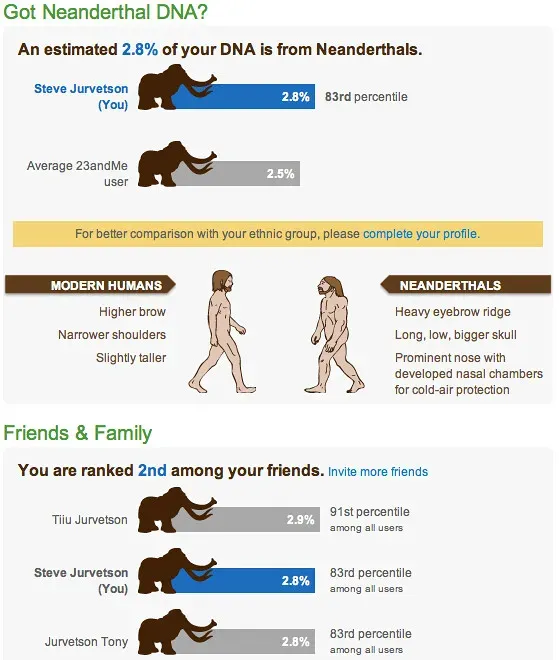
The biggest plot twist in this whole story came from genetics. When scientists first sequenced Neanderthal DNA and compared it to living people, they found something astonishing: many humans today, especially those with ancestry outside of Africa, carry small fragments of Neanderthal DNA in their genomes. That means our ancestors did not only live alongside Neanderthals; they had children together.
Those ancient encounters were not just romantic footnotes. Some Neanderthal DNA variants affect things like immune responses, skin traits, or risk for certain conditions. You might literally be walking around with Neanderthal genes quietly shaping your health and appearance. I find that idea strangely moving – it turns the abstract notion of “multiple human species in Europe” into a personal, biological reality living inside our cells.
Denisovans and Other Shadowy Cousins Complicated the Picture Further
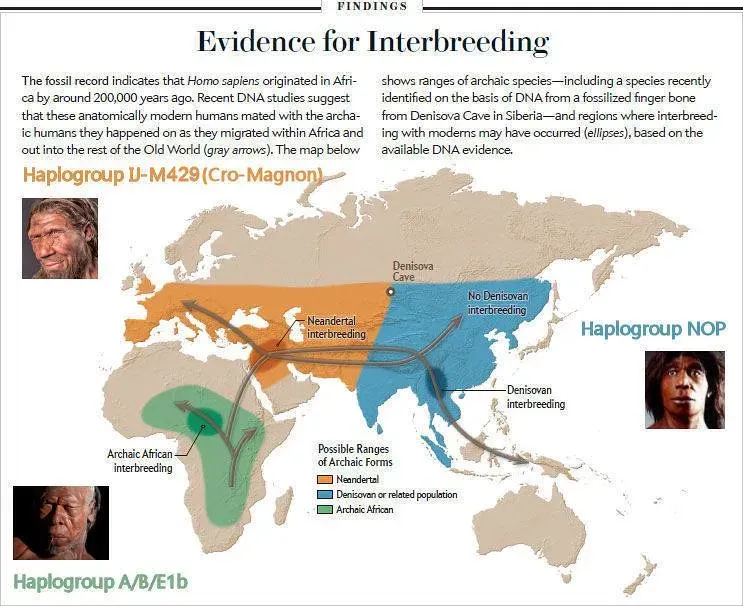
Just when researchers thought they had the cast of characters mostly figured out, another surprise appeared from a cave in Siberia: DNA from a previously unknown human group, now called Denisovans. These people are best known from Asia, but their genetic fingerprints hint at a web of interactions that may have stretched into or near parts of Europe and its fringes. Even more intriguingly, a few fossils and genetic signals suggest there may have been other, still unnamed lineages in the mix.
One of the most mind-bending finds was an individual whose parents appear to have been from two different human species – one Neanderthal, one Denisovan. That is not science fiction; it is direct DNA evidence of inter-species family life. When you realize that these different human groups could meet, have children, and leave descendants, Europe starts to look less like a simple replacement story and more like a long, messy, and very human entanglement.
Shared Landscapes Meant Competition, Cooperation, and Culture Clashes
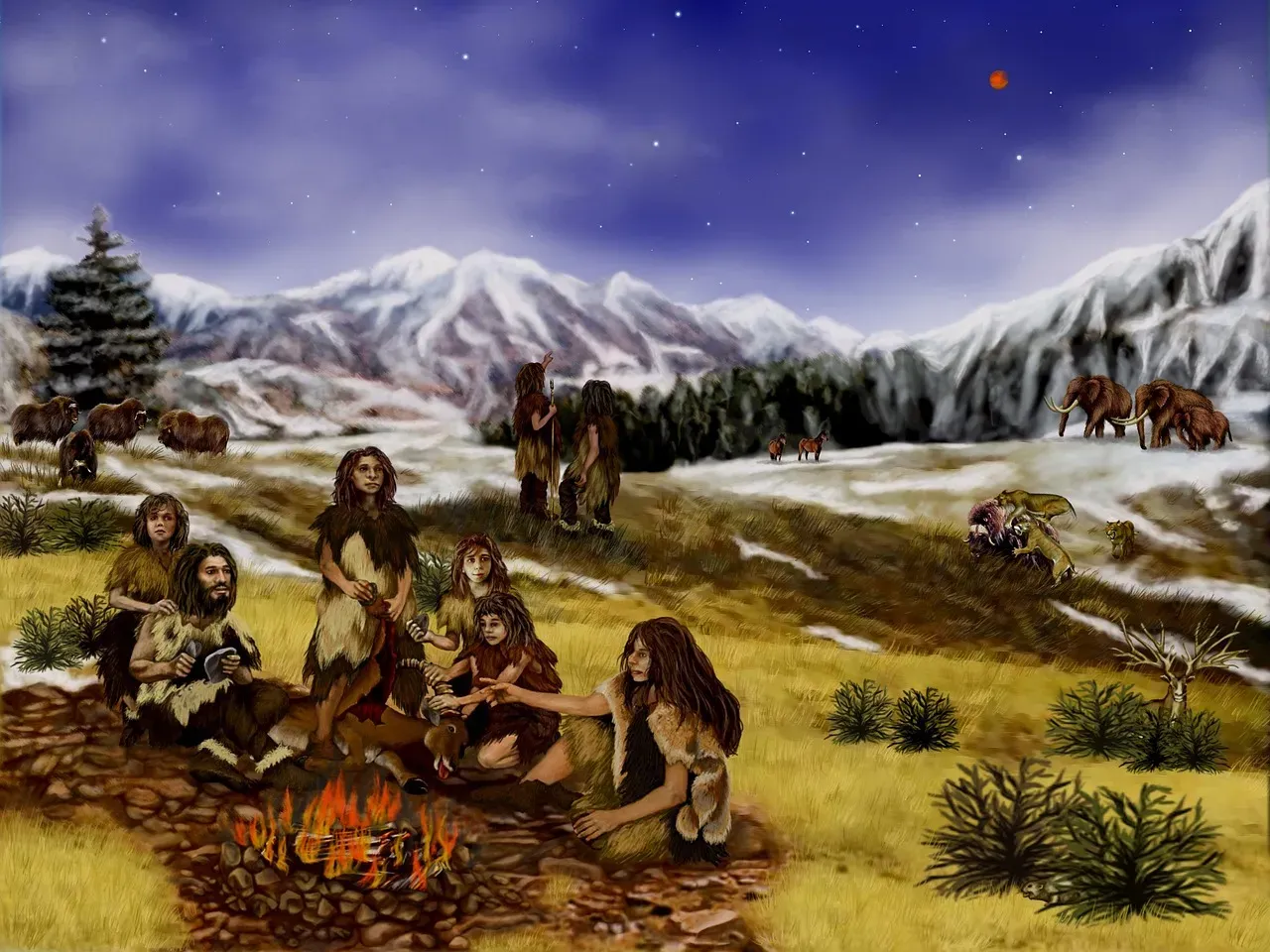
When multiple human species share the same continent, they do not exist in isolation. They are hunting similar animals, seeking the same shelters, and navigating similar climate swings. That overlap almost certainly meant competition – over food, territory, and resources. It is hard not to imagine tense encounters at river crossings or hunting grounds, especially as climates changed and habitats shrank or shifted.
But it is too simple to imagine only conflict. The fact that we see genetic mixing means that at least some groups interacted closely enough to form relationships, however complicated they might have been. It is possible that different human groups even borrowed ideas or tool styles from each other, the way neighboring cultures do today. We will probably never know exactly what those moments looked like, but the evidence makes one thing clear: Europe was not a one-culture, one-species world. It was a patchwork of human ways of living, sometimes touching, sometimes colliding.
Why Multiple Human Species in Europe Changes How We See Ourselves
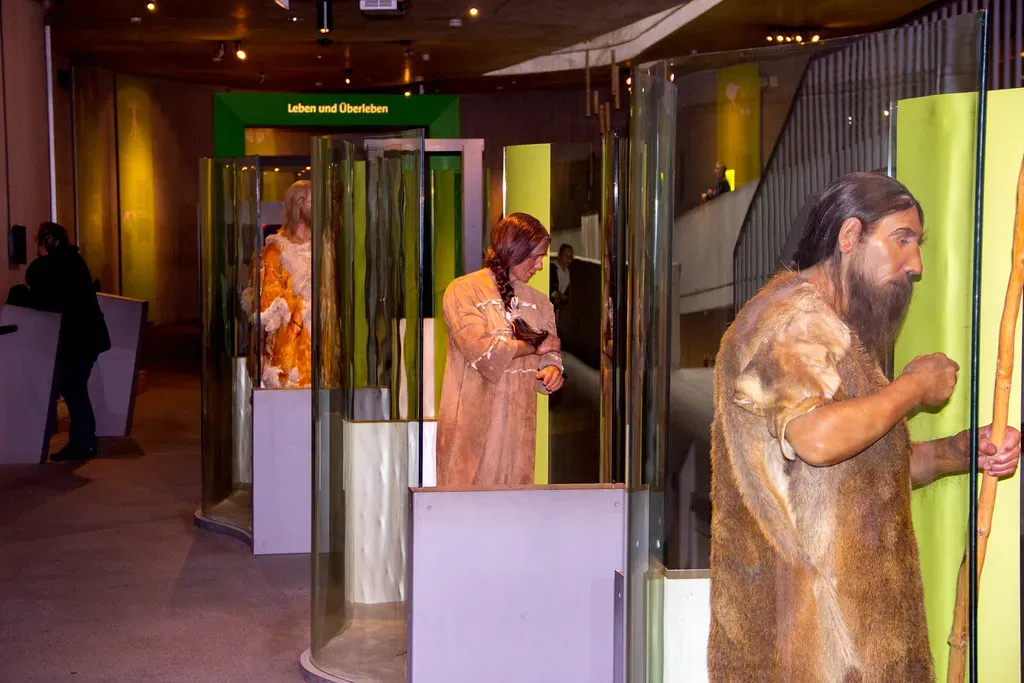
Realizing that ancient Europe hosted several human species at once forces a uncomfortable question: why are we the only ones left? Neanderthals and other cousins vanished while our branch survived and expanded. Some researchers point to advantages in social networks, technology, or adaptability; others highlight sheer luck and climate shifts. The answer is probably a mix, and it is likely more complicated than any simple story of us being “smarter.”
For me, the most important shift is emotional rather than technical. Instead of seeing ourselves as the inevitable end point of a straight line, we start to see our species as one survivor among several possibilities. Neanderthals and other European humans were not failures; they were alternate versions of what intelligent, culture-making primates can look like. When you realize that, the idea of “humanity” stretches and deepens. It becomes less about a single face and more about a family of faces, most of which are now gone.
Conclusion: Europe’s Lost Humans Deserve More Than a Footnote
I think we underestimate how radical this story really is. Ancient Europe was not simply waiting for us to arrive and take over; it was already alive with other humans who had their own histories, emotions, and ways of seeing the world. When we talk about Neanderthals or Denisovans as side characters, we flatten a rich, messy human drama into a one-hero tale that does not match the evidence. That is not just unfair to them; it also leaves our own story smaller and less interesting than it really is.
In my view, accepting that we once shared Europe with multiple human species should make us more humble, not more triumphant. We are not the default, we are the last branch standing from a once-crowded tree, and our genes still carry whispers of those we lived beside. Next time you hear someone talk about “early humans” as if they were all the same, remember that ancient Europe looked more like a strange, extended family reunion than a solo act. Does it change how you see yourself, knowing that some part of you might still be walking around with the echo of those lost humans inside?