
Picture this: you are standing in the middle of Kansas, surrounded by flat fields, big skies, maybe a grain elevator in the distance. Now erase all of it in your mind and replace it with deep blue water, circling sharks, and enormous reptilian predators gliding past as casually as jets over an airport. It sounds like pure science fiction, but for millions of years, that was Kansas.
This is one of those facts that feels almost wrong at first, like someone is trying to trick you at a trivia night. Yet the rocks, fossils, and layers of ancient mud locked beneath the Kansas soil all tell the same story: this was once seafloor, part of a warm inland ocean swarming with life. The more you dig into that story, the more surreal it becomes – and you might never look at “flyover country” the same way again.
A Tropical Ocean in the Middle of North America
It is hard to reconcile present-day Kansas with the idea of a tropical sea, but during the Late Cretaceous period, that is exactly what covered the region. A massive body of water known as the Western Interior Seaway split North America into two landmasses, stretching from what is now the Gulf of Mexico up to the Arctic. Instead of highways and cornfields, central Kansas lay under hundreds of feet of warm, shallow ocean water.
Geologists know this because the rocks in western and central Kansas are stacked like pages in an ancient diary. Layers of chalk and shale – sediments that form on the seafloor – are packed with shells, microscopic marine organisms, and the bones of creatures that once swam there. When you see those white chalk bluffs in western Kansas, you are literally looking at the remains of that lost ocean, compressed over tens of millions of years into towering walls of stone.
Meet the Monsters: Mosasaurs, Plesiosaurs, and Giant Turtles
When people hear “ocean reptiles,” they often picture dinosaurs with flippers, but that is not quite right. The marine giants of the Kansas seaway were not dinosaurs, but separate branches of the reptile family that evolved for life in the water. Among the most famous were mosasaurs, long-bodied predators with powerful tails, paddle-like limbs, and jaws built to crush and tear. Some species in the seaway could reach the length of a bus, cruising the ancient Kansas waters like apex predators.
Sharing that ocean were plesiosaurs, known for their dramatically long necks, small heads, and wide, barrel-shaped bodies. These animals likely used quick bursts of speed and maneuverability to chase down fish and squid-like prey. Add in giant sea turtles, shark species much larger than most modern sharks, and schools of bony fish and squid-like cephalopods, and you get a marine ecosystem that would have made any modern diving documentary look tame by comparison.
Why We Find Ocean Fossils on Dry Kansas Farmland
If you have ever seen photos of fossil hunters pulling mosasaur skeletons out of Kansas ranch land, it almost looks like a glitch in reality. The explanation is surprisingly straightforward: sea levels were much higher in the Cretaceous, and plate movements constantly reshaped coastlines and basins. Over millions of years, sediment piled up at the bottom of the Western Interior Seaway, burying dead animals and preserving their bones as fossils.
As the seaway eventually drained away and the continent rose, those sediments turned into rock and were later exposed by erosion. Today, farmers can literally plow fields resting on top of ancient seafloor deposits. When erosion cuts into gullies, bluffs, or road cuts, it sometimes exposes bones and shells that have not seen daylight for roughly seventy million years. That is why some of the world’s most spectacular marine reptile fossils have been found in what looks, at first glance, like quiet prairie.
The Smoky Hill Chalk: Kansas’ Window into an Ancient Sea
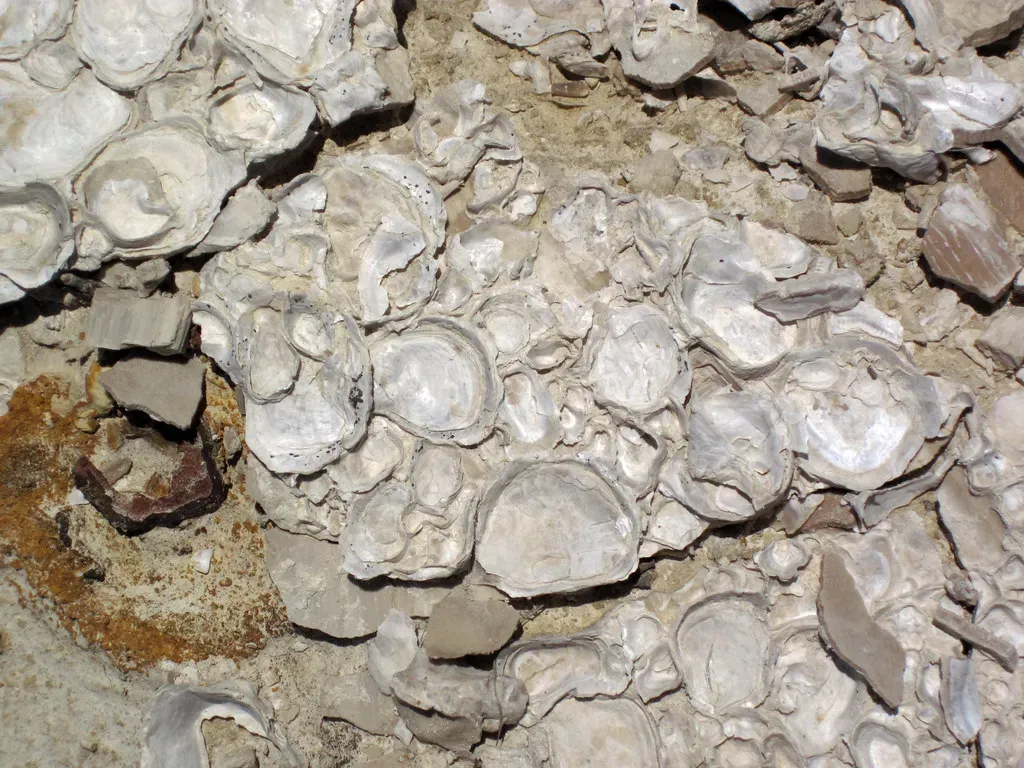
One of the most famous rock formations in Kansas is the Smoky Hill Chalk, a thick band of soft, white rock that was once mud and microscopic shell fragments on the seafloor. Over time, this fine sediment built up into massive deposits, preserving creatures that sank to the bottom when they died. Because the water in this seaway was relatively calm and low in oxygen at depth, scavengers and bacteria did not always destroy the remains, allowing spectacular skeletons to fossilize.
Paleontologists love the Smoky Hill Chalk because it acts like a time capsule from the Late Cretaceous. It has yielded mosasaurs with fish still preserved in their bellies, toothed birds with wings adapted for flight, and delicate fish skeletons frozen in mid-swim. If you want to imagine what the Kansas ocean looked like, this chalk is basically the high-resolution photo album, packed with snapshots of life from a vanished world.
Swimming with Sharks: Predators Above and Below
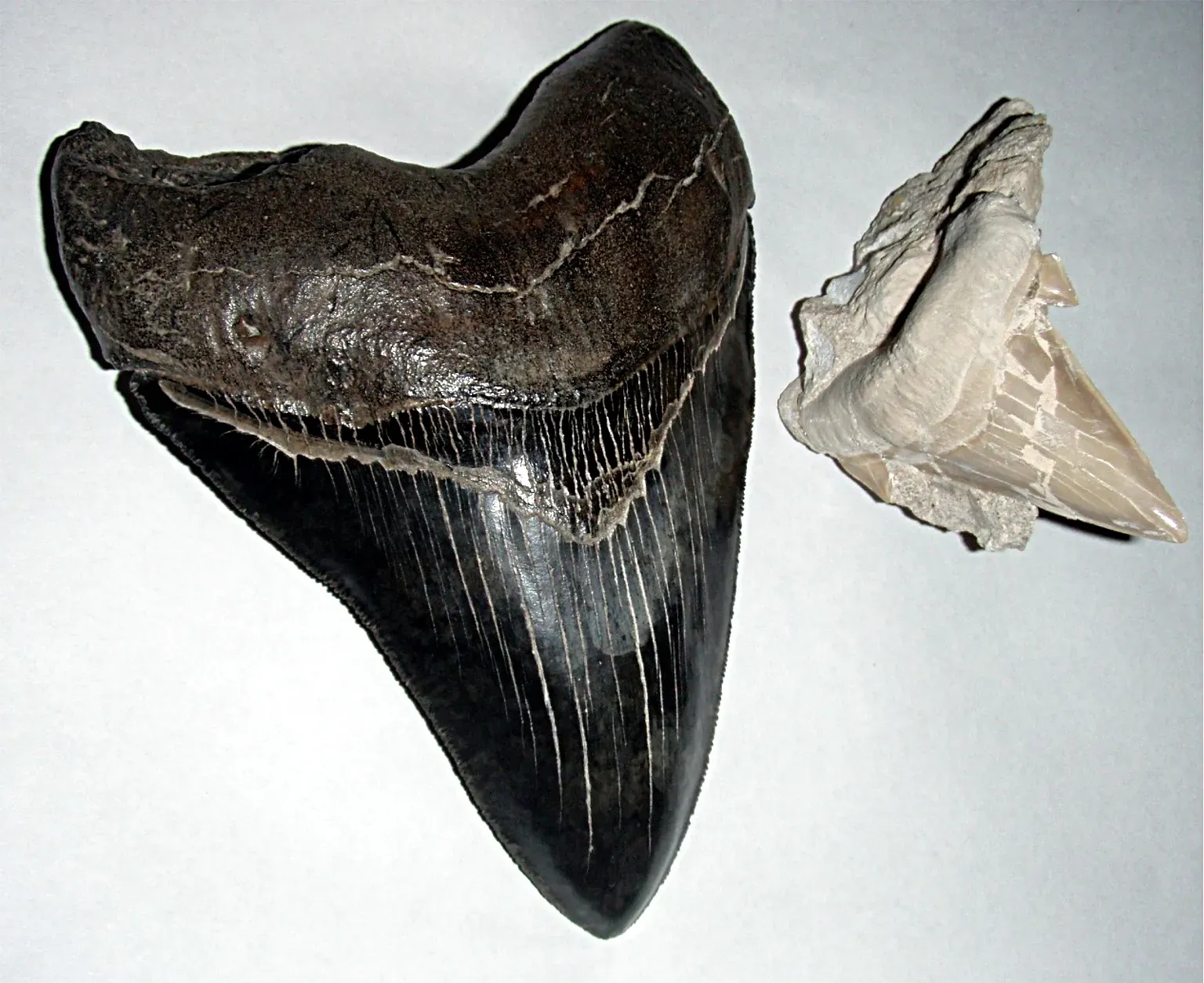
Giant marine reptiles were not the only things patrolling the Kansas seaway. Ancient sharks also thrived there, from smaller species to large hunters with serrated teeth perfect for slicing flesh. Fossil teeth are especially common, because sharks constantly shed them throughout their lives, leaving a steady rain of enamel falling to the seafloor. Those teeth often show up in chalk layers and gravel deposits across the state.
What makes this food web especially wild is the idea that even the top reptiles were not always safe. Evidence from bite marks on bones suggests that sharks scavenged on dead mosasaurs and plesiosaurs, and may have occasionally attacked weakened individuals. Imagine being a large marine reptile, thinking you dominate the ocean, while sharp-toothed sharks lurk just out of view, waiting for their chance – Kansas was less like a peaceful aquarium and more like a constantly shifting battlefield.
Life Above the Waves: Flying Reptiles and Coastal Ecosystems
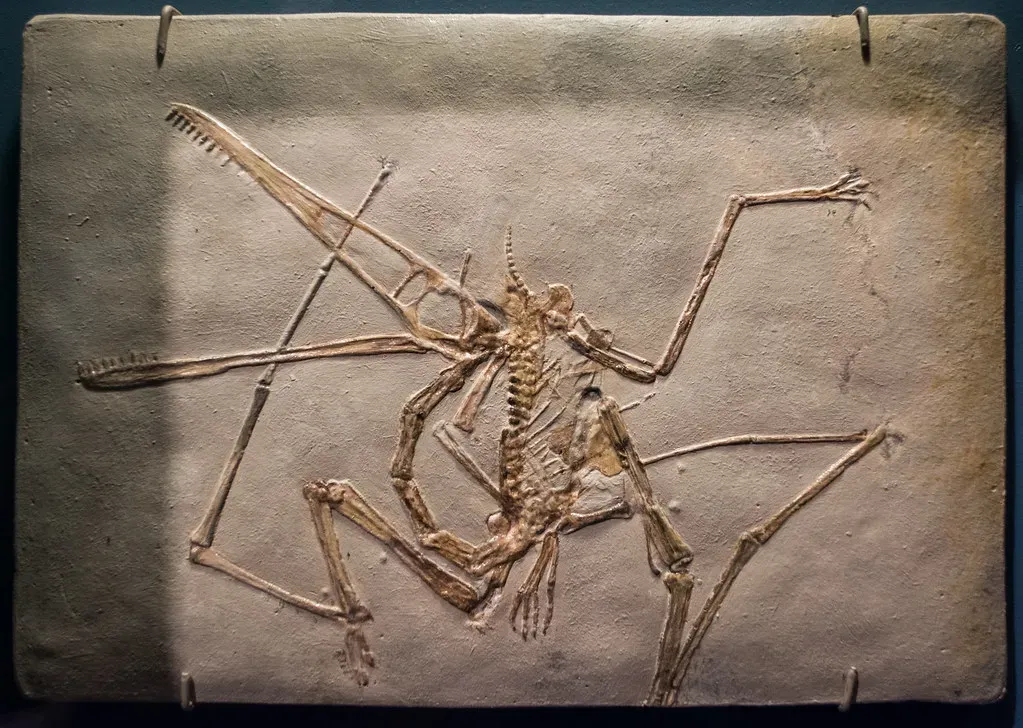
While marine reptiles and sharks ruled the water, the skies above this ancient ocean were anything but empty. Fossils from the region show that flying reptiles, called pterosaurs, soared over the seaway like oversized seabirds, diving for fish and squid. Some had wingspans rivaling small airplanes, gliding over the waves and nesting along the shorelines of what is now the Great Plains. Their bones are delicate, so finding them preserved is a lucky break that offers a rare glimpse into that airborne world.
Along the coasts, lush environments lined the edges of the seaway, supporting dinosaurs, early birds, and a mix of plants that would look oddly familiar and strange at the same time. You can think of it a bit like a super-sized Gulf Coast, complete with barrier islands, deltas, and wetlands, just shifted far into the interior of the continent. It is strange to imagine that where we now drive across flat highways, there were once crashing waves, nesting pterosaurs, and dinosaurs wandering along sandy shores.
From Ocean Floor to Prairie: How the Sea Disappeared
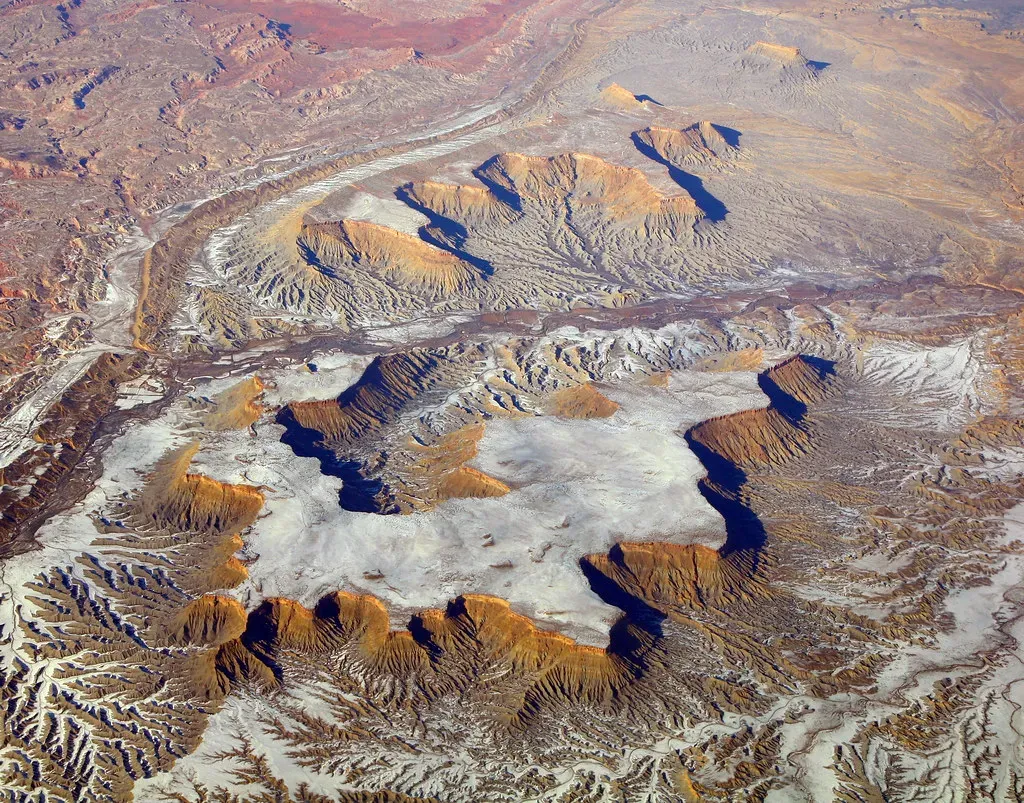
So what happened to this enormous ocean, and why is Kansas so dry today? Over millions of years, global sea levels dropped and the North American continent continued to shift and rise. The Western Interior Seaway gradually narrowed, became shallower, and eventually vanished as the land lifted and water drained away. What remained were thick stacks of marine sediments, slowly hardening into rock beneath the surface.
Once the water was gone, erosion and climate began sculpting the exposed landscape into the rolling plains we recognize today. Wind, rain, and rivers carved into those chalk and shale layers, sometimes revealing the bones hidden inside. In a way, the modern Kansas prairie is a kind of second act for this landscape – the quiet result of an ancient ocean’s long retreat. Every time a new fossil is found, it is like the sea briefly returns, reminding us how temporary any version of Earth’s surface really is.
Why This Ancient Ocean Still Matters Today
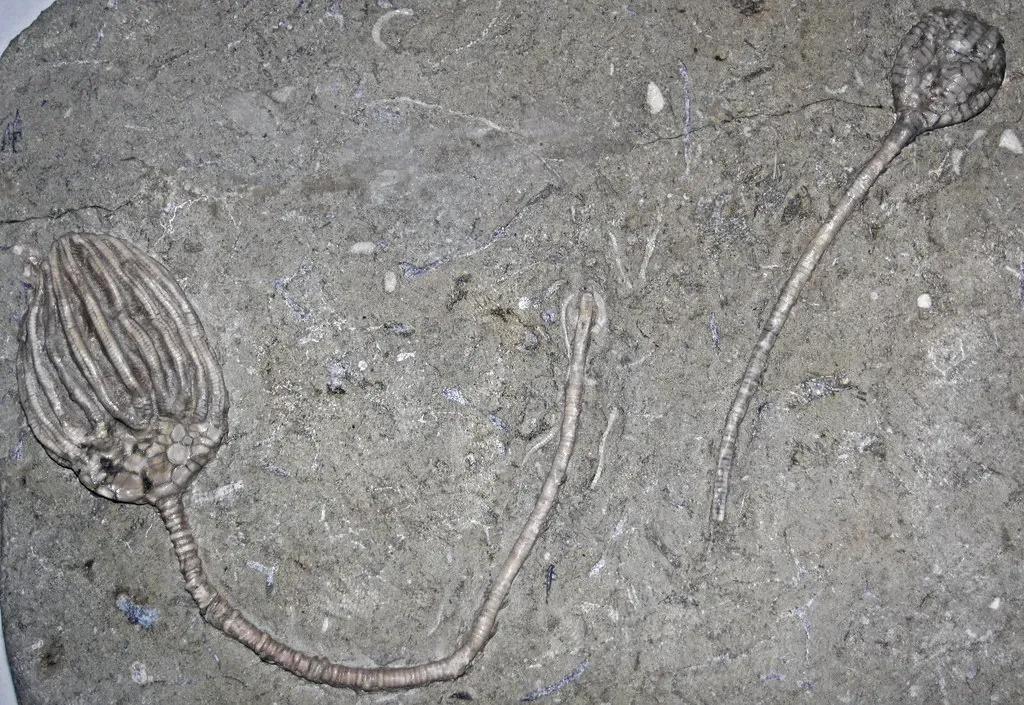
For me, the most mind-bending part of this story is what it says about change. Kansas feels stable, almost stubborn in its sameness, yet its rocks tell a story of dramatic transformation – from dry land to ocean floor and back again, with entire ecosystems rising and vanishing along the way. That perspective is humbling, but also oddly comforting, because it reminds us that Earth is always in motion, whether we notice it or not.
There is also something deeply human about standing on a Kansas backroad, knowing that giant marine reptiles once swam far above the spot where your feet now rest. It makes everyday landscapes feel a little more magical, a bit like finding out your quiet neighborhood was once the site of an enormous, long-forgotten city. In my opinion, that is exactly why this history matters: it cracks open our assumptions about “boring” places and turns them into stages for some of the wildest stories nature has ever written.
Conclusion: Rethinking “Flyover Country”
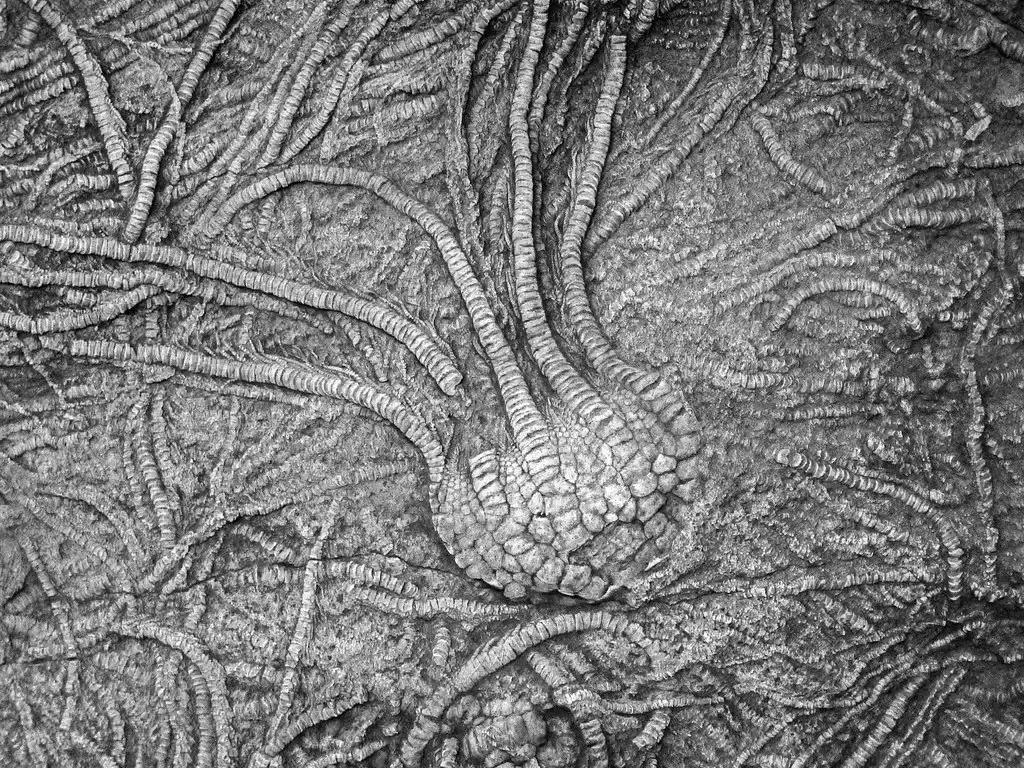
When people dismiss the middle of America as empty or dull, they are accidentally ignoring one of the most astonishing chapters in Earth’s history. Kansas was not just sort of underwater; it was the heart of a thriving inland sea filled with predators that would put most movie monsters to shame. The chalk cliffs, scattered teeth, and fossil skeletons are not just scientific curiosities, they are receipts proving that our planet has been far stranger than we usually admit.
In my view, the idea that Kansas once lay beneath a reptile-infested ocean should permanently retire the phrase “nothing there.” If a place this seemingly ordinary can hide such an extraordinary past, what else are we underestimating in our daily lives? The next time you look out over a flat horizon, maybe ask yourself what worlds used to exist there, and what might still be waiting under your feet – did you ever imagine Kansas as the bottom of a monster-filled sea?