If you tried to sketch a dinosaur from memory, you’d probably draw something with big teeth or a single nose horn and a bony shield. Kosmoceratops laughs at that simplicity. This Late Cretaceous ceratopsian from what is now Utah turned its skull into a full‑on crown, with more spikes and curves than many fantasy dragons ever get.
What makes Kosmoceratops so fascinating is that it forces us to rethink what horns and frills are really for. Were they weapons, billboards for attraction, social name tags, or all of the above? When you look at its wildly ornate skull, you get the feeling evolution was showing off a little. Let’s dig into how this animal managed to turn its head into one of the most over‑the‑top displays in dinosaur history.
A Face Covered in Horns: What Kosmoceratops Actually Looked Like
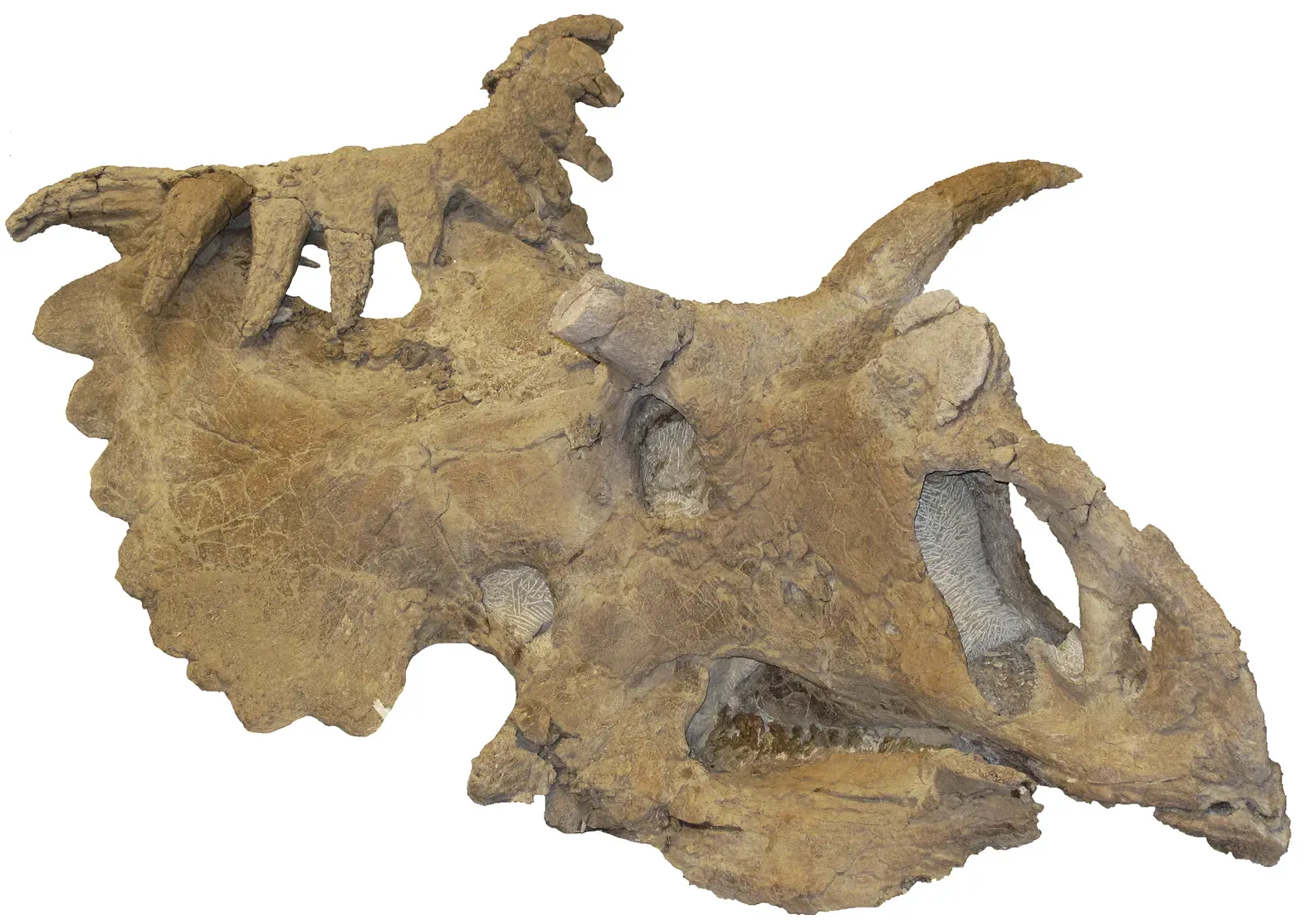
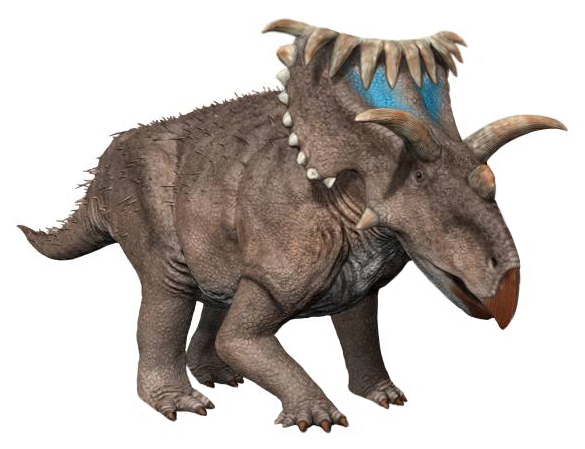
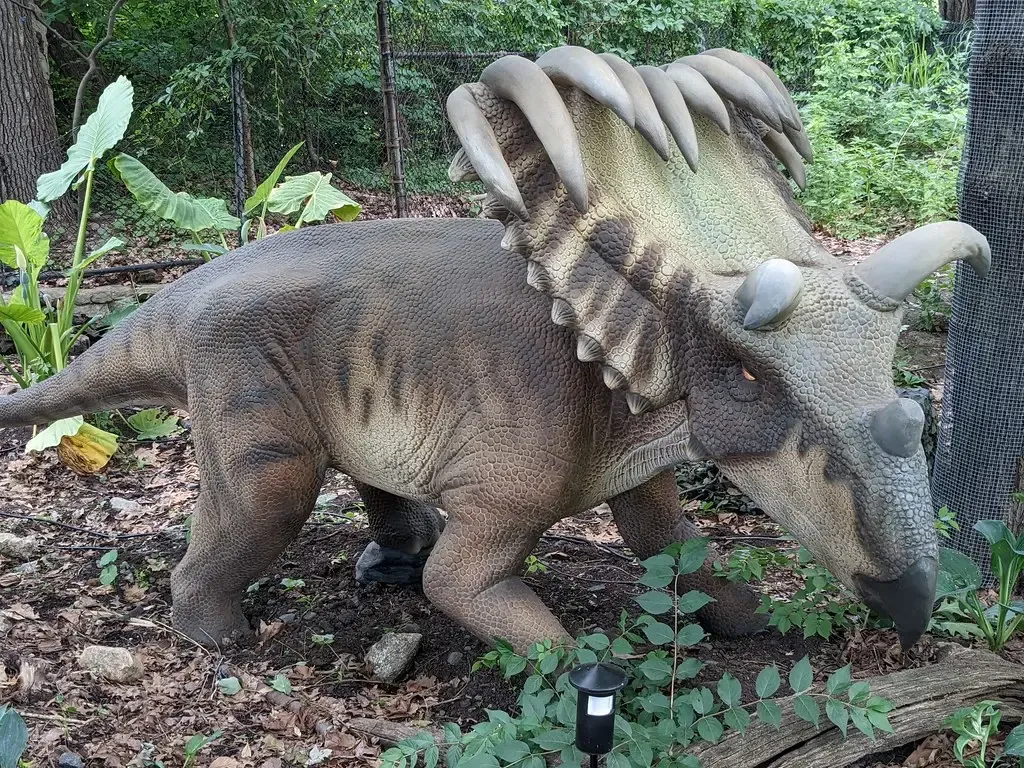
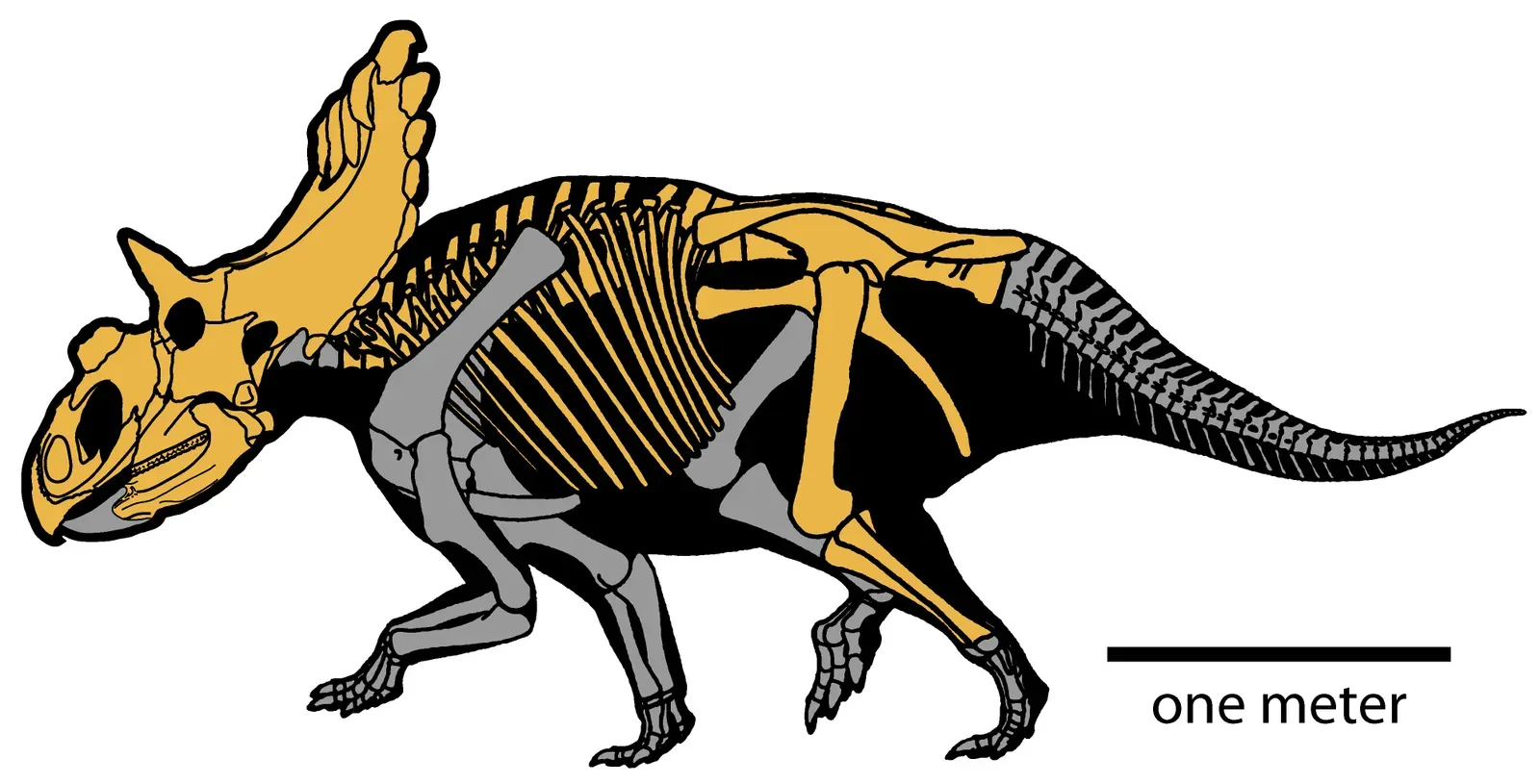
Kosmoceratops did not just have a horn or two; its skull was decorated with more than a dozen distinct horn cores and elaborate spikes. It had a short horn over the nose, a pair of brow horns over the eyes that swept sideways, and then a fan of curved, hook‑like hornlets edging the back of its frill. To imagine it, picture a Triceratops that went through an extreme make‑over where the stylist kept saying, “More horns. No, more.”
The frill itself was relatively broad, and along its rear margin were multiple forward‑curving spikes that created a kind of horned halo around the back of the head. In life, those bony projections would have been covered with keratin, the same material as our nails and rhino horns, probably making them appear even longer and sharper. The result was not just a protective shield but a complex three‑dimensional display surface, visible from the front, side, and even behind.
Why So Many Horns? The Show‑Off Side of Dinosaur Evolution
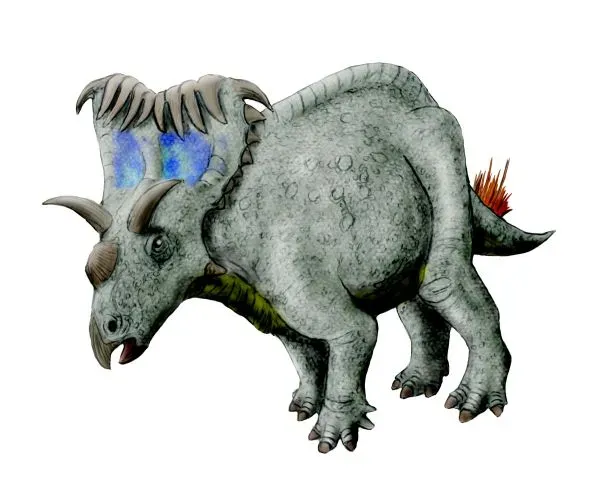
When you see such an extravagant headpiece, it is hard to believe it evolved just for defense. Most paleontologists think horns and frills in ceratopsians like Kosmoceratops were driven strongly by sexual selection and social signaling. That means the animals with slightly more impressive or more distinctive ornamentation were more likely to attract mates or intimidate rivals, so over generations the structures became more extreme.
This is similar to how a peacock’s tail or a stag’s antlers can look almost impractically showy. Those features are costly to grow and maintain, but if they help reproduce successfully, nature keeps dialing them up. Kosmoceratops seems to be the ceratopsian equivalent of the peacock: visually loud, probably species‑specific in pattern, and packed with cues about age, health, and social status. Personally, I suspect if you could time‑travel, you’d recognize individuals at a glance simply by the unique curves and proportions of their horn display.
Where It Lived: A Decorated Dinosaur in a Divided Continent
Kosmoceratops lived about seventy‑six million years ago in what is now southern Utah, in a region known to paleontologists as the Kaiparowits Formation. Back then, North America was split by a shallow seaway into eastern and western landmasses; the western one is called Laramidia. Along this narrow strip of land, many closely related dinosaur species evolved in relatively small geographic zones, and Kosmoceratops was part of that crowded neighborhood.
The environment would have been a warm, humid, river‑floodplain system with lush vegetation, including ferns, conifers, and flowering plants. Imagine a swampy, forested landscape with meandering rivers and periodic floods, more like a mash‑up of the Mississippi Delta and a subtropical forest than the arid Utah most people know today. In that dense, complex habitat, a large herbivore with a showy headpiece would stand out visually amid the greenery, turning its horns and frill into a kind of moving billboard as it moved through the undergrowth.
Horns as Weapons… or Something More Subtle?
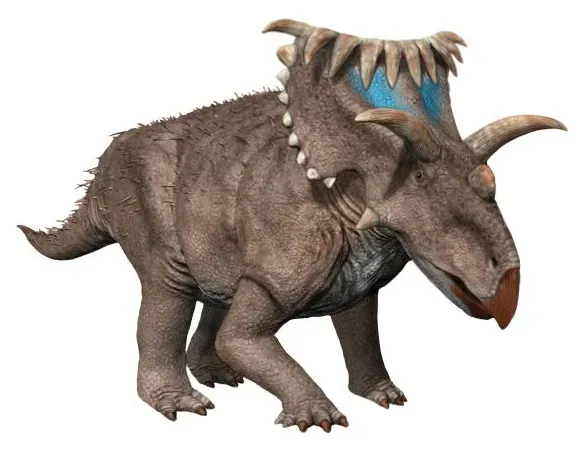
It is tempting to imagine Kosmoceratops locking horns with predators or rivals in dramatic, slow‑motion clashes. While its skull was certainly sturdy, the orientation and complexity of its many hornlets do not scream efficient combat design. The brow horns sweeping sideways and the delicate, curved frill spikes look more like structures meant to be seen rather than slammed full force into another skull.
That does not mean these dinosaurs were gentle. They were big, heavy animals with powerful neck muscles, and even a “display” horn can do serious damage if pushed. But many researchers suspect that most horn use would have been ritualized: sideways shoves, head tilts, or controlled standoffs rather than all‑out clashes that risked breaking those elaborate spikes. Think more pushing contests and visual flexing than pure demolition derby. In my view, if your survival depends on your display, you do not casually shatter it in every argument.
Kosmoceratops almost certainly did not live or display alone. As an herbivorous ceratopsian, it probably moved in groups, at least some of the time, whether small family bands or larger loose herds. In such social settings, individuals need quick ways to recognize who is who and which species they belong to, especially when other horned dinosaurs are living nearby.
The distinctive shape of Kosmoceratops’ horns and frill would have worked like a built‑in flag: “I am one of your kind.” Subtle differences in size, angle, or ornamentation might have signaled maturity or dominance. You can picture a row of individuals, each with a slightly different profile, very much like how we can read social cues from hairstyles, clothing, or posture. To other dinosaurs, those horns were probably as readable as a name badge and a status bar rolled into one.
Eating With a Crown: How Kosmoceratops Lived Day to Day
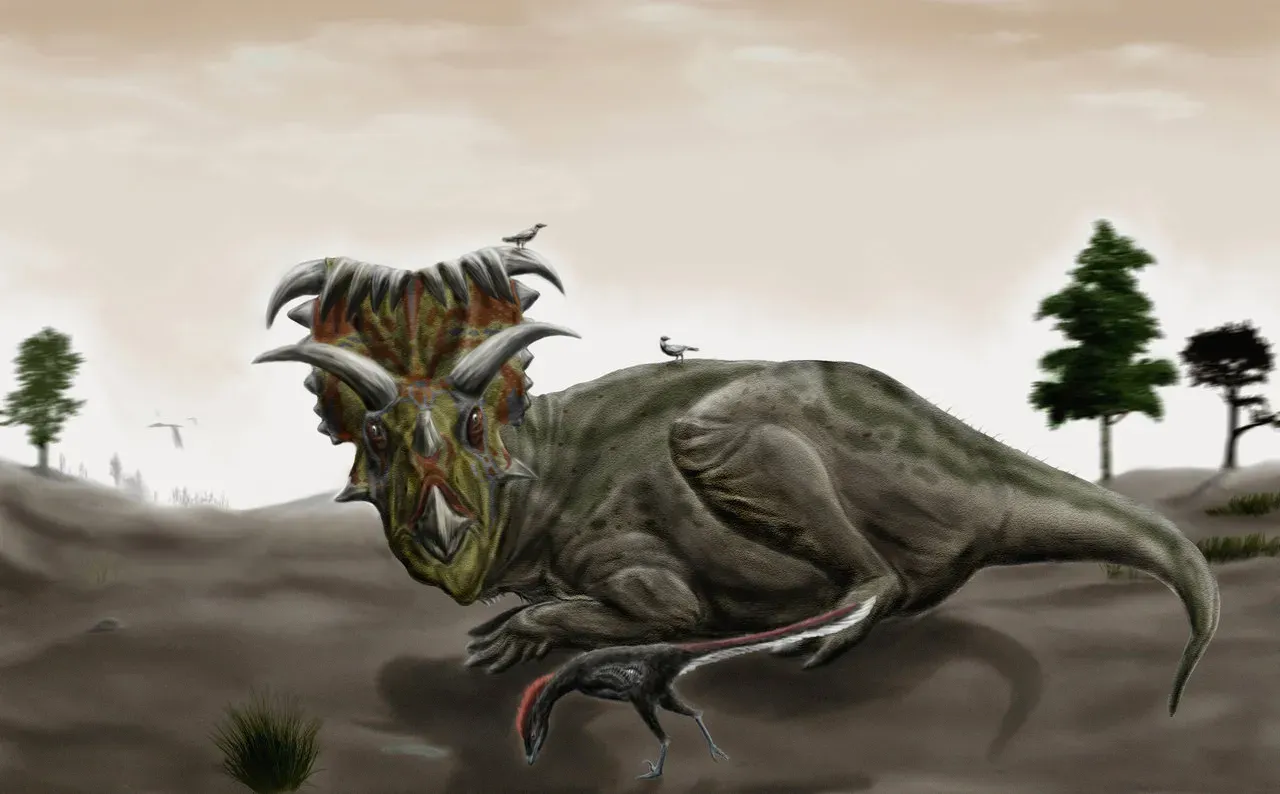
Beneath the flashy skull, Kosmoceratops was still a working herbivore with a job to do: eat plants and a lot of them. Like other ceratopsians, it had a beak at the front of the mouth, ideal for nipping tough vegetation, and batteries of grinding teeth further back. These tooth batteries allowed constant replacement and efficient processing of fibrous plant material, so it could churn through leaves and branches much like a living lawnmower wearing a spiked helmet.
The heavy skull and powerful neck would have helped it pull down branches or strip foliage from shrubs at about head height. The horns probably did not help much directly with feeding, but the sheer weight of the skull suggests a body built for stability and strong muscle attachments. Picture a stocky, four‑legged browser, head swinging side to side through thick vegetation, the horned frill appearing and disappearing like a moving sculpture among the trees.
Why Kosmoceratops Matters for How We Picture Dinosaurs
For a long time, popular dinosaur imagery leaned heavily on toothy predators and relatively plain herbivores. Kosmoceratops is one of the species that forces us to update that mental library and accept just how strange and ornate many dinosaurs truly were. Its skull shows that evolution was not afraid to get theatrical, especially when social and sexual selection were at play.
It also reminds us that our fossil record is still patchy and biased. If something this outlandish can be discovered in rocks that have been studied for decades, imagine what is still hiding in less explored layers around the world. Personally, I think we are only at the beginning of understanding just how diverse dinosaur displays were, and Kosmoceratops is a bold hint that the Late Cretaceous was visually louder and weirder than most textbooks ever dared to show.
Conclusion: A Dinosaur That Proves Evolution Loves to Show Off
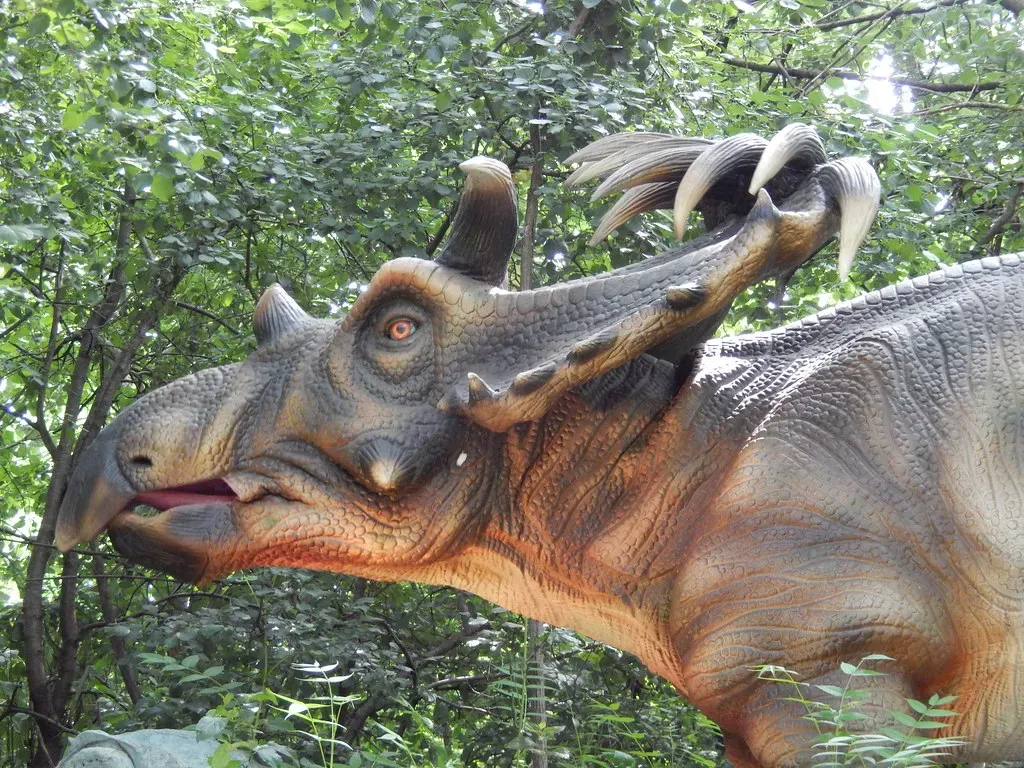
Kosmoceratops is not just another horned dinosaur; it is a challenge to our sense of what is “reasonable” in evolution. When you see that ring of curved spikes and sideways‑sweeping horns, it is hard to cling to the idea that natural selection only produces purely practical designs. In my opinion, this animal stands as a reminder that survival is not just about eating and not being eaten, but also about who notices you, who chooses you, and how you fit into a complex social world.
If anything, the over‑the‑top headgear of Kosmoceratops makes today’s deer antlers and bird crests look almost tame by comparison. Its skull suggests that dinosaurs lived in a world full of color, posturing, and visual drama that we have only begun to imagine. Next time you picture the age of dinosaurs, try to swap out the drab greens and browns for something closer to a crowded festival, full of horns, frills, and displays. Does Kosmoceratops look like a biological oddity to you, or does it convince you that evolution is far bolder than we usually give it credit for?