Picture a colossal sea monster surging out of a warm prehistoric ocean, jaws lined with sharp teeth, eyes locked on its prey. Most people instantly think: dinosaur. But here’s the twist that surprises almost everyone – mosasaurs were not dinosaurs at all. They were giant marine reptiles that belonged to the same broader group as modern lizards and snakes.
That one fact flips the usual Jurassic Park–style mental image on its head. Once you see mosasaurs not as sea-dinosaurs but as hyper-evolved, ocean-going cousins of today’s monitor lizards, the entire story of life in the Late Cretaceous gets weirder, wilder, and honestly a lot more interesting. Let’s dive into what that really means.
Meet the Mosasaur: Sea Monster, Not Dinosaur
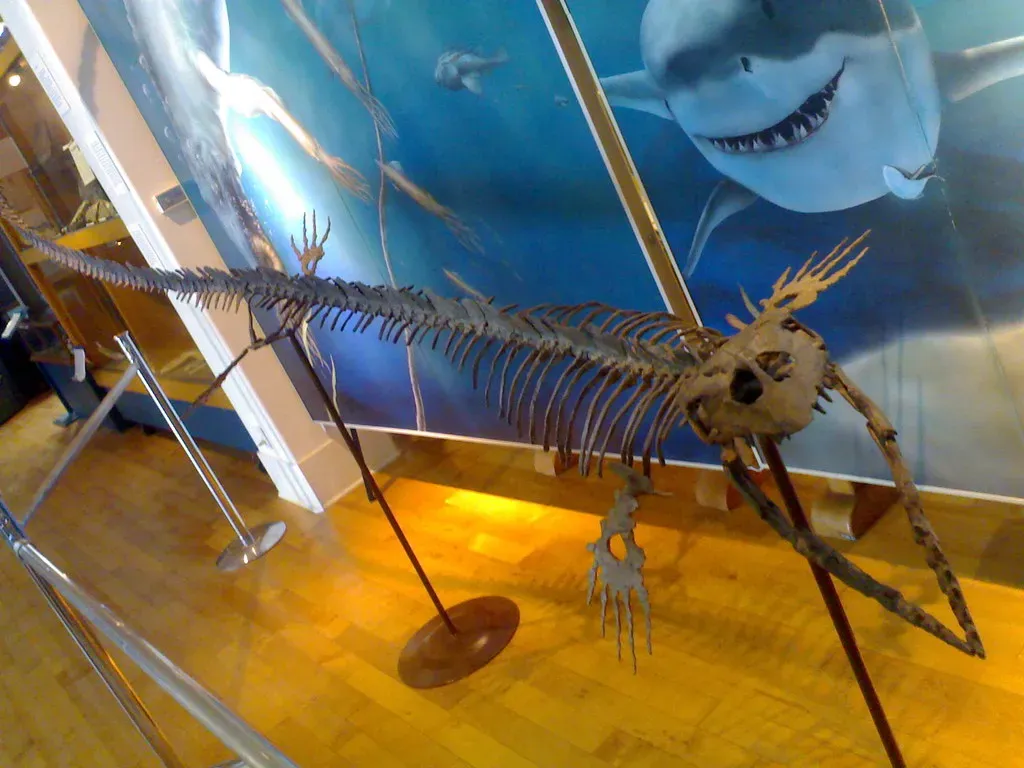
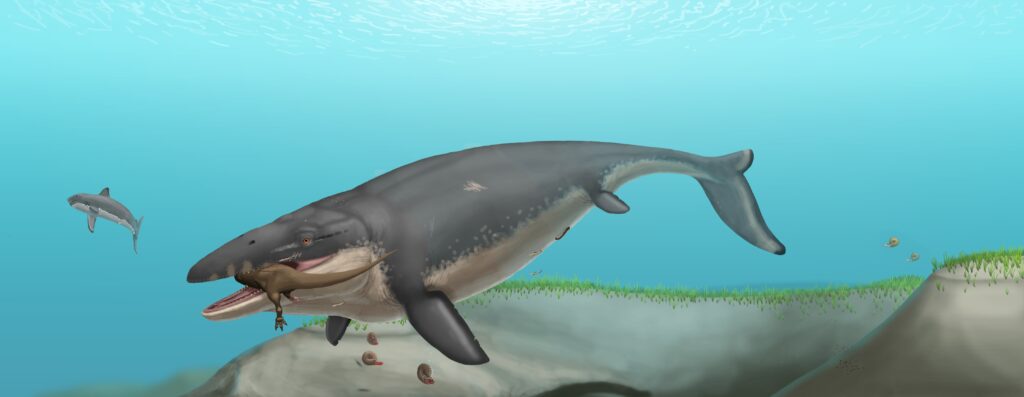
Mosasaurs ruled the oceans during the Late Cretaceous, roughly in the last few tens of millions of years before the asteroid that ended the age of the dinosaurs. They could grow to the size of a bus, with streamlined bodies, powerful tails, and skulls packed with conical teeth perfect for grabbing slippery prey. If you imagine a crocodile fused with a komodo dragon, then stretched into a torpedo and dropped into the sea, you’re not far off.
What makes them stand out is not just their size, but how they lived. Mosasaurs were apex marine predators, hunting fish, squid-like animals, sea turtles, and sometimes even other mosasaurs. Their bodies were adapted for a life fully committed to open water, with flipper-like limbs and a strong, finned tail that let them shoot through the water like a reptilian missile. In their own world – the oceans – they played the same top-dog role that big theropod dinosaurs played on land.
Why Mosasaurs Weren’t Dinosaurs: The Family Tree Problem
The simplest way to say it is this: dinosaurs and mosasaurs sit on different branches of the reptile family tree. Dinosaurs belong to a group that is more closely related to birds and crocodilians, while mosasaurs sit on the squamate branch, the same big group that includes lizards and snakes. So even though they lived at the same time and sometimes get lumped together in pop culture, they’re fundamentally different kinds of reptiles.
Think of it like comparing a whale and a lion. Both are big predators and both are mammals, but they evolved to rule different worlds and come from different parts of the family tree. Mosasaurs and dinosaurs share a deeper, older reptilian ancestor, but by the time mosasaurs showed up, their line was already firmly in lizard-and-snake territory, not dinosaur territory. That’s why paleontologists are very clear: incredible marine reptiles, yes; dinosaurs, no.
Squamate Clues: Shared Traits with Lizards and Snakes
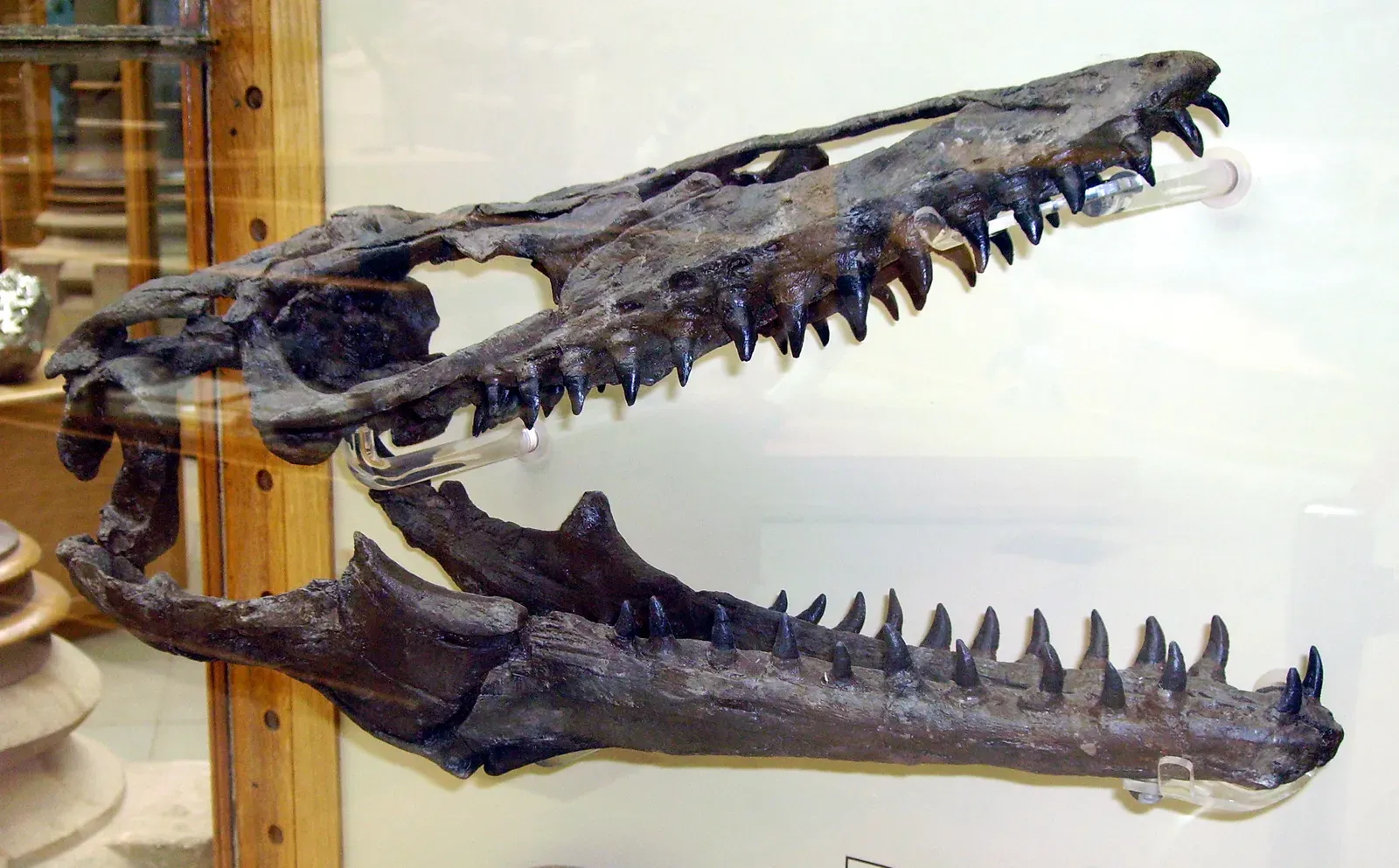
So what makes experts so confident that mosasaurs were closer to lizards and snakes than to dinosaurs? A lot of it comes down to shared anatomical details. Mosasaurs show skull and jaw features that line up more cleanly with squamates, such as specific joint structures and arrangements of bones in the skull. These are exactly the kinds of subtle, technical traits that help scientists sort out who’s related to whom when fossils are all they have.
There are also similarities in their teeth and how their jaws worked. For example, some mosasaurs had extra rows of teeth on the palate, a pattern that shows up in certain snakes and other squamates. These hidden-level details tell a different story than the dramatic movie visuals. Under the surface, mosasaurs read like supersized, highly specialized marine lizards, not oceanic dinosaurs in disguise.
From Land Lizard to Ocean Hunter: How Mosasaurs Evolved
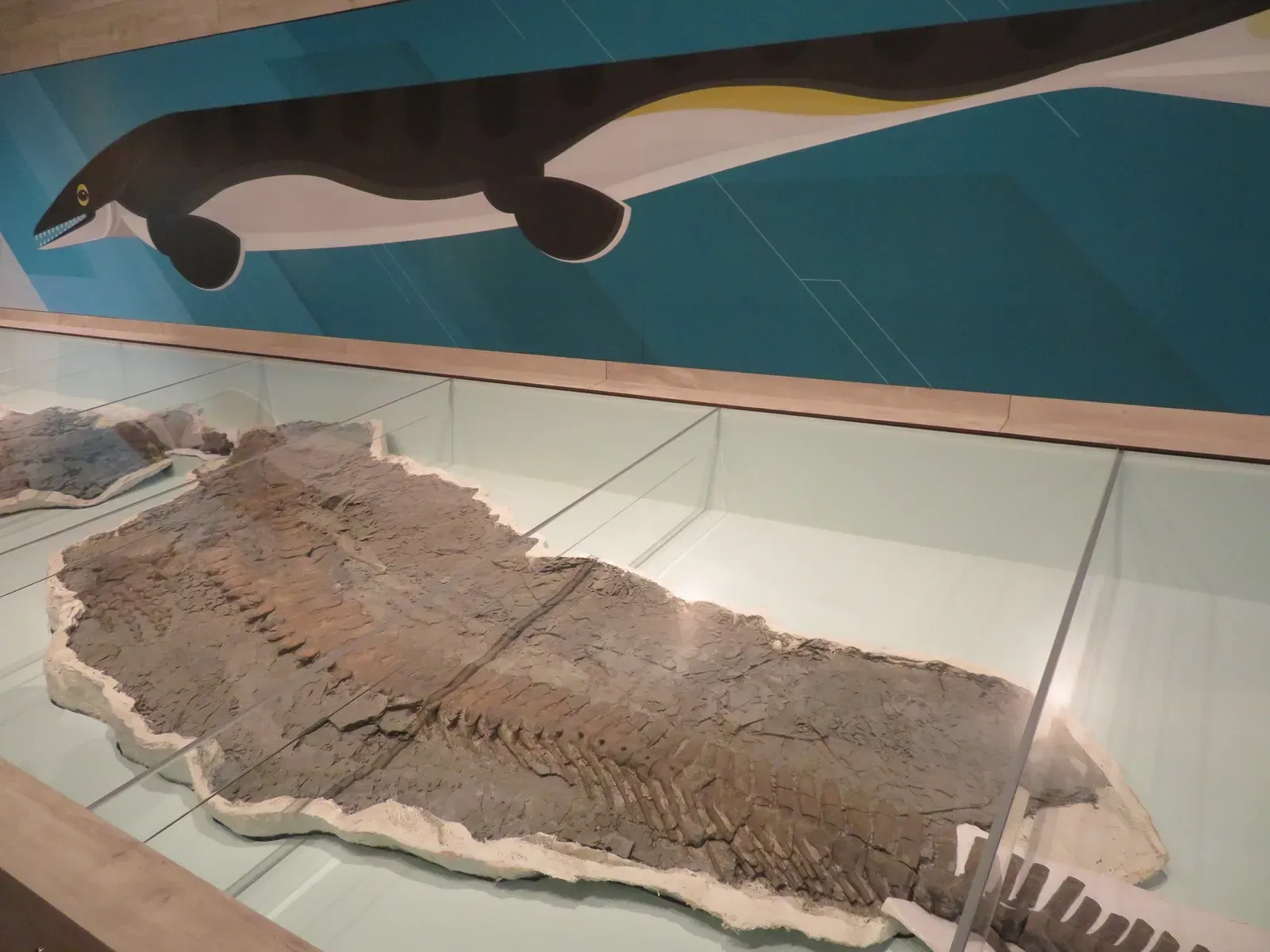
The current picture is that mosasaurs likely evolved from smaller, more typical lizard-like ancestors that lived near shorelines. Over time, some of these land reptiles started spending more time in the water, hunting and swimming, until evolution slowly committed them to a fully marine lifestyle. Their limbs became more paddle-like, their bodies more streamlined, and their tails more powerful and finned.
This transition is a great example of how evolution can radically reshape a body plan without changing the underlying ancestry. It’s similar to how land mammals produced whales, or how some land-dwelling dinosaurs gave rise to birds. Mosasaurs show that lizard relatives could follow a similar path into the sea, becoming something that looks completely alien at a glance, but still carries a lizard’s genetic fingerprint underneath.
Inside the Mosasaur Body: Built More Like a Lizard Than a Dino
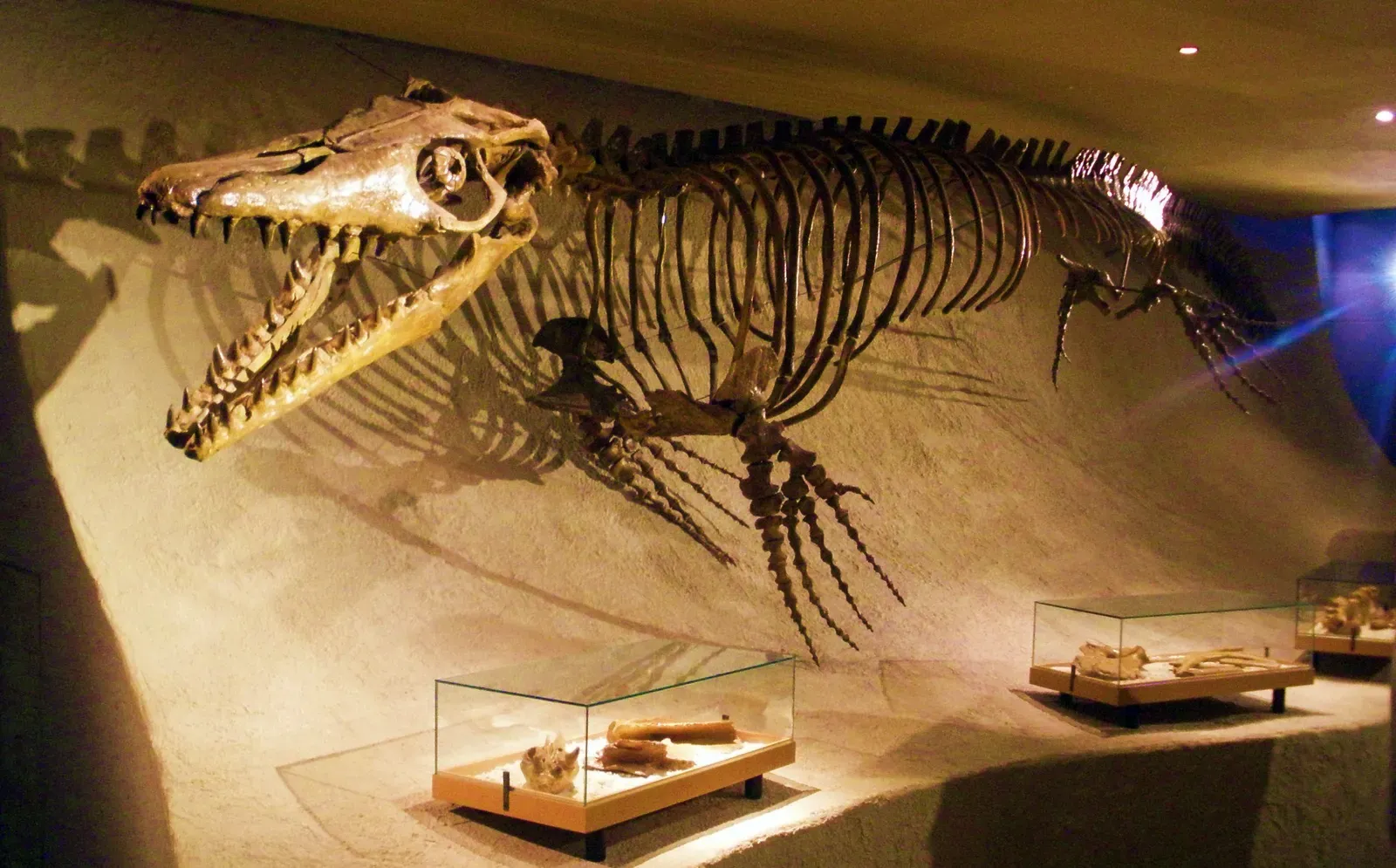
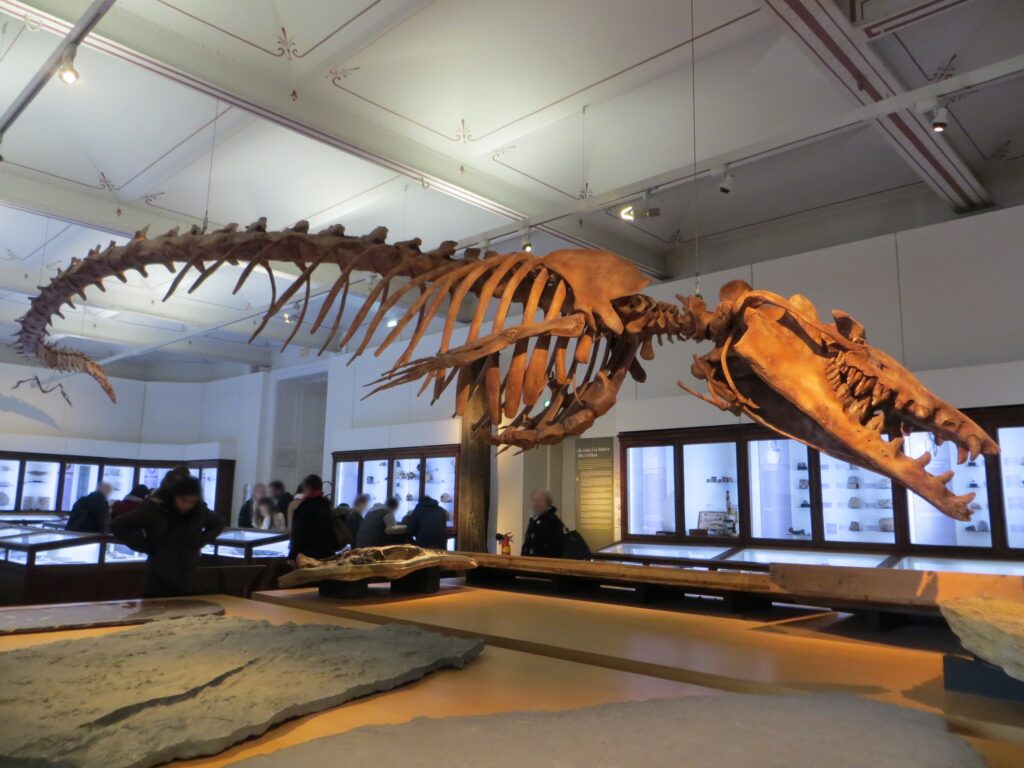
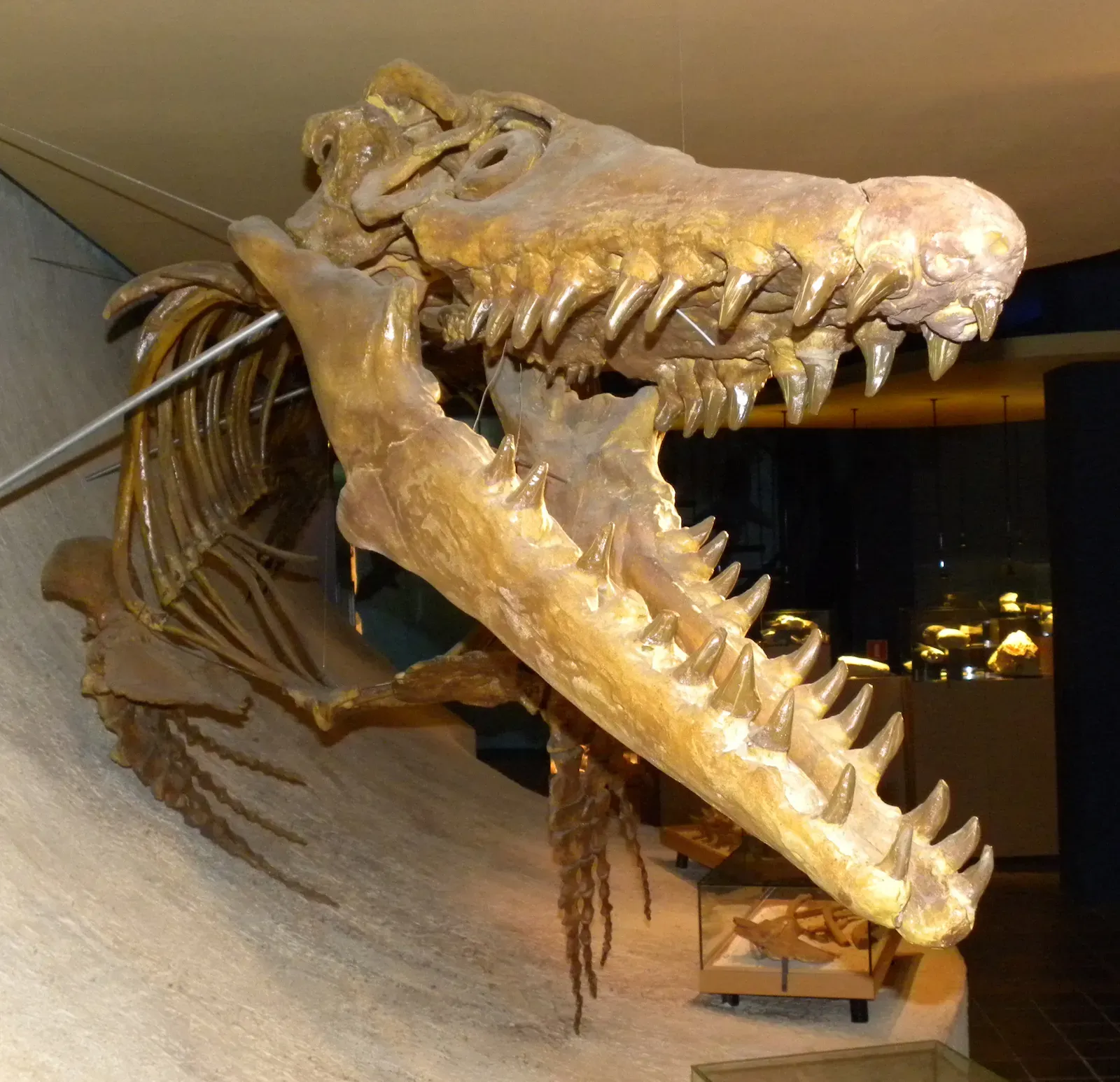
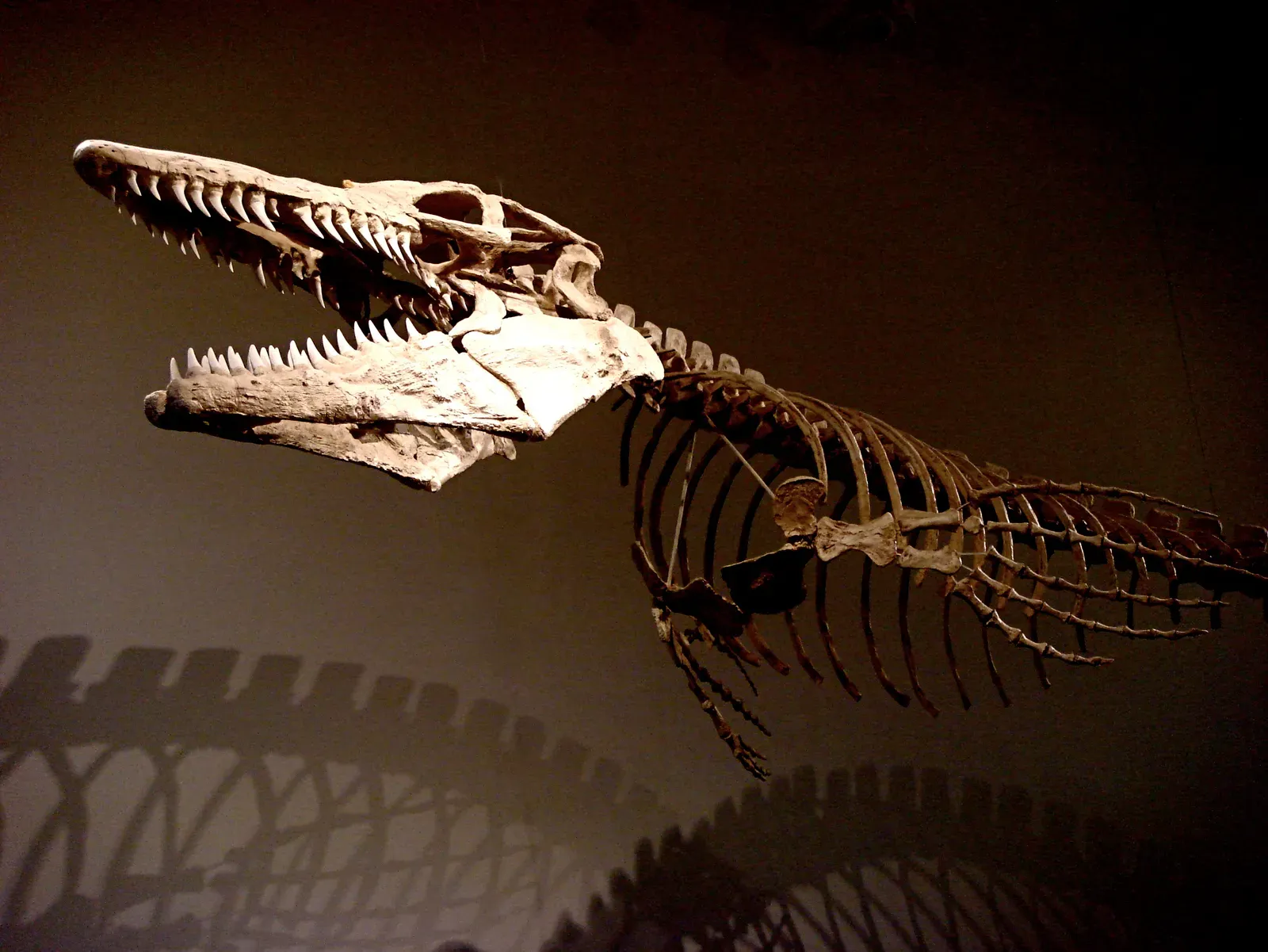
Look closely at reconstructed mosasaur skeletons and you can see their squamate roots. Their skulls, for one thing, are more flexible than the rigid, often heavily fused skulls of many dinosaurs. The joints between the bones allow for a kind of mobility and bite mechanics that line up better with lizards and snakes than with, say, a big theropod dinosaur like Tyrannosaurus. They were designed for grabbing, holding, and swallowing large prey in a fluid environment.
Their limbs and spines tell a similar story. Mosasaur flippers started life as typical reptile limbs that were gradually reshaped into paddles, with elongated, multiplied finger bones encased in soft tissue. Their vertebrae along the tail support a deep, powerful fin, which suggests an eel-like or shark-like side-to-side swimming style. None of that makes them any less terrifying; it just means they were terrifying lizard kin, not terrifying dinosaurs.
Behavior and Lifestyle: The “Super Lizard” of the Cretaceous Seas
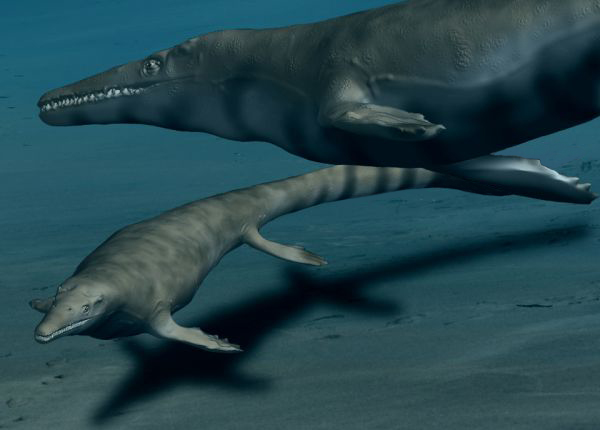
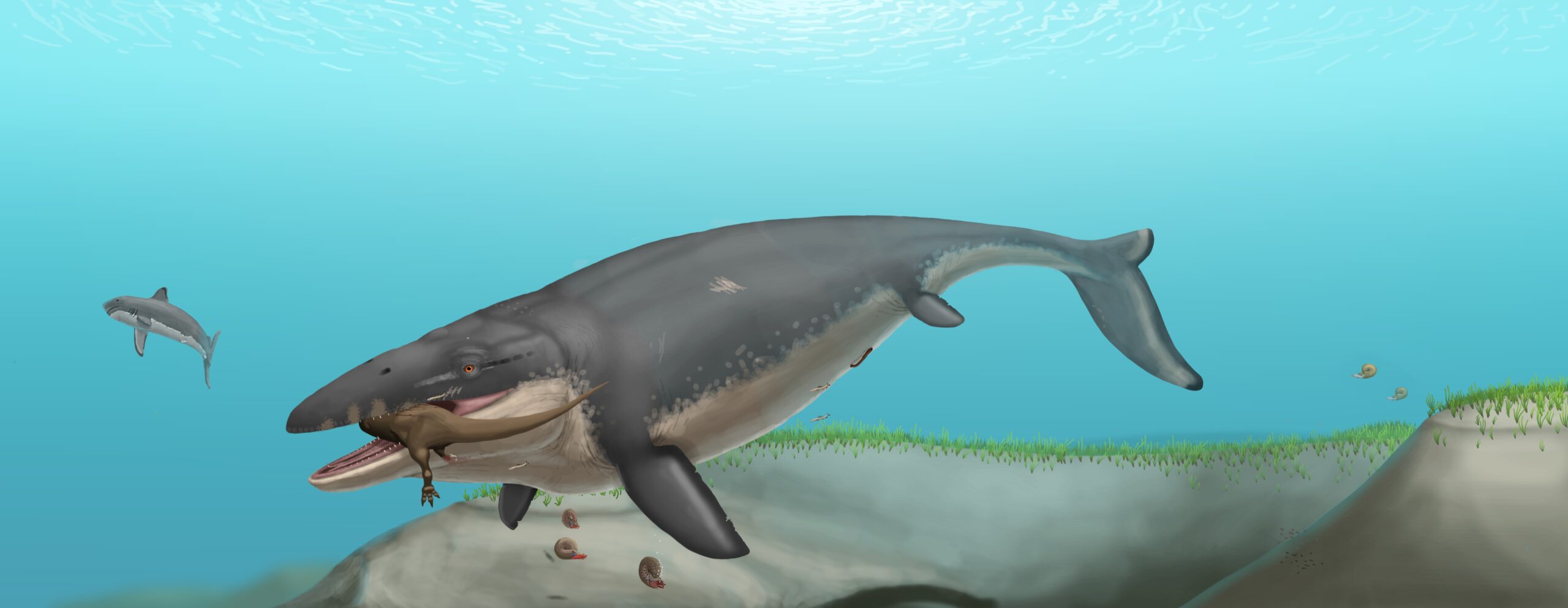
If you imagine a supercharged monitor lizard let loose in an endless shallow sea, you get a decent starting point for mosasaur behavior. Fossil stomach contents hint that they were opportunistic predators, eating fish, ammonites, marine reptiles, and sometimes even members of their own kind. Their teeth were not shaped for delicate nibbling; they were built for gripping, breaking, and swallowing large chunks, which fits with an active, aggressive predatory lifestyle.
Some fossils also suggest live birth rather than egg-laying on land, which makes sense for a fully marine reptile. Giving birth in the water frees them from having to return to shore, the same way modern whales never come on land. That detail pushes them even further into the “marine lizard” category, because many living squamates have flexible reproductive strategies, while dinosaurs, as far as we know, were more locked into the egg-laying approach.
On a more personal note, the first time I saw a full mosasaur skeleton in a museum, what struck me most was how strangely familiar the skull looked. It reminded me less of a dinosaur and more of a komodo dragon drawn by an artist who really liked monster movies. Once you see that resemblance, it’s very hard to unsee it.
Pop Culture Got It Wrong (But That’s Changing)
For a long time, movies, toys, and even some museum displays casually reinforced the idea that anything huge and ancient with teeth must be a dinosaur. Mosasaurs were often shoved into that mental drawer, especially after a certain blockbuster film put a massive, jumping mosasaur on the big screen as a kind of water-dinosaur attraction. It made for great entertainment, but it also quietly reinforced a misconception.
The good news is that public understanding is catching up. Many newer books, documentaries, and exhibits make a point of explaining that mosasaurs were marine squamates, more like scaled-up marine lizards than sea-going dinosaurs. The more this nuance spreads, the more interesting the past actually becomes. Knowing that different reptile lineages independently conquered land, air, and sea makes the Mesozoic world feel less like a dinosaur monopoly and more like a crowded, competitive experiment in body design.
Why This Matters: Rethinking What a “Dinosaur Age” World Really Looked Like
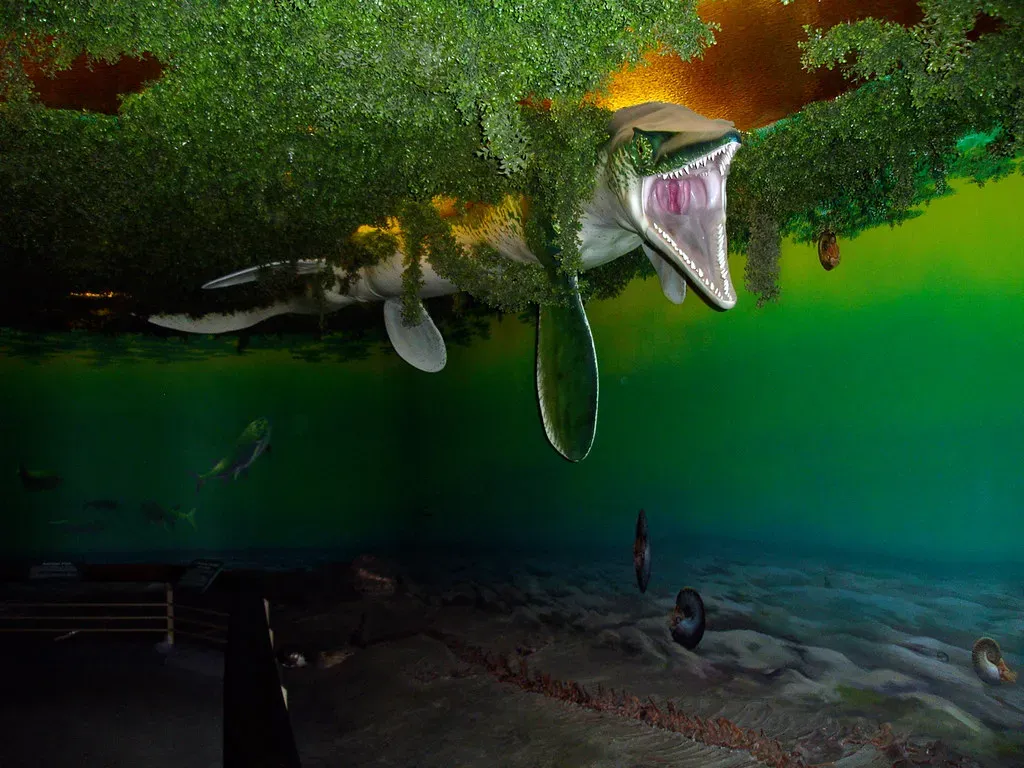
So why should anyone care whether mosasaurs were dinosaurs or lizard cousins? Because getting the relationships right changes how we imagine ancient ecosystems. If mosasaurs were squamates, that means the Late Cretaceous oceans were not just an extension of dinosaur rule, but a stage where a completely different reptile lineage rose to dominance. Land, sky, and sea were controlled by related but distinct groups, each following its own evolutionary path.
It also reminds us to be careful with labels. When we flatten everything into “dinosaurs,” we accidentally erase the real diversity of life that existed back then. Recognizing mosasaurs as what they were – powerful, highly specialized marine lizards and snake relatives – gives them a more interesting identity and makes the story of evolution richer. To me, that truth is actually cooler than the myth, and it makes the ancient world feel stranger, more complex, and a lot more alive.
Conclusion: The Sea Monsters That Were Never Dinosaurs
Once you see mosasaurs as colossal, ocean-dwelling cousins of lizards and snakes, calling them dinosaurs starts to feel a bit lazy. They earned their own spotlight as squamate super-predators, evolving independently to dominate the seas while true dinosaurs held power on land and early birds took to the skies. Lumping them in with dinosaurs is like calling every big cat a lion just because it looks fierce; it misses the point and hides all the interesting differences.
In my view, the real wonder of mosasaurs is not that they were dinosaur-like, but that lizard relatives could evolve into something so radically powerful and alien-looking. That twist makes the prehistoric world feel less like a simple dinosaur theme park and more like a tangled, unpredictable experiment. Next time you see a dramatic mosasaur scene or a skeletal mount in a museum, will you still see a “sea dinosaur” – or will you picture a monstrous, ocean-going lizard that rewrote the rules of what its lineage could become?