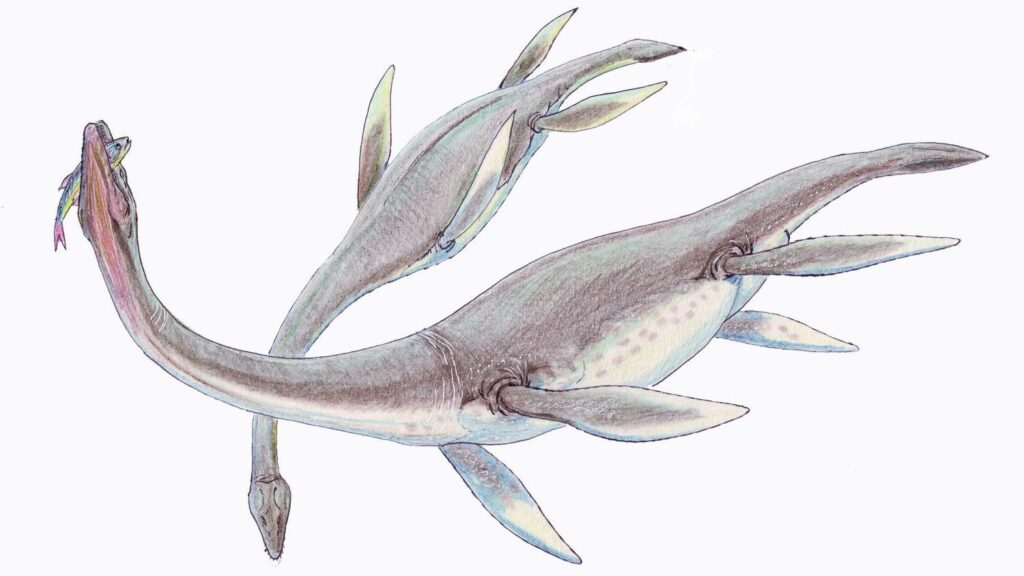
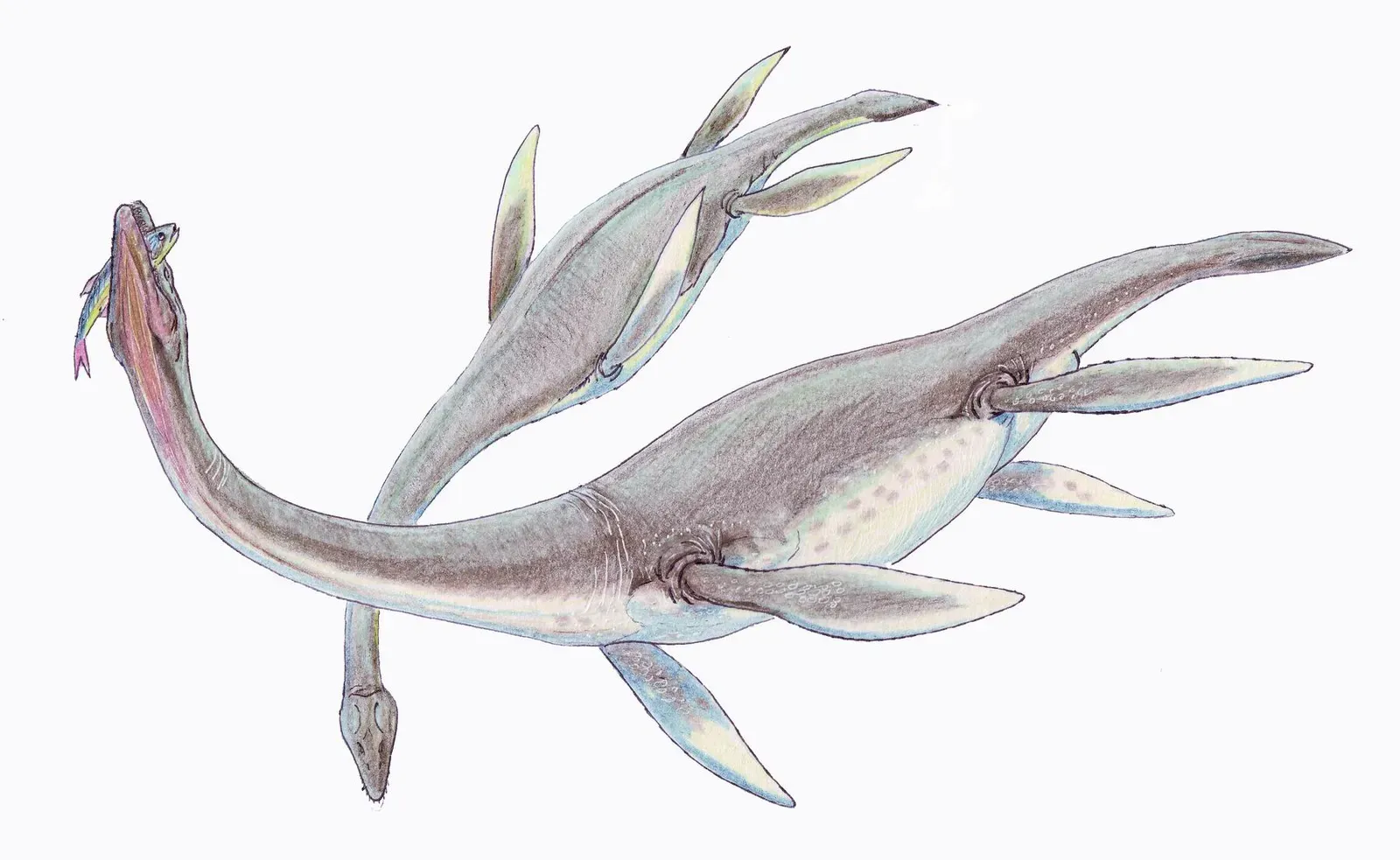
If you picture a plesiosaur, chances are you see a long neck, a wide body, and four powerful flippers slicing through ancient seas. For a long time, that image came with a simple story: these were slow, almost clumsy marine reptiles that cruised after easy prey. But recent research paints a far more agile and surprising animal, one that in some ways may have lived and hunted more like modern seals than like sluggish sea monsters.
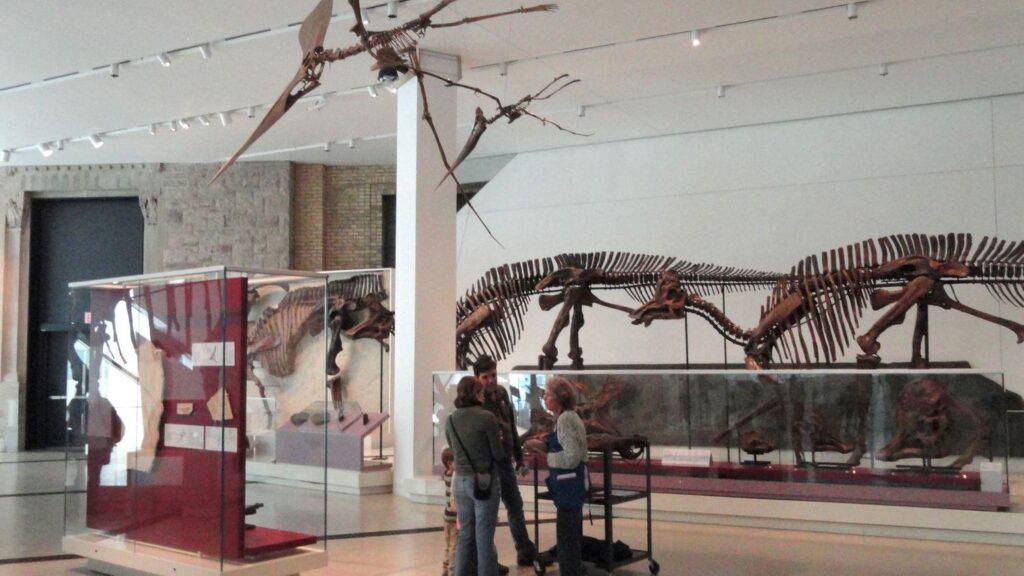
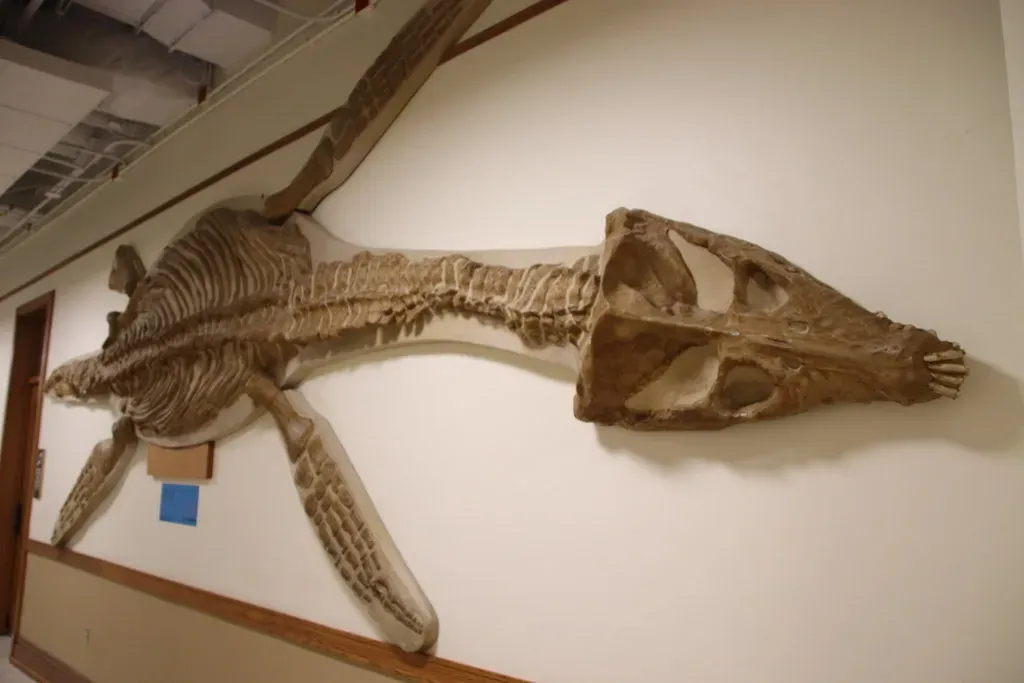
I still remember the first time I saw a plesiosaur skeleton in a museum as a kid. The neck looked impossibly long, almost like someone had snapped together the wrong pieces, and I walked away thinking it must’ve been awkward in the water. Coming back to the science years later and discovering evidence for fast, precise underwater movement – maybe even quick ambushes and agile pursuits – felt like learning that a lumbering station wagon was secretly a sports car in disguise. Let’s dive into what we actually know, what is still debated, and why the seal comparison is more than just a catchy headline.
From Sea Monsters to Seal-Like Hunters: Why This Idea Emerged
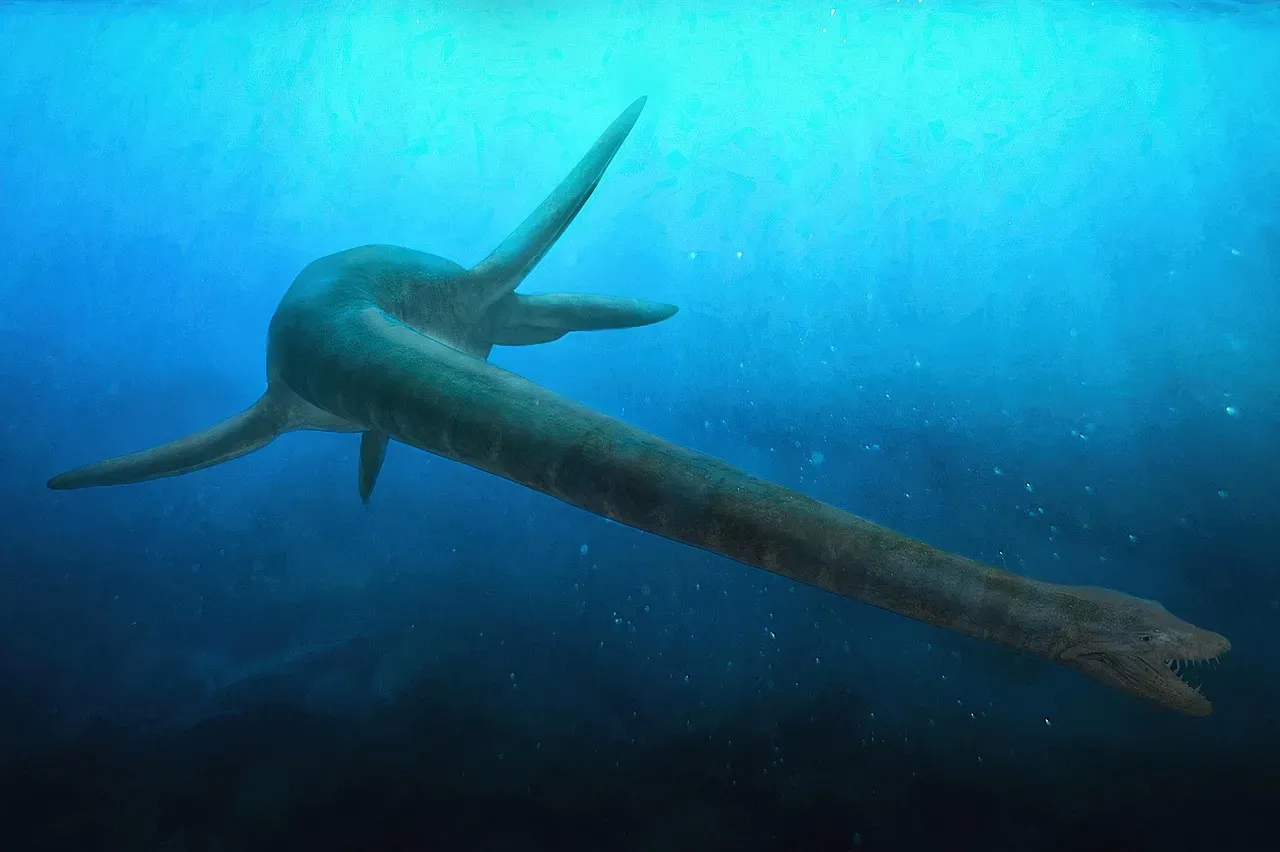
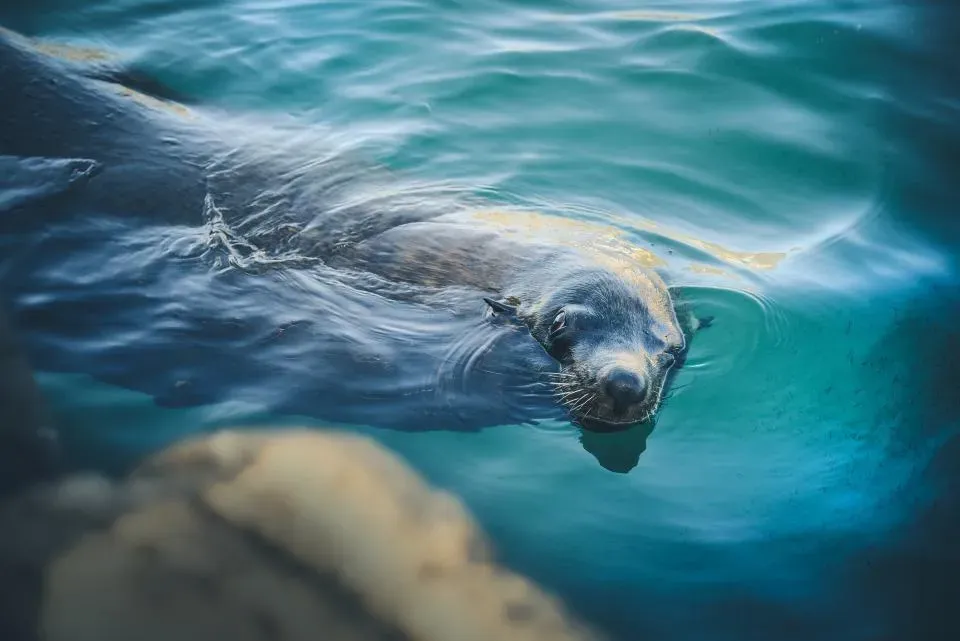
At first glance, comparing plesiosaurs to seals sounds strange. Seals are furry, air-breathing mammals that haul themselves onto beaches, while plesiosaurs were scaly, long-necked marine reptiles that never left the water as far as we know. But under the surface, there are striking similarities in how their bodies may have worked, especially when it comes to how they moved and how they may have targeted prey. The comparison is not about fur or flippers on land; it is about maneuverability, burst speed, and hunting style in the water.
Over the last few decades, scientists have moved away from the idea that plesiosaurs were slow, weak swimmers. Studies of their skeletons and computer models of their motion suggest they could be surprisingly agile, capable of sudden turns and quick surges, traits that sound much closer to seals or sea lions than to sluggish ocean reptiles. The seal analogy helps people visualize this updated picture: instead of an awkward creature dragging its neck through the sea, imagine a sleek animal that can twist, roll, and strike fast when prey gets close. It is not a perfect match, but it is a useful mental model that better fits the evidence than the old sea monster stereotype.
A Four-Flippered Powerhouse: Swimming Like No Living Animal
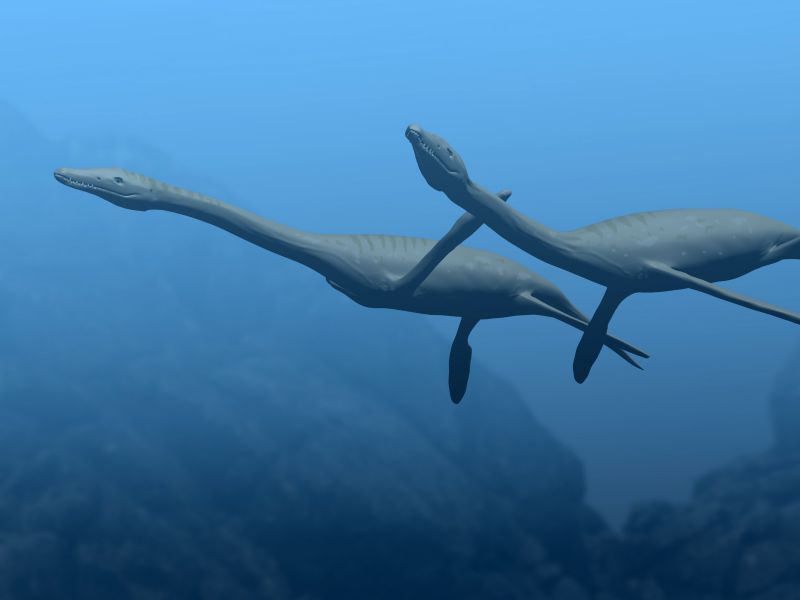
One of the most fascinating things about plesiosaurs is that they had four large, wing-like flippers, while most modern marine animals that “fly” underwater use only two forelimbs, like penguins, sea turtles, or sea lions. This alone makes them biomechanical oddities. For a long time, no one was sure whether they used all four flippers for propulsion or whether the back pair mainly steered. Modern computer simulations and physical models, however, suggest that all four contributed to thrust, with the front flippers taking the lead and the rear ones adding extra power and control.
Seals and sea lions often rely on front flippers or hind flippers depending on the species, using them to “fly” underwater with quick strokes and glide phases. Plesiosaurs, in contrast, likely beat all four flippers in a coordinated pattern, creating a kind of underwater flying style that has no exact modern equivalent. That said, the overall picture – strong strokes, gliding, agility instead of pure speed – feels closer to the smooth, controlled movements of a seal slicing around rocks and kelp than to the long-distance cruising of a tuna or shark. They were not built to be the fastest animals in the sea, but they were probably very good at quick, precise movements in three dimensions.
Necks, Noses, and Narrow Targets: How They May Have Caught Prey
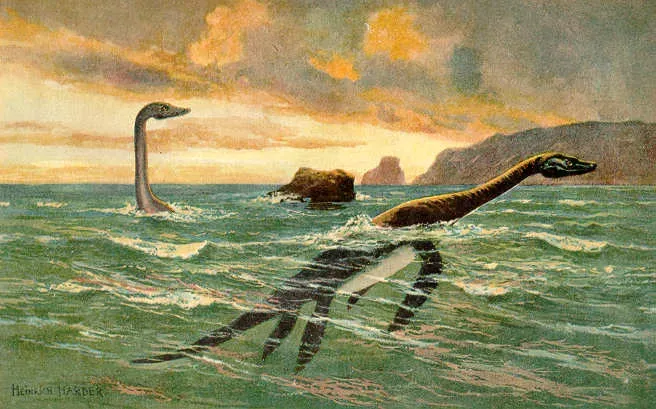
The long neck of some plesiosaurs is probably the single strangest feature in the whole group, and it is exactly where the seal comparison gets interesting. Seals often use agility and fine control to sneak up on tight clusters of fish, twisting and darting at just the right angle to grab a mouthful. Some researchers think long-necked plesiosaurs may have done something similar, using their flexible necks to strike at prey while the body stayed a little farther back, minimizing the disturbance in the water. Instead of a big body barreling in, a more subtle, snake-like head could slip closer before the final lunge.
Fossil evidence points to diets that included fish, squid-like animals, and other small to medium prey, the kind of food that rewards precision more than brute force. The jaws and teeth of many plesiosaurs are shaped less like those of a shark, designed to tear large chunks, and more like delicate, interlocking combs suited to gripping slippery, smaller animals. That matches well with a hunting style where an agile swimmer makes quick turns and narrow strikes, the way a seal might weave through a school of fish, snatching one here and another there rather than tearing apart a single huge victim.
Evidence in the Bones: What Skeletons Reveal About Movement
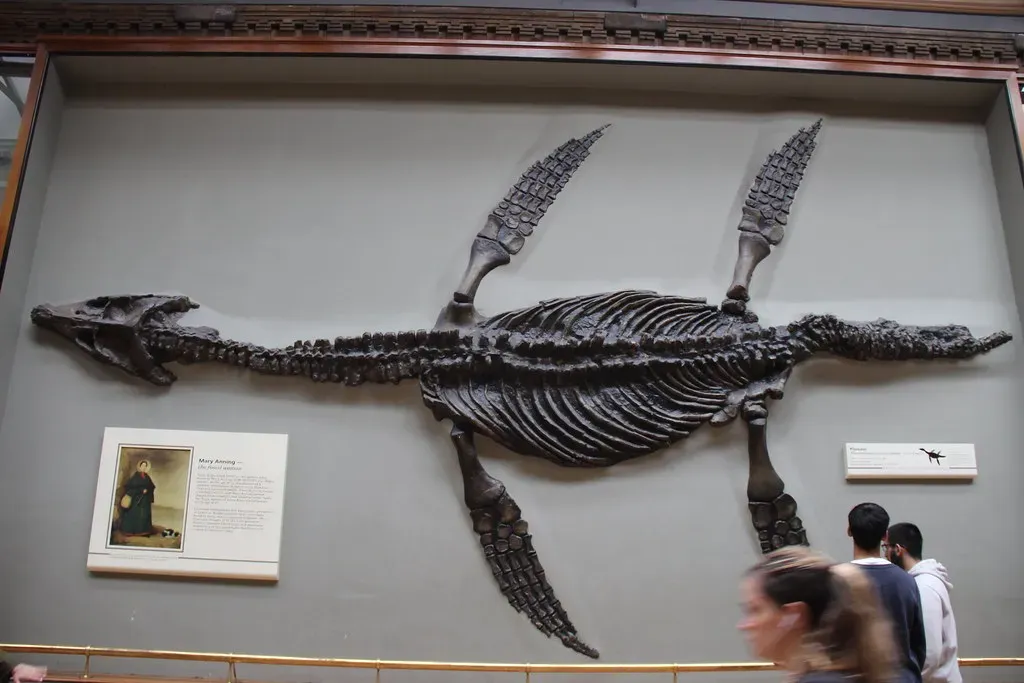
When you strip away the skin and imagination and just look at the bones, there are still clues that plesiosaurs were capable, active hunters. The shoulder and hip regions are robust, with strong attachment points for powerful muscles, especially around the flippers. The vertebrae along the neck and back also show patterns that suggest a mix of flexibility and stability, helping the body work as a firm platform while the neck and head made finer adjustments. This combination is exactly what you would expect from an animal that had to steer accurately in a three-dimensional environment while maintaining a stable core.
Researchers have also examined inner ear structures in some marine reptiles to see how well they could sense motion and balance, a bit like checking the “gyroscope” of the animal. In animals like seals, these structures are well developed, supporting fast, agile movement underwater where orientation constantly changes. While not all plesiosaur inner ears are known in detail, the available evidence suggests they were not awkward drifters. Instead, they were well equipped to control their bodies in turbulent water, banking and rolling in ways that echo the smooth, acrobatic motions of modern marine mammals rather than the stiff, straight-line swimming of older reconstructions.
Shallow Coasts, Dark Depths, and Seal-Like Foraging Zones
Seals today are champions of coastal and shelf environments, diving down along slopes, hunting around reefs, and sometimes pushing into deeper waters when needed. Many plesiosaur fossils have been found in what used to be shallow to moderately deep seas, including ancient inland oceans that covered large portions of continents. These environments would have been rich in fish, squid, and other prey, structured by reefs, sand bars, and shifting currents. For a flexible, maneuverable hunter, those landscapes offered countless ambush spots and pathways to weave through, much like the rocky, complex habitats favored by many seals.
Of course, plesiosaurs were fully marine and, unlike most seals, probably did not come onto land to rest or breed. However, that difference in lifestyle does not erase the overlap in the zones where they likely hunted. When you picture a plesiosaur cruising over an ancient seabed, tilting and turning as it follows schools of fish or dives after cephalopods, it is easy to imagine scenes that feel surprisingly familiar to anyone who has watched footage of seals spiraling through the water, working the edges of a reef or chasing prey along a slope. The details differ, but the ecological roles seem to rhyme.
How Far Can the Seal Analogy Go Without Breaking?
As tempting as it is to lean hard into the comparison and say plesiosaurs were basically prehistoric seals with long necks, that would be going too far. For one thing, they were reptiles with very different metabolisms, reproductive strategies, and body coverings from modern pinnipeds. Their four-flipper design is unique, and their enormous necks in some species have no close parallel in living marine mammals. So we need to be careful not to force a neat story onto messy reality just because it sounds catchy or makes a good headline.
Still, analogies are powerful tools when used honestly and with clear limits. Saying that some plesiosaurs may have hunted in a broadly seal-like way – agile, capable of quick bursts, targeting medium-sized prey in dynamic coastal or shelf environments – is a reasonable shorthand based on the current evidence. Where I draw the line is at imagining behaviors that the fossils cannot support, like specific social hunting strategies or complex vocal communications, just because seals today do interesting things. We should treat the seal comparison as a lens, not a script: it helps sharpen certain details, but it should never replace the actual data carved in bone and rock.
What This Changes About How We Imagine Ancient Seas
The idea that some plesiosaurs hunted a bit like modern seals does more than tweak their image; it changes how we picture entire ancient ecosystems. Instead of oceans ruled only by giant, high-speed predators like huge sharks and massive mosasaurs, we can now imagine a more layered community: fast long-distance chasers, ambush specialists, deep-divers, and agile mid-level hunters all sharing the same waters. Plesiosaurs fit into that more nuanced picture as versatile, maneuverable predators that could thread themselves through the chaos, picking off prey that others missed.
Personally, I find this shift in perspective more honest and much more interesting. The past was not a simplified monster movie; it was every bit as complex, messy, and subtle as our modern oceans. Seeing plesiosaurs as seal-like in some respects reminds us that evolution often finds similar solutions to similar problems, even in totally different groups of animals. The ocean rewards agility, control, and smart use of space, and that seems to have been true whether you were a whiskered mammal chasing herring yesterday or a long-necked reptile weaving after fish nearly two hundred million years ago. Did you expect that?