If you picture dinosaurs, you probably imagine them stomping around a single valley or forest, like animals fixed to one backdrop in time. But when you start looking at the fossils, trackways, and rock layers closely, a very different picture comes into focus: many dinosaurs were long‑distance travelers, crossing landscapes that stretched for hundreds, sometimes thousands, of kilometers. You are not just looking at ancient lizards lounging in swamps; you are looking at herds, flocks, and lone wanderers following food, water, and seasons across entire prehistoric continents.
Once you start thinking of dinosaurs as migrants, a lot of puzzling discoveries suddenly make sense. Why do you find the same kind of duck‑billed dinosaur in rocks separated by vast distances? Why do some bone beds look eerily like mass death events along a migration route gone wrong? As you move through the evidence, you see how climate, shifting continents, and rising and falling seas shaped routes that vanished millions of years ago. By the end, you may see dinosaurs less as monsters trapped in time and more as travelers permanently on the move.
Why Many Dinosaurs Needed To Migrate In The First Place
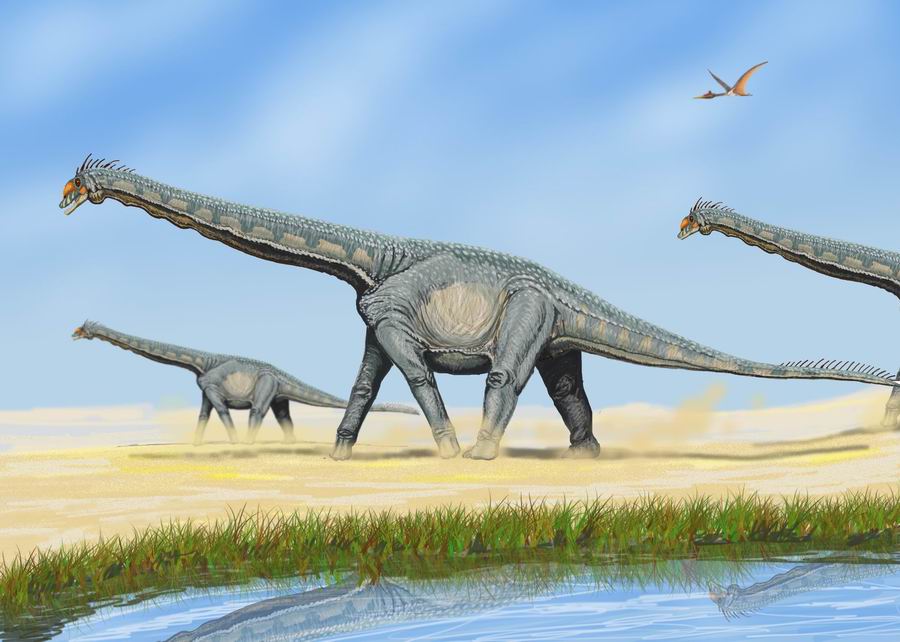
When you think about migration, you might first picture wildebeest on the African savannah or caribou in the Arctic, but the basic drivers that push those animals to move would’ve pushed many dinosaurs too. You had huge plant‑eating dinosaurs that needed to eat staggering amounts of vegetation every single day, and local food sources could be stripped quickly if large herds stayed put. If you imagine a group of long‑necked sauropods or herds of hadrosaurs grazing nonstop, it is easy to see how they’d be forced to follow fresh growth and seasonal rains across large regions just to avoid starving.
Climate patterns in the Mesozoic were different from today, but you still had wet and dry seasons, temperature gradients, and shifting belts of rainfall that created better and worse places to live at different times of year. You also had droughts, floods, and fires that could suddenly turn a once‑lush area into a dangerous trap. In that kind of world, if you stayed rigidly attached to one spot, you were gambling with your survival, while if you moved, you had a better shot at tracking water, plants, and cooler conditions. Migration, for many dinosaur species, was less a choice and more a kind of ancient survival subscription they couldn’t cancel.
Fossil Footprints That Reveal Ancient Highways
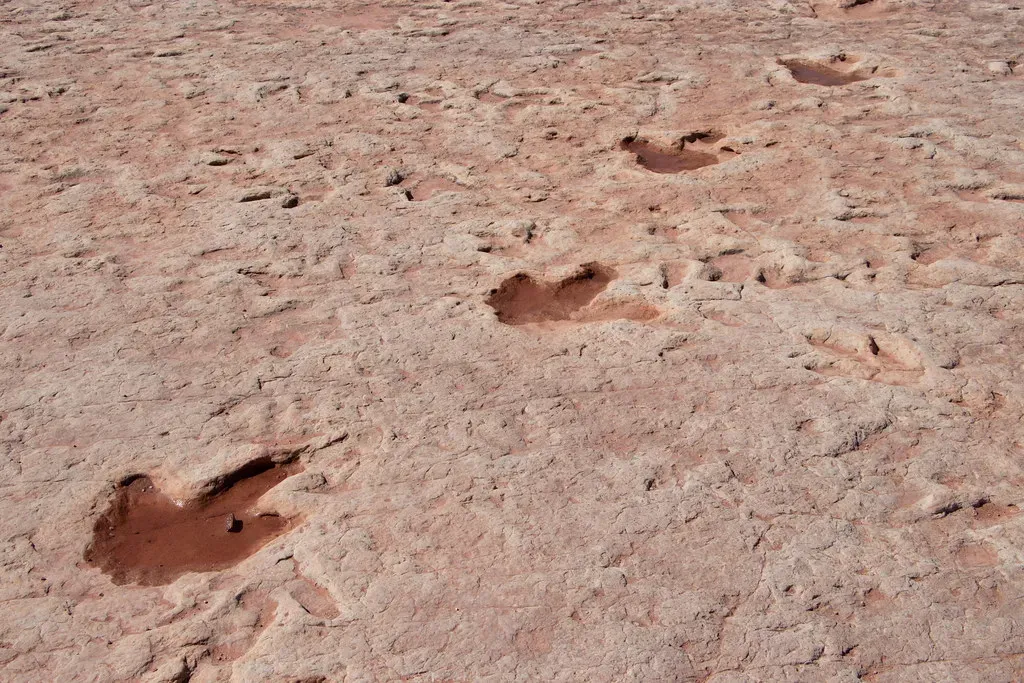
One of the most direct ways you see dinosaur journeys is not in their bones but in their footprints. When you walk into a site covered with trackways, you are basically stepping onto an ancient highway; you can follow parallel sets of tracks moving in the same direction and picture entire groups traveling together. In some places, you see layers of tracks stacked through the rock record, hinting that the same routes were used again and again, possibly over many generations, almost like seasonal roads that never made it onto a map.
These footprints do not just show that dinosaurs walked; they show how they moved. By looking at spacing between prints and the depth of the impressions, you can infer speed, weight, and even how tightly packed groups might have been as they traveled. When you notice repeated patterns – long lines of herbivore tracks with occasional predator prints weaving in and out – you can start to imagine migration routes where plant‑eaters led the way and carnivores shadowed them, just as large predators follow modern herds today. It is as if the rock keeps a logbook of who passed by and in what mood they were traveling.
Shared Dinosaurs On Different Continents: Clues From Bones
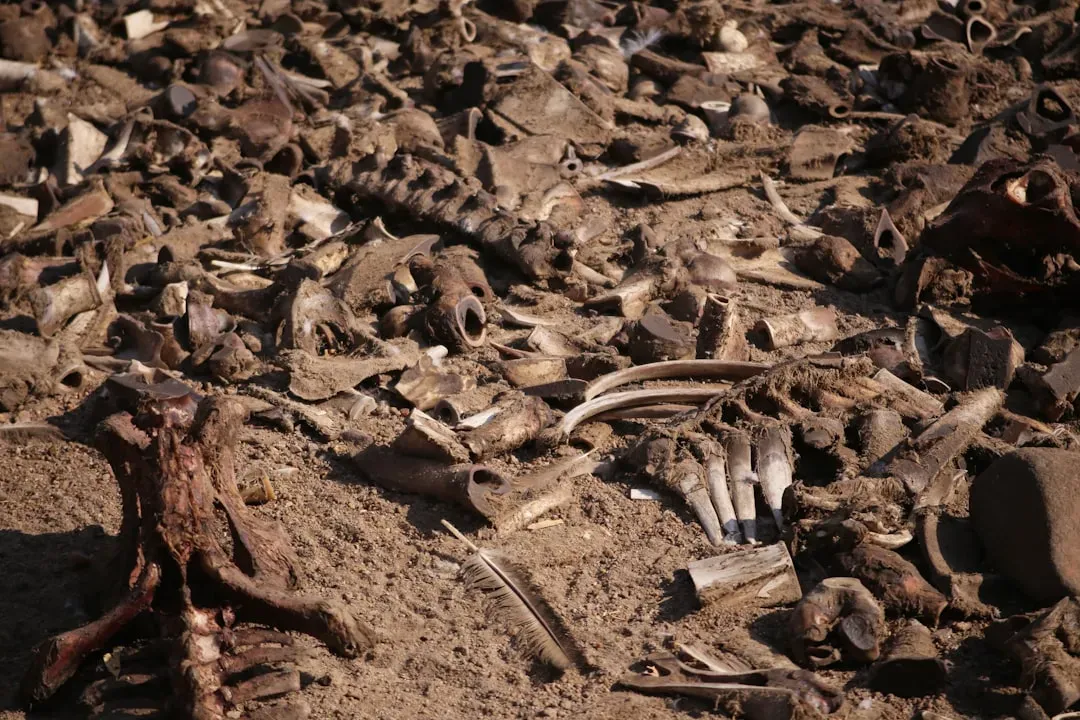
Another major hint that dinosaurs roamed widely comes from the simple, stubborn fact that you sometimes find the same or very similar dinosaur species recorded far apart from each other. When you see fossils of closely related duck‑billed hadrosaurs, horned dinosaurs, or early meat‑eaters in widely separated regions, you are essentially looking at a travel history written in bone. You can trace how related groups appear across what are now different continents and realize that either the land was once connected, the animals moved, or both.
You also see patterns within single landmasses where the same dinosaur shows up in multiple regions that would have required serious travel to link. For example, similar species appear along long north‑south belts of ancient river plains, which would have served as natural corridors. When you compare ages of the rock layers and see that these appearances overlap in time, it becomes harder to argue that these animals were isolated homebodies. Instead, you start to view them as part of dynamic populations that could spread, split, and reconnect over hundreds of kilometers as they followed climate shifts, new food sources, or openings in the landscape.
How Changing Continents Shaped Dinosaur Routes
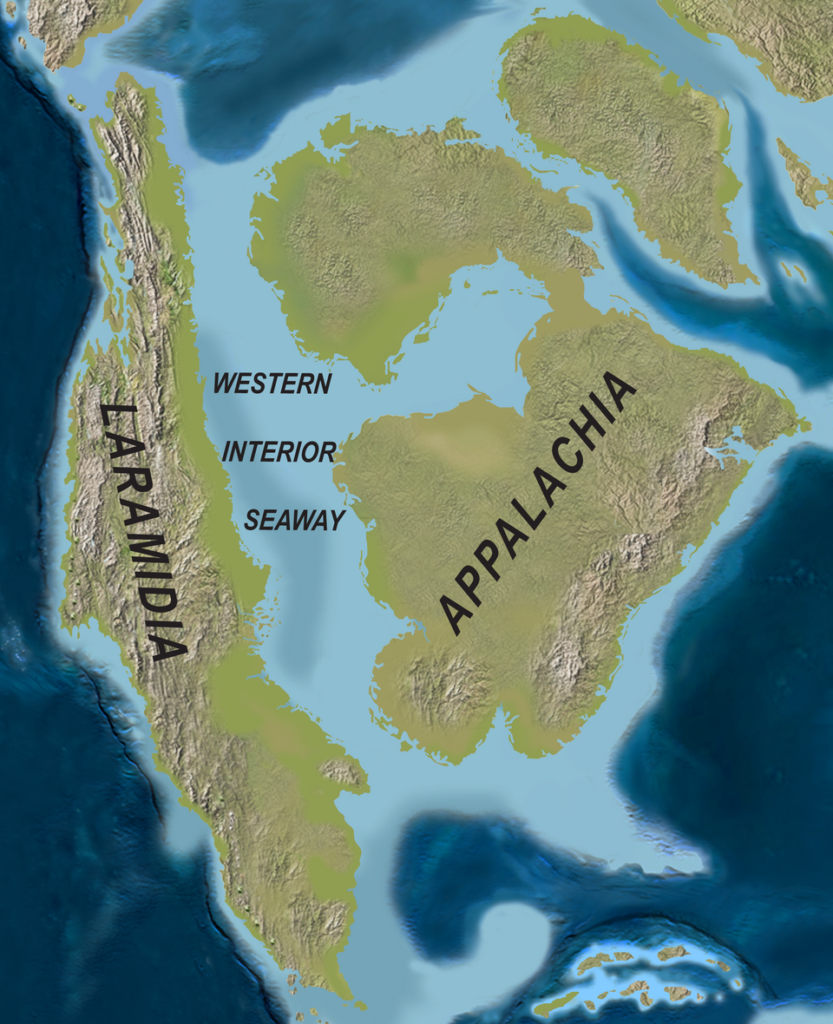
When you think about dinosaur migration, you cannot ignore the ground beneath their feet, because that ground was literally sliding around the planet over millions of years. During much of dinosaur history, continents were arranged differently, and supercontinents like Pangaea gave animals vast continuous land areas to roam. If you were a dinosaur living in those times, you could in theory move across distances that would today take you across several modern countries and even oceans, simply because the land was all connected.
As plate tectonics tore continents apart, mountain ranges rose and oceans flooded low‑lying areas, the old pathways were broken and new barriers appeared. Those changes would have forced migration routes to shift or vanish, funneling some populations into narrow corridors while isolating others. In some cases, temporary land bridges opened between regions, allowing waves of dinosaurs to cross into new territories before the bridge sank again beneath the sea. When you look at fossils spread across former land connections, you are seeing the aftermath of those brief windows of opportunity when migration and continental drift worked together.
Climate, of course, set the stage for where dinosaurs could realistically travel. Large parts of the Mesozoic were warmer than today, with less ice at the poles and extensive subtropical zones, but that did not mean conditions were uniform or easy. You still had belts of aridity, stormy coastal zones, and cooler highlands that shaped where plants could grow and where freshwater was available. If you were a dinosaur herd, you would have been effectively “reading” this climate map with your feet, moving toward greener, wetter regions when local conditions started to fail.
Over very long timescales, shifts in climate bands and sea levels would have redrawn that map, sometimes in slow, almost undetectable ways, and other times more abruptly. You can see evidence of prolonged droughts, changing river systems, and expanding deserts in the rocks that bracket dinosaur fossils, suggesting that migration routes evolved as the world itself changed. In a sense, dinosaurs were long‑term climate refugees as much as seasonal migrants, constantly adjusting their ranges to stay within the narrow environmental windows that suited them.
Herd Behavior And Social Travel In Herbivorous Dinosaurs
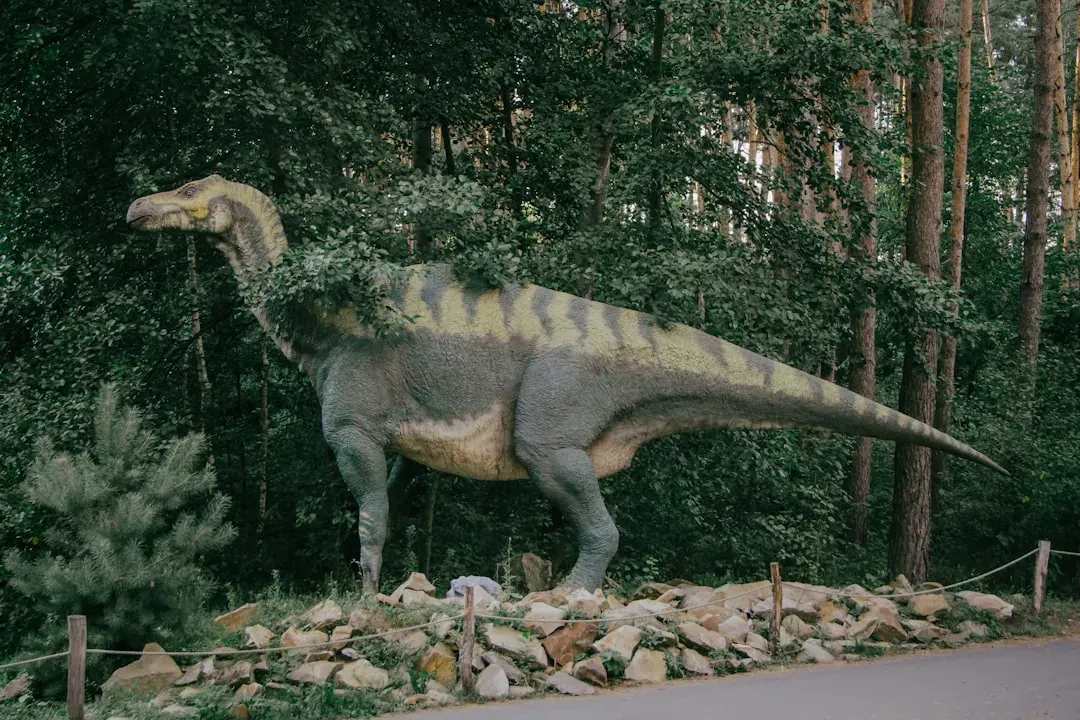
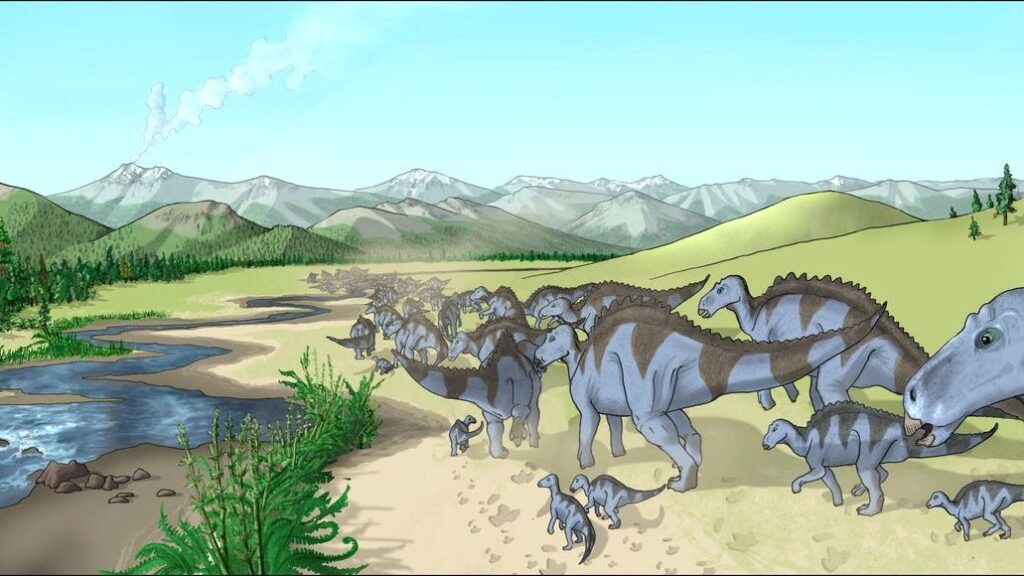
Herbivorous dinosaurs, especially the medium to large‑bodied ones, were prime candidates for organized, large‑scale migration. When you see huge bone beds full of the same kind of dinosaur, with individuals of different ages all jumbled together, you are likely looking at the remains of a herd that traveled and died as a group. If you picture long columns of hadrosaurs or horned dinosaurs moving across floodplains, adults on the outside and juveniles in the safer interior, you are not far from how many scientists interpret this kind of evidence.
Traveling as a herd would have given you serious advantages if you were a plant‑eater: more eyes to spot predators, a better chance that at least some members would remember good routes or water sources, and safety in numbers if an attack came. Migration as a social event also means knowledge could be passed along, not in the way humans tell stories, but through repeated patterns learned by following older animals. Young dinosaurs might have memorized paths the same way some birds and mammals do today, turning ancient routes into family traditions that lasted for generations.
Predators On The Move: Following The Herds
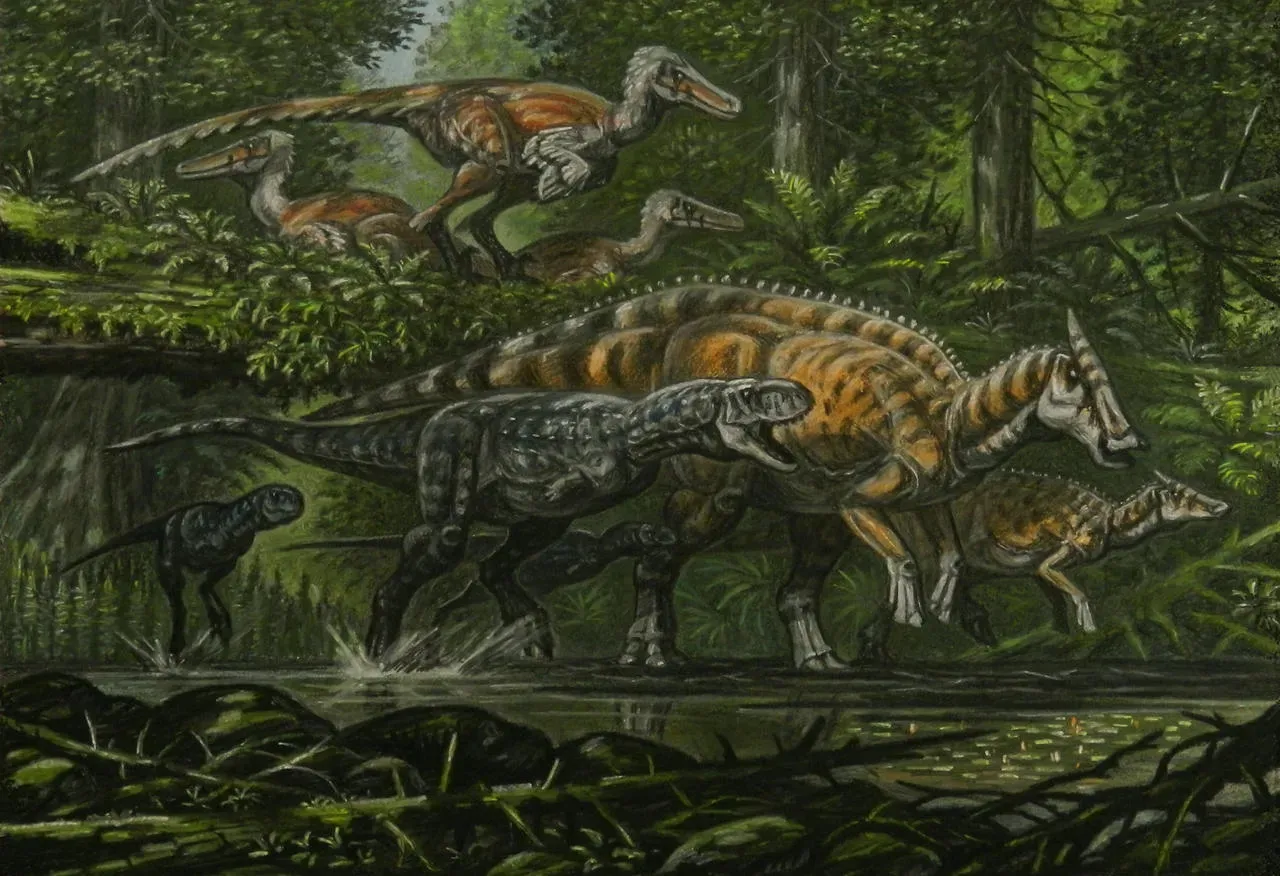
You cannot talk about migrating herbivores without asking what the meat‑eaters were doing while all this was happening. Predatory dinosaurs depended on those big plant‑eating herds for their main food source, so it makes sense that many carnivores would have tracked the same general routes. When you find predator fossils and tracks in the same regions and rock layers as migratory herbivores, it suggests a shadow campaign: where the herds went, the hunters followed, not unlike lions moving with wildebeest or wolves roaming with caribou today.
For some predators, migration might not always have meant copy‑pasting the exact paths of the plant‑eaters. Instead, they may have occupied strategic territories along choke points – river crossings, canyon entrances, or narrow coastal plains – where migrating herds were all but forced to pass. If you imagine being a large carnivore, you might not need to travel the full length of the route; you could wait along a bottleneck, let the food come to you, and move only when climate or geography shifted those vital corridors. Either way, the lives of predators were tightly tied to the long‑distance movements of their prey.
How You Can Picture A Single Dinosaur Journey
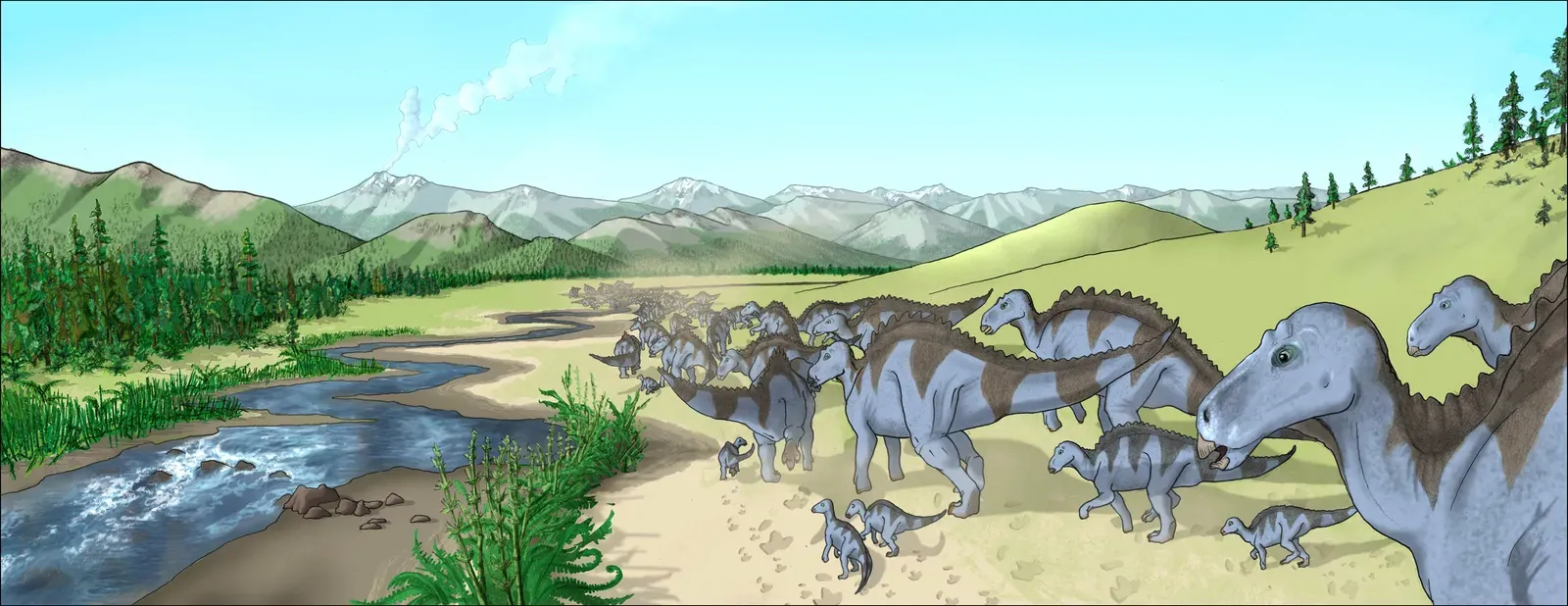
To really feel what dinosaur migration might have been like, it helps to zoom in and imagine following a single individual through one full cycle. Picture a young hadrosaur leaving a nesting ground in what is now an upland region, walking beside a handful of adults and countless other juveniles. Over weeks, the landscape changes around you – from wooded hills to open floodplains, then to a broad river system where you must cross streams and avoid getting bogged down in mud. At night, unfamiliar calls echo in the distance, and the sky over you holds constellations no human has ever seen.
As the season shifts, you and your herd reach lowland feeding grounds that burst with fresh plant growth after seasonal rains. You put on weight, predators test the edges of the herd, and a few unlucky animals fall behind or vanish without the group stopping. Eventually, food begins to dwindle again, water sources shrink, and subtle cues – day length, temperature, instinct – push you to turn back. By the time you return to the nesting area, you have walked hundreds of kilometers, dodged danger repeatedly, and memorized a route your own offspring might one day follow, turning your personal journey into a thread in a much larger migratory tapestry.
What Dinosaur Migration Teaches You About A Changing Planet
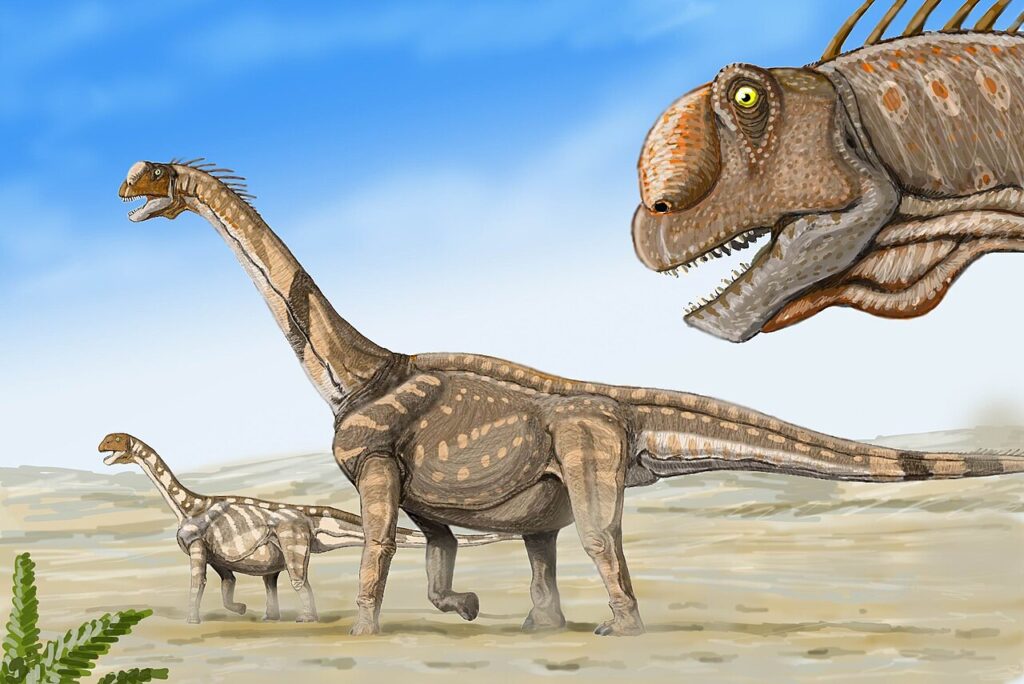
When you study dinosaur migration, you are not just indulging curiosity about giant reptiles; you are learning how life responds to a world that never stands still. Dinosaurs were forced to move by shifting climates, moving continents, and unpredictable ecosystems, just as many animals today are being pushed to change their ranges. As you compare ancient patterns with modern wildlife movements, you see familiar themes: species that can move and adapt have a better chance, while those locked into one place or one narrow set of conditions are more at risk when things change.
There is also something humbling in realizing that gigantic animals, some of the largest to ever walk on land, still had to bow to forces like drought, seasonal scarcity, and landscape barriers. No matter how big, fast, or fierce they were, they were still passengers on a planet in motion, just as you are. When you look at your own world – with its shifting climate zones, rising seas, and altered habitats – you can read dinosaur migration as a distant but relevant reminder that movement, adaptation, and sometimes long‑distance travel are part of survival. The difference now is that you have the ability to see it coming and decide how to respond.
In the end, dinosaur migration is less about a few dramatic journeys and more about a way of life that played out over millions of years. You are glimpsing a world where trails crossed continents, herds chased distant horizons, and the ground itself moved under their feet. That realization can change how you see fossils: not as static museum pieces, but as snapshots of travelers caught mid‑journey. When you imagine those ancient paths stretching out beneath your own, it raises a simple, lingering question: if you could walk alongside them for one season, how far would you be willing to go?