When you picture a dinosaur, you probably imagine a thundering, cold-blooded killing machine with no interest in anyone but itself. Roaring, hunting, surviving. What you almost certainly do not picture is a gentle, watchful parent hovering over a carefully arranged nest of eggs, tending hatchlings with the kind of devotion we see in birds today. Honestly, that image is far more startling than any predator scene.
Yet that is exactly what fossilized evidence is revealing. Stone-locked nests, embryo-filled eggs, and adult skeletons frozen in the act of brooding are rewriting everything we thought we knew about how these magnificent prehistoric creatures lived. The story of dinosaur parenting is turning out to be one of the most surprising chapters in all of natural history. Let’s dive in.
When the Earth Was a Nursery: How Fossilized Nests Were First Discovered
Here’s the thing – for most of scientific history, the idea of caring, nurturing dinosaurs would have seemed laughable. For more than a century, most paleontologists hypothesized that all dinosaurs simply laid hard-shelled eggs and walked away, leaving their young to fend for themselves. That view held for decades, built on almost nothing but assumption.
The turning point came in 1923, in the sweeping deserts of Mongolia. One of the greatest highlights of the American Museum of Natural History’s expedition to Central Asia occurred that year at the Flaming Cliffs of Mongolia, where eggs were discovered that were initially thought to belong to the dinosaur Protoceratops. In 1921, acclaimed fossil hunter Roy Chapman Andrews had already discovered intact dinosaur nests in Mongolia, planting the first seed of a much larger revolution in understanding. That single discovery, imperfect and misidentified as it was, cracked open a field of research that continues to astonish us even today.
The Good Mother Lizard: Maiasaura and the Montana Miracle
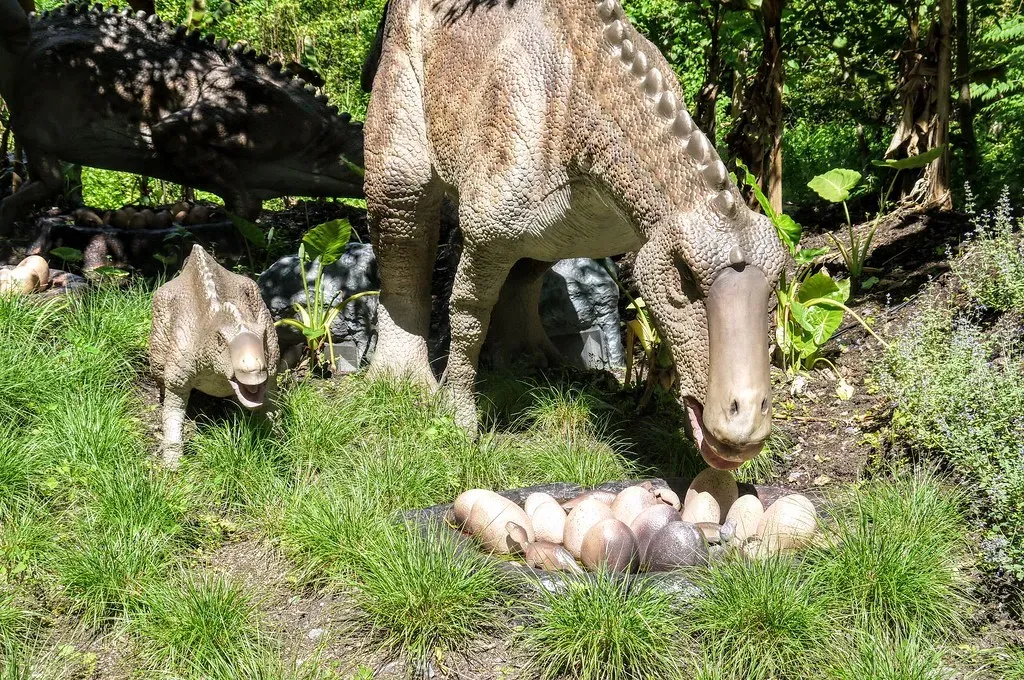
If you want a symbol of prehistoric parenting, look no further than Montana. In 1978, Marion Brandvold found baby duck-billed dinosaur bones in the area, and investigation by paleontologists John R. “Jack” Horner and Robert “Bob” Makela led to the discovery of the first dinosaur nests with associated eggs and babies in the western hemisphere. It was, by any measure, a landmark moment in paleontology.
The Maiasaura, commonly known as the “good mother lizard,” is a prime example of dinosaur parental care. These dinosaurs lived during the Late Cretaceous period, around 80 to 75 million years ago, and exhibited remarkable nurturing behaviors. In the proposed Maiasaura nesting colonies discovered in Montana, paleontologists found juvenile dinosaur bones indicating parental care and support during early life stages, a finding that challenged the long-standing belief that dinosaurs abandoned their offspring. The presence of young dinosaur bones in close proximity to adult nests suggests that Maiasaura parents provided extensive food and protection for their hatchlings until they were ready to venture out on their own.
Reading the Shell: What Egg Structure Tells You About Prehistoric Parenting
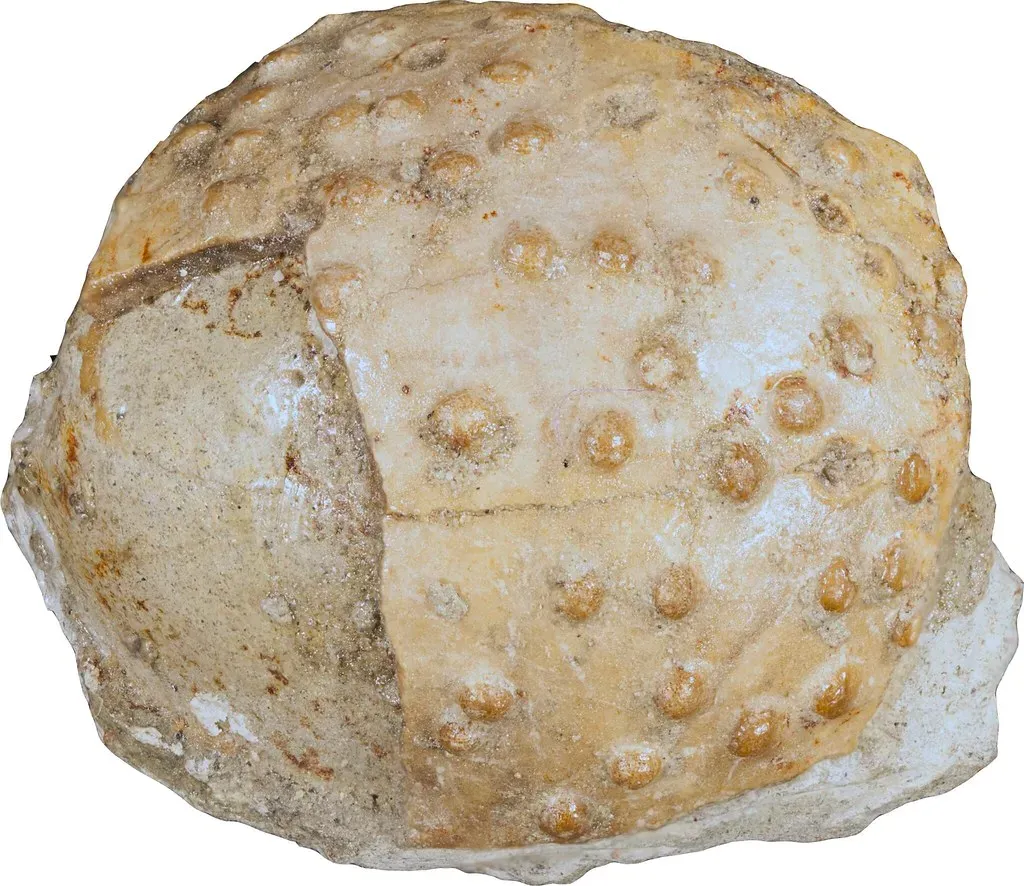
You might not think a fossilized eggshell could reveal much about parental behavior. Think again. As is the case with modern birds, different egg types relate to the ways adult dinosaurs behaved. “Even among only the hard eggs of dinosaurs, there are considerable differences in the architecture of the eggshell,” with such varied structure indicating “vastly different nest styles, incubation methods, and times between egg-laying and hatching.”
Patterns of eggshell preservation in a nest have been linked to nesting behavior and parental care. Lots of broken eggshell in a nest has been interpreted as evidence that hatchling dinosaurs remained in the nest for extended periods, as the eggshell may be broken because it was trampled by nest-bound hatchlings. This in turn implies that adults of at least some dinosaur species provided a degree of parental care for their young. It’s a brilliant piece of detective work – reading the story of a parent’s devotion from a pile of broken shell fragments millions of years old.
The Oviraptor Redemption: From Egg Thief to Devoted Parent
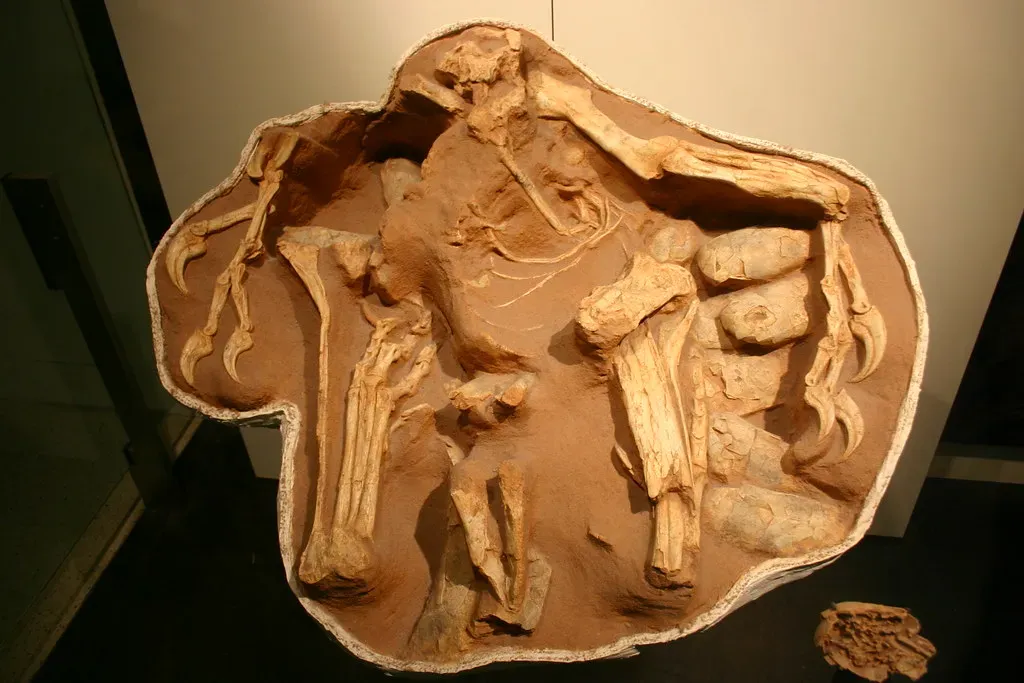
Few stories in paleontology are as satisfying as the rehabilitation of Oviraptor. Oviraptor, whose name is derived from the Latin for “egg thieves,” was first discovered in the 1920s in association with eggs thought to belong to the small ceratopsian dinosaur Protoceratops. Based on this find, scientists thought that Oviraptor may have stolen and eaten other dinosaurs’ eggs. It has now been confirmed that the eggs actually belonged to Oviraptor itself, and there is in fact no evidence it stole eggs. The poor creature was framed for nearly a century.
Scientists know from previous finds that oviraptorids laid two eggs at a time in a clutch of 30 or more. This means the mother would have had to stay with or at least return to the nest, lay her pair of eggs, arrange them carefully in the circle, and bury them appropriately every day for two weeks to a month. Those eggs would have taken months to hatch. While experts are still searching for definitive evidence, parent dinosaurs may have sat with these nests until the hatchling babies pushed their way out of the shells. That is not the behavior of a lazy, indifferent parent. That is commitment.
Brooding Giants: How Enormous Dinosaurs Sat on Eggs Without Crushing Them
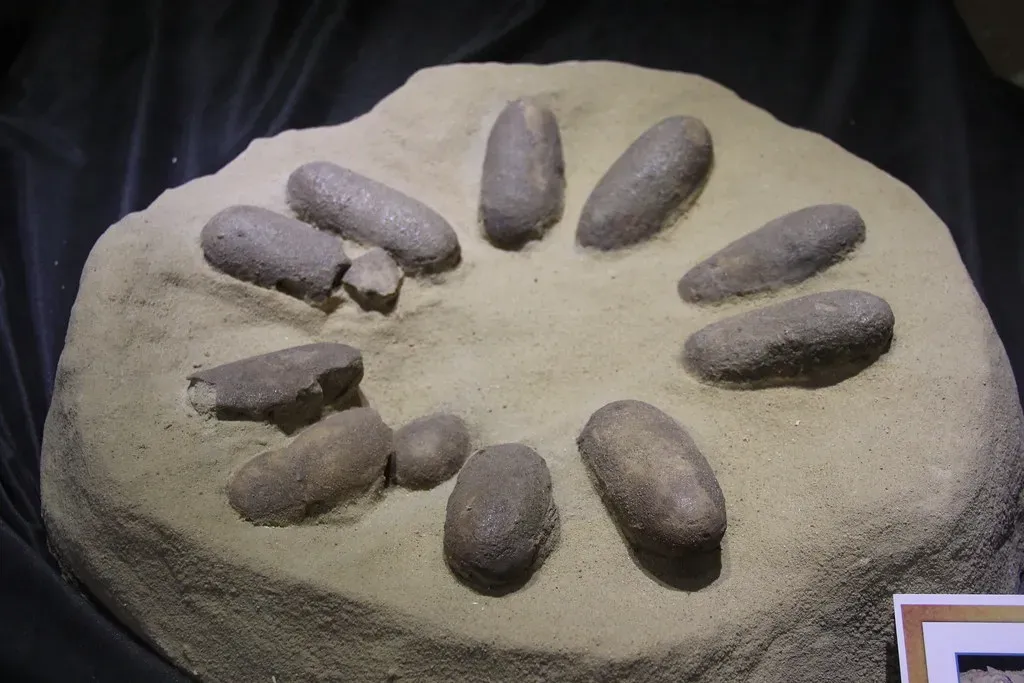
Here’s a question that sounds almost comical at first: how does a four-thousand-pound dinosaur sit on fragile eggs without turning them into an ancient omelet? One research team studied 40 nests built by oviraptorosaurs, birdlike dinosaurs that lived more than 65 million years ago. These animals ranged in weight from a few pounds to about 4,000 pounds, with the largest among them similar in bulk to a modern hippopotamus or rhinoceros. Their nests could be anywhere from about a foot wide to a colossal 10 feet.
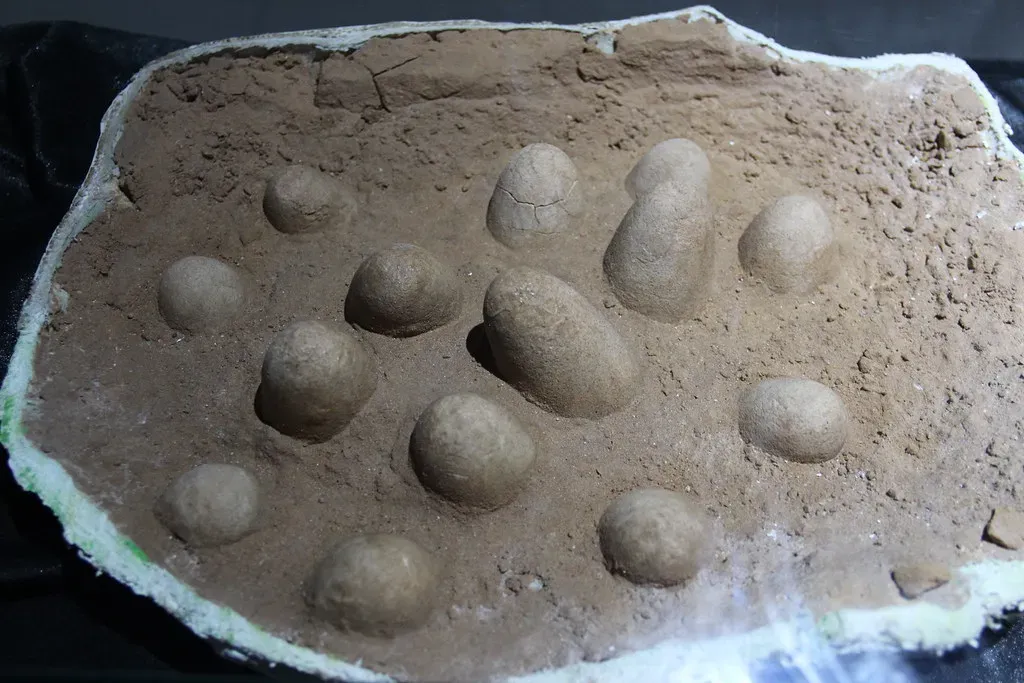
In smaller nests, eggs were clustered with little or no open space in the center. As the dinosaurs and their nests got bigger, the creatures left more and more space in the middle to sit, creating elaborate piles of eggs. It’s essentially the same engineering logic behind a bird’s nest, scaled up dramatically. One remarkable specimen died with its winglike arms still stretched over 12 eggs – a pose that today’s birds use to camouflage their eggs or protect them from the elements. That image is hard to shake once you’ve seen it.
Colonial Nesting and the World’s Oldest Nursery Site
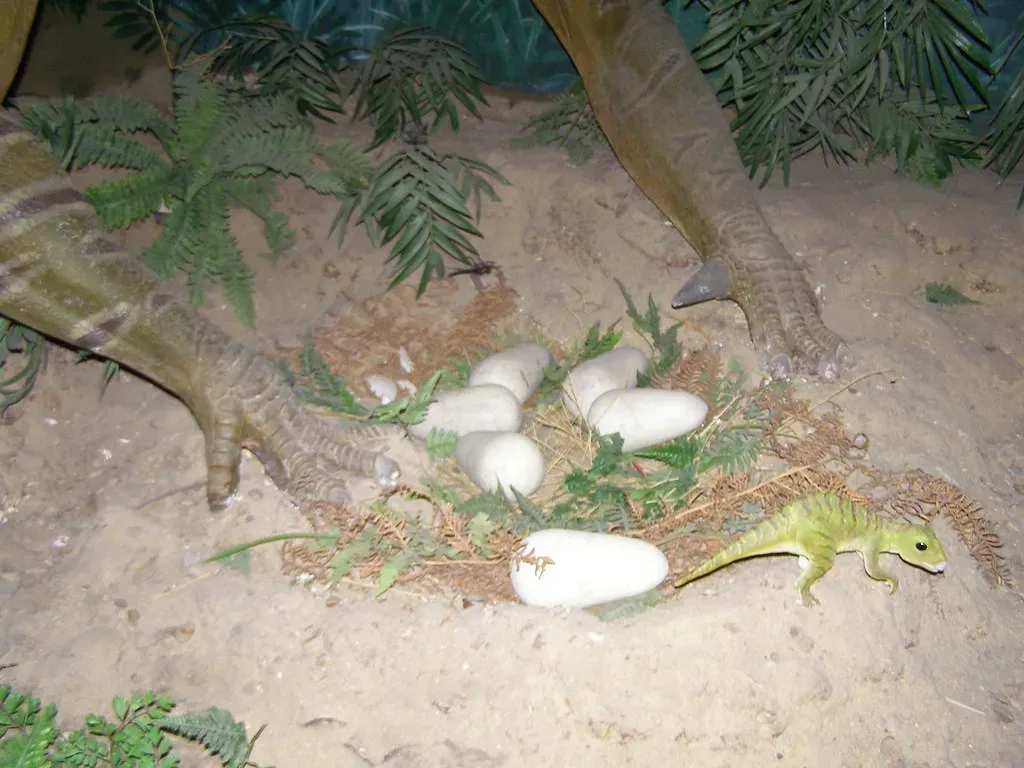
It turns out some dinosaurs were not just caring parents on an individual level but organized themselves into something resembling prehistoric neighborhoods. An excavation program at a South African site yielded multiple in situ egg clutches, documenting the oldest known dinosaurian nesting site, predating other similar sites by more than 100 million years. The presence of numerous clutches of eggs, some containing embryonic remains, in at least four distinct horizons within a small area provides the earliest known evidence of complex reproductive behavior including site fidelity and colonial nesting in a terrestrial vertebrate.
The presence of trackways at the site indicates that Massospondylus juveniles remained at the nesting site for some time after hatching, long enough for growth to have at least doubled the linear measurements of the foot, predating previous reports of extended nest site occupancy by more than 100 million years. Fossil evidence also suggests that Maiasaura parents nested in large colonies, creating a social structure similar to modern-day birds, with this communal nesting behavior providing several advantages in terms of protection and care for their hatchlings. Think of it like a prehistoric apartment complex, built not of brick but of instinct and survival.
What Modern Birds and Science Reveal About the Dinosaur Parenting Puzzle
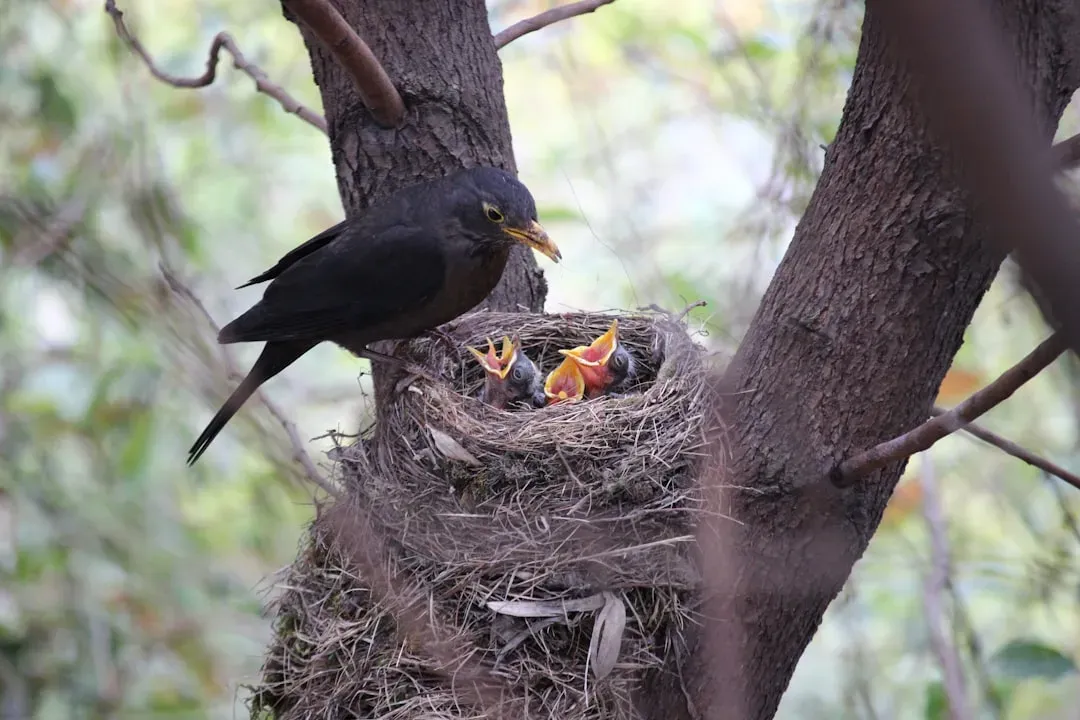
I think one of the most underappreciated tools in understanding dinosaur parenting is the simple act of looking out the window. Paleontologists can look at dinosaurs’ modern-day relatives – birds – for theories on ancient reptile behaviour. Modern ecology, the nest sites of modern ground-nesting birds like pelicans and gulls, can inform about dinosaur eggs and give insight into dinosaur behaviour. For example, if there are prey items near the nest, that suggests that adults would have been bringing food back to the nest to feed the babies.
The degree of ossification at hatching has also been used to interpret dinosaur parental behavior – if a hatchling had poorly developed bones that prevented it from immediately leaving the nest, the adults would have had to provide for the newly hatched young. Innovative research methods such as CT scanning and isotopic analysis allow for non-destructive examination of fossils, providing more data on eggshell composition and embryonic development and offering a clearer picture of dinosaur reproductive biology. Every new technique peels back another layer of a story that turns out to be far more emotionally resonant than cold-blooded reptiles have any right to be.
Conclusion: Ancient Love Etched in Stone
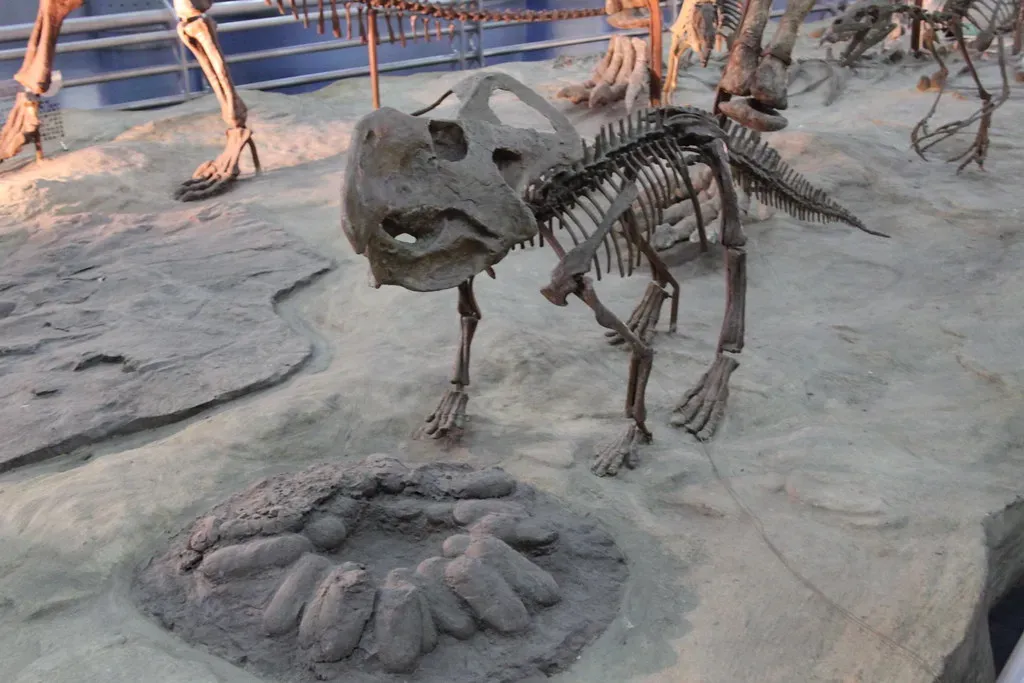
The fossilized nests of dinosaurs are not just scientific curiosities. They are preserved moments of care, of instinct, of a parent’s determination to give the next generation a fighting chance. From the colony nests of Maiasaura in Montana to the brooding oviraptorids of the Gobi Desert, the evidence is mounting and it is undeniable.
Parental care in dinosaurs matters in an ecological sense. It can show how behaviour changes in response to climate changes and other events, potentially showing us how behaviour could change today and whether there are animals we need to be looking at protecting now. There is something quietly profound about that thought – that understanding how a dinosaur loved its offspring tens of millions of years ago might help us protect the creatures alive on Earth right now.
The next time you see a bird tenderly feeding its chicks, you are watching a behavior that stretches back deep into prehistory. The nursery never really closed. What surprises you most – that dinosaurs were dedicated parents, or that it took us this long to figure it out? Share your thoughts in the comments.