When most people picture dinosaurs, they imagine ferocious, cold-blooded predators indifferent to everything except their next meal. That image, honestly, couldn’t be further from the full truth. Beneath all that prehistoric muscle and scale, a surprising number of dinosaur species were devoted, attentive parents – and the fossil record is packed with evidence to prove it.
Recent paleontological discoveries have dramatically transformed our understanding of dinosaur parenting behaviors, revealing sophisticated nesting strategies, complex familial structures, and nurturing behaviors that challenge our preconceptions. From clutches of carefully arranged eggs to ancient nesting colonies the size of small towns, the story of dinosaur parenting is one of the most emotionally resonant chapters in natural history. Be surprised by what science has uncovered.
The Discovery That Changed Everything: Jack Horner and Egg Mountain
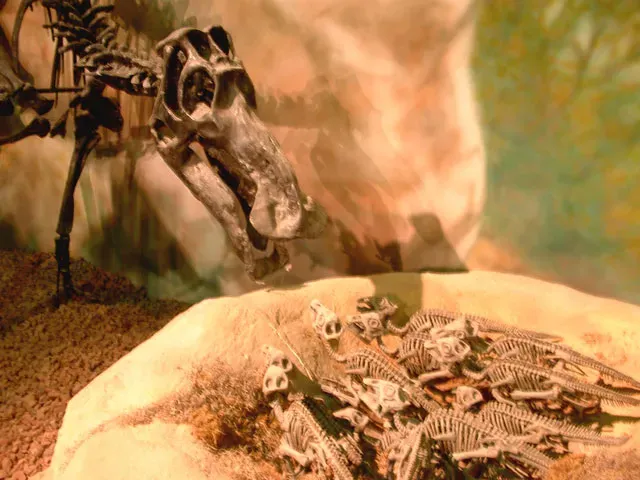
Few moments in science carry the same electric charge as the summer of 1978, when paleontologist Jack Horner and his research partner Bob Makela stumbled upon something extraordinary in the badlands of Montana. They found the remains of Maiasaura peeblesorum, whose name translates to “good mother lizard” – a duck-billed dinosaur species found alongside nests containing eggs, embryos, and juvenile specimens of varying ages, providing the first definitive evidence of parental care among dinosaurs. For a field that had long assumed dinosaurs were little more than glorified, egg-abandoning reptiles, this was nothing short of a revolution.
The site, later known as “Egg Mountain,” contained hundreds of nests arranged in a pattern suggesting these dinosaurs nested in colonies, much like many modern birds. This revolutionary discovery provided the first definitive evidence that at least some dinosaur species engaged in complex parental behaviors previously thought impossible for reptilian creatures. Think of it like discovering, for the very first time, that a creature you assumed was a monster was actually a devoted, community-minded parent. When Horner and Makela announced their discovery in Nature, it set the paleontological community ablaze. While it may be well-known now that some dinosaurs practiced parental behaviors, it was a complete novelty in 1979.
Maiasaura: The “Good Mother Lizard” and Her Remarkable Nest
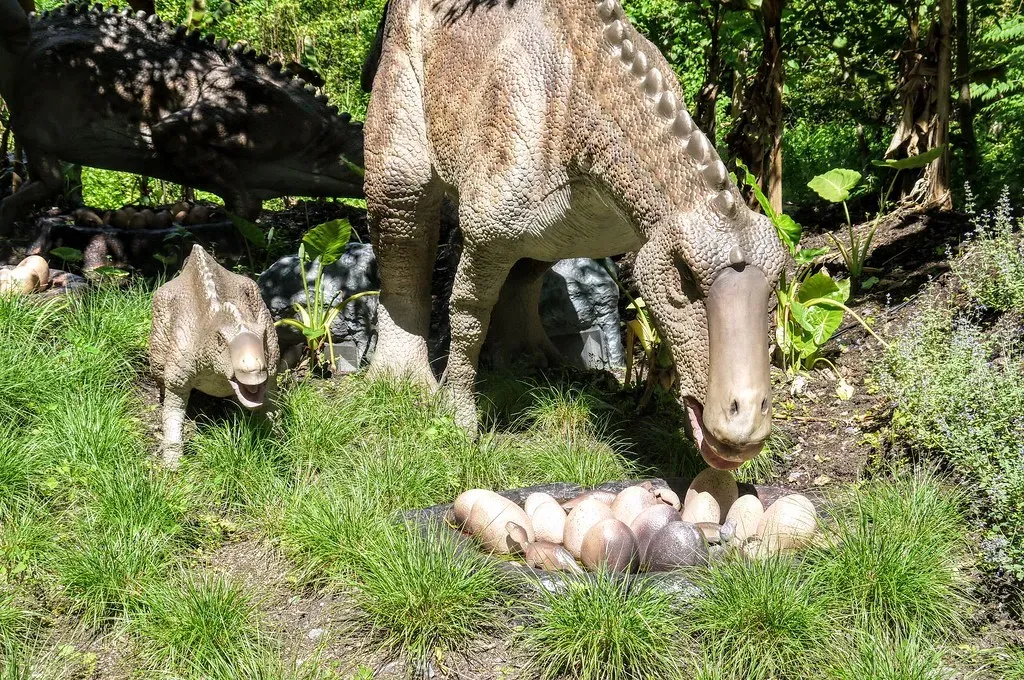
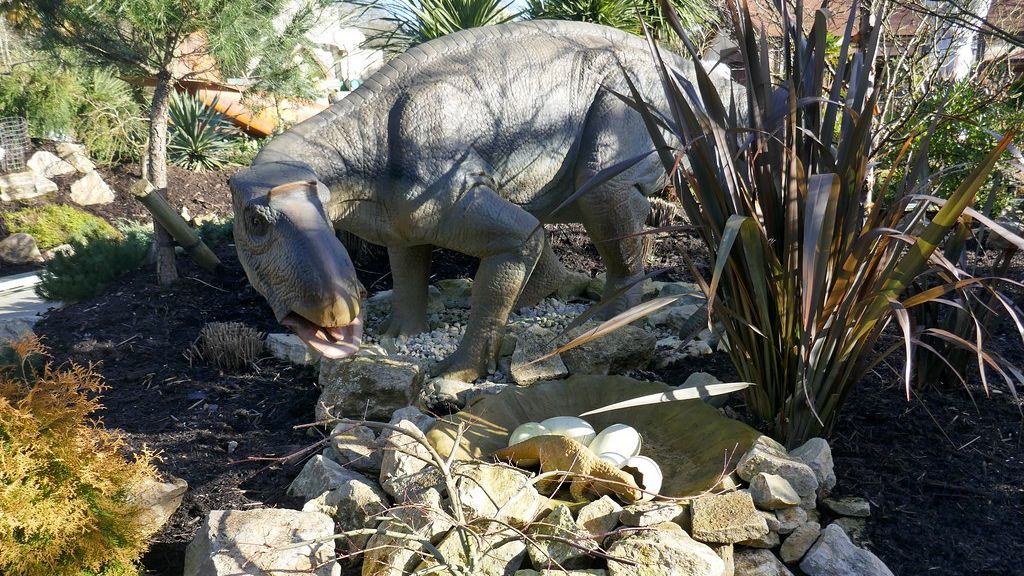
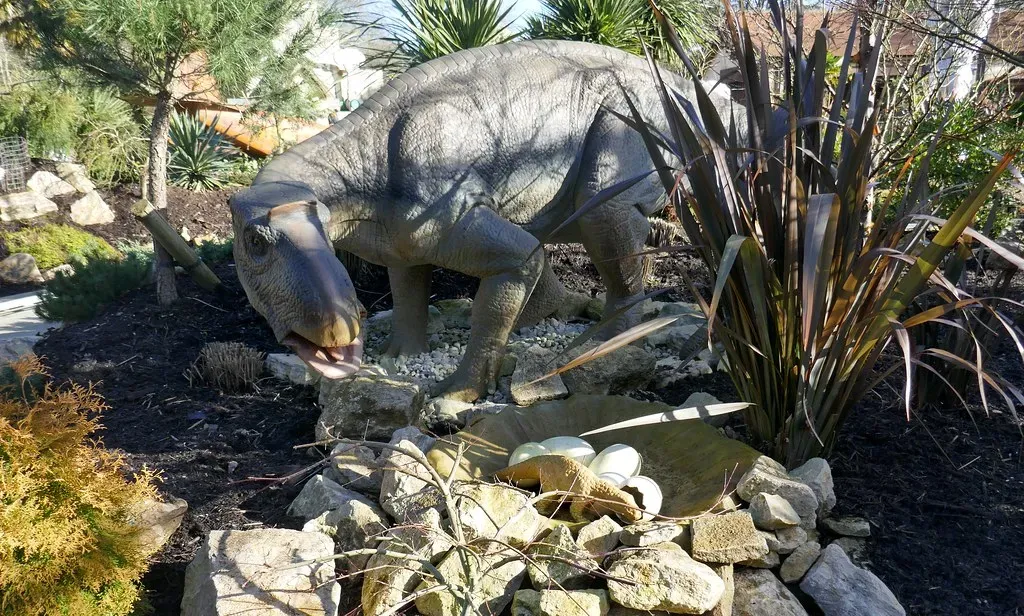
Maiasaura wasn’t an elephantine predator like T. rex or Giganotosaurus, but it was a great protector. Maiasaura was a medium-sized hadrosaur with a distinguishing crest between its eyes. As an adult, it was about 20 feet long, but when it was born, it was incredibly tiny with large eyes, a small head, and weak, skinny limbs. Because of this, hatchlings remained in their nests after their birth, relying on their parents for care and protection. You can almost picture it – a massive, lumbering dinosaur carefully tending a nest of babies barely the size of a shoe. It’s tender in a way that’s genuinely hard to wrap your head around.
Horner noted that the leg bones of hatchlings were underdeveloped, indicating they couldn’t have left the nest immediately after birth, implying parents must have brought food to the nest. Research showed that Maiasaura teeth had evidence of wear and tear, implying that the adults brought food to the nest to care for their young until they were old enough to fend for themselves. Because of their mother’s good care and the abundance of nutritious plants on the landscape, the young Maiasaura were able to grow from 1 foot to 10 feet within the first year! That kind of explosive growth only happens when parents are genuinely invested.
Oviraptor: From Accused Egg Thief to Devoted Parent
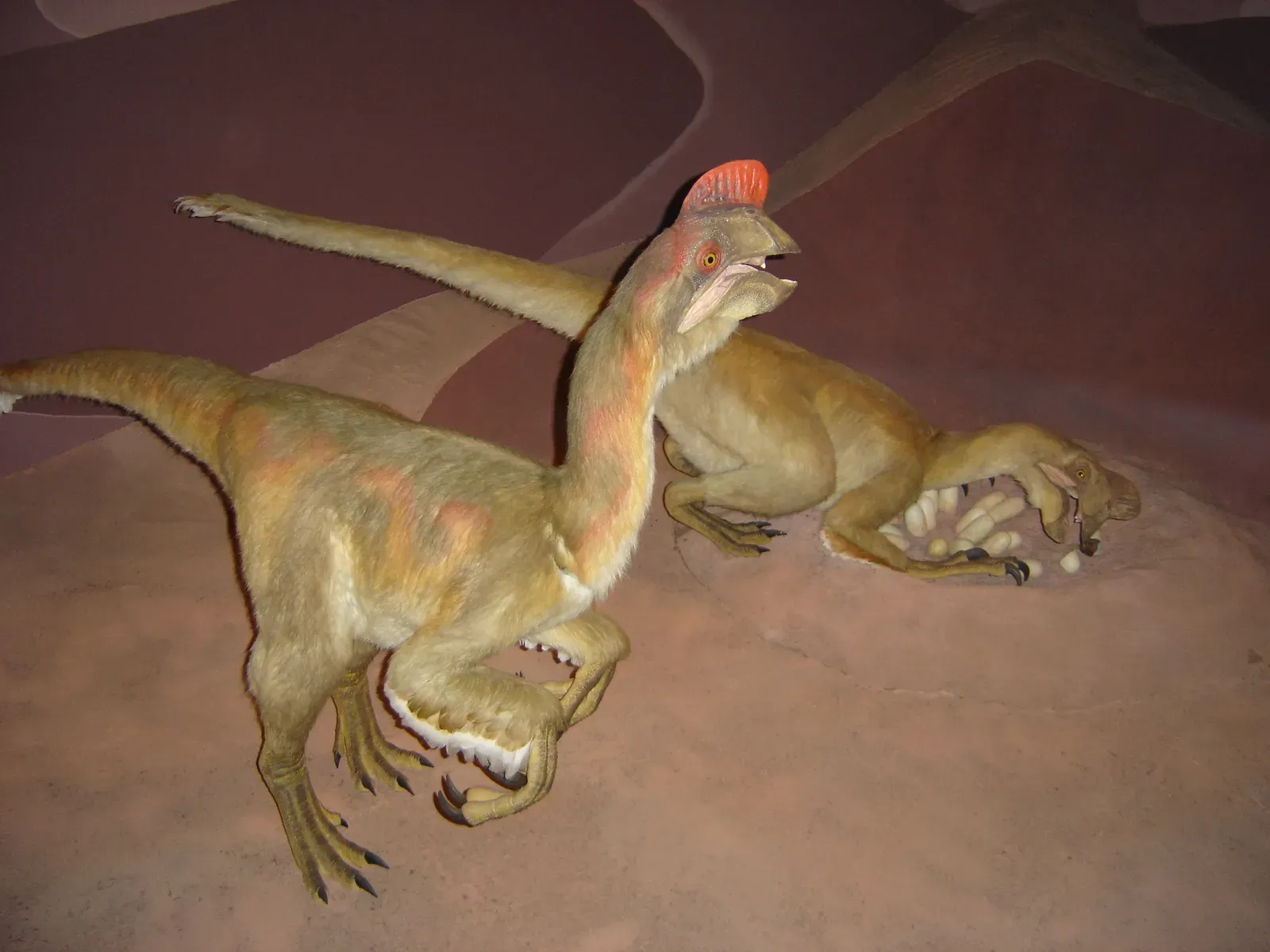
Here’s a story that deserves its own dramatic reversal. Oviraptor, whose name translates from Latin into “egg thieves,” was aptly named after being discovered with eggs that were assumed to belong to the small ceratopsian dinosaur Protoceratops. It was assumed that Oviraptor stole and ate other dinosaurs’ eggs. However, studies showed that those eggs actually belonged to Oviraptor, with evidence that the species, in reality, risked their lives for their young. For the dinosaur to be caught in the act suggests strong parental instincts to protect their young. It’s the equivalent of accusing someone of theft, only to discover they were protecting what was theirs all along.
Within 70-million-year-old rock deposits located in southern China’s Jiangxi Province, researchers unearthed a preserved fossil of an oviraptorosaur crouched over a nest of 24 eggs. Analyzing the oxygen isotopes of these embryos, researchers found the estimated incubation temperature was consistent with the body temperature of the parent, sitting somewhere between 30 to 38 degrees Celsius. “In the new specimen, the babies were almost ready to hatch, which tells us beyond a doubt that this oviraptorid had tended its nest for quite a long time.” You don’t get more committed than a parent that quite literally died at its post, still shielding its eggs.
“Big Mama” and the Citipati: A Fossil That Stopped the World
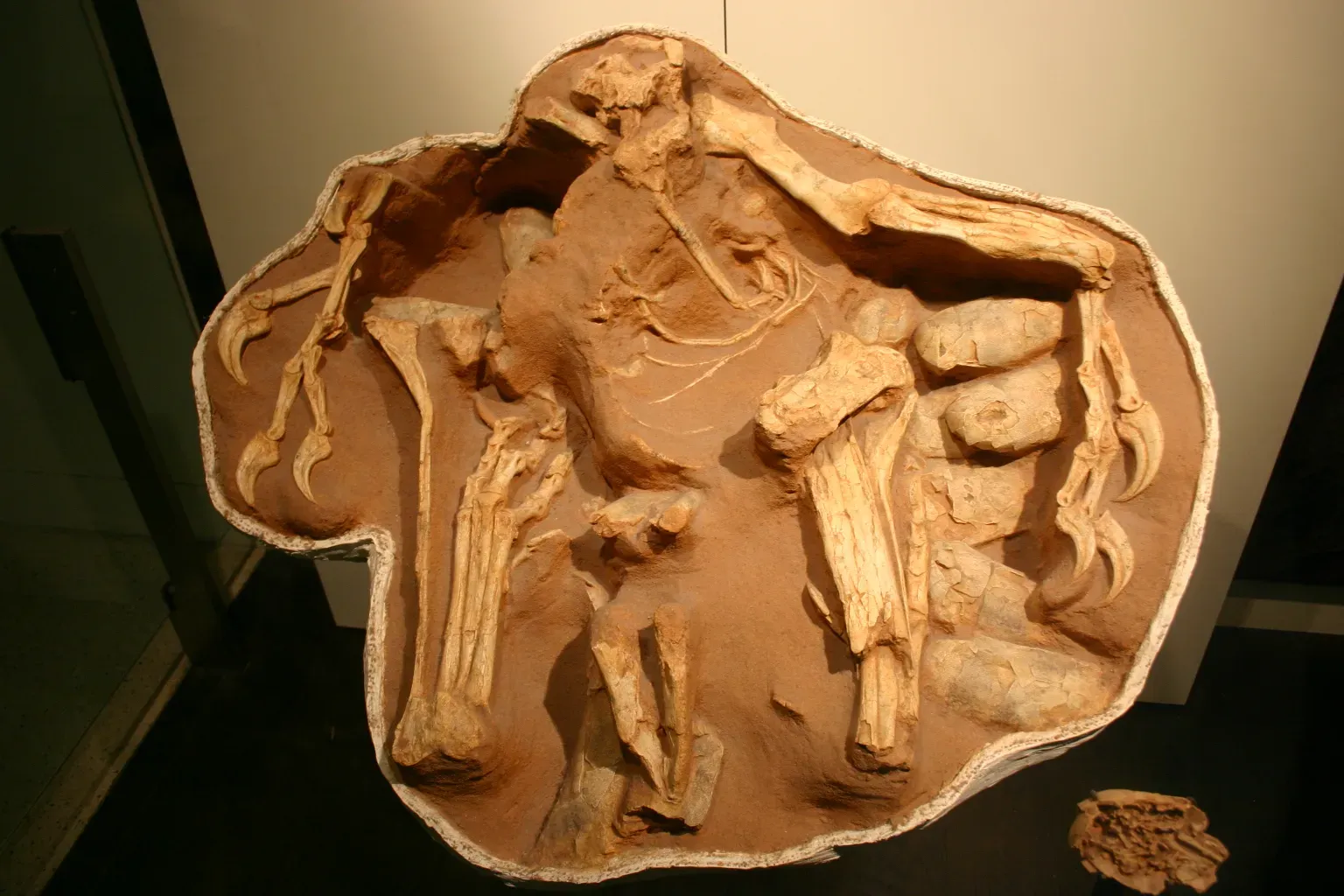
One remarkable discovery is the fossilized remains of “Big Mama,” a 75-million-year-old Oviraptorid. This dinosaur was found curled up on its nest of eggs, indicating a behavior of protective brooding at the expense of its own safety. The presence of such nurturing behaviors challenges the traditional notion of dinosaurs as ferocious and uncaring creatures. The nickname “Big Mama” practically wrote itself, didn’t it? There’s something almost heartbreaking about a creature frozen in time in the act of protecting its young.
The spectacular nesting Citipati fossil provides some of the most remarkable evidence of how these dinosaurs incubated their eggs. The large adult skeleton is preserved at the center of a ring of eggs, with its arms wrapped around the precious clutch. Unlike other dinosaurs, Oviraptorids built nests with care and employed unique incubation methods. They often laid their eggs in rings or stacks, allowing them to incubate without sitting on them directly. This not only protected the eggs from potential damage but also ensured a suitable environment for their development. The engineering of that nest layout alone speaks to a level of deliberate, instinctive intelligence that’s hard to dismiss.
The Father Who Brooded: Troodon and Paternal Care
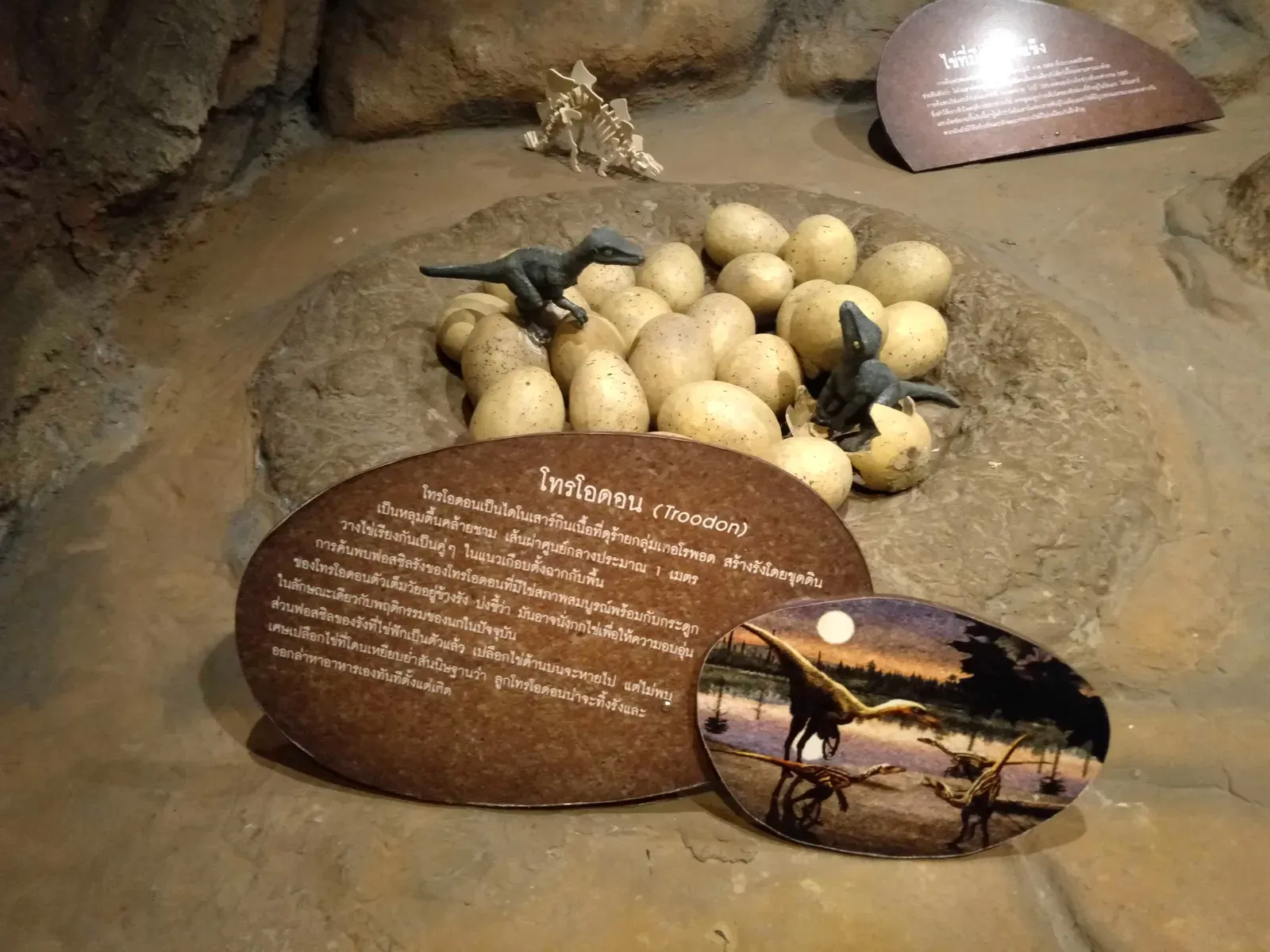
Most people assume that in the ancient world, parental care was exclusively a maternal affair. Troodon flips that assumption completely on its head. Paleontologists found skeletons of adult Troodon in close proximity to nests with eggs and juvenile animals, suggesting that the species may have brooded its eggs and displayed some form of parental care. By comparing the size and bone development of Troodon found near nest sites to living animals, researchers found that it was most likely male animals that were brooding the eggs. In addition, analyses of juvenile and hatchling Troodon indicated that the young may have required some parental care after hatching. According to paleontologists, Troodon constructed circular nests from dirt and other debris, with raised edges to keep the eggs contained.
The clutches so delicately incubated by Troodon, Oviraptor, and Citipati contained a substantial number of eggs, about 22 to 30 eggs apiece. Compared to most of the 433 living birds and crocodilians whose clutch sizes have been studied, the dinosaurs were sitting on far more eggs than animals of their size normally do. Species where both parents chip in, or where the mother takes the lead, usually settle for smaller clutches. Only those where the father does almost all of the work tend to rear such large broods. Paternal care in both troodontids and oviraptorids indicates that this care system evolved before the emergence of birds and represents birds’ ancestral condition. Think about that for a moment. The devoted, egg-warming modern bird daddy? He inherited it from a dinosaur father millions of years before him.
Colonial Nesting: Dinosaur Daycare Was Apparently a Real Thing
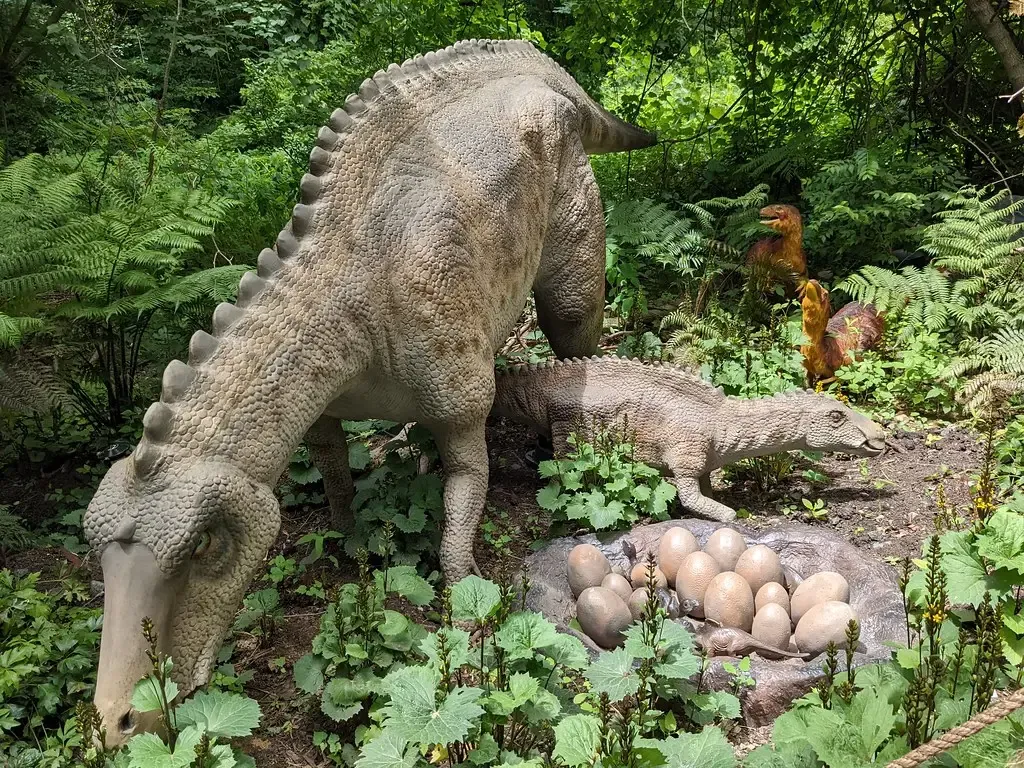
It turns out, some dinosaurs didn’t just parent alone – they parented together. Fossil evidence suggests that Maiasaura parents nested in large colonies, creating a social structure similar to modern-day birds. This communal nesting behavior provided several advantages in terms of protection and care for their hatchlings. There’s an appealing parallel here with modern bird colonies, where safety comes in numbers and the neighborhood essentially shares watchman duties over the young.
The Maiasaura’s nesting colonies also indicate a social structure that involved multiple adults working together to raise the young. This level of cooperative care is quite rare in the animal kingdom, further highlighting the advanced parental behavior exhibited by these dinosaurs. The discovery of trampled eggshells and plant matter in the nests suggests that the Maiasaura parents may have fed and cared for their young before they were old enough to leave the nest. Many Maiasauras made their nests in the same area, keeping them about 23 feet apart. That allowed the mothers space to walk between the nests without stepping on anyone else’s nest. It’s hard not to smile at the image of enormous dinosaurs politely respecting each other’s personal space like neighbors in a prehistoric suburb.
Sauropods and the “Lay and Leave” Strategy
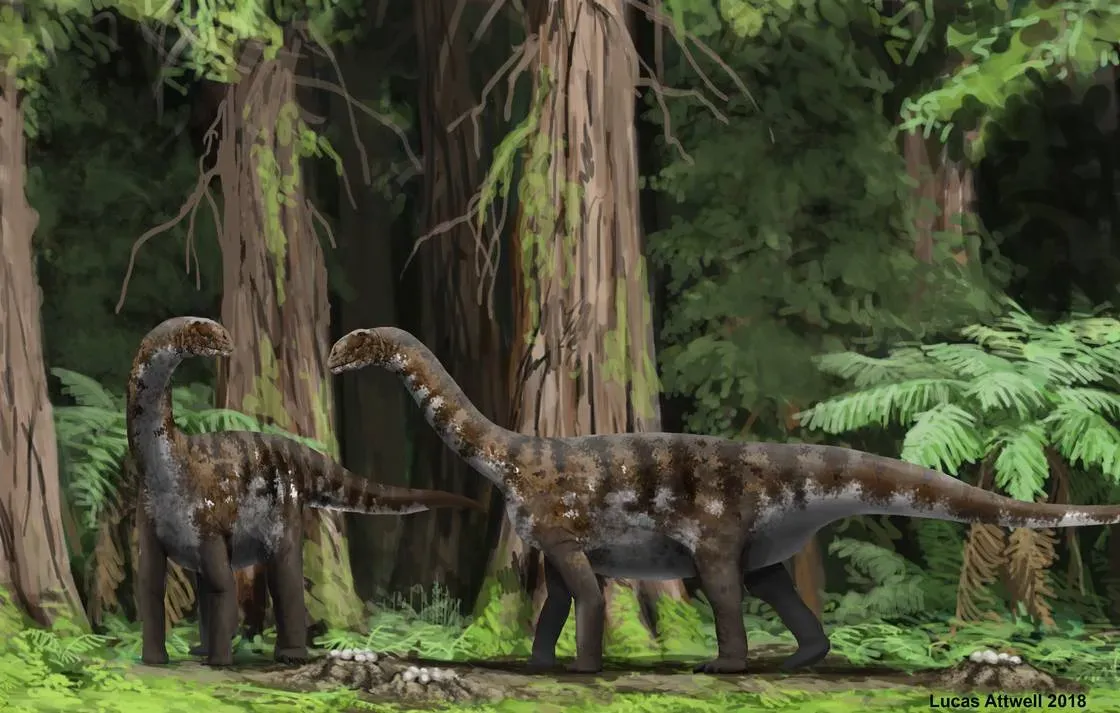
Not every dinosaur, of course, was a model parent. Let’s be real – the evidence for sauropod parenting tells a rather different story. Long-necked dinosaurs buried their eggs carefully, but like turtles, the evidence points to little further care – a strategy of “lay ’em and leave ’em.” Sauropods, such as the giant, heavy long-necked Brachiosaurus and Mussaurus, would have crushed their eggs if they were brooding on them, and they would have also risked crushing their babies if they were hanging out together a lot. They were more likely to lay their eggs and then let them hatch on their own without any parental care. Researchers have come to these conclusions because their fossilized eggs were soft-shelled and leathery, like those of modern reptiles.
If giant dinosaurs were nesting in colonies like seagulls and parents remained there until hatching, food resources for the parents would likely dwindle fast. The daily food requirements of large adult dinosaurs may have prevented them from looming over their nests until hatching day. For example, a juvenile Brachiosaurus the size of a sheep can’t reach vegetation 10 meters above the ground like a grown-up Brachiosaurus. It must feed in different areas and on different plants and face threats from carnivores that would avoid fully grown adults. As a young Brachiosaurus grows – from dog-sized to horse-sized to giraffe-sized to its final enormous proportions – its ecological role shifts continuously. In a sense, that dramatic independence shaped not just the animals but the entire ancient ecosystem around them.
What Modern Birds Reveal About Their Dinosaur Ancestors
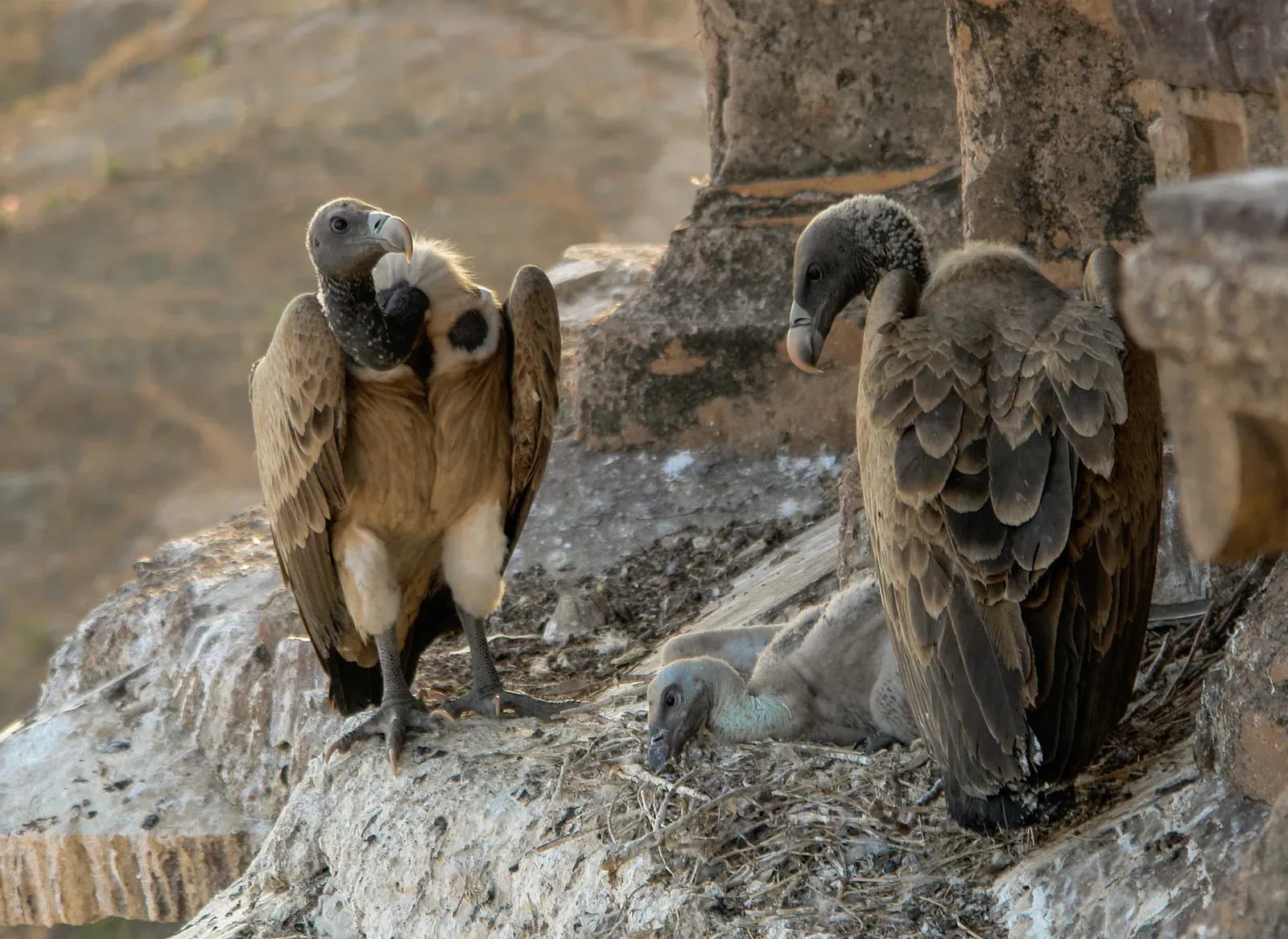
Contrary to popular belief, dinosaurs are more closely related to modern birds than to living reptiles such as the alligator or the crocodile. That connection isn’t just a fun fact – it’s a scientific lens that unlocks some of the most powerful insights into prehistoric parenting. Paleontologists can look at dinosaurs’ modern-day relatives – birds – for theories on ancient reptile behaviour. Today, researchers employ advanced technologies such as CT scanning, chemical analysis of fossils, and comparative studies with modern birds to reconstruct these ancient parenting behaviors. It’s a bit like detective work, piecing together the emotional lives of creatures from the architecture of their bones.
The common ancestor of all dinosaurs laid soft-shelled eggs buried in moist soil, and hard-shelled eggs evolved multiple times in several lineages. The rise of colored eggs in the fossil record coincides with the shift to partially open nests that dinosaurs incubated by sitting on them, much as many modern birds do. There is growing evidence for parental care in some dinosaurs as well, which carried over into birds. Parental care of offspring after birth, also known as extended parental care, is common among many vertebrates today, including birds, reptiles, mammals, fish, and amphibians. You don’t need to look far. That robin outside your window this spring, tirelessly bringing worms to a nest of gaping beaks? She’s carrying forward an instinct that stretches back roughly 230 million years.
Conclusion
The picture of dinosaur parenting that science has assembled over recent decades is genuinely extraordinary. These were not mindless beasts stumbling through a brutal world with zero emotional complexity. From the brooding behaviors of Oviraptorids like “Big Mama” to the nesting colonies of the Maiasaura, dinosaurs displayed a range of social and parental dynamics. These discoveries challenge the popular perception of dinosaurs as ferocious and uncaring creatures, emphasizing their capacity for nurturing and protective behaviors.
Through careful nesting, potential communal caregiving, and behaviors strikingly similar to those of modern birds, many dinosaurs demonstrated a profound commitment to nurturing their young. These insights not only reshape our understanding of dinosaur behavior but also deepen our appreciation for the evolutionary roots of parental care that continue to echo through the animal kingdom today. The next time you watch a bird tend its nest, remember – you’re watching one of the oldest parenting traditions on Earth, one that was already ancient long before any human ever walked the planet. What does that say about the deep, unbroken thread of life that connects us all? What do you think about it? Share your thoughts in the comments below.