When most people picture a dinosaur, they imagine a lumbering, mindless beast driven purely by instinct. A scaly giant crashing through prehistoric forests, killing whatever happens to wander too close. Honestly, that image couldn’t be further from the truth. The more paleontologists dig into the fossil record, the more a strikingly different picture emerges – one of calculated predators, sensory sophistication, and what can only be described as genuine tactical thinking.
You might be surprised to learn that these ancient hunters employed methods that rival the strategies used by some of today’s most intelligent apex predators. From coordinated group behavior to extraordinary sensory systems fine-tuned for the kill, the evidence is mounting, and it’s nothing short of extraordinary. Let’s dive in.
The Big Brain Question: Were Dinosaurs Actually Smarter Than We Thought?
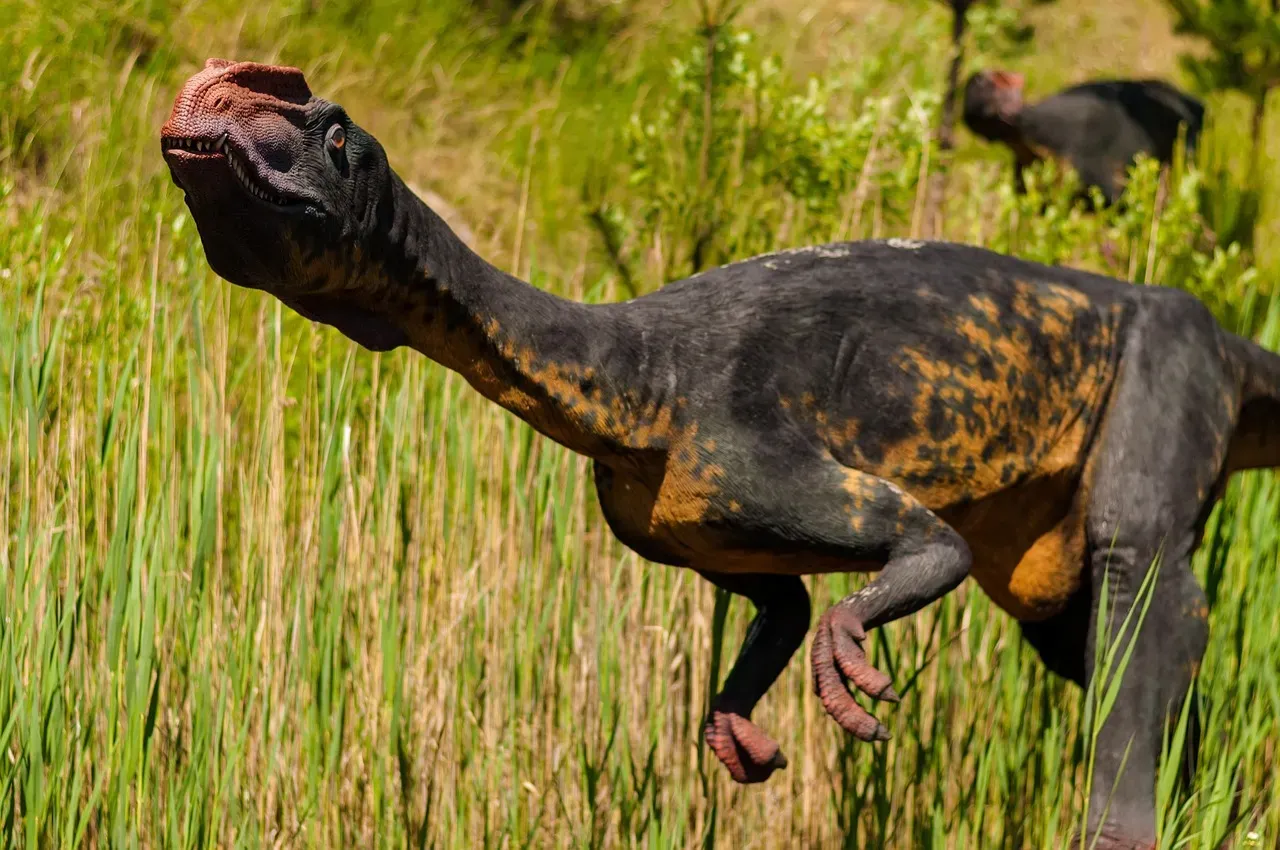
For a long time, science wrote off dinosaurs as slow-witted creatures barely capable of basic survival. That view has aged badly. Advancements in paleontology, particularly the development of the encephalization quotient in the 1970s, shifted these views significantly. The EQ measures brain size relative to body mass, suggesting that some dinosaurs, particularly theropods, may have had intelligence levels comparable to modern birds. That’s not nothing. Modern birds, after all, are widely considered among the most cognitively complex animals on Earth.
Recent research utilizing computed tomography has enabled scientists to create accurate models of dinosaur brains, allowing for more comprehensive analyses of their cognitive capacities. Notably, studies indicate that theropod dinosaurs may have had higher neuron densities similar to those found in modern primates, hinting at sophisticated intelligence. Think about that for a moment. We’re talking about creatures from over sixty-five million years ago potentially carrying brains wired more like a primate than a lizard.
Evidence suggests that theropods were probably smarter than their prey. Their brain casts are often twice as big as herbivores of the same size. This cognitive edge wasn’t accidental. It was a predatory advantage, refined over millions of years of evolutionary pressure. The hunters needed to outsmart their prey, and the fossil record suggests many of them did exactly that.
Troodon: The Einstein of the Dinosaur World
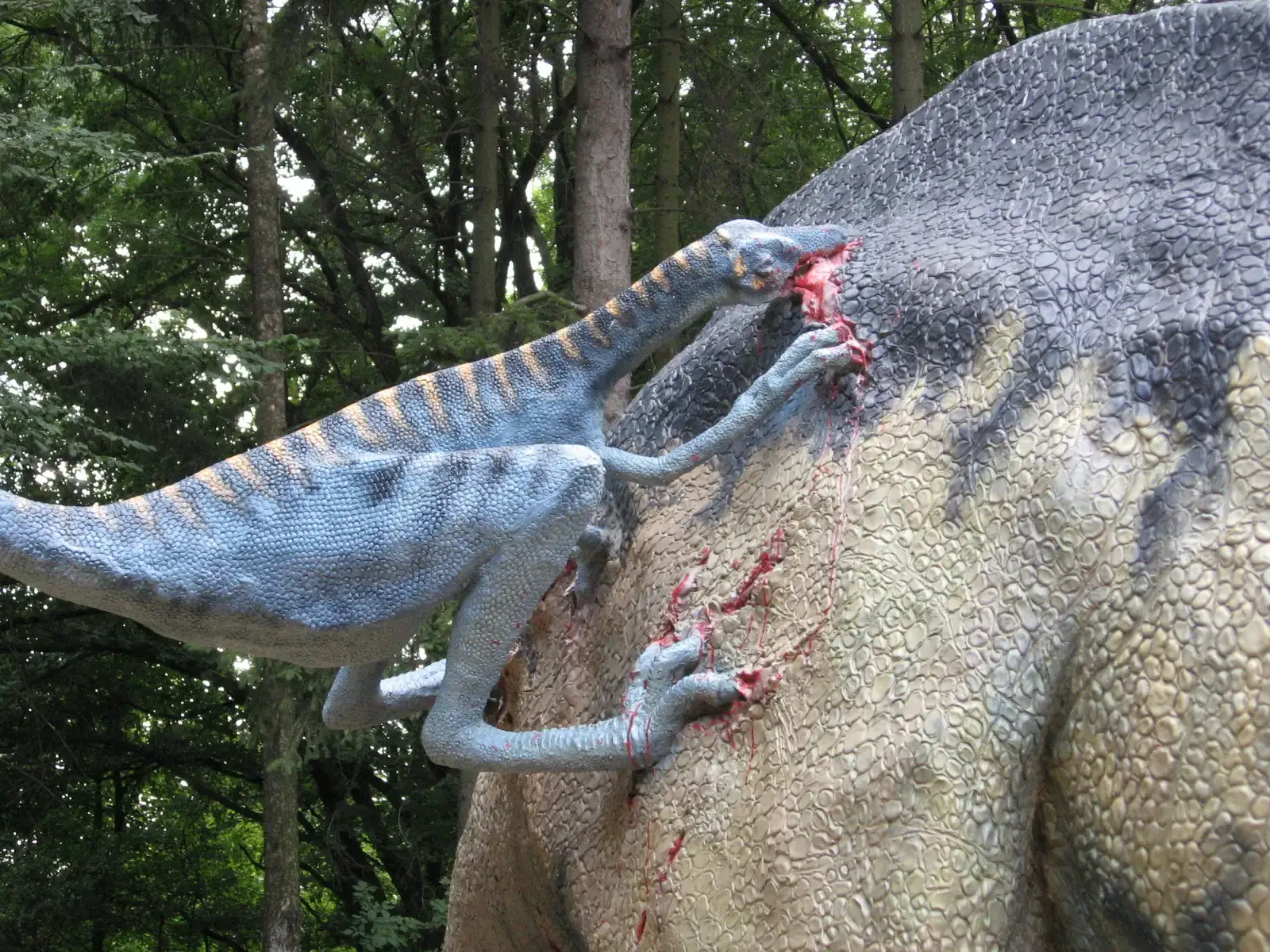
If you were going to put a face to dinosaur intelligence, it would almost certainly belong to Troodon. Troodon is often cited as the smartest dinosaur due to its exceptionally large brain relative to its body size. Paleontologists believe that Troodon had a brain-to-body ratio comparable to modern birds, suggesting advanced cognitive abilities. For context, a brain-to-body ratio like that in the Cretaceous period was essentially unheard of.
Among the dinosaurs that show some indications of high intelligence, Troodon is often considered one of the contenders for the title of the “smartest” dinosaur. It lived during the Late Cretaceous period and had a relatively large brain-to-body size ratio compared to other dinosaurs. This suggests a potential for advanced cognitive abilities. Its forward-facing eyes, binocular vision, and depth perception indicate a level of visual acuity, which may have been advantageous for hunting and navigation.
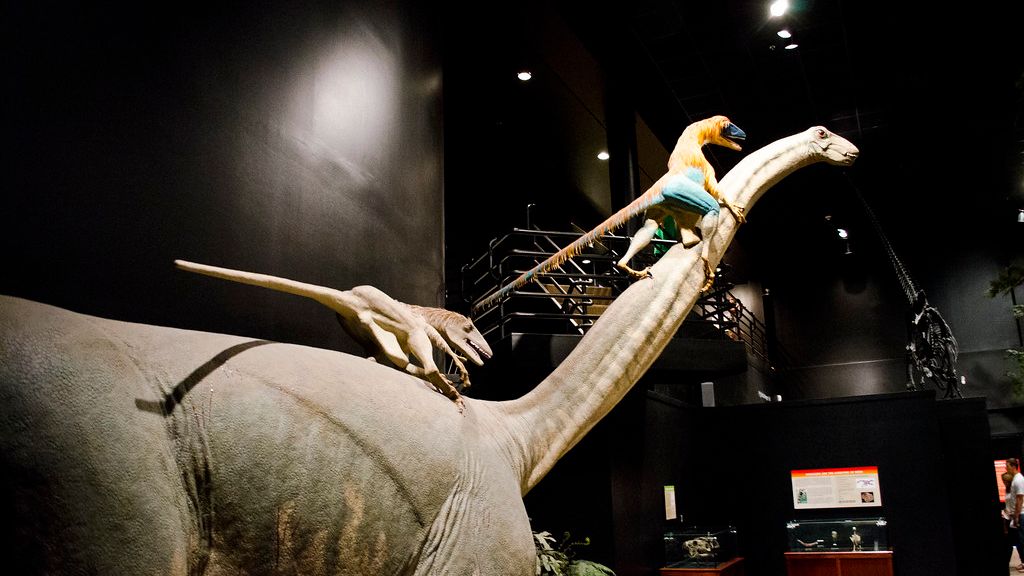
Troodon’s hunting strategy combined stealth with intelligence. These bird-like predators would use their excellent hearing and vision to locate prey in the darkness, then approach silently, using their sharp claws and teeth to dispatch victims before they even knew they were being hunted. It’s essentially the prehistoric equivalent of a perfectly executed ambush by a special operations unit.
Velociraptor’s Tactical Brilliance and Sensory Edge
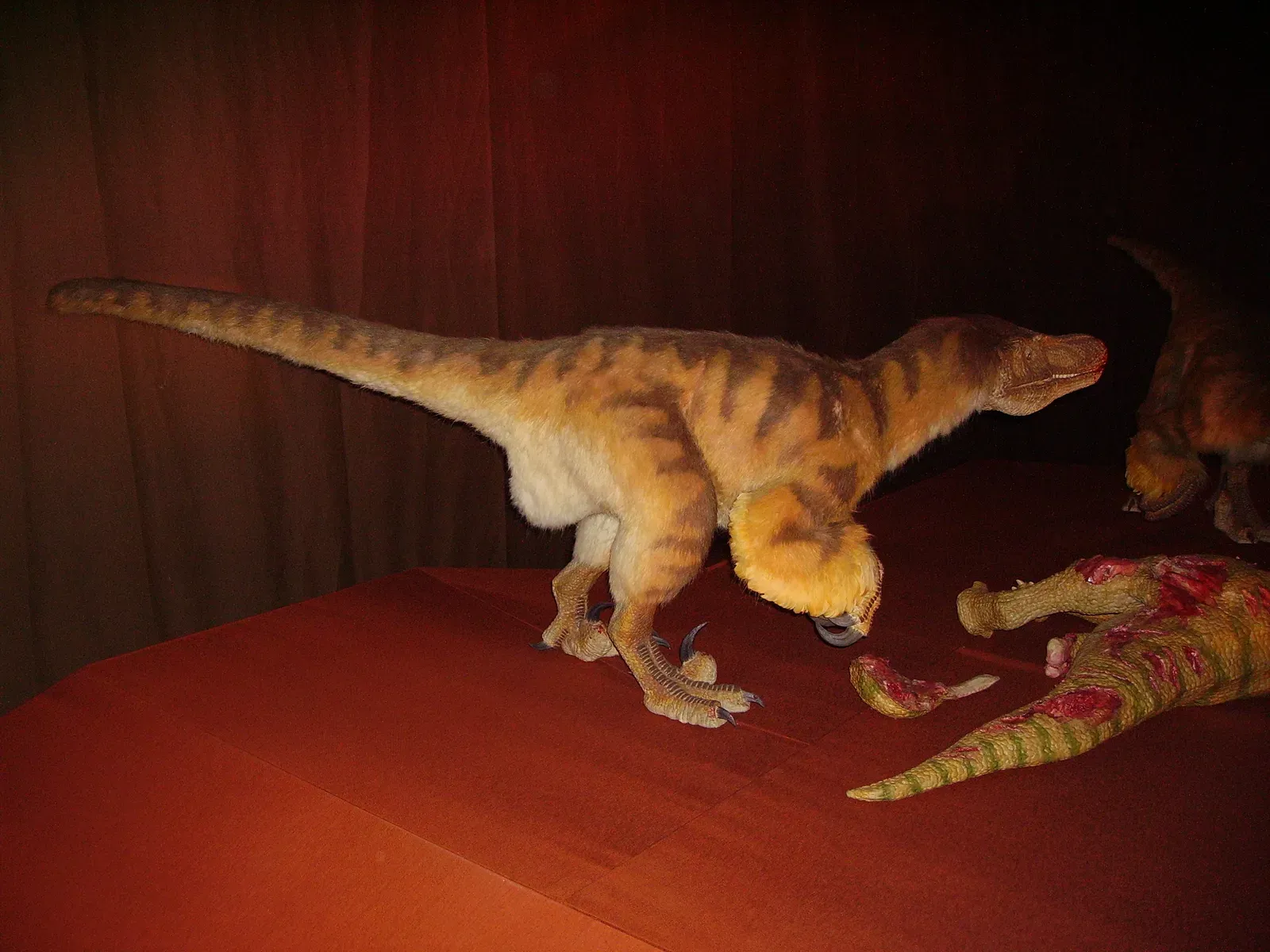
Let’s be real, you already had a feeling Velociraptor would show up here. With its scientific name translating to “swift thief,” Velociraptor was one of the fastest dinosaurs to ever roam the planet, equipped with a long tail to maintain balance and large sickle-shaped claws to slice and puncture prey. Its brain size was proportionally larger than other dinosaurs, signifying a higher intelligence and the potential for complex predatory behaviors.
Evidence from fossilized remains suggests that Velociraptor had advanced sensory capabilities, including keen vision and a highly developed sense of smell, which would have enhanced its ability to locate and track prey. Here’s the thing: a predator with both sharp eyes and a sensitive nose is extraordinarily difficult to hide from. You wouldn’t just need to stay quiet – you’d need to disappear entirely.
Velociraptor, known for its high intelligence and advanced sensory abilities, employed sophisticated hunting strategies enhanced by its anatomical features and potential social behaviors. Its keen vision and sense of smell, coupled with a flexible neck, strong legs, and a retractable sickle-shaped claw, facilitated precise ambushes and rapid prey capture. Evidence suggests it may have engaged in pack hunting, potentially involving cooperative strategies. That’s a formidable combination by any measure, ancient or modern.
The Pack Hunting Debate: Teamwork or Just a Happy Accident?
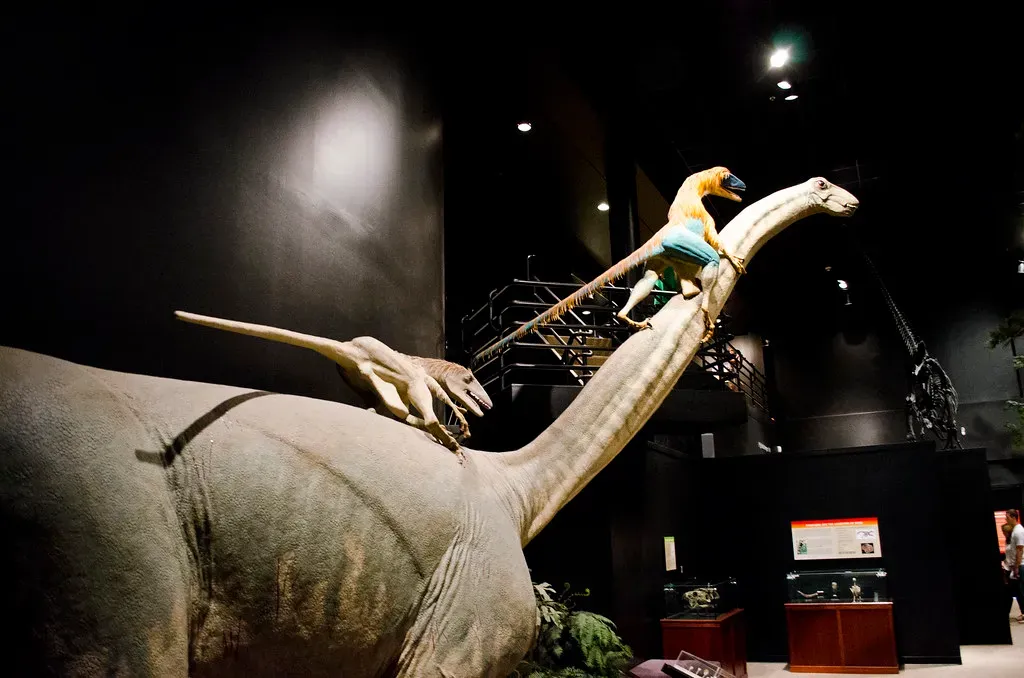
Few topics in paleontology spark more heated debate than whether certain dinosaurs truly hunted in coordinated packs. The pop culture image of raptors working together like furry little military strategists is incredibly appealing. The reality, however, is more nuanced. In 1969, paleontologists found the partial remains of Tenontosaurus alongside at least four similarly shredded Deinonychus. At that time, researchers proposed that the carnivores hunted cooperatively to bring down the herbivore before evidently succumbing to early deaths themselves. This 112-million-year-old “crime scene” is at the origins of the dinosaur pack hunting hypothesis.
Much of the evidence in favor of pack hunting is circumstantial, say paleontologists. Still, that hasn’t stopped the evidence from piling up in intriguing ways. The evidence is piling up, and the latest addition is a pile of bones encased in a nine-ton block of sandstone. Once quicksand, the sandstone block now holds the fossilized bones of at least six Utahraptors, including an adult, four juveniles and a baby. Six individuals of the same predatory species, fossilized together, near a herbivore carcass. That’s hard to dismiss.
It may well be the case that some dinosaurs, both smaller raptors and larger theropods, adopted elements of pack behavior. Honestly, it’s hard to say for sure whether this was true cooperative strategy or opportunistic feeding. But the sheer number of multi-individual predator sites being uncovered suggests there’s more to the story than lone-wolf hunting.
The Tyrannosaur’s Supercharged Senses: Built to Hunt, Not Blunder
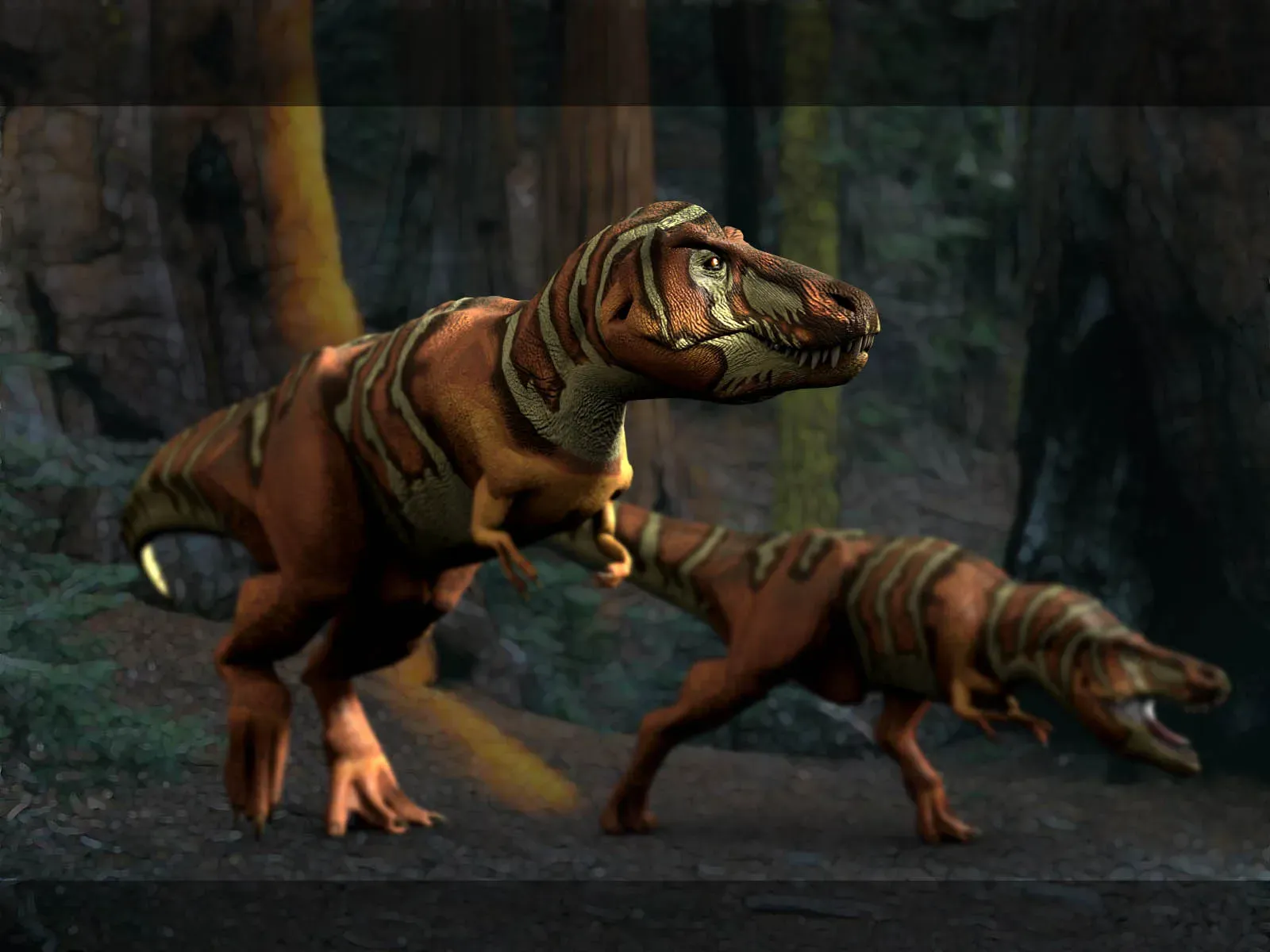
Popular culture has done T. rex a great disservice by painting it as a clumsy, sight-challenged brute. The science tells a completely different story. T. rex brains show unusually large olfactory regions for a dinosaur, indicating the species had an exceptionally keen sense of smell. Fossil evidence shows that some of its sensory organs and processing centers were super-sized, giving this hunter exceptional abilities to track its prey. Think of it like a bloodhound the size of a school bus.
The dinosaur had visual acuity likely among the best in terrestrial life. Studies suggest its visual clarity may have been up to 13 times sharper than that of a human, allowing it to discern objects at vast distances. Yes, you read that correctly. Thirteen times sharper. The old Jurassic Park idea that you could freeze and become invisible to a T. rex? Pure fiction, and rather entertaining fiction at that.
Far from having poor vision, T. rex had forward-facing eyes that gave it depth perception, much like modern hawks or lions. A study using facial reconstructions found T. rex had a binocular vision range of about 55 degrees, surpassing that of a hawk. CT scans of its skull show a well-developed optic nerve, suggesting T. rex’s eyesight was as good as that of an eagle or other bird of prey. Combine that with its extraordinary sense of smell, and you have a predator built not to miss.
Tyrannosaurs Adapting Their Strategies as They Aged
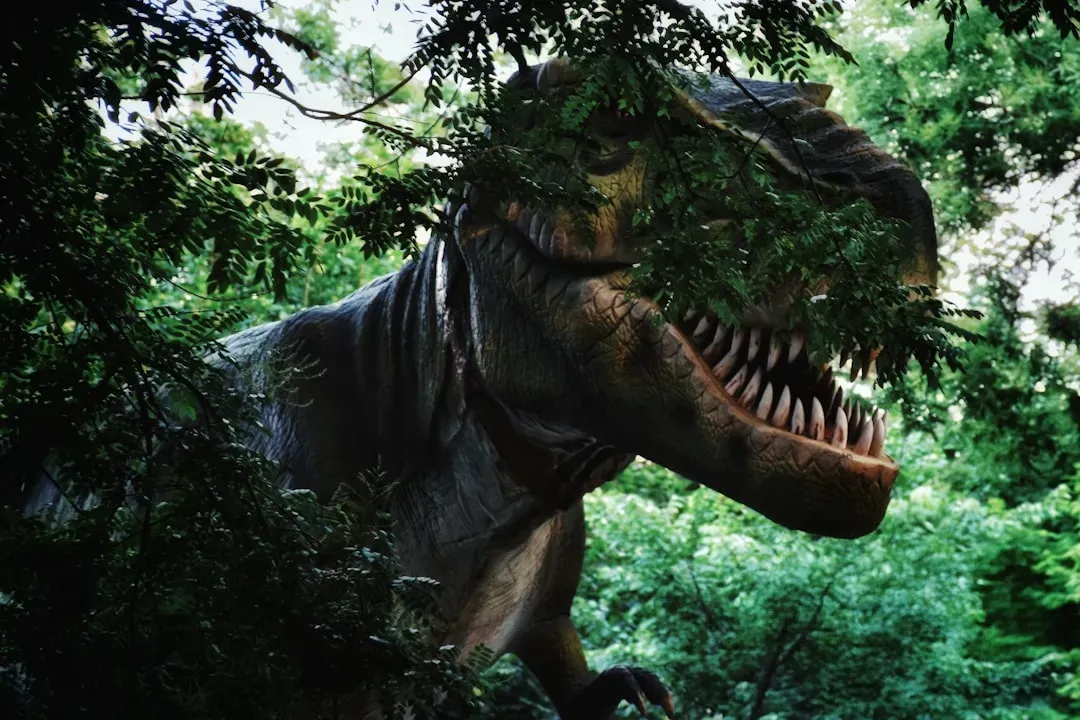
One of the most compelling signs of behavioral sophistication in dinosaurs is the evidence that at least some species changed as they matured. That’s not instinct alone – that’s something closer to learned adaptation. As T. rex matured from a slender, agile young dinosaur into a large adult, its feeding strategy may have evolved. Juvenile T. rexes were lighter and had longer legs relative to their bodies, which likely enabled them to chase down smaller prey. In contrast, as they grew bulkier, adult T. rexes might have ambushed larger prey or scavenged carcasses more frequently.
Adult Tyrannosaurus rex would be able to prey on larger and armored dinosaurs on a more regular basis compared to a juvenile, as it would be better capable of crushing through various exterior layers of the dinosaur and more likely to have a successful hunt. The juvenile Tyrannosaurus rex would mostly hunt smaller prey with relatively less body armor than other dinosaurs. This age-based specialization mirrors what we see in modern apex predators like lions and Komodo dragons.
This type of age-dependent diet is also observed in modern Komodo dragons: young Komodo dragons hunt insects and lizards, while adult dragons can take down larger animals, such as water buffalo, or scavenge from carcasses. The parallels between ancient tyrannosaurs and modern apex predators are striking. Nature, it seems, arrives at the same intelligent solutions across vastly different time periods.
What Fossil Trackways Reveal About Dinosaur Cognitive Behavior
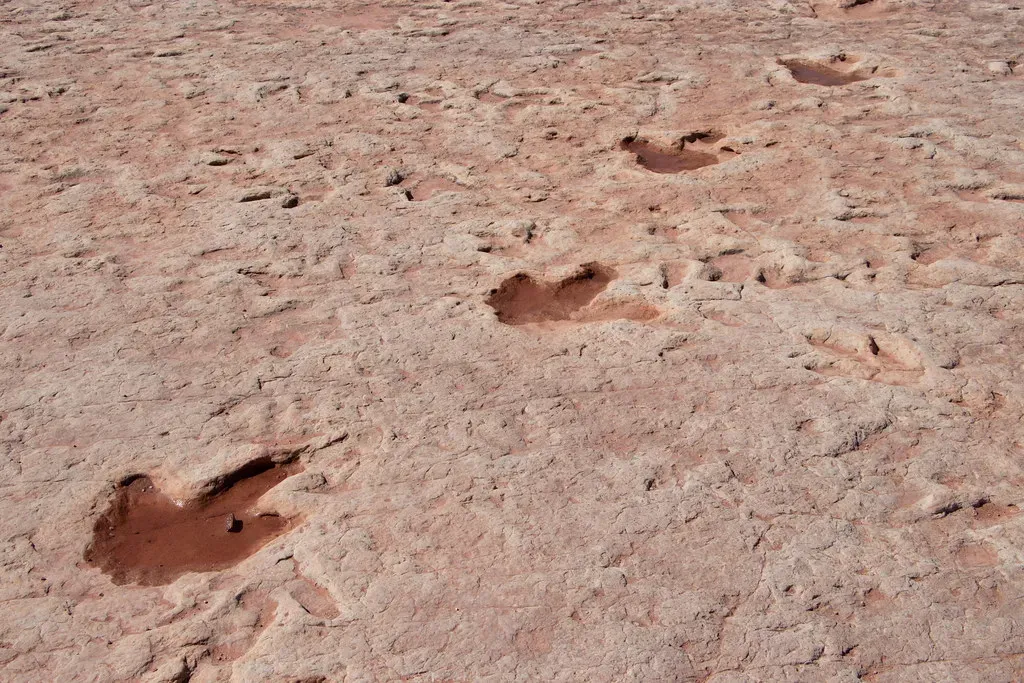
Bones tell us what dinosaurs looked like. Trackways tell us how they thought. What fossil tracks tell researchers is that predatory dinosaurs were cognitively and behaviorally very much like birds, not like crocodiles or other reptiles. These dinosaurs must have had bird-like cognitive abilities for complex social behaviors, parenting, and even cooperative hunting strategies. That’s a genuinely profound shift in how we understand these animals.
T. rex footprints were made by three different individuals, walking together in a group. As terrifying as T. rex is, the picture these footprints evoke is even more horrifying: the predatory monsters hunting in packs. Three large tyrannosaurs moving in deliberate formation. You can call that coincidence once. Three individuals moving together in apparent coordination is harder to explain away.
When looking for behavior in the fossil record, trackways provide wonderful information. Measuring the length between strides can determine how fast an animal was moving. The arrangement of tracks can demonstrate that some dinosaurs stayed with their young. Even these subtle behavioral clues, preserved in stone for tens of millions of years, paint a picture of animals far more socially and cognitively complex than the old stereotype ever allowed for.
Conclusion: Ancient Hunters That Deserve a Rethink
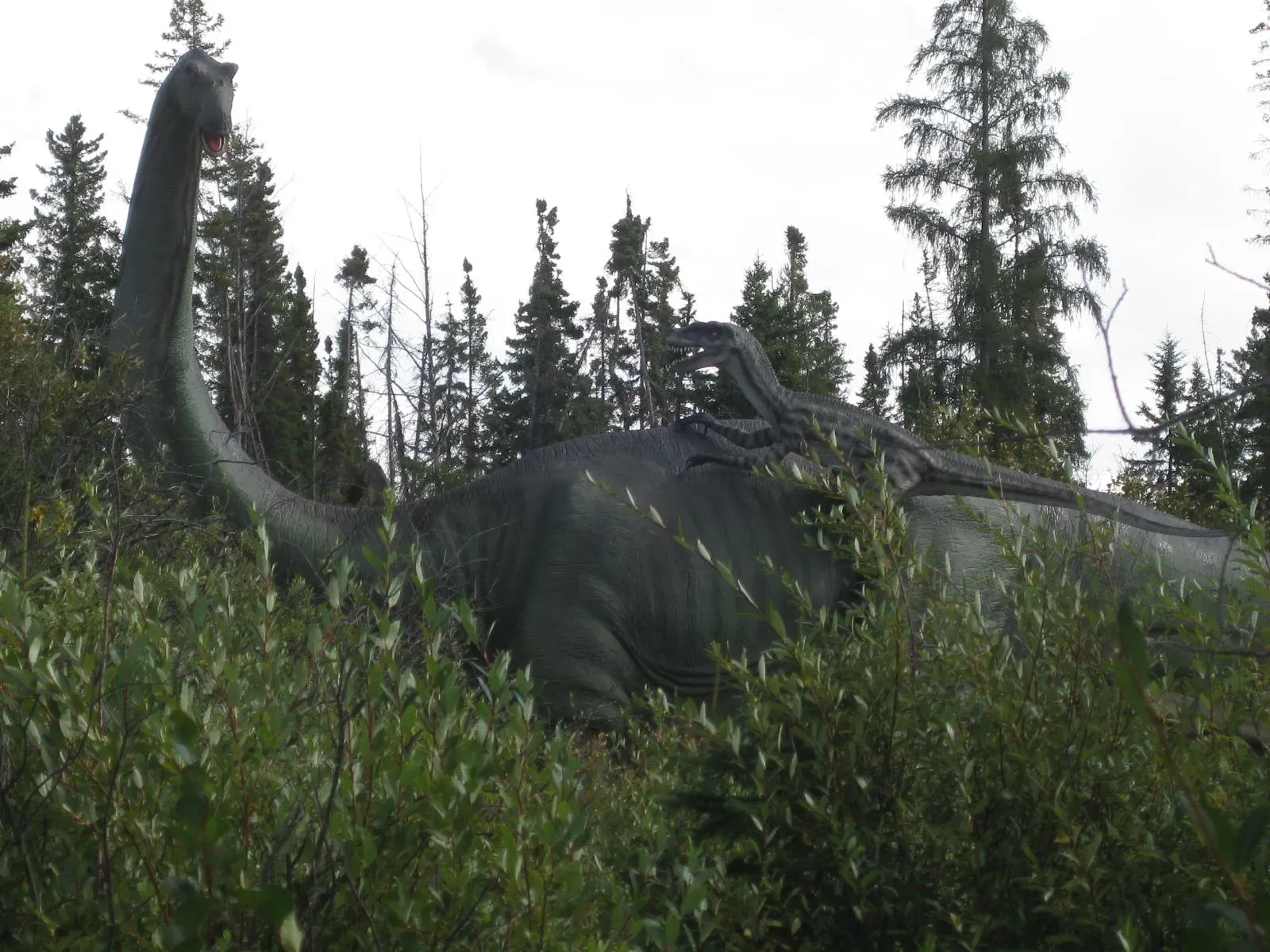
The picture that emerges from decades of paleontological research is nothing short of remarkable. Dinosaurs were not the dim-witted, lumbering creatures of outdated science textbooks. They were, in many cases, highly tuned hunting machines, with sophisticated senses, adaptable strategies, age-dependent behaviors, and possible social coordination that rivals the predators we see thriving on Earth today.
From Troodon’s remarkable brain-to-body ratio to Velociraptor’s precise ambush tactics, from T. rex’s razor-sharp vision to fossil trackways showing group movement, the evidence stacks up compellingly. Every new dig, every CT scan, every chemical analysis of fossilized teeth adds another layer to a story that keeps getting more interesting.
Perhaps the most humbling takeaway here is this: these animals dominated the planet for over 160 million years. Intelligence, in all its ancient forms, had something to do with that. What does it make you think about what else we might still have wrong about prehistory?