If you grew up imagining dinosaurs as giant, scaly brutes that relied mostly on brawn, you’re missing the most fascinating part of their story. The more scientists dig into fossil skulls, brain casts, and even microscopic structures in bones, the more it looks like many dinosaurs were not just big – they were exquisitely tuned sensing machines. You are living at a moment when this picture is changing almost monthly, and it completely reshapes how you imagine these animals moving, hunting, hiding, and communicating.
When you hear that dinosaurs had great senses, it’s easy to shrug and think, of course predators needed good eyesight. But what you are starting to learn goes far beyond that simple idea. Some species may have heard low rumbles like elephants do, tracked magnetic fields like migrating birds, or even sensed tiny changes in air pressure to detect approaching storms or prey. Once you see dinosaurs through this lens, they stop being distant monsters and start looking like real, complex animals that navigated their world in ways you can barely experience yourself.
Dinosaurs Did Not Just See – They Aimed With Their Eyes
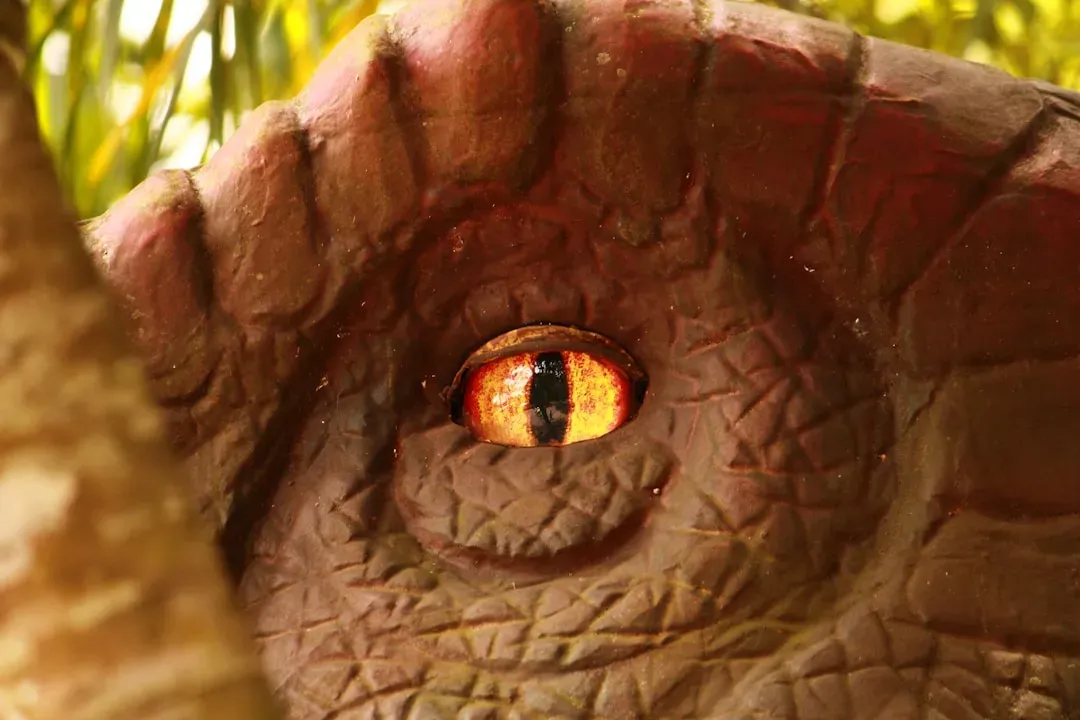
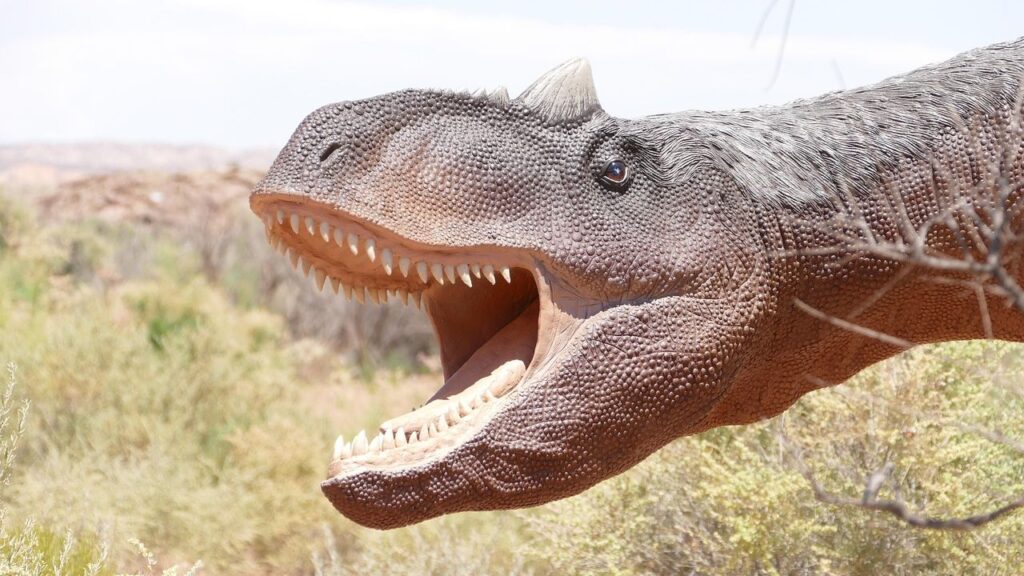
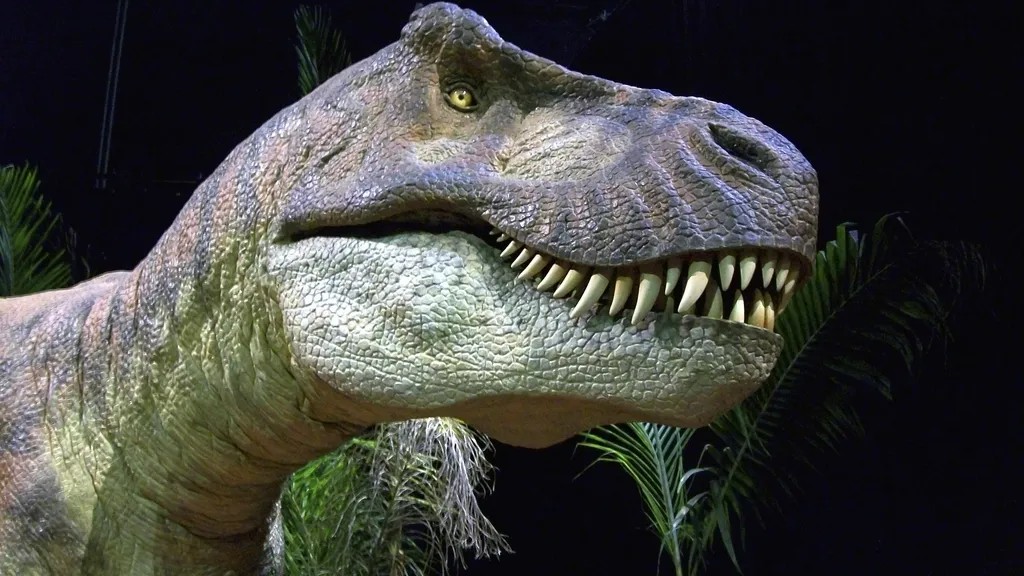
One of the most surprising things you discover when you look at dinosaur skulls is how much effort evolution poured into their vision. In many theropods, the group that includes famous species like Tyrannosaurus and Velociraptor, the bony eye sockets and surrounding openings suggest large eyes and forward-facing vision. That forward orientation gives you binocular overlap, which is what lets you judge distance accurately – the same trick your own eyes use when you catch a ball or park a car.
Researchers study the shape and angle of these sockets and reconstruct the likely field of view, and the results tell you something important: some dinosaurs probably had excellent depth perception. For a predator that lunges, bites, or grabs with its claws, that is priceless. It means that when you imagine a big carnivore attacking, you should not picture a clumsy swing in the dark. Instead, think of an animal that could line up a bite with unnerving precision, much like a hawk targeting a rabbit from the air.
Hearing In Dinosaurs May Have Reached Into Rumbles You Can Hardly Feel
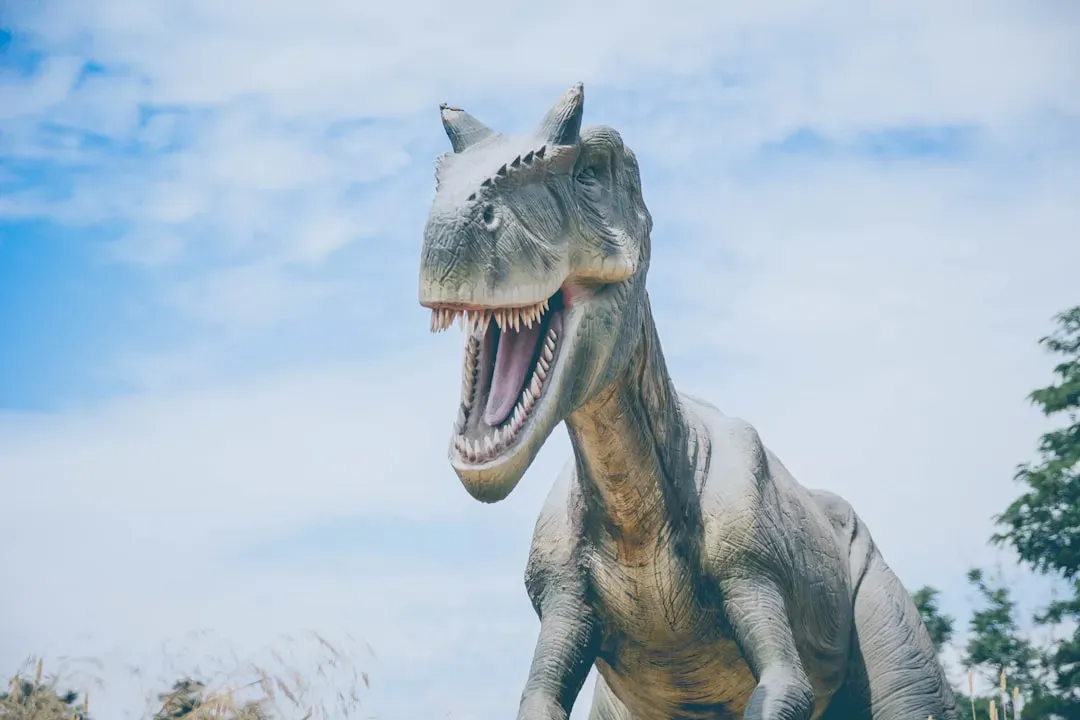
You might assume that because most dinosaur ears are long gone, you could never really know how well they heard. But the inner ear leaves bony traces inside the skull, especially in the form of the cochlea, the spiral or tube-like structure tied to hearing range. When you look at the fossils, some dinosaurs show elongated cochlear regions, hinting that they were sensitive to lower-frequency sounds than you are.
This kind of low-frequency hearing opens an entirely different soundscape. You can imagine large dinosaurs rumbling to each other over long distances, like modern elephants do, using sounds that travel far through the ground and air but sit partly below what your ears usually notice. If that is right, then a dinosaur herd might have been in constant quiet communication, layered on top of any vocal calls you would have actually heard, creating a hidden conversation in bass notes beneath the world you think you’d perceive.
Balancing Tails and Inner Ears Turned Some Dinosaurs Into Moving Gyroscopes
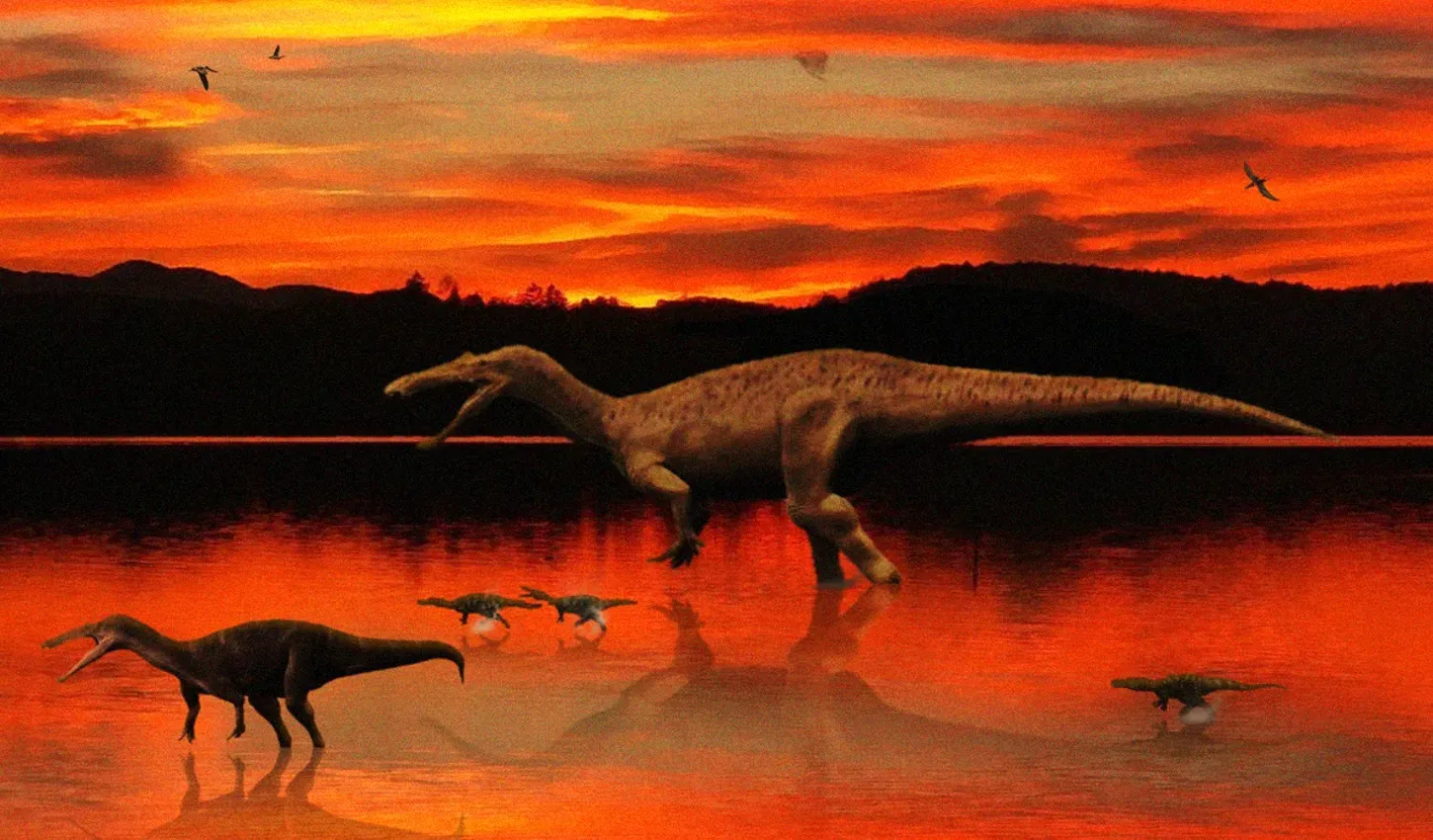
Balance is one of those senses you only think about when it goes wrong, like when you spin too fast and feel dizzy. Dinosaurs, especially the agile, bipedal ones, needed superb balance simply to stay upright while moving at speed. Inside the skull sits the vestibular system, a set of canals in the inner ear that help you track head movement and orientation. In many small theropods and early birds, these canals are relatively large and well developed, suggesting rapid, precise head control.
Pair that with the famous stiffened tails of many dinosaurs, and you get what amounts to an integrated stabilizing system. You can think of it like a tightrope walker’s pole fused to a built‑in motion sensor. This kind of setup would have let some species twist, pivot, and dodge with shocking agility, whether they were chasing prey or trying not to become it. When you picture these animals now, you can let go of the idea of a lumbering reptile; instead, imagine a parkour athlete with a tail, constantly adjusting its center of gravity on the run.
Smell Was a Dinosaur Superpower You Would Probably Lose To
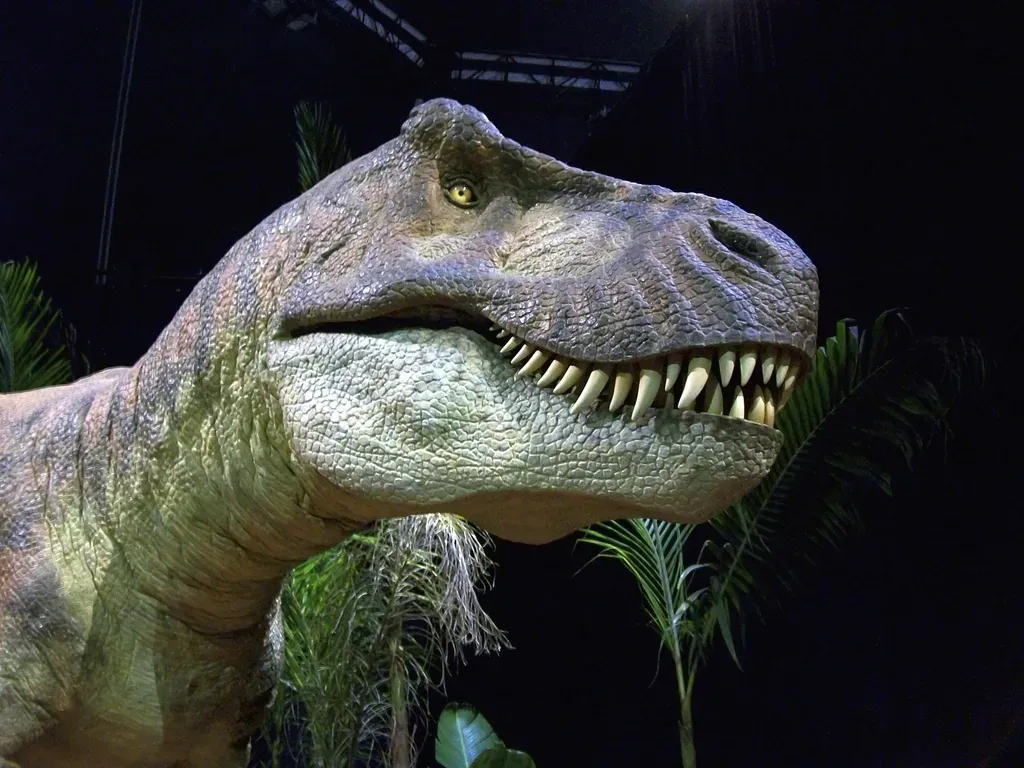
If you could somehow go nose‑to‑nose with certain dinosaurs, you’d likely be outclassed before you even inhaled. Paleontologists can estimate the relative importance of smell by looking at the size of the olfactory bulbs and associated brain regions in endocasts, which are reconstructions of the brain cavity inside the skull. In some large predators, these areas are impressively big, hinting that tracking scents was a major part of how they understood the world.
This matters for more than just hunting. A powerful sense of smell could help you find mates, recognize offspring, detect rivals, and avoid dangerous environments. Imagine being able to smell a storm front, a fresh carcass, or a hidden predator the way you currently use your eyes. For certain dinosaurs, especially the big land-roaming ones, smell may have been as rich and informative as vision is for you now, giving them a three-dimensional map of their surroundings made entirely of invisible chemical trails.
Skin, Feathers, and Scales May Have Felt Much More Than You Think
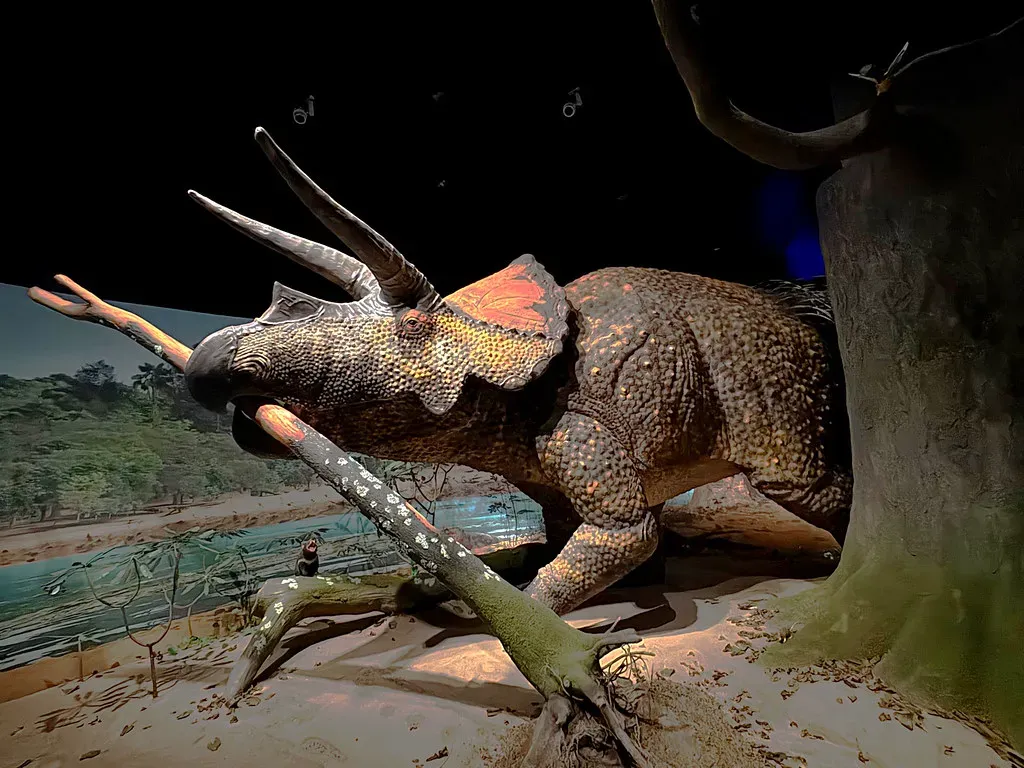
When you picture dinosaur skin, you might think of stiff scales or fluffy proto-feathers, but you rarely think about touch. Yet modern reptiles and birds both have sensitive skin and specialized receptors, and there’s no reason to assume dinosaurs skipped that trend. Some fossils preserve impressions of skin textures, showing complex patterns of scales, knobs, and sometimes feather-like structures that likely hosted nerves, blood vessels, and sensory endings.
If you imagine running your hand over a dinosaur, that animal was probably just as aware of the contact as you were. Feathers, where present, could have acted like a sensory fringe, picking up subtle shifts in air flow the way a cat’s whiskers feel the world. Even the armored plates and spikes of some species may not have been dead, numb shields; instead, they might have been part of a living, responsive surface that let these animals detect impact, pressure, and maybe even temperature changes across their bodies.
Some Dinosaurs May Have Sensed Earth Itself – Magnetism, Vibrations, and Weather
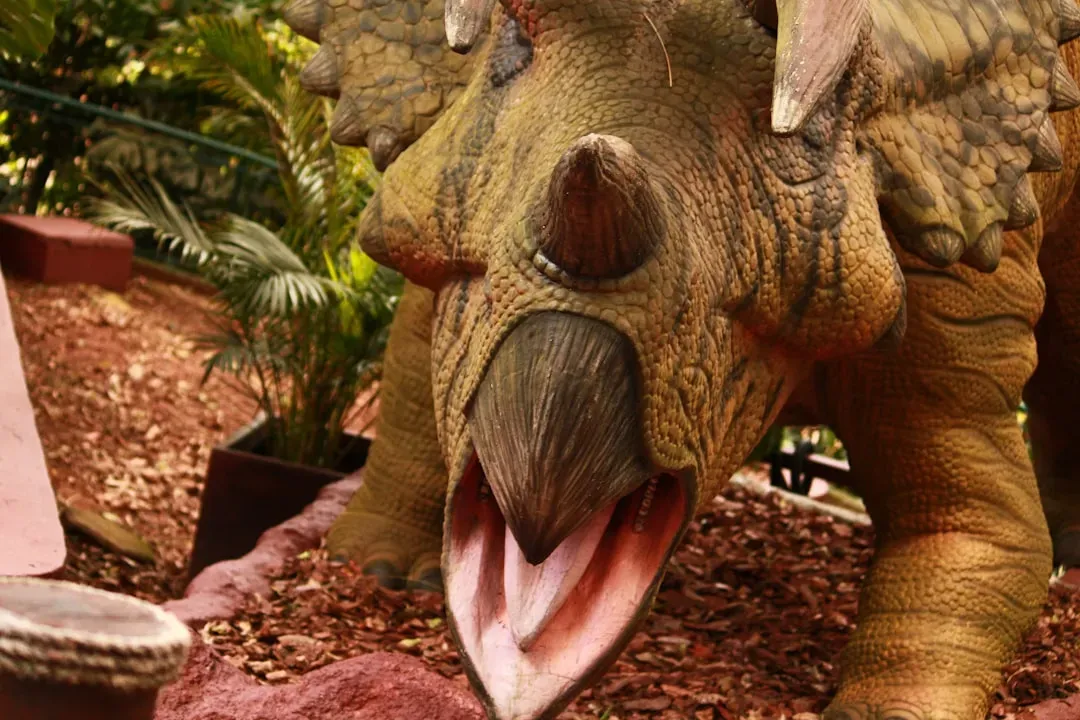
Here is where the picture gets more speculative, but also more exciting for you as a curious observer. Many modern animals, including birds, turtles, and some mammals, can pick up the Earth’s magnetic field and use it for navigation. Since birds are living dinosaurs, it is reasonable to suspect that at least some extinct dinosaurs shared or preceded this ability. If that is true, then long migrations across ancient continents might have been guided partly by a sense you barely notice exists around you.
On top of that, large animals are often very sensitive to ground vibrations and pressure changes, and there is no reason to think dinosaur bodies ignored those signals. You can imagine a big sauropod feeling distant footfalls through the soil or sensing an approaching storm through changes in air pressure and wind patterns. Even if the fossil record cannot yet prove all the details, looking at what living relatives can do today gives you a strong hint: dinosaurs were probably much more plugged into the physical planet than your own limited senses make you feel.
Brains, Behavior, and the Hidden Story Behind Dinosaur Senses
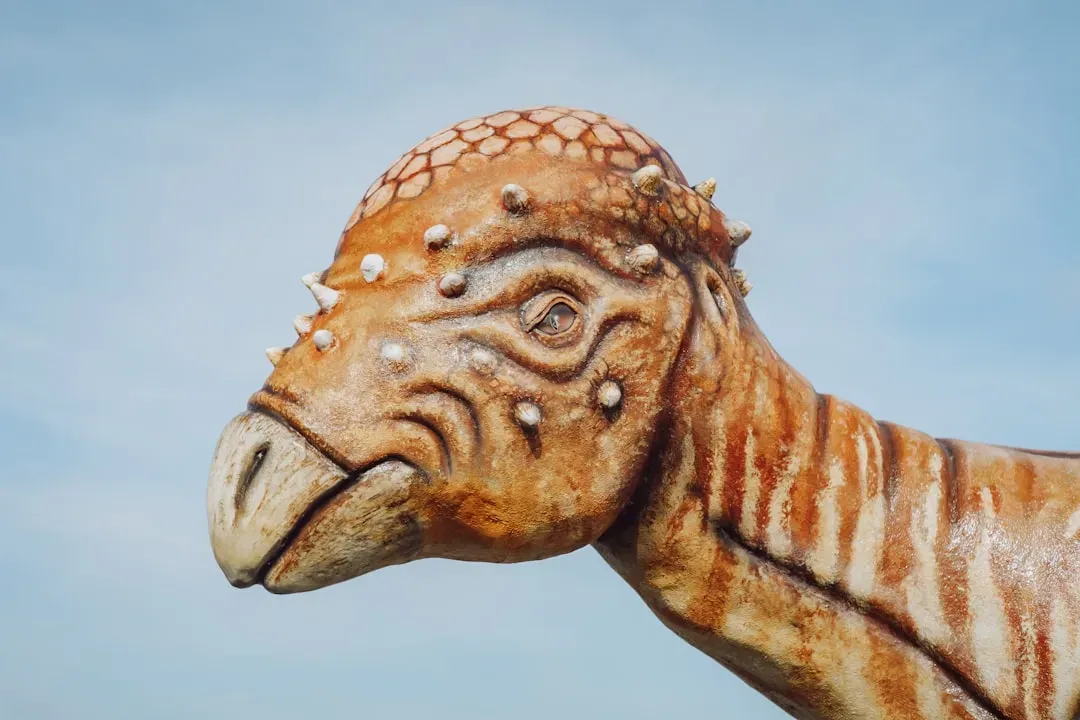
Sensory organs are only half the story; you also need a brain to process all that input. When you see studies reconstructing dinosaur brains from skull cavities, you might be surprised by how varied they look. Some species show enlarged regions associated with certain senses, like smell or vision, which tells you that the sensory hardware was matched by some specialized neural software. In other words, they were not just receiving signals; they were making sense of them in sophisticated ways.
This has big implications for behavior. If you give an animal sharp vision, sensitive hearing, powerful smell, and good balance, you are setting it up for complex social interactions, nuanced hunting strategies, and rich environmental awareness. You can start to imagine mating displays that relied on subtle color shifts, calls that carried layered information, or coordinated group movements that depended on shared cues. Instead of thinking of dinosaurs as simple, instinct-driven giants, you can see them as animals living in a dense web of sensory information, reacting and adapting moment by moment.
What Dinosaur Senses Teach You About Your Own Perception
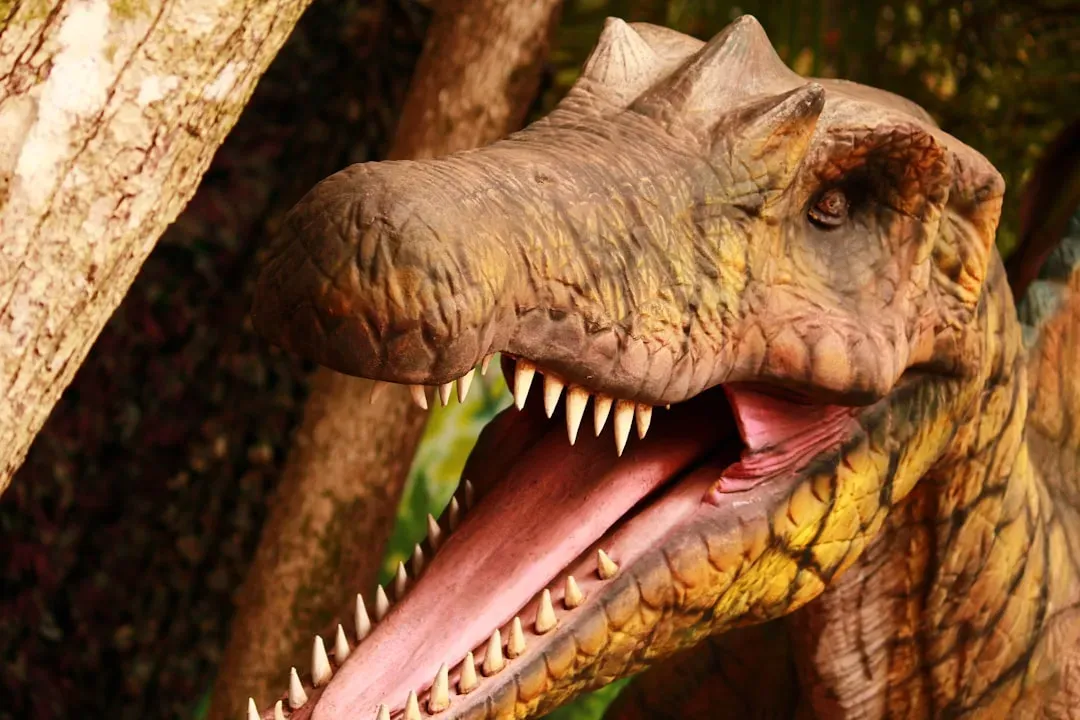
When you step back and look at this sensory picture, dinosaurs become a kind of mirror for your own limits. You move through the world assuming that what you see, hear, and feel is the full story, but these extinct animals remind you that evolution can build a very different set of tools. If a large theropod could hear deeper rumbles than you, smell far more distant scents, and track motion with sharper visual focus, then its version of reality was richer in ways you will never fully grasp.
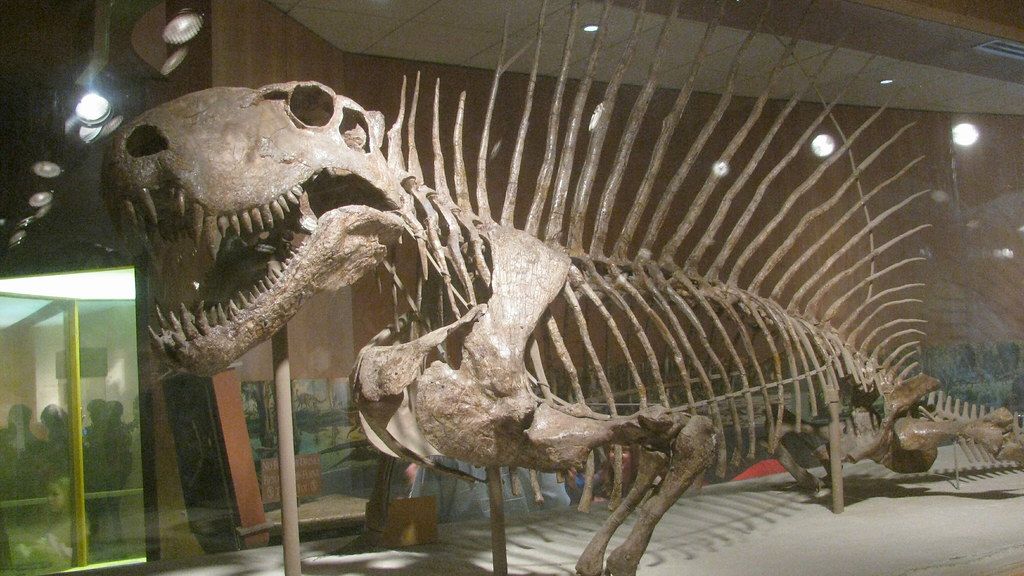
There is a humbling lesson here. Your brain is great at convincing you that you experience the world as it is, when in truth you only get a slice tuned to your survival needs. Dinosaurs show you that there are many other ways to tune that slice, and that a different mix of senses would give you a different universe to live in. Next time you look at a fossil skeleton in a museum, you can try to imagine not just the muscles and the roar, but the invisible stream of signals that once flowed through that animal’s body and brain.
In the end, you how dinosaurs really sensed their world, and that uncertainty is part of what makes the topic so compelling. Each new fossil scan or microscopic analysis adds another thread to a tapestry that is still mostly hidden, but already rich enough to overturn the decades-old image of dinosaurs as dull, half-aware beasts. As you keep learning more, you may find that the strangest, most alien sensory worlds are not in science fiction at all, but in the deep past of your own planet. When you imagine those ancient animals now, do you still see just bones and teeth, or can you start to feel the world the way they might have felt it?