You wake up each morning surrounded by ancient creatures. They chirp outside your window, lurk beneath the waves you swim in, and crawl through the gardens you tend. These aren’t fantasy beasts from a distant time. They’re the living relatives of prehistoric giants that once ruled our planet.
The dinosaurs may have vanished sixty-six million years ago, yet their legacy continues through remarkable evolutionary lines that refused to surrender. Some creatures have remained virtually unchanged since the Mesozoic Era, while others carry the genetic blueprints of their fearsome ancestors. What makes these survivors so extraordinary isn’t just their age – it’s their incredible resilience in a world that has tried to eliminate them multiple times.
Birds: The Last Surviving Dinosaurs Walking Among Us
Birds are commonly thought to be the only animals around today that are direct descendants of dinosaurs, making every backyard robin a living, breathing dinosaur descendant. Birds are classified as theropod dinosaurs – the same clade that includes species like T. rex and Velociraptor. Think about that the next time you watch a chicken scratch for seeds in your yard.
The king of the dinosaurs actually shares a surprising amount of DNA with modern day chickens. Fossil studies have found that the mighty T-rex actually shares quite a considerable amount of DNA with modern-day chickens and, by extension, all birds. The fowl clade, including ducks and land fowl like chickens, and neoaves – a clade that consists of nearly all the other birds of today, including penguins – began to rapidly diversify right around the major extinction of all other dinosaurs, 66 million years ago.
What’s truly remarkable is how these survivors adapted after the mass extinction. Ground-dwelling, omnivorous birds similar to today’s chickens were among the few dinosaur lineages that made it through this catastrophic period. Their relatively small size, ability to scratch for seeds and insects, and adaptable diet likely helped them survive when larger, more specialized dinosaurs perished.
Crocodilians: Armored Survivors from the Age of Reptiles
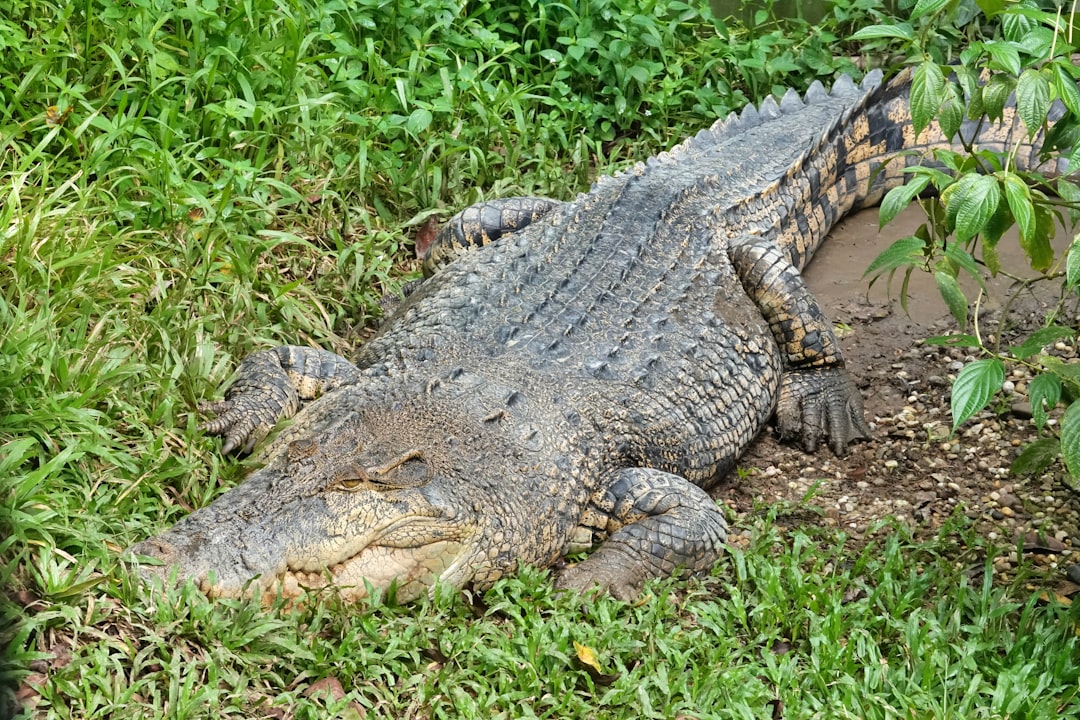
These animals all look remarkably similar: the general body form has changed little in the past 200 million years. Somehow crocodilians emerged essentially unchanged from the dramatic events of 65 million years ago that wiped out many of their relatives. Yet their survival story reveals a different truth about evolutionary success.
Crocodilian ancestors persisted through two mass extinction events, a feat requiring evolutionary agility to adapt to a rapidly changed world. The study’s authors discovered that one secret to crocodilian longevity is their remarkably flexible lifestyles, both in what they eat and the habitat in which they get it.
Modern crocodilians might appear unchanged, but they represent the ultimate generalists. Living crocodilians are famous for being semi-aquatic generalists that thrive in environments like lakes, rivers or marshes, waiting to ambush unsuspecting prey. Picky eaters, they are not. Young ones will snack on anything from tadpoles, insects or crustaceans before graduating to bigger fare, such as fish, baby deer, or even fellow crocs. Crocodiles, alligators, and their relatives have been around for about 200 million years, surviving the extinction event that killed the dinosaurs despite being large predatory reptiles themselves. Their semi-aquatic lifestyle, powerful bodies, and impressive stamina helped them weather planetary disasters that eliminated most large land animals.
Sharks: Ancient Ocean Predators That Refuse to Quit
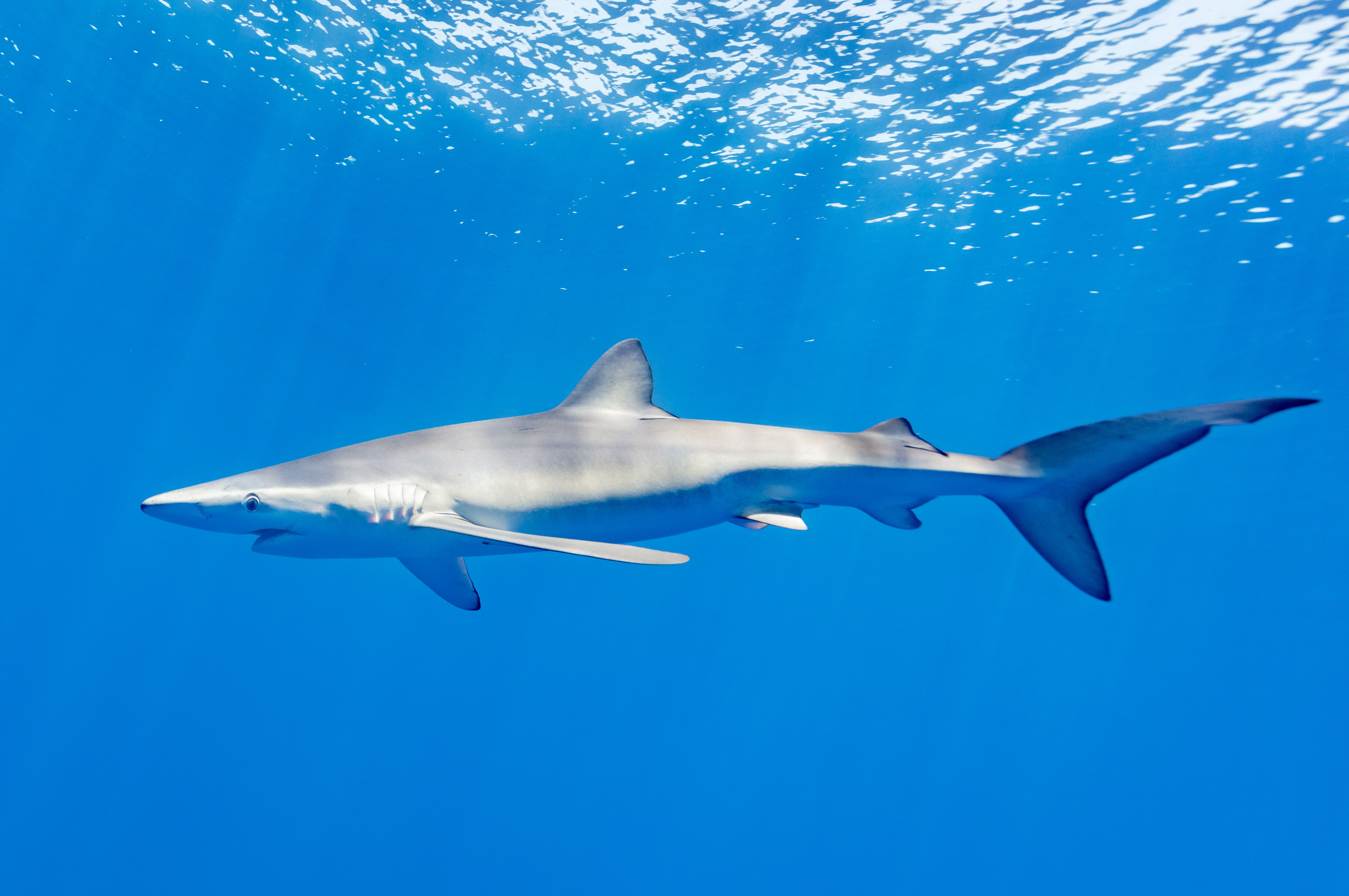
These ancient hunters have been swimming in Earth’s oceans for over 400 million years – long before trees, dinosaurs, or mammals. Sharks have survived all five known mass extinctions. From the Devonian extinction that wiped out 75% of marine species to the asteroid that ended the Cretaceous, sharks endured every apocalypse.
Today’s sharks are descended from relatives that swam alongside dinosaurs in prehistoric times. Sharks may not look like your typical dinosaur, but these iconic creatures of the deep have been around longer than almost any other animal on the planet – over 450 million years to be exact. That means, the sharks we know and love today are descended from creatures that were around millions of years before dinosaurs were even a concept.
Their survival secret lies in constant adaptation. Their secret lies in constant evolution. While some lineages disappeared, others adapted – changing shape, size, and hunting strategy. Their secret to longevity lies in their diverse forms and feeding strategies, allowing them to exploit a wide range of ecological niches. Some species, like the nurse shark, have remained virtually identical to their ancient forms. While most ‘living fossils’ are contemporary species that superficially resemble their ancient relatives, today’s nurse sharks are so similar to those that lived during the Cretaceous that they’re considered the same species.
Horseshoe Crabs: Living Fossils with Blue Blood
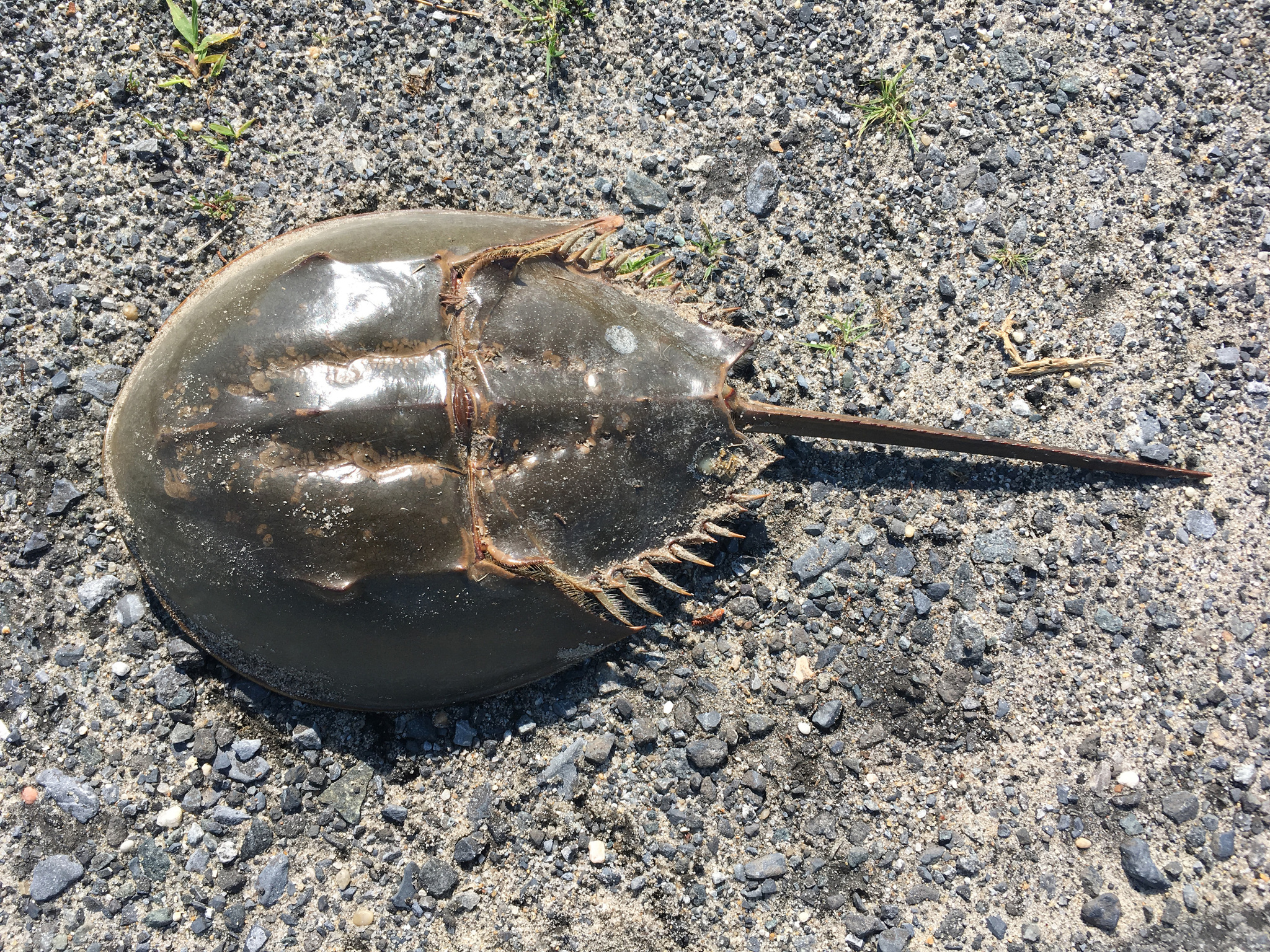
Before the dinosaurs, before the first forests, before even the continents took their familiar shape, horseshoe crabs were already crawling along the ocean floor. For over 450 million years, they have survived ice ages, asteroid impacts, and toxic oceans. Horseshoe crabs are ancient creatures that first appeared approximately 480 million years ago during the Ordovician Period and don’t appear to have changed much since.
Despite their name, They are not crabs at all, but “chelicerates” and therefore more closely related to spiders and sea scorpions. Their survival through multiple catastrophes is nothing short of miraculous. Perhaps this snail’s pace is helpful, as horseshoe crabs have survived at least four of the planet’s extinction events, including the one that killed most of the dinosaurs.
What makes these creatures truly extraordinary is their unique physiology. Today, horseshoe crabs are crucial to modern medicine – their blue blood is used to test the safety of vaccines and medical equipment. Their resilience and continued relevance show how ancient adaptations can still save lives today. Furthermore, the evolution of their blue blood, which is highly sensitive to toxic bacteria, has helped them persistently survive in hazardous environments where other species might perish over time. (This blood, which contains a substance called Limulus Amebocyte Lysate (LAL), has even found use in modern medicine, as it’s widely used for detecting bacterial contamination in vaccines and medical devices.)
Turtles: Shell-Protected Survivors of Ancient Seas
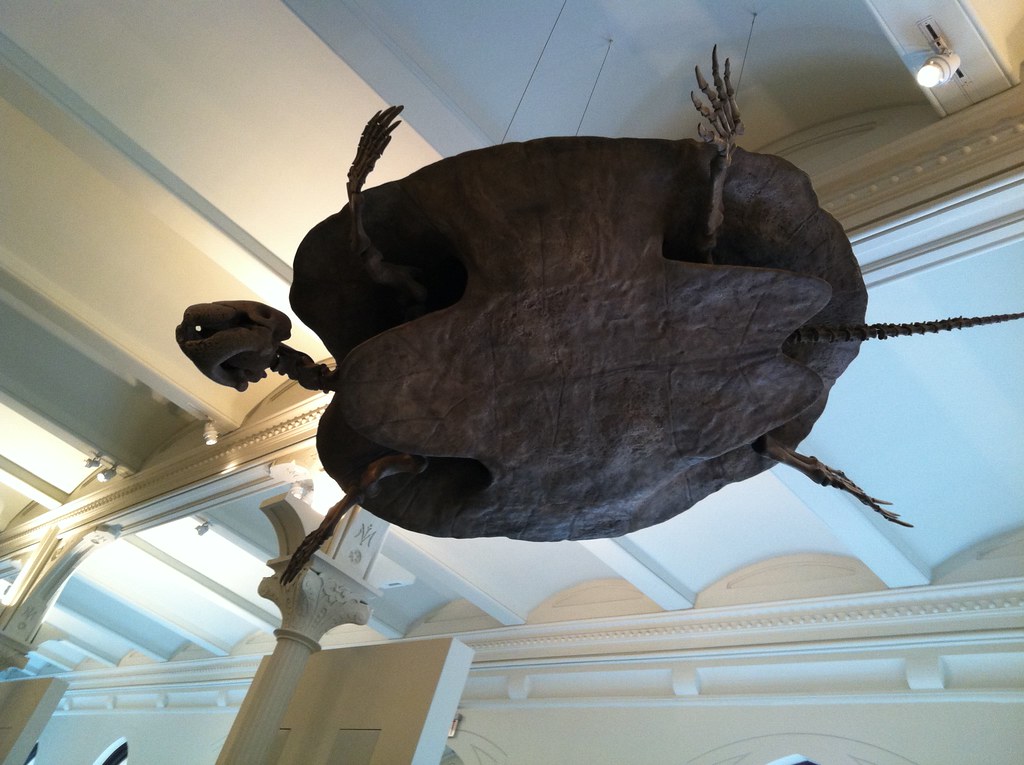
Recent studies have shown that turtles belong in the group Archelosauria, along with relatives like birds, crocodiles, and – you guessed it – dinosaurs. Turtles evolved alongside dinosaurs, with sea turtles emerging as a distinct type about 110 million years ago. Their evolutionary connection to the age of reptiles runs deeper than most people realize.
For the last 70 million years, snapping turtles have remained virtually unchanged. This family of reptiles, known as Chelydridae, has an impressive fossil record, with species documented from several periods from the time of the dinosaurs to the present day. These extinct snapping turtles looked just like modern species; they also had long tails, ridged shells, and deadly-looking beaks.
Modern sea turtles carry the legacy of their prehistoric ancestors in every journey across the ocean. By tracking down the evolutionary lines using highly advanced animatronic dinosaurs scientists have been able to find that the modern-day turtles and dinosaurs evolved into two different species 110 million years ago. One of the dinosaurs or the prehistoric versions of the modern-day turtle was the Archelon which lived more than 120 million years ago. Compared to the size of the modern-day turtle the Archelon was almost 4meters long and in width measured almost 5 meters flipper to flipper.
Coelacanths: The Fish That Time Forgot
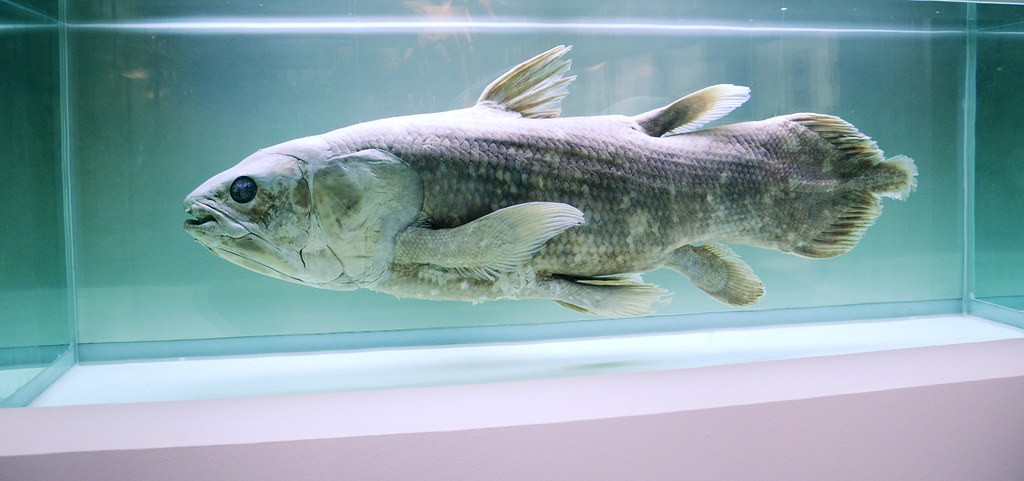
The coelacanth is known as a Lazarus species as it was thought to have gone extinct 65 million years ago – until it was discovered alive in 1938. The coelacanth is a remarkable example of a “Lazarus taxon” – a species thought extinct, only to reappear alive. Once believed lost for 66 million years, this deep-sea fish was rediscovered in 1938. Its survival is credited to its deep-water habitats, which offered refuge from the catastrophic events that ended the age of dinosaurs.
The coelacanth is an elusive, deep-sea dwelling ancient bony fish found off the coasts of Africa and Indonesia. Coelacanths first emerged in the fossil record 400 million years ago during the · Devonian Period (419.2 to 358.9 million years ago), and stopped appearing around the time non-avian dinosaurs became extinct.
Despite their ancient origins, coelacanths continue to evolve in subtle ways. But despite its ancient appearance, the coelacanth has been evolving over the past several hundred million years – and even much more recently than that. For instance, in 2021, researchers discovered that approximately 10 million years ago, the African coelacanth acquired 62 new genes through interactions with other species. Today there are two living coelacanth species, known as Latimeria, which have basically remained unchanged over the past 100 million years.
Ginkgo Trees: Botanical Dinosaurs in Urban Landscapes
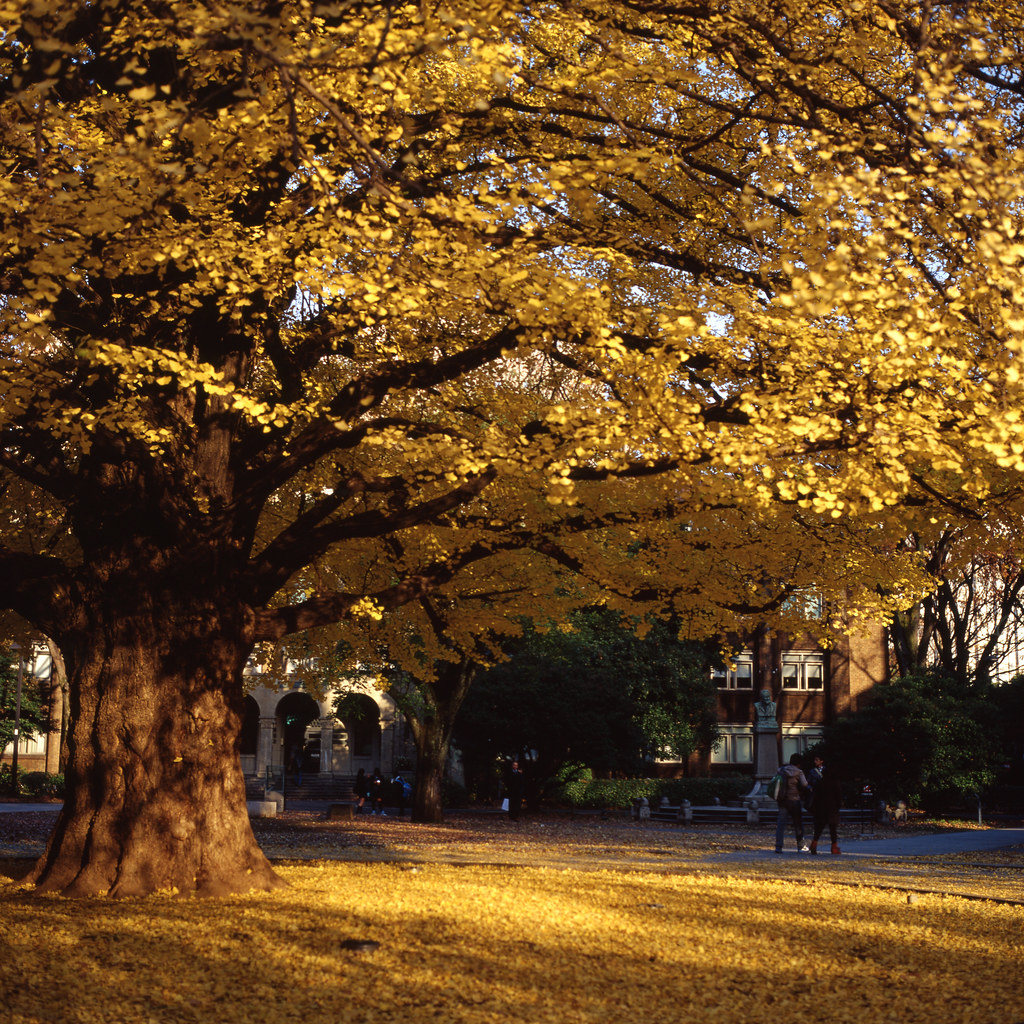
Fossil records of Ginkgo leaves show that it has barely changed for more than 200 million years. This living fossil is one of the oldest tree species in the world and is the last surviving species from a group of trees that existed before the dinosaurs roamed Earth. These remarkable trees stand as silent witnesses to Earth’s turbulent history.
The memory of the Ginkgo Biloba is expansive, dating back to the Permian era 270 million years ago. The ginkgo tree, known as a “living fossil,” has survived since the era of dinosaurs. Its remarkable resistance to disease, pests, and environmental stress has enabled it to endure catastrophic changes that wiped out many other plant species.
What makes ginkgoes extraordinary survivors isn’t just their longevity – it’s their incredible resilience. These trees can survive in polluted urban environments where other plants struggle, demonstrating the same adaptability that helped them weather mass extinctions. Hiroshima atomic bomb, the Ginkgo tree, also known as the maidenhair tree, is an incredibly resilient – and stinky – tree species.
Nautiluses: Ancient Mariners with Chambered Shells
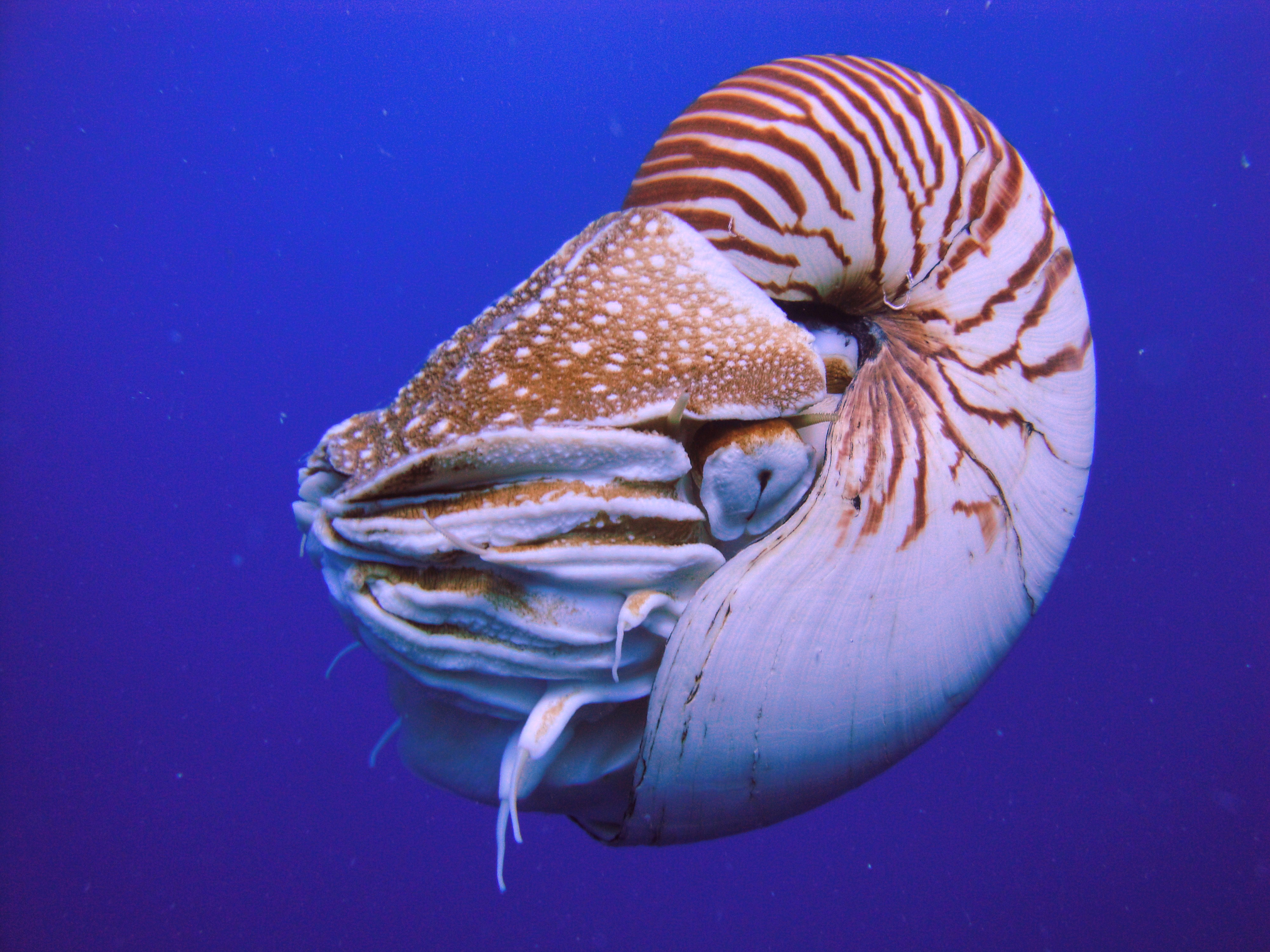
Nautiluses are Earth’s oldest “living fossils” dating back hundreds of millions of years. These spiral-shelled creatures have hardly changed since they first appeared over 500 million years ago during the early Paleozoic era (541 to 252 million years ago). Found in the Western Pacific Ocean and Indian Oceans, the nautilus dwells in a large chamber of its hard shell and uses jet propulsion to swim and feed in the ocean.
The nautilus represents one of the oldest lineages of cephalopods, having existed for over 500 million years with minimal evolutionary changes. While many of their relatives like the ammonites perished during the Cretaceous-Paleogene extinction event that wiped out the dinosaurs, nautiluses persevered.
Their survival strategy relies on sophisticated engineering. The nautilus has evolved to be a highly efficient predator in its deep-sea habitat, with adaptations such as buoyancy control via gas-filled chambers in its shell, which allow it to float and sink with minimal energy use. Moreover, the nautilus’ slow metabolism and long lifespan – which can be up to 20 years or more – are traits that it has evolved to suit its niche, allowing it to thrive where other species might struggle over time. Members of the Nautilidae family are known to have existed from the Late Triassic, and appear to have remained relatively unchanged for more than 200 million years. Darwin himself described these creatures as “living fossils”. You’d struggle to tell an ancient Nautilus from a living one.
Platypuses and Monotremes: Egg-Laying Mammal Mysteries
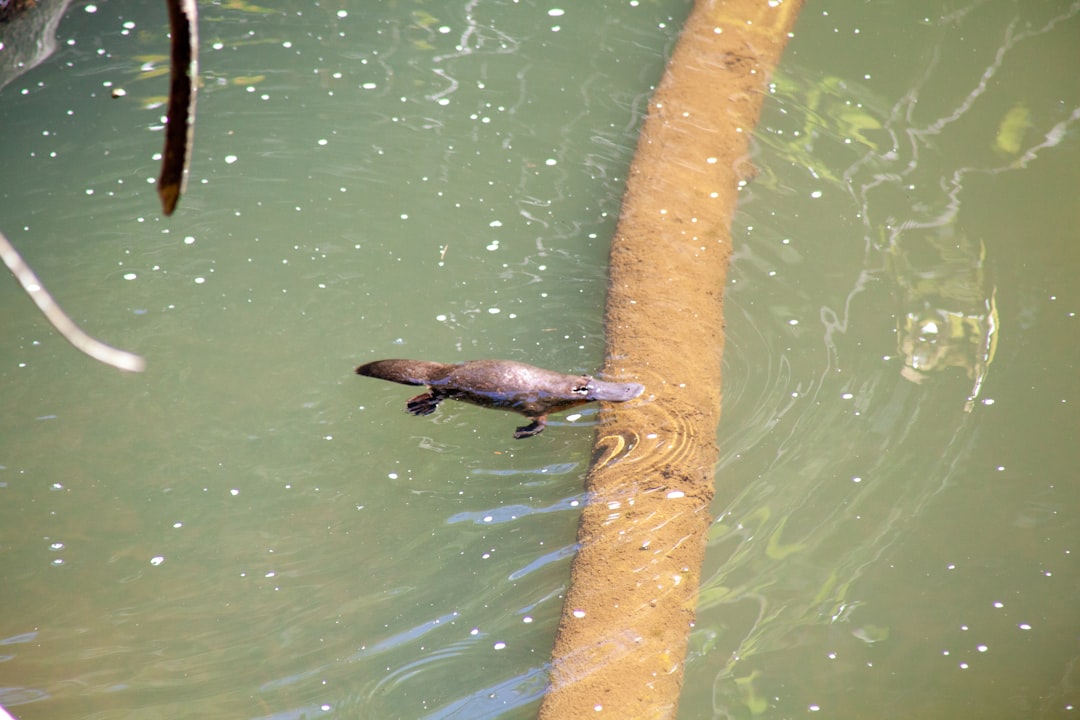
The platypus and four species of echidna are the only living, egg-laying mammals (monotremes) that have survived since the dinosaur age. The modern duck-billed platypus is descended from monotreme ancestors that lived around 120 million years ago during the Early Cretaceous period. These bizarre creatures represent one of evolution’s most successful experiments in mammalian diversity.
A lot of early monotremes looked similar to their living descendants, with strange beaks, squat bodies, and paddle-shaped tails. Like today’s platypuses, many of them were also semi-aquatic (e.g. Steropodon). Their unique combination of features – laying eggs, producing milk, and possessing electroreception – showcases how ancient mammalian lineages developed remarkable survival strategies.
Platypuses and their close relatives, echidnas, are the only surviving members of the monotreme order, an early branch in mammalian evolution that retained reptilian characteristics while developing mammalian traits. Their persistence through multiple extinction events demonstrates how specialization, rather than generalization, sometimes becomes the key to survival.
Brachiopods: The Original Shell-Dwellers of Ancient Seas
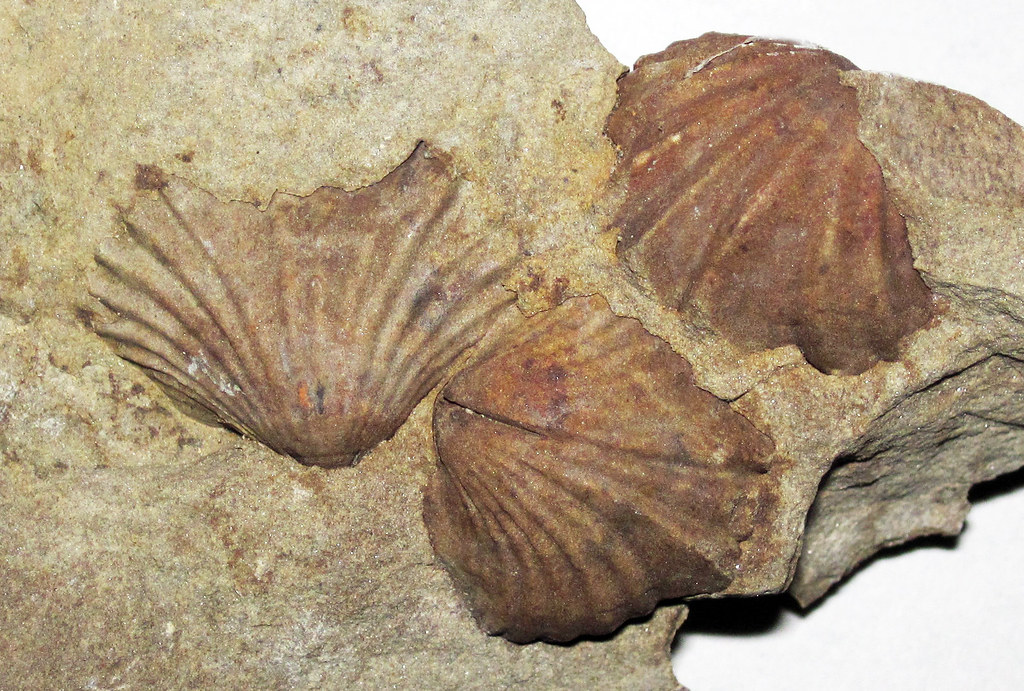
Brachiopods living today, such as Lingula, look more or less the same as their Cambrian counterparts from about 500 million years ago! They are considered the oldest known animal (genus) that still contains living representatives. These humble filter-feeders represent one of evolution’s most conservative success stories.
The lingulid brachiopods (genus Lingula) are often cited as among the most conservative organisms in evolutionary history, having remained virtually unchanged for over 500 million years. These “living fossils” live in vertical burrows in coastal sediments, attached by a fleshy stalk. Their ability to survive in both oxygen-rich and oxygen-poor environments, simple reproductive system, and capacity to tolerate varying salinity levels likely contributed to their survival through countless environmental changes.
Despite their survival success, brachiopods face a sobering reality. While they were devastated during mass extinctions, particularly the Permian-Triassic event that eliminated approximately 96% of their species, some lineages persisted. Modern brachiopods represent the survivors of a once-dominant group, with around 400 living species compared to over 30,000 fossil species. In The Origin of Species, Darwin noted “some of the most ancient […] animals as […] Nautilus, Lingula, etc., do not differ much from living species”. It’s these observations that led him to propose the term “living fossil”.
The Remarkable Truth About Evolutionary Survivors
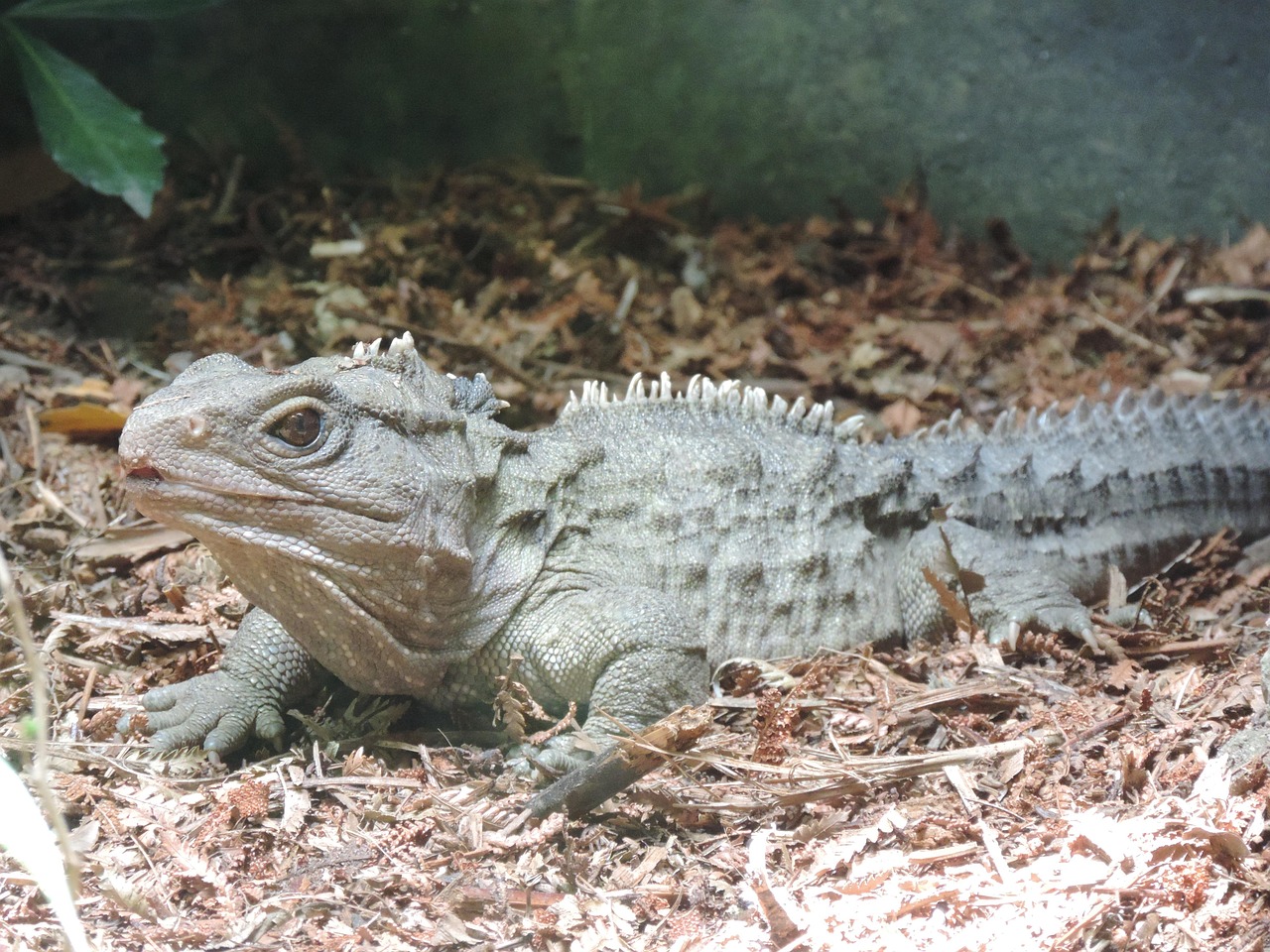
These ancient survivors teach us something profound about life’s persistence. Their continued existence in the modern world defies the odds, as each has survived multiple mass extinction events and countless environmental changes that claimed countless other species. These living fossils serve as powerful reminders of nature’s resilience and the effectiveness of certain body plans that have required minimal modification over millions of years of evolution.
However, this notion is more myth than reality. Evolution is an ongoing process, and even seemingly unchanged species are constantly adapting to their environments – albeit in sometimes nearly invisible ways. Every creature we’ve explored continues to evolve, even if their outward appearance suggests otherwise.
The survivors among us aren’t living fossils frozen in time – they’re evolutionary success stories that found winning formulas and refined them across millions of years. From the chickens pecking in your backyard to the ancient sharks patrolling distant reefs, these remarkable creatures bridge our modern world with the prehistoric past. They remind us that sometimes, the secret to survival isn’t dramatic change, but persistent adaptation to an ever-changing world.
What fascinates you more – the incredible age of these survivors or their remarkable ability to adapt while appearing unchanged? These living links to prehistoric times continue their ancient dance of survival right alongside us, proving that the age of dinosaurs never truly ended.