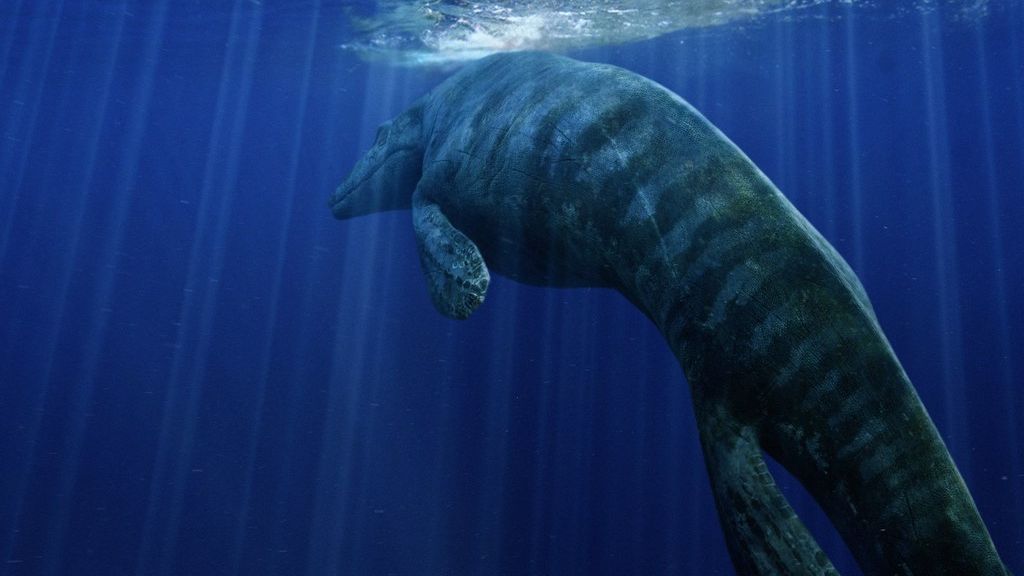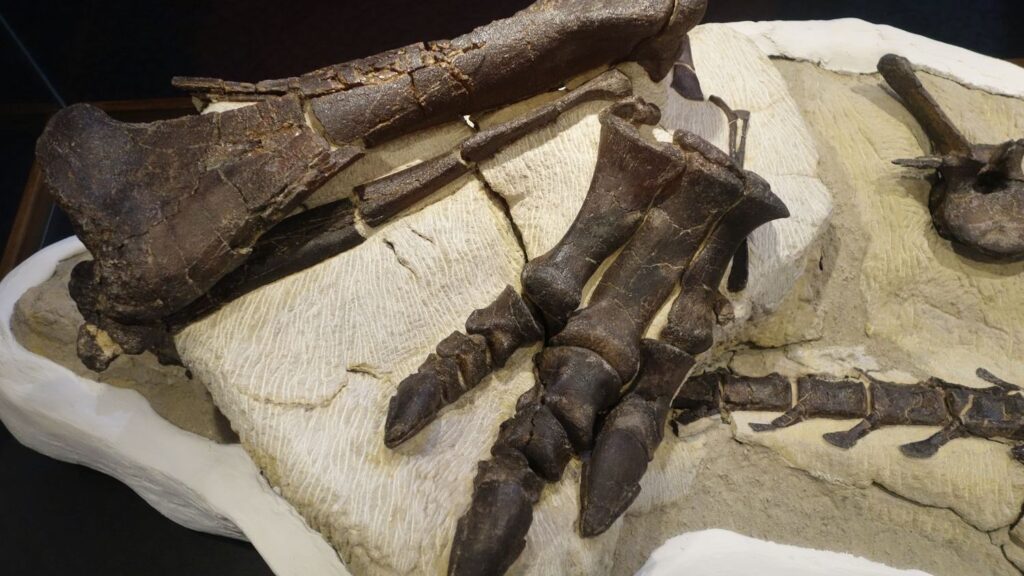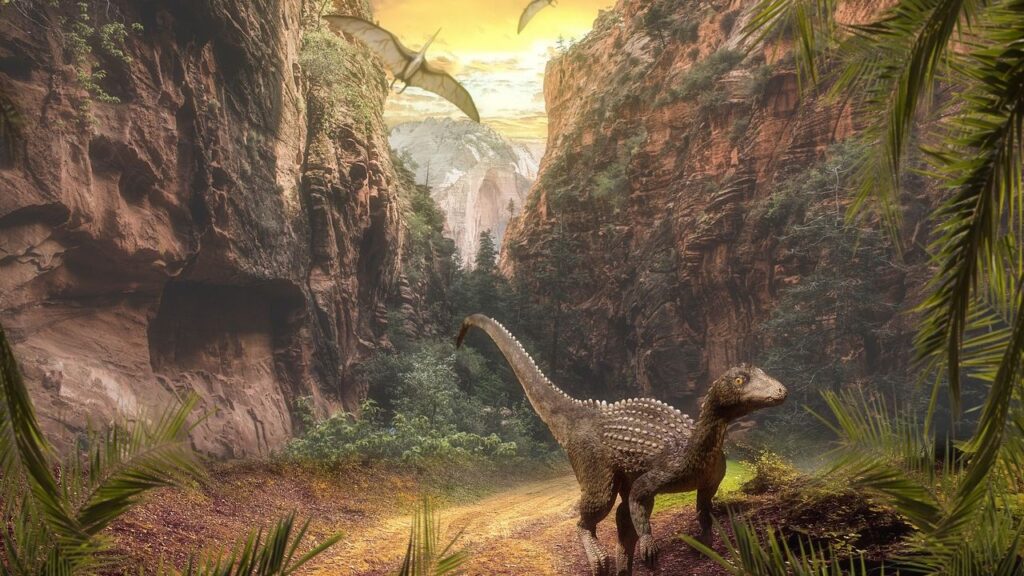
If you could rewind time by hundreds of millions of years, you’d step into a world ruled by giants where your own distant ancestors were tiny, nervous shadows in the undergrowth. Dinosaurs towered over forests, shook the ground as they walked, and filled almost every major land ecosystem, while early mammals looked more like shrew-sized night-creatures than future planet-dominators. Yet when the dust of deep time settled, it wasn’t the dinosaurs (aside from birds) that inherited the Earth. It was those small, warm-blooded, fur-covered outsiders that quietly won the long game of survival.
When you look at that story through the lens of 150 million years, it stops being just about a single asteroid or a dramatic extinction event. It becomes a slow, tense between two very different body plans and lifestyles, constantly tested by changing climates, shifting continents, and new predators and prey. As you walk through this timeline, you start to see that your own existence is the outcome of countless narrow escapes, clever adaptations, and lucky breaks that allowed mammals to turn from background extras into the main cast.
The World Dinosaurs Built – And Mammals Survived In
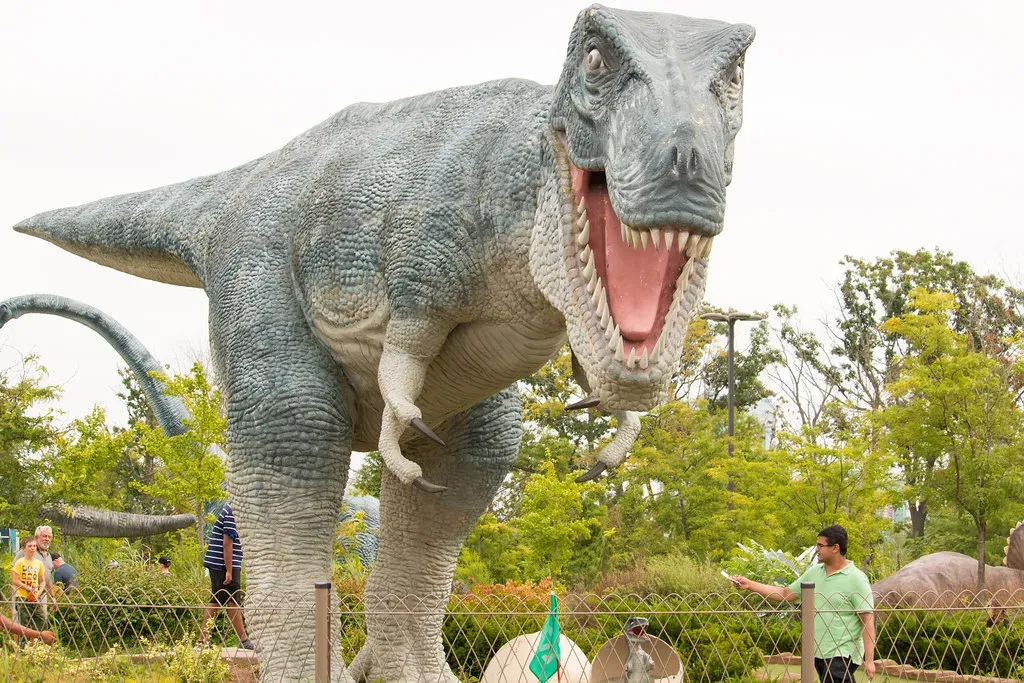
You have to start by picturing the stage these two groups shared. During most of the Mesozoic Era, especially the Jurassic and Cretaceous periods, dinosaurs were the dominant large land animals on almost every continent. They filled roles you now see held by elephants, rhinos, lions, ostriches, and even herds of grazing antelope, shaping vegetation patterns and predator–prey dynamics on a massive scale. If you were there, you would have seen towering sauropods stripping trees, horned dinosaurs defending herds, and fast-running predators patrolling open plains.
Meanwhile, the mammals that lived alongside them were typically small, often less than the size of a house cat, and mostly active at night or in hidden micro-habitats. You would have found them in the shadows of forests, in burrows, under leaf litter, or darting along riverbanks, feeding on insects, seeds, and sometimes small vertebrates. This wasn’t because mammals were weak, but because dinosaurs had already locked down the big, obvious roles at the top and middle of the food chain. In a world built by dinosaurs, mammals survived by squeezing into the cracks those giants left behind.
Different Body Plans, Different Bets
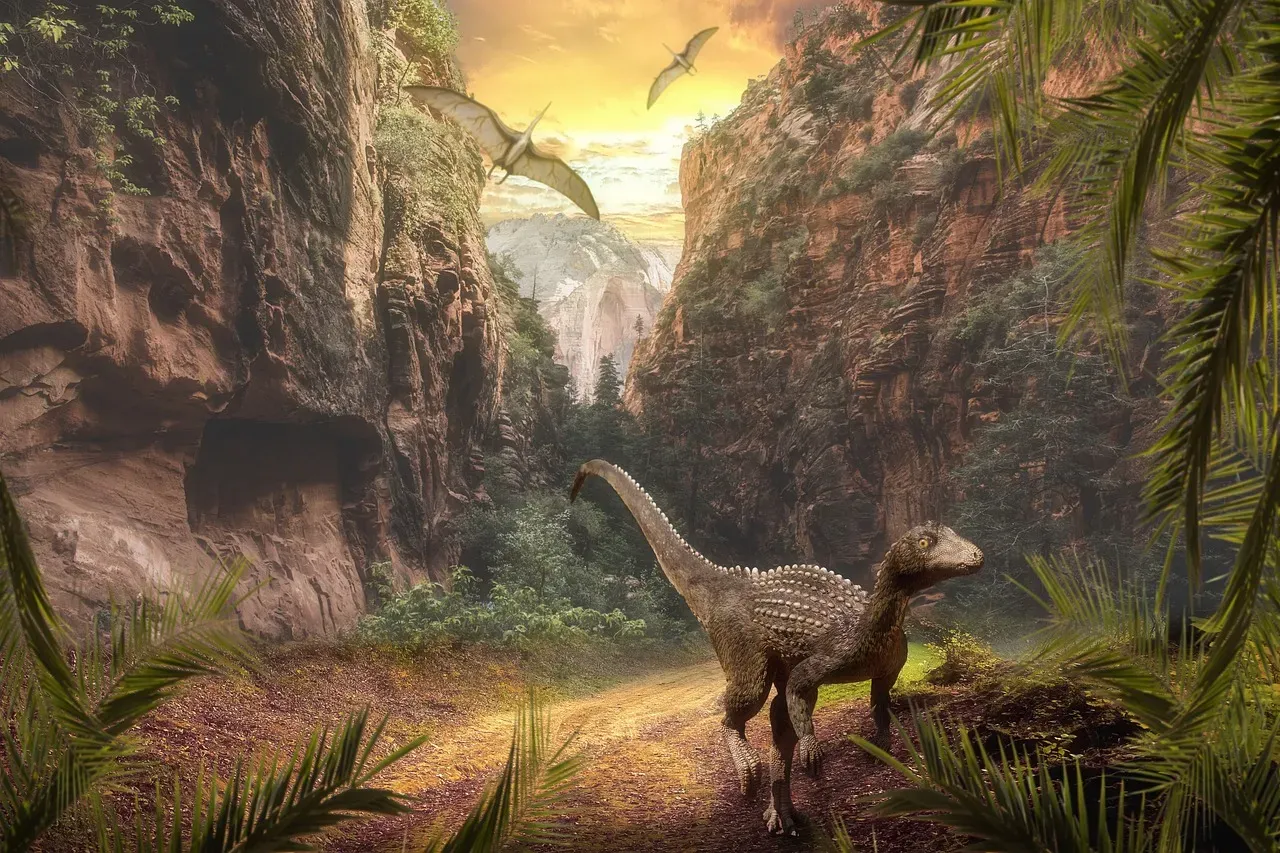
When you compare dinosaurs and early mammals, you’re really comparing two very different evolutionary bets on how to thrive. Dinosaurs, especially the big-bodied species you usually picture, invested heavily in size, long growth, and, in many cases, relatively fewer offspring that took time to mature. Many non-avian dinosaurs laid eggs, built nests, and some cared for their young, but raising a lot of large-bodied juveniles in a stable environment was a long-term strategy. It worked brilliantly as long as ecosystems stayed reasonably predictable and food chains robust.
Mammals, including your own lineage, leaned more toward smaller body size, faster generations, and more flexible lifestyles. Mammalian bodies evolved features like fur for insulation, complex teeth for varied diets, and inner ear bones that helped with sharp hearing, especially in the dark. Many mammals gave birth to live young, allowing more controlled development and parental care in protected environments. That meant that in a crisis, mammal populations could bounce back faster, adapt more rapidly over generations, and exploit new niches that appeared when things went wrong for many dinosaur species.
Warm-Blooded Endurance vs Reptilian Efficiency
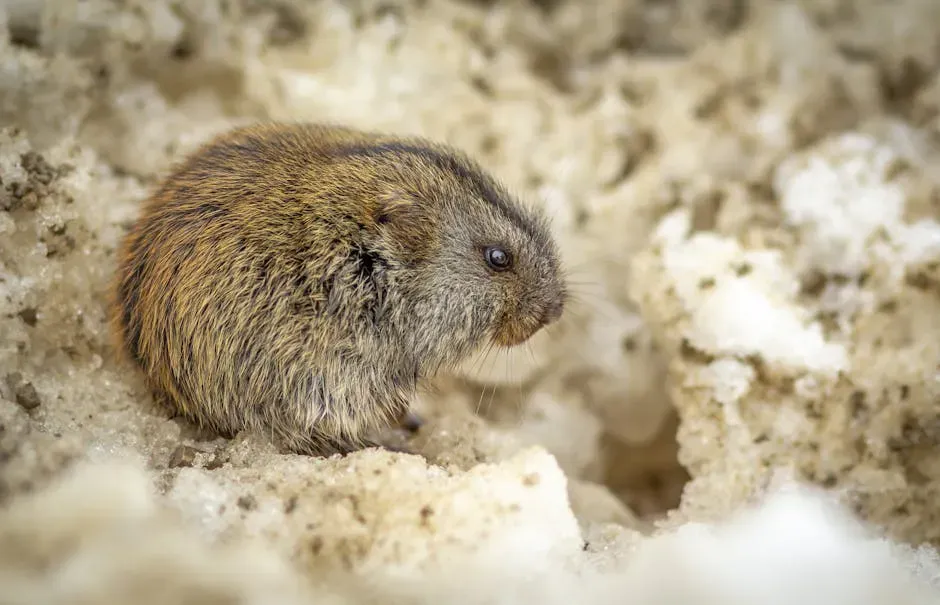
One of the biggest differences you need to keep in mind is metabolism. Mammals are warm-blooded, meaning you generate your own body heat and keep it relatively stable, which lets you stay active even when the environment cools. That comes at a cost: you have to eat a lot more, pound for pound, than a cold-blooded animal to fuel that internal furnace. Many dinosaurs, especially the more bird-like ones, likely had higher metabolisms than modern reptiles, but the exact range varied across groups, and not all of them were as consistently warm-blooded as mammals.
In a stable, warm world with abundant food, a slightly lower metabolic rate can be efficient, especially for large-bodied animals that retain heat well. But when temperatures drop, seasons shift, or sunlight gets blocked, being able to function in the cold becomes a survival superpower. Mammalian warm-bloodedness, combined with insulation from fur and behaviors like huddling, burrowing, and nesting, gave your ancestors options. They could keep moving, keep foraging, and keep caring for young when conditions became harsh, while many dinosaur lineages were more tightly tied to specific climates and food levels.
Night Life: How Mammals Owned the Dark
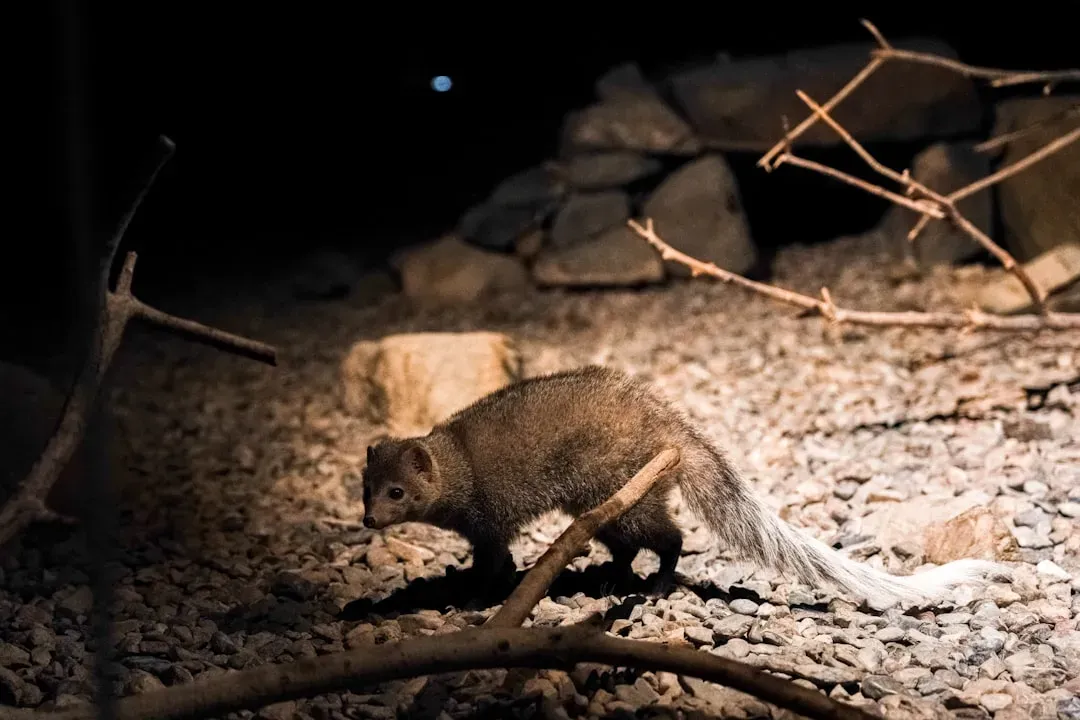
Because big dinosaurs usually dominated daylight hours, many early mammals shifted heavily into nocturnal lifestyles. If you imagine yourself as one of those tiny creatures, your world would have been lit by moonlight and starlight, filled with sounds instead of sights. Under cover of darkness, you could search for insects, seeds, and small prey while avoiding the eyes of large predators. Over millions of years, that night-shift existence shaped mammalian senses and behavior in ways you still carry, like strong hearing, decent smell, and the ability to regulate body temperature in cooler nighttime air.
Living in the dark was more than just hiding; it was a training ground. It pushed mammalian brains to process complex information from sound and smell rather than relying mainly on vision. It encouraged flexible behavior, quick learning, and intricate social signals in the quiet hours when visual communication was limited. When dinosaurs disappeared and new daylight opportunities opened up, mammals were already equipped with powerful sensory systems and flexible brains, ready to experiment with diurnal life, new diets, and more complex social structures.
Burrows, Eggs, and Babies: Different Strategies for Staying Alive
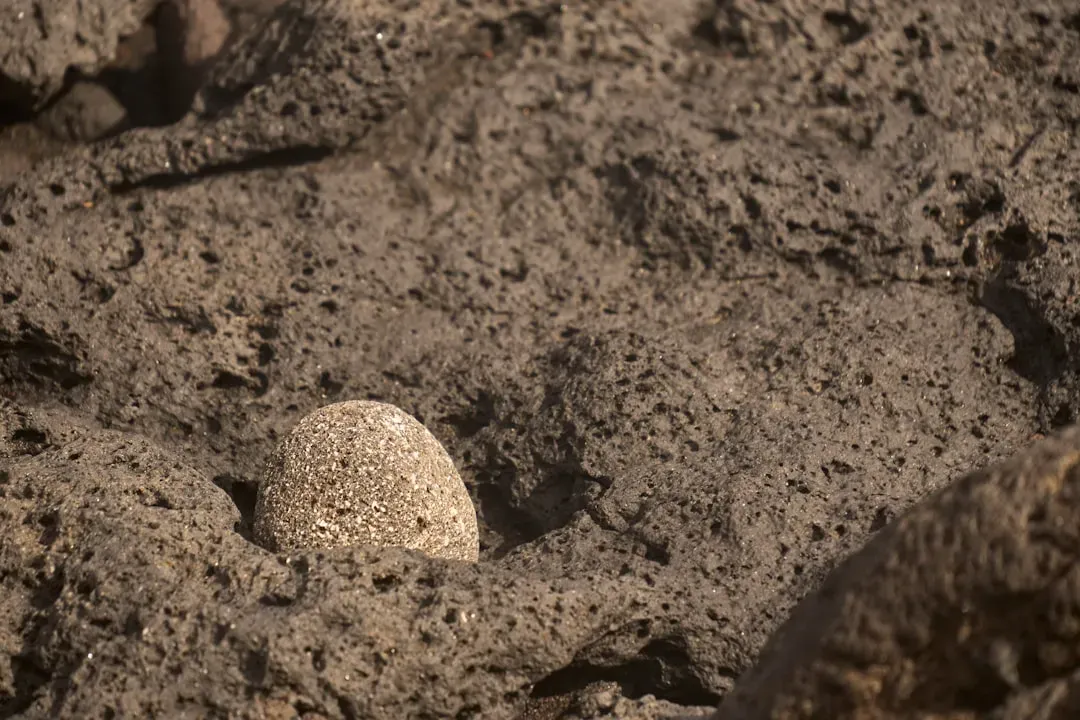
When you think about survival, it often comes down to how you protect the next generation. Many dinosaurs laid eggs in nests, sometimes in large colonies, which worked well in stable environments with predictable seasons. Eggs, however, are vulnerable to temperature swings, flooding, and predators, and they depend heavily on environmental conditions for proper development. For large dinosaurs, moving eggs or young quickly in a crisis was not easy, and long growth times meant that a big disruption could wipe out entire cohorts.
Mammals explored a different path by increasingly investing in internal development and parental care. If you picture a small Mesozoic mammal tucked into a burrow, you can see how live birth and nursing inside a protected space could buffer young from changes in temperature, storms, or short-term food shortages outside. Burrows provided physical safety from predators and disasters like wildfires or falling debris. That lifestyle turned mammal bodies into mobile life-support systems for their young, which made them more resilient when the outside world became chaotic or unstable for long stretches.
The Asteroid Strike: Catastrophe as a Turning Point

About sixty-six million years ago, a massive asteroid slammed into what is now the Yucatán Peninsula, unleashing an event you would have experienced as sudden, planet-wide disaster. Shock waves, colossal fires, and tsunamis were only the opening act. Dust, aerosols, and soot lofted into the atmosphere, dimming sunlight and disrupting photosynthesis across the globe. Over time, food webs that depended on abundant plant growth and stable climates started to unravel, especially for large animals that needed lots of resources and had slow reproductive cycles.
Under those conditions, the traits mammals had been quietly refining for tens of millions of years suddenly became critical advantages. Smaller body sizes meant lower energy needs, which helped when food was scarce and patchy. Burrowing and hiding in sheltered spots reduced exposure to heat, debris, and later cold snaps. Warm-blooded metabolism and fur helped mammals stay active in a world that swung between burning and chilling. While many species of mammals still went extinct, the group as a whole weathered the crisis better than most non-avian dinosaurs, which were hit hard and never recovered their former diversity on land.
After the Dinosaurs: Mammals Move Into the Empty Seats
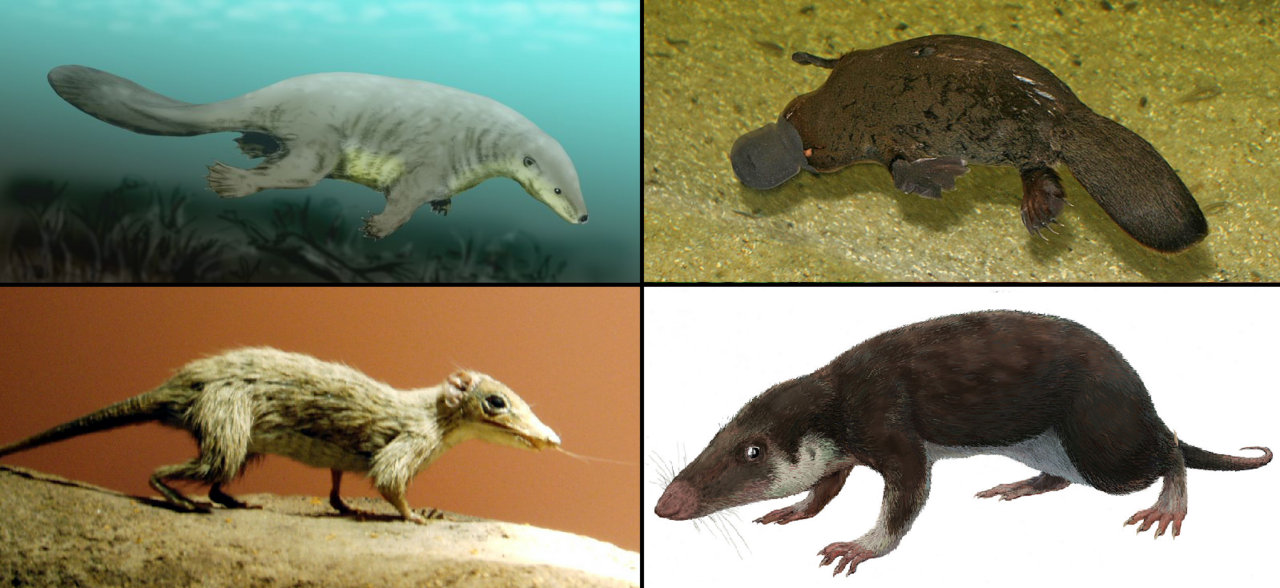
Once the dust quite literally started to settle after the extinction event, you would have seen a world full of ecological empty seats. Large herbivores, top predators, and many middle-sized species were gone, leaving behind open niches that no longer had owners. Surviving mammals began to radiate into those spaces, evolving into new forms that took on roles once held by dinosaurs. Over a surprisingly short span in geological terms, you get hoofed herbivores, early primates, large carnivores, and eventually lineages that would lead to whales, bats, and big-brained apes.
What made mammals so quick to expand was their combination of fast reproduction, flexible diets, and behavioral adaptability. If you can eat a variety of foods, care for young in protective shelters, and adjust your behavior to new challenges, you are well positioned to experiment with new ways of life when opportunity knocks. You can think of the post-dinosaur world as a huge, partially reset board game where mammals arrived with a set of pieces designed for versatility. They did not win because they were inherently “better,” but because their particular toolkit fit the new rules after the catastrophe.
What This 150-Million-Year Battle Means For You
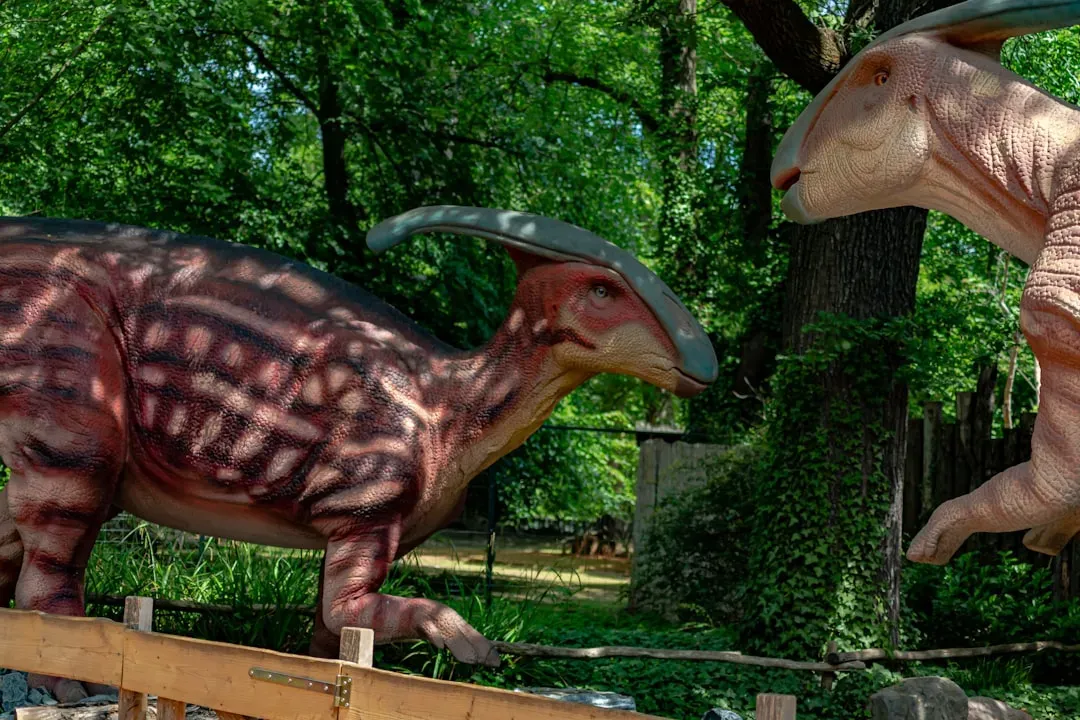
When you zoom out and look at this long conflict between dinosaurs and mammals, you’re really seeing two grand survival philosophies being tested by time. Dinosaurs showed how incredibly successful you can be when you fully occupy a stable world, pushing body size, specialization, and ecological dominance to impressive extremes. Mammals showed how powerful it can be to stay small, flexible, and adaptable, even if that means spending tens of millions of years in the shadows waiting for your moment. In the end, neither approach was guaranteed victory; circumstances chose the winner.
For you personally, this story is a reminder that survival is rarely about strength alone. It is often about resilience, backup plans, and the ability to change your behavior when the rules shift overnight. Your mammalian heritage gives you a body tuned for endurance, a brain wired for flexibility, and a history written by countless ancestors that survived by being cautious, curious, and creative. Next time you see a bird flying overhead or a lizard sunning on a rock, you are looking at the surviving branches of that ancient battle. Knowing that your own branch came from the small, shrew-like underdogs might make you wonder: in the next big test, will you think like a dinosaur or like a mammal?