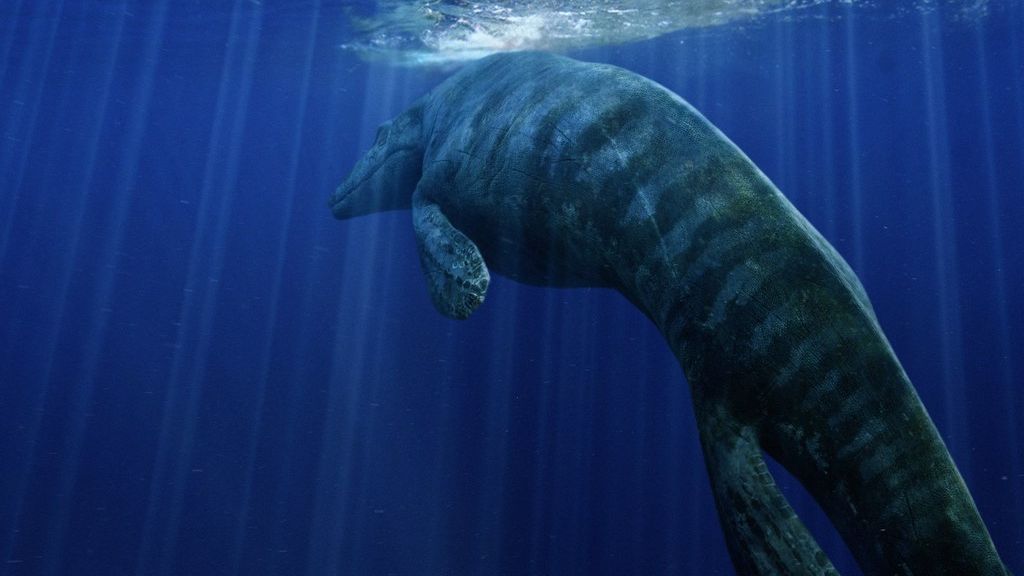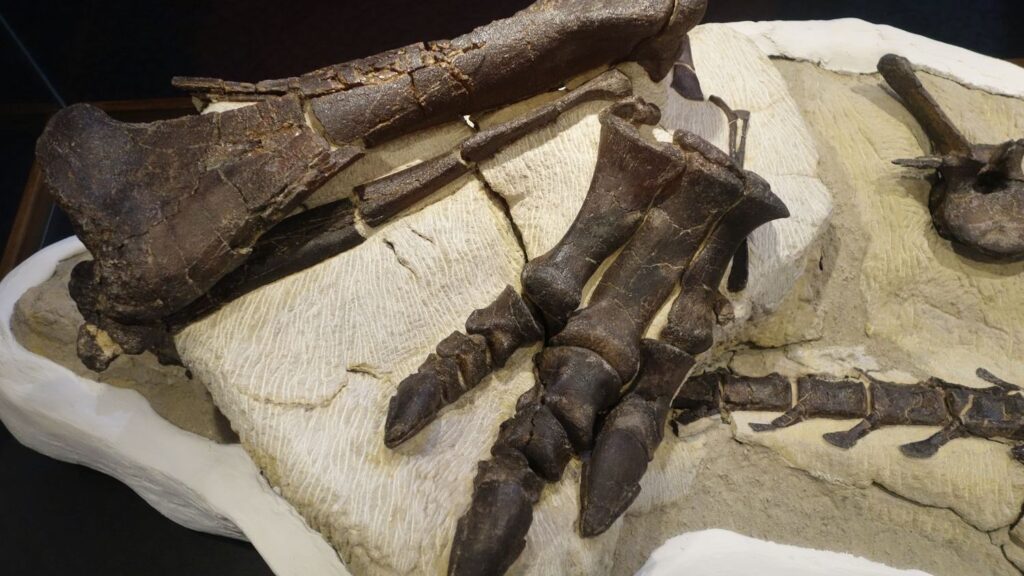
You already know the basic story: roughly about sixty six million years ago, a massive asteroid slammed into what’s now Mexico’s Yucatán Peninsula and wiped out the non-avian dinosaurs along with a huge chunk of life on Earth. But it’s strangely hard to wrap your head around how much of your own existence is tied to that one bad day. had passed just a little ahead or behind our planet, everything about your world today could look radically different.
In this thought experiment, you can treat that missed impact like pulling a key Jenga block and somehow keeping the tower standing. Life would keep going, but in a very different shape. As you follow these what-ifs, you’ll see where science has reasonable ideas, where it shrugs and says “maybe,” and where the implications get genuinely unsettling. By the end, you might look at birds, mammals, and even your own reflection a little differently.
Would Dinosaurs Still Rule the Planet?
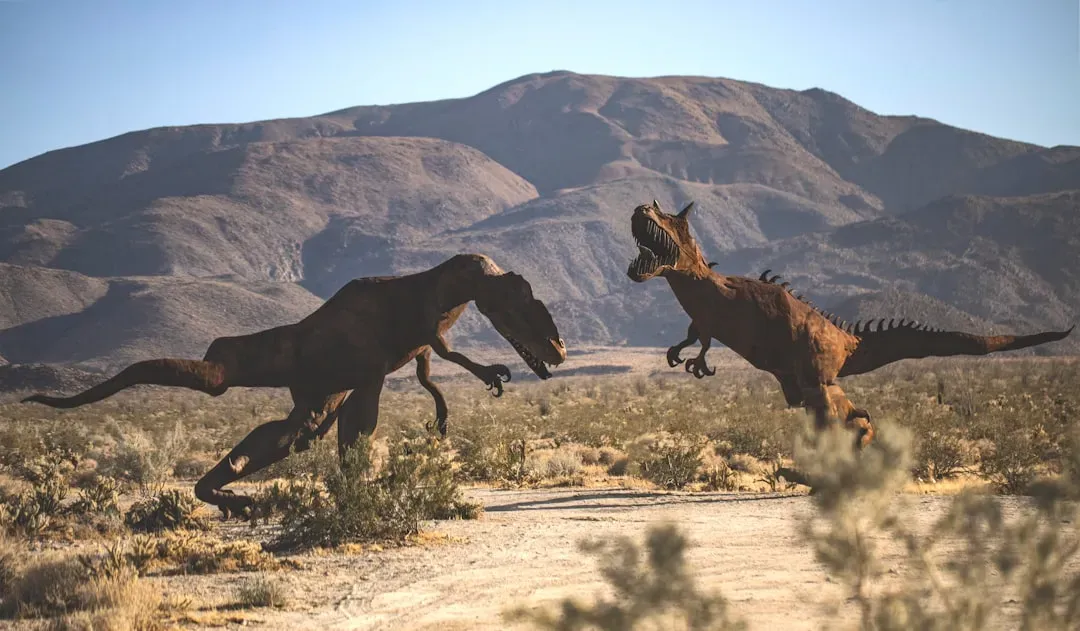
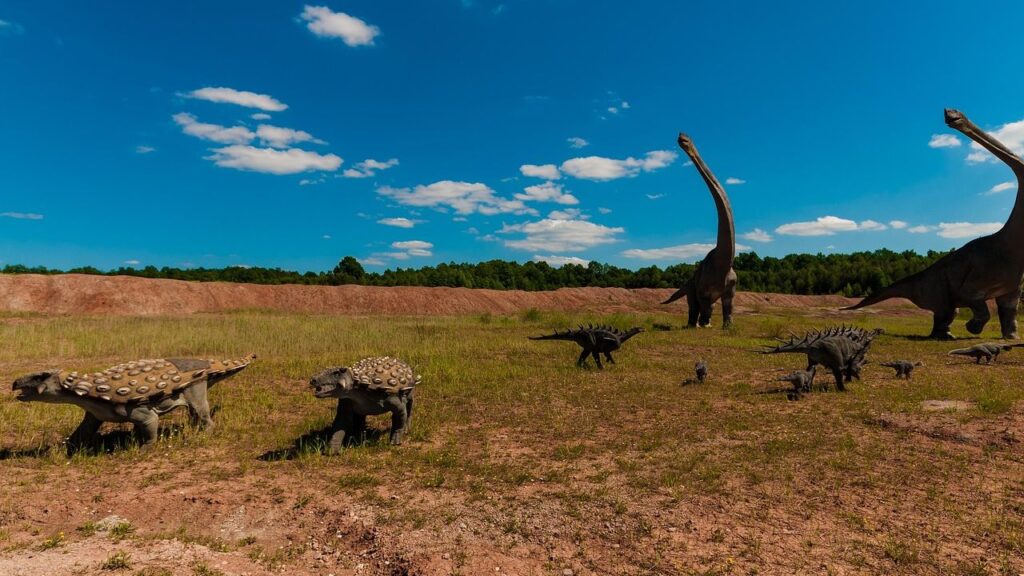
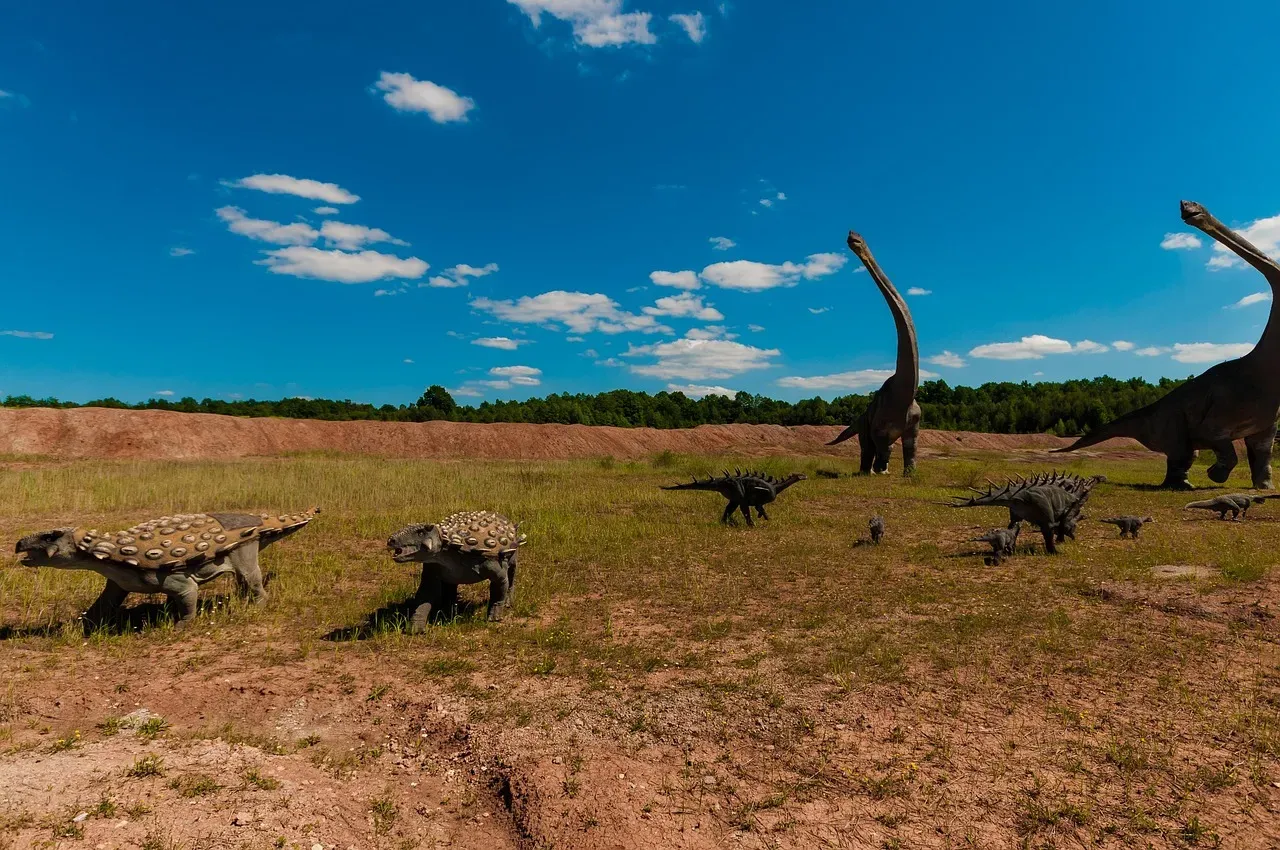
Picture stepping outside and looking up at a skyline not of glass towers but of sauropods roaming forests and tyrannosaurs stalking floodplains. If Chicxulub missed, you’d almost certainly still be living on a dinosaur-dominated Earth, because they were incredibly successful and diverse right up until the impact. Fossils show that in the late Cretaceous, large dinosaurs filled almost every major land niche: top predators, giant herbivores, fast runners, even small, agile omnivores. They were not fading away; they were thriving.
You also need to remember that dinosaurs had already survived more than one mass extinction and huge climate swings long before Chicxulub. That track record tells you these animals were adaptable on geologic timescales. Without a global catastrophe, they likely would have continued evolving, splitting into new forms over millions of years. You might have seen even more specialized armored species, aquatic or semi-aquatic lineages, and maybe intelligent pack-hunters with better coordination and complex social behavior than anything you associate with reptiles today.
Do You Still Get Mammals – And Eventually Humans?
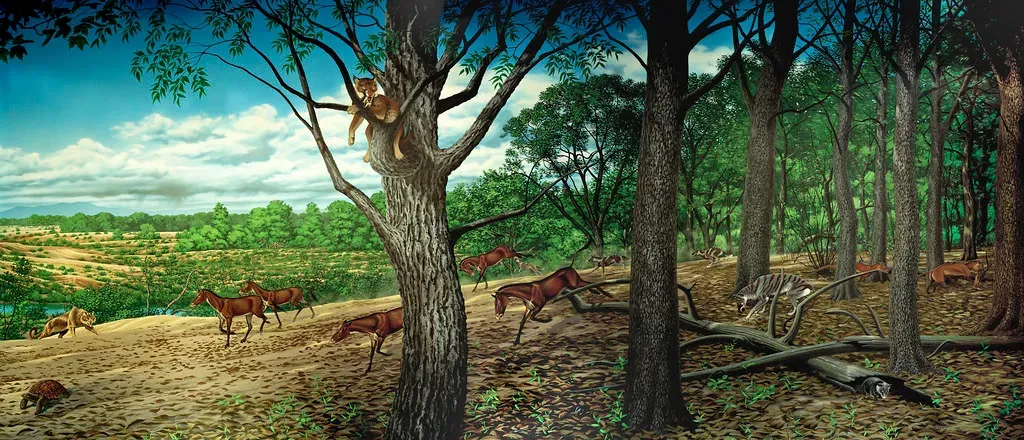
Here’s the twist: mammals were already around long before the asteroid, but they were mostly small, nocturnal, and sidelined while dinosaurs owned the big, daylight jobs. The impact opened up an ecological vacuum, and mammals rushed in. If that door never opened, you almost certainly still get mammals, just not the rapid and explosive rise that led to primates, apes, and eventually you. In a dinosaur-dominated world, mammals probably stay small to medium-sized for a very long time, sneaking into niches that giant reptiles cannot easily exploit.
Could a primate-like mammal still evolve, climb trees, grow big brains, and start asking about the universe? You cannot say it is impossible, but you have to accept that the odds get longer and the path gets slower. Dinosaurs would be competing fiercely for many of the same food sources and habitats that helped your ancestors thrive after the extinction. Instead of a world where mammals take over continents within a few million years, you get a world where they are constantly pushed to the margins. In that kind of world, a human-like species might appear much later, in very different ecosystems, or not at all.
How Different Would Earth’s Ecosystems Feel To You?
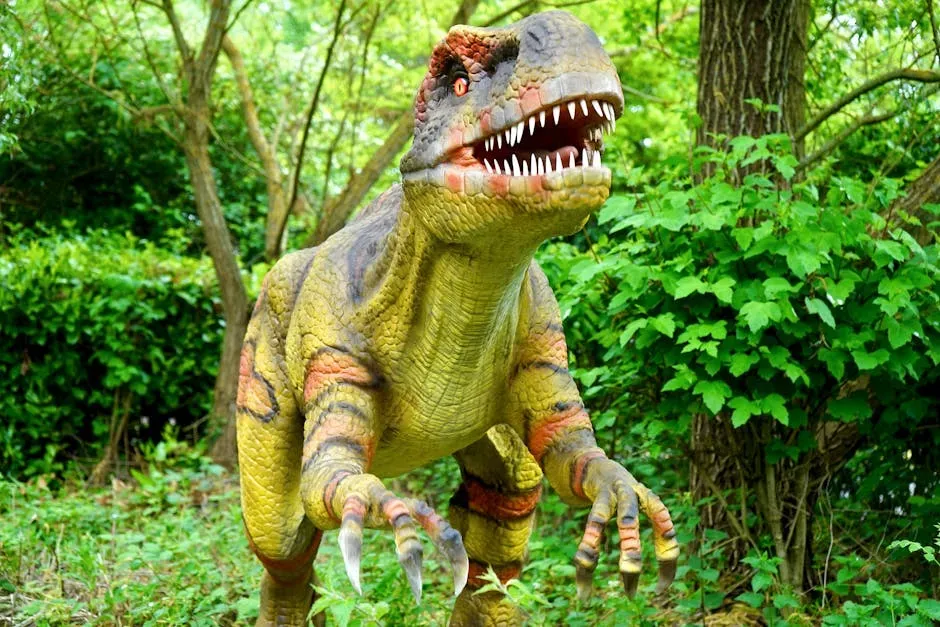
When you walk through a forest or pasture today, you take for granted that big land animals are mammals: deer, elephants, bison, big cats. Remove the Chicxulub impact from the story and you probably trade most of those for dinosaur lineages. You might have herds of duck-billed dinosaurs instead of antelope, horned dinosaurs instead of cattle-like grazers, and predator dinosaurs filling roles now taken by big cats, wolves, and bears. The soundscape, the smell, even the way the ground vibrates as large animals move would feel different to you.
Plant life would also take a different route. Flowering plants were already spreading before the impact, but the extinction reshaped which plants dominated which regions. If dinosaurs kept browsing and trampling for tens of millions more years, you would see different forests and grasslands emerge. Even insects might be different, because they co-evolve with plants and vertebrates. The dragonflies, butterflies, and pollinators you know today could be replaced by lineages adapted to dinosaur-sculpted landscapes, giving you an Earth that feels familiar in outline but alien in detail.
Climate, Continents, and a Dinosaur Future
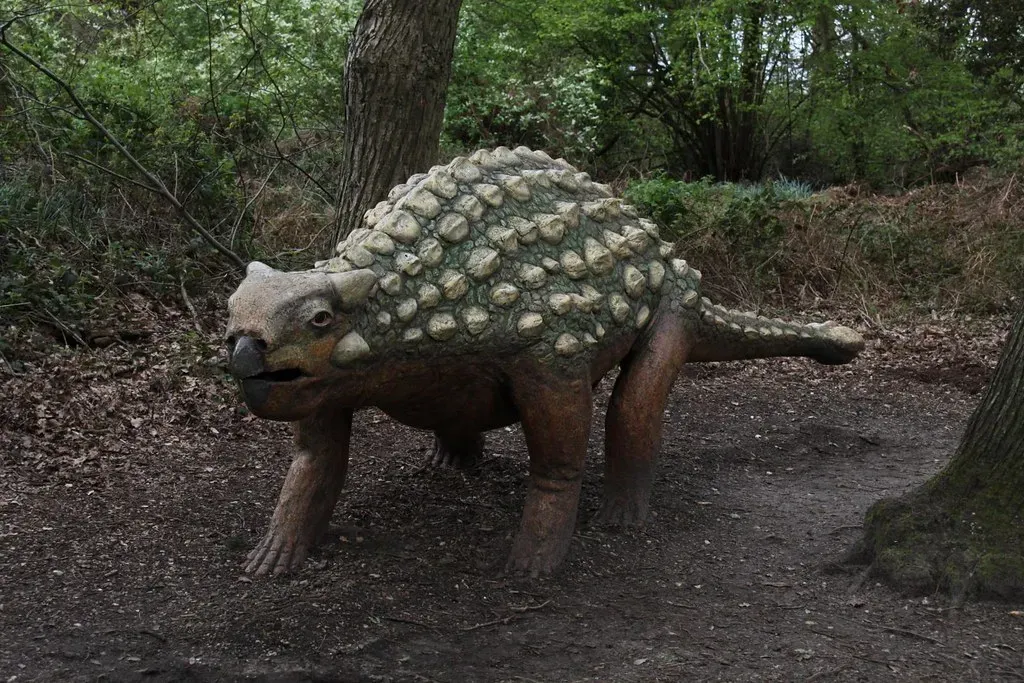
You might be tempted to think that without the asteroid, the climate would be roughly the same, but that’s not how Earth works. Over tens of millions of years, continents keep drifting, oceans open and close, and volcanoes belch greenhouse gases whether dinosaurs are around or not. Even if Chicxulub missed, your planet would still move from the warm, high-sea-level world of the late Cretaceous toward cooler periods and shifting coastlines. Dinosaurs, if they survived, would have to ride out those changes just like mammals eventually did.
That means you could end up with polar dinosaurs in snowier conditions, desert-adapted dinosaurs in expanding arid belts, and island dwarf species evolving on fragmented landmasses. You can imagine something like an Ice Age documentary, but with feathered theropods stalking through frost and herds of horned dinosaurs pushing through winter storms. The big question for you is not whether climate would change but how those shifts would redirect dinosaur evolution. In some scenarios, climate stress might finally cut them back, giving mammals more space, but in others, dinosaurs might adapt again and keep their hold on the top spots.
Would Technology And Civilization Still Emerge?

This is where you have to be humble about what you do not know. Civilization, as you experience it, depends on a chain of events: the rise of large-brained primates, the development of language, control of fire, agriculture, and then the long climb to cities and technology. Without the asteroid, that exact chain likely does not happen. You could be living in a world with no smartphones, no satellites, and no written history because the particular primate line that produced all of that never gets its big opening.
However, you also have to admit that intelligence is not an exclusively human trick. Some dinosaurs, especially bird-like theropods, already had relatively large brains and complex behaviors compared with many reptiles. Over tens of millions of extra years, a few lineages might have evolved even more advanced problem-solving skills. Would any of them reach the level of abstract thought needed for tools, culture, and technology? No one can say for sure, and you should be wary of turning that into a science-fiction certainty. The only honest answer is that your kind of civilization becomes less likely, not that complexity and cleverness disappear altogether.
How Different Would Your Night Sky And Science Be?
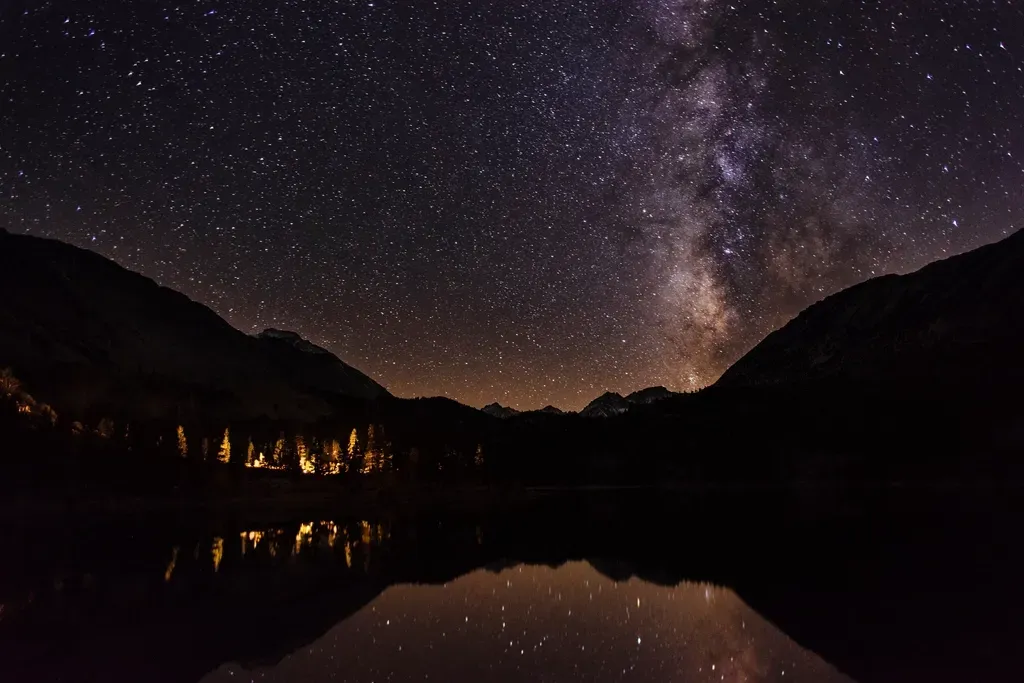
If you somehow existed in this alternate history, your relationship to the cosmos would probably feel different. In your reality, the story of Chicxulub is one of the clearest warnings that space rocks can change everything. It is part of why your species takes asteroid detection and planetary defense seriously. If that impact never happened, you might not have such a dramatic fossil-scarred reminder. The idea that a single rock could reboot the planet might feel more like a vague possibility than a documented event.
Your entire scientific timeline would also shift. Paleontology as you know it grew partly out of the mystery of dinosaur extinction. Without that sharp boundary in the rock record, geology and evolutionary biology might focus on different questions. Maybe scientists in that world puzzle over slow shifts in dinosaur ecosystems instead of sudden disappearances. The big lesson you take today about how fragile complex life can be after a global shock might be muted, changing how seriously future civilizations treat issues like climate change, biodiversity loss, and cosmic hazards.
What Does This Alternate Timeline Teach You About Your Own?
Thinking through this scenario, you start to realize how much of your everyday life hangs on events you never saw and never controlled. The missed-asteroid timeline is a reminder that your species did not appear because it was destined to, but because a chain of accidents created room for your ancestors. When you look at a bird perched on a wire, you are looking at a dinosaur survivor of that catastrophe. In a world where Chicxulub missed, those survivors might still be just one piece of a much larger dinosaur tapestry.
This perspective can make you feel small, but it can also sharpen your sense of responsibility. You live in the version of Earth where mammals got a chance to do something remarkable with their borrowed time. You have the ability to understand past extinctions, see current risks, and choose not to trigger your own. The asteroid that missed in this thought experiment is a reminder that you are always living inside one particular branch of a much bigger tree of possibilities. Knowing that, what do you want to do with the one path you actually have?