Stretched across the southern reaches of South America, Patagonia is a place of wind-scoured plains and ancient rock formations that seem almost too remote to matter. Yet for paleontologists, it has quietly become one of the most productive regions on Earth. Bone after bone, layer after geological layer, this vast terrain keeps surrendering secrets that scientists never expected to find there.
The discoveries coming out of Argentina and Chile in recent years have done more than just add new names to a growing list of prehistoric species. They are forcing researchers to rethink long-held ideas about how giant plant-eaters lived, migrated, and dominated their ecosystems. You’re looking at a region that is essentially rewriting the textbook on Mesozoic herbivores, one fossil site at a time.
Why Patagonia Is Such a Remarkable Fossil Graveyard
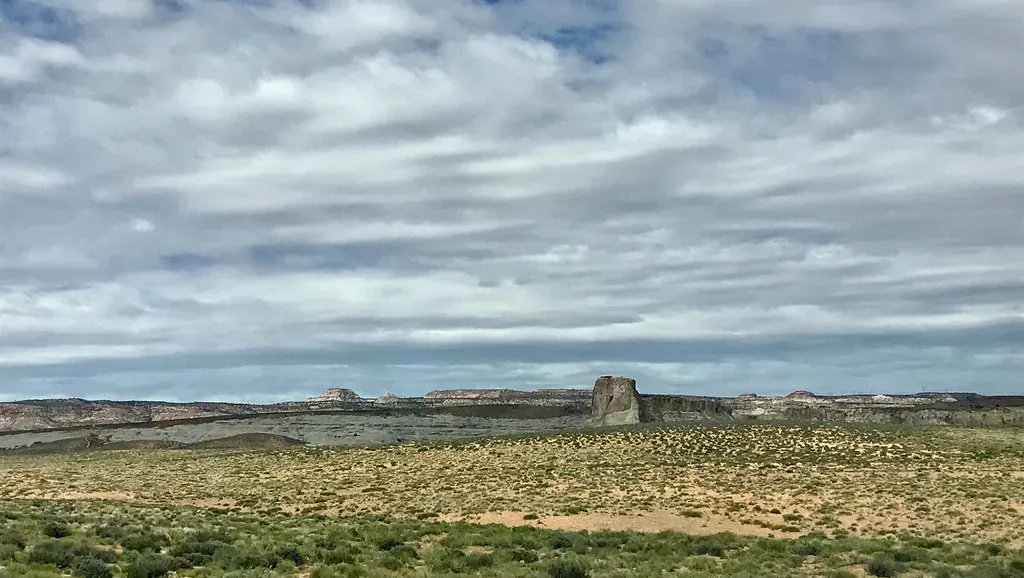
The dinosaurs of Patagonia have captured the attention of scientists and enthusiasts worldwide, and with good reason: Patagonia, with its vast expanse and rich geological layers, was home to some of the largest dinosaurs ever found on the planet. The key to the region’s exceptional fossil record lies partly in its geology. Because of natural uplift and erosion, sediment that dates from the Cretaceous period is exposed at the surface in the region’s desert badlands, making fossilized bones easier to spot and excavate.
The geological conditions that facilitated fossil preservation in Patagonia included the presence of prehistoric rivers and lakes, which, when they dried up, covered dinosaur remains with layers of sediment. Volcanic activity also contributed to the preservation of bones and fossilized footprints. It’s a combination of circumstances that happens to favor the survival of remains over millions of years, which is far rarer than most people realize.
Patagotitan: The Giant That Shook the Record Books
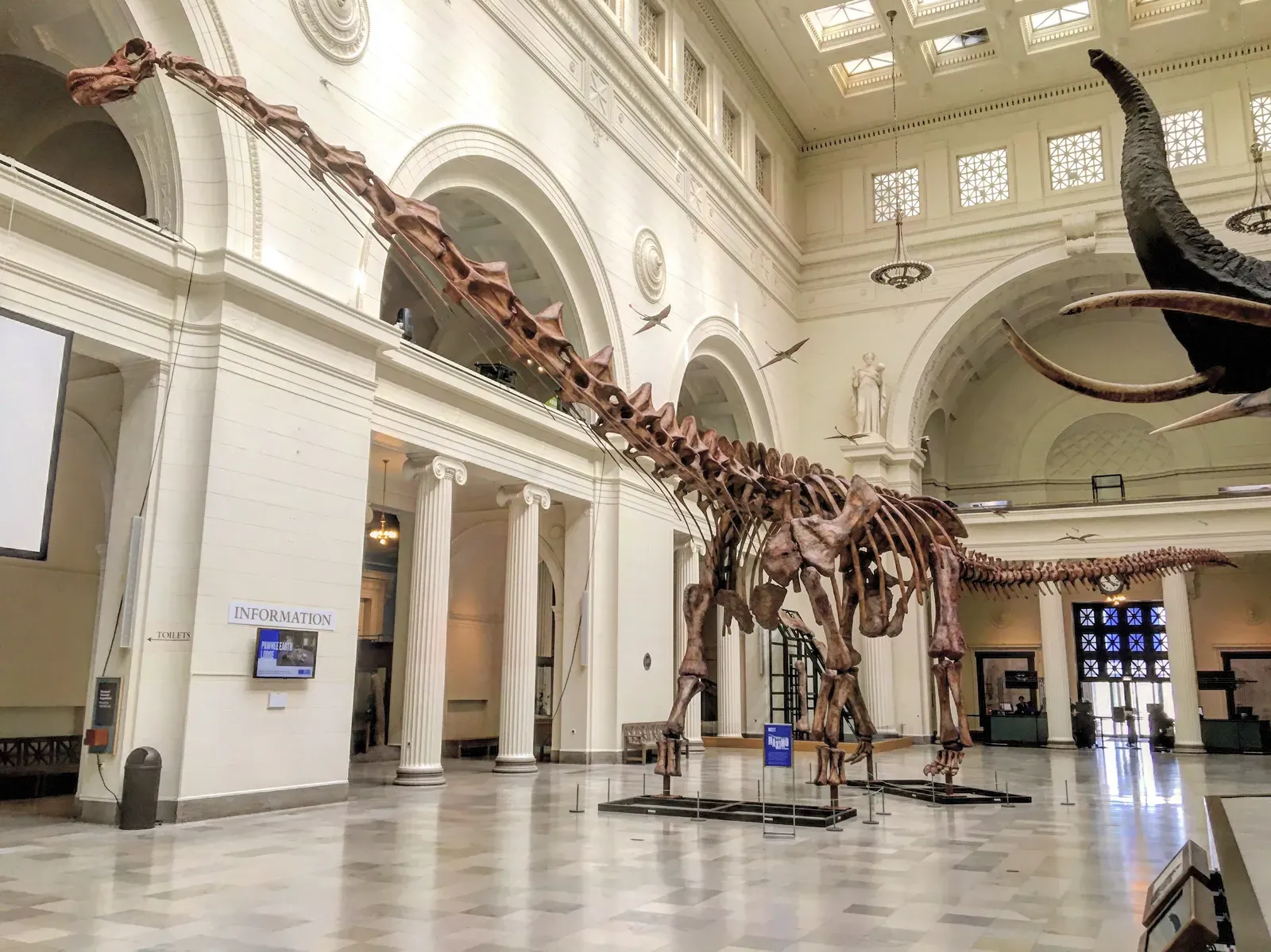
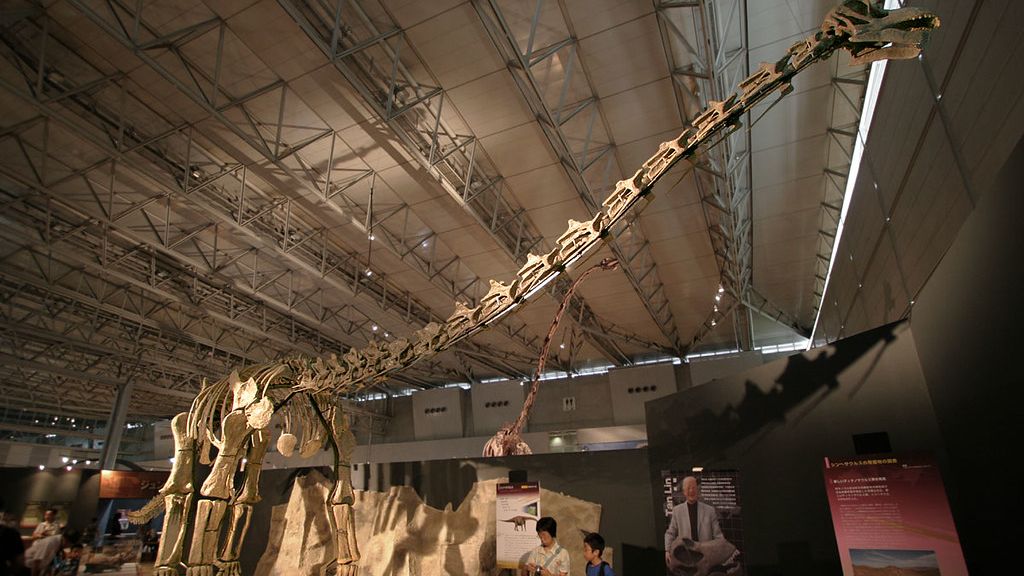
Patagotitan is a genus of titanosaurian sauropod dinosaur from the Cerro Barcino Formation in Chubut Province, Patagonia, Argentina, and the genus contains a single species, Patagotitan mayorum, which was first announced in 2014 and then formally named in 2017. The sheer scale of this animal is difficult to wrap your head around. Originally thought to be the largest known titanosaur and land animal overall, preliminary studies suggested that Patagotitan had an estimated length of 37 meters and an estimated weight of around 69 tonnes.
Histology of five femora and one humerus indicates that the individuals died while they were young adults, with growth having slowed but not ceased entirely. That detail is staggering. You’re looking at an animal that hadn’t even finished growing and was already among the heaviest creatures to ever walk the Earth. Like other titanosaur sauropods, Patagotitan was a quadrupedal herbivore with a long neck and tail and is notable for its large size.
Dreadnoughtus: The Most Complete Giant Ever Discovered
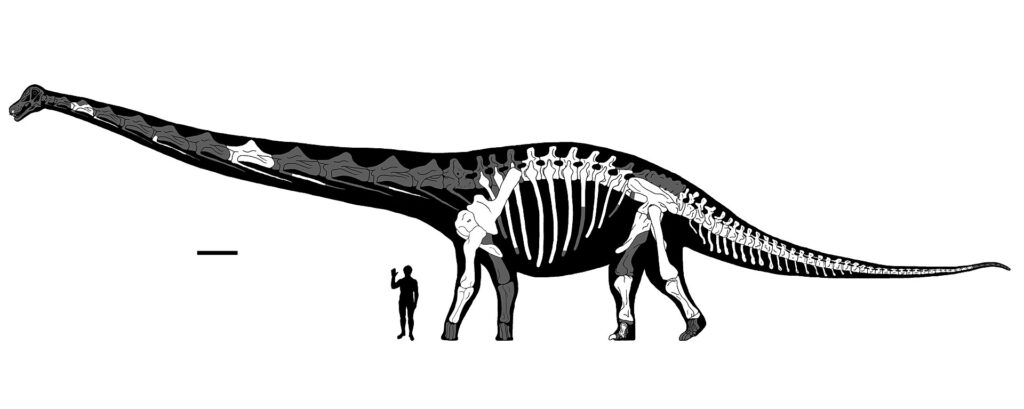
Titanosaurian sauropod dinosaurs were the most diverse and abundant large-bodied herbivores in the southern continents during the final 30 million years of the Mesozoic Era, yet nearly all of these giant titanosaurs are known only from very incomplete fossils, hindering a detailed understanding of their anatomy. That’s what made the discovery of Dreadnoughtus schrani so significant. Described from Upper Cretaceous sediments in southern Patagonia, Dreadnoughtus is the most complete giant titanosaur yet discovered and provides new insight into the morphology and evolutionary history of these colossal animals.
Despite its estimated mass of about 59.3 metric tons, the bone histology of the Dreadnoughtus type specimen reveals that this individual was still growing at the time of death. The completeness of the skeleton mattered enormously, because it gave researchers a structural framework that fragmentary finds simply cannot provide. By comparison to Dreadnoughtus, Argentinosaurus preserves only about five percent of the expected skeletal elements, and Puertasaurus preserves less than three percent. That context makes clear just how rare and valuable a near-complete skeleton truly is.
Yeneen Houssayi: A Brand New Species from Neuquén
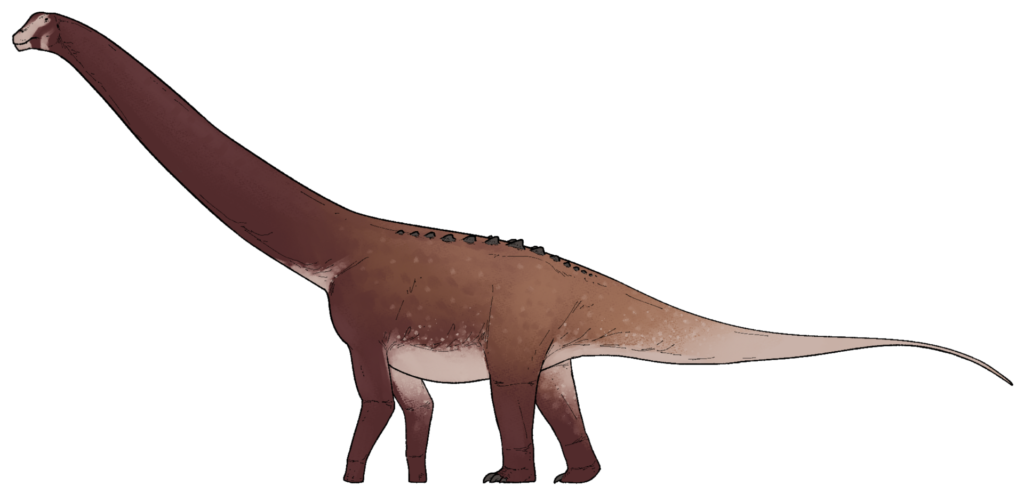
Scientists in Argentina have identified the fossilized remains of a previously unknown species of sauropod dinosaur in the Patagonian province of Neuquén, with the fossils estimated to be around 83 million years old, belonging to a long-necked herbivore within the titanosaur group, named Yeneen houssayi. The find is a recent reminder that Patagonia hasn’t finished surprising researchers. The remains were uncovered at Cerro Overo-La Invernada, an area regarded as one of the most palaeontologically rich regions in Patagonia.
The find represents the third distinct titanosaur species identified at La Invernada, alongside Overosaurus paradasorum and Inawentu oslatus. Three different titanosaur species at a single location is a remarkable concentration by any measure. This opens up several hypotheses, including the possibility that sauropod dinosaurs were highly diverse and abundant in the area during the Upper Cretaceous period, with the species potentially separated by thousands or even millions of years at different stratigraphic levels.
Chadititan Calvoi and the Rinconsaurian Mystery
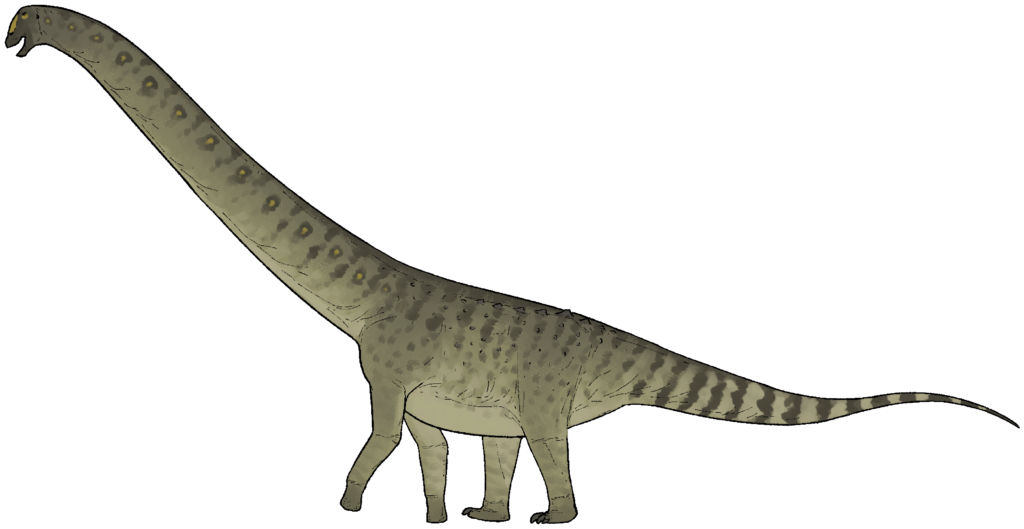
A team of 18 interdisciplinary specialists, including National Geographic Explorer Diego Pol, unearthed a new titanosaur in the Anacleto Formation of northern Patagonia. The species, named Chadititan calvoi, belongs to the Rinconsaurian group of titanosaurs and comes with an unusually rich surrounding context. In northern Patagonia, paleontologists unearthed an ancient lagoon ecosystem surrounded by sand dunes and palm trees where prehistoric creatures thrived, with excavations of 78 million-year-old rocks from a quarry just outside General Roca city yielding a treasure trove of 432 fossils belonging to over a hundred animal groups.
The finding is interesting because it suggests that the titanosaur subgroup to which Chadititan calvoi belongs, the Rinconsaurians, may have had unusual body proportions, potentially being more giraffe-like in build than most other sauropods. That’s a genuinely unexpected body plan for a group long assumed to follow the standard heavy-bodied sauropod template. Though titanosaurs roamed all over the globe, it was in South America that they were most diverse and abundant, making them the subcontinent’s most important herbivores.
Titanomachya and the Puzzle of Shrinking Giants
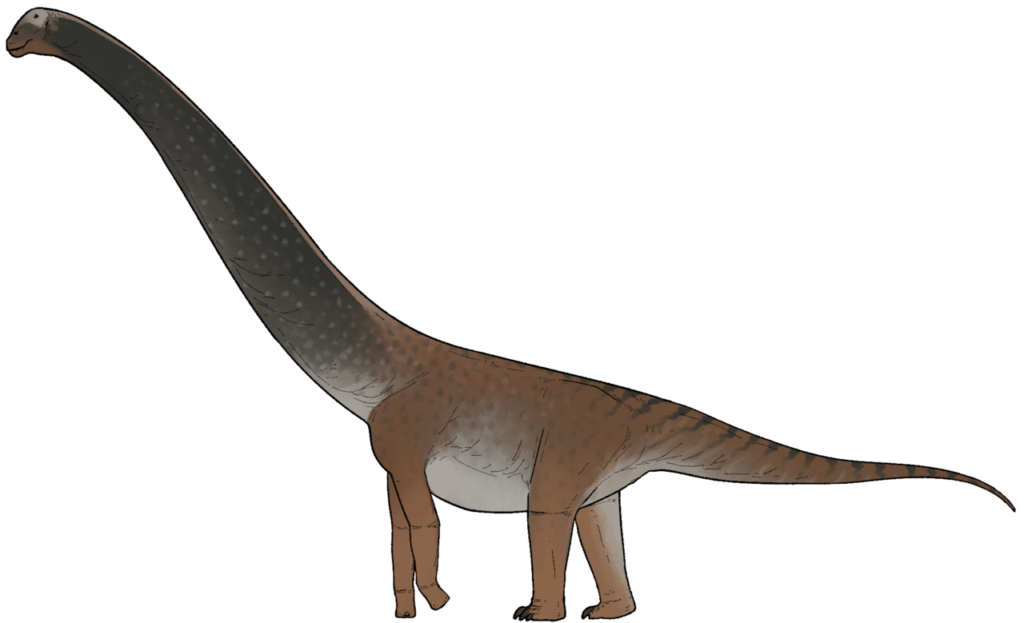
Named Titanomachya gimenezi, the long-necked herbivore belonged to a family of usually immense dinosaurs called titanosaurs, but even fully grown, Titanomachya was about the size of a cow. That’s a striking contrast to the colossi dominating most Patagonian headlines. Pol and his colleagues have so far uncovered more than 20 fossil-rich sites dating to the late Cretaceous in Argentina, and one of them, the La Colonia Formation of central Patagonia, is where the researchers found bones from a long-necked sauropod, with no sauropods ever having been found before in this formation.
In Cretaceous-era Patagonia, paleontologists are finding evidence that the land, flora, and fauna were undergoing significant changes, with titanosaurs like Titanomachya beginning to disappear while other herbivores, such as hadrosaurs and ankylosaurs, were taking up new roles in the ecosystem. Experts are investigating several hypotheses for its unusually small size, including the possibility that its smallness was a result of titanosaurs adapting to environmental pressures. The question of why some of these giants shrank toward the end of the Cretaceous is one of the more intriguing open problems in paleontology right now.
Gonkoken Nanoi: The Duck-Billed Dinosaur That Rewrote Migration History
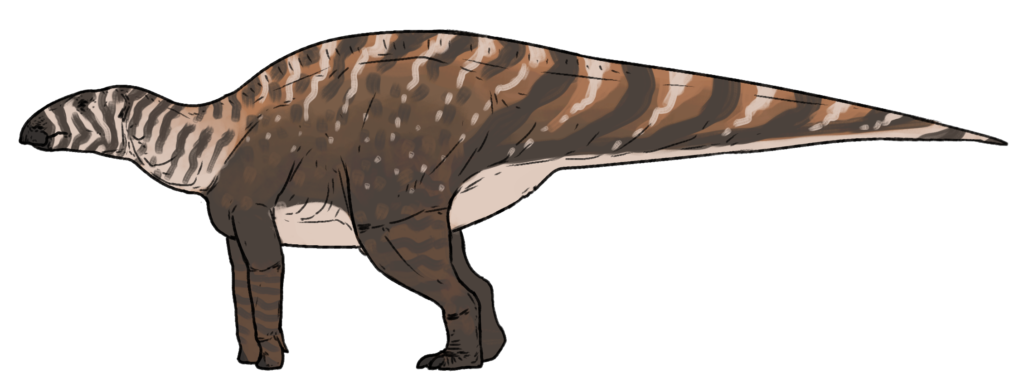
Gonkoken is unlike any other known South American duck-billed dinosaur, or any from the old southern supercontinent of Gondwana. Until now, all known duck-billed dinosaurs from Gondwana were hadrosaurids, which had their heyday in the late Cretaceous and had such efficient, plant-pulverizing teeth that they chewed their way to nearly global dominance. The discovery of this animal in subantarctic Chilean Patagonia was, in the words of researchers, genuinely unexpected. A study shows that an older duck-billed lineage appears to have thrived some 72 million years ago in subantarctic South America, potentially millions of years before hadrosaurids reached the continent.
Gonkoken nanoi is the first non-hadrosaurid duck-billed dinosaur known from the southern supercontinent of Gondwana. Its presence there implies that duck-billed dinosaurs arrived in South America in at least two separate waves rather than one, which shifts your understanding of how these herbivores spread across the ancient world. The findings may also mean that hadrosaurids were not quite as widespread as previously thought, with fragmentary remains in southern Patagonia and Antarctica that were thought to belong to hadrosaurids possibly actually being Gonkoken or its close relatives.
What These Discoveries Mean for Our Understanding of Herbivore Diversity
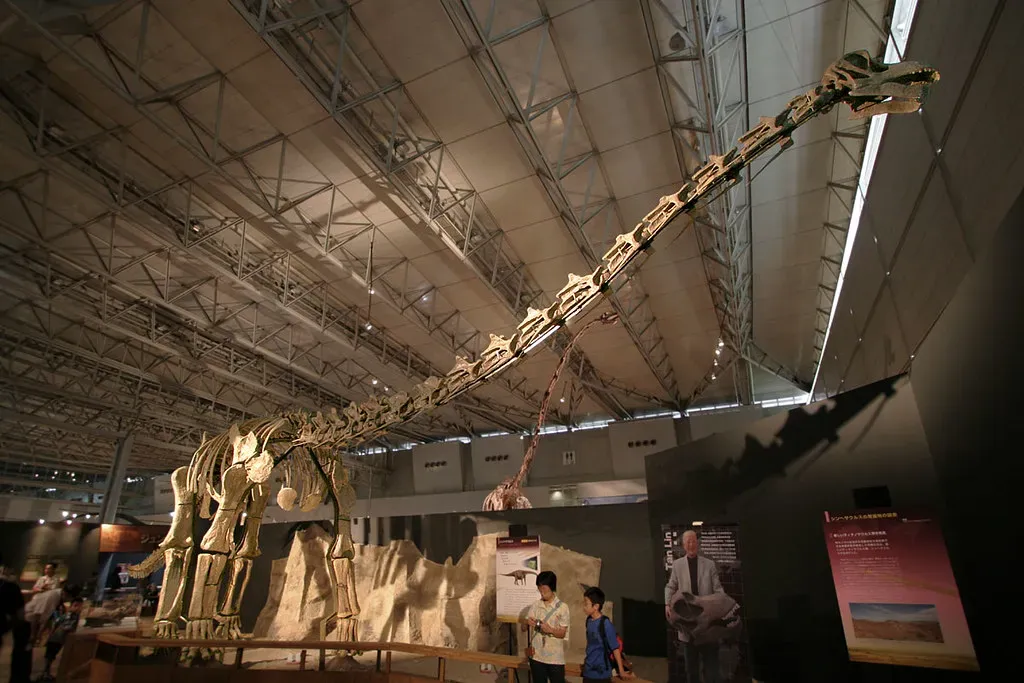
Titanosaurian sauropod dinosaurs were the most diverse and abundant terrestrial herbivores in the Southern Hemisphere landmasses during the Late Cretaceous. The wave of discoveries coming out of Patagonia is filling in that picture with a level of detail researchers didn’t have before. Herbivore dinosaurs in the Southern Hemisphere seem to contradict other trends leading up to the Chicxulub asteroid impact, with some studies suggesting there was a crisis in biodiversity just prior to the mass extinction event, especially among herbivores.
When an asteroid brought about the end of the dinosaurs about 66 million years ago, titanosaurs were the last long-necked herbivores alive, and studying the new species and others could help paleontologists understand how biodiversity changed as the world approached the end of the dinosaur reign. The findings in Patagonia have allowed scientists to better understand the size, biology, and behavior of giant dinosaurs, fundamentally changing how these prehistoric animals are studied. Each new specimen recovered from this remote region carries the potential to shift assumptions that have stood for decades.
Conclusion
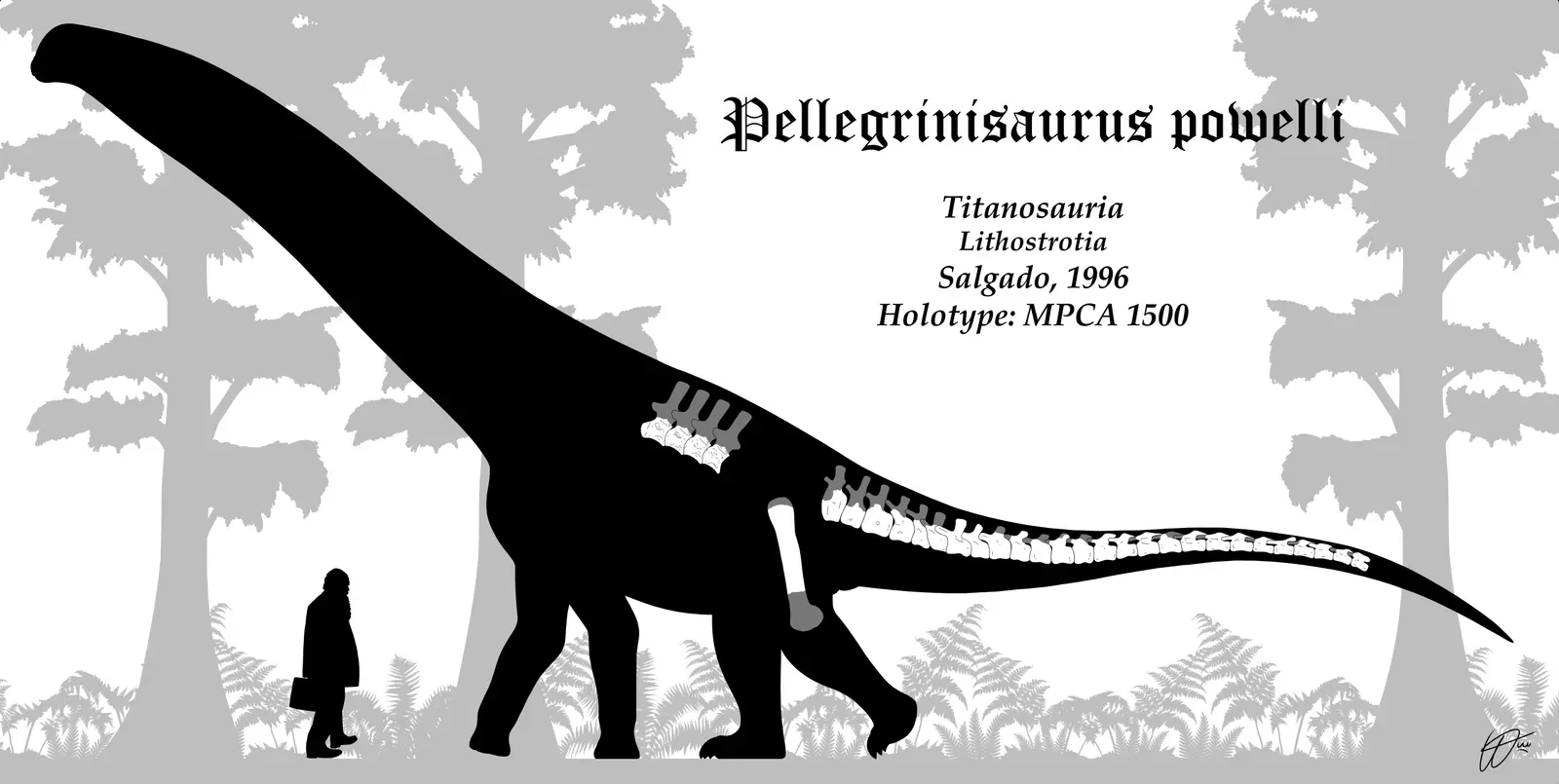
What Patagonia keeps demonstrating, year after year, is that the story of giant herbivores is far more complex and geographically surprising than anyone imagined a few decades ago. You have titanosaurs with giraffe-like proportions, cow-sized members of a family known for giants, and duck-billed dinosaurs whose presence in the far south demands a complete rethink of ancient migration routes.
The ground is still being explored. New sites continue to emerge, and the technology available to study them is steadily improving. The evidence from this windswept corner of South America has already changed what you can confidently say about Mesozoic herbivores, and there is every reason to expect it will keep doing so. The bones buried beneath Patagonia’s plains are not finished telling their story.