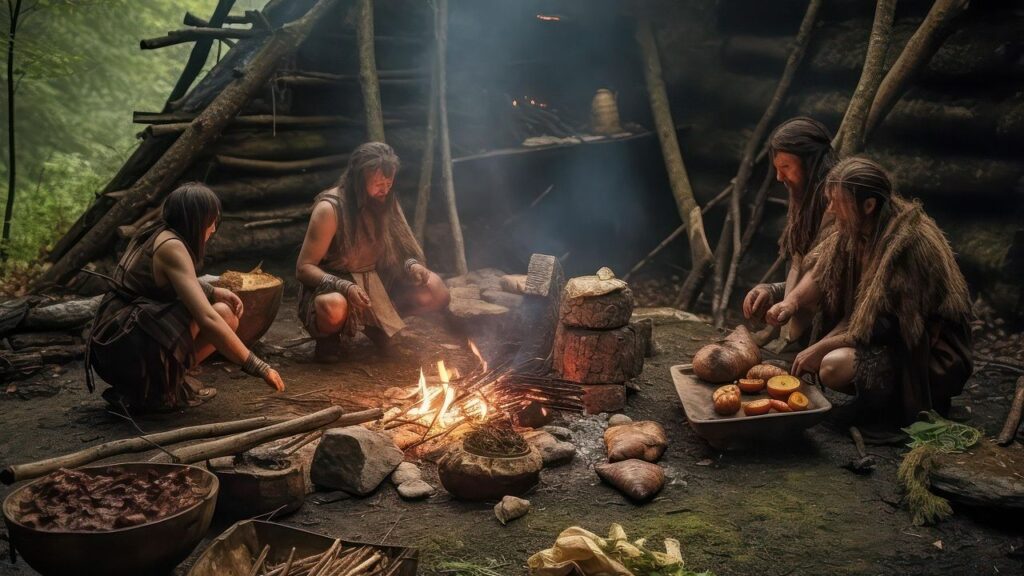
Have you ever paused to wonder how your ancestors survived when they had no smartphones, no grocery stores, and no heated shelters? The path from scattered groups of early humans wandering across wild landscapes to organized civilizations with cities, governments, and written records is nothing short of extraordinary. Early humans didn’t just stumble into complexity. They built it, piece by careful piece, through ingenuity, cooperation, and adaptation.
Let’s be real. The transformation from simple bands of foragers to complex societies is one of the greatest stories in human history, and it’s packed with surprises. What you’re about to discover might just change the way you think about ancient life.
The Rise of Social Networks and Cooperation
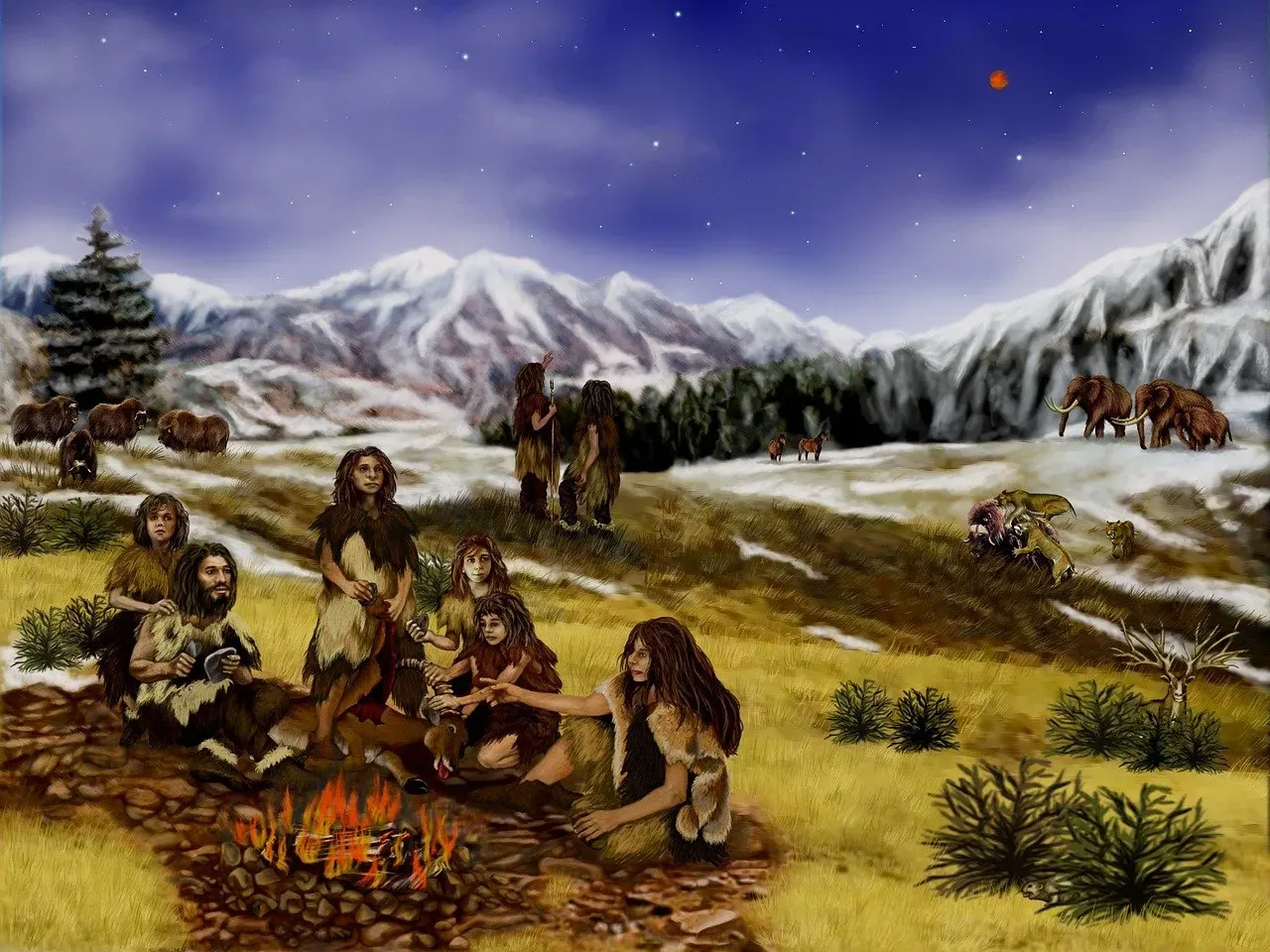
Expanding social networks led, eventually, to the complex social lives of modern humans. Picture this: small groups of early humans, maybe a few dozen people, roaming together in search of food. These weren’t just random gatherings. Some groups of early humans began collecting tools and food from a variety of places and bringing them to favored resting and eating spots, and sharing vital resources with other members of the group led to stronger social bonds and enhanced the group’s chances of survival.
Cooperation wasn’t a luxury for early humans. It was essential. Here’s the thing: forming strong social bonds allowed these groups to tackle challenges that individuals simply couldn’t handle alone. Think coordinated hunts, defending territory, or caring for the vulnerable. Social cooperation gave humans an edge over other species. By 130,000 years ago, groups who lived 300 km apart were exchanging resources. That’s a remarkable leap in connectivity, wouldn’t you say? These networks weren’t just about survival but about creating trust and building alliances that would shape the future.
Tool Development and Innovation
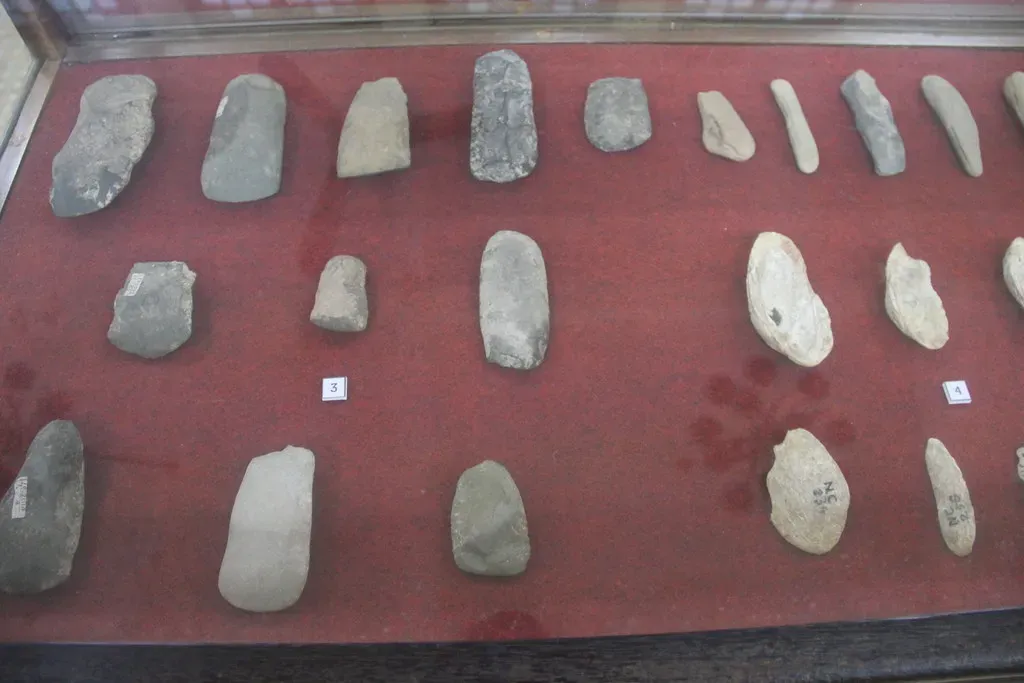
The earliest stone toolmaking developed by at least 2.6 million years ago. Imagine holding a simple stone in your hand and realizing you could shape it into something useful. That moment marked a turning point. These Oldowan toolkits include hammerstones, stone cores, and sharp stone flakes, and by about 1.76 million years ago, early humans began to make Acheulean handaxes and other large cutting tools. These tools weren’t just for cutting meat. They were multipurpose, used for scraping hides, shredding plant fibers, and preparing food.
Tools evolved over time, becoming more sophisticated and specialized. The widespread use of long blades appeared during the Upper Palaeolithic between 50,000 and 10,000 years ago. These advancements weren’t accidents. Early humans experimented, refined, and passed knowledge down through generations. It’s hard to say for sure, but the diversity of tools suggests a faster pace of innovation and possibly the emergence of distinct cultural identities. Some groups preferred specific methods, creating their own “toolkits” that reflected their environment and needs.
Language and Communication Evolution
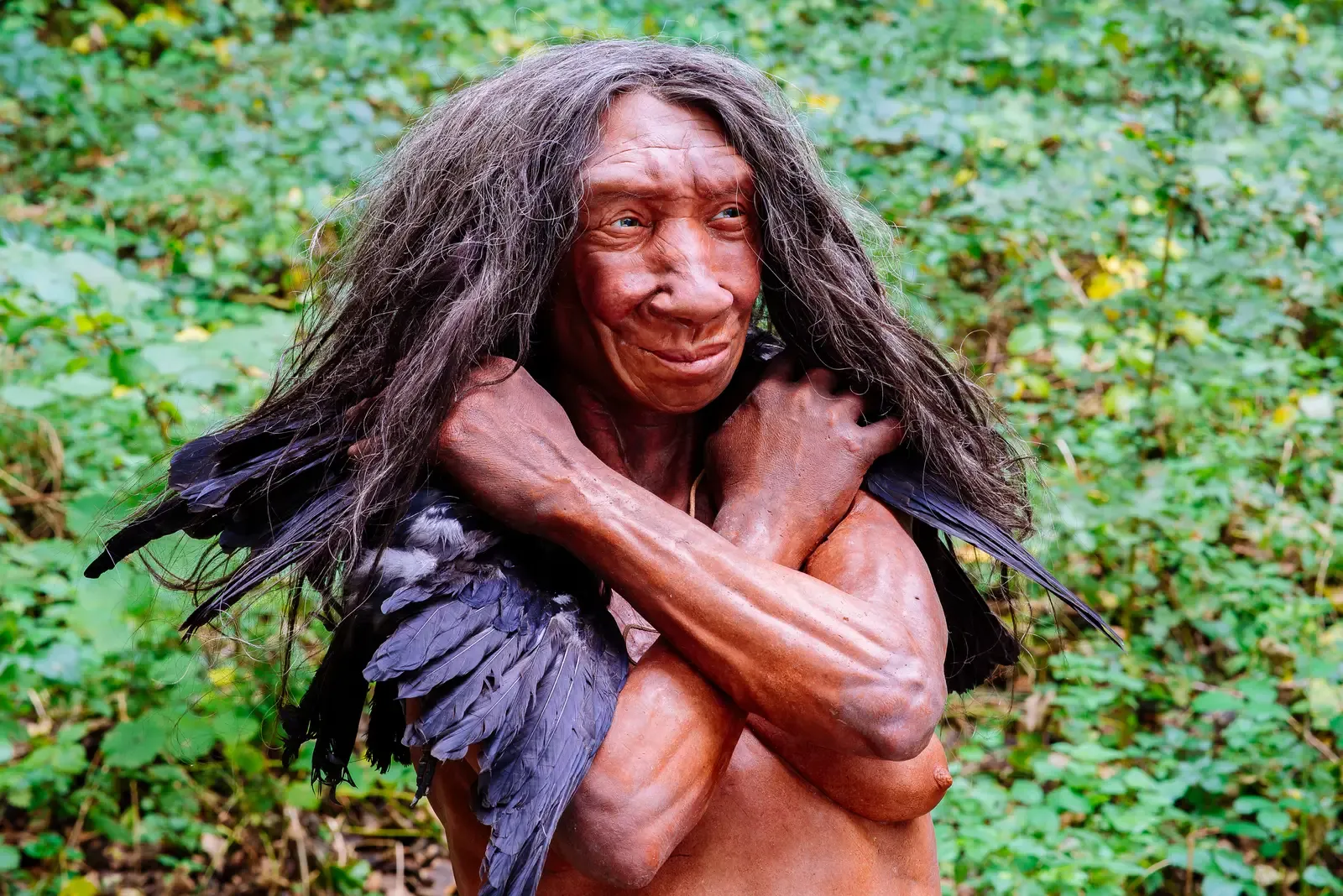
Language might be the most transformative development of all. Human communication was initiated with the origin of speech approximately 100,000 BCE, and symbols were developed about 30,000 years ago. Before that, early humans likely communicated through gestures, body language, and simple vocalizations. Think about it: without words, how would you coordinate a hunt or explain where to find water?
Early human communication was highly visual and thus at least partially gestural. Honestly, it’s fascinating to consider that gestures might have preceded complex speech. Some researchers believe language evolved gradually, while others argue for a sudden leap. What’s clear is that language enabled humans to share knowledge, plan for the future, and create complex social bonds. Early humans communicated through complex language, gossip, and shared fictions. Yes, gossip. It may seem trivial, but exchanging information about others built trust and cooperation. Shared stories and myths united groups, creating a sense of identity and purpose.
Hunter-Gatherer Social Organization
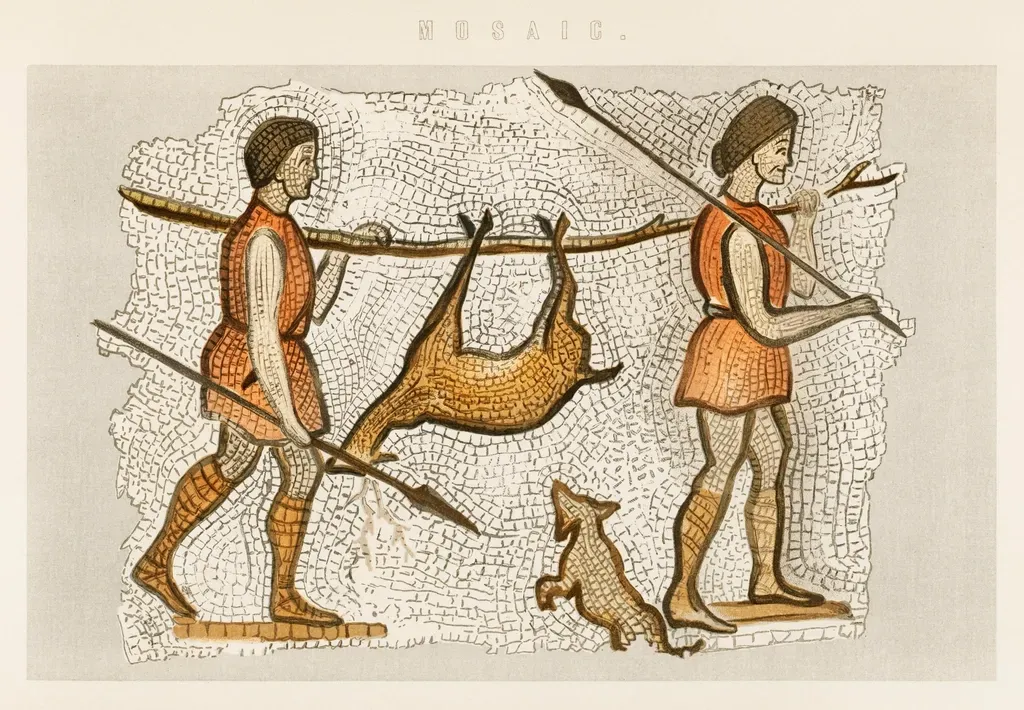
Hunter-gatherer groups, usually a few dozen people, were and are nomadic or semi-nomadic, and hunting and gathering emerged with Homo erectus about 1.8 million years ago. These groups weren’t just wandering aimlessly. They followed seasonal patterns, knew where to find resources, and adapted to their environments with remarkable skill. People subsisting this way experienced freedom to move about, equality between men and women, and the ability to engage in artistic pursuits, living in small groups that were related to clans of 50 to 100 people, fostering a sense of community and equality between genders.
Contrary to popular myth, these societies weren’t simple or primitive. Research suggests that a kind of social network structure could well have appeared quite early on in human history, with connections stretching not just to family members but also to non-kin, and they may have shared or exchanged food with other groups in their neighbourhood, maybe even at established meeting places. These networks facilitated cooperation, knowledge exchange, and cultural transmission. Hunter-gatherers were masters of their environments, using extensive botanical knowledge and sophisticated hunting techniques to thrive.
The Emergence of Hierarchies and Inequality
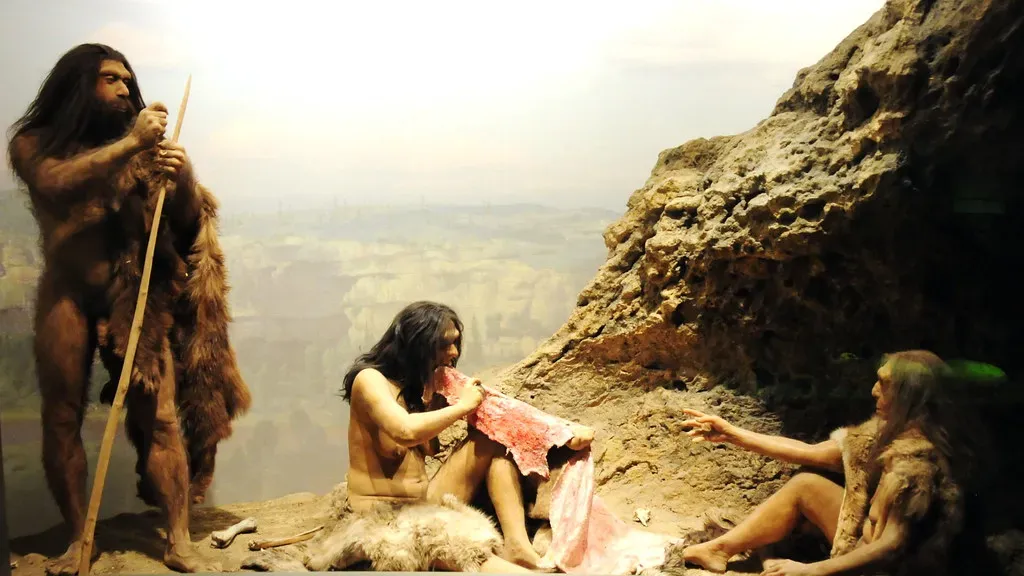
Complex societies with institutionalized inequality emerged far before the dawn of agriculture, perhaps as far back as the Middle Stone Age. Not all hunter-gatherer societies were egalitarian. It appears early human societies operated in a complex, class-based system that propagated through generations. Evidence from Bronze Age societies reveals that elites lived alongside those of lower social classes, and social stratification was already taking root.
Let’s be honest, hierarchy isn’t necessarily a modern invention. There is little differentiation of social roles in early hunter-gatherer societies, which are mostly based on gender and age, but it took a long time for these societies to become sufficiently heterogeneous to generate the creative achievements of the Neolithic revolution, which, in turn, changed the social structure of societies, as the segmentary differentiated societies became stratified into social hierarchies and allowed a significant division of labour. As societies grew larger and more complex, new forms of organization emerged, including specialized roles, leadership structures, and systems of governance.
The Agricultural Revolution and Settlement Patterns
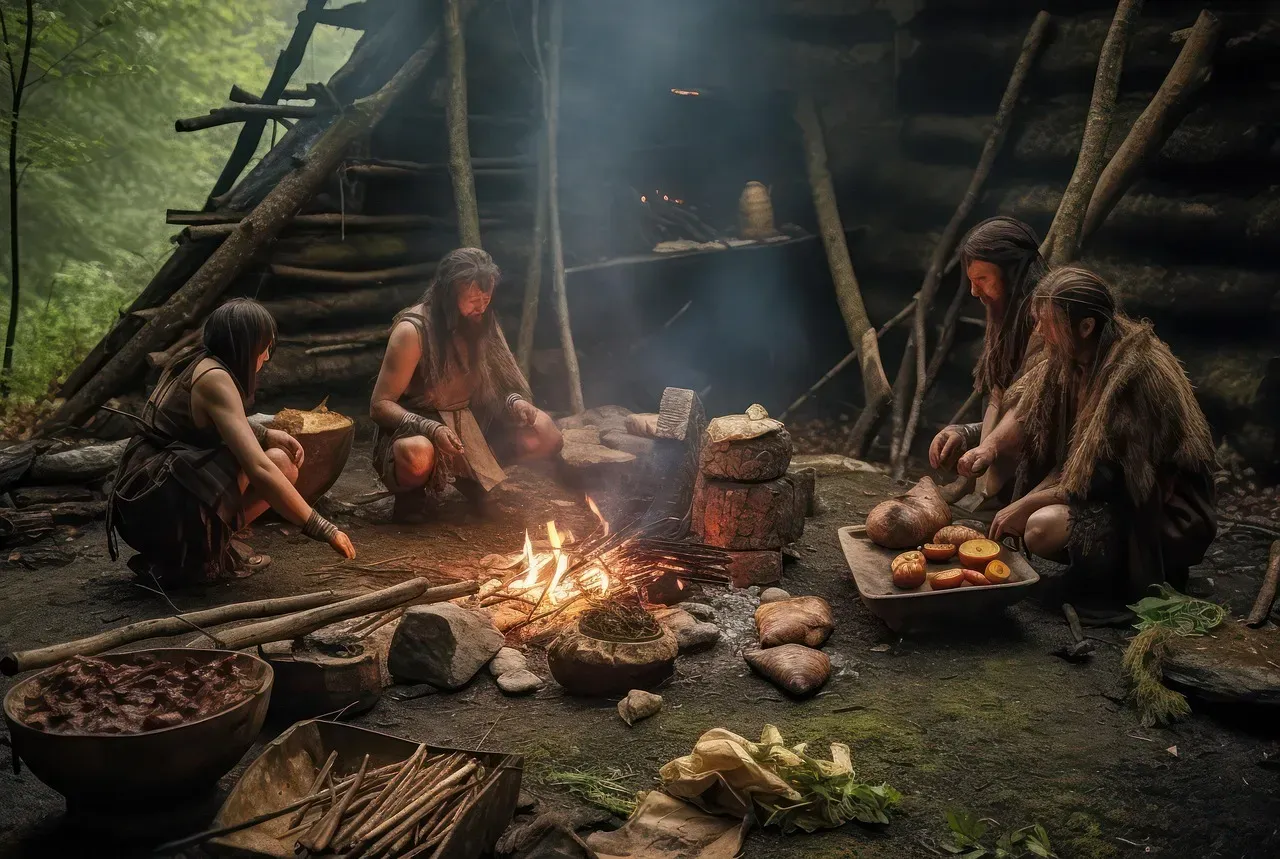
The Neolithic Revolution is thought to have begun about 12,000 years ago, coinciding with the end of the last ice age and the beginning of the current geological epoch, the Holocene. This shift from hunting and gathering to agriculture was monumental. The Neolithic Revolution started around 10,000 B.C. in the Fertile Crescent, a boomerang-shaped region of the Middle East where humans first took up farming, and shortly after, Stone Age humans in other parts of the world also began to practice agriculture.
Agriculture changed everything. As people embraced agriculture as a way of life, they had to stay in one place most or all of the year to plant, tend, and harvest their crops, and populations grew exponentially and began aggregating in permanent settlements, some quite large. Farming allowed for food surpluses, which supported larger populations and enabled the rise of specialized occupations. Pottery makers, weavers, and tool makers emerged, each contributing to a more complex economy. Settlements grew into villages, villages into towns, and eventually into cities with centralized governments, monumental architecture, and written records.
Fire, Art, and Cultural Expression
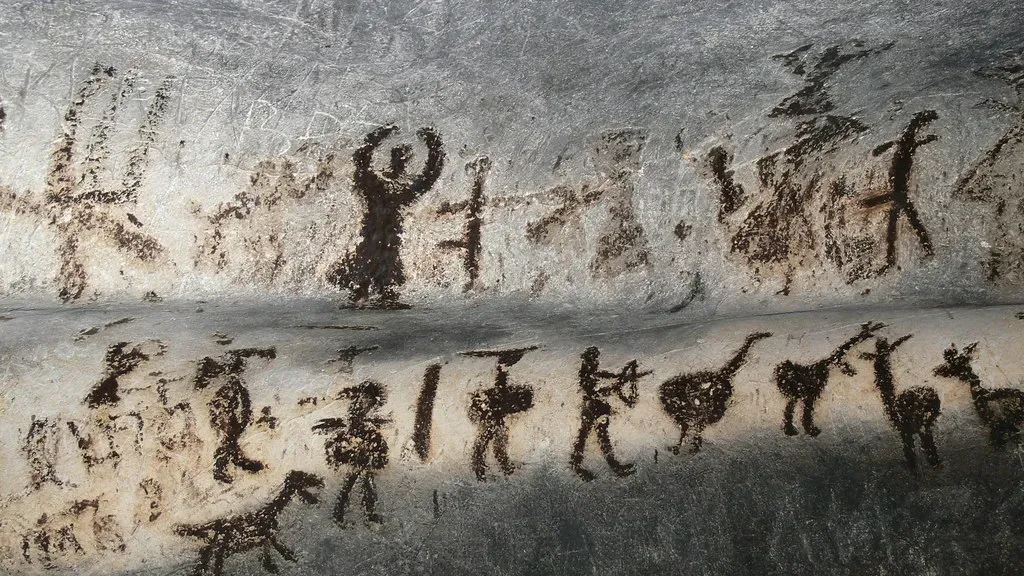
Fire was an essential technology for early human survival, and scientists believe that once humans learned to make and control fire, a path opened to more advanced tools, a more digestible diet, and the extension of territory into colder climates, and some believe that fire also affected social development by prolonging the day and allowing time for sharing imaginative ideas through storytelling, songs, and spiritual or religious activities. Fire wasn’t just about warmth or cooking. It transformed social life.
The oldest known symbols created for communication were cave paintings, a form of rock art, dating to the Upper Paleolithic age, and the oldest known cave painting is located within Chauvet Cave, dated to around 30,000 BCE. These paintings weren’t random doodles. They told stories, recorded events, and possibly served spiritual or ritualistic purposes. Art is a window into the minds of early humans, revealing their creativity, beliefs, and connection to the world around them. What strikes me most is how universal art is. From Europe to Africa, early humans left behind traces of their imagination.
Writing, Record Keeping, and Civilization

Writing is little more than 5,000 years old, and the oldest writings that have come down to the present day are inscriptions on clay tablets made by the Sumerians in about 3100 bc. Writing emerged out of necessity. The growing complexity of human societies necessitated systems of accounting and writing, and these developments paved the way for the emergence of early civilizations in Mesopotamia, Egypt, Peru, the Indus Valley, and China, marking the beginning of the ancient period.
Writing allowed humans to record transactions, codify laws, preserve knowledge, and communicate across time and distance. It’s remarkable to think that before writing, human knowledge depended entirely on memory and oral tradition. With writing came the ability to accumulate and transmit vast amounts of information. Civilizations built on this foundation flourished, developing complex legal systems, religious texts, and scientific knowledge. Writing wasn’t just a tool. It was a revolution in human thought and organization.
Conclusion
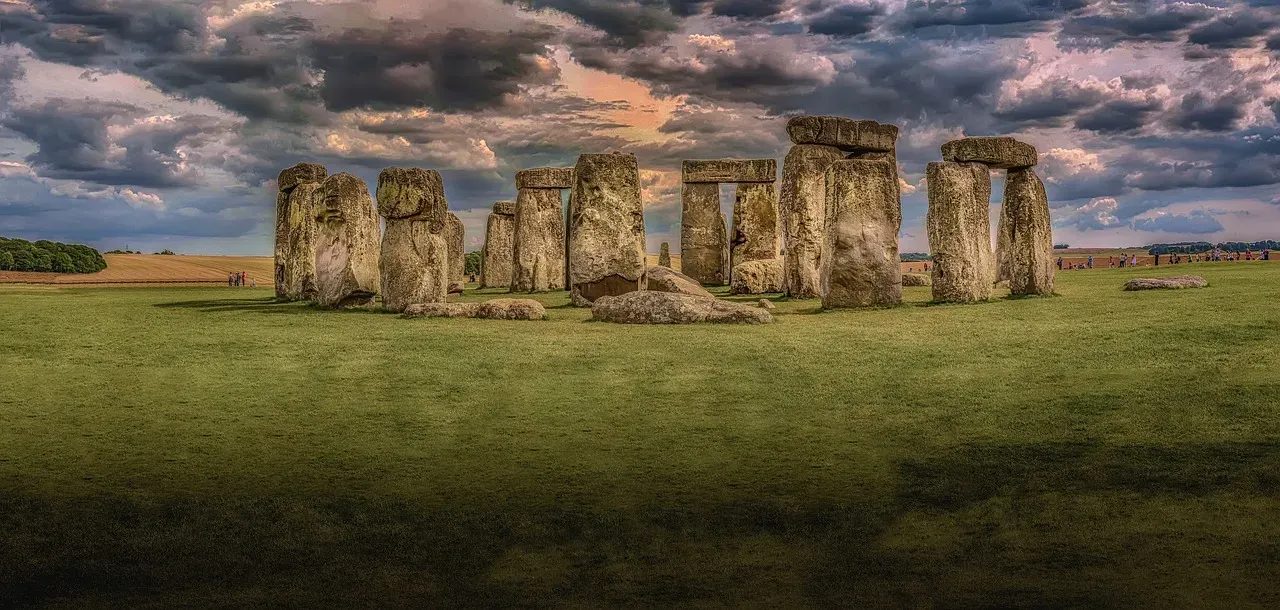
Early human societies were far more sophisticated than we often imagine. From the earliest stone tools crafted roughly three million years ago to the emergence of agriculture and writing, humans demonstrated extraordinary adaptability, ingenuity, and cooperation. Social networks expanded, language evolved, and cultures flourished, laying the groundwork for the complex civilizations that followed.
The journey from scattered bands of hunter-gatherers to organized societies with cities, governments, and written records is a testament to human resilience and creativity. These ancient innovations shaped who you are today, influencing everything from the way you communicate to the structure of your society. Did you expect that so much of modern life has roots stretching back tens of thousands of years? What do you think about it? Tell us in the comments.