
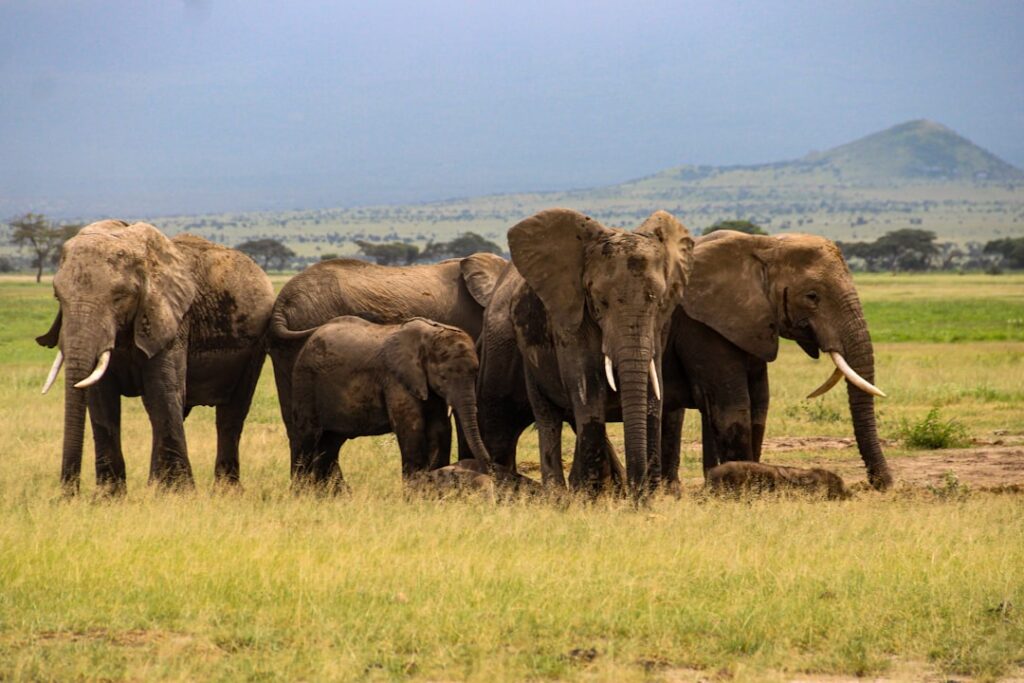
Northern Botswana – Elephants often face criticism for toppling trees and altering landscapes, but detailed research highlights their essential contributions to savanna vitality.
Decades of Data Challenge Old Views
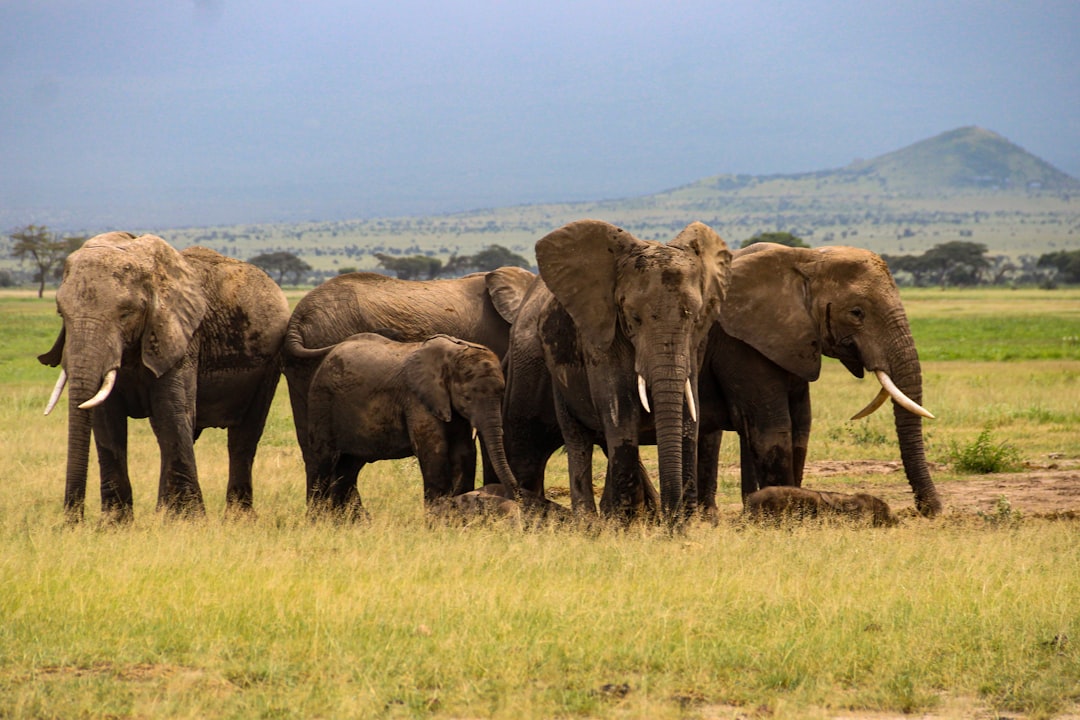
Decades of Data Challenge Old Views (Image Credits: Unsplash)
Dr. Gabriella Teren conducted an extensive PhD study in the Linyanti riparian woodlands, where elephant densities rank among Africa’s highest during dry seasons. Her approach combined ground surveys with aerial imagery spanning nearly two decades, offering rare insights into species-specific changes and landscape patterns.
This methodology bridged gaps in prior research, which either relied on broad satellite views lacking tree identification or confined small-scale plots. Teren’s findings showed elephants reshape woodlands without causing collapse. “Elephants absolutely change woodlands,” she noted. “But change isn’t the same as damage, and it certainly isn’t the same as ecological collapse.”
Such long-term evidence reframes elephants from villains to integral players in ecosystem function.
Navigating Tree Decline and Renewal
Tall canopy trees, especially acacias, diminished notably in the canopy over the study period. Mortality rates stayed close to natural savanna baselines, however. The primary hurdle emerged at the sapling stage, where browsing by elephants and impala prevented many young trees from reaching maturity.
Seedlings persisted for most species, signaling paused regeneration rather than extinction. Long-lived trees require just one successful recruit every century to sustain populations. Meanwhile, resilient species like mopane flourished, coppicing into multistemmed forms after disturbance. These adaptations boosted forage for smaller herbivores and enriched dry-season nutrition.
| Tree Species | Elephant Impact | Outcome |
|---|---|---|
| Acacia | Heavy browsing on saplings | Canopy decline; regeneration bottleneck |
| Mopane | Toppling and browsing | Coppicing; increased shrub growth |
| Combretum mossambicense | Minimal consumption | Understory dominance; potential nurse plant |
Creating Biodiversity Hotspots
Shrubs expanded significantly, with Combretum mossambicense dominating the understory in many areas. Though shrub encroachment raises concerns, it may shield tree seedlings from browsers, fostering future canopy recovery. Elephants thus lowered the browse line, redistributing resources across trophic levels.
Spatial analysis revealed dynamic patches of disturbance: some expanded, others contracted or vanished, preserving intact woodlands alongside transformed zones. This heterogeneity supports diverse species, as savannas thrive on variability rather than uniformity. “In savannas, variability is a good thing,” Teren explained. “Different species benefit from different structures at different times.”
Rethinking Management Strategies
No signs pointed to irreversible biodiversity loss during the study; no tree species vanished locally, and core functions endured. Savannas operate as non-equilibrium systems, fluctuating with rainfall, fire, and herbivory. Culling proves impractical in vast areas like northern Botswana or Kruger National Park.
Experts advocate connectivity through corridors and transboundary parks to distribute elephant pressure. Natural events, such as the 2008 reopening of the Savuti Channel, demonstrated self-regulation by easing local impacts and aiding regeneration. Protecting seed trees in reserves further bolsters resilience.
- Promote landscape-scale conservation over population control.
- Monitor shrub dynamics and climate influences.
- Embrace elephants’ role in preventing monocultures.
Key Takeaways
- Elephants generate habitat mosaics that enhance biodiversity, not degrade it.
- Regeneration persists despite short-term bottlenecks in dynamic savannas.
- Broad landscapes and corridors offer better solutions than culling.
Dr. Teren’s work urges a shift from fearing change to appreciating elephants’ machinery in keeping savannas alive. As conservation evolves, embracing these giants could safeguard ecosystems for generations. What are your thoughts on balancing human needs with wildlife dynamics? Share in the comments.