
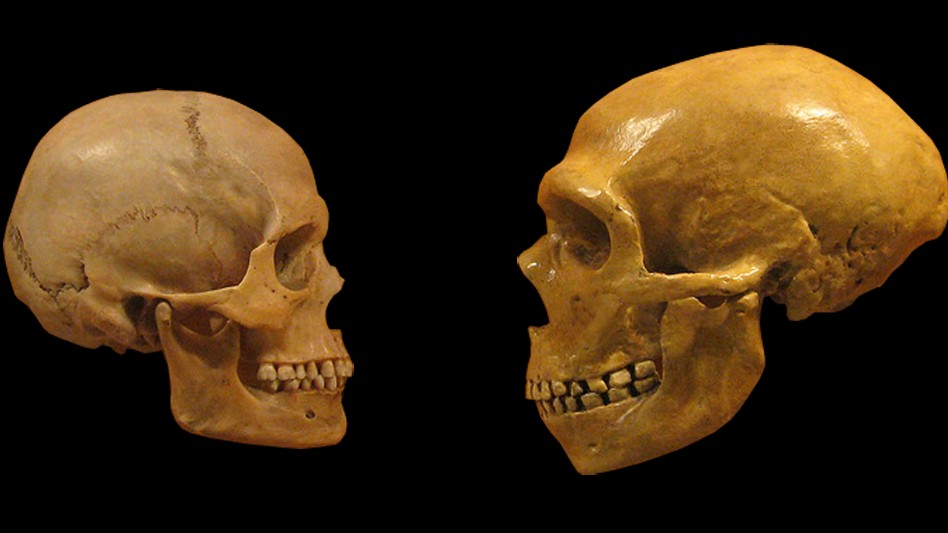
Not that long ago, our picture of human evolution looked surprisingly simple: a straightish line from ancient apes to us, with maybe a few Neanderthals lurking on the edges. Then ancient DNA crashed the party and turned that neat family tree into something closer to a tangled, messy group chat. Suddenly, we were staring at genetic fingerprints from relatives we never knew existed, including a whole population identified from a single pinky bone in a Siberian cave.
This is the quiet revolution most people never see. In clean labs behind layers of contamination controls and moon-suit outfits, scientists are coaxing fragments of DNA out of teeth and bones tens of thousands of years old. What they are finding is both unsettling and oddly comforting: we are not the lone, linear peak of evolution we often imagine. We are the survivors of a complicated, intertwined clan. And our mysterious relatives did not simply vanish; parts of them are alive inside us today.
The Shocking Discovery Hiding in a Pinky Bone
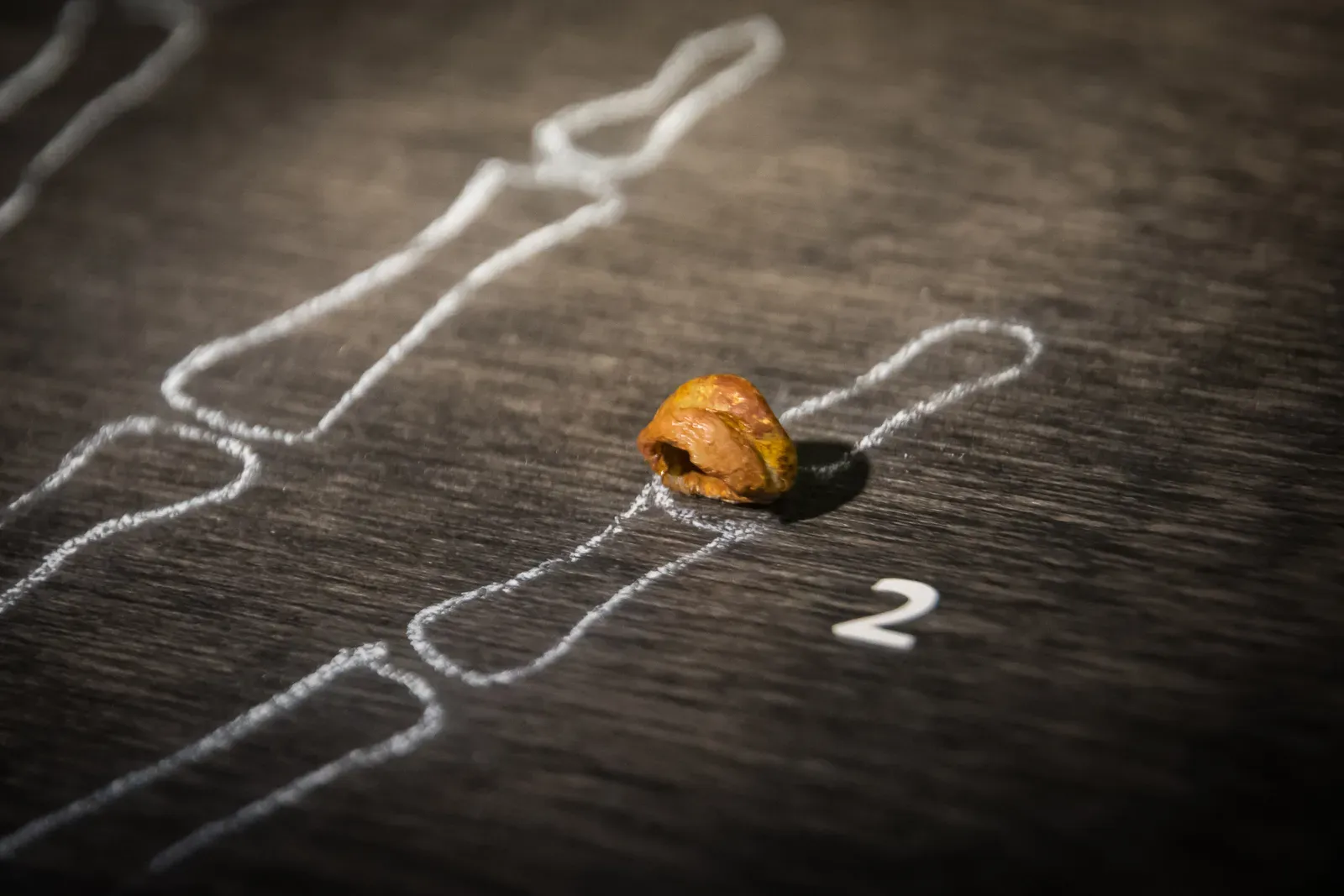
Imagine digging through a cave and thinking you’ve just found another Neanderthal fragment, nothing too special, and then realizing years later that it belonged to an entirely unknown branch of humanity. That is essentially what happened with a tiny finger bone and a tooth from Denisova Cave in Siberia. At first, the bones looked unremarkable; what changed everything was the DNA locked inside them. When researchers sequenced that DNA, they saw a genetic pattern that did not match Neanderthals, did not match modern humans, and did not fit anything they had on file.
This ghost lineage was later named the Denisovans, a group of archaic humans that had left almost no visible trace in the fossil record but a massive imprint in the genomes of people living today. The idea that an entire population could be hiding in our DNA, yet barely in our museums, was genuinely mind-bending. It forced scientists to accept that bones and stone tools alone were not enough to tell our story. The real archive of human history was suddenly shifting into molecules, and it suggested that the cast of characters in our past was larger and stranger than anyone had guessed.
Neanderthals: From Caveman Stereotypes to Genetic Relatives
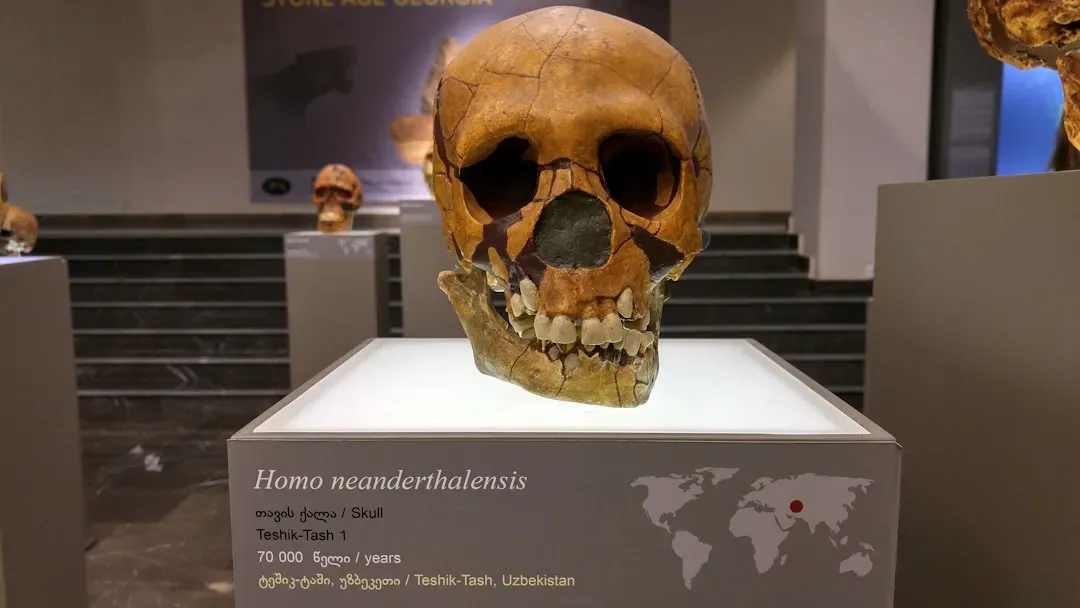
Neanderthals used to be the punchline of human evolution, reduced to clumsy, brutish cave-dwellers in popular imagination. Ancient DNA blew that caricature apart. When scientists sequenced the Neanderthal genome from bones found in Europe and western Asia, they made a discovery that hit uncomfortably close to home: people with ancestry outside of Africa carry a small but real percentage of Neanderthal DNA. In other words, our ancestors did not just replace Neanderthals; they met them, lived with them, and had children with them.
That realization changed the emotional tone of the whole conversation. Instead of seeing Neanderthals as a failed experiment parallel to us, we had to see them as part of our extended family, literally woven into our genetic fabric. Some of those Neanderthal variants are linked to aspects of our skin, immune system, and even how our bodies respond to sunlight and pathogens. Neanderthals stopped being a distant “other” and started looking more like older cousins whose genes helped us cope with unfamiliar climates and diseases as our own line spread around the world.
Denisovans: The Invisible People Inside Modern Genomes
If Neanderthals are the relatives we love to stereotype, Denisovans are the relatives who somehow attended every family gathering but never made it into the photos. Apart from a few fragmentary fossils and teeth, we know shockingly little about what they looked like or how they lived. Yet their genetic legacy shows up clearly in the DNA of many populations, especially in parts of Asia and Oceania. In some groups, a noticeable fraction of the genome can be traced back to Denisovan ancestry, suggesting repeated contact over long periods.
What makes this even more fascinating is that specific Denisovan gene variants seem to have helped humans adapt to extreme environments. One famous example involves people living on the Tibetan Plateau, whose ability to handle low oxygen at high altitude appears to be associated with a gene inherited from Denisovan-related ancestors. It is as if a mysterious, nearly invisible population donated a toolkit that let certain human groups thrive in places that would otherwise be dangerously hostile. That flips the usual narrative: instead of archaic humans just fading away, their genes actively shaped the success of later populations.
Ghost Populations and Hidden Branches on the Family Tree
Ancient DNA did not just uncover Neanderthals and Denisovans as our close relatives; it also revealed something even stranger: hints of other, as-yet-unidentified populations. When geneticists looked closely at the genomes of both ancient and modern humans, they saw patterns that could not be explained just by mixing with Neanderthals and Denisovans. Some segments of DNA suggested contributions from unknown archaic lineages, often called ghost populations because we see their genetic echoes but not their bones.
For someone who grew up with the nice, clean diagram of human evolution in school textbooks, this is a radical shift. The emerging picture is of a braided river rather than a simple, branching tree: streams splitting off, merging, disappearing from view, and yet still feeding into the main channel that leads to us. I remember the first time I read about these ghost populations; it felt almost like learning that your family had old, half-forgotten branches no one talked about, but that still shaped your face, your health, even parts of your personality. The science is cautious, but the implication is unmistakable: our past is more crowded than we thought.
How Ancient DNA Is Rewriting the Story of “Us”
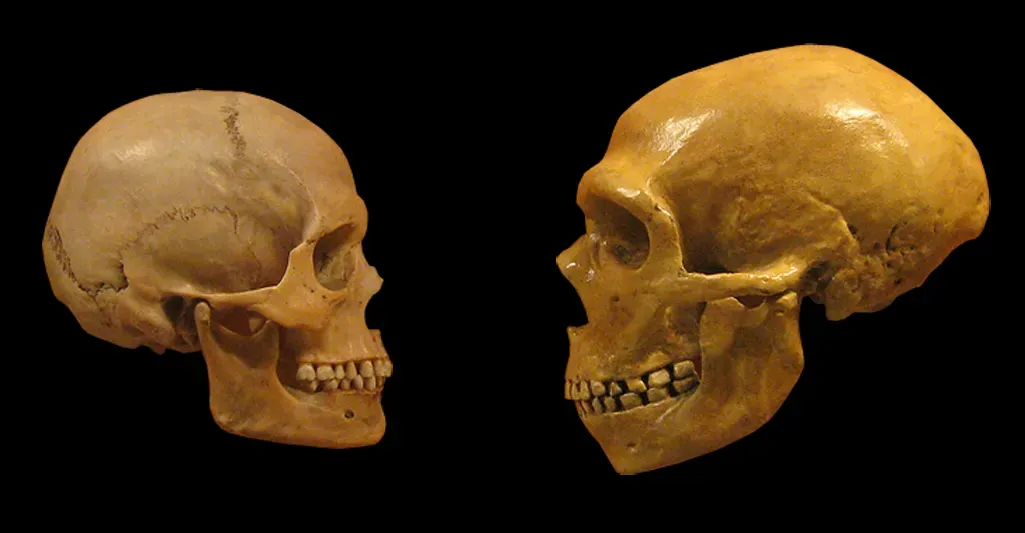
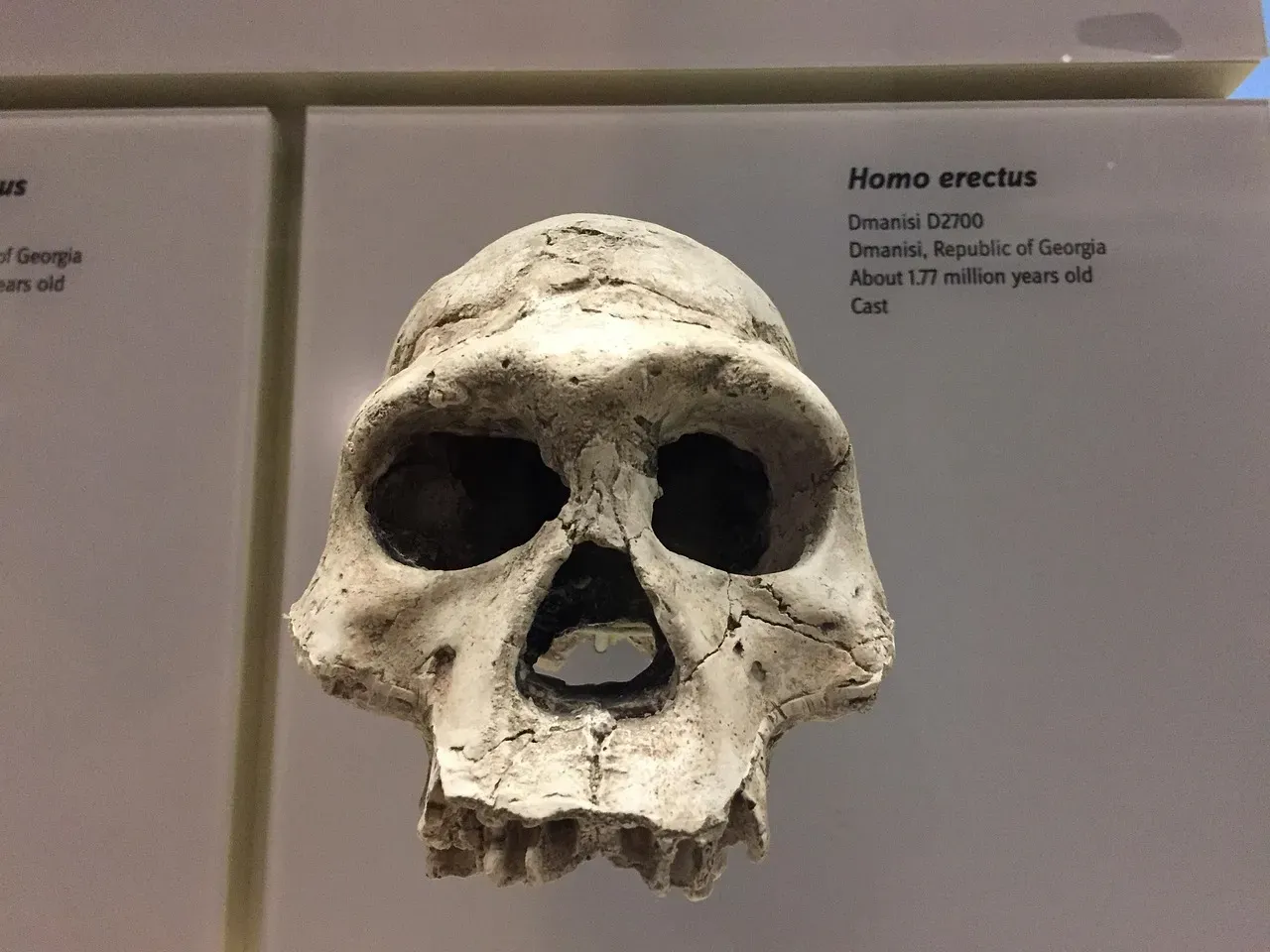
Ancient DNA is not just filling in blank chapters; it is editing earlier ones with a thick red pen. For decades, debates about human evolution revolved around fossils, stone tools, and skeletal features like skull shape and limb proportions. These are still crucial, but DNA brings a new level of detail and sometimes contradicts what those bones seemed to say. For example, genetic evidence has sharpened the timing and routes of human migrations out of Africa, revealing multiple waves and complex patterns of interbreeding that the physical record alone struggled to capture.
This has social and cultural consequences too. The simplistic idea of “pure” modern humans wiping out archaic humans is now basically gone. Instead, the evidence suggests networks of contact, trade, competition, sharing, and intimacy between different groups over thousands of years. That picture is messier, but it is also more human. It suggests that our identity as Homo sapiens was forged not in isolation, but in constant interaction with other close relatives. To me, that undercuts any fantasy of rigid biological boundaries between groups and reminds us that mixing, borrowing, and blending are built into our species from the very start.
What Our Mysterious Relatives Still Mean for Us Today
It is tempting to treat Neanderthals, Denisovans, and ghost populations as ancient curiosities, interesting but irrelevant to modern life. Ancient DNA tells a different story. Some of the genes we inherited from these relatives are involved in immunity, metabolism, skin and hair, and how our bodies respond to different environments. That means their legacy shows up in everything from how we fight infections to how we handle cold, altitude, or certain diets. Far from being obsolete, their DNA is quietly at work in our cells right now.
There is also a deeper, almost philosophical impact. Knowing that we carry the genetic fingerprints of vanished cousins makes the line between “us” and “them” blur in a powerful way. Personally, I think this undercuts any idea that our branch of humanity is uniquely special or separate from the rest of life. We are not sitting at the top of some evolutionary pyramid; we are the latest chapter in a long, collaborative, sometimes chaotic story written together with other human kinds that are gone in body but not entirely gone in code. That realization can be humbling, even a bit unsettling – but it also makes our shared humanity feel bigger and more connected than the textbooks ever suggested.
Conclusion: A Messier, Truer Story of Being Human
Ancient DNA has dragged our species story out of the oversimplified diagrams and into something rawer and more honest. Instead of a clean, heroic rise of modern humans standing alone, we see a crowded, overlapping landscape of relatives: Neanderthals trading genes and tools, Denisovans quietly shaping high-altitude life, ghost populations leaving fingerprints we are only just starting to recognize. In my view, this is not a downgrade to our status; it is an upgrade to our understanding. We are not the solitary winners of some grand contest – we are the living braid of many intertwined lineages.
That makes our identity a little less pure and a lot more interesting. It means that when you look in the mirror, you are not just seeing a modern human; you are also seeing the long shadows of cousins whose faces we may never fully reconstruct, but whose DNA still whispers in your cells. I think that should change how we talk about difference, ancestry, and what it means to belong to the human family. Our most mysterious relatives are not just ancient bones in a cave; they are part of why we exist at all. Knowing that, how could we ever again pretend that the story of “us” was simple?