Somewhere in a windswept badland, a fragment of ancient bone is waiting to be found. It has been buried for millions of years, pressed between layers of sediment, holding its breath through ice ages and mass extinctions. When you finally brush the dust off it, you are not just looking at rock. You are holding a letter written by life itself, addressed to anyone patient enough to read it.
Fossils serve as a bridge to our planet’s deep past, preserving traces of ancient life and offering profound insights into evolution, extinction, and the development of life on Earth. The astonishing part? Every single one of them is different. Each specimen carries its own chapter of triumph or tragedy, adaptation or collapse. Whether you are a scientist with a CT scanner or a curious person who just picked something strange up from a river bed, fossils have a way of stopping you cold and making you ask: what happened here?
This is a journey through some of the most breathtaking stories the fossil record has to tell. Brace yourself – some of what you are about to discover might completely change the way you see the living world around you. Let’s dive in.
The Fossil Record: Earth’s Most Honest Autobiography
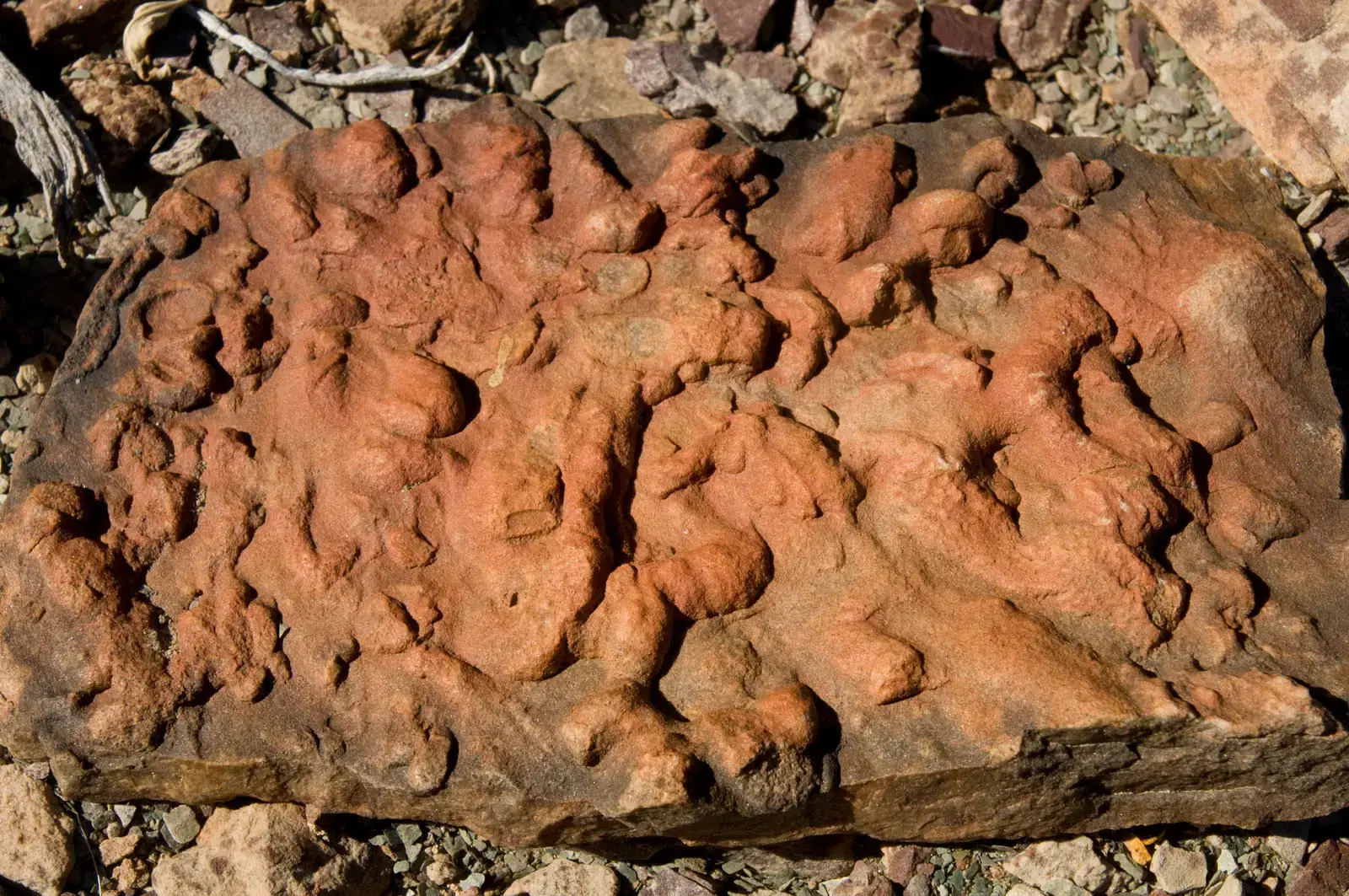
Think of the fossil record less like a library and more like a partially burned archive. There are gaps, missing pages, and ink-smudged passages. Yet what remains is astonishing in its clarity. The fossil record provides snapshots of the past which, when assembled, illustrate a panorama of evolutionary change over the past 3.5 billion years – and the picture clearly shows that life is very, very old and has changed over time through evolution.
Captivating remnants of ancient times, fossils offer a window into Earth’s history and the evolution of life, documenting the past and providing clues about extinct species, vanished environments, and the processes that shaped our planet. Honestly, when you consider that a fragile leaf or a paper-thin insect wing can survive for hundreds of millions of years pressed inside rock, it feels almost miraculous. Nature, it turns out, is a surprisingly good archivist – when the conditions are right.
Lucy and the Bones That Rewrote Human History
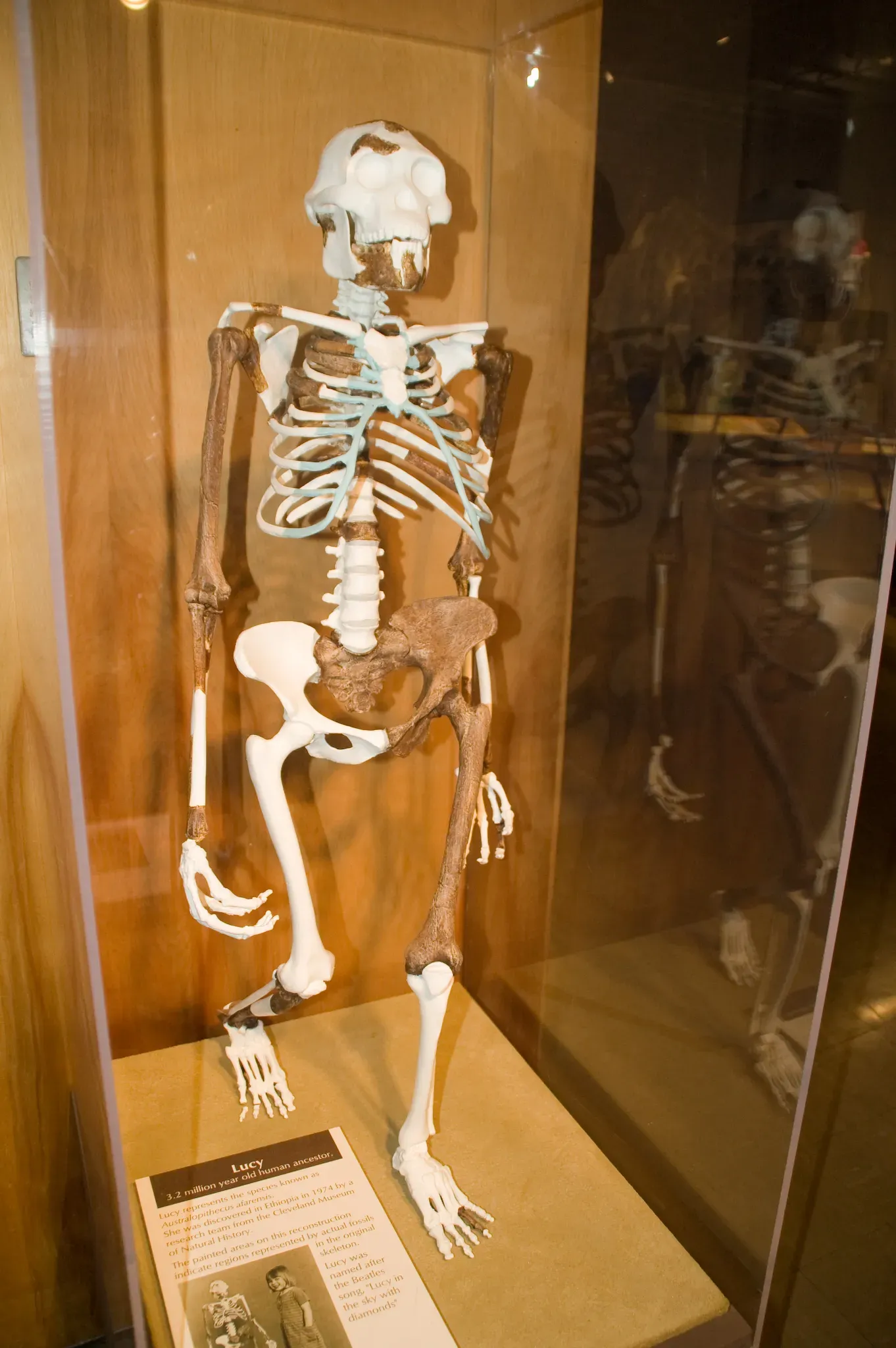
In 1974, Donald Johanson and his team unearthed a remarkable fossil in Ethiopia: a 3.2-million-year-old Australopithecus afarensis skeleton they named Lucy. Let’s be real – this single discovery shook the entire field of human origins to its foundation. Comprising roughly forty percent of her skeleton, Lucy provided irrefutable evidence that early human ancestors walked upright, with her pelvic structure and leg bones revealing bipedal locomotion, even though her long arms suggested she retained some climbing ability.
Lucy fundamentally changed the understanding of human evolution, emphasizing the importance of upright walking in our ancestors’ development long before the expansion of brain size, and today she remains a cornerstone in the study of hominin evolution and a symbol of our shared history. It is staggering to think that a collection of bones smaller than what you could fit in a backpack has taught us more about our own origins than almost any other discovery in history. She was not just a fossil. She was an answer to a question humans had been asking for centuries.
Archaeopteryx: The Missing Link That Changed Everything
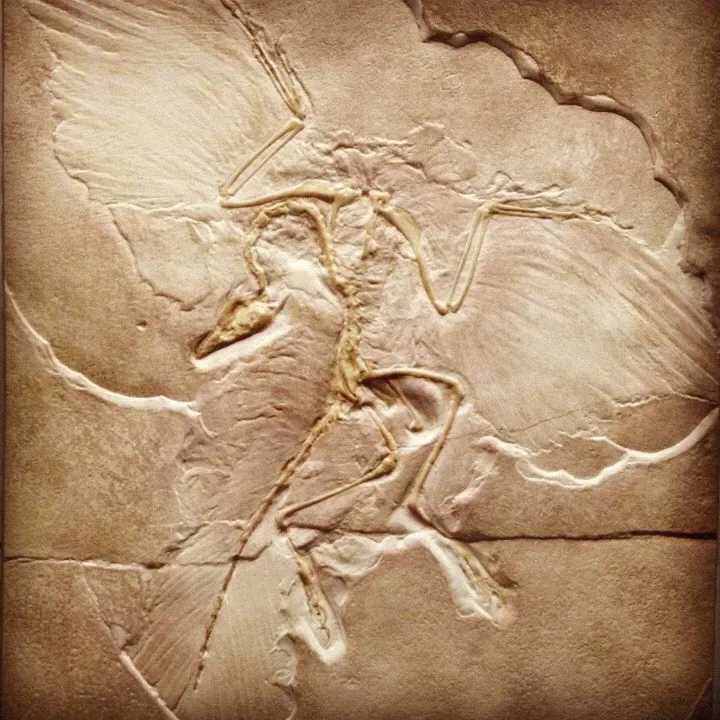
Discovered in Germany in 1861, Archaeopteryx is a crow-sized creature often called the “missing link” between dinosaurs and birds. What makes it so powerful is what you can see with your own eyes when you look at a cast of it. The fossil clearly showed an imprint of feathers – suggesting a bird – around a skeleton showing teeth, tail bones, and clawed fingers, none of which are associated with birds.
Scientists were shocked to discover this fossil from the limestone deposits of Solnhofen, Germany – it is known to be the transition, or missing link, between extinct dinosaurs and modern birds, and for scientists, this organism had characteristics of both. The discovery of Archaeopteryx has led to more discoveries of other transitional organisms; however, none have had the same remarkable impact. When you stare at a picture of it, you are essentially watching evolution mid-sentence – a creature that had not yet decided what it was going to become.
The Great Dying and the Shocking Ocean Comeback
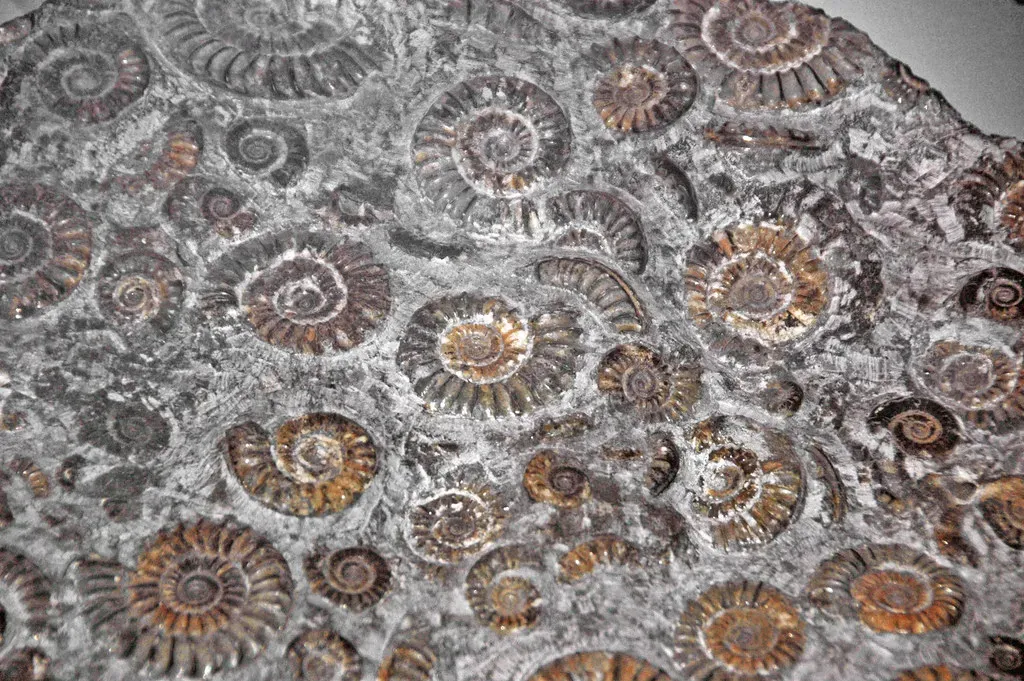
Known as the end-Permian mass extinction, this event – often called the “great dying” – eliminated more than ninety percent of marine species, and scientists link the catastrophe to intense greenhouse conditions, oxygen loss in the oceans, widespread acidification, and massive volcanic eruptions tied to the breakup of the ancient Pangaean supercontinent. It is hard to even imagine a scale of death that total. Picture every creature in every ocean on Earth, and now imagine nearly all of them gone within a geologically brief window of time.
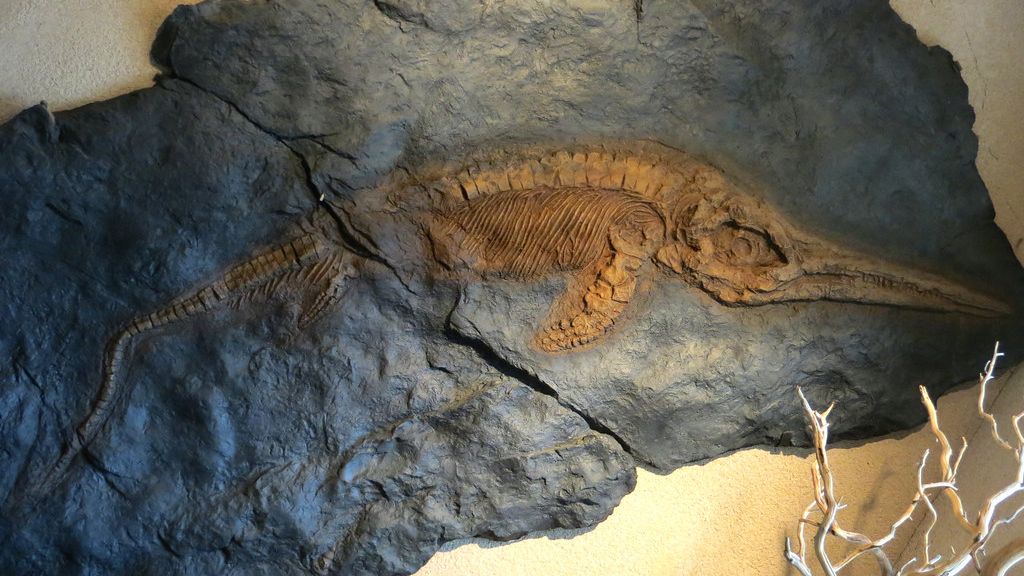
Yet here is the part that genuinely surprises most people. A spectacular fossil trove on the Arctic island of Spitsbergen shows that marine life made a stunning comeback after Earth’s greatest extinction, with tens of thousands of fossils revealing fully aquatic reptiles and complex food chains thriving just three million years later – and some predators grew over five meters long, challenging the idea of a slow, step-by-step recovery. The find rewrites the early history of ocean ecosystems. Life, it turns out, is harder to kill than we ever thought.
Living Fossils: When Extinction Gets It Completely Wrong
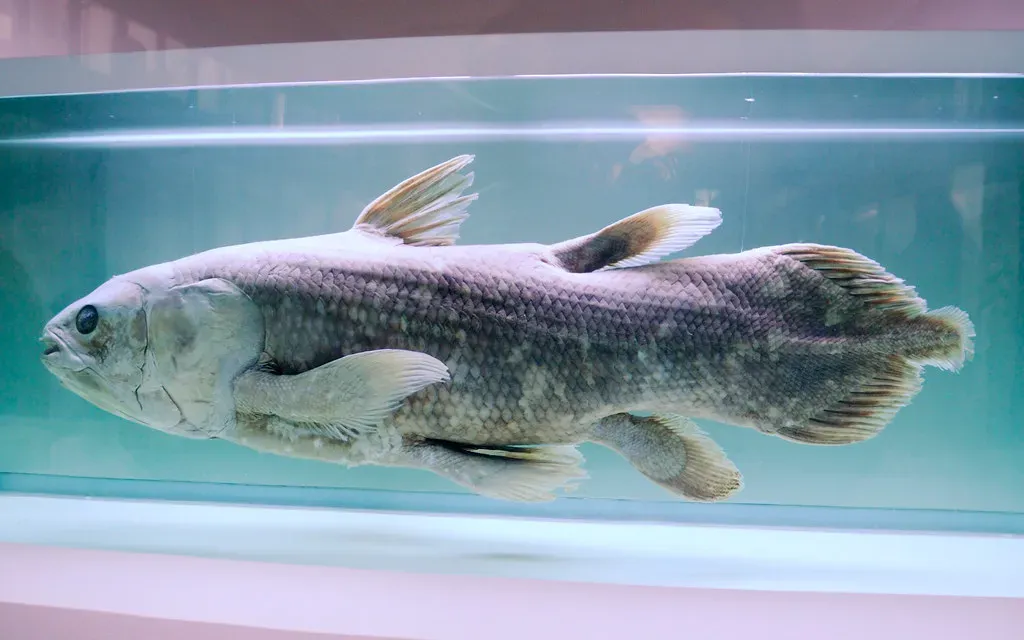
The earliest fossils of the coelacanth, a lobe-finned fish, date back to the Devonian time period approximately 420 million years ago, and coelacanth fossils are conspicuously absent after the Cretaceous Period about 66 million years ago – so as the end of the Cretaceous was marked by the mass extinction event that killed off the dinosaurs, scientists believed that the fish also died out at this time. Everyone agreed. The case was closed. Then came 1938.
A live coelacanth was caught off the coast of South Africa in December 1938, completely upending scientists’ understanding of the species. I know it sounds crazy, but an animal that supposedly vanished with the dinosaurs had been quietly swimming in the deep Indian Ocean the entire time. Coelacanths are considered “living fossils” because they have many features similar to their ancient ancestors, such as a lobe-shaped tail and paired fins with bony, jointed structures. It is the kind of discovery that makes you wonder what else might still be out there, hiding just beneath the surface.
Neanderthals: Not Extinct, Just Transformed
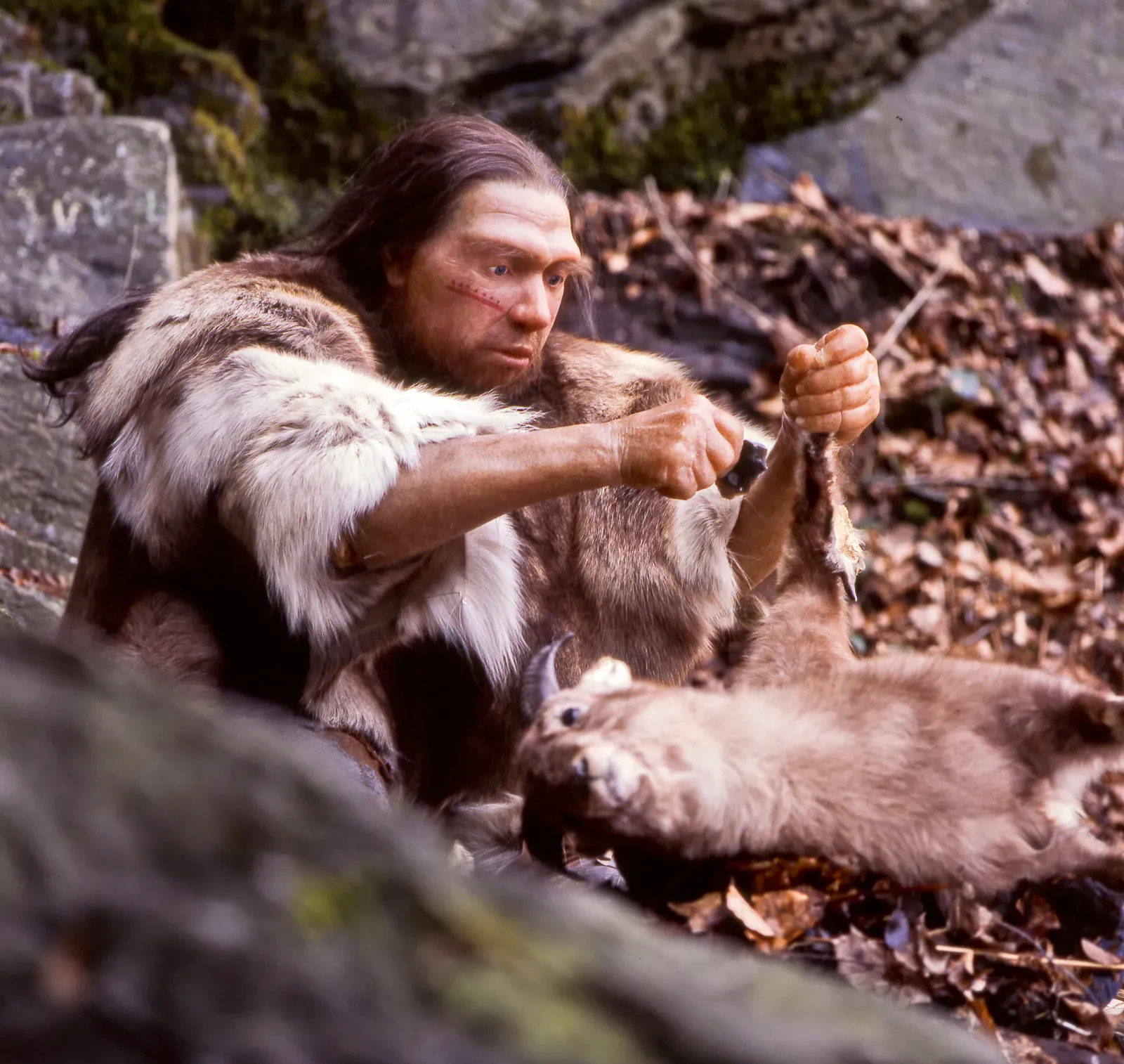
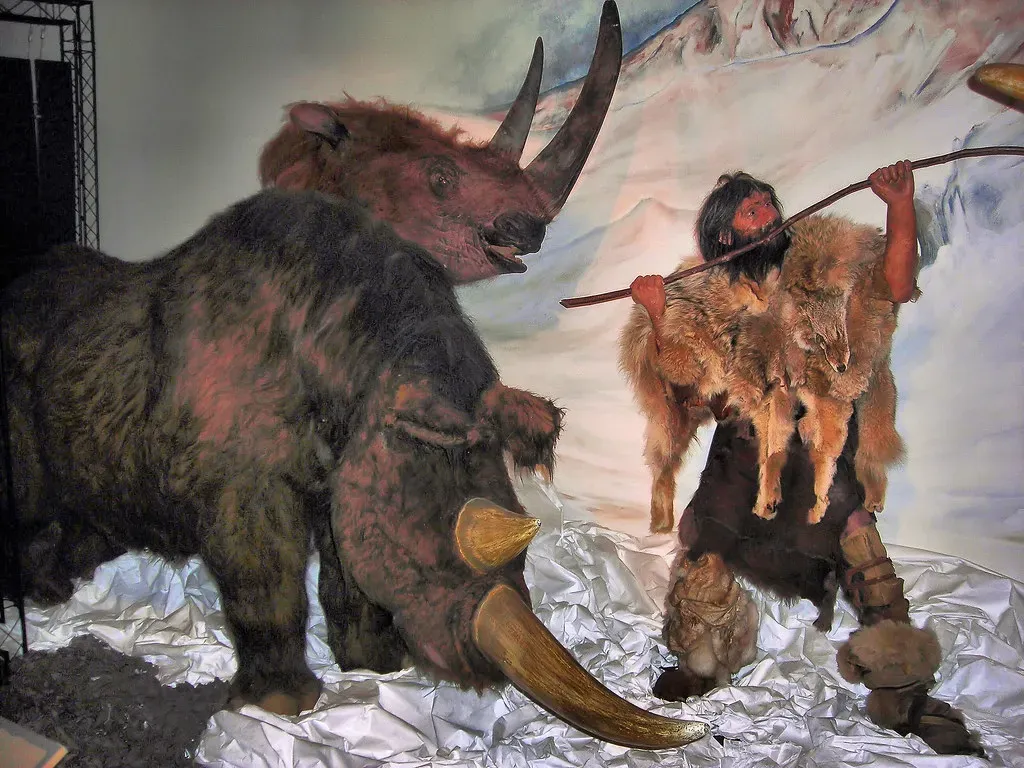
Neanderthals were skilled hunters, toolmakers, and caregivers, and their legacy persists – not just in the archaeological record, but in our very genes. The old image of the brutish caveman has been thoroughly dismantled by decades of fossil and genetic evidence. Analysis confirmed that Neanderthals interbred with early modern humans, which marked a turning point in understanding ancient human interactions, and this breakthrough shed light on traits and adaptations shared between Neanderthals and their modern relatives.
A fragment of bone found in Siberia’s Denisova Cave revealed that a child born 90,000 years ago had a Neanderthal mother and a Denisovan father – and Denisovans, an extinct group of archaic humans closely related to Neanderthals, are known from only a few fossil remains. This hybrid discovery underscores the complex interactions between ancient human species, showing that Neanderthals were not isolated but part of a dynamic web of migration and interbreeding. In a very real sense, you could argue that Neanderthals never truly went extinct at all. They simply became part of us.
When Fossils Reveal the Unexpected: Ecosystems Frozen in Time
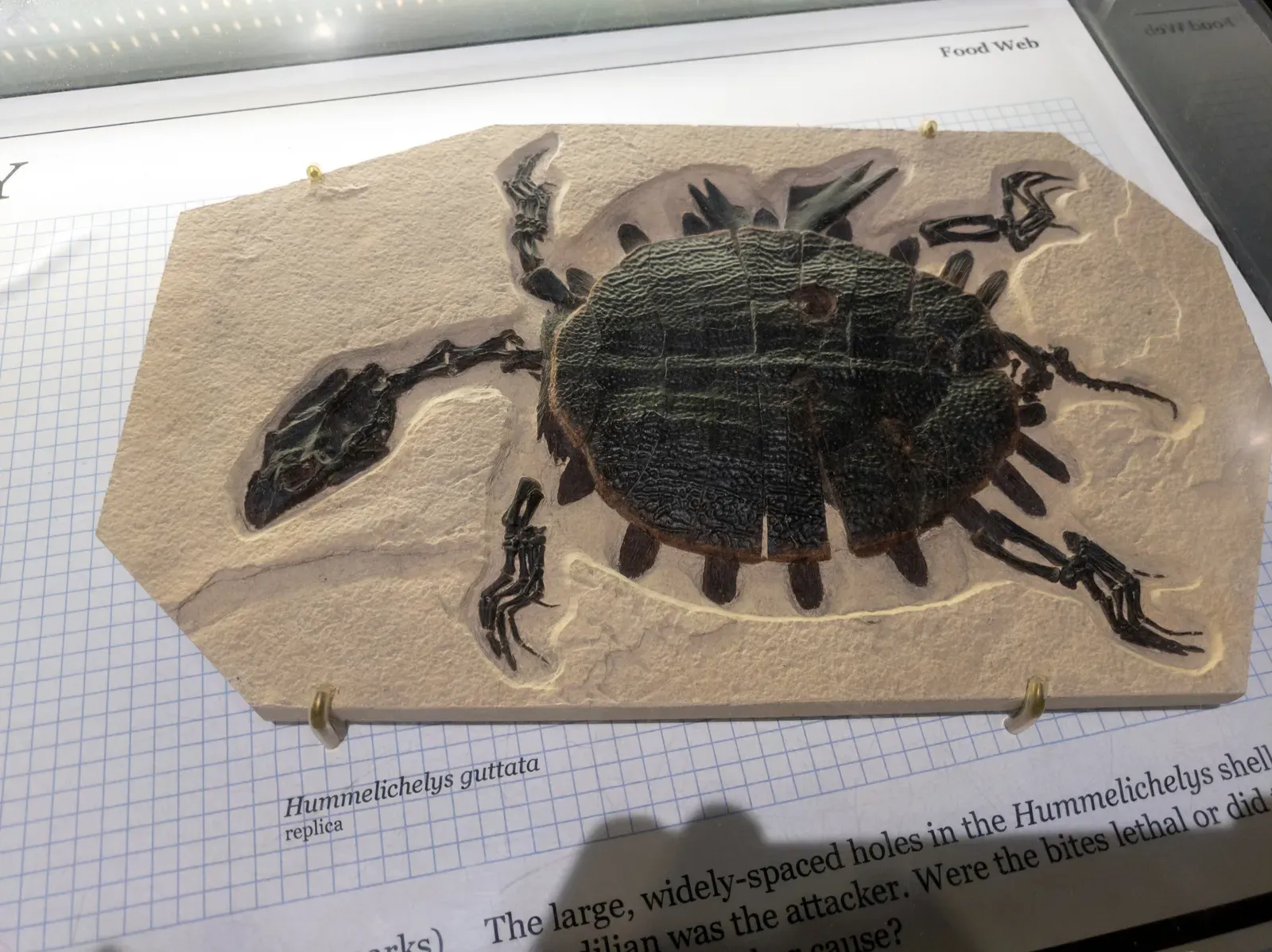
A newly discovered fossil site in Hunan, South China, has captured an entire ecosystem in recovery in extraordinary detail, including soft tissues and internal structures – and nearly sixty percent of the species found within are previously unknown to science. Think of it like pressing pause on a wildlife documentary from half a billion years ago. The fossils reveal a rich and diverse ecosystem filled with predators and prey alike, and their preservation includes far more than just external shapes and textures – in many cases, internal organs and soft tissues were captured in exquisite detail, including nervous systems and even cellular structures.
Researchers have uncovered thousands of preserved metabolic molecules inside fossilized bones millions of years old, offering a surprising new window into prehistoric life – with findings revealing animals’ diets, diseases, and even their surrounding climate, including evidence of warmer, wetter environments, and one fossil even showed signs of a parasite still known today. This approach could transform how scientists reconstruct ancient ecosystems. Every time you think the fossil record has given up all its secrets, it turns around and surprises you all over again.
Fossils as Forecasters: What the Past Can Warn Us About Tomorrow
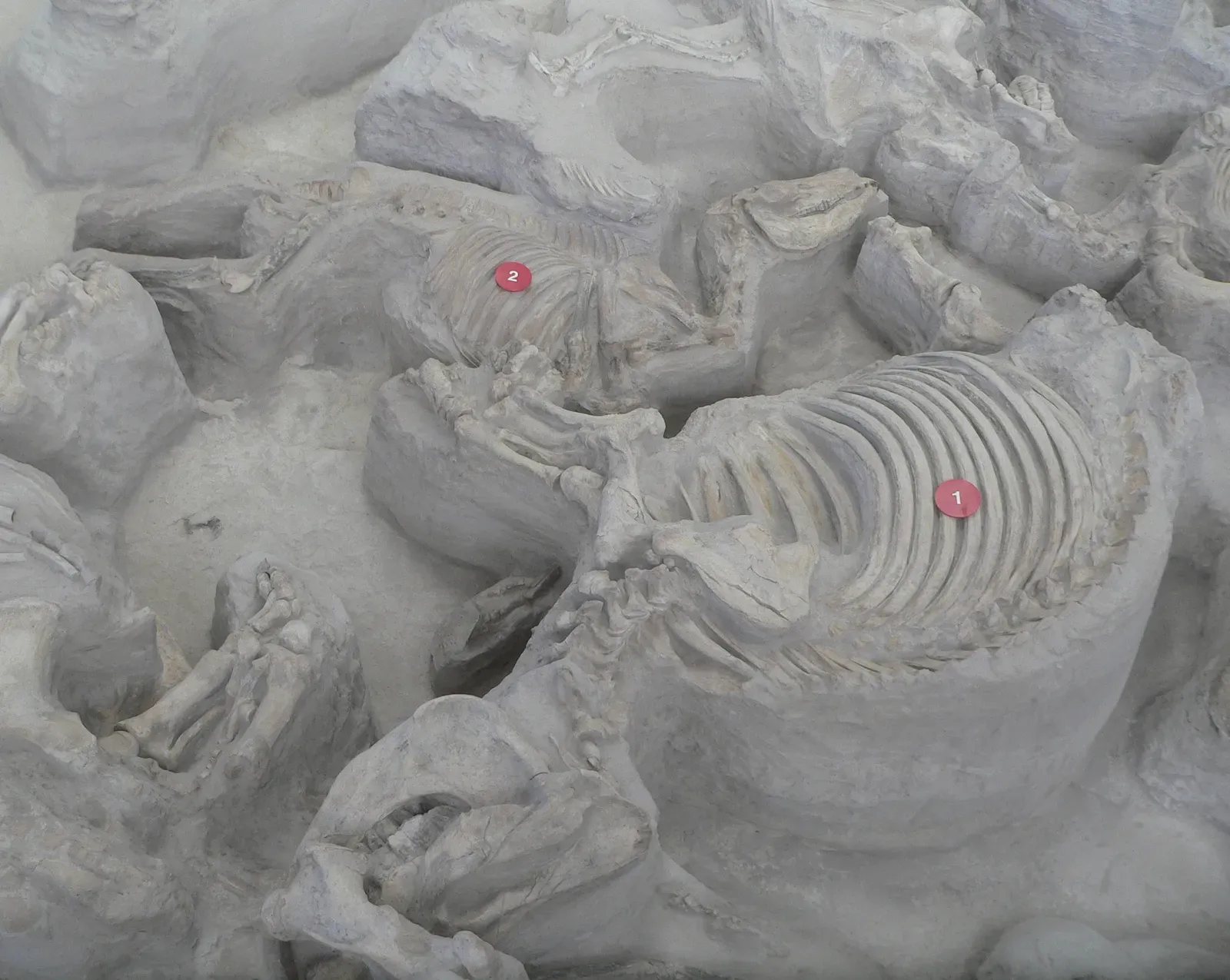
As available resources and environmental conditions change, species will either be forced to adapt and evolve or face extinction – like the prehistoric dinosaurs or Ice Age megafauna. This is not just ancient history. It is a very pointed message aimed directly at us in 2026. Less well-known, perhaps, is that fossils can also tell us about our future – by studying the fossil record, you can see how past ecosystems and species adapted to different conditions, helping anticipate potential upcoming changes in biodiversity and ecosystem dynamics.
A study on the diversity of cranial shapes of crocodylomorphs throughout their evolutionary history found that crocodylomorphs with generalist dietary ecology were most likely to survive and diversify after mass extinction events. Flexibility, in other words, may be the single greatest survival trait life has ever discovered. Life rebounded from each of the Big Five mass extinctions throughout Earth’s history, eventually punching through past diversity highs. The fossil record is not pessimistic. It is, if you read it carefully, one of the most powerful arguments for resilience ever assembled.
Conclusion: Dust, Stone, and the Miracle of Memory
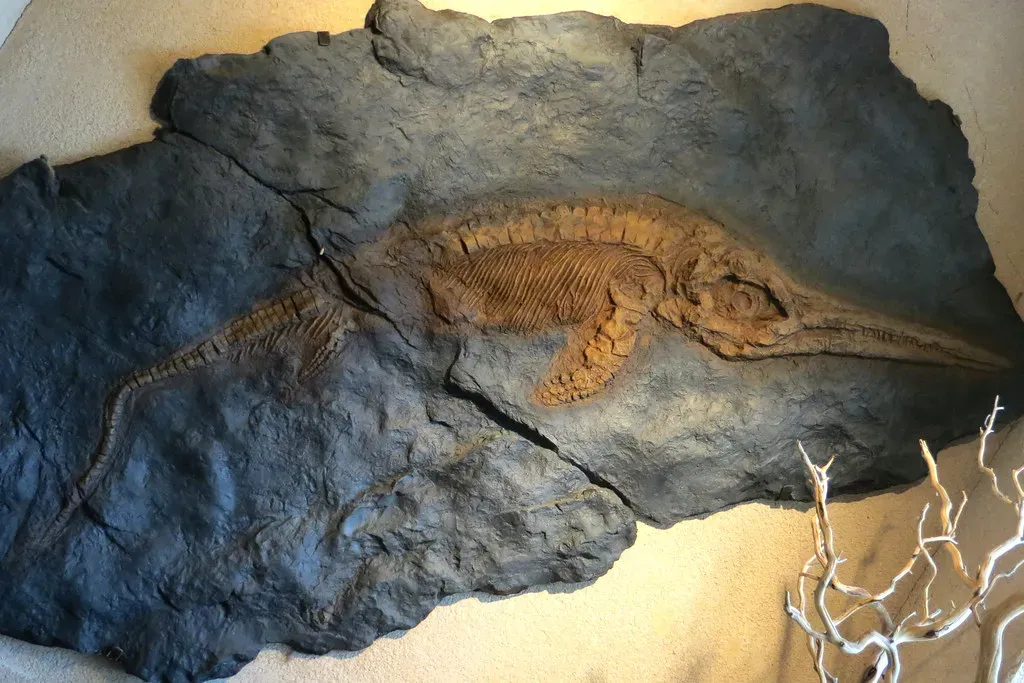
Every time you look at a fossil – whether it is a trilobite in a museum or a shark tooth found on a beach – you are holding the result of an almost impossibly improbable chain of events. The creature had to die in the right place, be buried at the right speed, survive in the right rock, and then be found by the right person. Most life that ever existed on Earth left no trace whatsoever. The ones that did are priceless.
Fossils are not relics. They are messages. They tell you how species rose to dominance and collapsed overnight. They reveal that extinction is not always the end, that some creatures bend instead of break, and that life has a stubborn, almost reckless refusal to give up entirely. The more you understand them, the harder it becomes to look at the natural world as anything other than a continuing story – one that you are living inside of right now.
So next time you see a fossil in a glass case, stop for a moment longer than you normally would. Ask yourself what story it is trying to tell you. The answer might be more personal than you expect. What story do you think the fossils of today’s world will tell the discoverers of tomorrow?