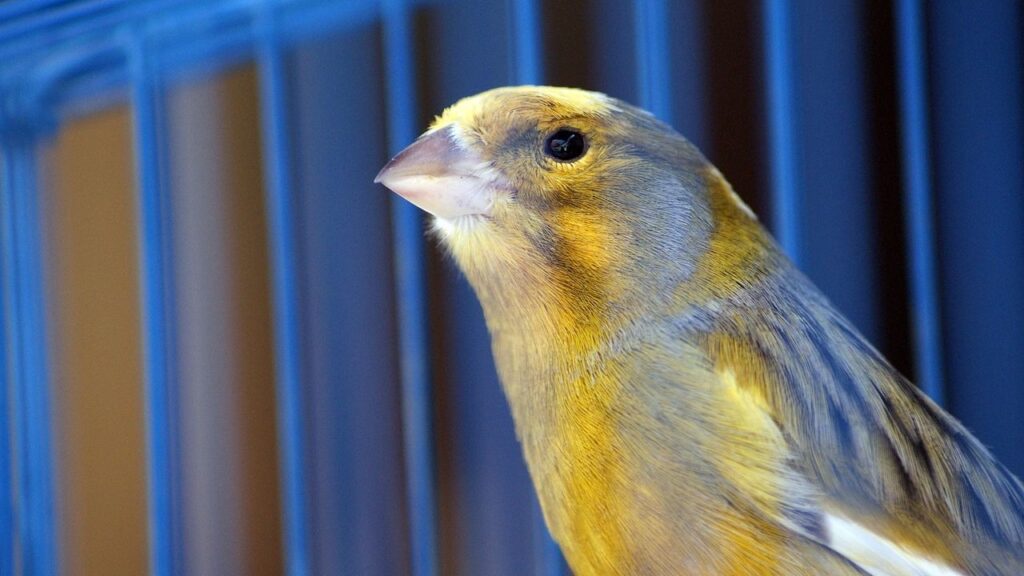
How temperature swings impact the growth of young songbirds – Image for illustrative purposes only (Image credits: Pixabay)
As climate change intensifies, erratic weather patterns disrupt ecosystems in subtle yet profound ways. Nestling barn swallows, small songbirds dependent on stable conditions for their first weeks of life, face heightened risks from cold nights, scorching days, and unpredictable swings in temperature. Researchers documented these effects in a detailed study conducted in Colorado, highlighting how such variability compromises the birds’ early development and survival prospects.[1][2]
Nestlings’ Unique Vulnerabilities Exposed
Barn swallow nestlings hatch helpless, lacking feathers and the ability to regulate their body temperature independently. For the first five days, they rely entirely on parental brooding to maintain warmth, a period when cold minimum temperatures proved especially detrimental to their mass gain. Scientists observed that lower nighttime lows during this early phase correlated with significantly reduced body weights, a pattern that faded after the nestlings developed rudimentary thermoregulation around day six.[1]
High maximum temperatures, meanwhile, weighed on growth throughout the nestling period. Nestlings exposed to hotter days ended up lighter, regardless of whether the heat struck early or later in development. Temperature variability – measured as the interquartile range of daily fluctuations – exerted a consistent drag on mass across both stages, underscoring the toll of instability itself.[1]
Study Details Uncover Fine-Scale Effects
Biologists tracked 113 nestlings across 31 nests at seven sites in Boulder County, Colorado, during the 2021 breeding season. They measured body mass and wing length at key intervals – days 3-4, 8-9, and 11-13 post-hatch – while logging near-nest temperatures every 15 minutes. Parental feeding rates, observed through hour-long watches, provided context on care levels, revealing interactions between weather and caregiving.[1]
The analysis separated early development (hatch to day 5) from late (days 6 to 11-13), capturing shifts as nestlings gained down feathers and metabolic control. Statistical models accounted for brood dynamics, classifying nestlings as the “smallest” or “others” based on wing size at days 8-9. This approach illuminated how individual traits modulated temperature sensitivity.[1]
Brood Position and Care Amplify Risks
Within broods, hatching asynchrony created size hierarchies, leaving the smallest nestlings at a disadvantage. These juniors suffered more from high maximum temperatures and variability, gaining less mass than their larger siblings under the same conditions. Marginal evidence suggested cold also hit them harder, though the effect was less pronounced.[1]
Parental provisioning offered partial protection, particularly against cold. Nests with lower feeding rates saw amplified negative impacts from low minimum temperatures, while high-care nests buffered nestlings better. Maximum heat and swings affected all equally, pointing to limits in how adults can mitigate extremes.[1]
- Low minimum temperatures: Stronger harm in early development and low-feeding nests (up to 2.18g less mass per SD °C).
- High maximum temperatures: Reduced mass across stages, worse for smallest nestlings.
- Temperature variability: Consistent growth inhibitor, amplified for juniors.
What matters now: These patterns suggest that as climate variability rises, songbird populations may see uneven declines, with broods producing fewer robust fledglings.
Broader Implications for Songbird Survival
Barn swallows, like many altricial songbirds, breed in open nests exposed to ambient conditions, making them sentinels for climate impacts. Reduced nestling mass signals poorer fledging success and long-term viability, as lighter birds face higher predation and starvation risks post-nest. The study’s focus on one population calls for expanded research across species and years to gauge wider threats.[1]
While adults adjust breeding timing or foraging in response to warmer springs, nestlings remain tethered and vulnerable. Metabolic costs from temperature stress divert energy from growth, compounding food shortages during bad weather. Conservation efforts might prioritize habitats with milder microclimates or support for breeding sites amid shifting patterns.
Ultimately, this work reveals the delicate balance young songbirds maintain amid weather whims. As temperatures grow more erratic, protecting their critical early days becomes essential to sustaining melodious skies.