
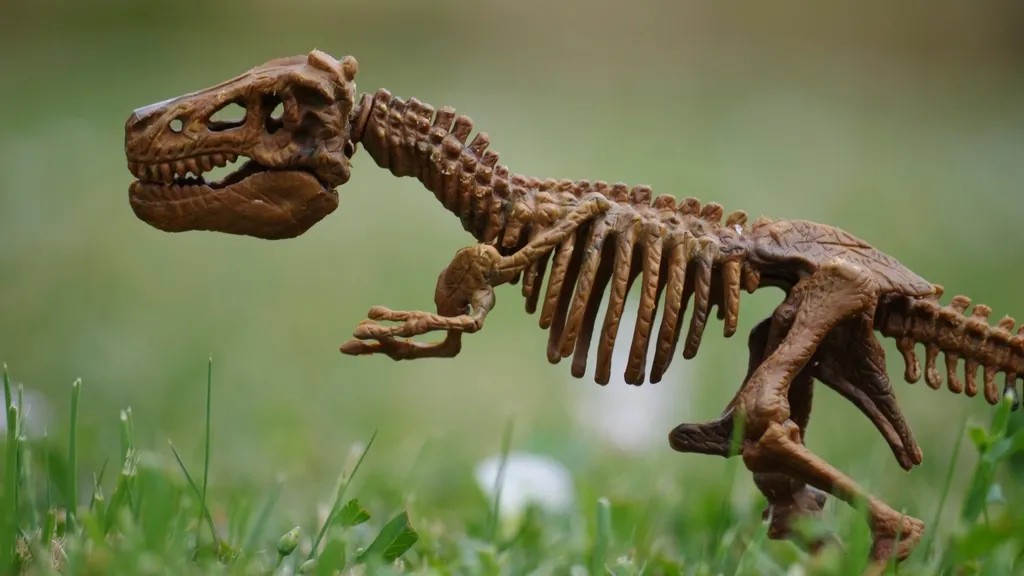
There is something almost magical about holding a piece of deep time in your hands. For a lot of collectors over 50, buying a dinosaur fossil is not just a hobby purchase; it is a childhood dream finally made real. That emotional pull is exactly what scammers are counting on right now, and they are getting more sophisticated, more global, and frankly, more brazen than ever.
In the last several years, paleontologists, customs officials, and auction houses have been sounding the alarm: fake, altered, and illegally trafficked fossils are pouring into the market. Some are crude tourist trinkets, but others are so convincing they can fool smart, educated buyers with decades of collecting experience. If you are in your fifties or beyond, with a bit more disposable income and a long‑standing fascination with dinosaurs, you are now one of the prime targets. Here is exactly what you need to know before you spend another dollar.
The New Fossil Gold Rush: Why Scams Are Exploding Now
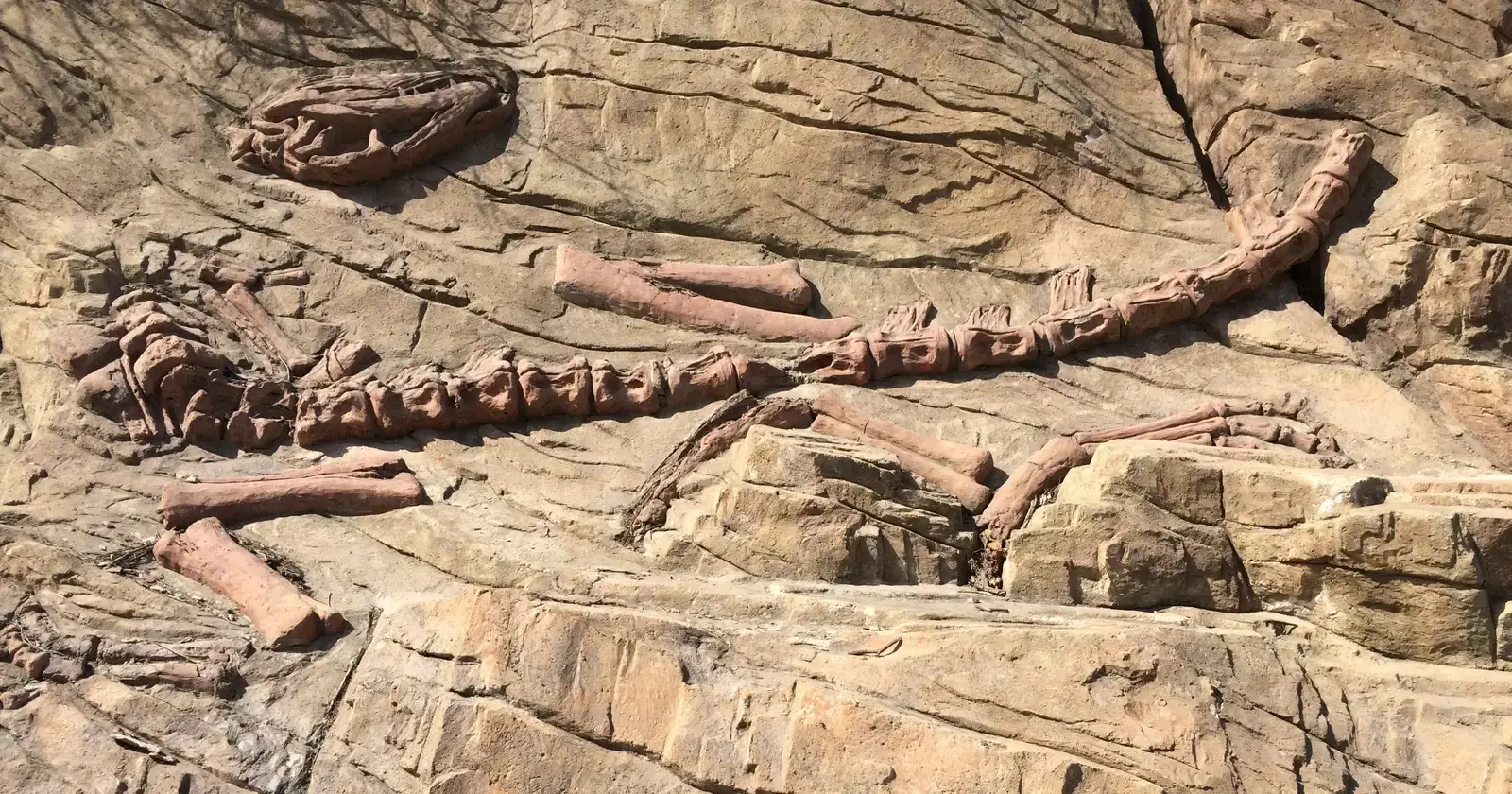
It is no accident that fake dinosaur fossils have become a booming side industry. Genuine dinosaur bones have fetched eye‑watering prices at major auctions, from six‑figure raptor skeletons to multi‑million‑dollar Tyrannosaurus specimens. When a single impressive piece can sell for the price of a luxury car or house, that kind of money attracts everyone, from serious dealers to outright criminals. The result is a kind of fossil gold rush, where the line between legitimate commerce and outright fraud keeps getting blurred.
At the same time, online marketplaces and social media have turned what used to be a small, specialist trade into a global free‑for‑all. Someone in their living room can list a “museum‑quality” dinosaur fossil and reach buyers all over the world in minutes. Many collectors grew up buying fossils from local rock shops or science fairs, and the convenience of the internet feels like a natural next step. But behind glossy photos and fancy descriptions, there may be no vetting, no oversight, and no accountability. That combination of high prices, emotional appeal, and frictionless sales is exactly why scams are surging right now.
Why Collectors Over 50 Are Prime Targets
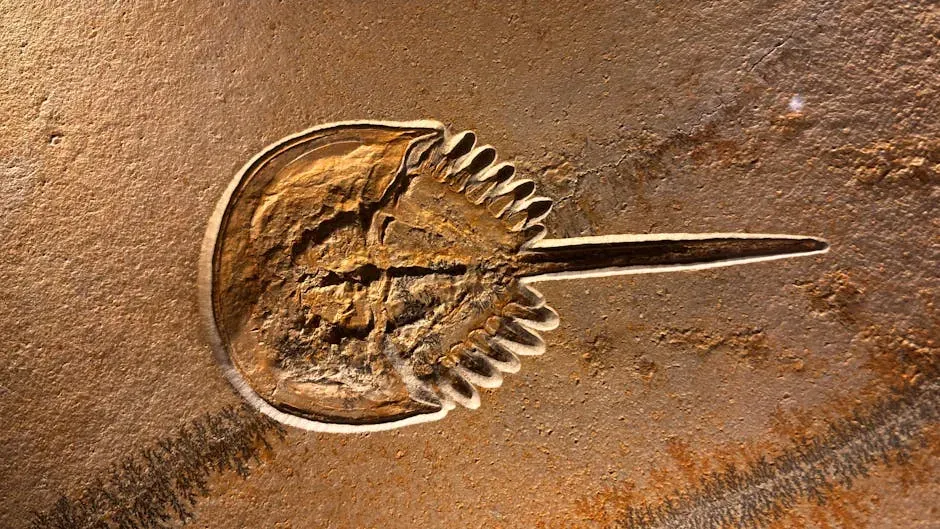
If you are over 50, scammers see you as a near‑perfect customer: you probably have a bit more savings, you remember the dinosaur craze from childhood, and you may finally feel ready to splurge on something special for yourself or your grandkids. That mix of nostalgia and financial comfort is powerful. A cleverly worded listing that promises a “rare raptor claw from a private collection” can feel like a once‑in‑a‑lifetime chance to own the thing you always wanted as a kid. Fraudsters deliberately play to that emotion, knowing that excitement can nudge you to click “buy” before you slow down and verify the details.
There is also a subtle psychological trap that affects experienced adults: the belief that you are too savvy to be fooled. Many over‑50 collectors have had long professional careers, made complex financial decisions, and navigated big purchases like houses, cars, or art. That history can create a quiet overconfidence. In my own case, I once felt sure an old mineral specimen I bought at a flea market had to be genuine because “I’ve been collecting for years” – only to have a geologist friend gently explain it was a polished industrial scrap. Being seasoned helps, but in a niche world like fossils, specialized knowledge matters more than general life experience, and scammers count on that gap.
The Most Common Dinosaur Fossil Fakes and “Frankenstein” Pieces
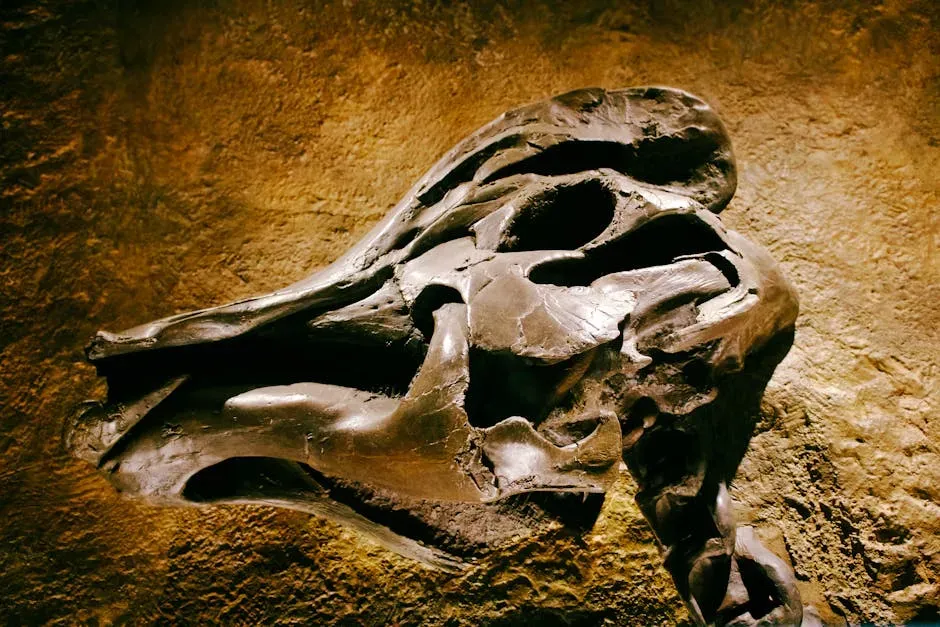
Fake dinosaur fossils are not always obvious plastic toys painted to look old. Many are assembled from real but common bones, heavily repaired, or partly manufactured from stone and resin. One popular scam is the so‑called “Frankenstein” fossil: a dramatic-looking skeleton or skull made from pieces of several different animals, sometimes even different species, cobbled together and then filled, sculpted, and painted to appear seamless. To the untrained eye, it looks like a spectacular complete find; in reality, it is about as authentic as a movie prop in terms of scientific integrity.
Another recurring trick is to take a small genuine fragment – say a bit of bone or tooth – and embed it into an artificially carved stone slab, then extend or embellish the rest with plaster and pigment. You might get a real dinosaur tooth, but the jaw, the “bite marks,” and the dramatic background rock are pure fabrication. There are also fully carved and dyed pieces, especially claws, eggs, and small skulls, that are made from limestone or sandstone and artificially aged. When you see unusually perfect symmetry, suspiciously dramatic poses, or far too much completeness for the price, you are likely looking at a cleverly staged fake.
Scientific Red Flags: How Real Dinosaur Bones Actually Look
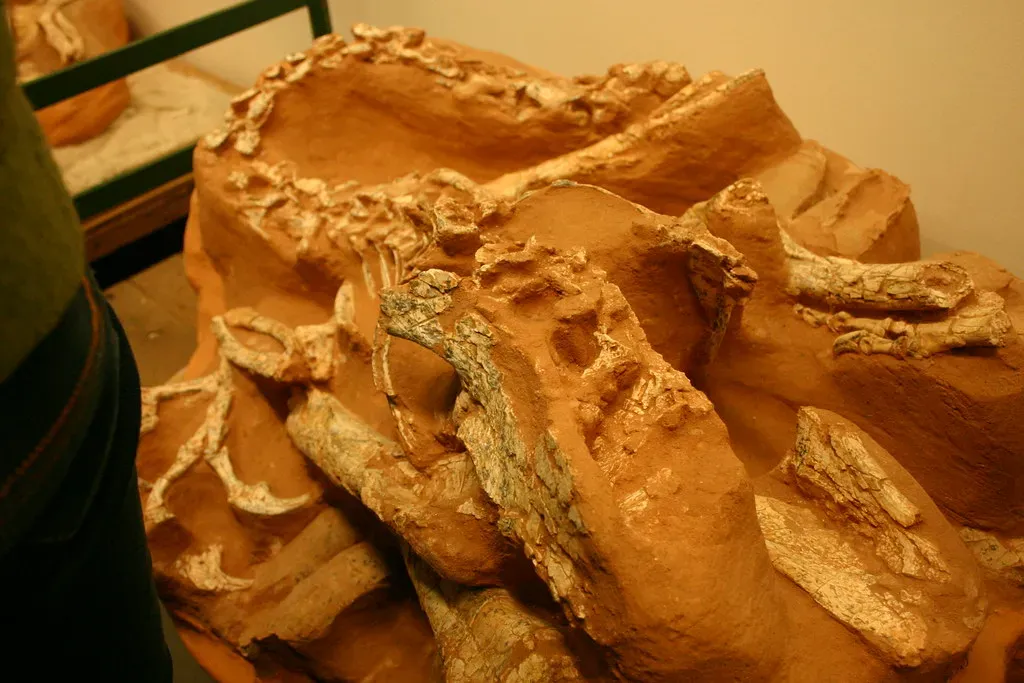
Real dinosaur bones have a very specific personality that you start to recognize once you have handled a few authentic specimens. The surface is rarely smooth and glossy; instead, it often shows tiny pores, subtle texture, and the kind of irregularity you see in natural materials that have been buried for millions of years. Cross‑sections of many dinosaur bones, especially from theropods, can show a spongy, honeycomb‑like internal structure, not a solid, uniform interior. If a bone looks like it could have come from a decorative statue – overly polished, identical texture throughout, and oddly perfect edges – that alone should make you cautious.
Color is another clue, but it is tricky. Genuine fossils can be a range of browns, blacks, reds, and grays, depending on the minerals in the surrounding rock. However, they rarely have a uniform, paint‑like color coating every surface exactly the same way. Look for subtle variations, weathered spots, and transitions where the fossil meets the matrix rock. Also pay attention to weight and temperature: fossilized bone often feels heavier and cooler than modern bone or resin. Picking up a piece and noticing it feels strangely light, a bit plasticky, or warms quickly in your hand can be a quiet signal that you are not holding deep time, just a well‑crafted imitation.
Paper Trails and Provenance: The Documents You Should Insist On
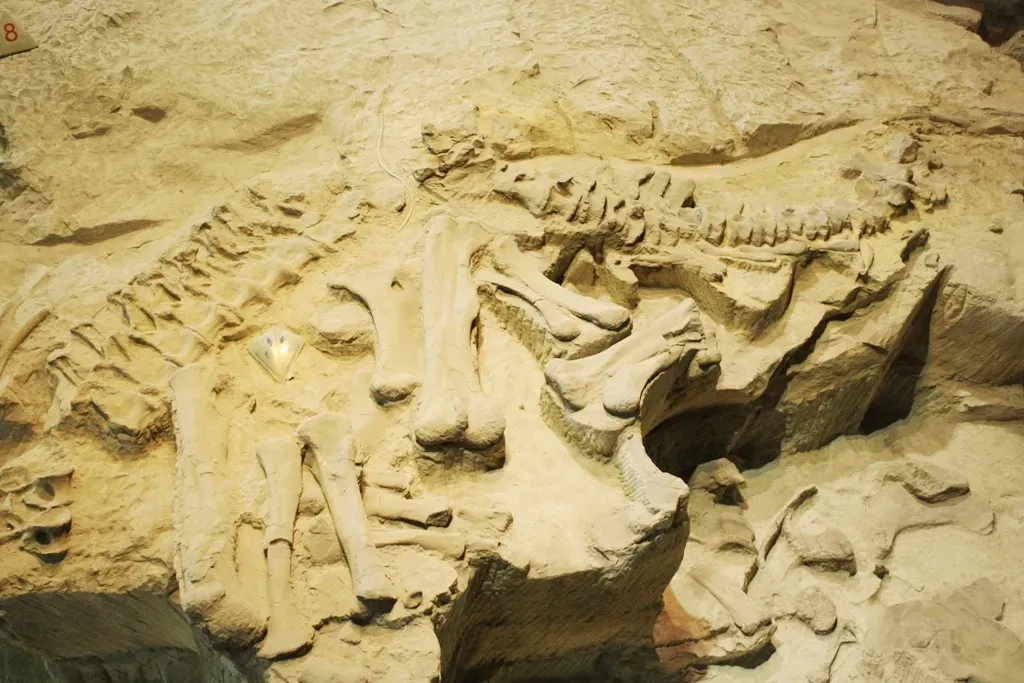
One of the strongest defenses against fake or illegally traded fossils is paperwork. A legitimate dealer should be able to provide a clear provenance: where the fossil came from, when it was collected, and who has owned it since. That does not mean every bone needs a decades‑long history with perfect records, but there should be more than a vague story about a “private European collection.” Look for basic details like the formation or region, the approximate age, and whether the fossil was found on private land or sourced through an established supplier. A serious seller treats this history as part of the value, not as an inconvenience.
There is also the legal side that many collectors underestimate. Some countries strictly regulate or even prohibit the export of fossils, especially dinosaur bones, because they are considered part of national heritage. If a seller cannot explain how a fossil legally left its country of origin, that is a red flag both ethically and practically. You do not want to invest in a piece that could be seized later or make you unintentionally part of smuggling. Do not be shy about asking direct questions and walking away if the answers are vague, defensive, or inconsistent. A bit of awkwardness now is far better than a deeply expensive regret later.
Smart Buying Strategies: Simple Steps to Protect Yourself
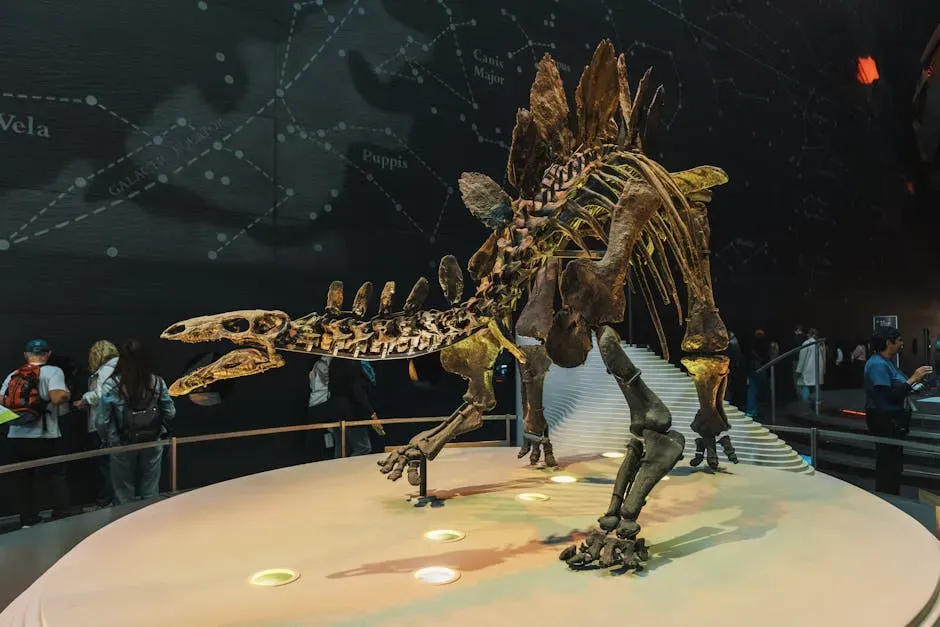
Before making any significant fossil purchase, especially online, slow everything down. High‑pressure language like “once in a lifetime,” “last chance,” or “must sell today” is designed to short‑circuit your skepticism. Instead, think like a cautious investigator: compare similar pieces from several dealers, check whether the price seems too good to be true, and ask for multiple high‑resolution photos from different angles, including close‑ups of repairs and breaks. Reputable sellers are usually happy to provide these; scammers often are not. If a listing depends more on dramatic adjectives than clear scientific descriptions, treat that as a warning sign.
Whenever possible, get an independent opinion from a paleontologist, a university museum, or a respected long‑time fossil dealer who is not involved in the sale. Many experts are surprisingly willing to look at photos and give a quick informal assessment, especially if you explain you are trying to avoid fakes. Also consider starting with smaller, well‑documented pieces from trusted sources before diving into big, showy specimens. Think of it like learning wine: you would not start by buying the most expensive bottle in the shop without knowing how to read a label. Building experience slowly is not only safer, it can actually make collecting more fun, because you will understand what you are looking at.
Ethics, Legacy, and Buying Fossils You Will Be Proud To Pass On
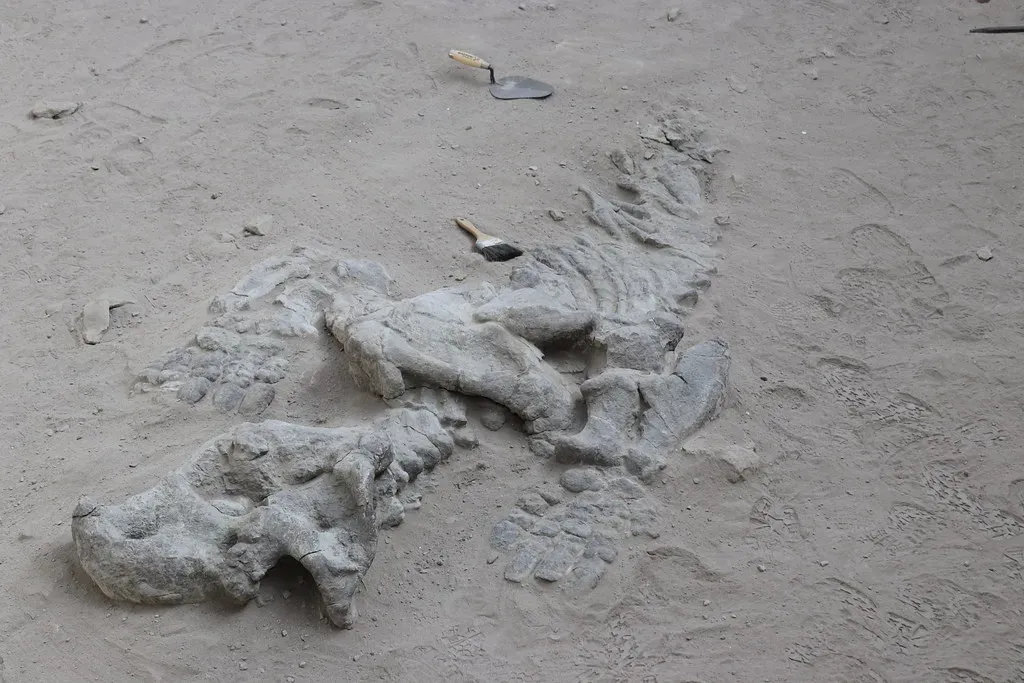
For many collectors over 50, buying a dinosaur fossil is not just about owning something cool right now; it is also about legacy. You might imagine handing that piece down to your children or grandchildren, sharing the story of the ancient world it came from. A fake or illegally sourced fossil quietly undermines that entire story. Instead of passing on a genuine link to prehistoric life, you are passing on a financial and ethical question mark. Knowing that some spectacular fossils have been ripped from scientific sites or smuggled out of poorer regions can leave an uncomfortable aftertaste, even if you did not mean any harm.
The good news is that you can build a collection that is both exciting and responsible. Supporting reputable dealers, choosing well‑documented specimens, and being willing to pay a fair market price for authenticity sends a signal that quality and ethics matter more than bargain‑basement bragging rights. I have seen older collectors take real pride not only in the fossils they own, but in the fact that those pieces could be lent to a local museum or used to inspire kids at a school event without embarrassment. When you think of your collection as part of your personal story – and maybe even a small part of the scientific and educational story of fossils in general – it becomes easier to walk away from anything that feels dubious.
Conclusion: Trust Your Curiosity, Not Your Impulse
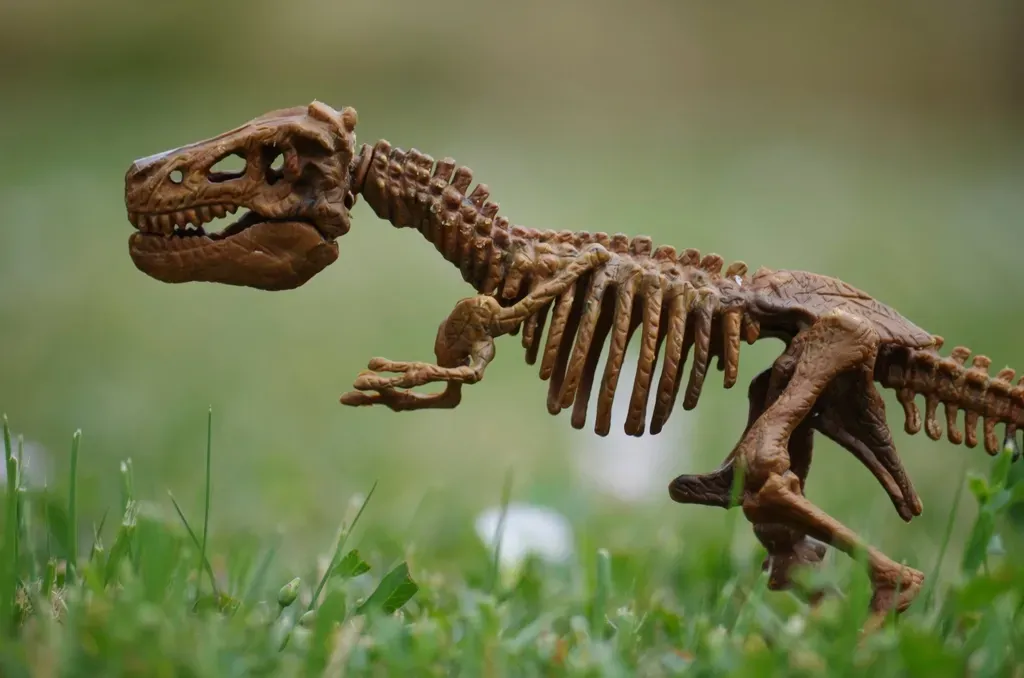
Dinosaur fossils tap into something deep and childlike in all of us, and scammers know it. They are betting that the awe you feel when you see a dramatic skull or claw will overpower your inner skeptic, especially if you finally have the time and money to indulge a lifelong fascination. My opinion is blunt: in the current market, if you are over 50 and buying fossils without asking hard questions, you are playing a rigged game where the cheaters are several moves ahead. That does not mean you should give up; it means you need to collect with your head and your heart working together, not your impulses running the show.
The safest path is not to withdraw from the hobby, but to raise your standards. Insist on provenance, seek second opinions, and be willing to spend more on fewer, better pieces that you can be proud of in every sense. In a world flooded with fakes and Frankenstein fossils, a small, carefully chosen collection can carry far more meaning than a shelf full of cheap, questionable trophies. The next time you feel that jolt of excitement over a “rare dinosaur find” online, pause and ask yourself: will this still feel like a treasure when I know every detail of where it came from and how it was made?